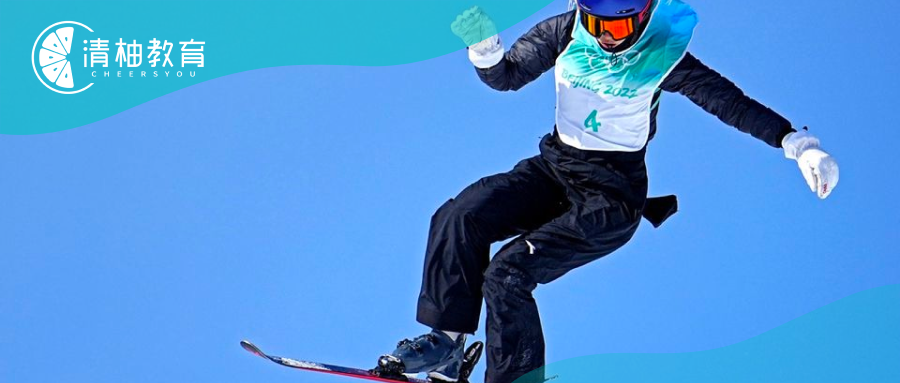
These days, everyone should have been bombarded by Gu Ailing. On February 8, in the women's freeski big air final, she scored 188.25 points to win the third gold medal for the Chinese team, making Chinese snow sports history!
.gif)
Her crucial third run directly challenged the world's highest difficulty—a left double cork 1620 with a safety grab—and she stuck it on her first try!
Debut as Champion: She Made It
How difficult was Gu Ailing's jump?
To give you a more intuitive idea: once a skier launches off the ramp, it's like leaping from the top of a 17-story building. Performing a series of extremely difficult moves at this 50-meter peak is truly a behavior that pushes human limits.
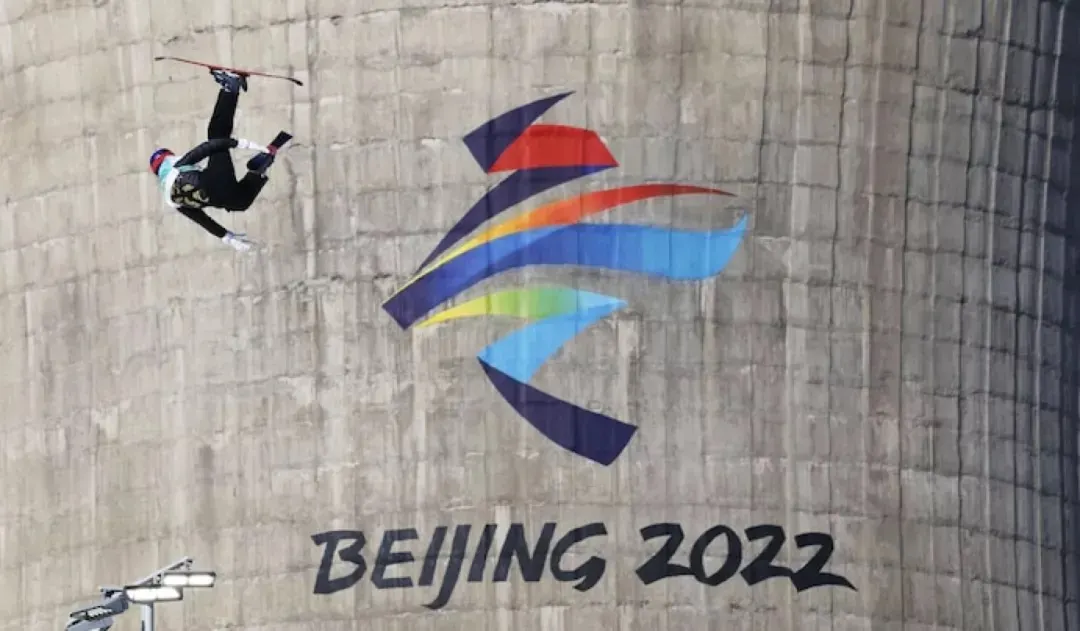
Gu Ailing said this move "only ever ran through my mind." And the first time she completed it was on the Olympic stage.
Actually, big air wasn't originally her strong event, and she was competing against formidable opponents, making the gold medal seem almost impossible. Moreover, Gu Ailing had never landed a 1620 before. If she risked injury on the big air, it would be very disadvantageous for the subsequent events and could even lead to withdrawal.
But in this top-level final where gods clashed, everyone would give their all. The challenge was not only against opponents but also against oneself. What defines a top athlete? What is the Olympic spirit? It's about breaking limits, challenging the impossible, and dancing on the edge of a blade.
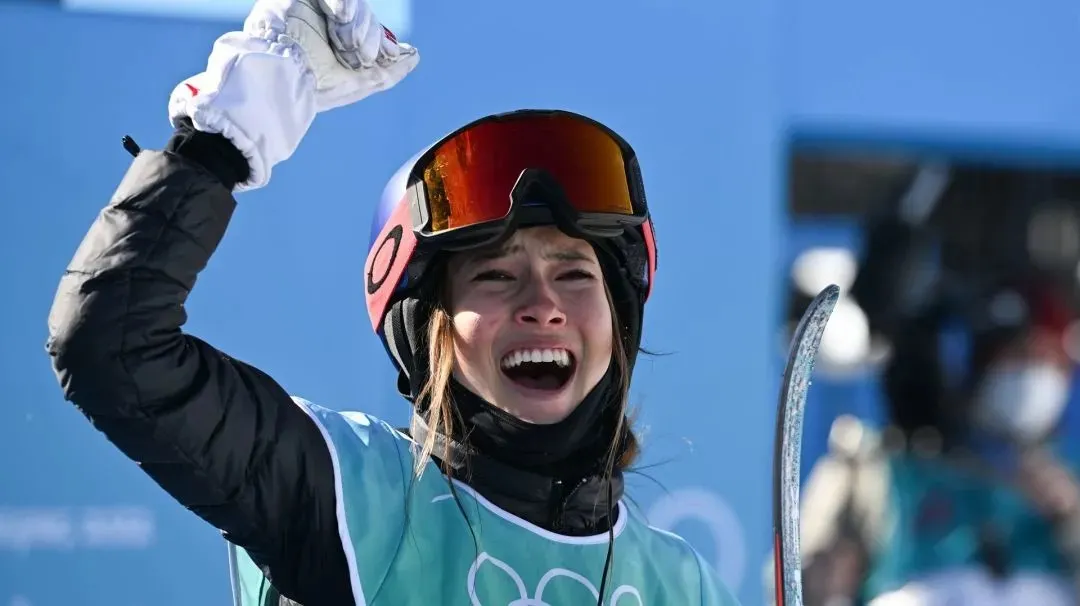
Gu Ailing chose to take on the challenge. The moment she landed successfully, the world erupted, and she herself looked utterly incredulous.
A debut Olympic champion—Gu Ailing made it happen.
18-Year-Old Gu Ailing: Even a Power Novel Heroine Wouldn't Dare Write This Script
At 18, Gu Ailing is an Olympic champion, a Stanford prodigy, and a darling of the fashion world. Any one of these three identities would make you call someone a "boss."
Her father went to Harvard, her mother Peking University and Stanford, and she herself has been a straight-A student since childhood. She attended San Francisco University High School, a top private high school in San Francisco, maintaining all A's.

To prepare for the Beijing Winter Olympics, she finished two years of coursework in one year and scored 1580 on the SAT (nearly perfect) to get into Stanford University.
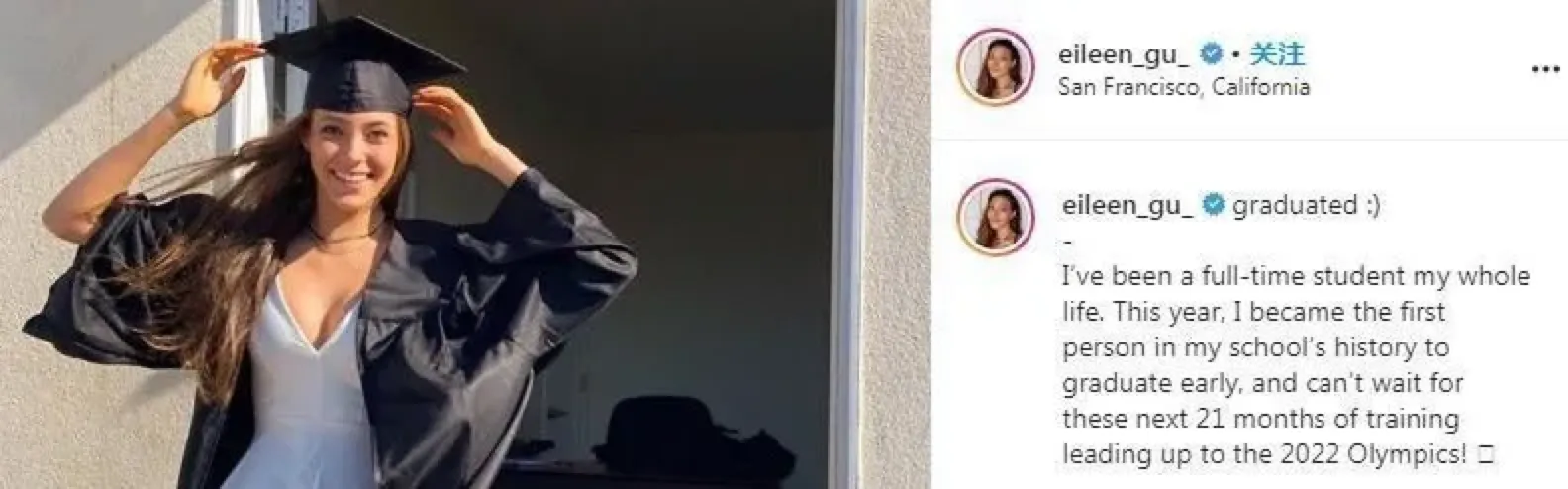
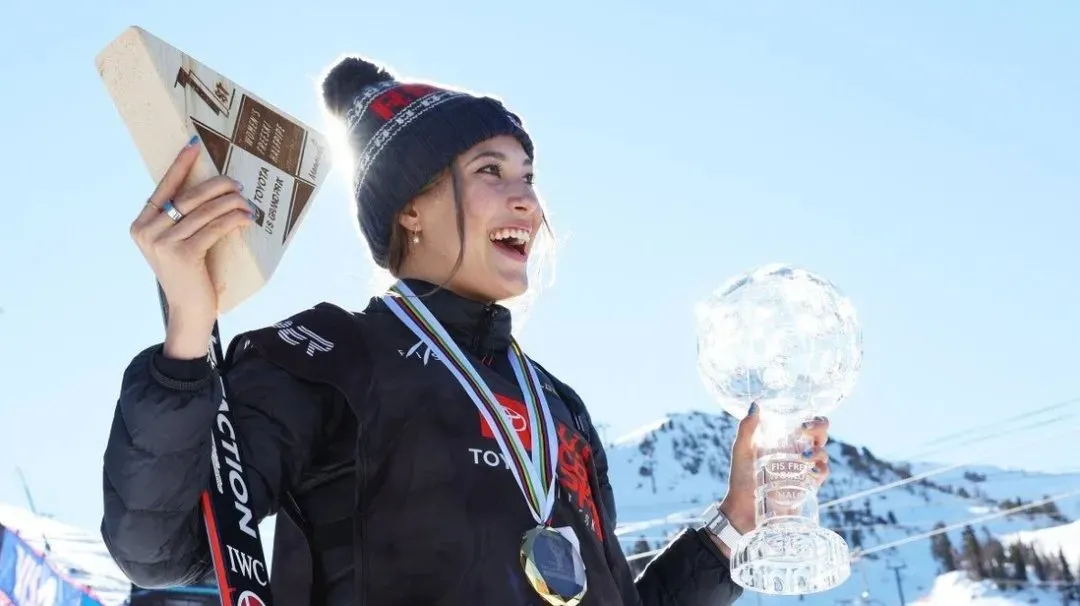
She started skiing at 3, won her first U.S. Junior National Championship at 8, and topped the overall standings for three consecutive years. At 13, she began competing in adult events; at 16, she represented China at the Winter Youth Olympics, winning two golds and one silver.
In 2021, she competed in the World Championships with an injury, winning two golds and one bronze despite a fractured right hand, becoming the first double champion in FIS World Championship history.
Since becoming a professional athlete, the 18-year-old Gu Ailing has won over 50 gold medals.
She is also a fashion darling. Standing 175 cm tall with a high-fashion face, she is a signed model with an international agency and has graced the covers of major fashion magazines like VOGUE, ELLE, and Harper's Bazaar.
She's a model for top luxury brand LV and has contracts with brands like Tiffany, Victoria's Secret, IWC Schaffhausen, and Estée Lauder. Her endorsement value is around $35 million, roughly 220 million RMB.

Now with the Olympic gold, a long list of shining sponsors are lining up behind her—the commercial value is immeasurable.
But strip away these dazzling halos, and she's really just an ordinary kid.
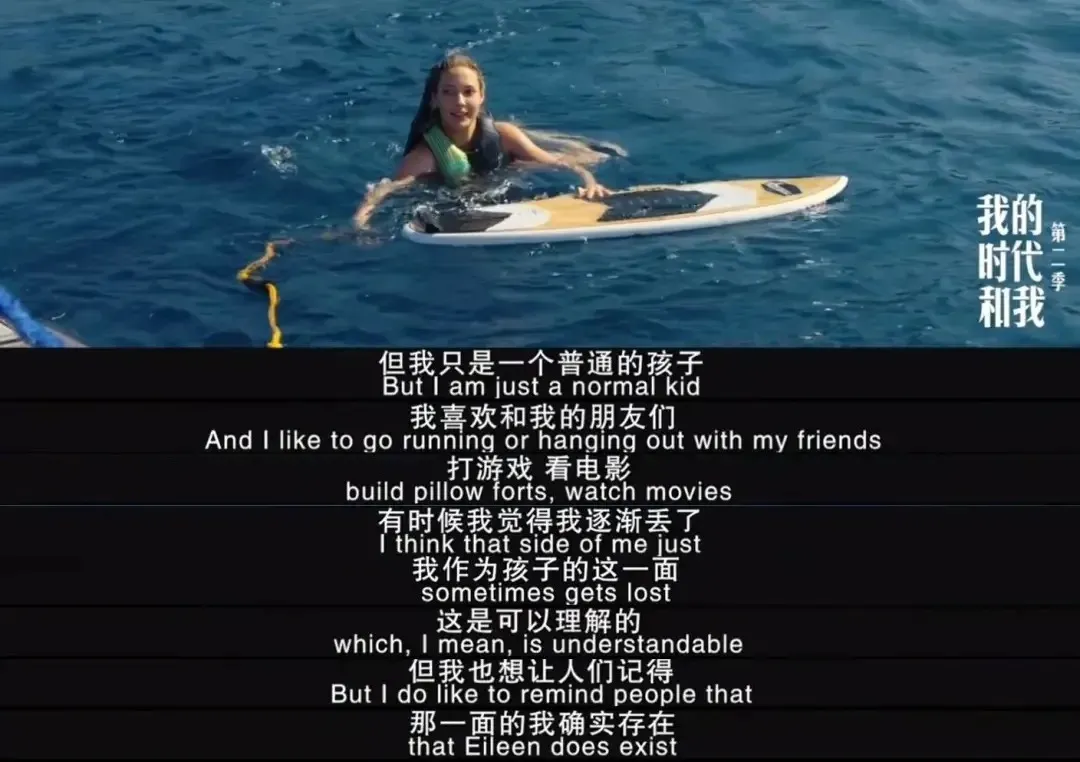
Growing up as a Gen-Zer with the internet, she also boldly shuts down haters online and argued with keyboard warriors on Instagram before the competition. She's sharp, genuine, and adorable.

Gu Ailing went viral, and many think it's because she's pretty. Actually, good looks are just the most insignificant of her many merits.
People like her because she carries a tenacious vitality, an infinite possibility to reach for the stars. You never know what surprises this treasure girl will bring you next.
She lives the life every girl hopes to have: filled with wisdom, strength, and courage; sticking to what she loves and doing everything to the extreme. No boundaries, no limitations—if you like something, boldly go for it.
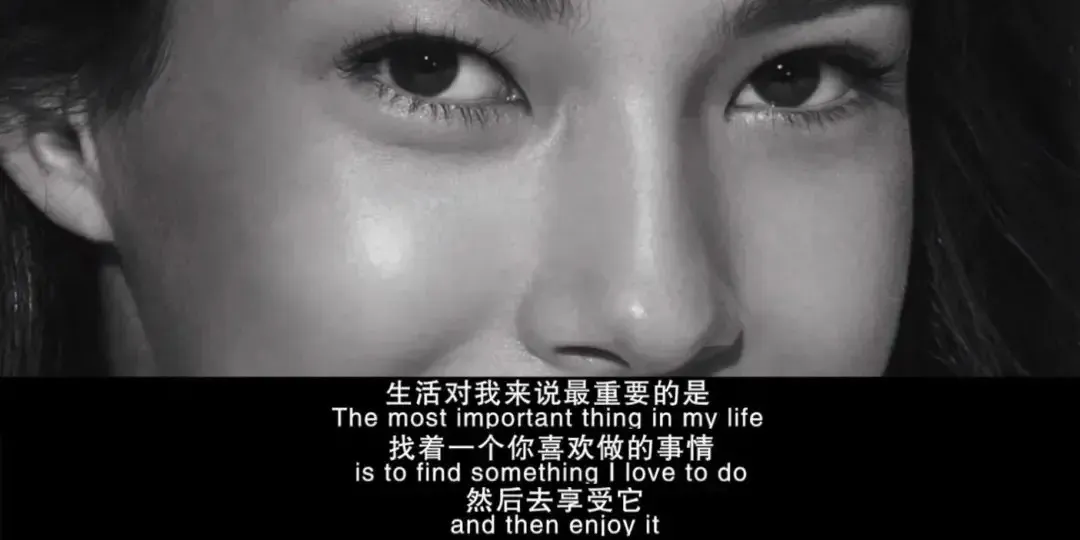
She's Called the Pinnacle of Tiger Parenting, But Mom Is No "Tiger Mom"
Gu Ailing embodies a fusion of Eastern and Western cultures: like her mother Gu Yan, she is diligent and resilient, yet also cheerful, humorous, and versatile.
In her upbringing, her mother didn't adopt the high-pressure education style of many tiger moms. On the contrary, she practiced a free-range education based on mutual respect. Even though Gu Yan was an amateur ski coach, she never coached her daughter; she only cared about making sure she ate and slept well.
The first step to becoming Gu Ailing: get ten hours of sleep every day!
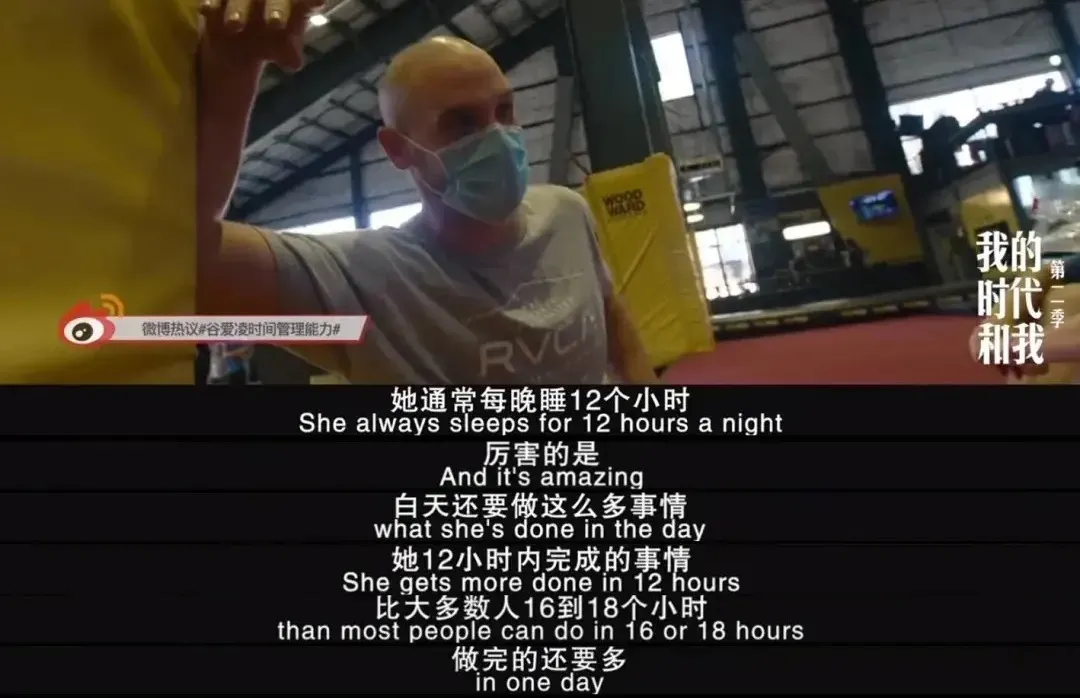
For little Gu, passion is her source of energy. And a family atmosphere full of love and encouragement nourishes her all the time.
Her mom once asked little Gu what she wanted to do when she grew up, and she said she wanted to compete in the Olympics. Her mom encouraged her: "Great, you need to work hard."
That three-year-old girl who was "thrown" into ski school went all the way to the top podium of the Olympic champion.
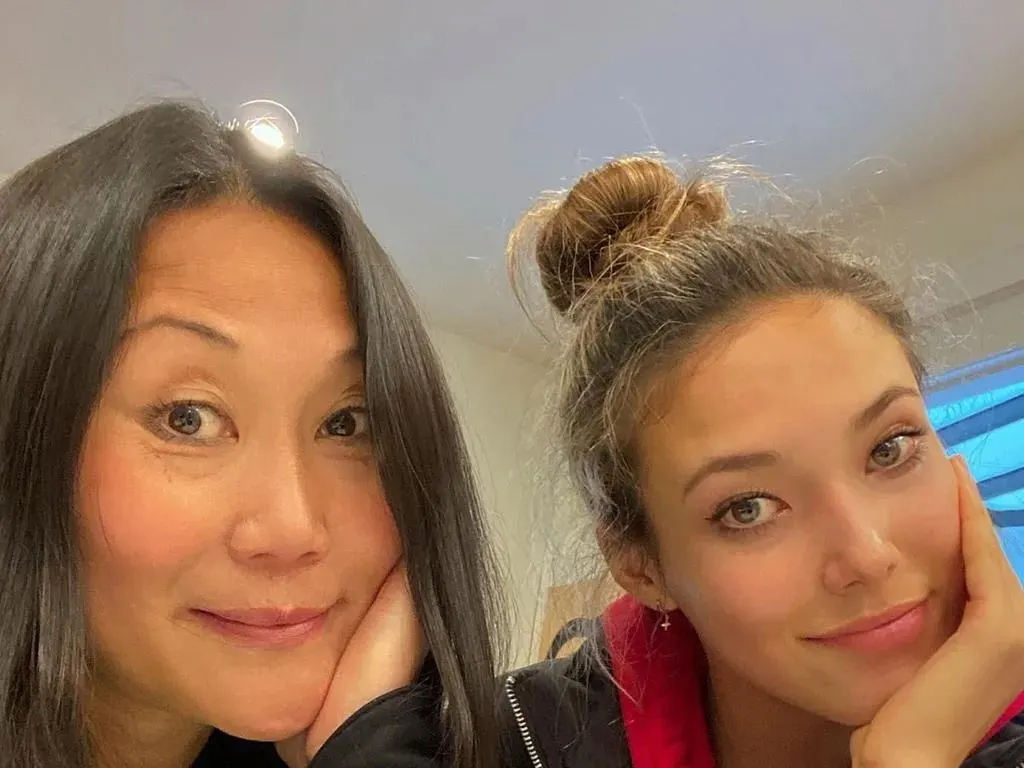
Throughout her daughter's growth, Gu Yan handed the choice to her daughter, including the third jump on the Olympic big air, encouraging her to constantly try and explore and discover her true passion.
After all, only true passion leads to lasting persistence.
Despite the "free-range" approach, the mother also fully supported her daughter's choices. Every week driving from San Francisco to Lake Tahoe for skiing, an eight-hour round trip, Gu Yan persisted for over ten winter seasons.
"As long as you take it step by step and improve bit by bit, one day, you'll be amazing." This was also the mother's greatest support for her daughter.
Compared to her mother, the competitive drive might be more from Gu Ailing herself.
"You don't have to go to Stanford; just do what you like. But most importantly, never give up learning." With such words from her mom, Gu Ailing still ended up at Stanford.
Maybe the saying is true: pushing the kid is not as good as pushing yourself.
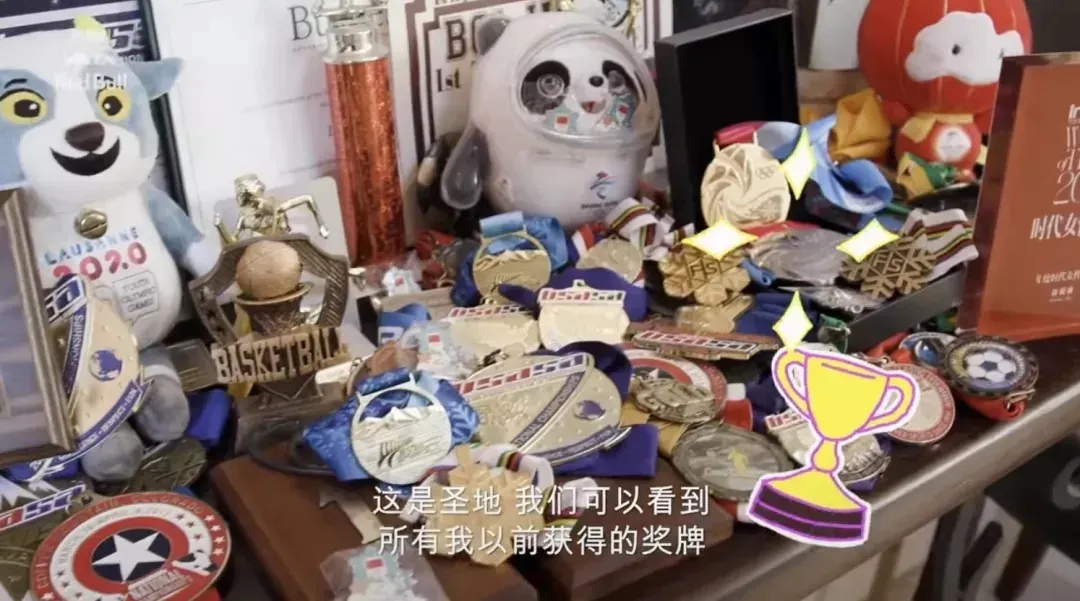
Although when parents are too outstanding, children sometimes find it hard to surpass them, Gu Ailing became an exception. Because she saw their excellence, she also wanted to become someone like them.
Facing the media overwhelmingly labeling her a "prodigy," she says she only has 0.1% talent.
The remaining 99.9% is actually tirelessly training from 9 am to 9 pm, and even after an eight-hour magazine shoot, going home to train for another two hours—all kinds of effort.
Broken collarbone at 12, broken foot bone at 15, fractured hand and torn thumb ligament at 17. Before a major competition, she once had a fever of 42°C and cried from the pain, yet still competed the next day. She once suffered a concussion and amnesia, and returned to the field a month later.
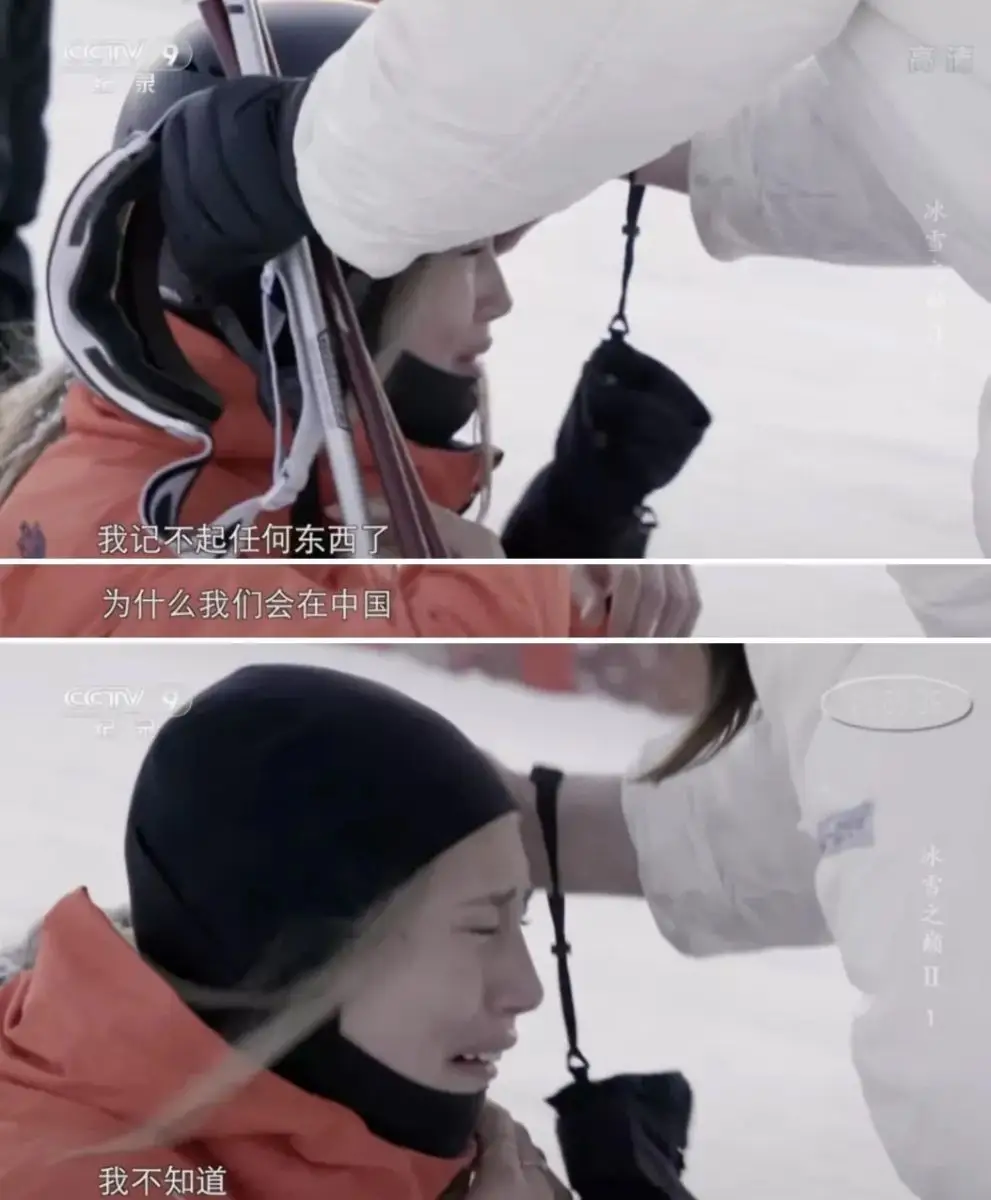
Countless times she crashed hard from the air and got back up—only then came this breathtaking jump at the Olympics.
How much effort lies behind looking effortless? Gu Ailing has given one of her answers.
.gif)
In This Winter Olympics, They Also Deserve Applause and Acclaim
In this Winter Olympics, we've seen many outstanding naturalized athletes. Besides "Frog Princess" Gu Ailing, there's Zhou Jiaying, goalie for the Chinese women's ice hockey team, and Zhu Yi, Chinese women's figure skater, among others.
Zhou Jiaying was born in Canada. Her mother Zhou Jianping graduated from Xi'an Jiaotong University and played for its basketball team. Her father Nicholas was a hockey goalie. Her brother is also a professional hockey player for Harvard University.
Zhou Jiaying initially played as a goalie on her brother's men's hockey team for ten years, until she went to college.
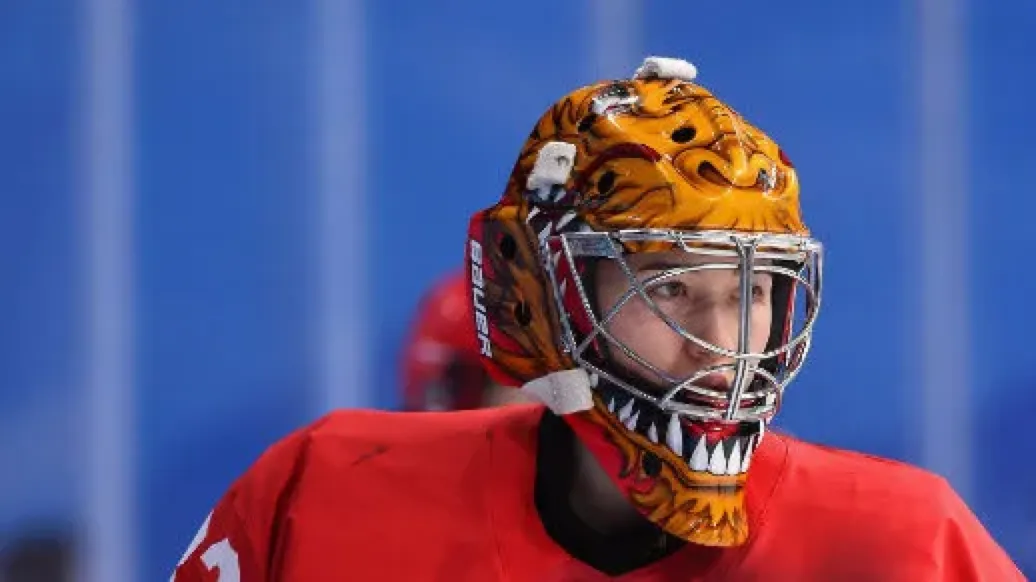
She entered Princeton University in 2012 and represented the school in 111 NCAA games, becoming a "goalie god" with a 0.92 save percentage. She was named the league's "Best Goalkeeper" and also won the U18 World Championship with Team Canada.
She is an Ivy League goddess and a Wall Street investment banking elite. In 2018, she resolutely returned to China to join the Shenzhen women's ice hockey team, also adding the dream of competing in the Olympics for China.
She received full support from her family, especially her mother.
"For the past four years, the Olympics seemed like a dream. Now, it's really here. I'm so proud to represent Team China," Zhou Jiaying said.
Figure skater Zhu Yi, representing the Chinese team, also comes from an overseas Chinese intellectual family.
Zhu Yi's father, Zhu Songchun, is a leading academic who won the Marr Prize three times and is a "light of the Chinese community" in computer vision. In 2020, he returned to China to become dean of the School of Artificial Intelligence at Peking University.
Her mother Cui Jie has been the "behind-the-scenes hero" accompanying her daughter's skating training since 2013.
Zhu Yi started figure skating at 8, and before 16, she had mastered all types of triple jumps and won the U.S. Figure Skating Championships novice women's title. At 17, she naturalized as Chinese and represented the national team at the 2022 Winter Olympics, carrying high hopes.
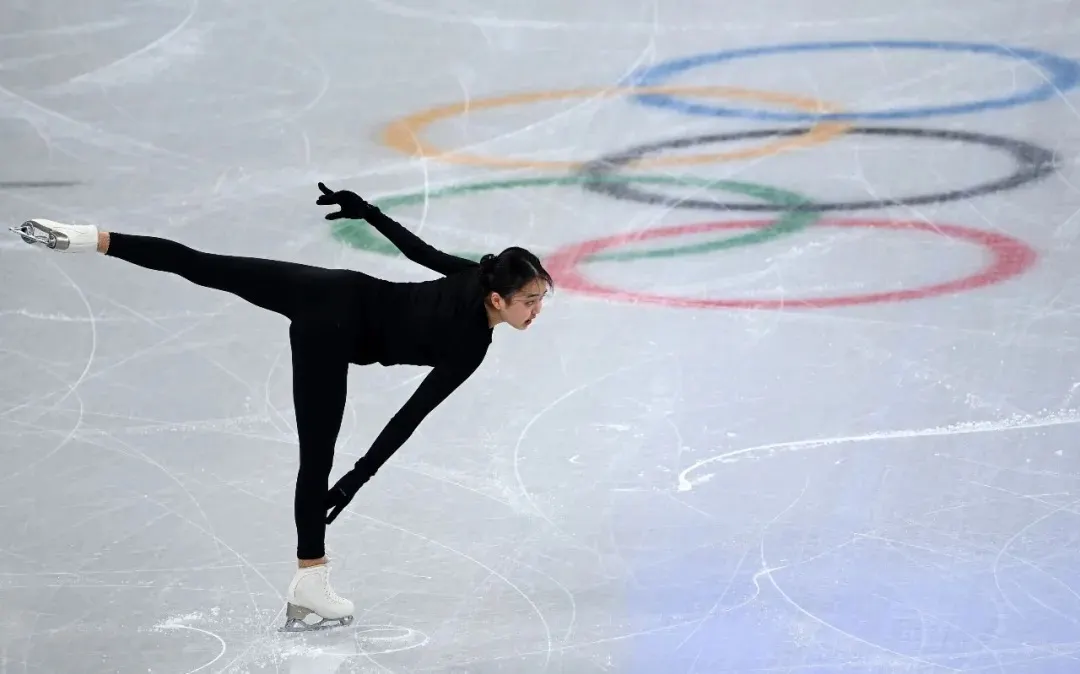
Despite a mistake during competition that brought tears and pushed her to the center of public opinion, just being able to participate in the Olympics is indeed an honor—don't define heroes by success or failure.
These athletes' journeys have been inseparable from parental support and companionship; family is always the strongest backing.
As ordinary international students, the world of champions might seem distant, but cultivating good time planning and self-discipline allows every ordinary person a chance to become a better version of themselves.
You can be a top student at a prestigious school, a varsity athlete, or a curating artist. As the saying goes, every industry produces its own champions; we've all more or less witnessed such whizzes around us.
Foreign universities also emphasize a "holistic" education—breaking boundaries and pushing beyond limits—so the opportunities born from studying abroad are limitless.
I believe that as long as you find your passion and talent and persist continuously, you will surely become a better version of yourself in a certain field.