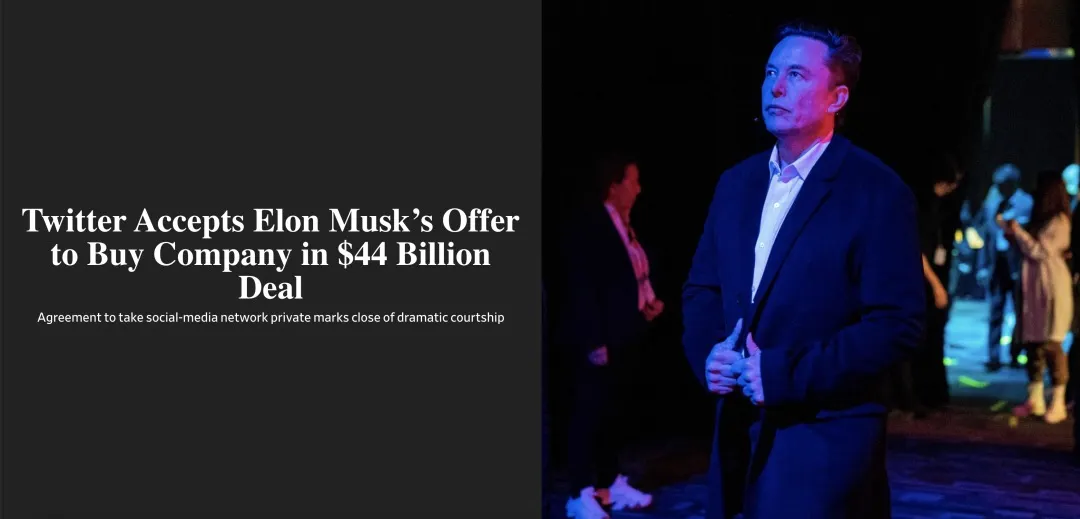
Last week, Elon Musk completed his acquisition of Twitter: $44 billion, all cash.
Forbes’ newly minted richest person has finally bought his favorite social media platform.
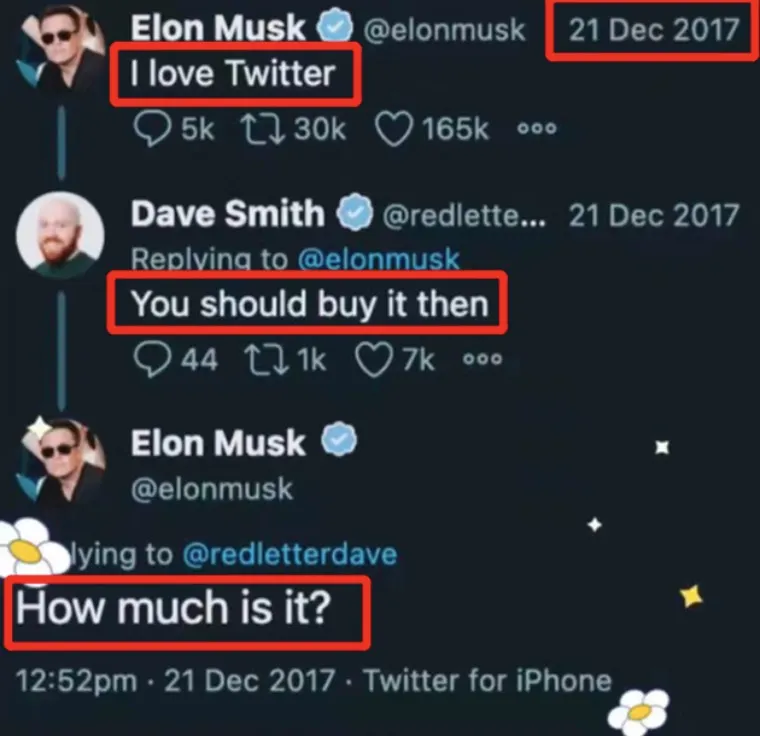
As early as 2017, Musk said: “I love Twitter.”
Someone replied: “Buy it.”
Musk asked: “How much?”
Well, now the whole world knows the price.
We knew Twitter would be expensive, but not this expensive. Still, there aren’t many things Musk can’t afford.
The last person to spend so lavishly was the previous richest man, Bezos.

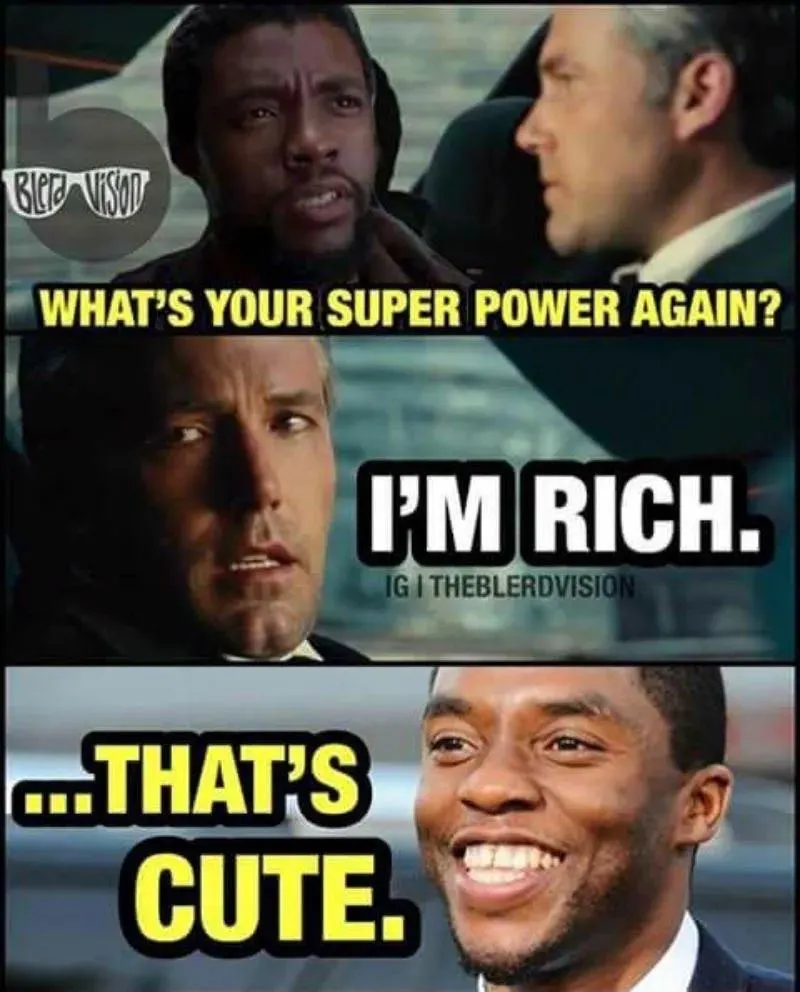
That’s the power of wealth. Walking through Whole Foods, the mogul asks: How much for this supermarket? Bought it.
Scrolling through Twitter, the tycoon says: I like this social media, how much? Bought it, pay them cash.
The Twists and Turns of Musk’s Twitter Takeover
In fact, the tug-of-war over this astronomical acquisition began in early April. This back-and-forth with the CEO was full of love-hate tension, almost like a romance novel (kidding).
Becoming Twitter’s Largest External Shareholder
On April 4, Musk announced he had acquired a 9.2% stake in Twitter for $2.89 billion, becoming the company’s largest external shareholder.
SEC filings showed Musk held about 73.48 million Twitter shares — roughly four times that of Twitter founder Jack Dorsey.
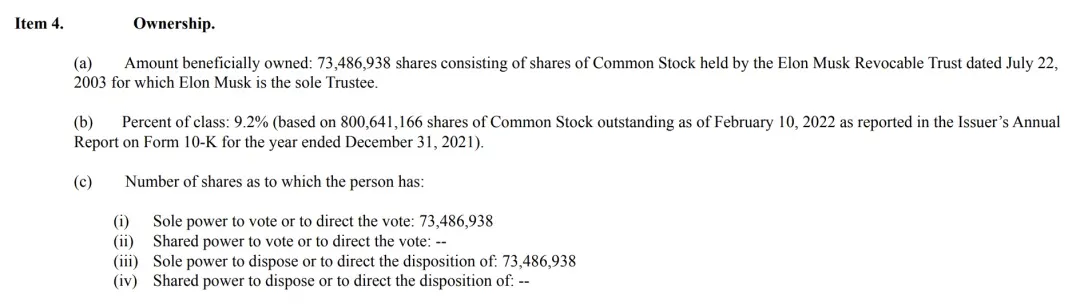
On April 5, the latest SEC filing revealed Musk had shifted from “passive” to “activist” investor status. Twitter CEO Parag Agrawal even tweeted congratulations: “Welcome to the board.”
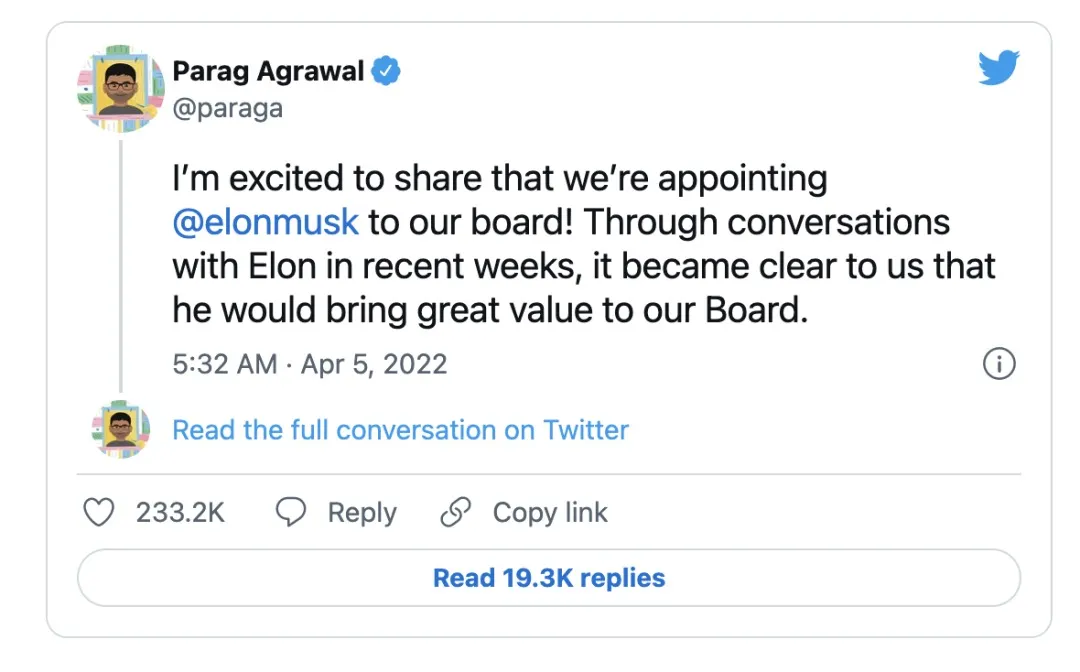
On April 10, a twist emerged. The Twitter CEO tweeted again: “Musk has decided not to join our board.”

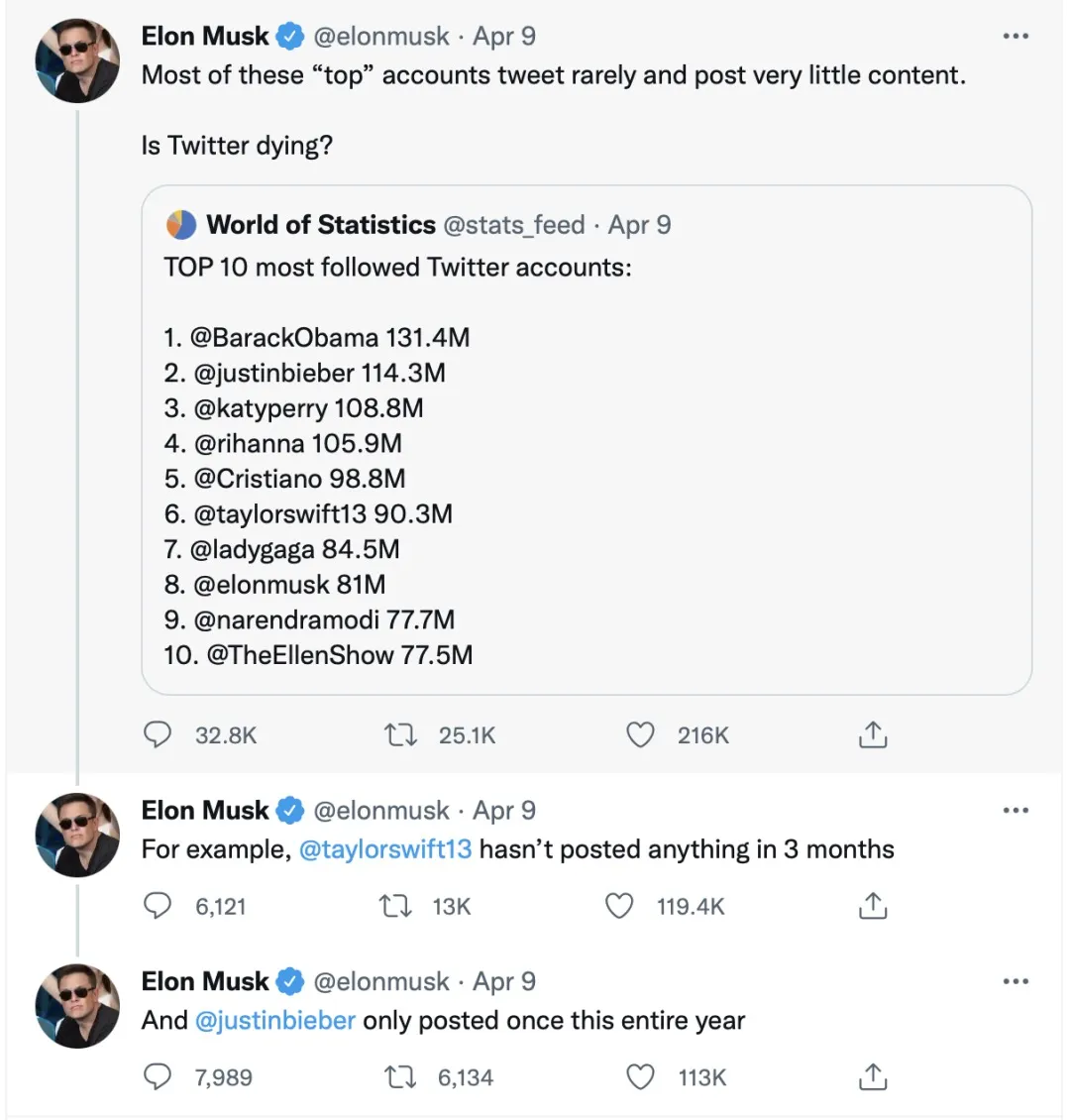
Meanwhile, Musk posted his own take: “These so-called ‘top influencers’ on Twitter are dead. Taylor Swift hasn’t tweeted in three months. Justin Bieber only posted once this year. Is Twitter dying?”
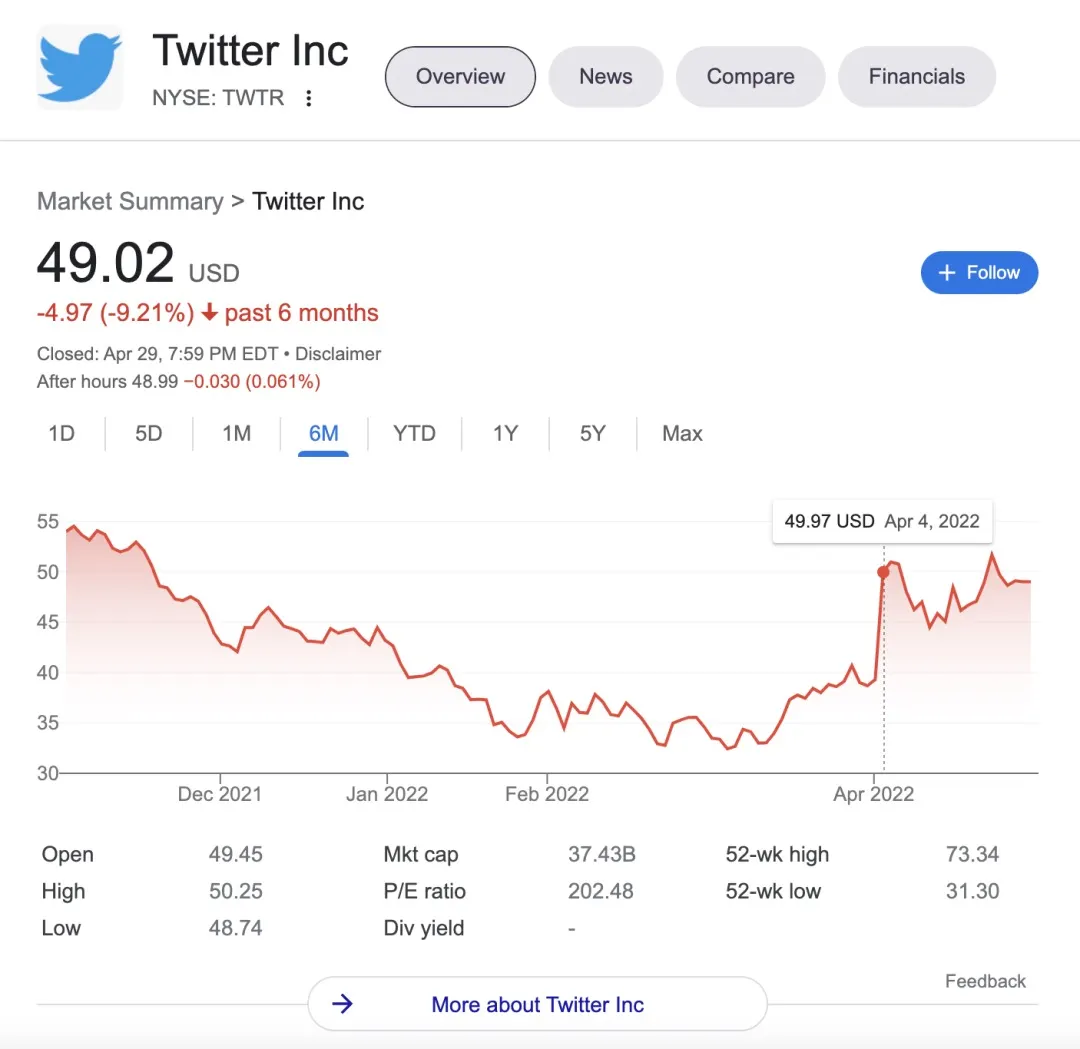
Twitter’s stock price swung wildly with each twist. When he arrived, shares soared 27% in a day. When he left, they dropped 6% pre-market.
The CEO’s capriciousness sparked wild speculation among onlookers.
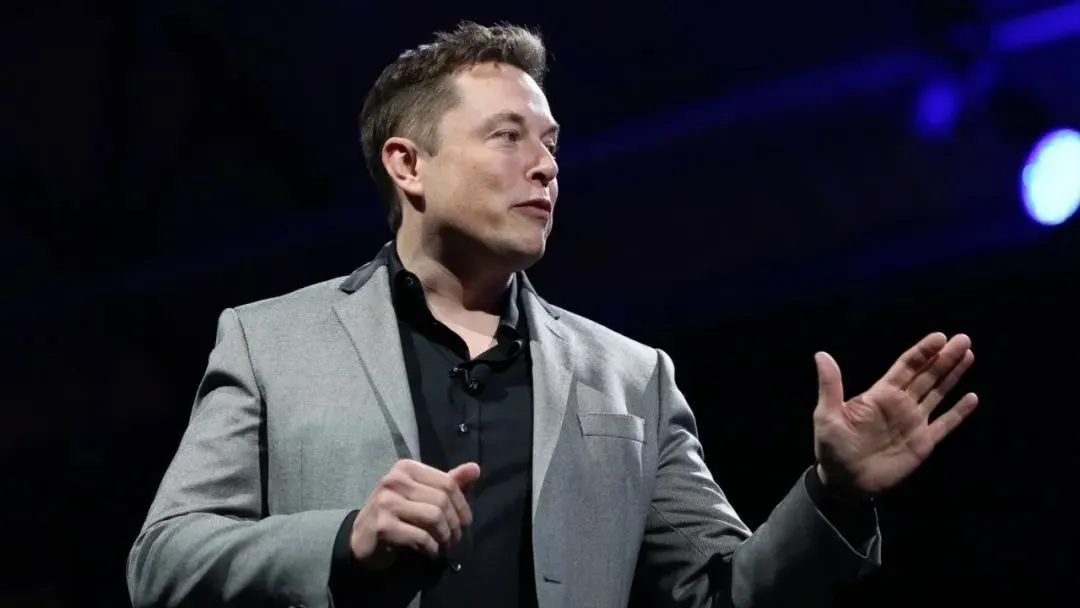
On April 11, analysts suggested the dramatic reversal might signal a bigger ambition — buying out Twitter. Behind the boardroom drama, a Game of Thrones was being plotted.
A Long-Brewing Twitter Buyout
On April 14, Musk responded to fans’ calls to “buy Twitter” by offering $54.20 per share. He stated that Twitter should be taken private.

The whole thing seemed spontaneous: frustrated with Twitter, listening to fans, buying it up.
But in reality, Musk had been laying the groundwork for months. SEC filings showed that on January 31, he had already purchased 620,000 Twitter shares at under $36.83 each. So, more than two months earlier, he may have already been eyeing a takeover.
He never wanted just a board seat. He wanted 100% ownership.
At last, Musk revealed his true ambition.
Twitter began its defense. On April 15, the board announced a “poison pill” plan, a shareholder rights plan to fend off hostile takeovers. They didn’t name names, but it was clearly aimed at Musk.
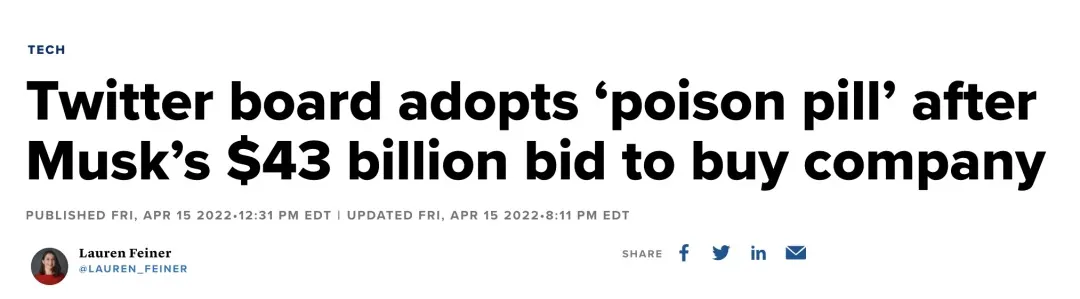
But Musk made an offer Twitter couldn’t refuse: $44 billion, all cash.
Twitter’s Last-Ditch Struggle Before the Takeover
On April 24, Twitter’s board held a final round of meetings — their last struggle. In truth, the struggle was internal: honestly, was Twitter worth more than $54.20 a share? Would another bidder emerge?
Sadly, the answer was: no.
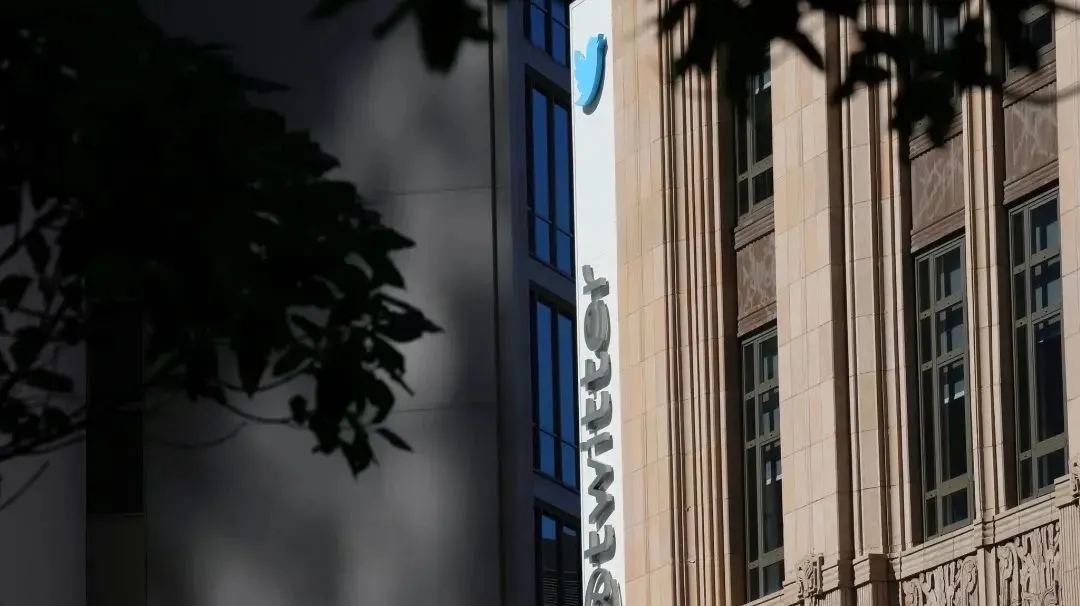
But Twitter was clearly irked by Musk’s earlier feint. On Monday morning, April 25, the first round of talks was still tense, and the deal could have fallen apart at any moment.
Ultimately, however, Twitter announced it had accepted Musk’s offer.
From initial resistance to final acceptance, the board’s shift took just 10 days. The reason? $44 billion was too sweet to refuse. Who can resist a dominant CEO?
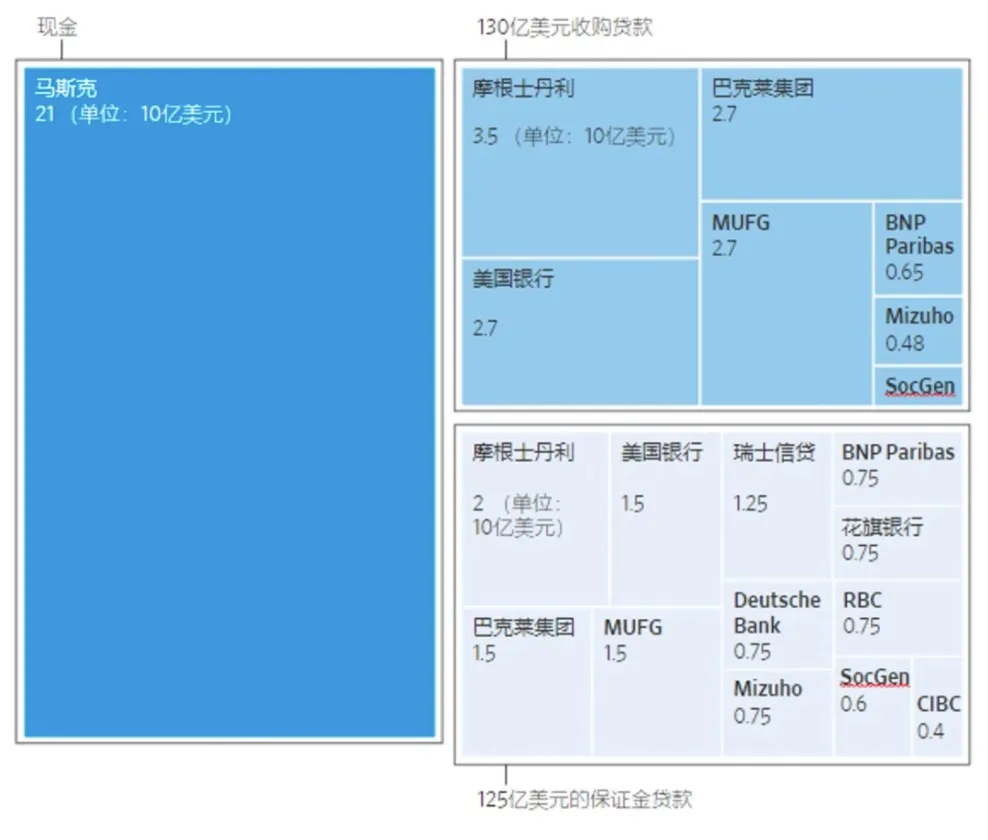
The Wall Street Journal disclosed the funding sources based on SEC filings: $13 billion from bank loans, $12.5 billion from margin loans (backed by roughly $62.5 billion in Tesla shares), and $21 billion from Musk himself.
Using loans and stock pledges for over half the funds meant Musk could avoid selling large amounts of Tesla stock, thus dodging capital gains taxes.
And so, this CEO chase came to a fairy‑tale happy ending.
Why Did Musk Spend a Fortune on Twitter?
On the day the deal closed, Musk tweeted excitedly: “From now on, I will guard everyone’s freedom of speech.”

Fans cheered, hailing a new king.
Despite the happy ending... $44 billion? For Twitter? Give me a break.
Many netizens were baffled: “There are at least 100 better things to do than blow a fortune on Twitter.”
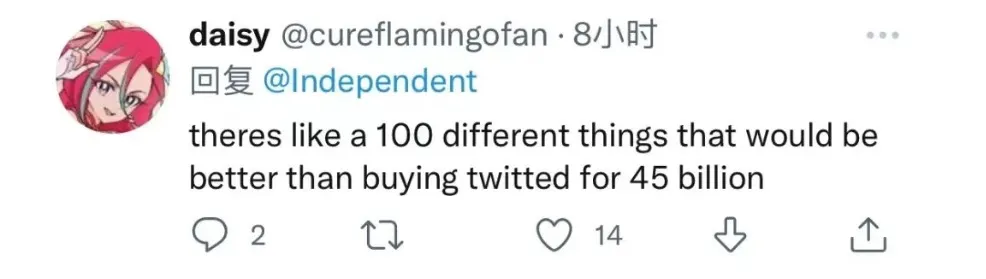
But memes aside, long-time Musk fans know he never fights a losing battle. Everything he does has a reason.
Maximizing the “Twitter Hype” Value
As a heavy Twitter user, super-influencer Musk boasts nearly 90 million followers and has posted over 15,000 tweets in the past decade, mostly about SpaceX and Tesla.
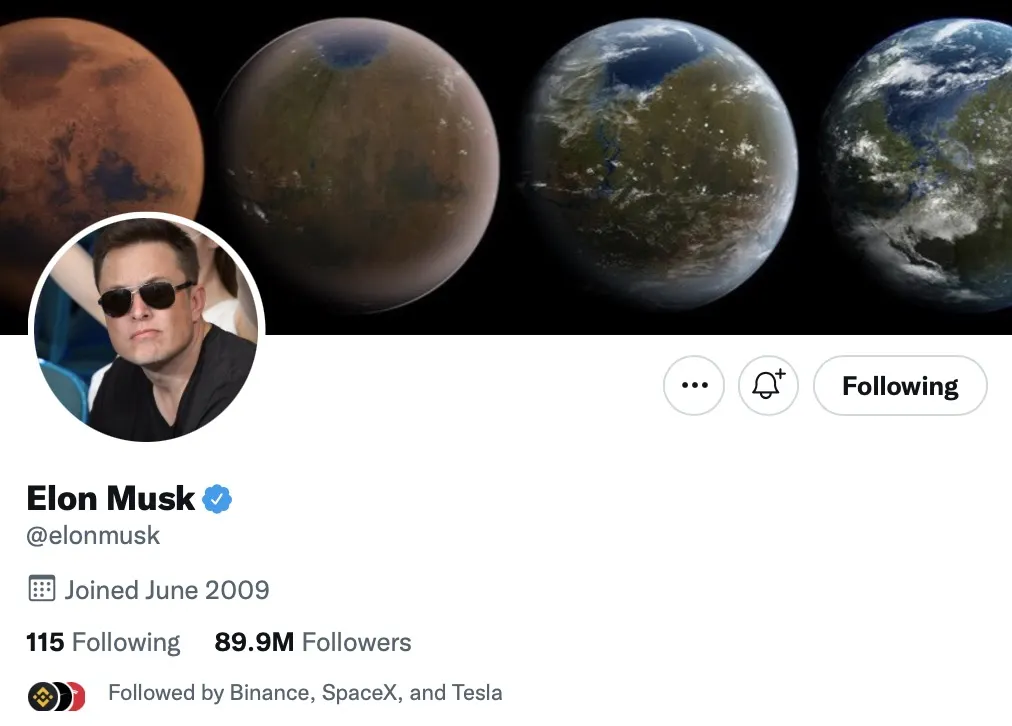
In that decade, Tesla’s market cap surpassed $1 trillion, and SpaceX became the world’s premier private space company.
You could say: once Trump governed by tweet, now Musk governs his companies by tweet.
And as the richest influencer and most influential billionaire, Musk can create global buzz with a single sentence.
His offhand mention of Genshin Impact sent the official account into a follower frenzy, topping trending charts.

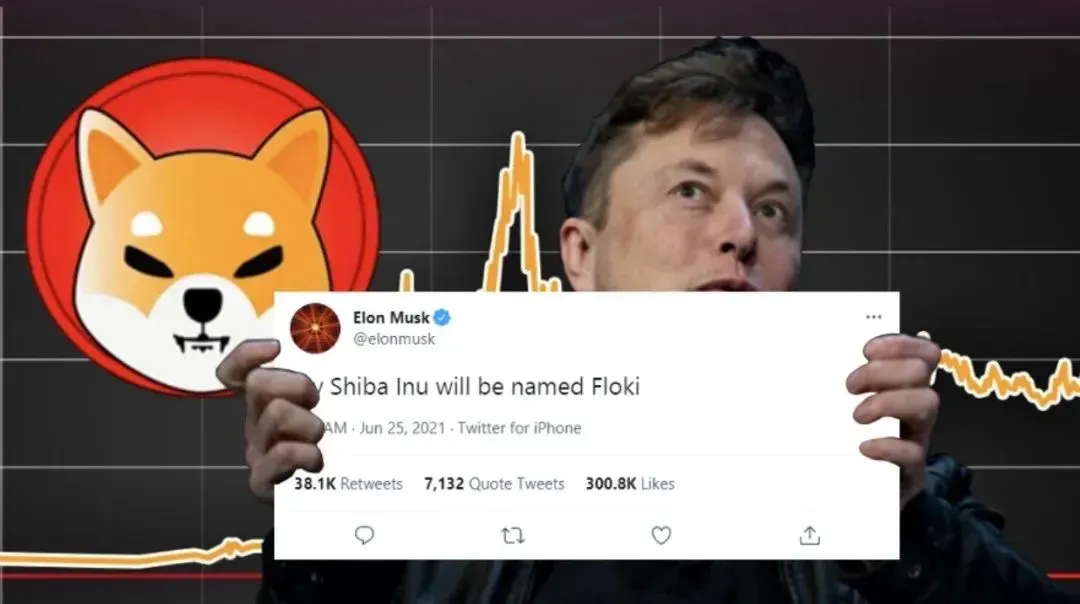
When Musk showed interest in Shiba Inu, the coin immediately became a crypto hot topic, soaring in value.
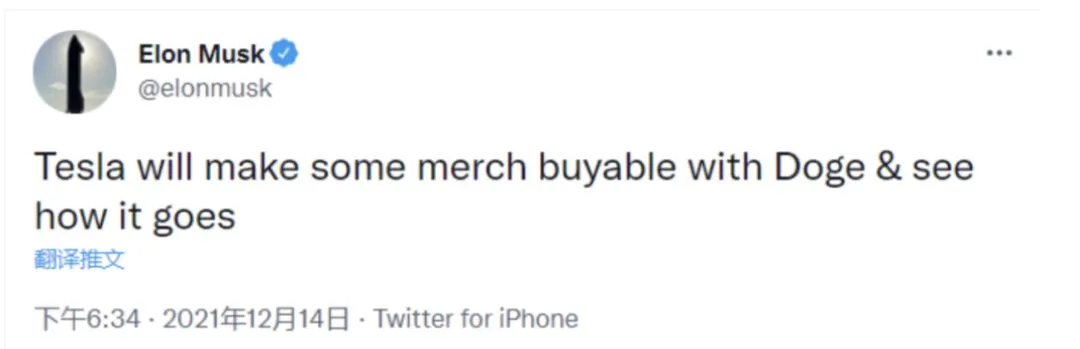
When he hinted that Dogecoin could buy Tesla merchandise, Dogecoin briefly spiked 33%, with a 24-hour gain of over 20%.
Moreover, Musk loves launching Twitter polls — both the Twitter buyout and last year’s $5 billion Tesla stock sell-off seemed to follow poll results.
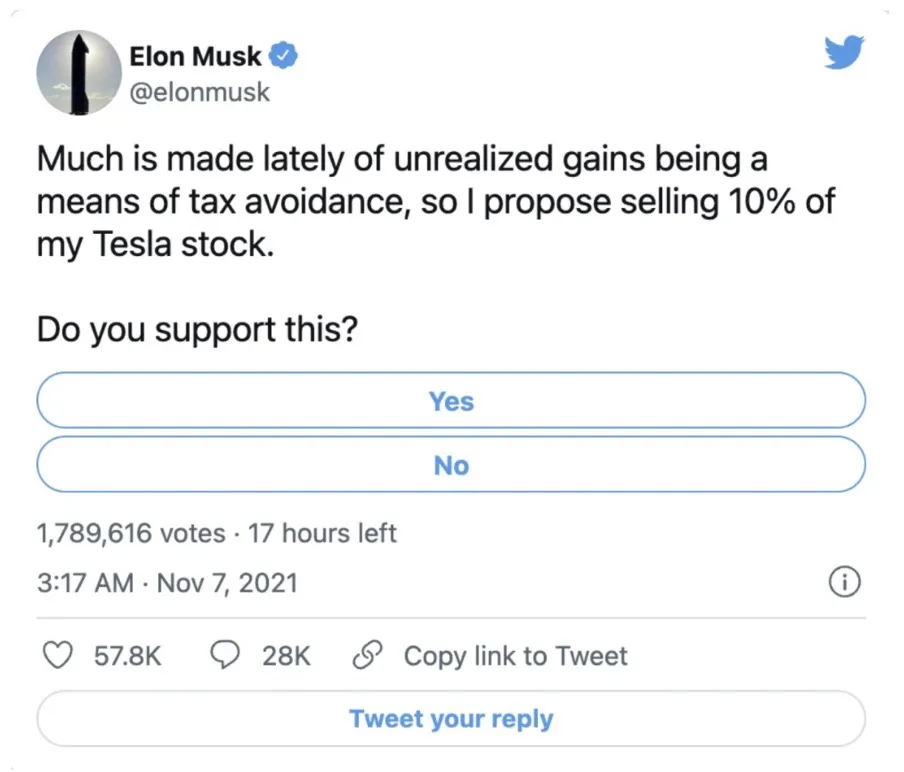
He knows how to play the fandom game: spoil them, troll them, keep them hooked. After Trump’s ban, Musk is Twitter’s undisputed top influencer.
Preempting the SEC
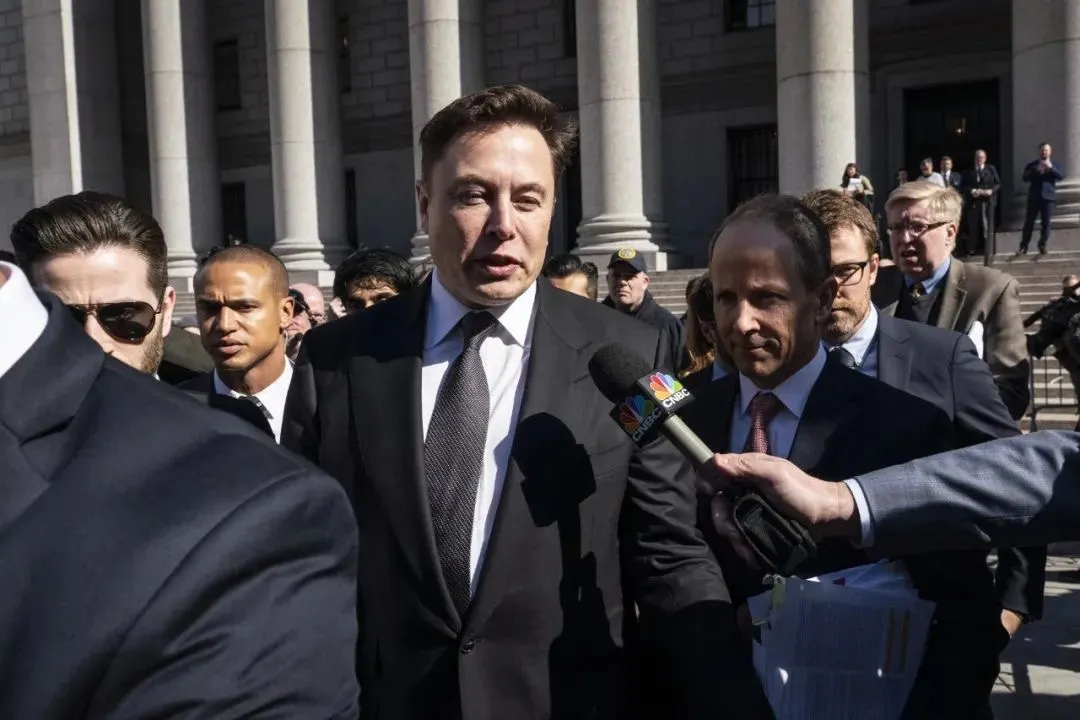
But tweeting about business has also brought trouble. In 2018, the SEC accused Musk of making “false and misleading” statements to investors.
The timing of this Twitter stake purchase is equally delicate, with many irregularities that could put Musk and the SEC at loggerheads again.
From this angle, buying Twitter lets Musk preempt the SEC and ensure he won’t be de-platformed.
Seizing the Narrative, Venturing into Politics?
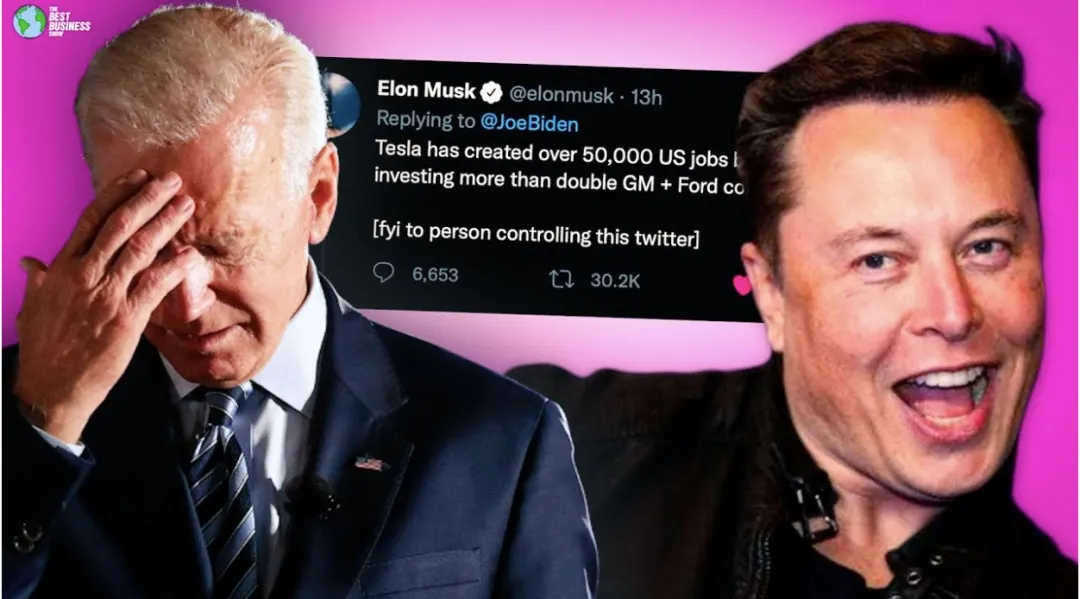
Some believe this is Musk’s counterpunch against Biden and a foray into politics. After all, Musk and Biden have never really gotten along.
Previously, Biden only invited or publicly praised GM, Ford, and others. When talking about electric vehicles, he never mentioned Tesla. Biden has never visited any Tesla facility in the U.S. or publicly met with Musk.
So Musk has been taking passive-aggressive jabs at Biden on Twitter. One day he says Biden thinks Americans are idiots; the next day he calls Biden a puppet.
Contrast this with his rapport with Trump — worlds apart. Rumors even say Tesla rose on Trump’s coattails.
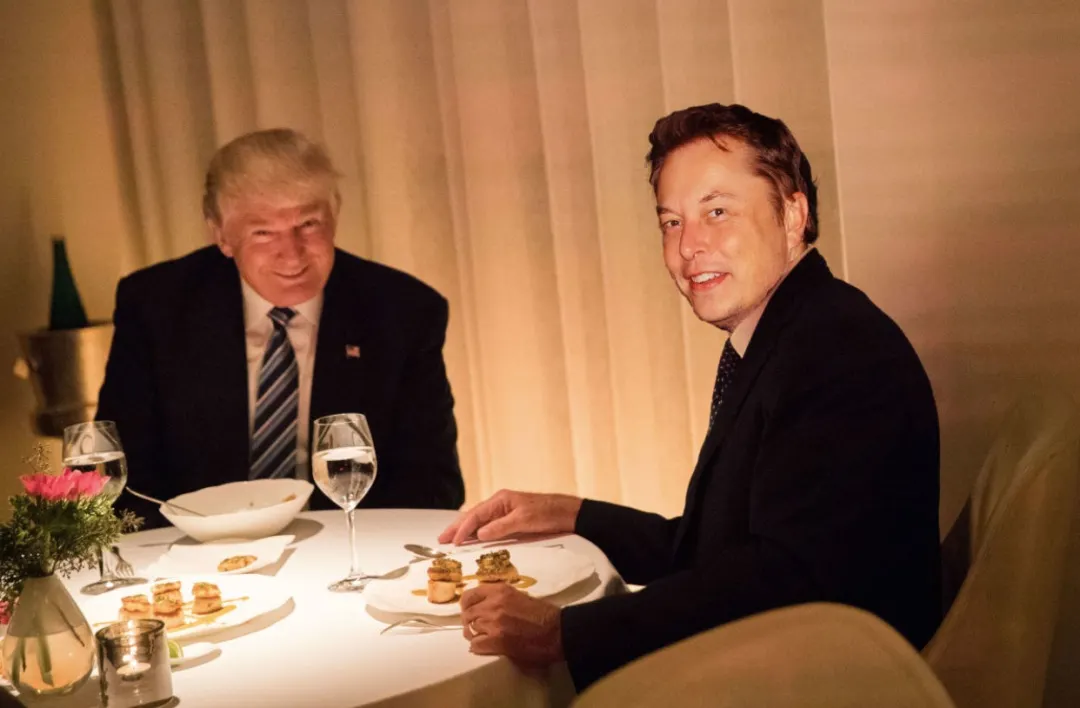
Buying Twitter may not free his old pal Trump from social media limbo, but at least it lets him keep needling the other side.
In short, acquiring Twitter means more control over the narrative. Whether for profit or power, Musk isn’t losing out.
Tech Giants Build Their “Media Empires”
Looking across big tech, many have been expanding aggressively in social and traditional media.
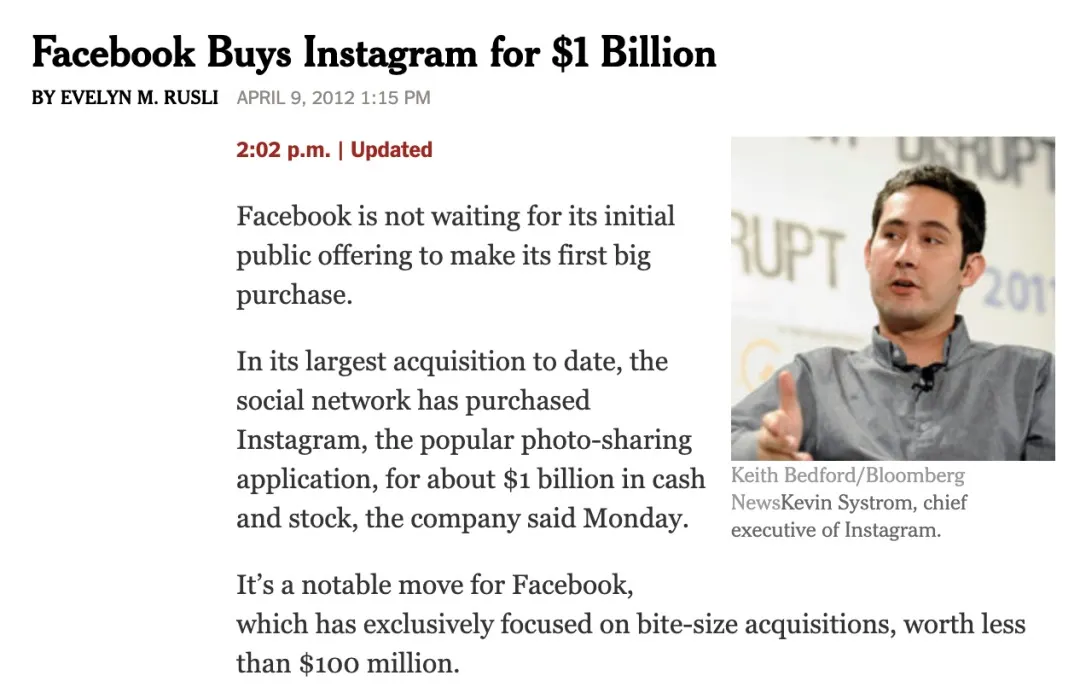
Facebook started as social media, then acquired Instagram, WhatsApp, Giphy, etc., forming today’s vast Meta ecosystem.
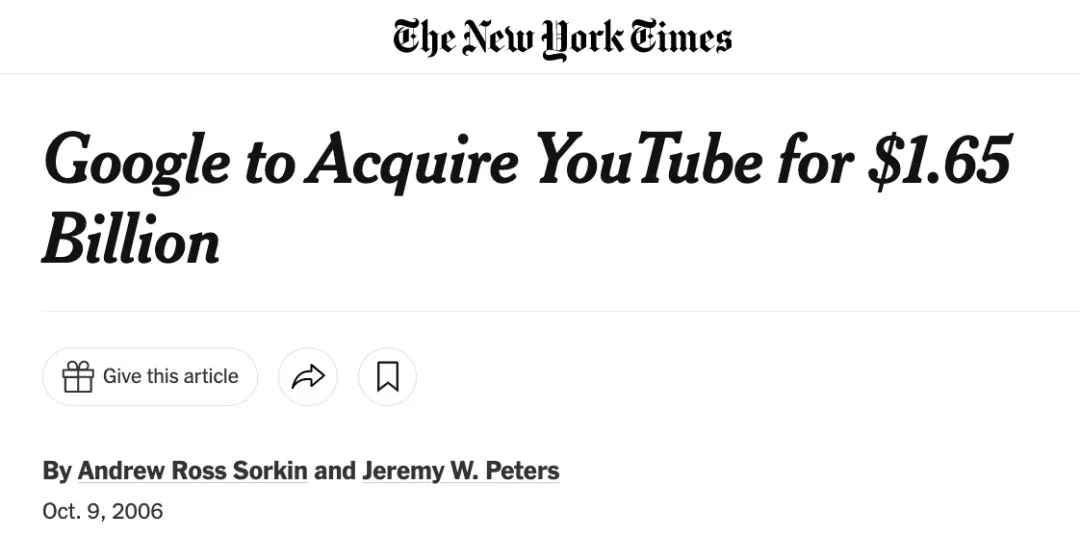
Back in 2006, Google bought YouTube for $1.65 billion, laying the foundation for its media landscape. By 2021, YouTube’s annual ad revenue had hit $28.8 billion, becoming one of the world’s most influential video platforms.
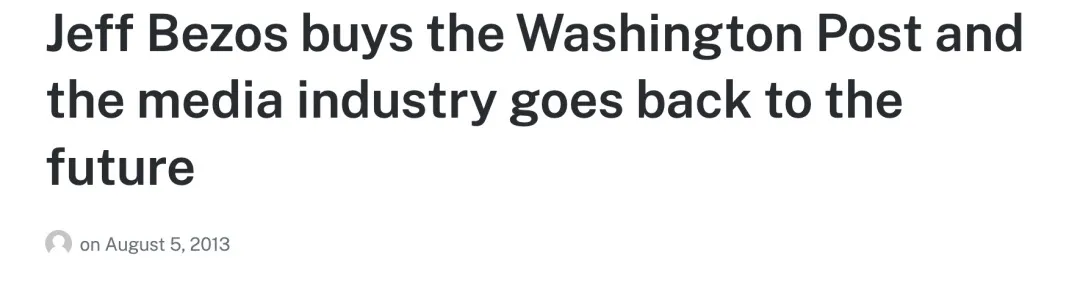
Bezos bought The Washington Post for $250 million in cash in 2013, hoping to lead a digital transformation.
In 2016, Microsoft acquired LinkedIn for $26.2 billion, $196 per share, all cash.

Every tech giant’s acquisition is a bet on the future.
Channeling capital into media is precisely about gaining greater influence and more business opportunities.
What Does This Mean for International Students?
Such transformations—mergers, acquisitions, and pivots—will keep happening in tech, creating greater demand for top talent across different fields.
Going forward, top graduates with backgrounds in finance, law, strategy, and other disciplines will be even more sought after by big companies, and they will become standard fixtures in management and decision-making layers.
Many U.S. universities offer targeted programs, such as:
-
GWU’s Business and Finance Law (LL.M.)
-
Yale’s Asset Management (M.S.)
-
Columbia’s Enterprise Risk Management (M.S.)

Moreover, more business and computer science programs now include interdisciplinary courses, broadening knowledge bases.
Don’t think tech giants only need coders anymore. In a fast-changing market, they urgently need talent from all backgrounds. No matter your major, if you excel in your field, you can find your footing and become a future star.
At the same time, as industry boundaries blur, hybrid talents will be in even greater demand. More skills mean more options. Opportunity always favors those who are prepared.