Recently, Christophor Cavalieri, an assistant professor at Boston University's College of Communication, has been jointly accused of sexual harassment by multiple students.
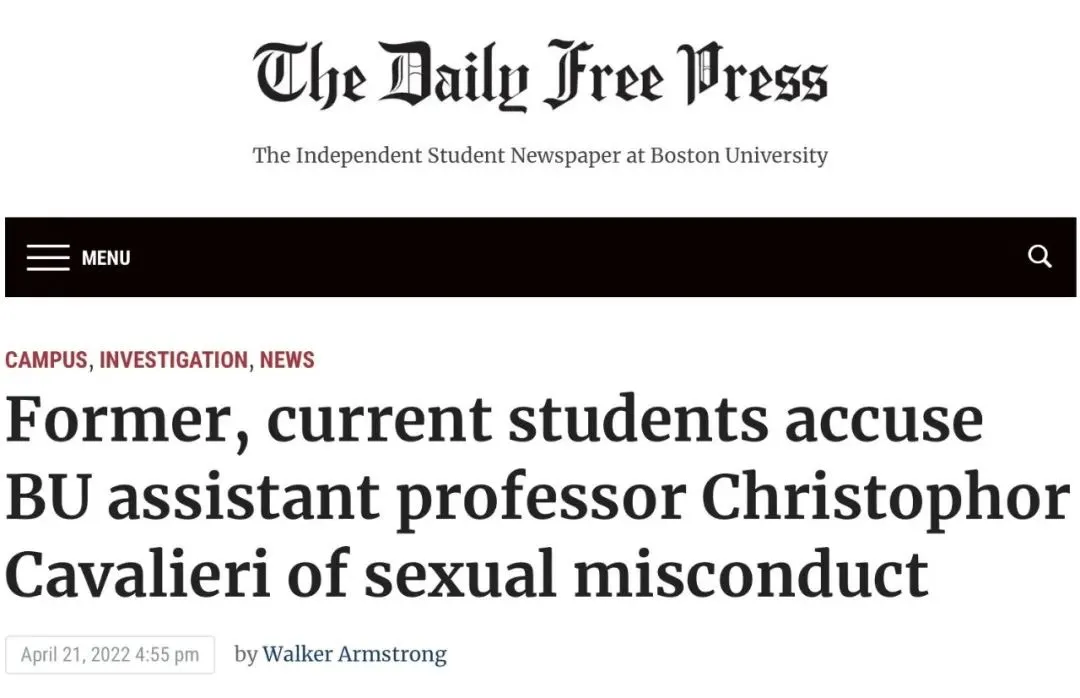
The news was published by The Daily Free Press (referred to as DFP), a magazine run independently by Boston University students.
DFP stated that it interviewed a total of 51 people regarding Professor Cavalieri's sexual harassment, including current BU students and alumni, but Cavalieri himself did not provide any response.
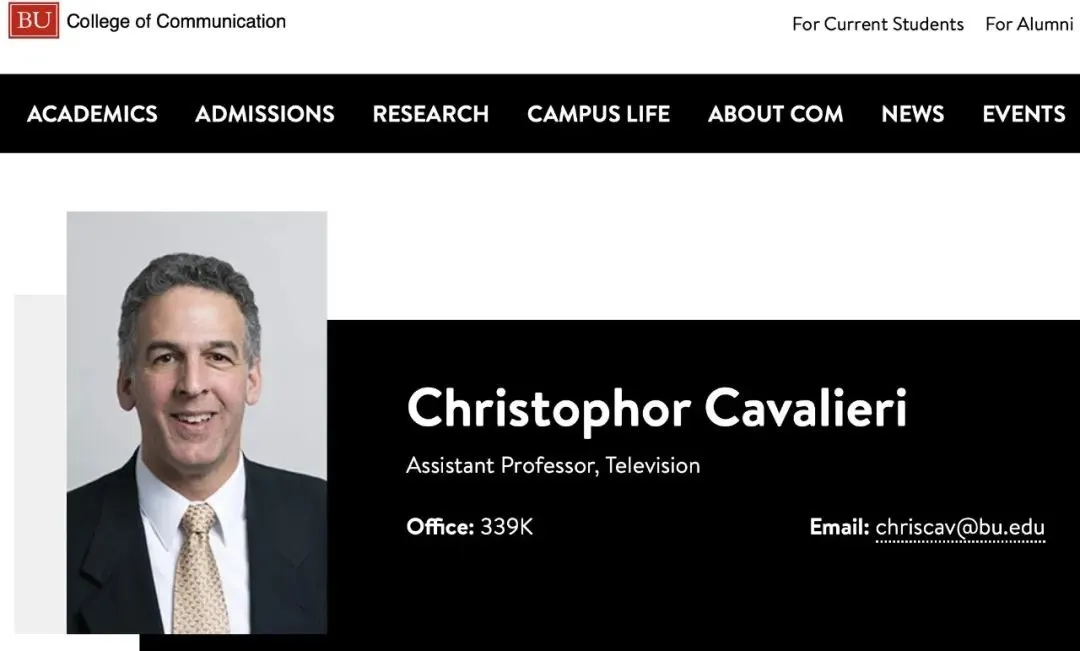
It is reported that the 62-year-old Cavalieri is a graduate of Boston University's College of Communication. He joined the student-run television station butv10 as a faculty advisor in 2005. As an assistant professor, he also teaches television-related courses such as Television Studio Production at the College of Communication.
DFP magazine reported that according to a BU graduate named Swoboda, after she expressed interest in photography to Cavalieri, he invited her to his studio to learn. During that time, Cavalieri used "hug-style teaching", inappropriately wrapping his arms around her to guide her on using photography equipment.
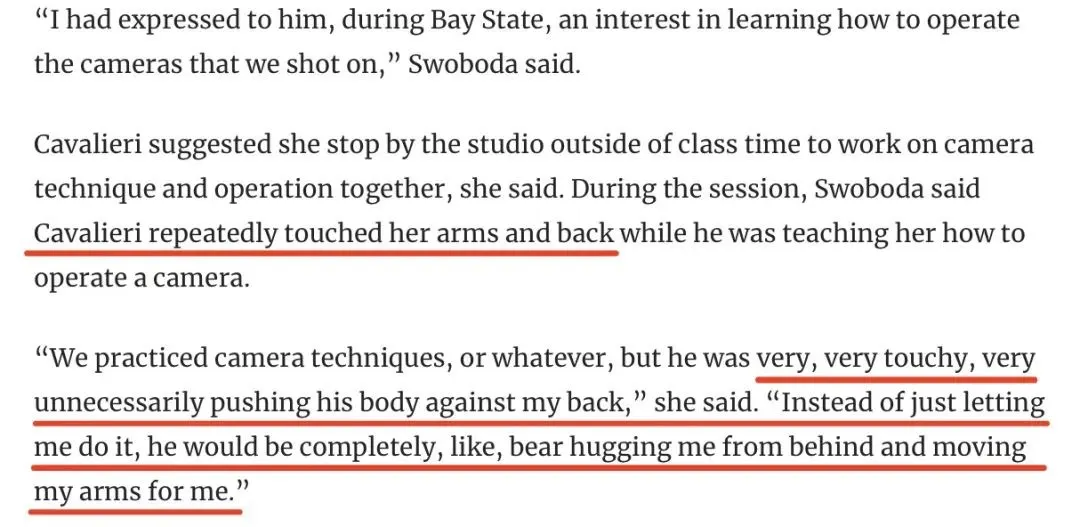
In addition to Swoboda, several other students stated that Professor Cavalieri had also used similar "romantic golf" style hug teaching on them.


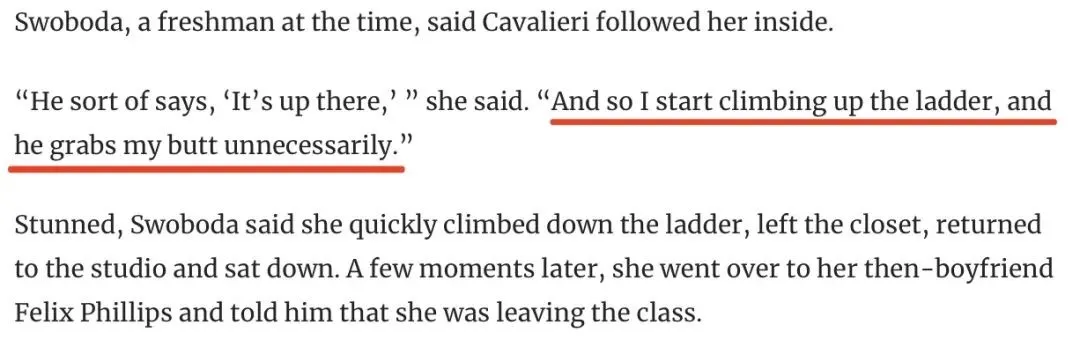
Swoboda also stated that during a program preparation, Professor Cavalieri asked her to retrieve something from a shelf in the equipment room, "and as I climbed the ladder, he inappropriately touched my buttocks."
In fact, long ago, BU students had already reported Cavalieri's misconduct on Rate My Professor (a website in the U.S. for rating professors): "60% of the class is him boasting... Other than that, if you're a girl and enjoy the professor teaching with his hand on your knee in his office, take this course!"
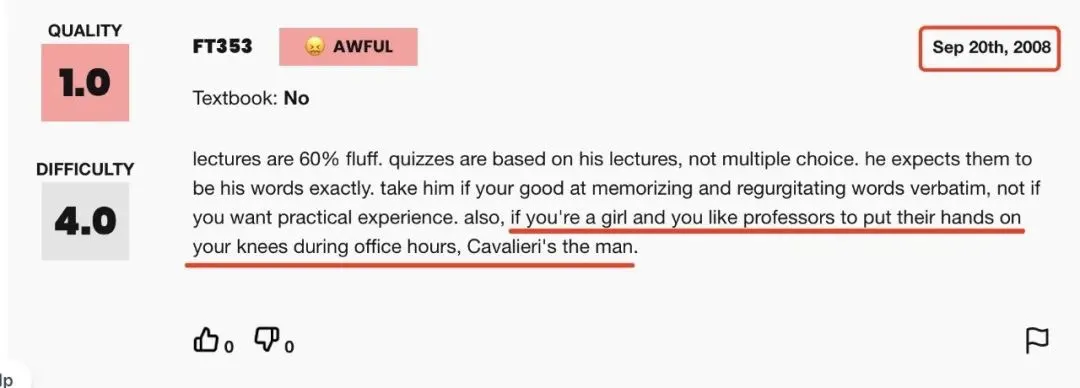
In addition, many students reported that Cavalieri displayed signs of PUA (pick-up artist behavior), poor emotional control, a tendency to boast, and often used insulting language to attack students in class.
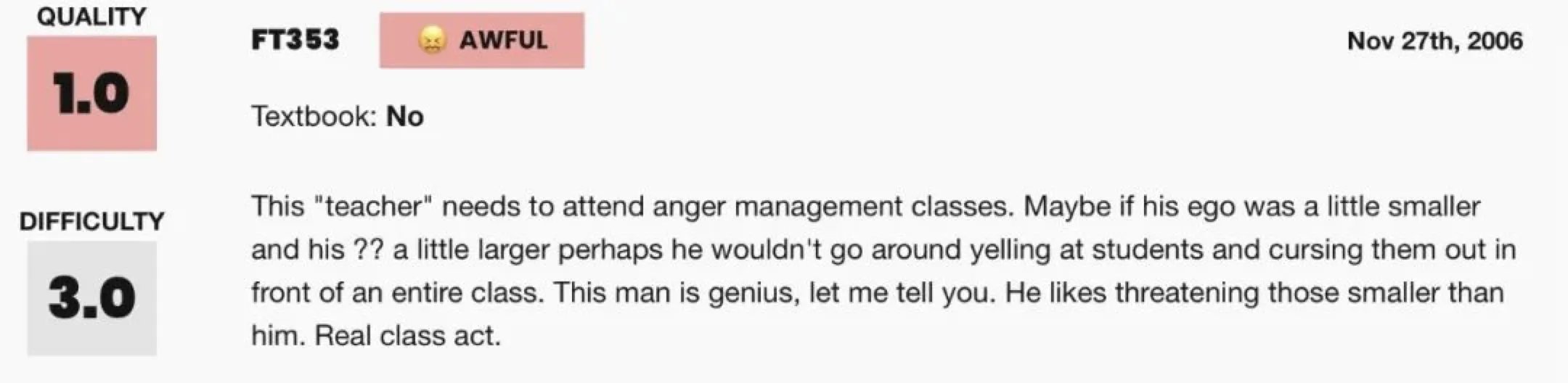
Although allegations against Cavalieri are not new, BU has yet to take any action or make a public statement.
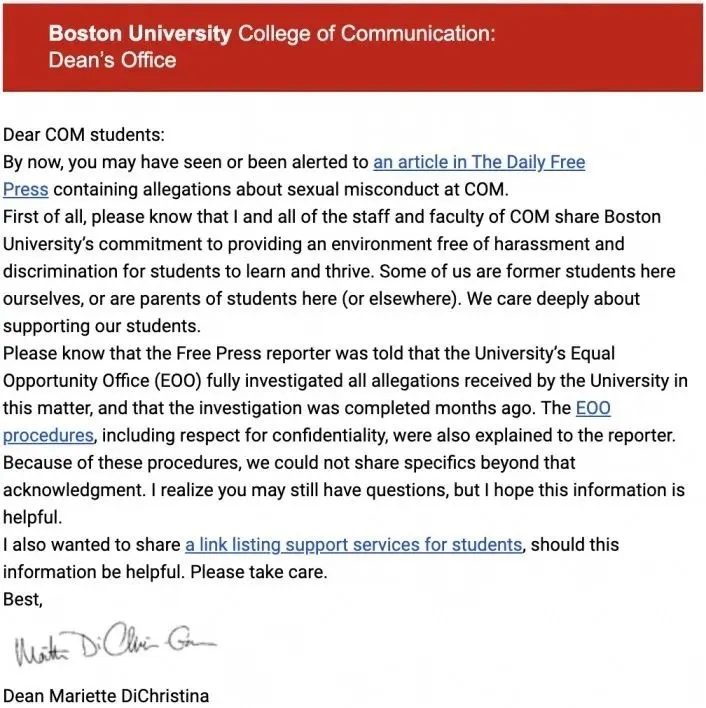
The dean of the College of Communication sent an email to students regarding the incident, beating around the bush, stating that the school cares deeply about students' physical and mental health and will fully protect their legal rights, but out of respect for personal privacy, they cannot disclose more details of the investigation.
According to the course registration page, Cavalieri plans to return in the fall 2022 semester in the dual role of faculty advisor and assistant professor.
We will continue to follow the outcome of this case investigation.
Sexual misconduct in academia is nothing new
The 118-page flirtatious emails of a former University of Michigan president
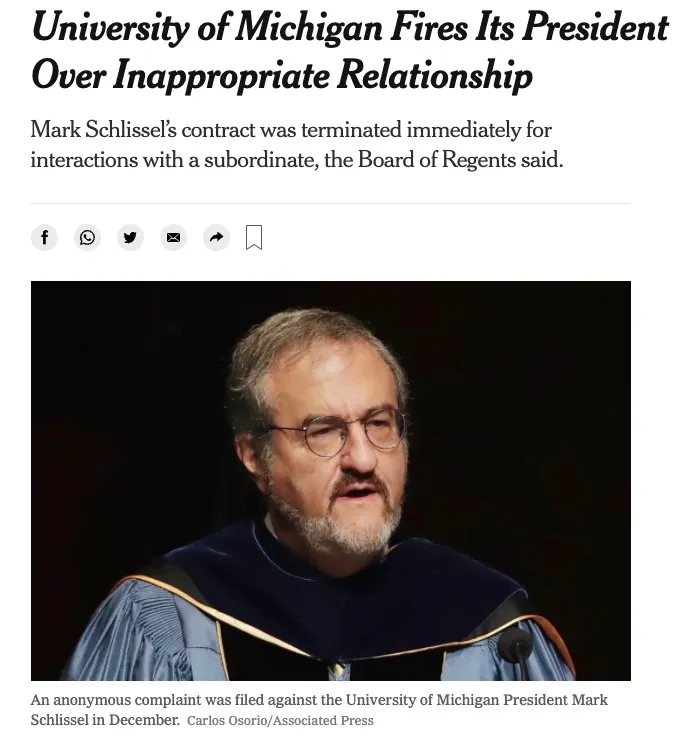
Earlier this year, the University of Michigan went viral online: former president Mark Schlissel was dismissed and fired after being reported for maintaining an improper relationship with a female subordinate.
And the 118-page flirtatious emails he sent using his official university email were unceremoniously posted by the University of Michigan on its website, forever nailing him to the school's "pillory of shame."
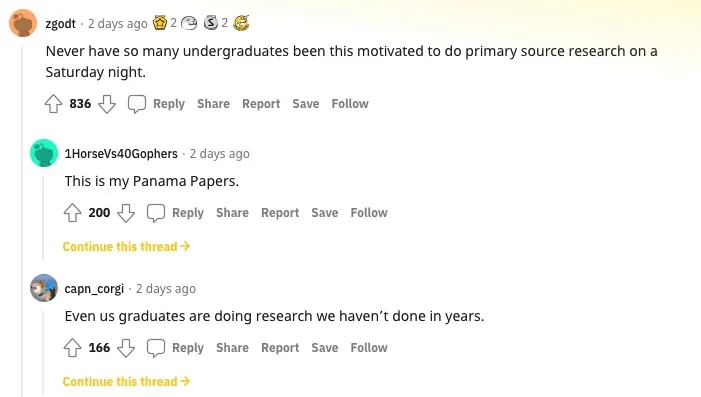
This 118-page testimony of middle-aged "love" sparked an online feeding frenzy. "Never have so many undergraduates been so motivated to do primary source research on a Saturday night."
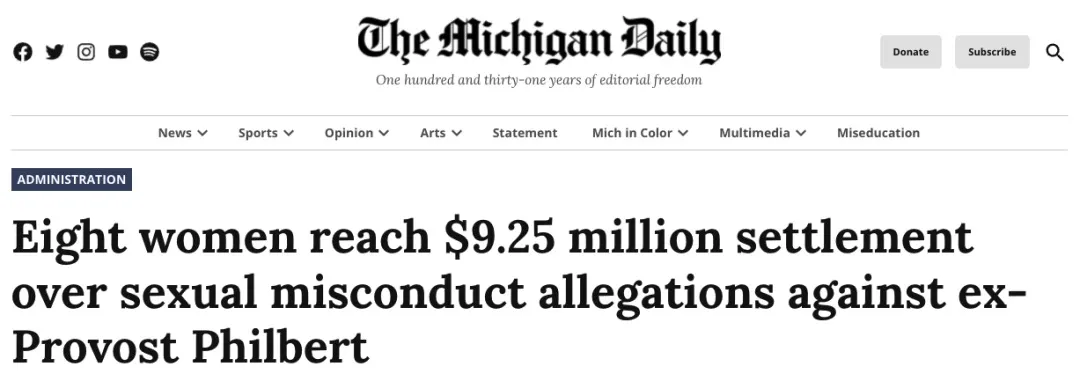
Most ironically, during Schlissel's tenure, he had publicly voiced opposition to sexual harassment in response to a case where the former provost had sexually harassed multiple women, including colleagues and graduate students.
In the end, it was sheer hypocrisy.
Past sexual misconduct scandals at U.S. universities
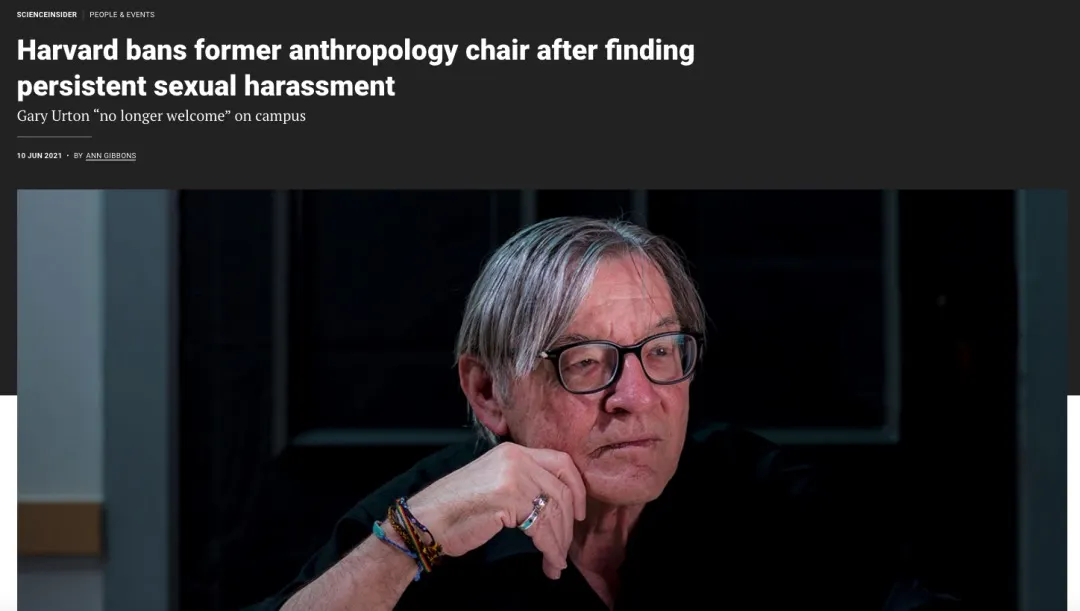
In 2021, Harvard University's anthropology department chair Gary Urton, due to years of "persistent" sexual harassment and unwelcome sexual conduct, and abuse of power over students and staff he supervised, was eventually sanctioned by Harvard and stripped of his honorary status.
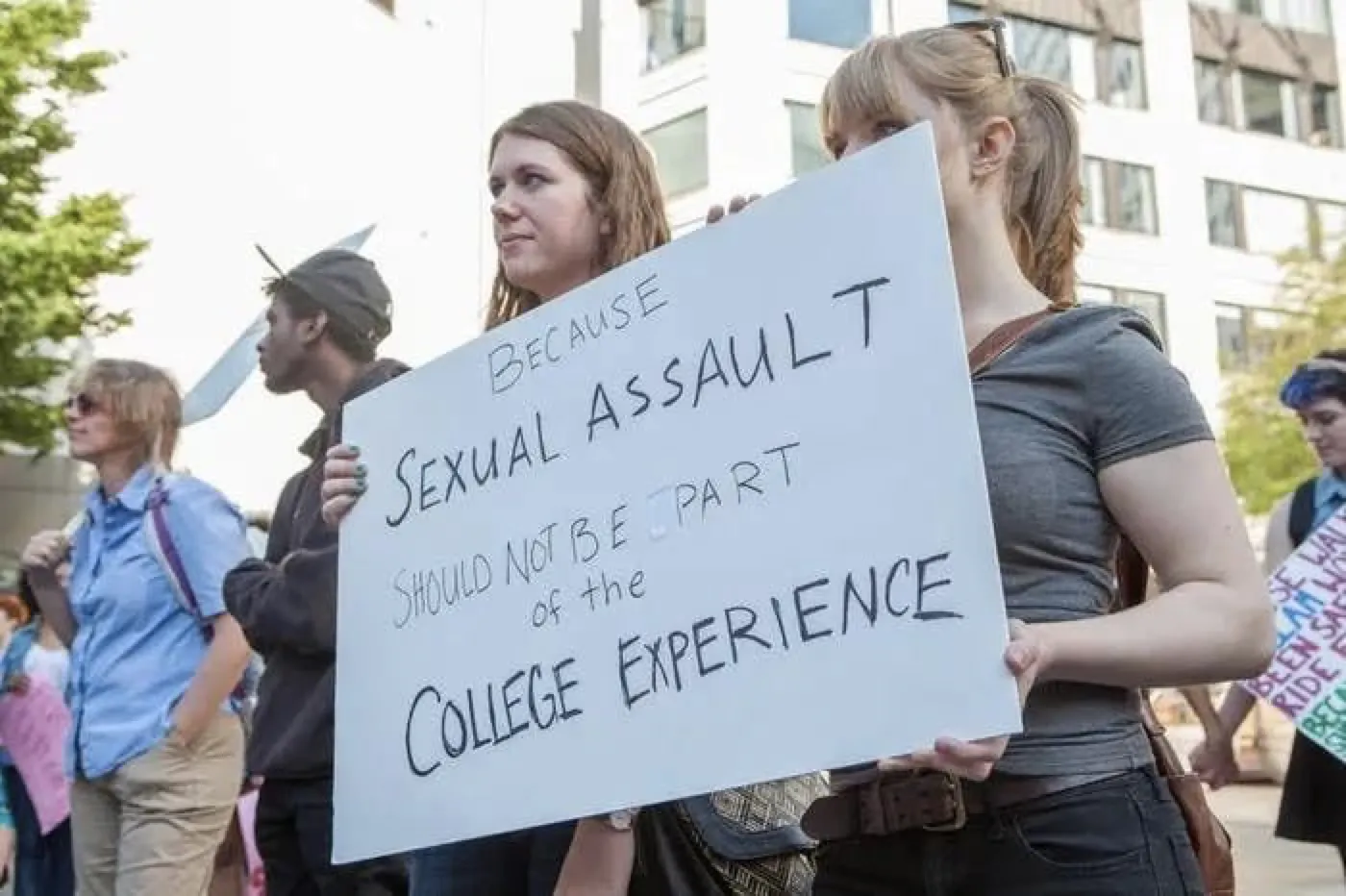
As early as 2016, a series of sexual harassment incidents involving faculty members against female staff and students at the University of California, Berkeley sparked questioning and criticism of UCB from students, faculty, and the public.
Including the vice chancellor, a world-renowned astrophysicist, the law school dean, and even the assistant coach of the school's basketball team—no one escaped scrutiny.
The most shocking was the sexual abuse case of Lawrence Nassar, the former team doctor for the U.S. Olympic gymnastics team.
Starting from his time at Michigan State University (MSU), he sexually abused female athletes and patients for over a decade, with the youngest victim being only 12 years old.
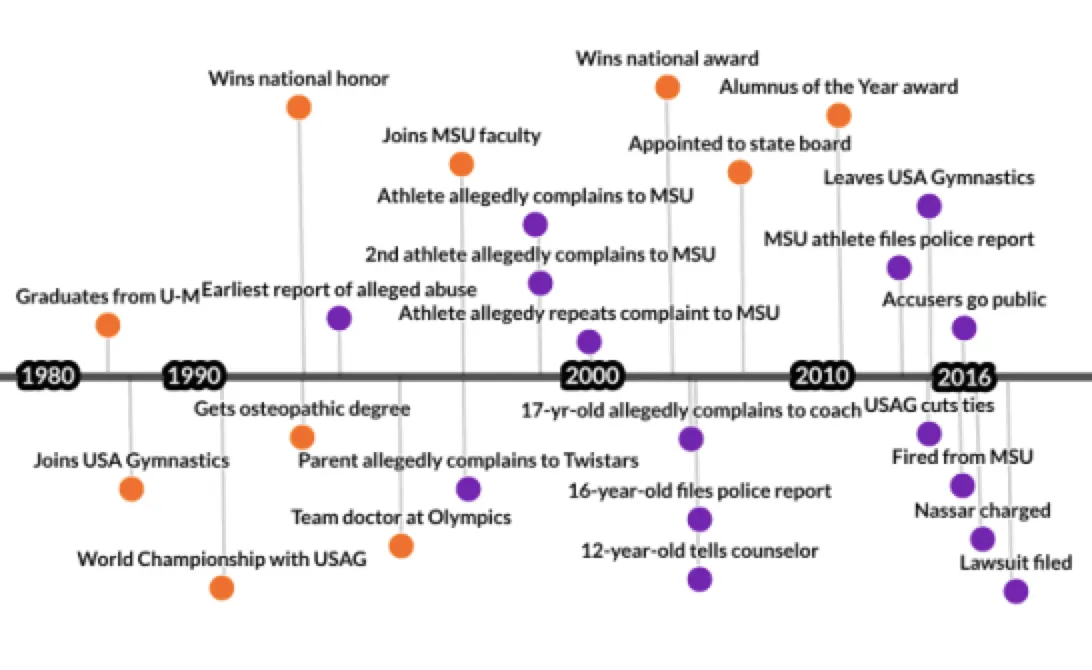
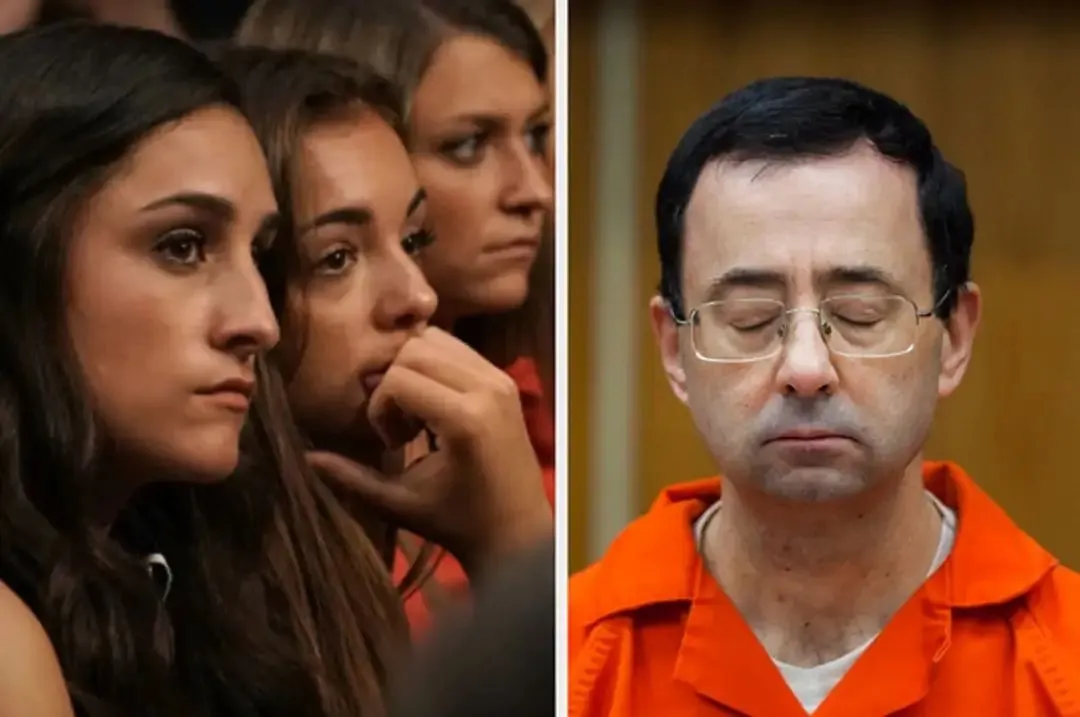
Ultimately, he was sentenced to 175 years in prison for sexually assaulting 156 people.
What to do if you encounter sexual misconduct
Since the popularization of the #MeToo movement, more and more people are bravely coming forward to report sexual harassment cases they have experienced or witnessed, and North American colleges and universities are paying increasing attention to such incidents.
During the college application process, sexual scandals can also affect students' decisions. To create a safer campus environment and protect their own image, universities have zero tolerance for unethical behavior.
Nowadays, all U.S. colleges and universities have comprehensive prevention and protection measures against sexual harassment, ensuring that all staff and students are educated and assisted.
Many universities require students to complete sexual misconduct/sexual assault prevention training before enrollment.
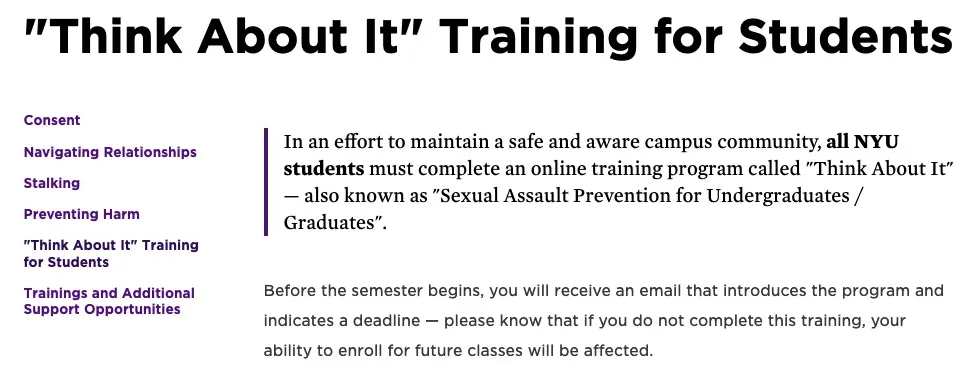
Common measures taken by universities also include playing promotional videos, distributing brochures, establishing sexual harassment hotlines and handling departments, etc., to ensure the safest campus environment for students and staff.
If you do encounter a sexual misconduct incident, we recommend taking the following steps:
1. Get Support
There are confidential resources available both on and off campus. If affected by a sexual misconduct incident, you can seek help from relevant personnel.
Universities typically have dedicated counselors who provide free counseling and can also offer effective channels for victims to pursue disciplinary actions or criminal complaints.
2. Report to the University
You can choose to notify the university of the sexual misconduct incident. Students can generally submit a sexual misconduct report form either anonymously or with identifying information.
You can also choose to file a complaint directly with the dean of students to initiate an investigation and implementation process. If the accused is a member of the university community, the complaint will result in them being informed of the allegations and an investigation being conducted.
3. Report to the Police
While seeking help from the university, you can also choose to report the sexual misconduct incident to the local police.
Although the university may not be able to control any police investigations and legal proceedings that may occur, university staff will continue to work with students to provide assistance.
Most universities have reporting pages; you can learn more by searching sexual misconduct + university.
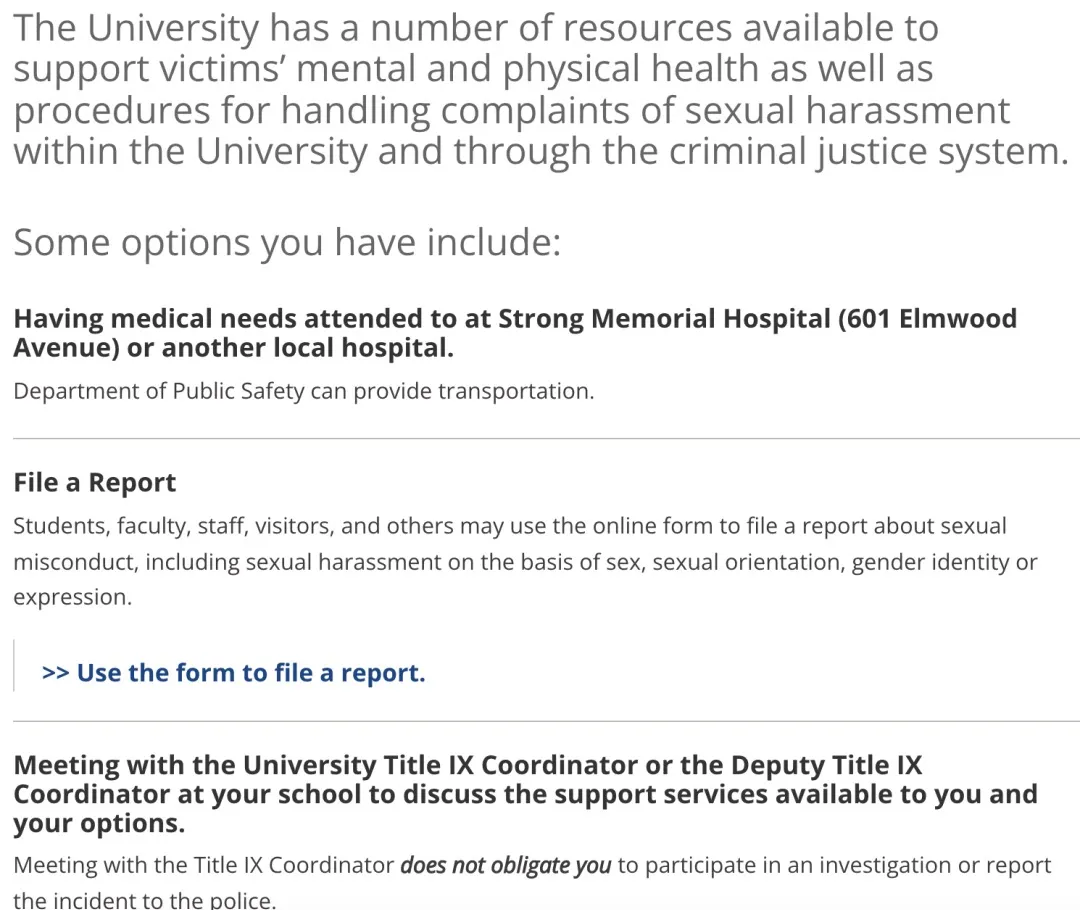
Students affected by sexual misconduct should ensure they go to a safe place with a safe person, talk to someone they trust to help themselves recover, and let others know how to help.
We sincerely wish everyone a healthy and wonderful study abroad experience.