As summer vacation draws to a close and the fall semester is about to begin, I believe many students are making preparations for returning to school in the fall.
.png)
Recently, policies have been relaxed, and China and the US are negotiating to increase flight frequencies, which is exciting news for international students! This not only means lower study-abroad costs but also more convenient travel.

But the increase in flights also means a surge in the number of students returning to the US for classes, so we recommend keeping an eye on flight updates and price changes to ensure a smooth return before the semester starts.
Major universities across the US have also updated their 2023 new student checklists to help students start their study abroad life more smoothly.
New York University
NYU graduate new student checklist highlights:
-
Submit final undergraduate transcripts
-
Contact the academic department
-
Learn about the school's International Student Office
-
Activate NetID and NYU email
-
Obtain an NYU ID card
-
Get familiar with NYUHome and Albert student portals
-
Verify your contact information
-
Check and confirm health requirements and insurance plans
-
Learn about financial aid and scholarship options
-
Course registration
-
Apply for transferable course credits
-
Experience the campus atmosphere

University of Southern California
USC graduate new student checklist highlights:
-
Submit the Intent to Enroll form
-
Register for USC NetID
-
Schedule the school's new student Orientation
-
Complete the health center's requirement forms
-
Course registration
-
Get your USC ID card
-
Complete degree verification (if needed)
-
Pay tuition
-
Participate in Orientation
.jpg?x-oss-process=style/opt-webp)
Most schools' new student preparation requirements can be found by Googling: school name + student checklist.
Some schools may have them on the International Student Office website, which you can find by Googling: school name + international student office.
The preparations needed for students coming to the US are similar at most schools: basic passport and visa, plus participating in orientation and activating ID cards to facilitate campus life.
Below, CheersYou(清柚教育) will introduce in detail what students heading to the US for Fall 2023 need to prepare, and what adjustments students need to make according to policy.
Pre-Departure Preparation for Studying in the US
Documents
Important documents that international students generally need to prepare and carry at all times:
-
Passport (valid for at least 6 months), valid F1 visa
-
Original/copy of I-20
-
Admission letter
-
SEVIS receipt
-
Health certificate
-
Vaccination certificate
-
Standardized test scores: TOEFL, SAT/GRE, etc.
-
Original transcripts and graduation certificates with official stamps in both Chinese and English
Note
It is recommended to prepare 'original + copy + electronic version' of the above documents in case of need. Documents that will be inspected by U.S. Customs upon entry (such as I-20) should be carried with you and not placed in checked luggage.
COVID-19 Vaccine Requirements
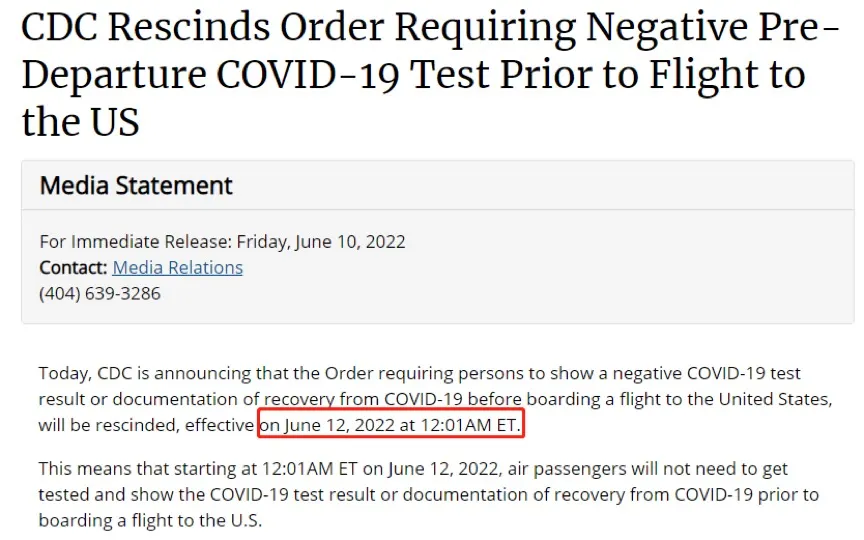
Since June 12, 2022, pre-departure COVID-19 tests, proof of vaccination, antigen tests, or proof of recovery are no longer required for air travelers entering the US.
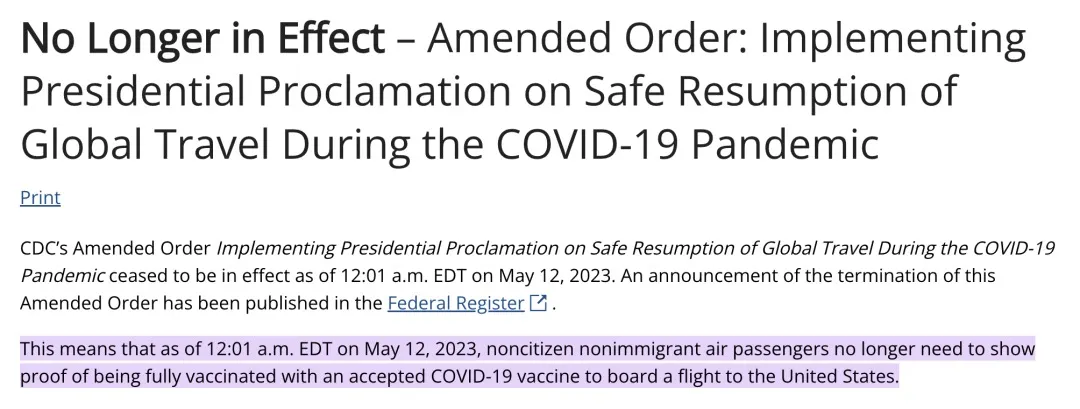
CDC states: As of May 12, 2023, non-citizen non-immigrants (students and visitors) traveling by air to the US no longer need to show proof of being fully vaccinated with an accepted COVID-19 vaccine.
However, many schools' health centers still require students to have received the COVID-19 vaccine or show proof of vaccination.
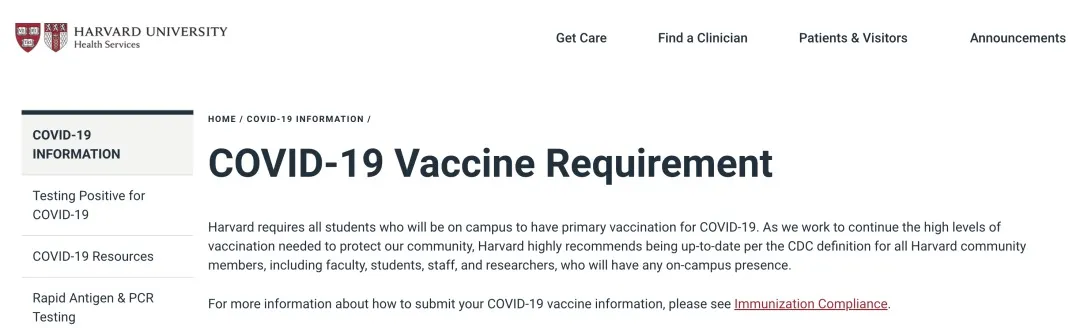
Students can also Google: school name + vaccine requirement to locate the school health center's dedicated page and check the school's and local COVID-19 vaccine policy requirements, and arrange to get vaccinated before departure if needed.
Although the pandemic has largely subsided, epidemic prevention policies may change at any time. Be sure to stay updated on the latest entry and school news before departure and prepare adequately.
Visa
Summer is always the peak season for student and tourist visas, and appointments at visa centers fill up quickly. So students needing a visa must plan ahead and book an appointment at a convenient U.S. Consulate General or Embassy in China for a visa interview.
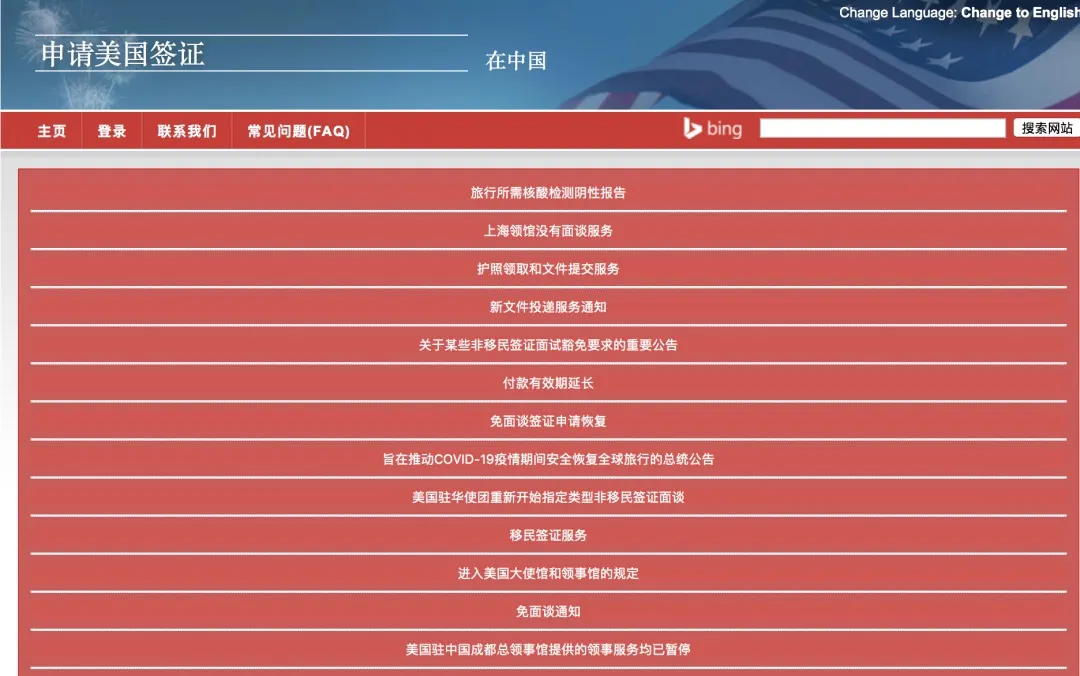
After receiving your I-20, go to the GSS website (https://www.ustraveldocs.com/cn_zh/
index.html) to submit your visa interview application.
Steps for international students applying for an F1 visa interview:
-
Pay SEVIS fee
-
Complete and submit the DS-160 form online, ensuring personal information is accurate
-
Pay the visa fee online and schedule the visa interview
-
Prepare relevant materials, including passport, I-20, admission letter, transcripts, SEVIS and visa fee receipts, resume, proof of parents' income, etc. To avoid being unable to answer clearly when the visa officer asks questions, try to familiarize yourself with the information on the materials.
Visa applicants need to bring their documents to the embassy on the day of the interview. There is usually a line at the embassy entrance, so it is recommended to arrive 40 minutes early.
There are three common outcomes for visa interviews: approved, administrative processing, and denied. Administrative processing (also known as "being checked") comes in two types: routine check (no action needed) and request for additional materials.
A request for additional materials does not mean a denial, so be sure to submit the requested documents as soon as possible according to the instructions in the letter.
Health Booklet / Vaccination Record
Students can search online for nearby International Travel Healthcare Centers to schedule an exit medical exam. The addresses for these centers in three major Chinese cities are as follows:
Beijing International Travel Healthcare Center
Address: 20 Hepingli North Street, Dongcheng District, Beijing
Tel: 010-64274239
Shanghai International Travel Healthcare Center
Address: 15 Jinbang Road, Changning District, Shanghai
Tel: 021-62688851
Shenzhen International Travel Healthcare Center
Address: No.1 Comprehensive Building, Huanggang Port Living Area, Futian District, Shenzhen
Tel: 0755-83774005
Before the medical exam, prepare the following:
— Passport or ID card
— 4 two-inch photos
— Admission letter, I-20
— Vaccine/medical form provided by the school
— Previous vaccination records, including originals and copies
— At least 1000 yuan in cash
On the day of the medical exam, follow the instructions of the healthcare staff and complete the whole process. After receiving all vaccines, you can get the vaccination record on the spot, while the health certificate will take a few working days.

Although the health booklet and vaccination record are generally not checked at customs, there is a possibility of random inspection, so keep them with you on your way to the US.
Flight Booking
Although air travel between China and the US has recovered and flight frequencies have increased, this also means a surge in travelers and students, which may cause ticket prices to fluctuate. Therefore, it is strongly recommended that students returning for the fall purchase tickets as early as possible.
Currently, there are basically no direct flights from China to the US in late August/early September on ticket websites. If not flying direct, be sure to understand the entry policies and epidemic prevention policies of the stopover location in advance to avoid delays.

Currently, most countries/regions do not require COVID-19 vaccine proof. Some may require a visa on arrival for Chinese travelers, and some may require baggage re-check-in during transit. Pay attention to the requirements at your transfer point to avoid missing subsequent flights.
Packing Luggage
Prepare 2-3 large suitcases with essentials (like a change of clothes, bed sheets, common medications, toiletries, and plug adapters). Most daily necessities can be purchased after arriving in the US.
Note that domestic Chinese airlines generally allow two free checked bags, but each must weigh less than 23 kg; overweight bags incur additional fees.
Remember to put the important documents mentioned above in a transparent file folder in your carry-on bag, together with your hand luggage, for easy inspection at both Chinese and US customs.
Parents can prepare a dual-currency credit card (RMB/USD) for students, so that overseas spending is settled directly in US dollars. The amount of cash you carry should be reasonable, not exceeding $10,000, otherwise you must declare it at customs.
Before boarding, remember to activate international roaming at mobile service providers like China Mobile/China Unicom, so that you can contact family, school, or landlord promptly after landing.
Housing
Since July and August are the peak season for students returning to school, those choosing off-campus housing should resolve housing issues one to two months in advance.
There are three common ways for international students to find housing: searching for listings on rental websites, using a real estate agent, or subletting from someone you know.
Some recommended websites: Realtor, Zillow, Rent, Apartment Guide
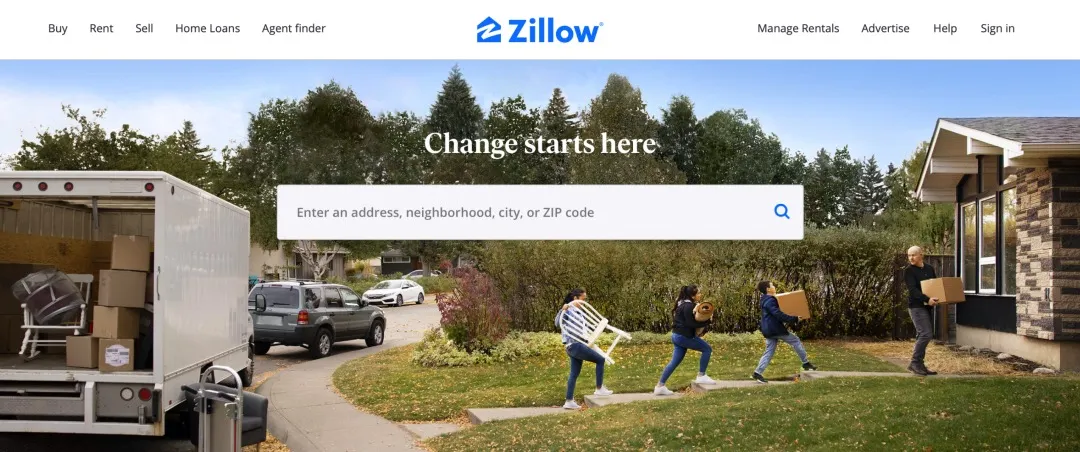
Below, CheersYou(清柚教育) briefly introduces some rental considerations:
-
When choosing a place, get a general understanding of the surrounding environment and transportation to ensure the community is safe (during the pandemic, you can focus on the crime rate and infection rate)
-
Some apartments in the US don't have washing machines or dryers; if you don't want to go to a laundromat, it's best to avoid those
-
Agree with roommates in advance on how to split the deposit, rent, utilities, and internet fees, preferably with a written record to avoid future disputes
-
When signing the lease, read the contract carefully and don't rush to sign. If you don't understand something, ask someone; don't be afraid to bother others. After signing, keep the contract and receipts safely, so you can protect your rights if needed
-
If you find any damaged facilities after moving in, contact the landlord immediately, otherwise it will be hard to explain when you move out
After Arriving in the US
School Check-in
After arriving in the US, international students can first go to the school to complete registration.
Report to the school's International Student Office (Office of International Student Services or Office of International Education Services). They will also provide many services specifically for international students.
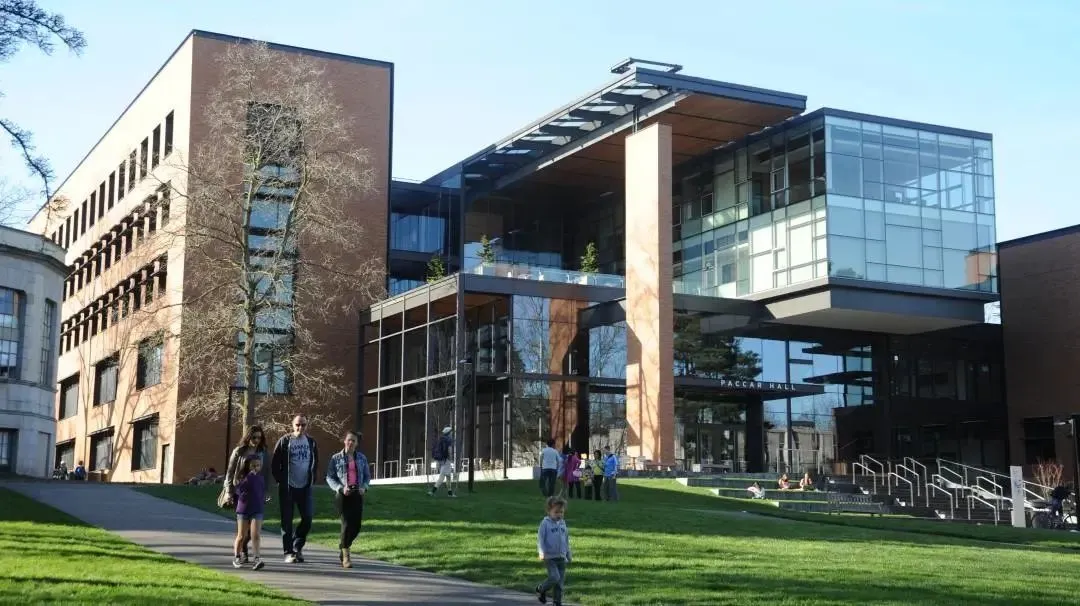
Also, get your student ID card, library card, health insurance, etc.
Getting a Mobile SIM Card
Using a Chinese phone card to make and receive calls in the US will be very expensive, so upon arrival, you can get a US SIM card for easier communication.
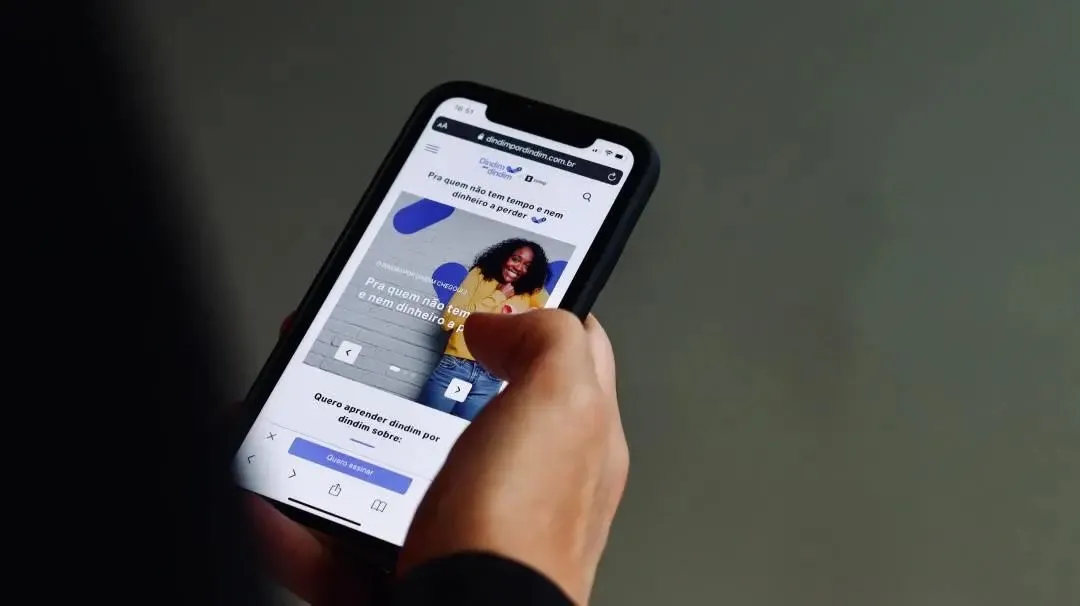
There are over 180 different operators in the US, but the main telecom companies are T-Mobile, AT&T, Sprint, and Verizon. Different companies offer various plans to choose from, including:
-
Prepaid
-
Individual Plan
-
Family Plan
-
Monthly Plan
-
Mobile Shared Plan
............
Choose the most suitable plan according to your needs.
Applying for a Bank Card
Although mobile payment is available in some areas, you still often need a bank card for spending. It is generally recommended that international students get a local bank card upon arrival for daily use and to avoid losses from exchange rate fluctuations.
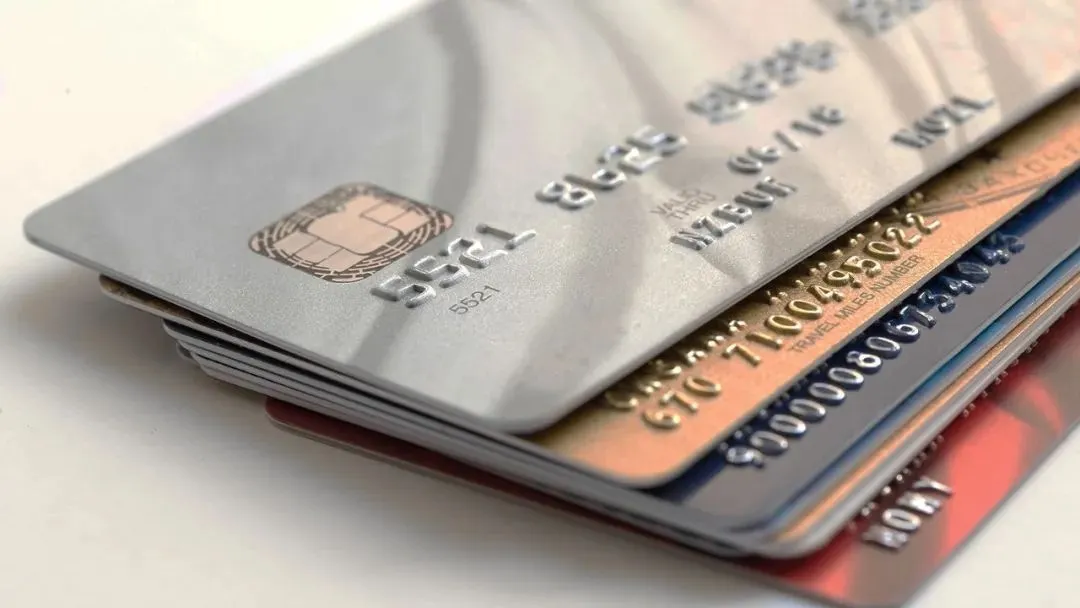
Two factors to consider: first, choose a bank with ATMs and branches near your residence or school, which will make withdrawals and transactions more convenient; second, look at the bank's opening offers, such as Bank of America sometimes waiving annual fees for students.
Documents needed to open a bank account:
-
Valid ID: passport, US driver's license, bank card, etc.
-
Proof of study: student ID, I-20
-
Valid proof of residence: rental agreement, utility bills, etc.
-
$50 cash for initial deposit
Attending Orientation
Orientation is like a "welcome meeting" but much more practical, with more diverse activities.

Orientation typically lasts 2 to 7 days. It mainly involves school administrators and senior students explaining enrollment considerations and answering questions. During Orientation, you can:
-
Meet new classmates
-
Meet with an advisor to discuss major and course issues
-
Complete course registration
-
Get familiar with the campus, learn about school resources and services
............
If there are no urgent matters, it is recommended to attend the school or department's Orientation to quickly get familiar with the campus and school.
Getting to Know the Surroundings
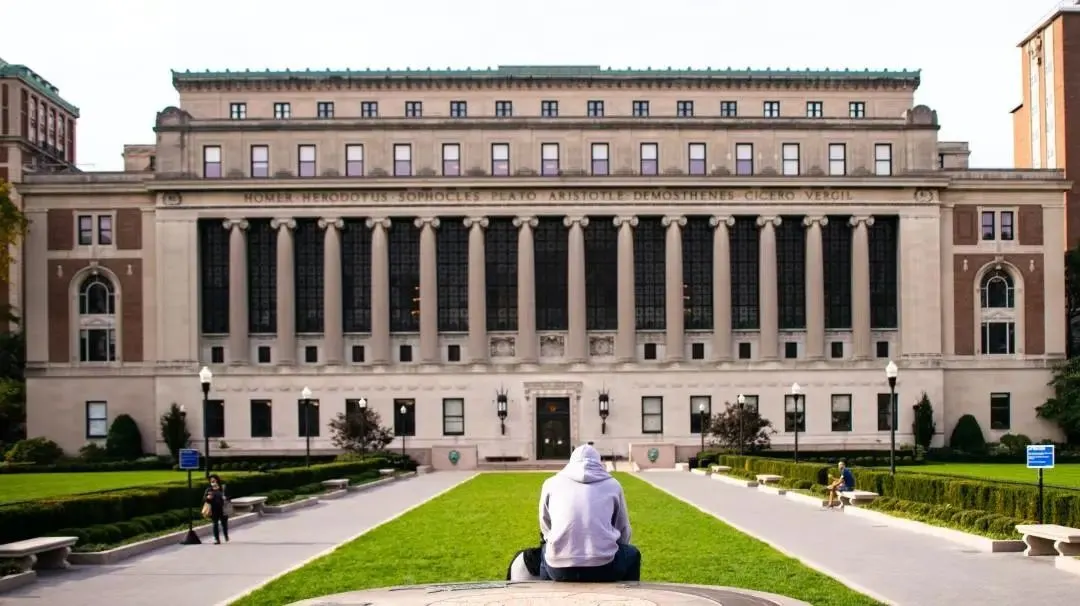
Getting familiar in advance with the routes to school and supermarkets, as well as the surrounding environment, is also one of the most important tasks for international students, especially those living off campus.
-
Find out how long it takes to get from your residence to school, the bus interval, the route, ticket purchase methods, and whether you can get free transfers.
-
Learn the route to the supermarket, how long it takes, and its business hours. Some supermarkets abroad are not open seven days a week, and may have different weekend hours, so you need to find out.
When first arriving abroad, international students should do their homework before traveling to effectively prevent getting lost.
With the new semester approaching, we wish everyone a smooth arrival in the US and a wonderful start to an exciting campus life this fall.