Columbia University recently announced that LSE's current president Minouche Shafik will move to the United States to serve as Columbia's 20th president, scheduled to officially take office on July 1, 2023.
Shafik will also become the first female president in Columbia University's history.

UK G5 vs American Ivy League: Which One Is Losing Prestige?
As soon as the news spread, students from LSE and Columbia started online, lamenting for their own schools that they were "losing value," while international student communities watched the spectacle.
There's been fierce debate over whether the career move of a major bank president from LSE to Columbia is a case of “starting low and ending high” or “Columbia isn't worthy enough.”

The eternal debate over the two schools' admission bars is always on time...

Despite differing opinions, it is undeniable that Minouche Shafik is indeed an outstanding woman who has made remarkable contributions in both academic and economic fields.
The Columbia University Board of Trustees' appointment of her certainly reflects her exceptional qualities.
Current Columbia President Lee C. Bollinger praised her, saying, “Shafik's expertise, personal and professional experience, and her pursuit of academics and better public policy will take Columbia to the next level.”
A Trailblazing Journey: The Youngest World Bank Vice President
Minouche Shafik was born in 1962 in Alexandria, Egypt, and later moved with her parents to the United States. She earned her bachelor's degree from the University of Massachusetts Amherst.
She then completed a master's degree in Economics and Political Science at the London School of Economics (LSE) in the UK, and in 1989, she earned a PhD in Economics from the University of Oxford.
Her academic journey can be described as a steady climb, progressing from an ordinary university to world-renowned top institutions.
After graduation, Shafik taught at the Wharton School of the University of Pennsylvania and Georgetown University. In 2017, she assumed the presidency of LSE.
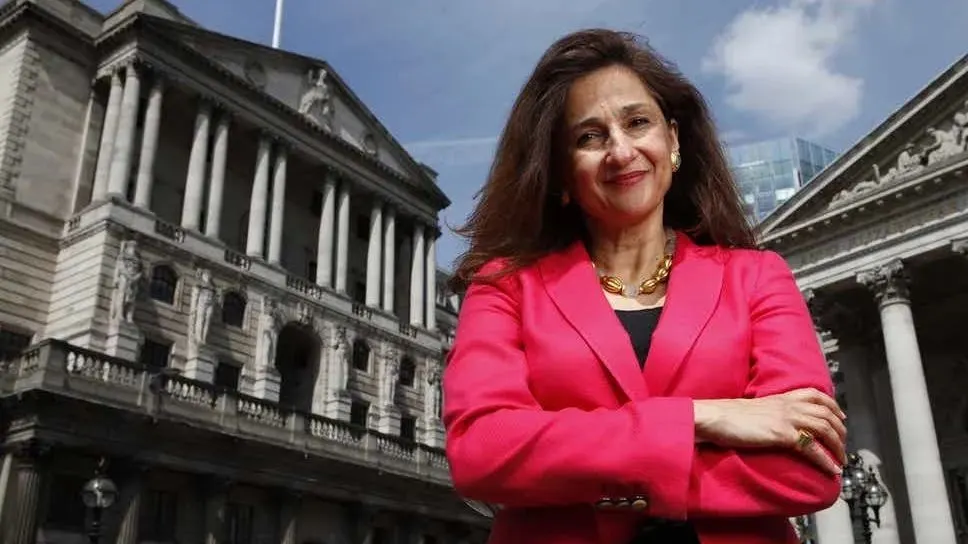
In the economic field, in 2004, at just 36 years old, Minouche Shafik became the Vice President of the World Bank, the youngest ever in that role.
She also served as Deputy Governor of the Bank of England, is a leading economist, was awarded the Dame Commander of the Order of the British Empire, and was named one of Forbes' 100 Most Powerful Women in the World.
Many netizens jokingly said that Shafik actually went to Columbia to help the university make more money.
Columbia: Seeking a Leader for Campus Diversity
Minouche Shafik was born in Egypt and is of African-British descent, but she has educational experiences in both the United States and the United Kingdom.
Pursuing campus diversity is a way many American universities improve their rankings and reputation. Columbia has long been a leader in seeking diversity among US universities, and this year's new diversity landscape can be said to have started with the change of president.
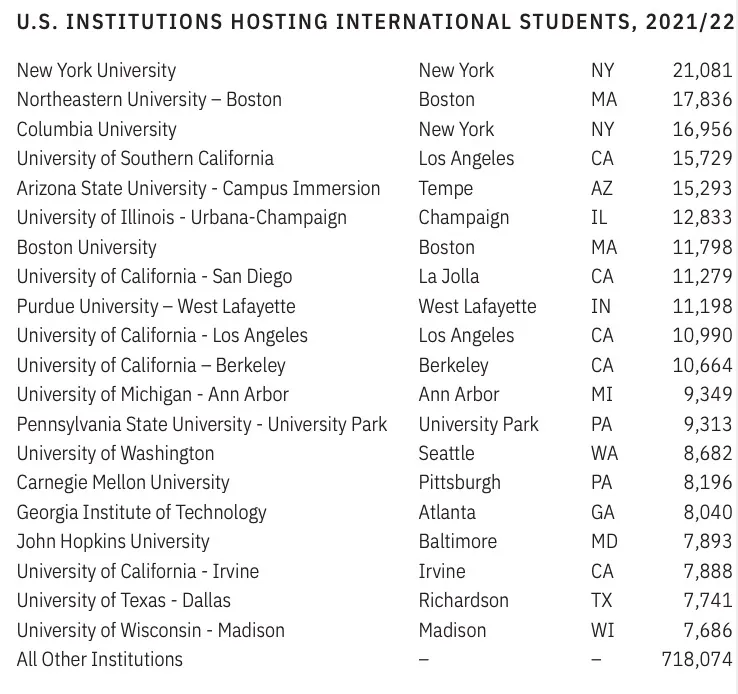
According to the “2022 Open Doors Report,” Columbia University is the third largest US university in terms of international student enrollment, after New York University and Northeastern University.
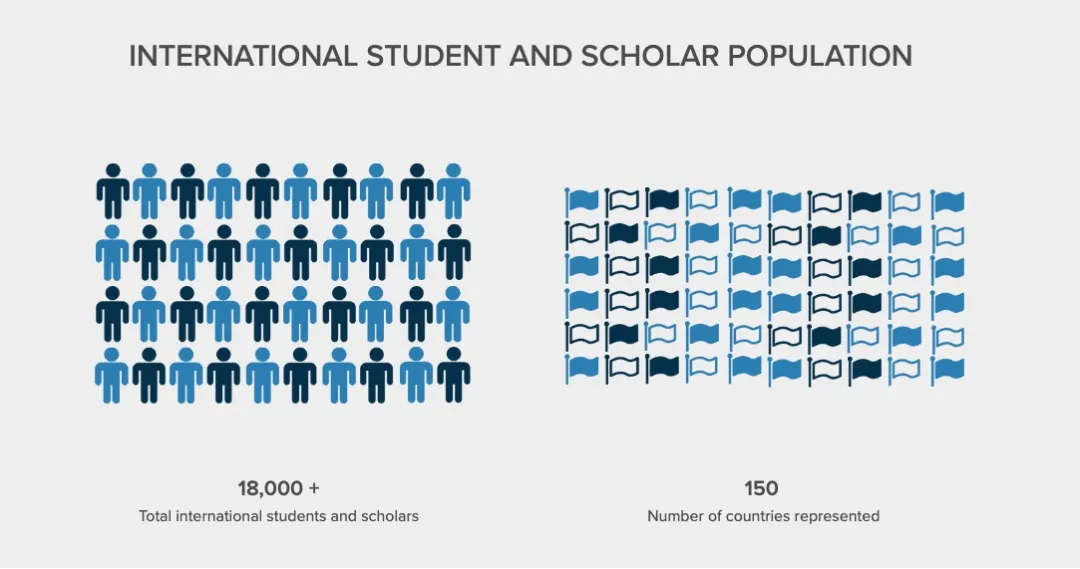
Columbia's official data shows that there are currently over 18,000 international students and scholars from 150 countries and regions worldwide. The top countries of origin are China, India, and Canada, with over 8,000 Chinese students. Female students account for 51.25%, and male students 48.75%.
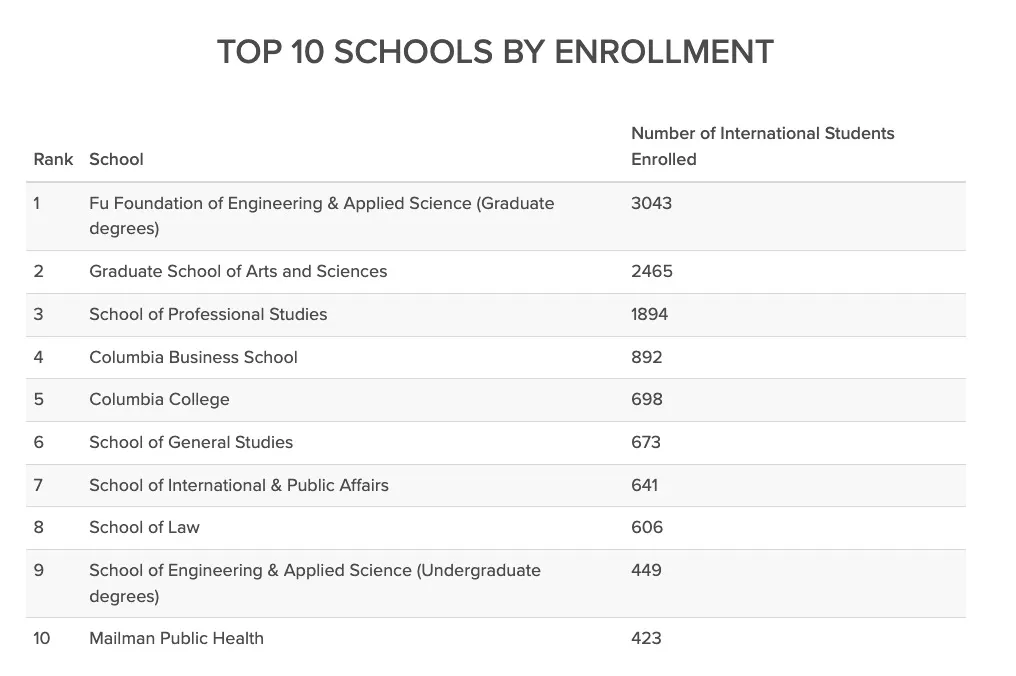
The school most favored by international students is the School of Engineering, with over 3,000 international students currently enrolled; the second most popular is the School of Arts and Sciences, with nearly 2,500 international students; and the third is the School of Professional Studies (SPS), with nearly 2,000 international students.
Minouche Shafik herself is a tireless supporter of diversity and inclusion. It is believed that her arrival will bring more new and diverse changes to Columbia.
Finally, no matter who the president is, the true value of a school also requires the joint development of its students. Without personal effort, even the most prestigious school can only produce graduates labeled as “water students” [unqualified].
So-called school rankings and reputation can never be the sole factors determining your future success. It's even more unnecessary to get upset over random online comments.
We hope everyone can find a university and major that suits them, engage in diligent study and effective career planning, and achieve their dream of becoming a big shot!