Every Spring Festival, the debate over CNY vs. LNY never ceases in the study-abroad community.
Everyone closely watches how different sectors respond—from their own universities to companies and celebrities. Any post about the Spring Festival inevitably sparks major drama.
Confusing statements from overseas in recent years have left many international students with less than joyful Spring Festivals.
Chinese New Year Becomes Korean New Year?
Amid the CNY vs. LNY debate, suddenly KNY appears next door 😓
Recently, the British Museum posted: “Join us for a magical performance by the Shilla Orchestra to celebrate Korean New Year.”
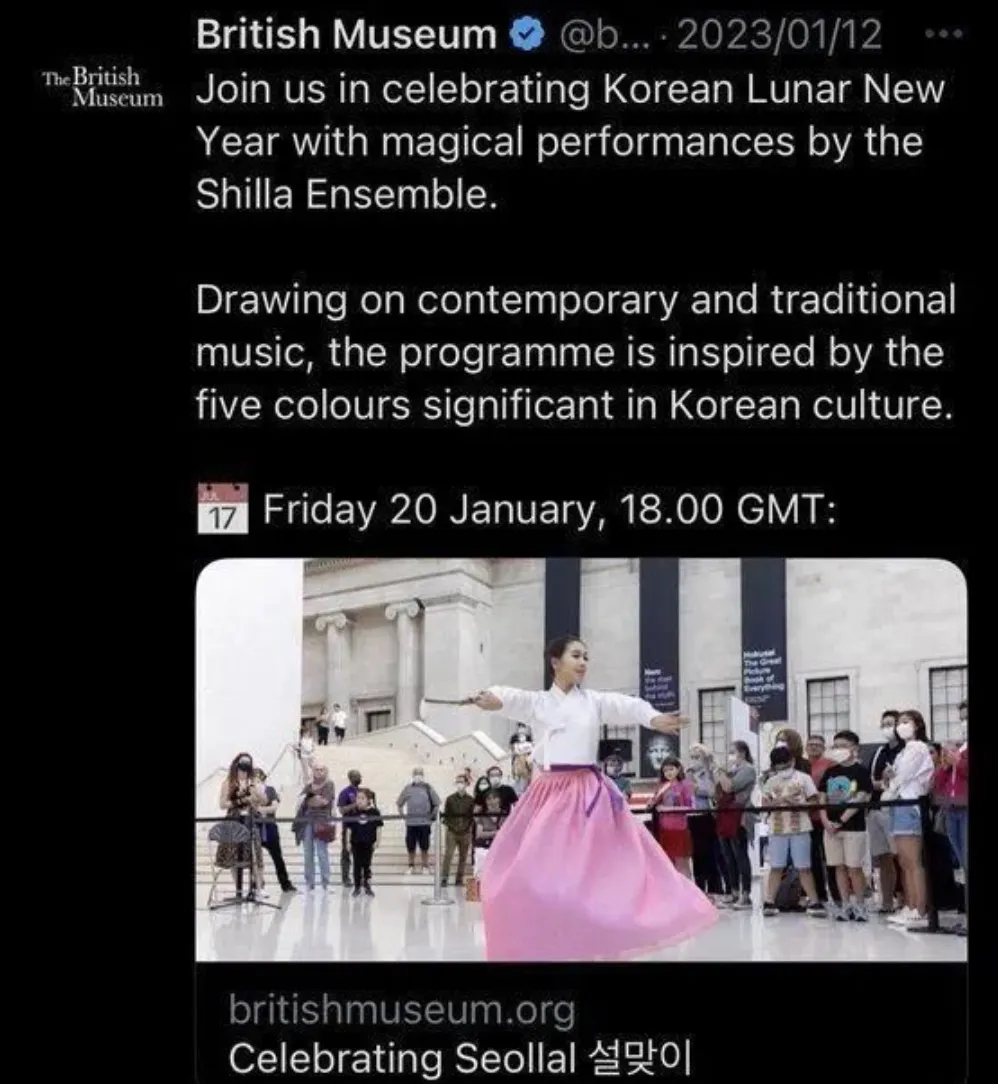
The Spring Festival was directly changed to “Korean LNY,” and netizens asked if the British Museum had lost its mind ❓
Someone replied, calling it “The Korean Museum” (大韩博物馆) probably wouldn’t anger the British—we’re all global citizens, let’s be magnanimous.
After being criticized by netizens, the British Museum quietly deleted the post but offered no further explanation.
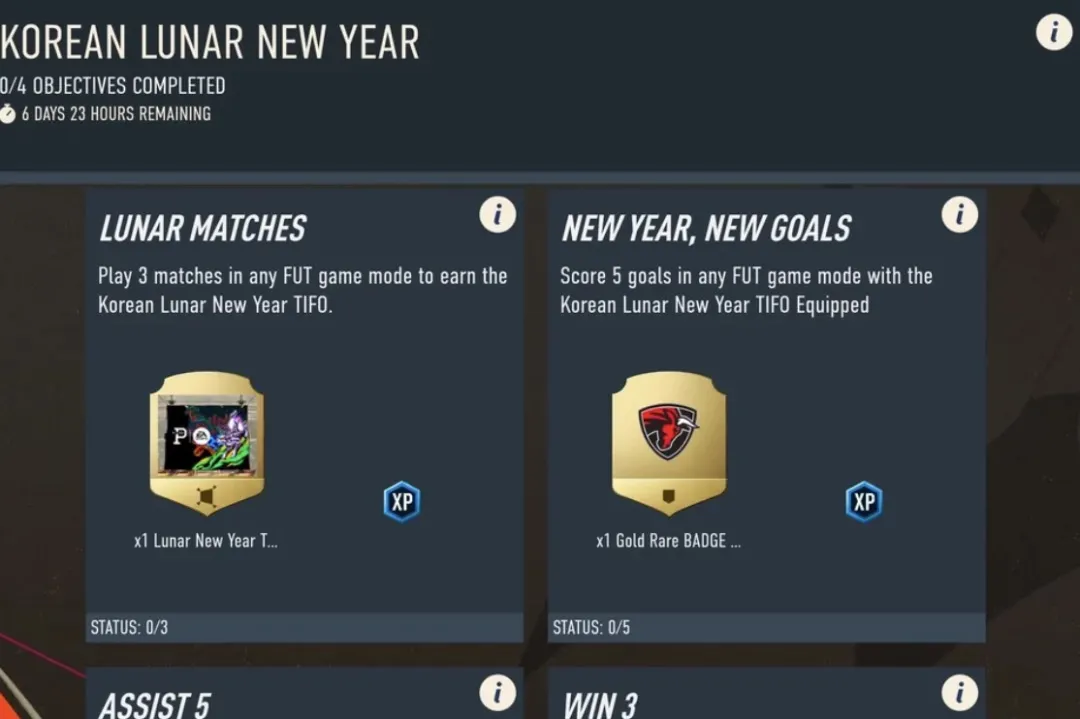
A certain game company labeled the Spring Festival as “Korean LNY.” Players say they don’t buy the joke excuse, and that FIFA might as well be dead.
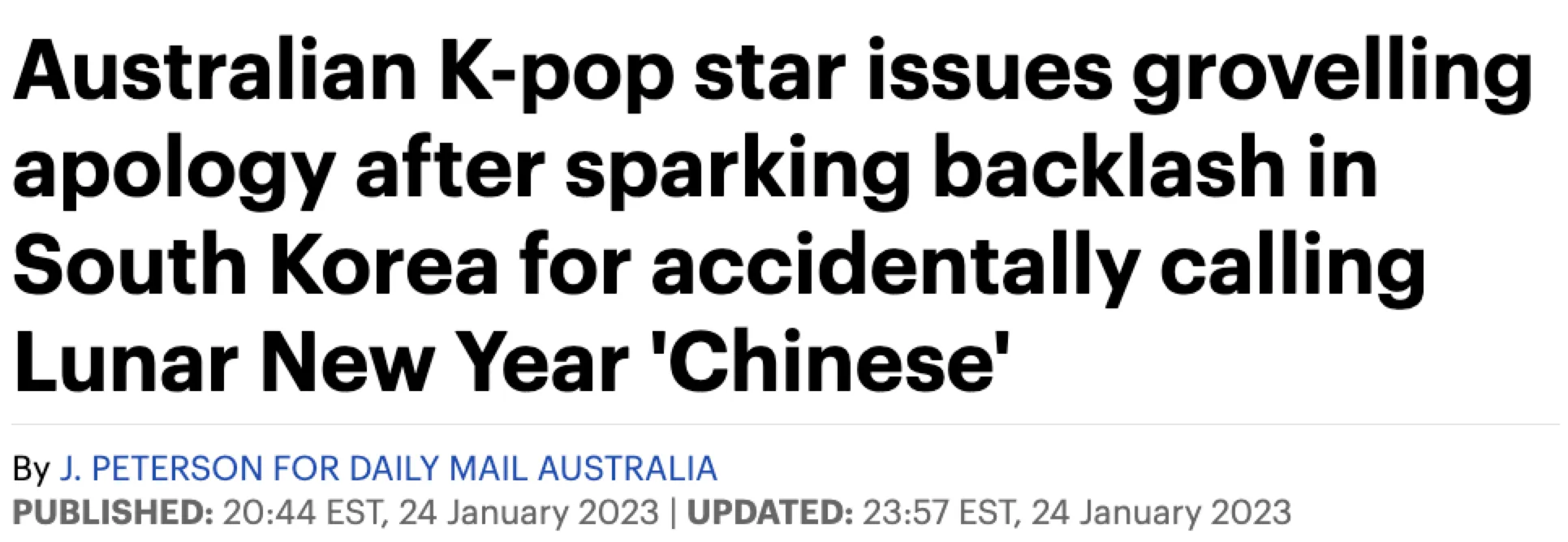
A member of a K-pop girl group was bombarded by Korean netizens for saying “Chinese New Year” and forced to apologize, leaving non-Korean fans baffled.
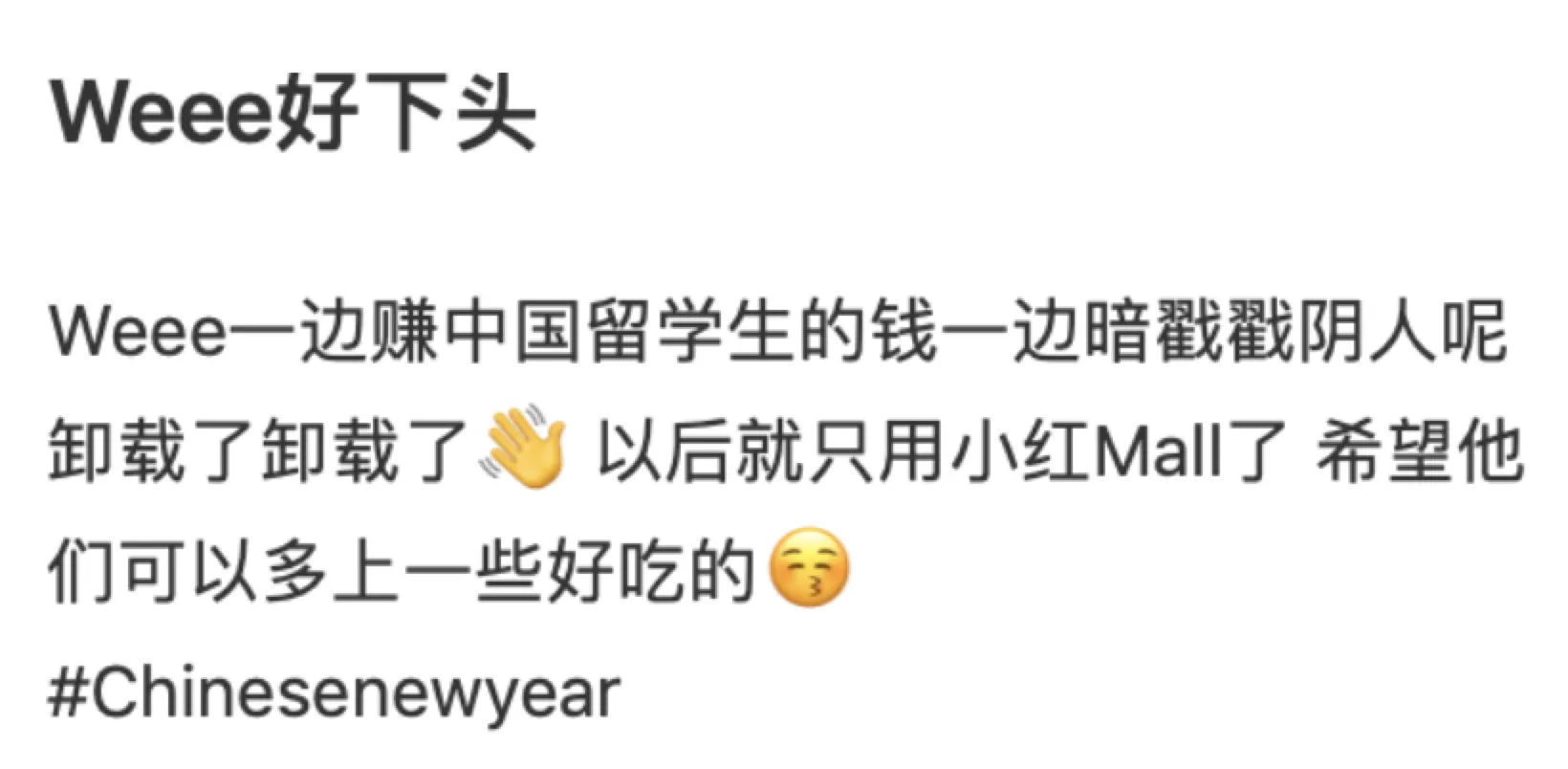
Even more ridiculous, an app with a Chinese owner also wrote “Korean New Year” ❓
Netizens say one-click uninstall, no regrets.

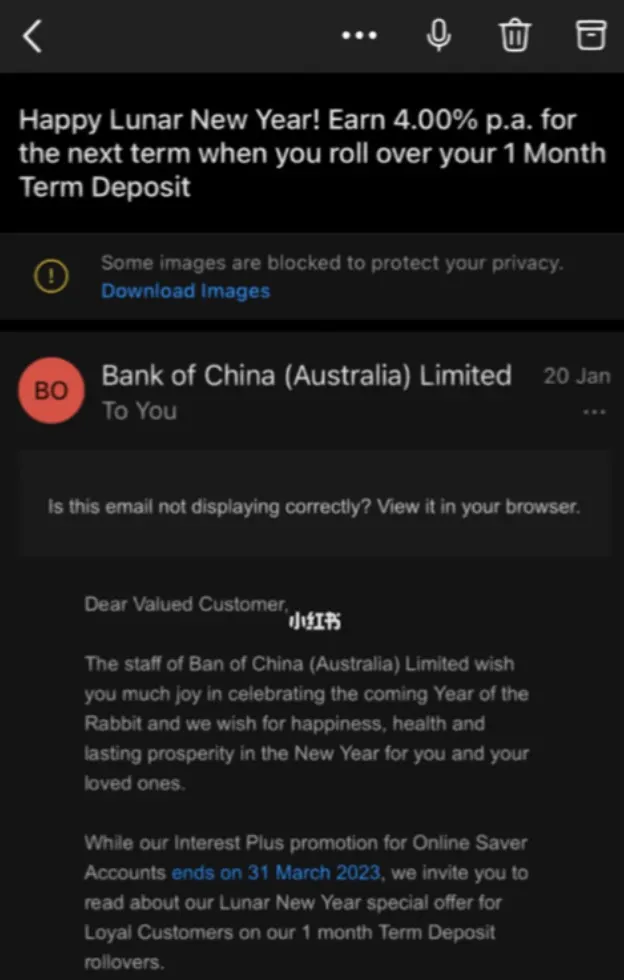
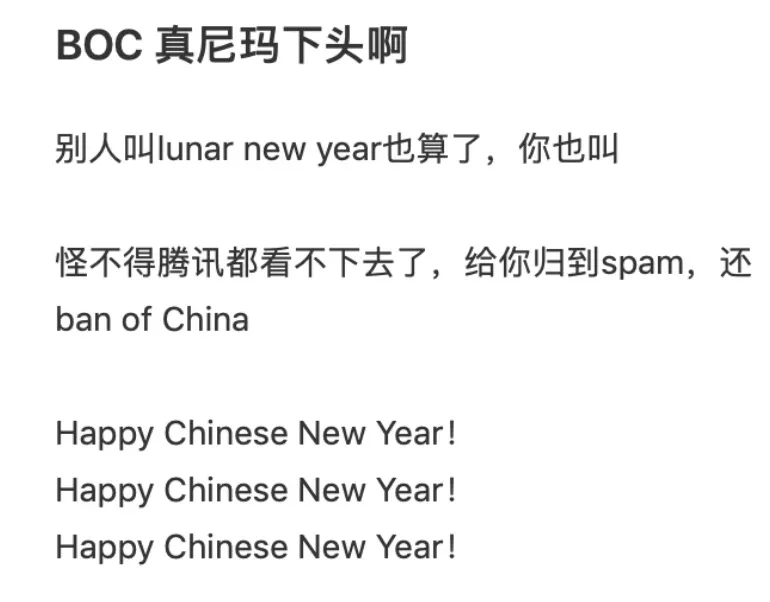
Equally speechless is Australia’s BOC. While not opposed to “Lunar New Year,” Bank of China not using CNY is worse than the neighboring Melbourne Bank. And “Bank of China” was misspelled as “Ban of China”—netizens wonder what hidden agenda is at play ❓
Year of the Rabbit: How Is My Alma Mater Responding?
The annual Spring Festival drama naturally includes universities making repeat appearances.
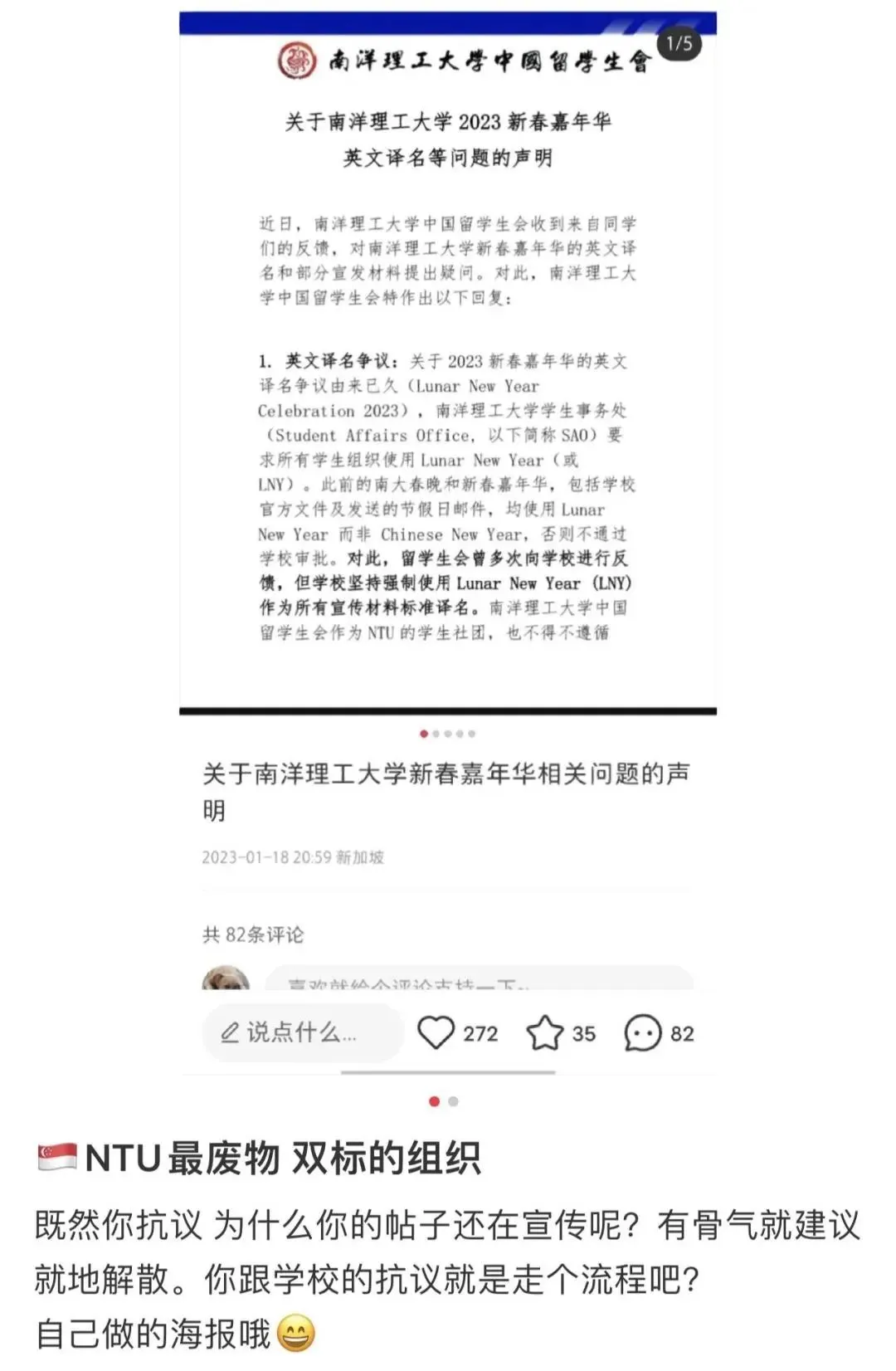
A roll-up banner at Singapore’s Nanyang Technological University has already been altered back to CNY 👇
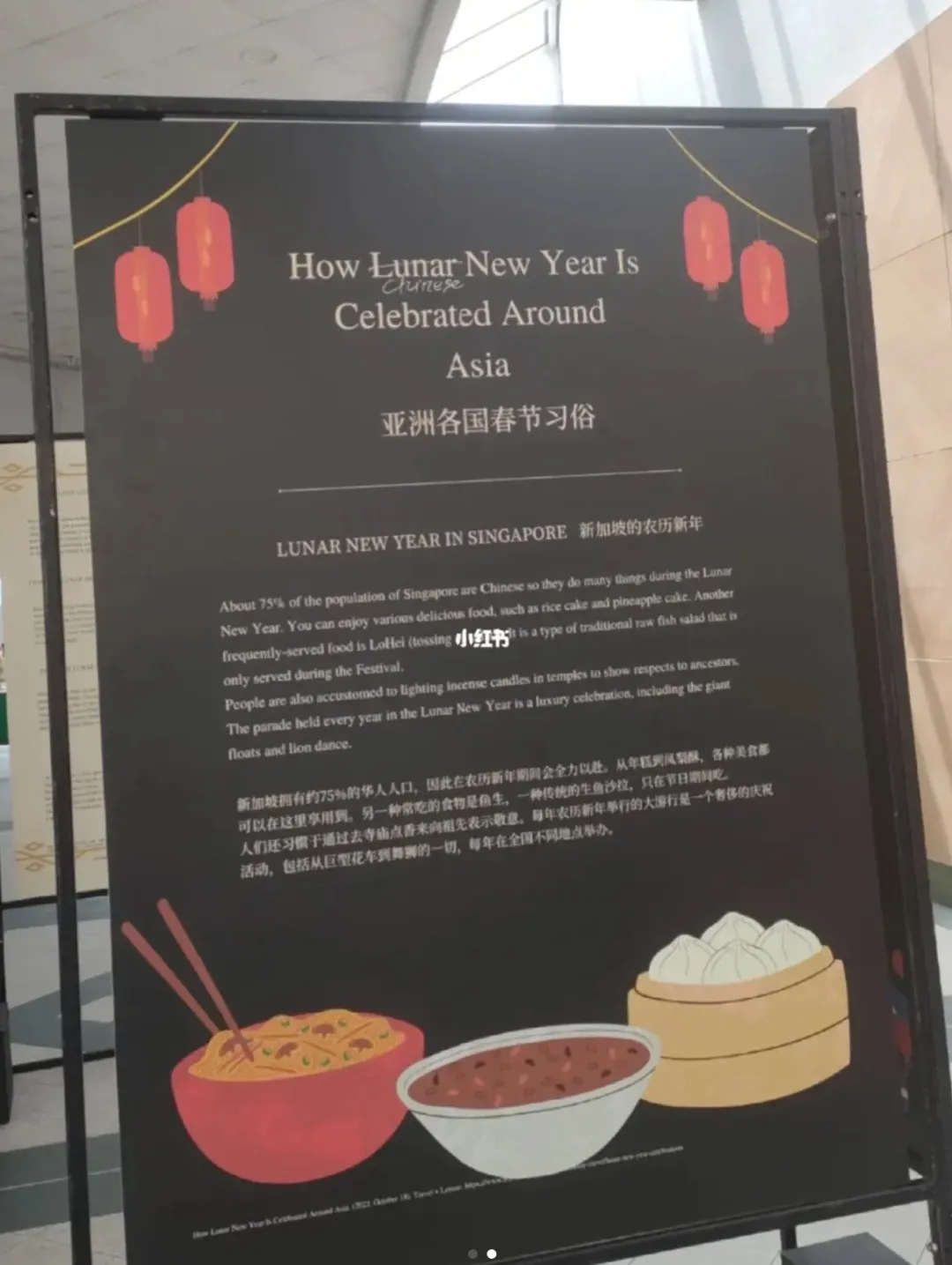
Students say manual corrections are much more effective than student union efforts.
From now on, I will communicate and coordinate all your work matters and task arrangements with you~
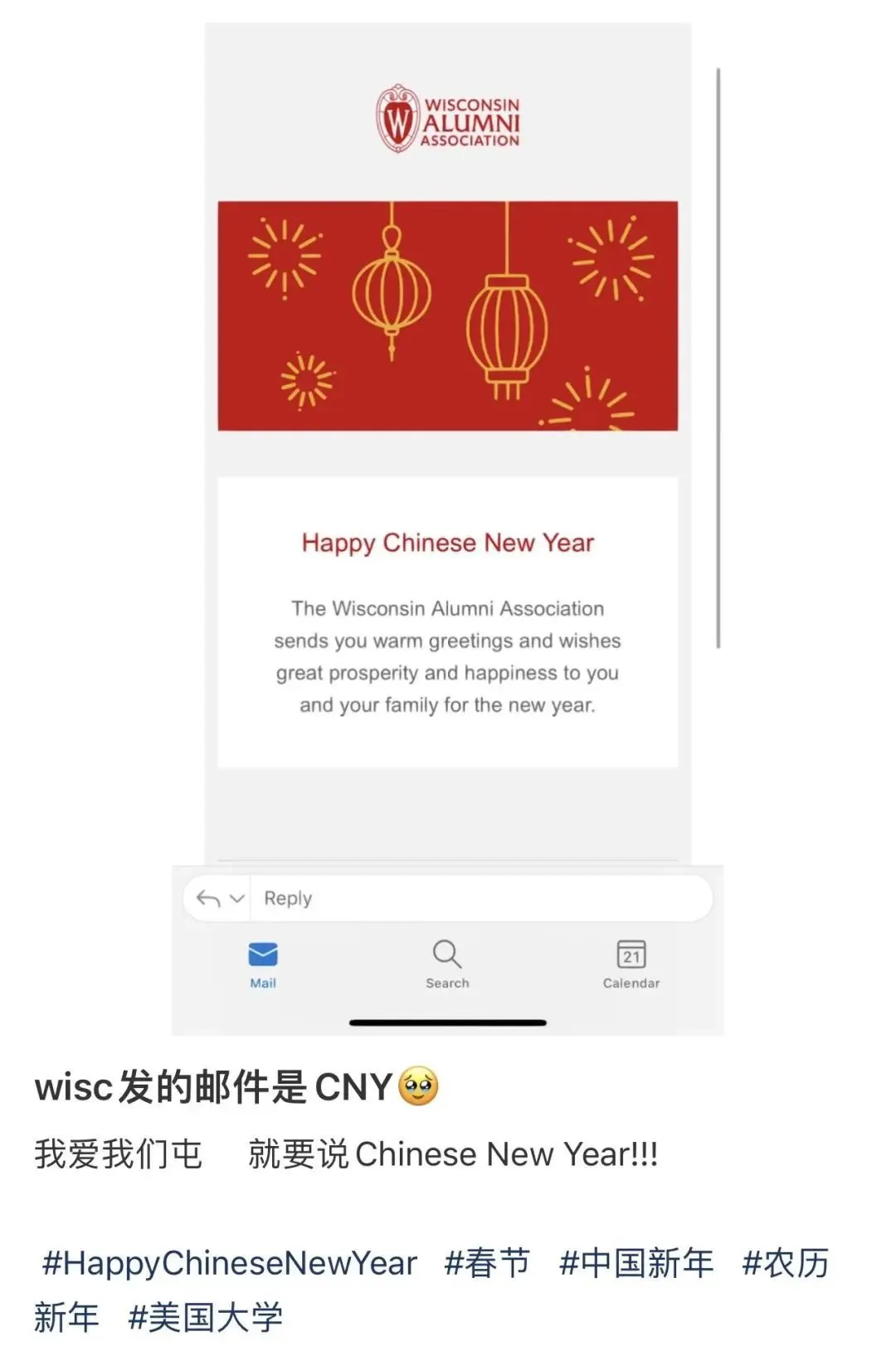
The University of Wisconsin sent an email using CNY 👇
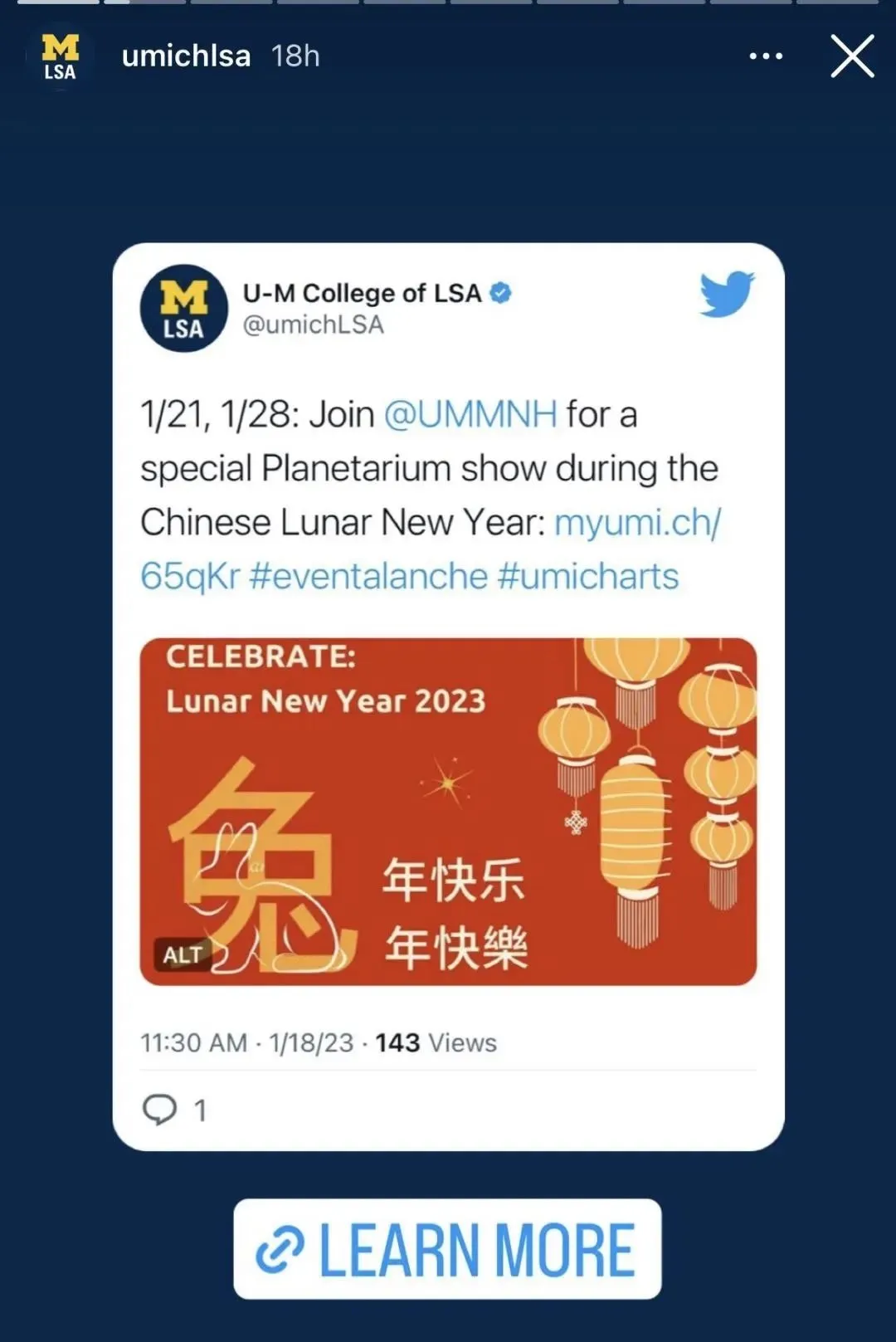
The University of Michigan opted for a two-in-one: the text says “Chinese Lunar New Year,” and the image shows LNY, trying to strike a balance—though its effectiveness remains uncertain.
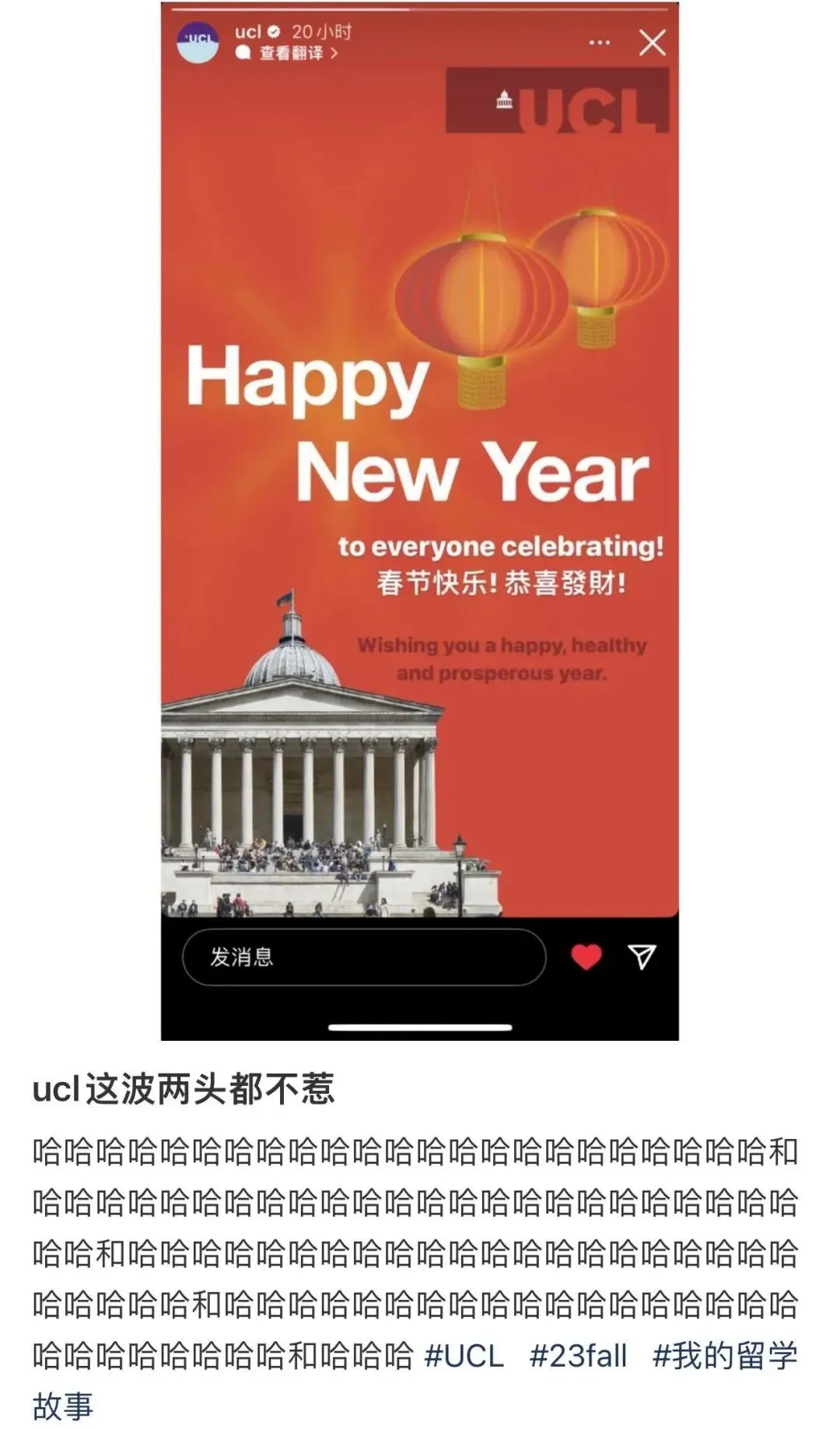
UCL turned over a new leaf, fully embracing survival mode. Perhaps fearing backlash from last year, this year they wrote “Happy New Year + 春节快乐” 😂
CNY or LNY? What’s Really Going On?
Many might think CNY or LNY doesn’t matter, but others disagree. Today you concede to LNY, and tomorrow they’ll apply for heritage status and print KNY on their household registers.
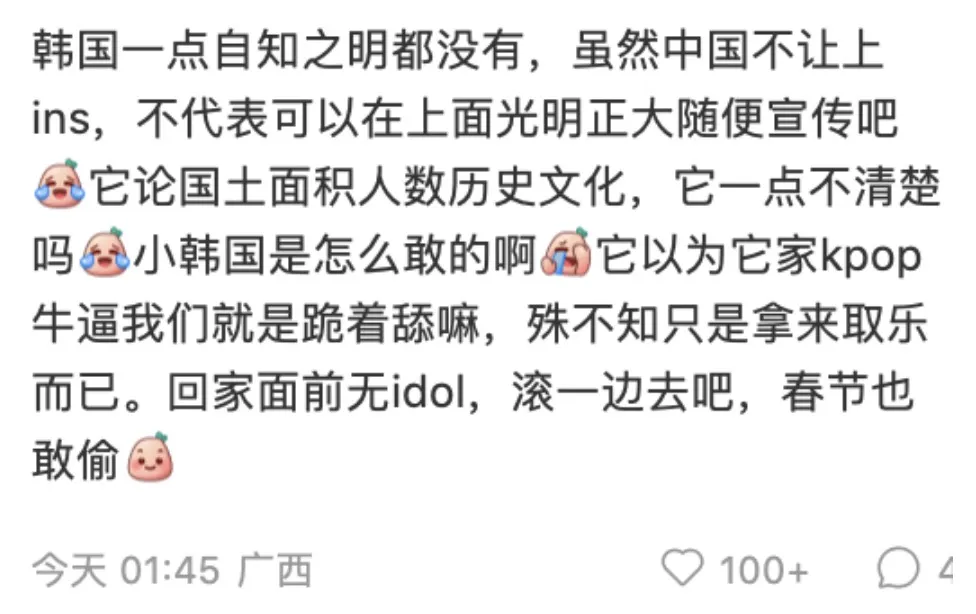
Especially after the bitterness of special periods, many international students understand how crucial it is to strive for a voice overseas.
Globally, the Spring Festival is most commonly called Chinese New Year, and its popularity has been driven by Chinese communities worldwide.
However, in recent years, “Lunar New Year” has gradually gained visibility. Besides China, countries in East and Southeast Asia influenced by Chinese culture also celebrate the Spring Festival.
Literally, lunar does mean “relating to the moon.” But netizens point out that the Spring Festival calendar is not purely lunar; the traditional scientific name for the calendar should be:
Chinese Lunisolar Calendar
Of course, using Chinese New Year and Lunar New Year interchangeably was initially not a big issue.
So why have CNY and LNY become so incompatible now?
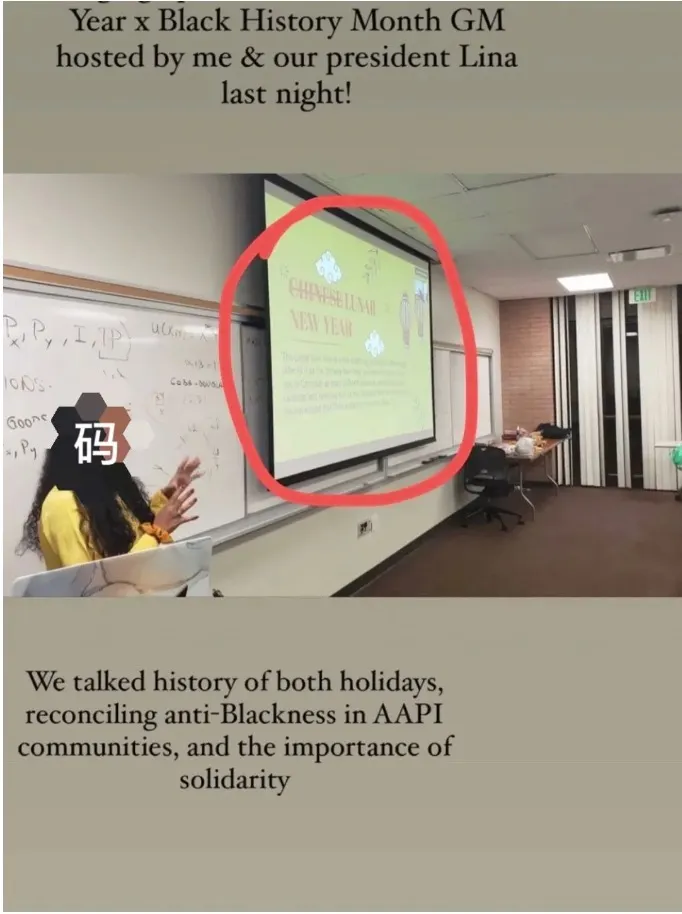
You may recall the video posted on USC’s official Instagram last year, where a student of Vietnamese descent argued that because Vietnam, South Korea, and other Asian countries also celebrate the Spring Festival, it shouldn’t be called CNY but LNY.
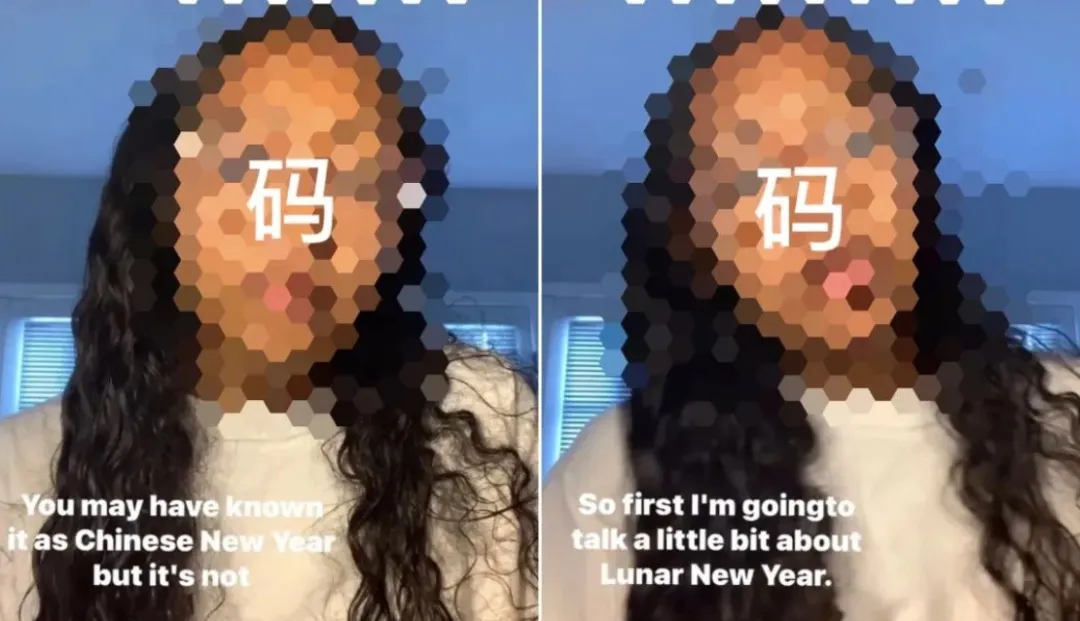
But the problem was, she not only claimed CNY was incorrect but also crossed out “Chinese” on her slide, outright denying traditional Chinese culture—leaving many thoroughly puzzled.
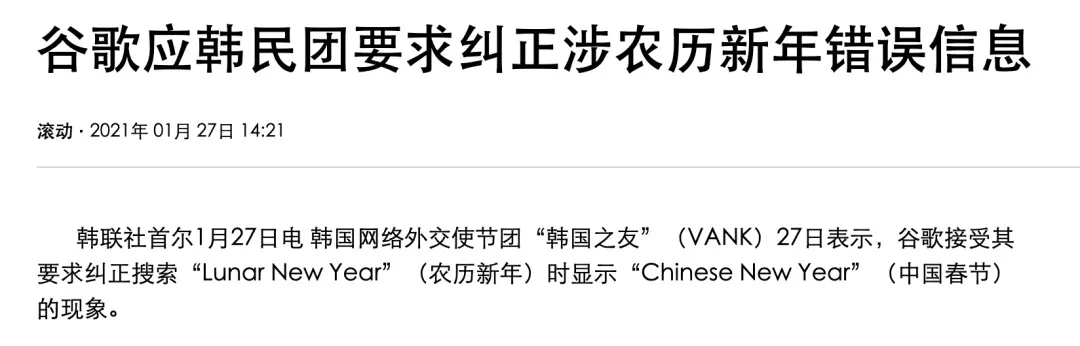
Koreans started policing social media back in 2021, demanding below every CNY post that people stop using CNY, and organizing attacks on Google to “correct” CNY to LNY.
With media fanning the flames, LNY has frankly become a politically correct term.
Koreans argue that China’s Spring Festival is translated as “Spring Festival” in English, while the Spring Festival everyone now celebrates is “Lunar New Year,” and the two are completely different in origin and meaning.
Now it’s even more absurd, with claims that the Spring Festival originating in China is groundless and that China is trying to “appropriate” Korea’s excellent culture ❓
Hence the emergence of KNY 👇 Yet many Korean international students say the festive atmosphere in Korea is hardly noticeable, so what exactly are they fighting for…
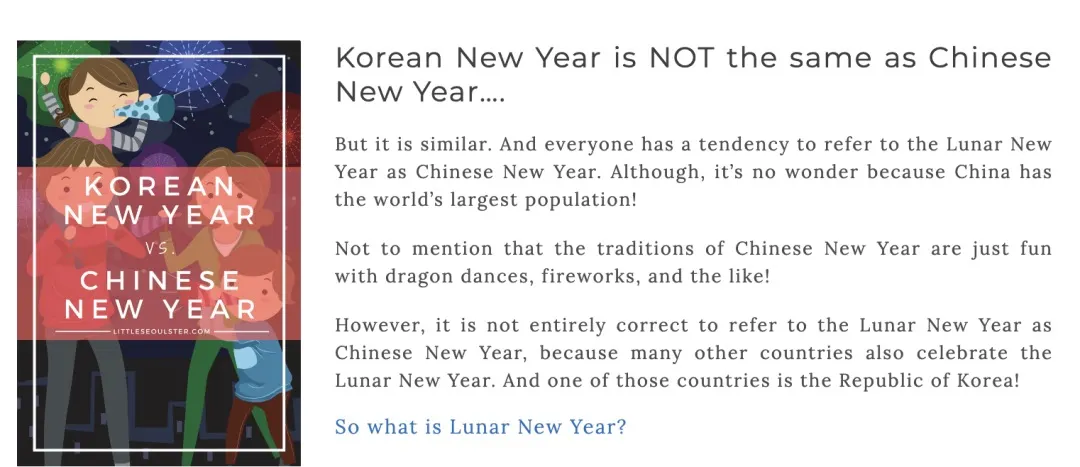
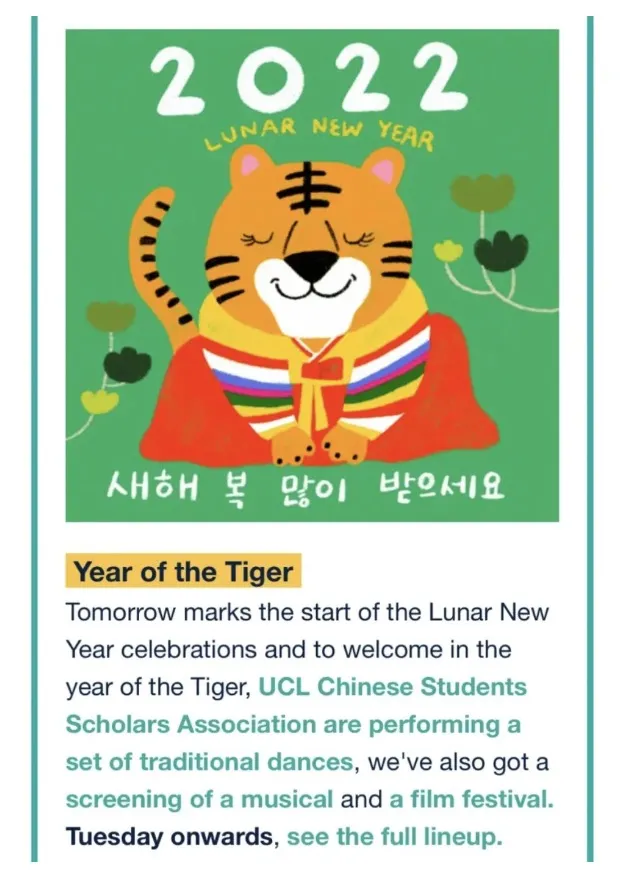
From last year’s UCL Spring Festival email, which featured a tiger in traditional Korean clothing performing a Korean bow, you should get the hint.
If we don’t speak up, the next step might be South Korea applying for UNESCO heritage status for the Spring Festival.
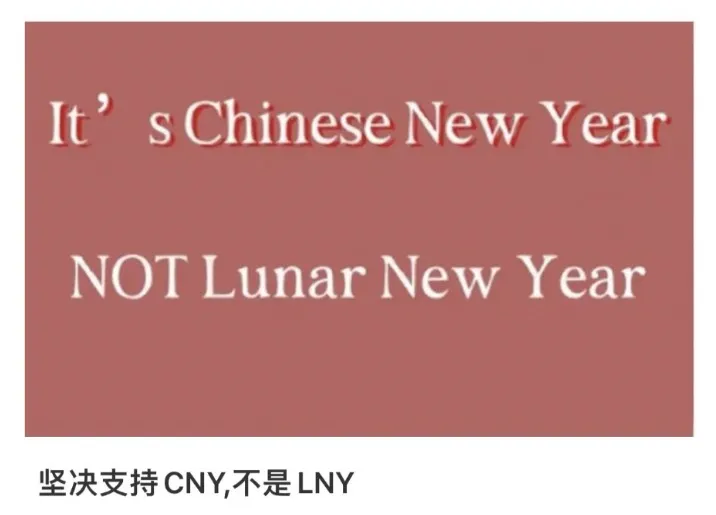
Thus many believe no concession should be made, and CNY is a principle that must be upheld.
Of course, regarding the debate over the Spring Festival’s name, everyone has their own opinion.
Some think it should only be called Chinese New Year;
Others feel any name is fine, as everyone around knows it’s the Chinese Spring Festival;
Some say seeing these argument posts every Spring Festival is just annoying…
Now this topic is guaranteed traffic every Spring Festival. We hope everyone views it rationally, voices opinions reasonably, respects differing views, and avoids needlessly provoking conflict or steering the narrative.
Cultural outreach is a long and arduous journey. After all, cultural influence is subtle, and we can’t just rely on the annual Spring Festival dispute. If the infighting turns ugly, outsiders will find it unnecessary.
If we truly want to promote Chinese culture, we can effectively spread it through various channels throughout the year—such as Hanfu, sinology, traditional culture—and international students can certainly help improve this endeavor.
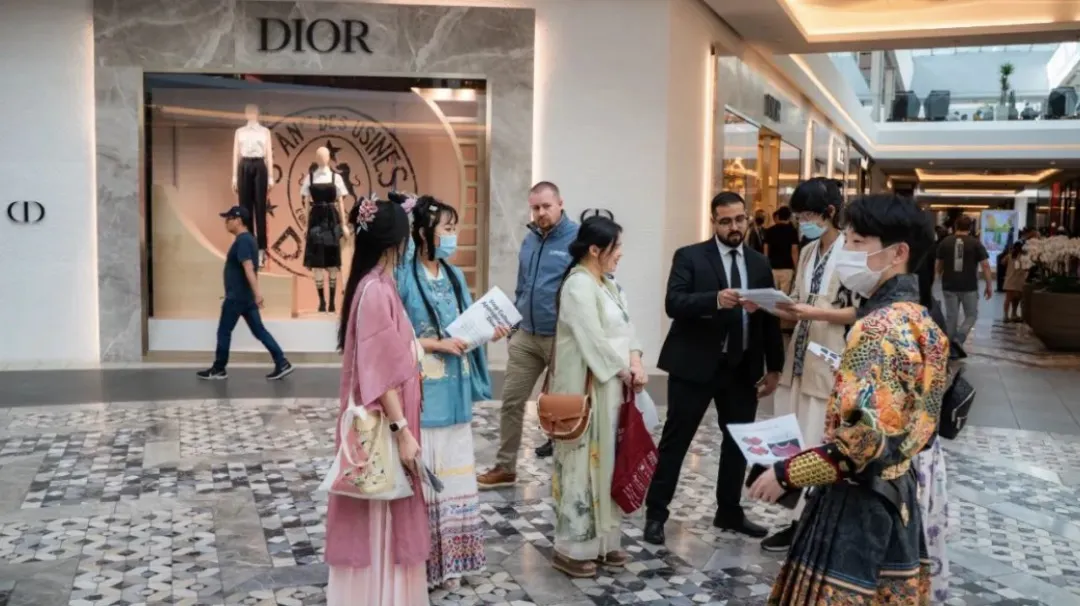
A great power mentality means being poised, confident, neither servile nor overbearing. In the new year, let’s work together!