For students mainly applying to U.S. graduate programs, there are generally two application timelines: fall admission is the mainstream, spring admission is Plan B.
If you end up without an ideal offer; if standardized test scores fall short; if you started preparing too late; or if visa issues prevent fall enrollment — rather than waiting an entire year, applicants tend to prefer enrolling the following spring.
However, is spring application after a half-year gap really no different from fall application? Today, CheersYou(清柚教育) will focus on comparing the similarities and differences between the two and recommend suitable application strategies for students.
For a detailed understanding of graduate spring admission applications, please add a CheersYou(清柚教育) advisor for a 1-on-1 consultation.
.jpeg)
The Significance of Spring Applications
The significance of spring applications stems from the semester system used by most U.S. universities. The semester system is similar to the academic calendar in China, dividing the academic year into two semesters.
The first semester is called the Fall Semester, typically running from mid-to-late August or early September to late December. The second is the Spring Semester, usually from January to around mid-May.
The remaining period is summer break, during which schools often offer Summer Session programs, and students can choose whether to enroll in courses based on their own circumstances.

In short, fall enrollment mostly occurs around August or September, while spring start dates are more variable, generally around January or February. Precisely because of the nearly half-year gap between the two, U.S. universities offer applicants who missed the fall admission the option of enrolling the following spring, helping them shorten the waiting period.
Almost all U.S. universities have fall admission, but not every school offers spring applications. You need to carefully review each institution’s admissions information on its website before applying. For example, most programs at Harvard University do not offer spring admission.

It is worth noting that spring applications serve as an adjustment to program enrollment and involve greater uncertainty. Based on the admissions office’s desire to ensure a certain yield rate and the size of the fall incoming class, programs with spring admission will adjust the number of students they admit in the spring accordingly.
For instance, a program might send out 200 offers in the fall and aim for a 50% yield rate, meaning 100 students accept. If only 80 students enroll in the fall, the spring intake will add 20 more; if 120 enroll in the fall, the spring intake will be reduced by 20.
The number of applicants can also directly affect whether a spring program is offered. For example, if the number of spring applicants is too low to meet the minimum enrollment threshold, the school may decide not to run the spring program at all. Alternatively, some schools, due to an overly large fall cohort that strains faculty resources, may shut down spring admissions entirely and shift to the next fall intake to reduce operational costs.
Differences Between Spring and Fall Applications
Application Timeline
Fall applications:
Typically begin in August, with most universities closing their online applications by December or the following January, and the latest deadlines around March of the following year.
Spring applications:
Start around June, with most deadlines on August 1, September 1, September 15, October 1, or October 15; some schools have later deadlines, up to November 1 or November 15.
Application Difficulty
Relatively speaking, the acceptance rate for spring admission tends to be slightly higher. Since most U.S. institutions consider fall as the default entry term for the majority of students, the applicant pool is large, leading to intense competition. In contrast, the number of spring applicants is usually far smaller, making it generally easier to meet the school’s enrollment targets.
Moreover, students applying for spring admission have more preparation time, allowing them to improve standardized test scores and gain internship experience, thereby increasing their chances of success. However, applicant numbers are unpredictable each year, so students should not be overly optimistic about admission rates.
Education Quality
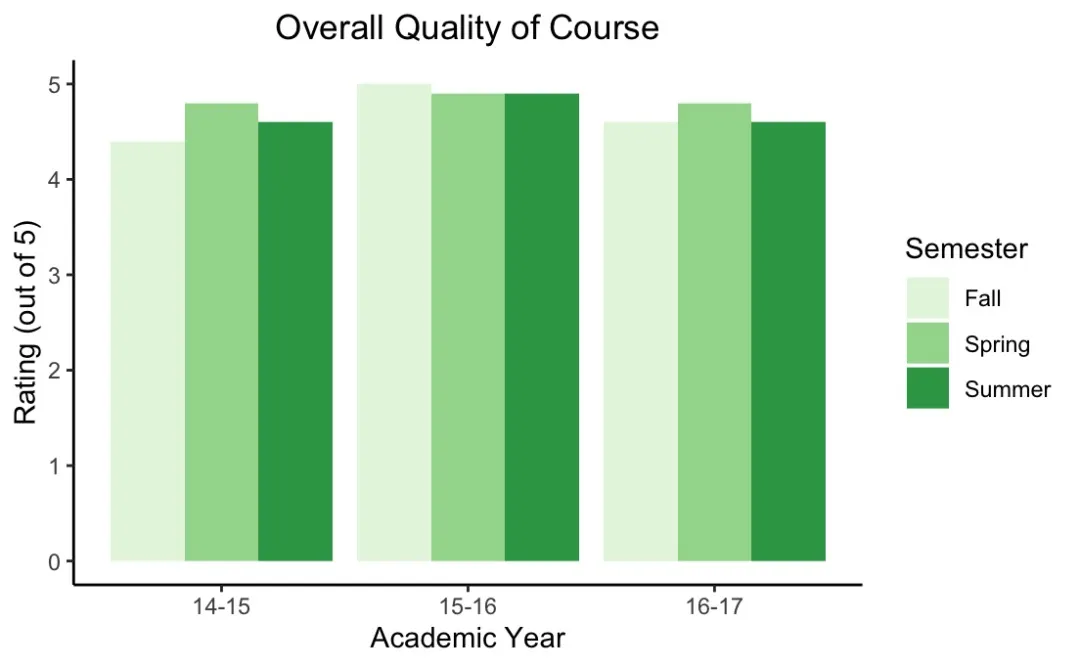
Rest assured, the education quality of spring and fall admissions is the same. There is no difference in teaching standards, course content, or the degree ultimately earned.
The main differences lie in course availability, start dates, and graduation timelines. The specific graduation term usually varies depending on the program length, and most U.S. universities specify this on the I-20 form issued to students.
Course Selection
In general, business schools rarely offer spring programs. Since business schools often conduct multiple rounds of fall applications, making enrollment numbers relatively controllable, they almost never open spring intake.
For example, JHU’s Carey Business School and USC’s BA program explicitly state they do not accept spring students. Other programs, such as Columbia and NYU’s Data Science programs, also only open fall applications.

Even if your desired program offers spring admission, elective course choices may become more limited. Because the number of spring enrollees is smaller, the school’s curriculum design is often still geared toward fall entrants. This inevitably means some courses are not offered in the spring, but this will not affect students’ ability to graduate on time; only elective options may be impacted.
Internship Opportunities
Generally, students pursuing a master’s degree place great importance on internship experience during graduate school. However, U.S. immigration regulations require that international students must have studied in the U.S. for at least nine months before they are eligible to apply for CPT and pursue off-campus internships.
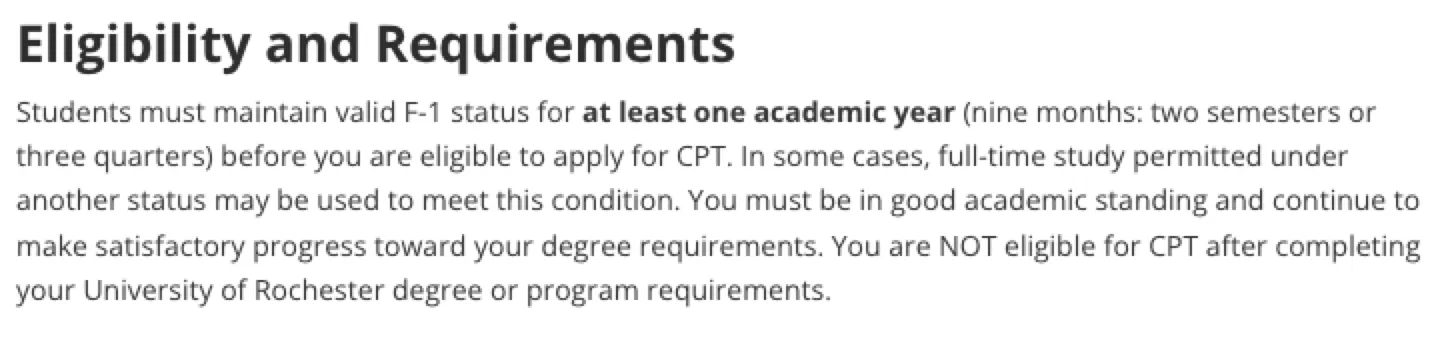
For most fall-starting students, the summer after their first year lasts over three months, allowing them to find a summer internship in the U.S. to bolster their resume. However, if you enroll in a spring-start program with only a one-year duration, you will likely miss out on a U.S. summer internship.
For example: enrolling in January means that by the summer of that year, you won’t yet meet the internship eligibility requirement and must wait until the following summer. But if your program length is only one year or one and a half years, you will graduate before that second summer, missing the opportunity for a summer internship altogether.
Scholarships
Spring admission generally does not come with scholarships. Since many schools typically award scholarships on an annual basis, most funding is concentrated in the fall intake. Some institutions explicitly state in their admission information that no scholarships are available for spring applicants.
Therefore, if scholarships are a priority for you, fall admission is still the recommended choice.
Who Spring Admission Is Suitable For
For most people, fall application is the usual choice because more seats and schools are available. By planning 2–3 years in advance and systematically preparing application materials, fall admission suits the vast majority of students aspiring to study in the U.S.
Spring admission is mainly suitable for two types of students:
1. Applicants who were underprepared and missed the fall application cycle
2. Applicants who received no offers from fall applications
Spring enrollment begins in January of the following year, which saves students nearly half a year of waiting and helps maintain academic continuity, preventing coursework gaps and forgetting. Moreover, with proper course planning, it’s possible to graduate at the same time as fall entrants.
CheersYou(清柚教育) has also summarized the following popular majors and schools that typically offer spring admission (for reference only; final information is subject to school websites):
Education programs:
Columbia University
New York University
Economics programs:
Johns Hopkins University
Boston University
Engineering programs:
University of Southern California
New York University
Northwestern University
Columbia University
Since U.S. graduate schools vary greatly in which majors and programs offer spring admission, to ensure your intended program is available in the spring, be sure to check the school’s official website or contact the department directly.
Spring application represents an opportunity for every student, but it is not advisable to treat this option as a “safety net.” With gains come losses — fewer competitors also mean narrower options. If your fall application didn’t go as hoped and your desired program offers a spring entry, there’s every reason to give it a try.
We wish all students the best in seizing the moment and ultimately receiving their ideal offers!