According to the Times Higher Education World University Rankings, among the top 200 universities globally, 51 are currently led by women.
Although this is just over a quarter, the rise from 28 in 2015 to 51 today shows the growing power of women.
.png)
In recent years, top global universities including Columbia University, New York University, MIT, University of Oxford, University of Cambridge, University of Pennsylvania, and Harvard University have appointed female leaders.
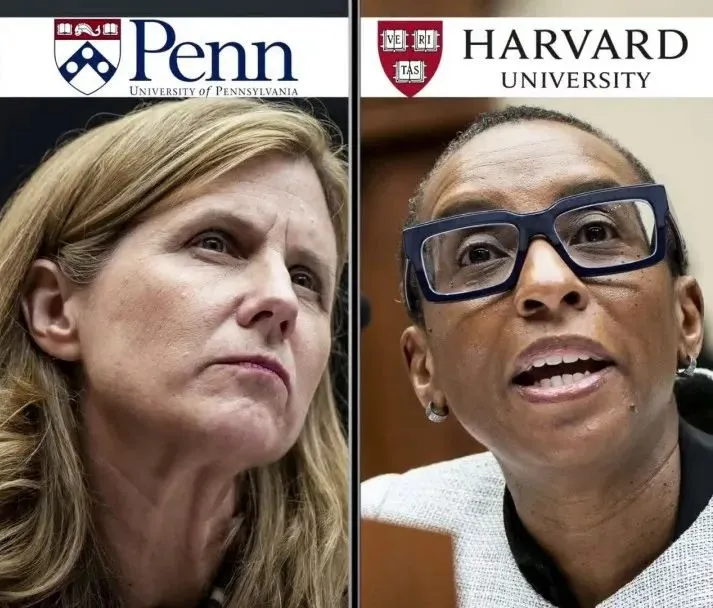
Although Harvard President Claudine Gay and University of Pennsylvania President Elizabeth Magill resigned amid antisemitism controversies, the efforts of top universities to advance women in academic leadership remain significant.
As International Women's Day approaches, CheersYou(清柚教育) highlights the female presidents of top global universities.
Outstanding Women at Top Universities
Columbia University
On July 1, 2023, Minouche Shafik, former president of the London School of Economics, officially became the 20th president of Columbia University in the United States, making her the first female president in Columbia's history.
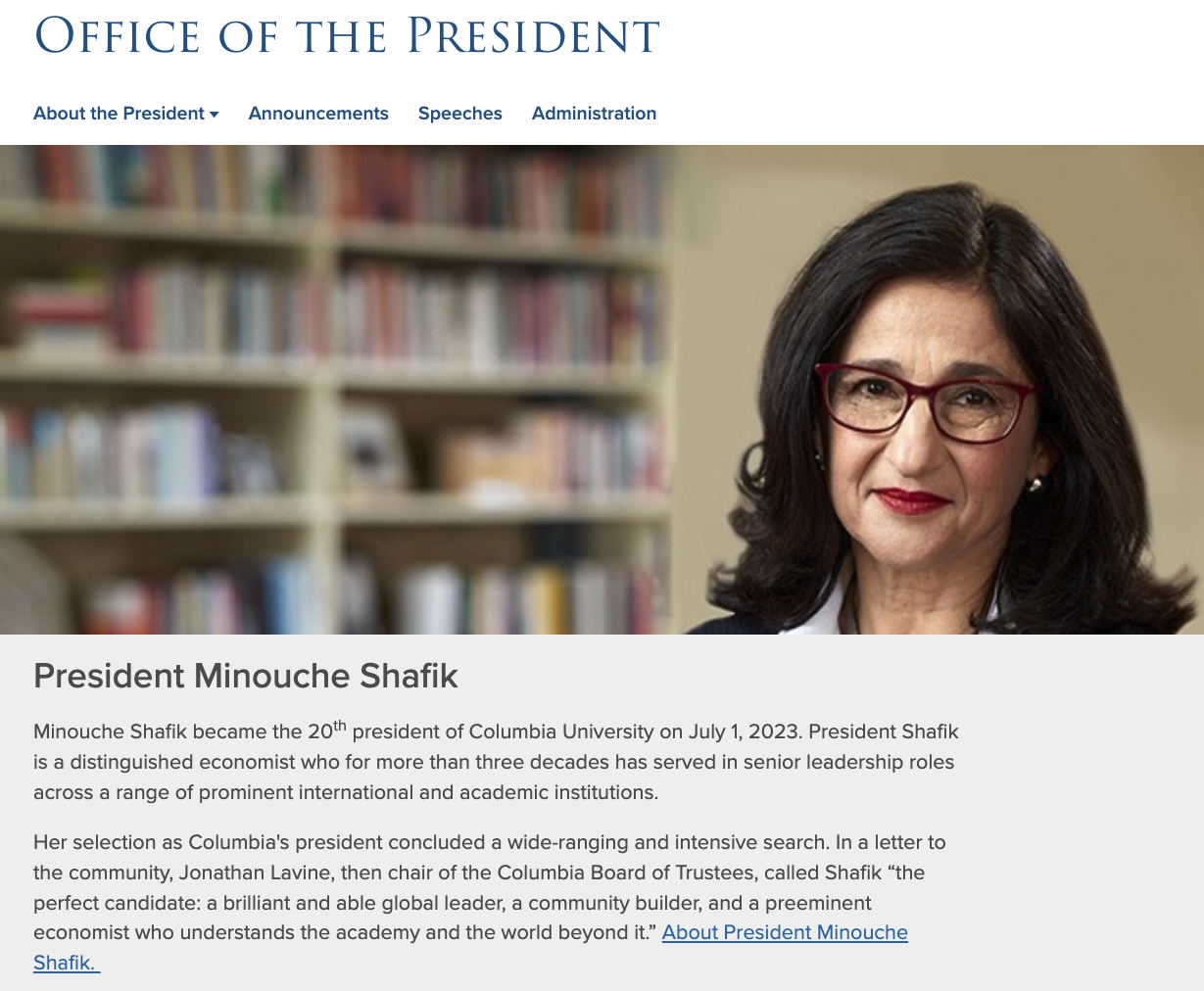
Minouche Shafik was born in Alexandria, Egypt in 1962 and later moved with her parents to the United States. She earned her bachelor's degree from the University of Massachusetts Amherst, then a master's in Economics and Political Science from the London School of Economics (LSE), and a PhD in Economics from the University of Oxford in 1989.
Her academic journey was a steady climb from a regular university to the world's top institutions. After graduation, Shafik taught at the Wharton School of the University of Pennsylvania and Georgetown University. In 2017, she became the president of LSE.
In the economic field, in 2004, at the age of 36, Minouche Shafik became the youngest vice president in the history of the World Bank.
She also served as deputy governor of the Bank of England, is a leading economist, was awarded the Order of the British Empire, and was named one of the world's 100 most influential women by Forbes magazine.
New York University
Joining Columbia's President Shafik in the same period is NYU's new president, Linda G. Mills, marking the first time in NYU's history that a woman holds the presidency.
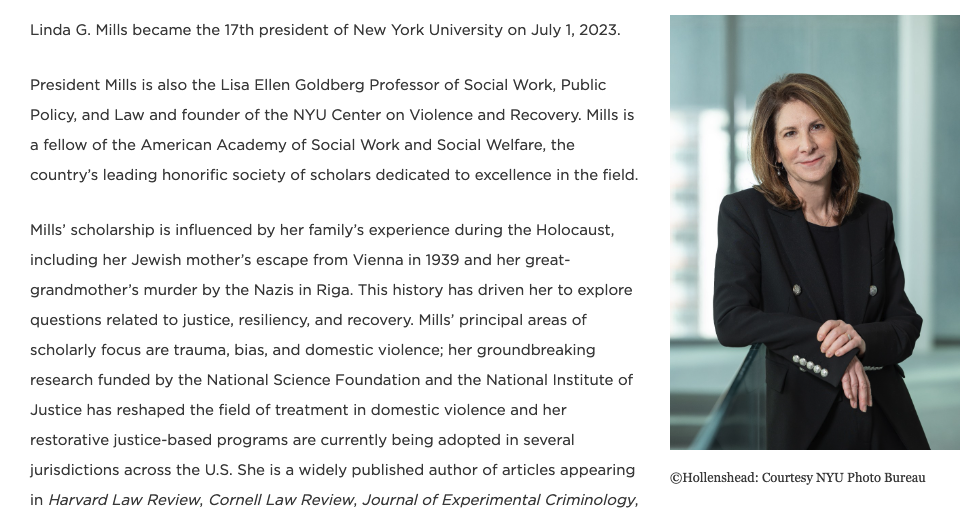
Over the past decade, Mills served as NYU's vice chancellor and senior vice provost for global programs and university life. As a leading professor of social work, public policy, and law, Mills is renowned for her academic research on family partner violence and treatment.
Before coming to NYU, from 1994 to 1998, she was a lecturer at the law school and an assistant professor at UCLA's School of Public Policy and Social Research, where she earned early tenure.
Mills earned her PhD in health policy from Brandeis University in 1994, where she was a Pew scholar. She received her MSW from San Francisco State University in 1986, her JD from the University of California, Hastings College of the Law in 1983, and her bachelor's in history and social thought from the University of California, Irvine in 1979.
University of Cambridge
Professor Deborah Prentice was formally appointed as the 347th Vice-Chancellor of the University of Cambridge on July 1, 2023. The former Princeton University provost is the first American and the third woman to hold the university's highest academic and administrative post.
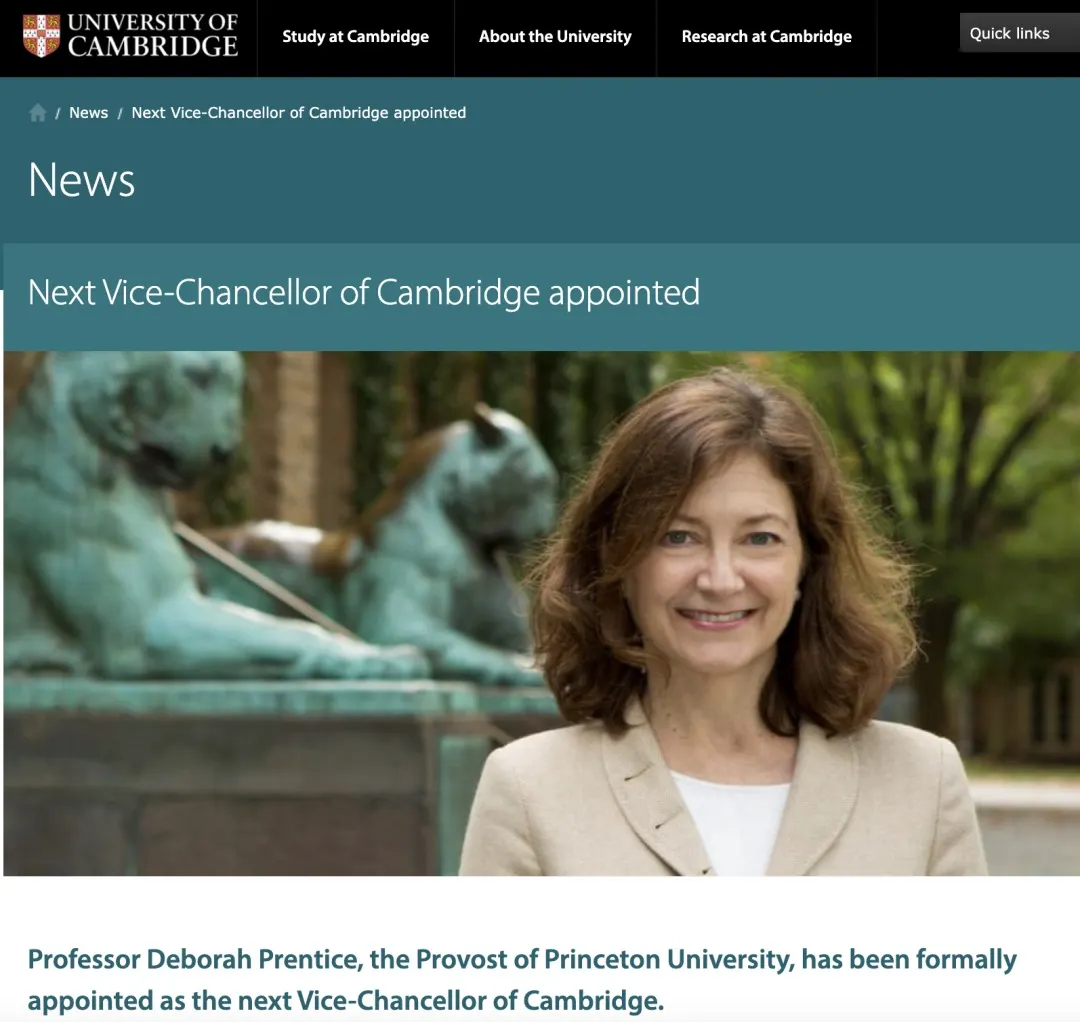
Professor Prentice is an eminent psychologist with over 30 years of teaching experience at Princeton. She chaired the Princeton department from 2014 to 2017 and became provost in 2017, responsible for academic, budgetary, and long-term planning matters.
Prentice's academic expertise focuses on social norms that govern human behavior. She has edited three academic volumes and authored over 50 scholarly articles, primarily on topics like domestic violence, alcoholism, and gender stereotyping.
Her educational background is also a path through elite institutions: a BA in human biology and music from Stanford, an MPhil and PhD in psychology from Yale.
University of Oxford
Irene Tracey has been serving as Vice-Chancellor of the University of Oxford since January 1, 2023, becoming the second woman to hold the post after Louise Richardson.
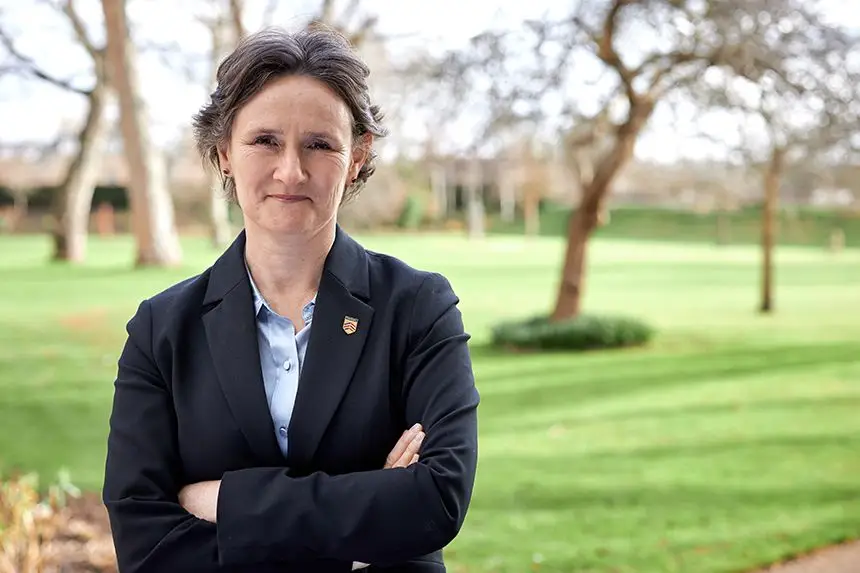
Tracey previously served as Warden of Merton College, Oxford, and is a renowned scholar in anesthetic neuroscience. She completed her undergraduate and graduate degrees in biochemistry at Merton and later went to Harvard Medical School as a postdoctoral researcher. In 1997, she returned to Oxford to help establish the Oxford Centre for Functional Magnetic Resonance Imaging of the Brain.
In 2020, Tracey was elected a Fellow of the European Academy of Sciences; in 2022, she was awarded the Commander of the Order of the British Empire.
Worcester Polytechnic Institute
Jinliu (Grace) Wang became the 17th president of Worcester Polytechnic Institute (WPI) on April 3, 2023. She is the first mainland Chinese scholar to become president of a U.S. university, and an outstanding woman.
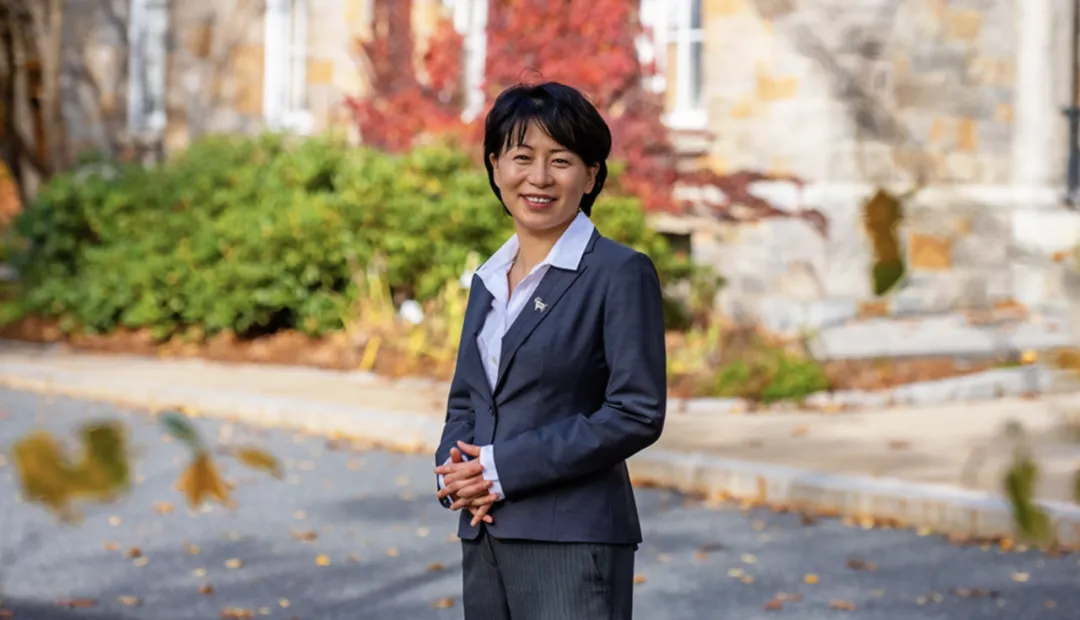
Grace Wang graduated from Beijing University of Chemical Technology with a degree in polymer materials, a true mainland Chinese scholar. After completing her bachelor's and master's degrees in China, she earned a PhD in Materials Science and Engineering from Northwestern University. In 2009, she joined the U.S. National Science Foundation as director of the Industrial Innovation and Partnerships Program, and later served as executive vice president for research, innovation, and knowledge at Ohio State University.
Grace Wang's outstanding achievements laid a solid foundation for her to become WPI's president. There is no doubt that her appointment holds even greater historic significance for the Chinese community.
Massachusetts Institute of Technology
In January 2023, Duke University Provost Sally Kornbluth was appointed as the 18th president of MIT, becoming the second woman to hold the office in MIT's history.
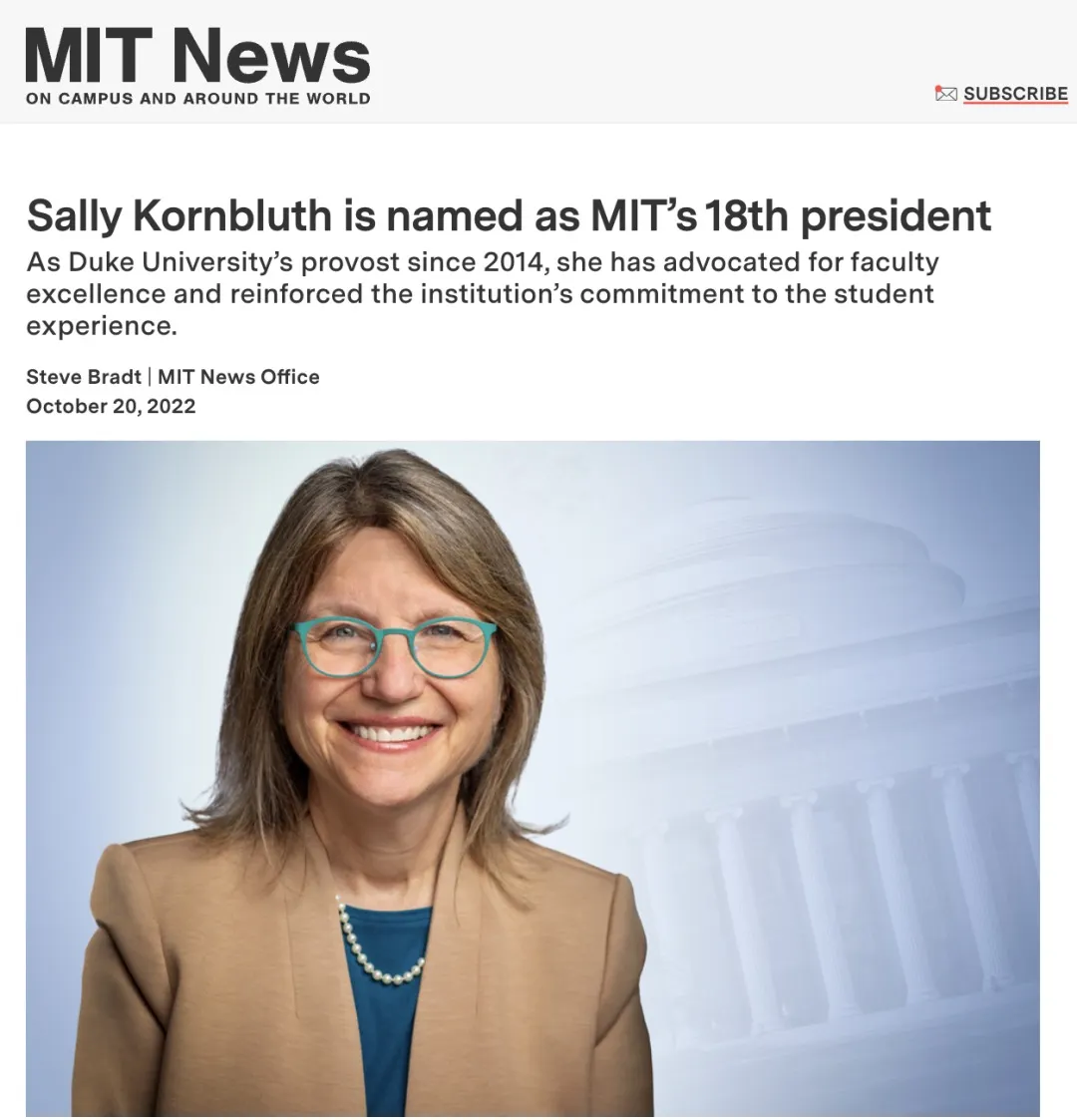
Professor Kornbluth is a cell biologist and was Duke's first female provost. During her eight years at Duke, her outstanding management skills, innovative problem-solving, and academic leadership led to her appointment as MIT's next president, opening a new career pinnacle.
What kind of extraordinary woman is Kornbluth, to be favored by two top universities and stand out among 250 candidates for MIT's presidency?
Professor Kornbluth holds a BA in political science from Williams College, a BA in genetics from the University of Cambridge, a PhD in molecular oncology from Rockefeller University, and did postdoctoral research at UCSD.
In 1994, she began her teaching career at Duke, serving as vice dean of the Duke University School of Medicine before being appointed provost in 2014, overseeing 10 schools and 6 institutes at Duke.
Academically, she has long focused on research into cell growth and programmed cell death, and how cancer cells evade apoptosis. She has published extensively, with crucial implications for understanding carcinogenesis and degenerative diseases.
University of California, Berkeley
Carol Christ is UC Berkeley's first female chancellor, having served since 2017.
Christ began working at UC Berkeley in 1970, going on to chair the English department, head the Division of Humanities, Mathematics, and Natural Sciences, and serve as vice chancellor and provost, making her the highest-ranking female leader at UC Berkeley.
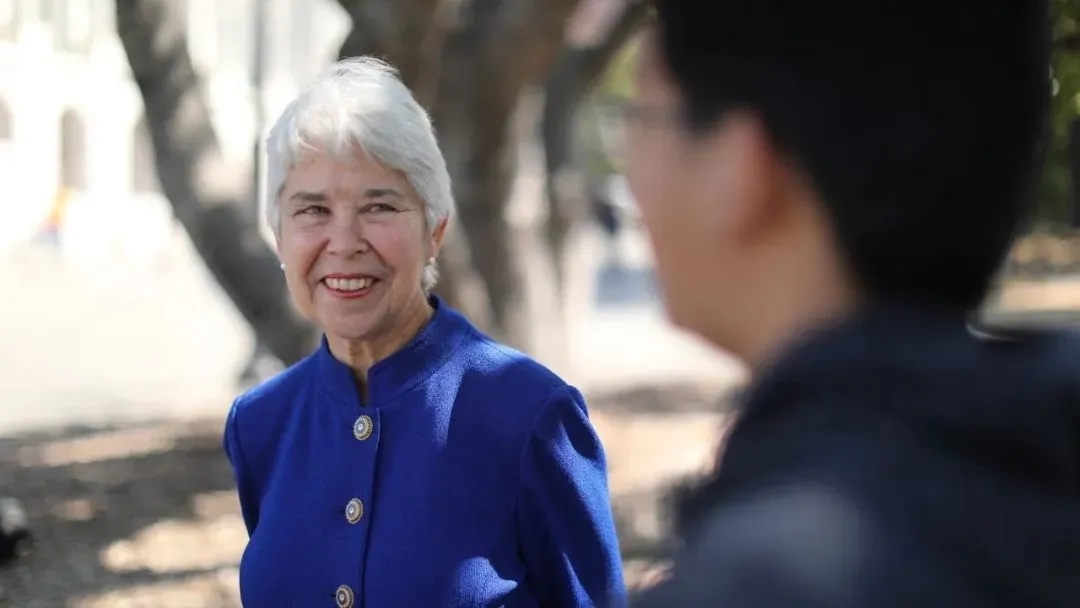
In 2002, she became the 10th president of Smith College, serving for over a decade. She returned to Berkeley in 2016 as executive vice chancellor and provost, and formally assumed the chancellorship in 2017.
Furthermore, Christ is a trustee of Central European University and was a board member of the Consortium on Financing Higher Education (COFHE). Academically, Christ is a distinguished scholar of Victorian literature; she was elected a Fellow of the American Academy of Arts and Sciences in 2004 and received the Wilbur Cross Medal from Yale University in 2007.
Brown University
Christina Paxson has served as president of Brown University since 2012. She is a renowned American economist and public health expert, and previously a professor of economics and public affairs at Princeton University and chair of Princeton's School of Public and International Affairs.
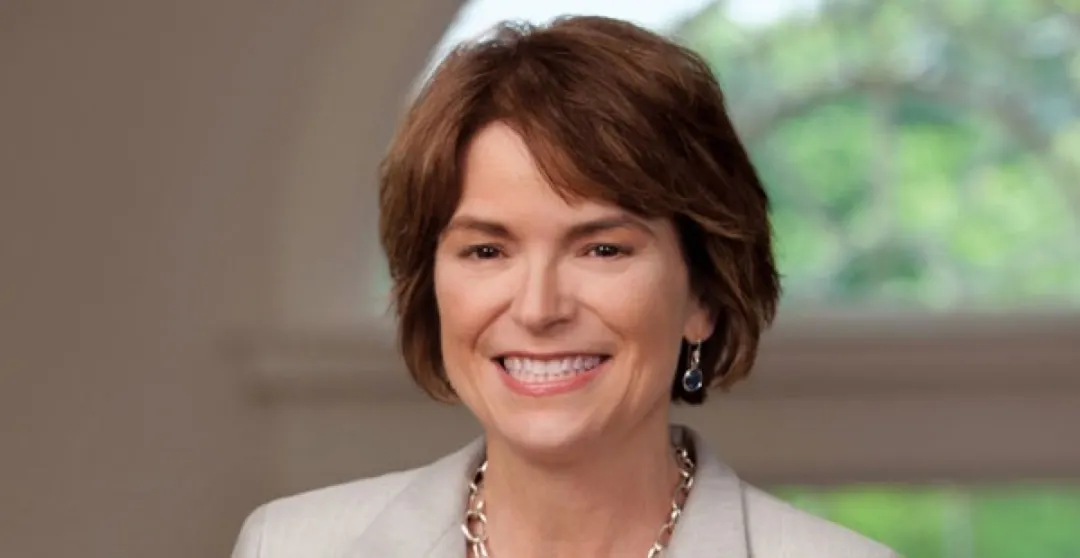
Since becoming Brown's president, Christina has led the establishment of the School of Public Health and numerous centers and institutes, including the Brown Arts Institute, the Data Science Institute, and the Nelson Center for Entrepreneurship. In addition, she has focused on increasing scholarships and financial aid for low-income families, promoting inclusivity and diversity at Brown.
Cornell University
Martha E. Pollack has served as president of Cornell University since 2017. She is a prominent American computer scientist and a member of IBM's board of directors.
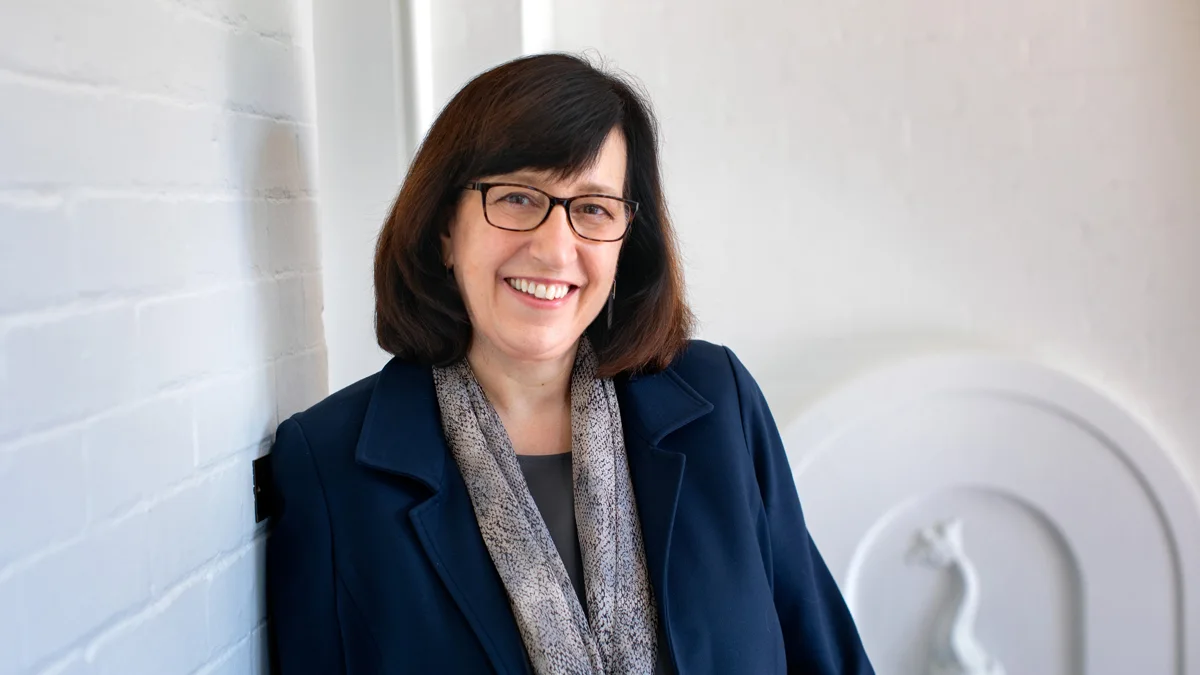
Before joining Cornell, Pollack served as provost and executive vice president for academic affairs at the University of Michigan. Her research expertise is in artificial intelligence, with contributions to natural language processing and cognitive assistive activity recognition. She has served as program chair of the International Joint Conference on Artificial Intelligence and editor-in-chief of the Artificial Intelligence Research Journal.
University of Washington
Ana Mari Cauce has served as president of the University of Washington since 2015, becoming the university's first permanent female president and its first Latina president.

Cauce was born to a Cuban immigrant family and earned her MPhil, MS, and PhD in psychology from Yale University. She has held faculty positions at UW since 1986, serving as chair of American Ethnic Studies, director of the Honors Program, dean of the College of Arts and Sciences, and provost, before becoming UW's 33rd president in 2015.
She has been committed to advancing racial and equity initiatives, establishing the university's "Husky Promise," which provides full scholarships to eligible students.
Northwestern University
In the summer of 2021, Rebecca Blank became Northwestern University's first female president, having previously served as chancellor of UW–Madison. Tragically, after being diagnosed with cancer, she announced her resignation on her first day in office.
On February 17, 2023, Blank passed away at the age of 67. Beloved and respected, she was mourned and remembered by students and faculty across institutions.

Blank was an exceptionally distinguished female leader. She served as dean of the Gerald R. Ford School of Public Policy at the University of Michigan, and in the 1990s, served on President Clinton's Council of Economic Advisers, contributing to White House policy decisions on economic, social, and regulatory issues. She also held professorships in economics at Northwestern, directed the Joint Center for Poverty Research at the University of Chicago and Northwestern, and taught at Princeton and MIT.
From 2013 to 2022, Blank served for nine years as chancellor of UW–Madison. She held a PhD in economics from MIT and was highly influential in both academic and political economy circles.
McGill University
Suzanne Fortier served as Principal and Vice-Chancellor of McGill University from 2013, stepping down in August 2022. Her research focused on crystallography and artificial intelligence, and she previously served as Vice-Principal of Queen's University in Canada and as president of the Natural Sciences and Engineering Research Council of Canada.
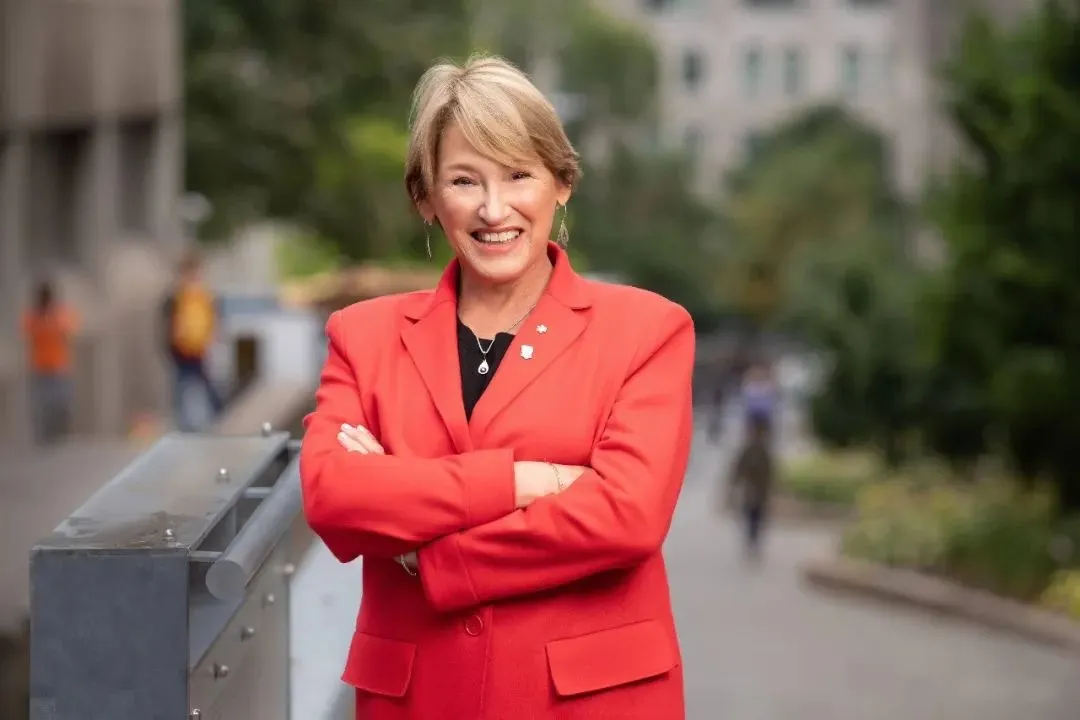
Her contributions to science are remarkable, having received the Clara Benson Award for contributions to chemistry by women, and the Queen Elizabeth II Diamond Jubilee Medal.
Harvard University
Harvard University announced in late 2022 that Claudine Gay would become its 30th president. She would be Harvard's first Black president and second female president.
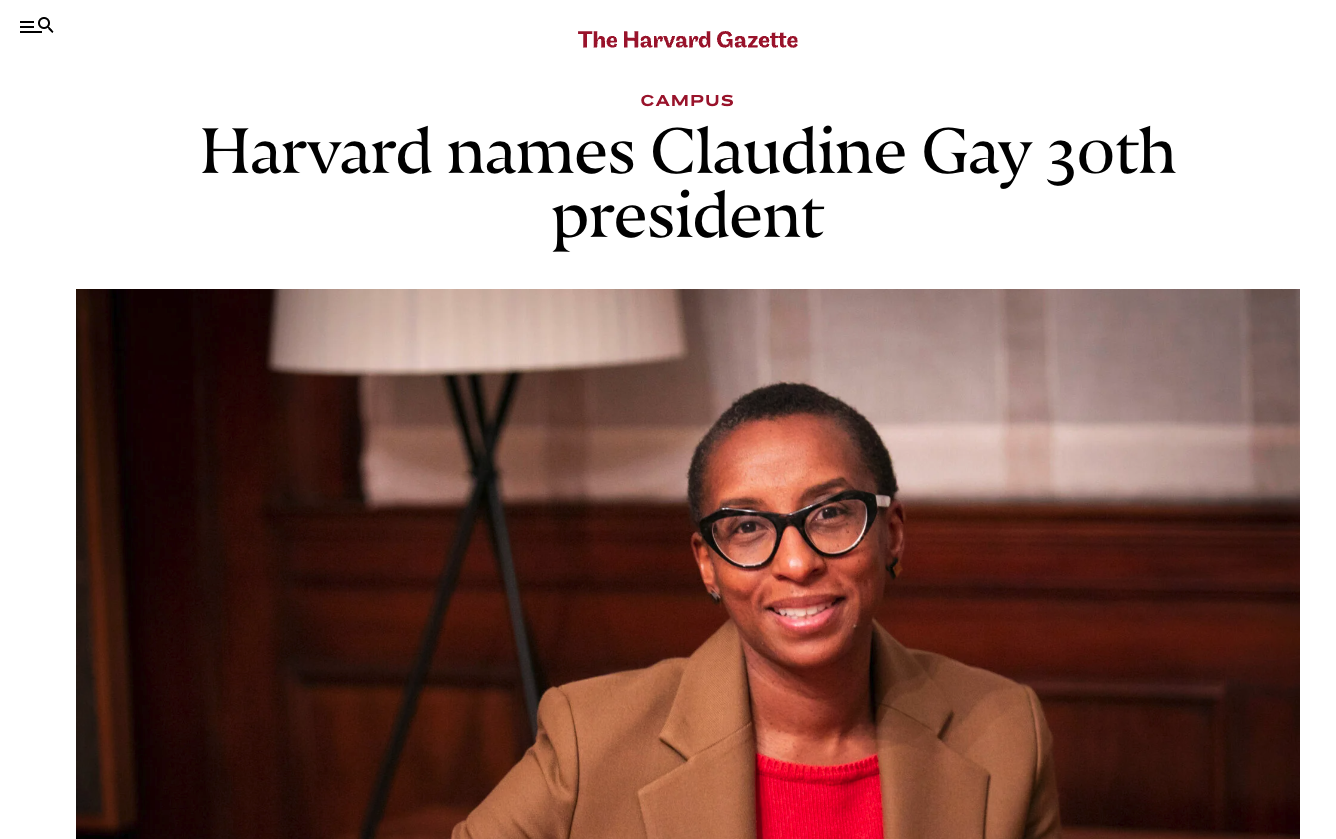
Gay served as Dean of Harvard's Faculty of Arts and Sciences from 2018. As dean, she worked to expand student access and opportunity, stimulate excellence and innovation in teaching and research, and enhance all aspects of academic culture. During the pandemic, she successfully led the faculty through a difficult period.
As the daughter of Haitian immigrants, Gay earned her BA in economics from Stanford University in 1992, receiving the Anna Laura Myers Prize for best undergraduate thesis.
In 1998, she received her PhD in government from Harvard, winning the Toppan Prize for the best dissertation in political science. Gay is a quantitative social scientist with expertise in political behavior. Before being appointed professor of government at Harvard in 2006, she was an assistant professor and tenured associate professor at Stanford.
University of Pennsylvania
In July 2022, Elizabeth "Liz" Magill became the ninth president of the University of Pennsylvania. Her prior leadership at the University of Virginia and Stanford University brought significant positive change to both institutions.
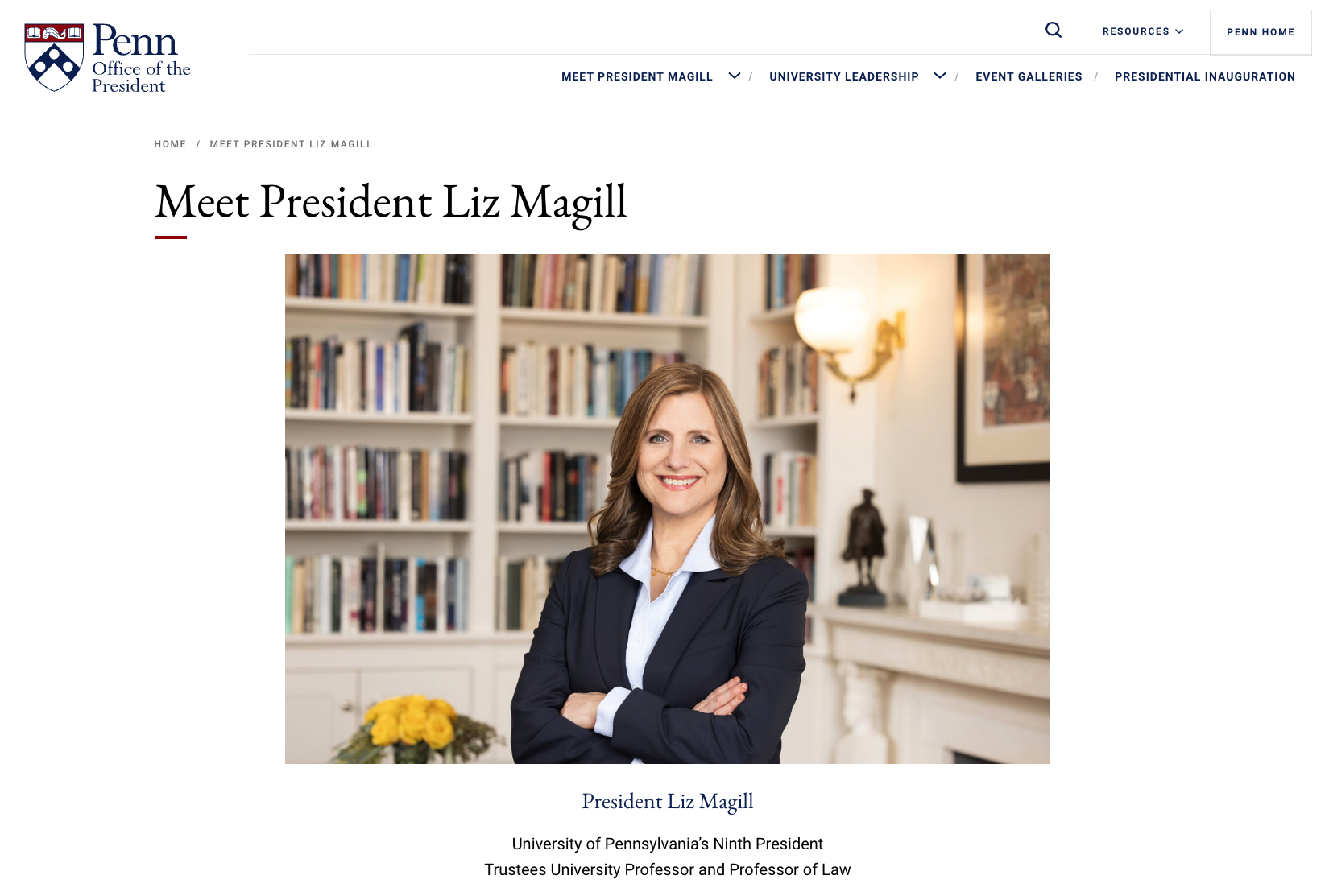
An exceptional legal scholar and distinguished leader, Magill served as executive vice president and provost of the University of Virginia and was previously dean of Stanford Law School.
Magill is a fellow of the American Academy of Arts and Sciences and a member of the American Law Institute. She has been a visiting professor at Harvard Law School, a fellow in Princeton's Program in Law and Public Affairs, and the Thomas Jefferson Visiting Professor at Downing College, Cambridge. Her articles, published in leading law reviews, have received numerous awards.
Forbes magazine has reported that as more women assume the presidencies of top universities, the once-invisible glass ceiling is being shattered. Over 33% of U.S. university presidents are now women, a number more than triple that of 30 years ago.

This is the rise of women's power, and it is unstoppable.
As MIT's female president said, "The power of role models is infinite. Successful women leaders have a responsibility to help the next generation rise."
In the future, we will see more female leaders in politics, economy, education, culture, and other fields.
This is the progress of our times, and the progress of education.