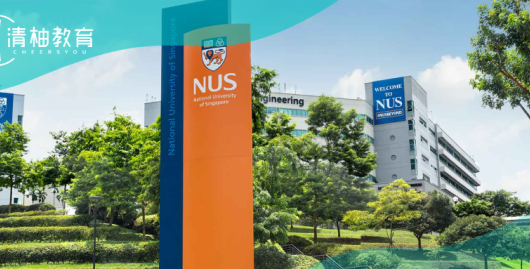
In recent years, the number of applicants for China’s graduate entrance exam has been rising steadily, and competition has become increasingly fierce. More and more students and parents are setting their sights on studying abroad. Compared to those who take the domestic exam, students applying to prestigious overseas universities for graduate studies have a higher chance of admission and can enjoy high-quality educational resources. So, which path should you choose—domestic graduate studies or studying abroad? And which holds more weight upon returning to China: a degree from a 985 university or a master’s from a QS Top 50 school?
Let’s compare the two options side by side. Read on!
First, let’s be clear: as the Chinese saying goes, “People strive upward, water flows downward.” Whether it’s a degree from a 985 university or a master’s from a Top 50 overseas school, both represent an advancement of your current background—they are both forms of progress.
The critical step, however, is deciding which one is more suitable for you. It’s no exaggeration to say that this choice will have a significant impact on your future career and even your life.
Domestic Graduate Exam vs. Studying Abroad
1. Admission Results:
Domestic Graduate Exam: You must take exams in both specialized and general subjects, and you can only apply to one predetermined program and school. The outcome is highly uncertain.
Studying Abroad: You need to take language tests, and some programs require GRE/GMAT or other standardized tests. You can apply to multiple schools in multiple countries at the same time. As long as your application plan is sound, admission is more assured.
2. Admission Difficulty:
Domestic Graduate Exam: It remains a “one-shot-does-it-all” affair. The difficulty of admission is directly proportional to the number of applicants. Those aiming for guaranteed admission must maintain a high GPA from the first year; the rest typically begin intense exam preparation from the third year.
Studying Abroad: Foreign universities use an application-based system. Hard scores are just one factor—schools also value your overall competencies. This path demands higher language proficiency and, generally, a stronger family financial foundation.
3. Time Comparison:
Domestic Master’s: Divided into academic and professional degrees. Academic master’s programs typically last 3 years, geared toward teaching and research. Professional master’s programs usually span 2–3 years, with some schools completing in 2 years.
Overseas Master’s: Taught master’s programs are typically 1 year, compressing the time commitment and clearly geared toward employment. Research-based master’s are usually 2 years. Overall, an overseas master’s allows you to graduate 1–2 years earlier than a domestic one, giving you a head start in your career.
4. Course Structure:
Domestic Master’s: Follows a mentorship system. However, with continuous enrollment expansion, there are more students than faculty, and many courses are now conducted as large lectures.
Overseas Master’s: Lectures are interspersed with tutorials, seminars, and workshops, resulting in a high level of interaction with instructors and peers.
5. Overall Costs and Value for Money
Domestic Master’s: Typically 2–3 years. Average annual tuition is around 8,000–13,000 RMB, though some professional or part-time programs may be more expensive, depending on the school and field. Dormitory accommodation usually costs about 1,200 RMB per year, and living expenses average around 1,500 RMB per month. All told, a domestic master’s program costs roughly 60,000–120,000 RMB.
Overseas Master’s: Tuition generally ranges from 150,000 to 500,000 RMB. Costs in Singapore and most European countries (excluding the UK) tend to be lower. Non-London areas in the UK cost over 300,000 RMB per year, while London is around 400,000. Australia runs 300,000–400,000, and the US is somewhat higher. Compared to domestic studies, the financial pressure of studying abroad is significantly greater, especially in high-cost cities like New York and London, where studying often means a substantial financial outlay.
PS: It’s worth noting that costs can’t be judged solely by tuition, as they depend on program length and field. Living expenses are the major variable—covering food, clothing, housing, and transport—and these hinge on personal lifestyle and spending habits. Overseas, accommodation and meal costs vary greatly from those in China: ordering takeout daily vs. cooking for yourself, renting a downtown studio vs. sharing an apartment—all differ. Additionally, there are scholarships and grants to consider.
5. Employment Competitiveness:
Domestic Master’s: Offers advantages when sitting for civil service exams or entering state-run institutions. However, with continuous enrollment expansion, “academic inflation” is a growing concern in the job market, and the prestige of a non-985/211 degree is limited.
Overseas Master’s: Provides a significant edge for those targeting top global companies like Fortune 500 firms, investment banks, or the Big Four accounting firms. Many leading 500 companies explicitly require degrees from universities ranked within the top 200 in QS Rankings. Investment banks and Big Four firms maintain their own Target School Lists; if your school is not on the list, passing the resume screening is extremely difficult.

Which Is More Highly Recognized in China?
Which holds more weight upon returning to China—a 985 degree or a QS Top 50 master’s? This is a question that often perplexes students considering studying abroad, and recognition back home is primarily judged from the employment perspective.
Typically, we work backward from your career plans to see which option offers a competitive edge in the job market.
As things stand, the competitive gap between graduates from 985 institutions and returnees from QS Top 50 schools is not as wide as one might imagine.
For graduates from 985 universities, their degrees are generally well recognized in the domestic job market. On one hand, HR professionals are familiar with local schools and prioritize accordingly when screening resumes. On the other, 985 graduates enjoy natural advantages in campus recruitment by large domestic companies, with more opportunities for internships and practice due to the absence of information gaps.
For returnees from QS Top 50 schools, the overall ranking of their program is a significant plus, especially when applying to multinational corporations, core positions in top domestic securities or financial firms, or overseas enterprises, where international experience is highly favored. If your career goals lie in those directions and you seek faster advancement, then the combination of “1–2 years of overseas study + international work experience” clearly provides a greater boost than “2–3 years of domestic master's study + patchy internships.”
Avoid Juggling Both Exam Prep and Study-Abroad Applications
Moreover, it is not advisable to try to prepare for the domestic graduate exam and study-abroad applications at the same time. The domestic exam can be likened to a “second Gaokao,” with difficulty akin to thousands of soldiers charging across a single-log bridge. In recent years, the growth in graduate enrollment has continued to lag far behind the surge in applicant numbers. The applicant-to-admission ratio keeps climbing, and over 70% of candidates still face the reality of failing the exam. “Involution” only intensifies. Thus, both exam preparation and application work demand significant time and effort.
On the other hand, applying for graduate study overseas doesn’t mean you can simply hand everything over to a reliable agency or a trustworthy consultant. After all, you know yourself best. The application process is complex and tedious—from language tests and GRE to school selection and essay writing—every stage requires your active participation, which naturally demands time and effort.
Attempting to juggle both often leads to accomplishing neither well, or at best yield decent but not outstanding offers from both sides, which then leads to another kind of “agony” when making the final choice. So once you’ve made your decision, go all in. Do not be half-hearted or try to keep a “backup plan.”
In the end, each student must walk their own path. Others’ opinions are merely products of their different identities and perspectives. If, by now, you have made a choice that is right for you—or you are clearly leaning toward studying abroad—the only thing left is to act!
——————————————————————
Timing is truly critical during each application cycle, and every student’s situation is different. For detailed scheduling advice, students in need can scan the QR code below to start a one-on-one study abroad consultation immediately—it may offer you some efficient assistance.
.png)
You don’t need to worry excessively about the unknowns of studying abroad. Many schools offer substantial scholarships each year to help students complete their studies. The methods for obtaining scholarships vary by institution: some are automatically allocated based on academic performance, while others require a separate application. Just imagine—not only getting into your dream school but also potentially studying for free. That’s truly sweet!
Finally, let’s showcase some “sweet” scholarship offers received by CheersYou(清柚教育) students:

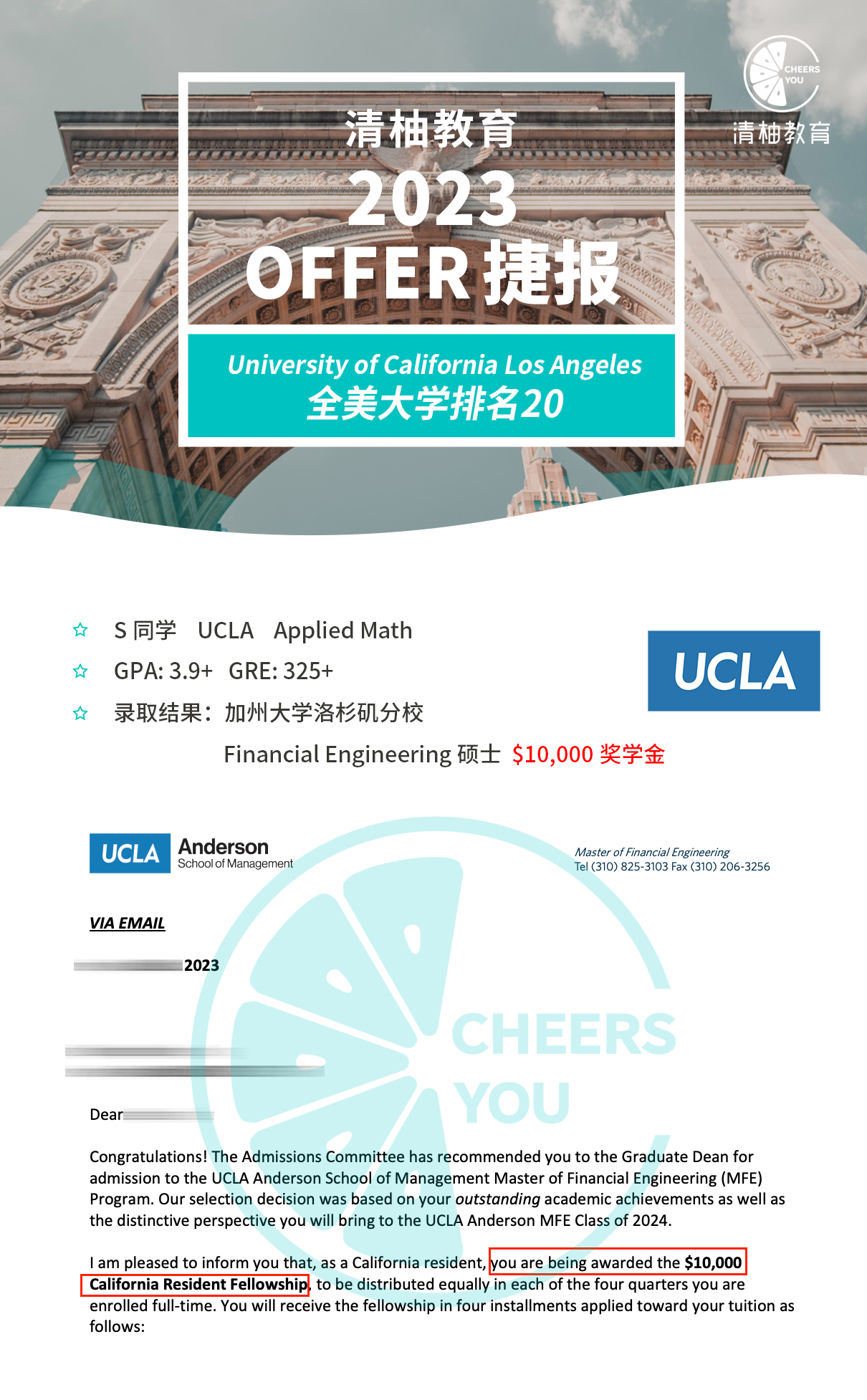
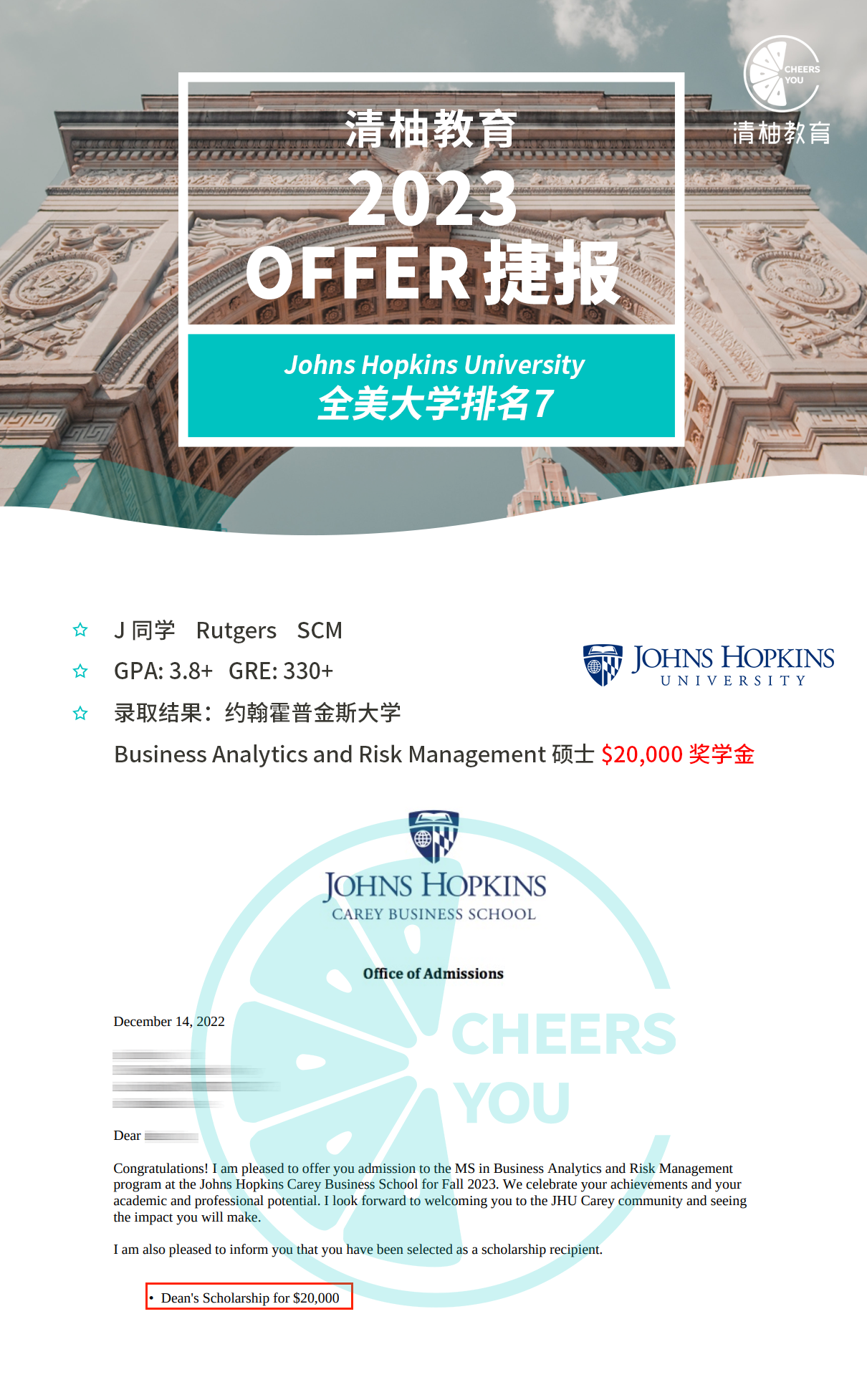
We hope this provides some inspiration for those wrestling with the decision between the domestic graduate exam and studying abroad. Remember, “Choice trumps effort.” We wish you all find a path that suits you and follow it with determination!