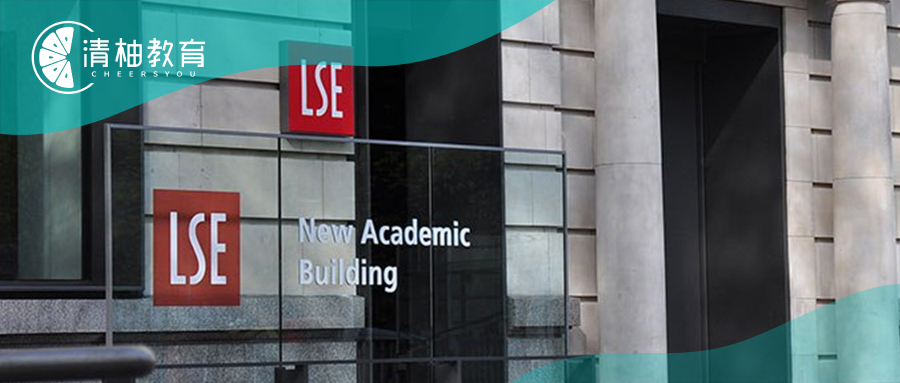
The London School of Economics and Political Science (LSE) is one of the largest colleges within the University of London and stands out in the UK, as one of the world’s foremost social science research institutions, specialising in economics, politics, sociology, law and anthropology. Founded in 1895, LSE is not only a member of the University of London federation and the G5 super-elite universities, but also a member of the prestigious Golden Triangle, the Russell Group, and more.
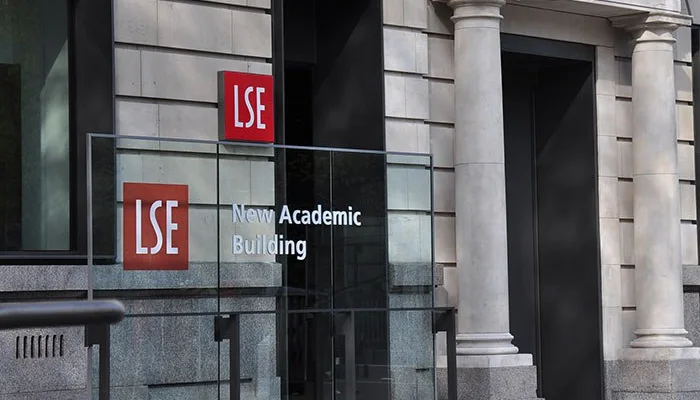
The LSE campus is located in Holborn, London’s legal quarter, adjacent to the Royal Courts of Justice, the BBC and the four Inns of Court, the most famous of which, Lincoln’s Inn, is just around the corner. Less than a mile away lie the principal centres of government, finance and media, including the Houses of Parliament. This exceptional location imbues LSE with a strong commercial and political atmosphere, reflecting its very high academic standing in social sciences, finance and government.
While LSE’s overall global ranking may not be especially high – partly due to the weighting factors of different rankings – specialist institutions like LSE, which focus intensely on one field, tend to be disadvantaged in comprehensive university rankings.
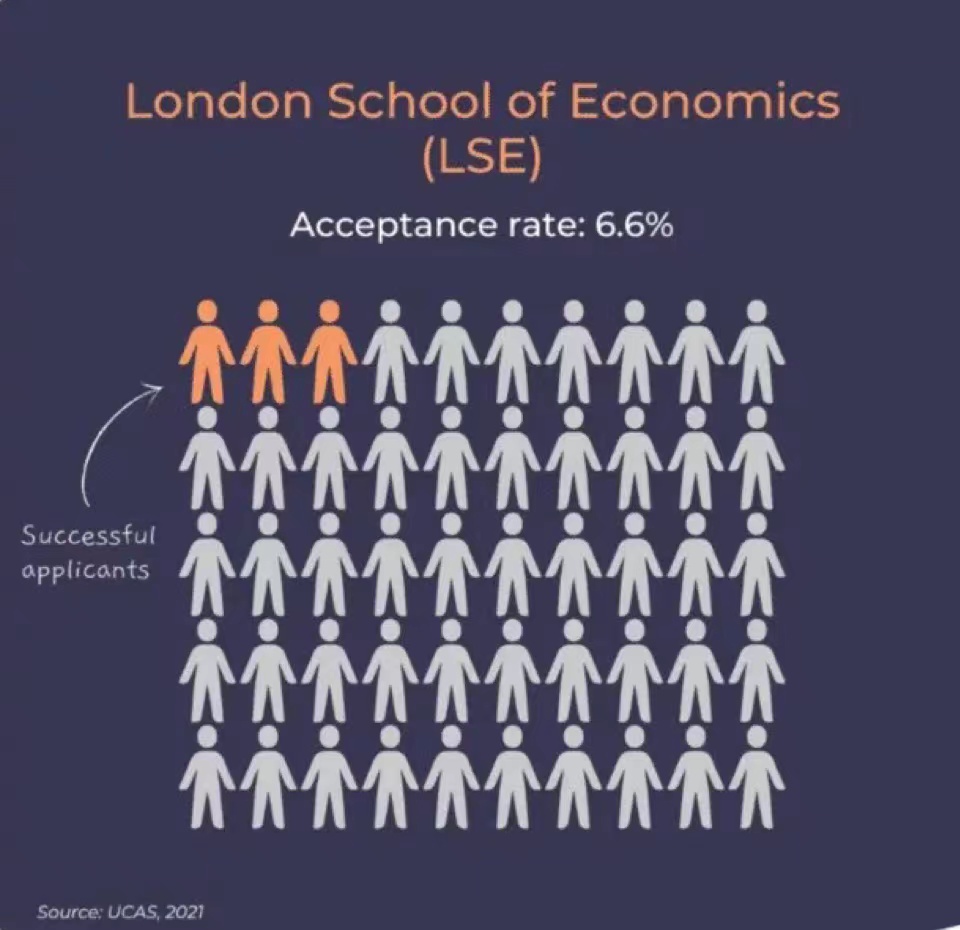
LSE recruits students from 155 countries and regions. Although the overall acceptance rate is below 10% and the economics department admits only around 7% of applicants (yet accounts for 17% of all Nobel laureates in economics), the student body is exceptionally diverse, drawing students from all over the world.
LSE alumni and faculty have gone on to shape the world in fields ranging from international politics, business, law and finance to literature, music, performing arts and internationally recognised academic research. They include members of parliament, members of the House of Lords, and 52 former or current heads of government worldwide.

As the premier ‘goddess school’ for arts and social sciences within the G5, LSE’s UK reputation rivals that of Oxford and Cambridge, and its nickname as a ‘talent market for investment banks’ makes it the dream school for many students of business and social sciences.
Recommended Programmes
-
MSc Accounting and Finance
-
MSc Accounting, Organisations and Institutions
-
MSc Real Estate Economics and Finance
-
MSc Management and Strategy
-
MSc Operations Research and Analytics
-
MSc Economy and Society
-
MSc Political Economy of Europe
-
MSc Political Economy of Late Development
-
MSc in Sociology
-
MSc in International Social and Public Policy
-
MSc Theory and History of International Relations
-
MSc China in Comparative Perspective
-
MSc Global Media and Communications (LSE and USC)
LSE graduates are highly sought after both internationally and domestically, whatever the industry. Employers widely recognise the academic capability of LSE graduates, not least because the faculty comprises individuals with senior experience in leading companies or stellar academic achievements. Building on students’ own abilities, the cutting-edge insights and casework exposure they gain can give their future careers a real boost.
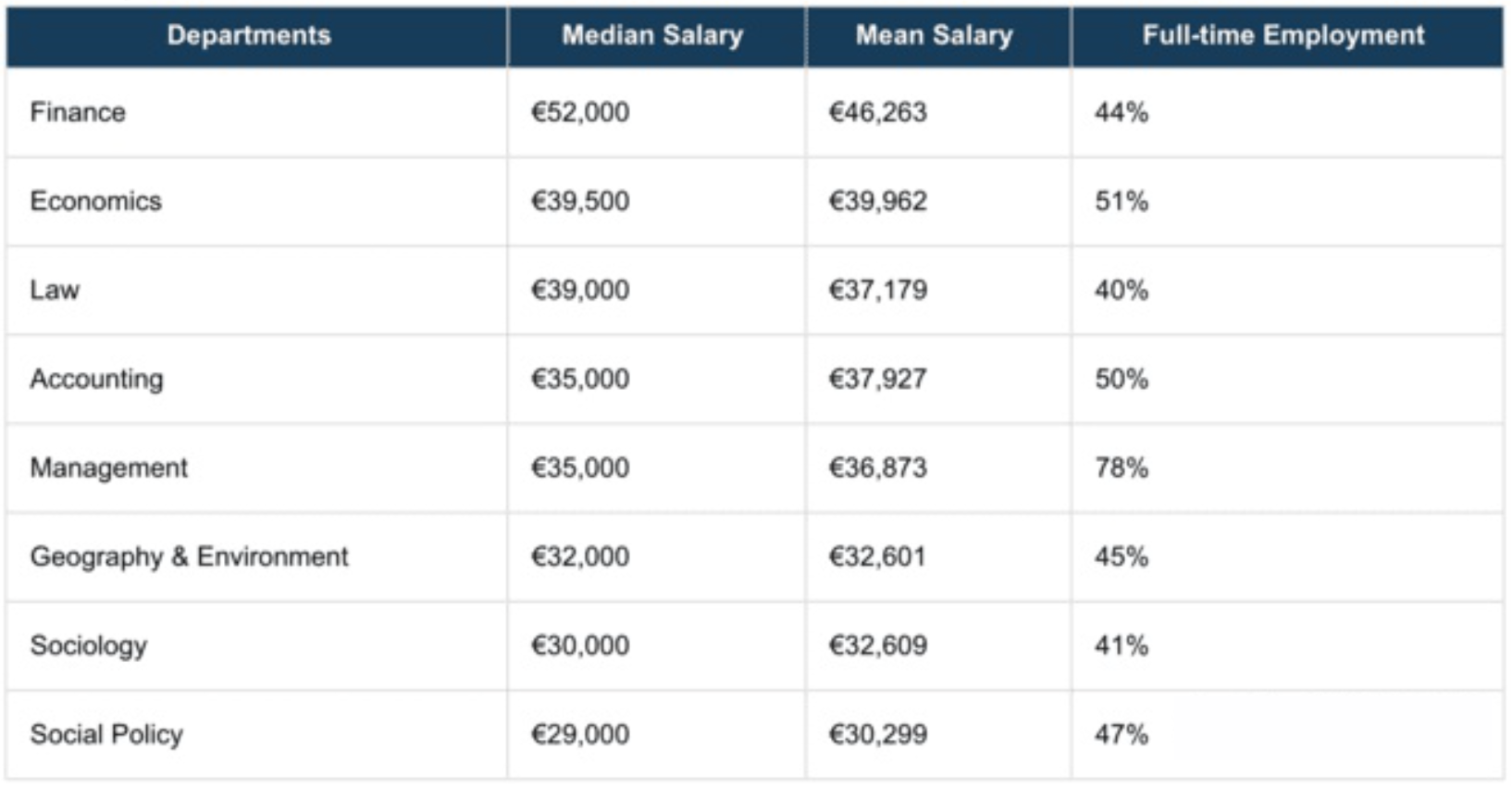
Moreover, simply being surrounded by high achievers spurs constant self-improvement, so there is no need to worry about future job prospects or salary. From a holistic background perspective, LSE graduates have a clear edge. The official data below offer salary information for graduates in two popular fields as a reference.
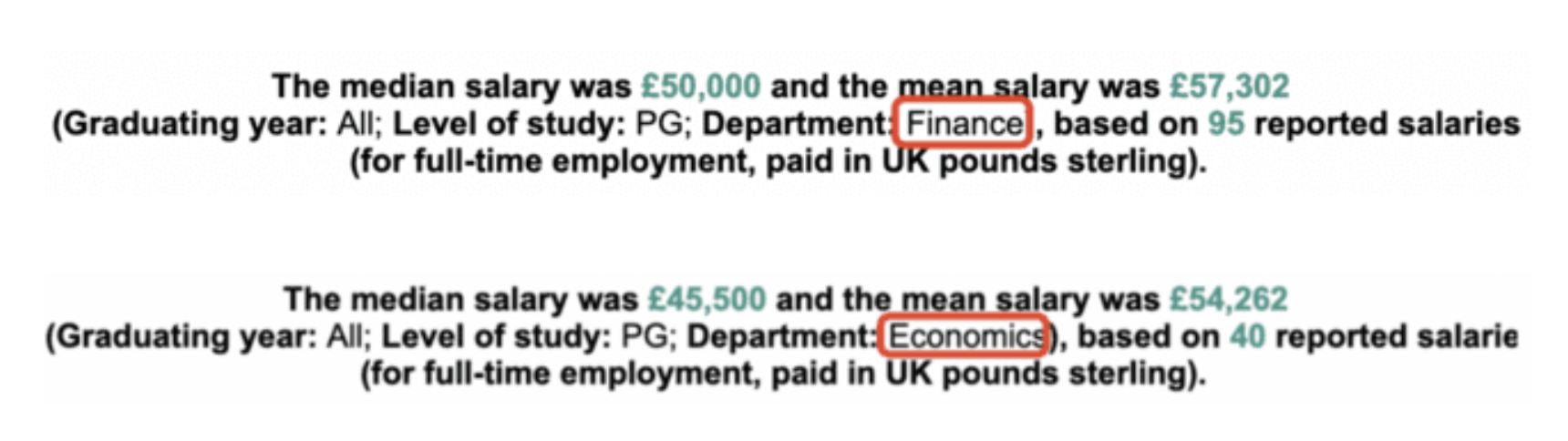
The roles taken up include, but are not limited to, assistant professor, economic analyst, market analyst, policy researcher, research assistant, trader, and more.
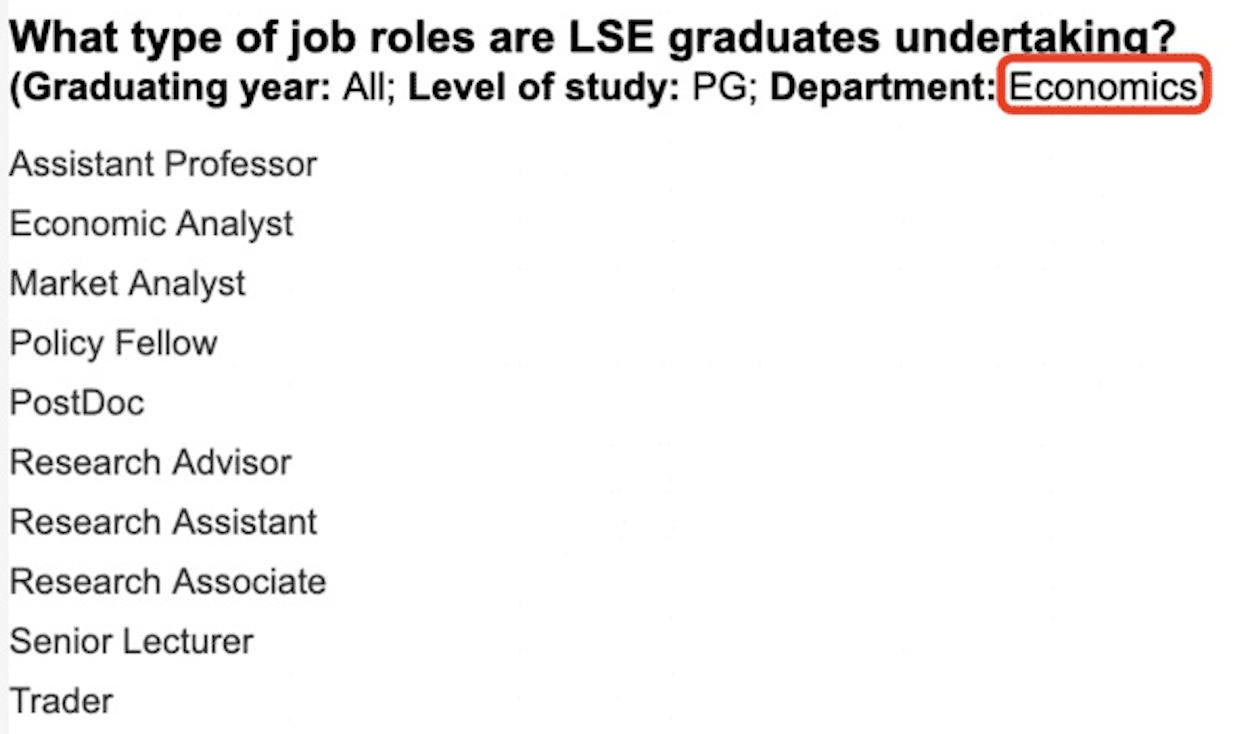
Graduate Destinations
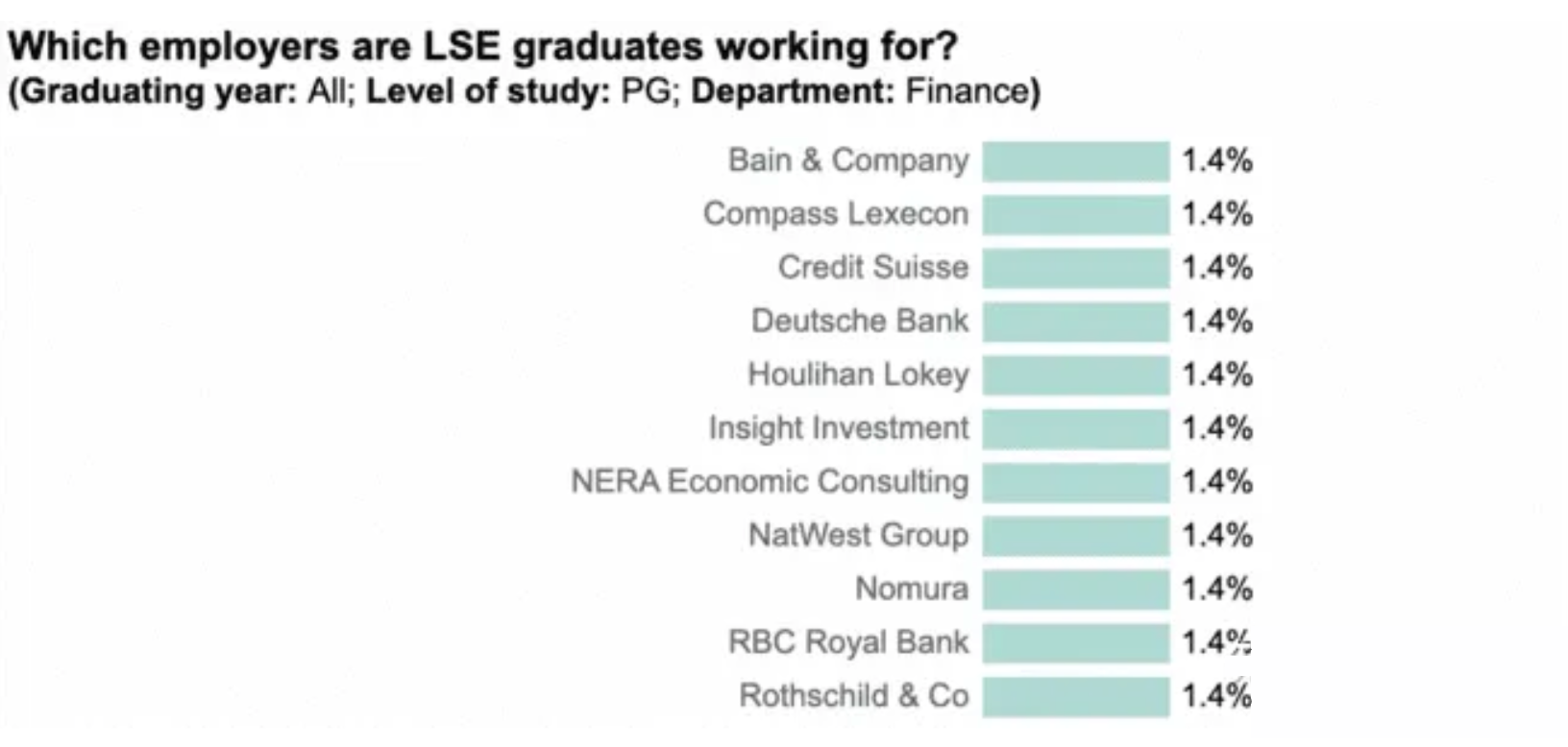
For those keen to know which sectors and companies LSE graduates gravitate towards, official information is shown below. See if your ideal employer appears – after all, where there are more alumni, there tend to be more opportunities.
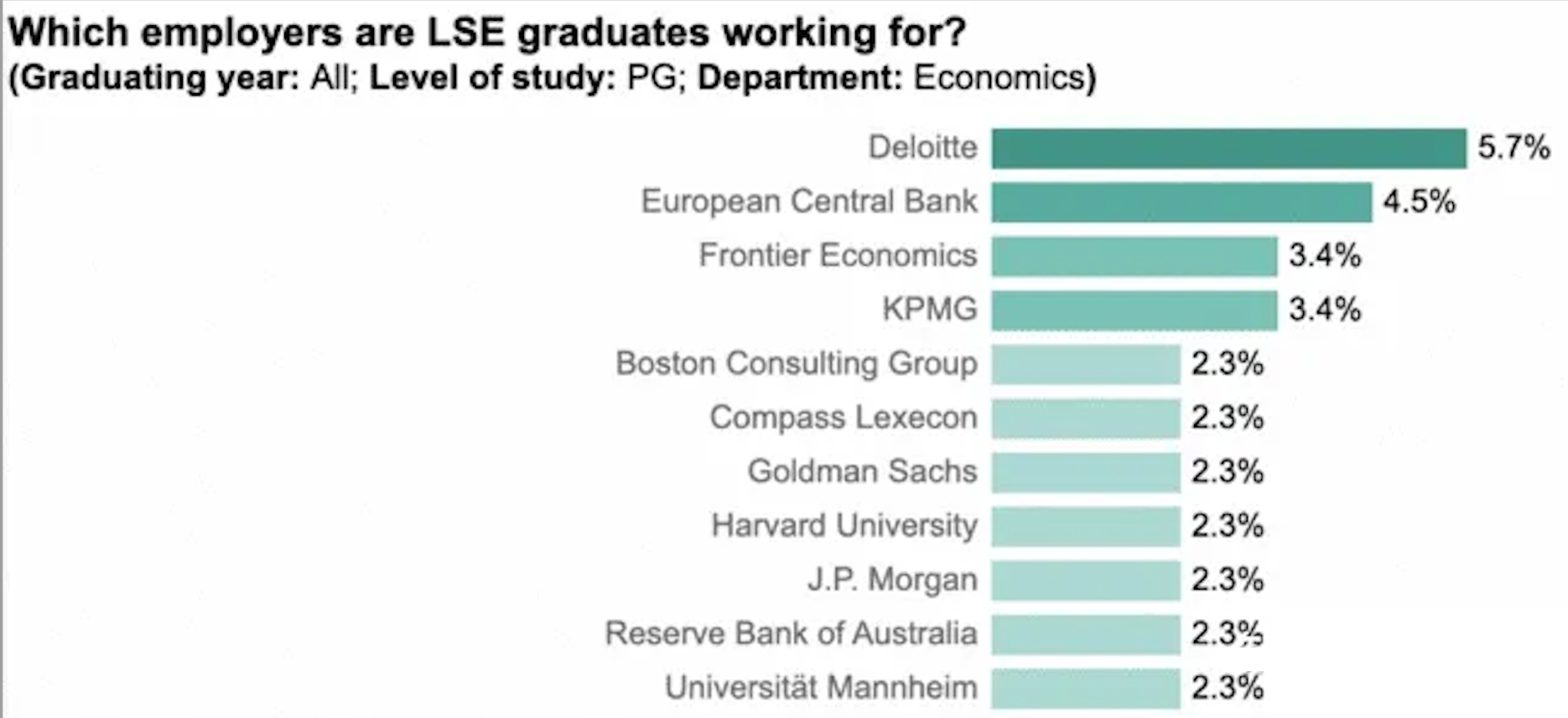
Finance graduates tend to have a slight edge over economics graduates in the job market in terms of employment rate and salary. LSE alumni can be found at institutions such as Citibank, Bank of America, Barclays, Deloitte, KPMG, J.P. Morgan, Morgan Stanley, UBS, Goldman Sachs, CITIC Securities, and many more.
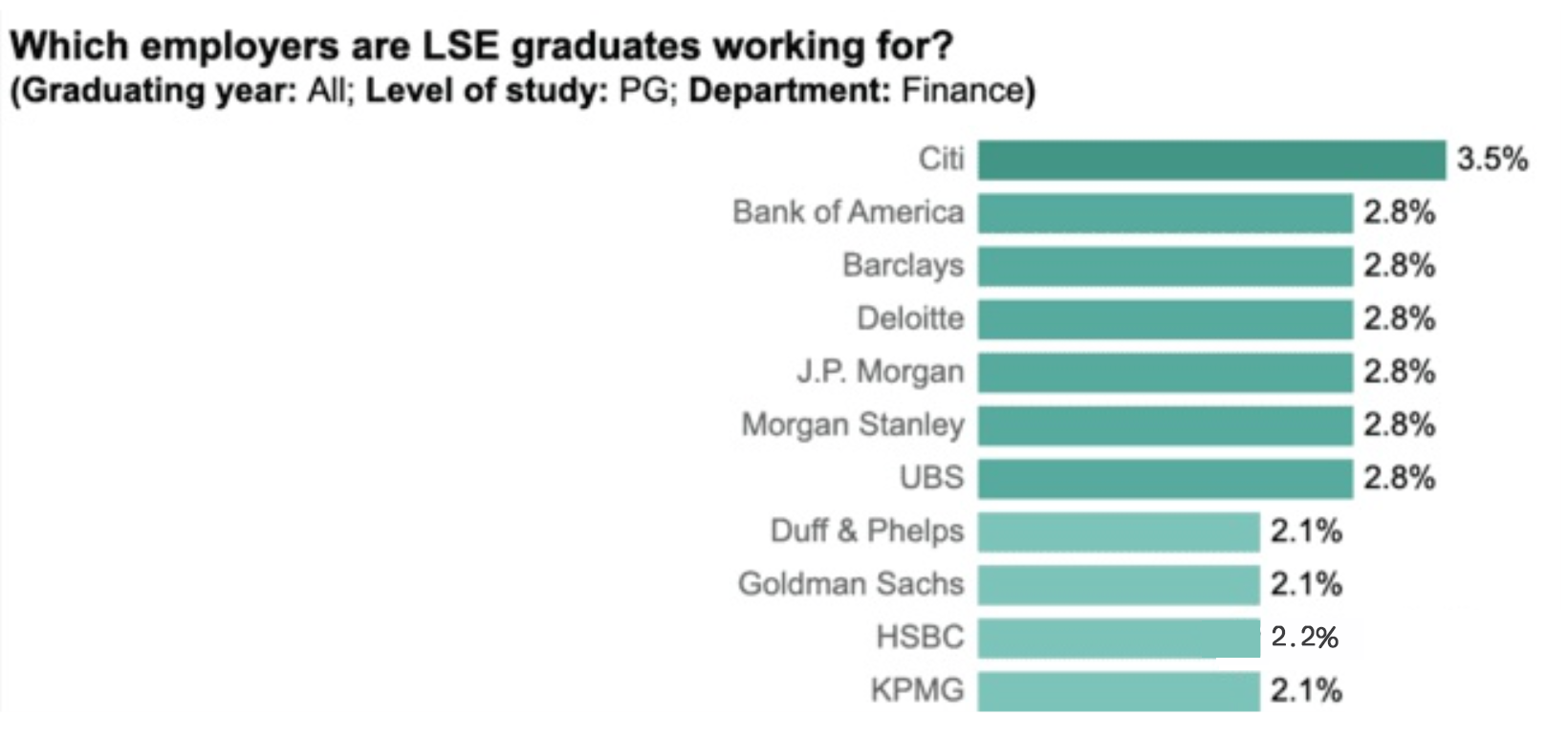
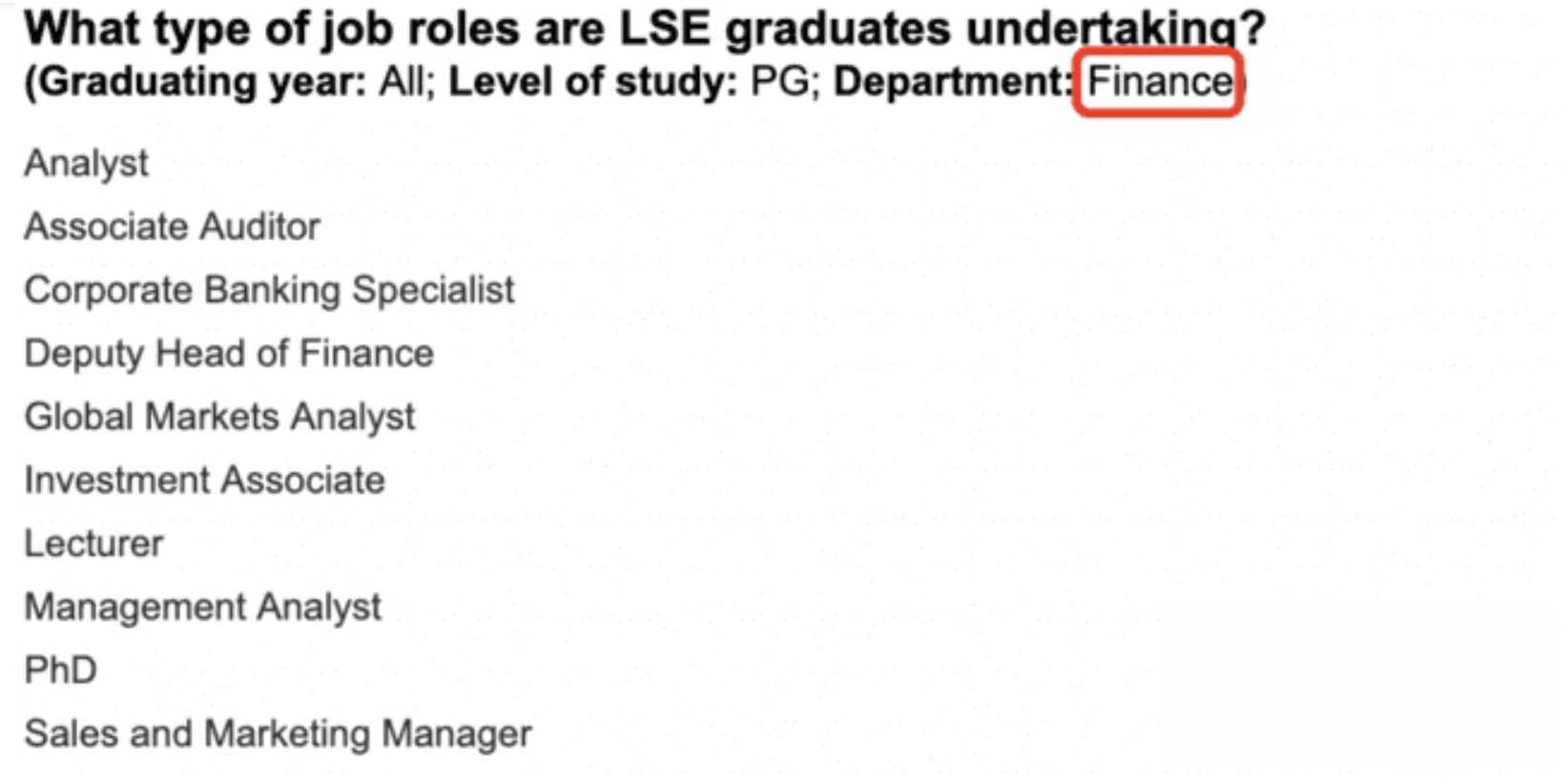
The most common roles held are shown below:
The proportion of LSE finance graduates working in China is also very high, reaching 13.7%.
Beyond economics and finance, let’s also look at the career potential for graduates from other disciplines at this ‘goddess school’.
Advantage Analysis
In truth, it is not advisable to judge subjectively whether LSE is better than other schools. After all, choosing a location, a university and a programme is a matter of personal fit; we should select based on our own backgrounds. It is understandable that some may wonder whether graduates from overseas institutions genuinely have a competitive edge over those from domestic ones.
Looking solely at the experience of studying abroad, it gives you more independence. Independence makes you more mature and a better decision-maker. Cross-cultural competence is an extra asset on your CV; it also enhances language skills, builds friendships, expands your network, and, through high-quality education and high-standard practice, offers the best platform for career support. Today’s employers increasingly favour staff who possess cross-cultural competence, multilingual skills and networking ability.
Moreover, students from finance and economics backgrounds who are considering their future should also pay attention to the ‘Target School’ lists of companies they aspire to join. University employability rankings do not equal job competitiveness rankings!
It is almost an open secret that top investment banks and securities firms have their own Target Schools. CITIC Securities, which many students aspire to join, is extremely strict in recruitment – a prestigious undergraduate and master’s degree is essentially the baseline. Successful candidates either hail from top-20 US universities such as Harvard, Yale and Princeton, or from the UK G5; domestic candidates must come from Tsinghua, Peking, Fudan or Shanghai Jiaotong. Applicants from non-Target Schools may be screened out at the CV stage.
Data from CITIC Securities employees on LinkedIn also reveal that among overseas institutions, graduates from Columbia and NYU are the most favoured; in Hong Kong, alumni of the University of Hong Kong and the Chinese University of Hong Kong are most numerous. This is just one example and does not mean all sectors and companies apply the same standard, but it still suggests that one should weigh multiple factors rather than taking a one-sided, subjective view.

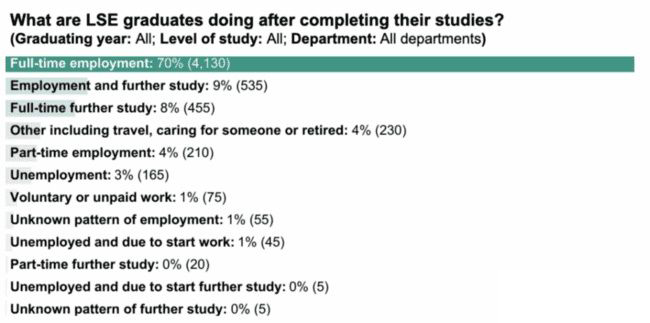
Let’s refer to official data again to see the proportions of LSE graduates choosing different paths after graduation.
-
Full-time job opportunities: 71%
-
Higher studies: 8%
-
Part-time jobs: 3%
-
Higher studies with employment: 8%
Students who graduate from LSE have numerous options: they can continue studying, apply for jobs, or pursue work and study together. Some students also prefer to take a break and then decide.
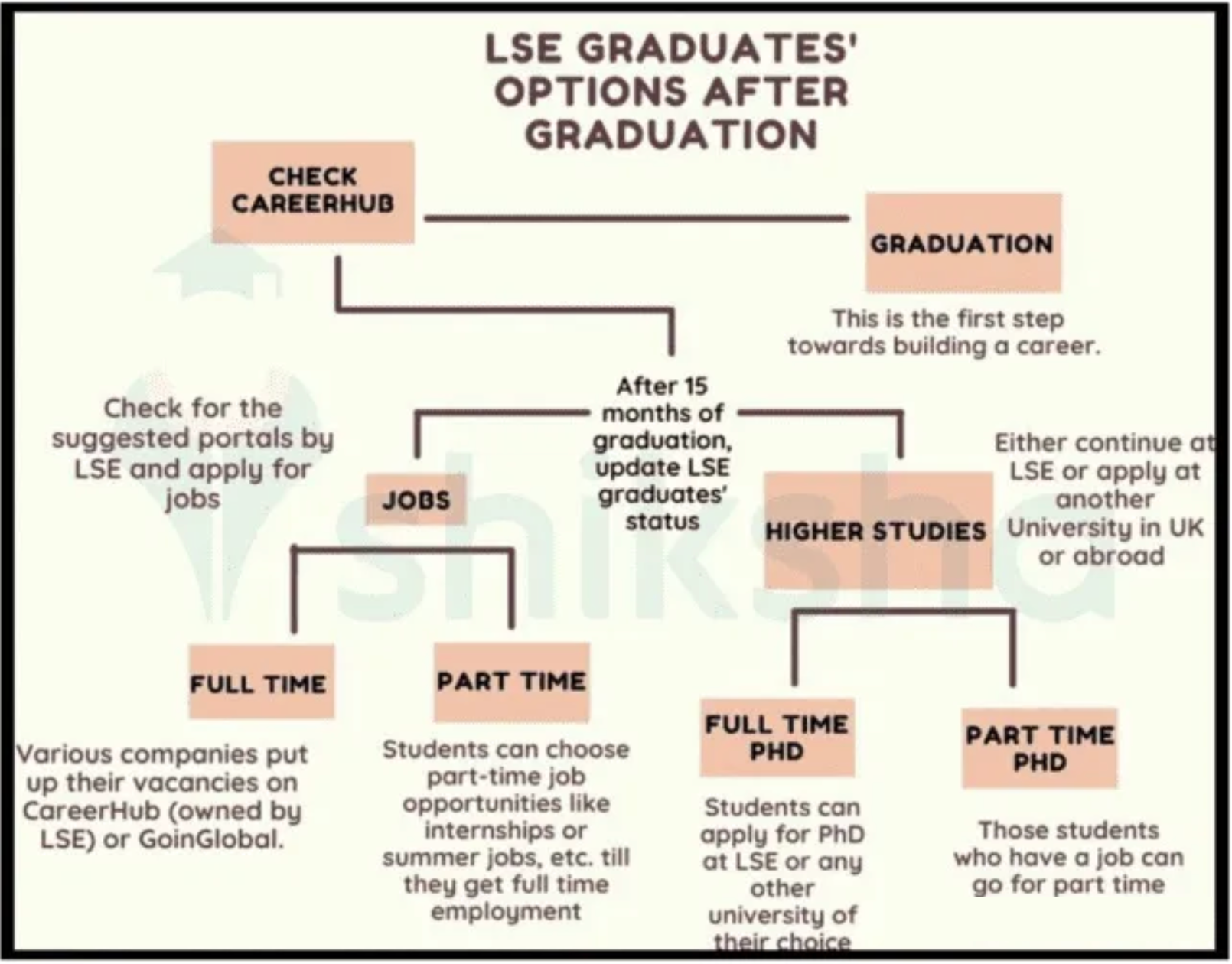
From this we can see that the employment rate is very high, which indicates that graduates have access to abundant opportunities – something that also stems from the support provided by the university. Although LSE does not organise on-campus recruitment fairs, its own resources help young new graduates and current students find suitable job opportunities.
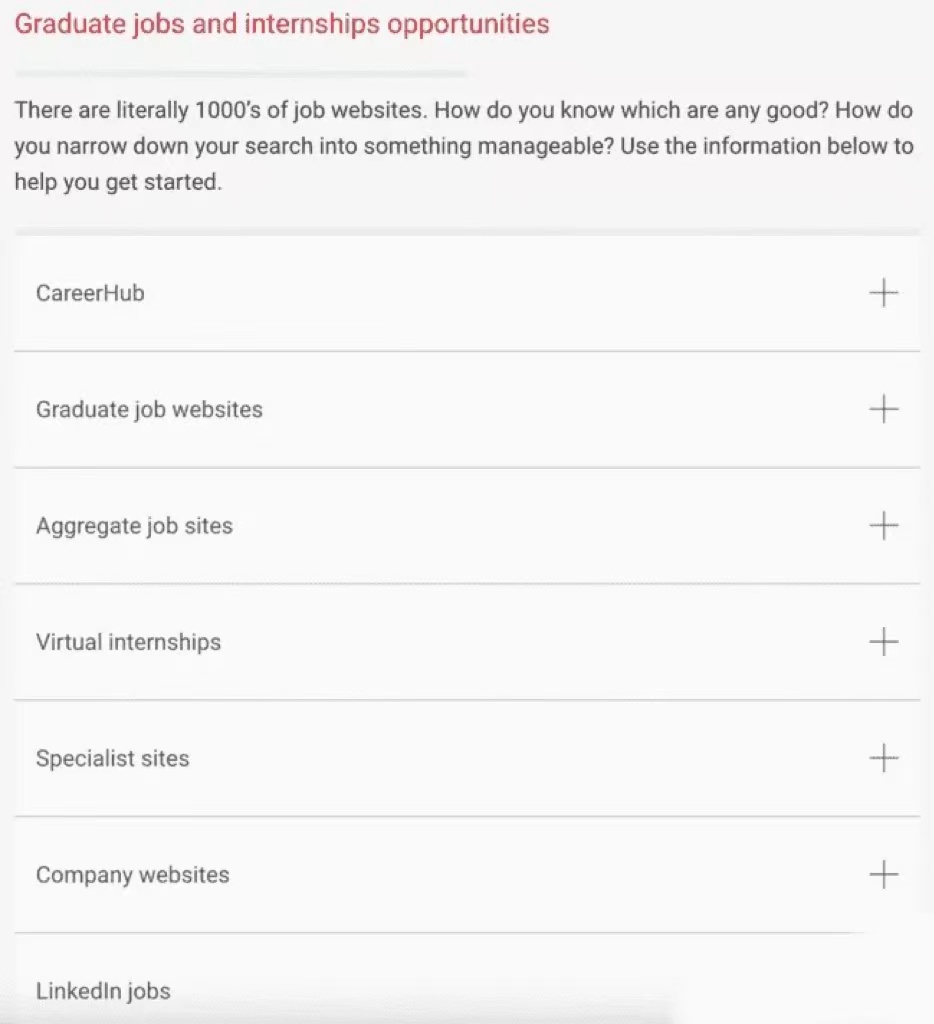
Application Difficulty
Much has been said about future prospects, but let’s look back and see whether this dream school also presents formidable admissions hurdles. Indeed, LSE is second only to Oxford and Cambridge within the UK.
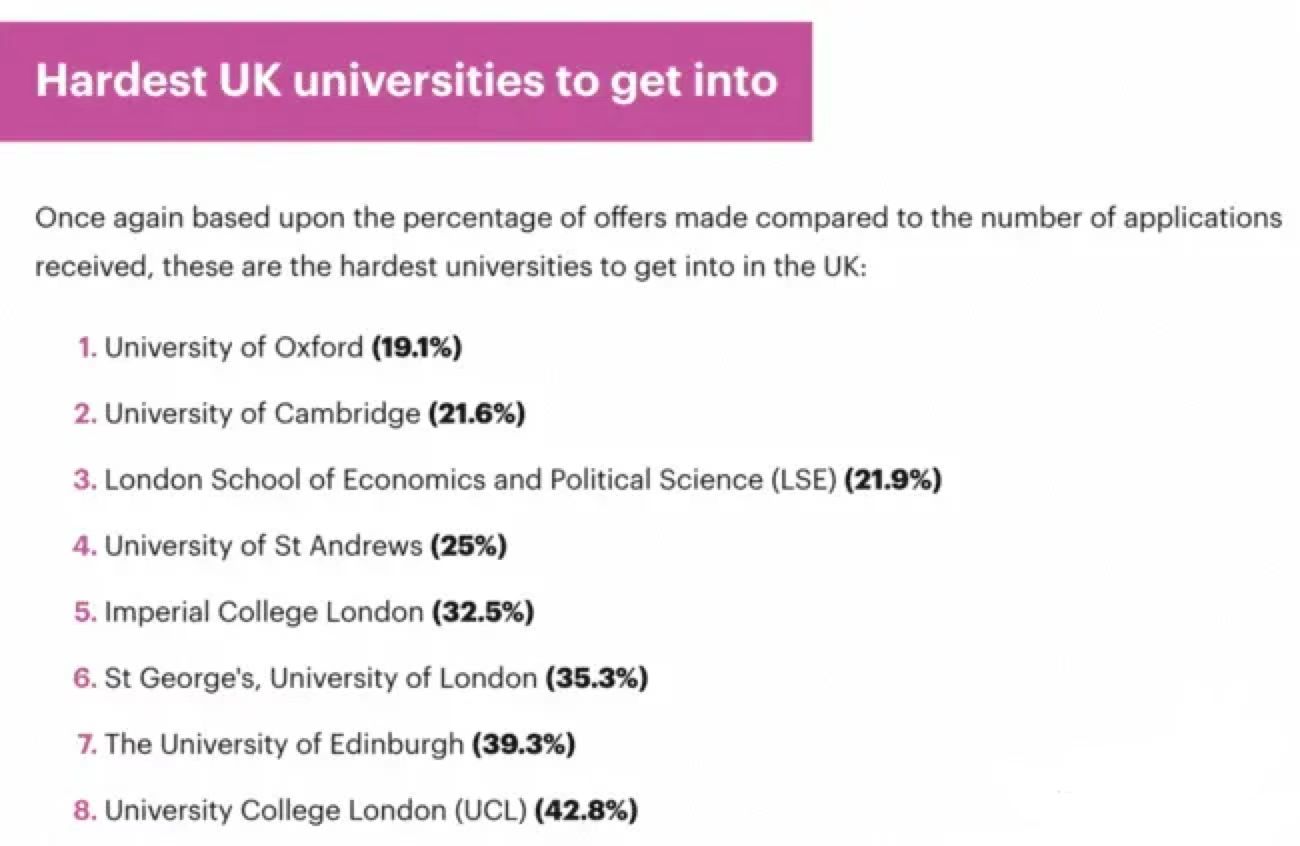
Entry standards are exceptionally high. For the most important undergraduate economics intake, over 3,000 applicants compete each year for only around 200 places. Postgraduate admissions require a UK first-class or upper second-class bachelor’s degree, or an equivalent qualification from an overseas institution.

——————————————————————
Finally, some outstanding LSE offers
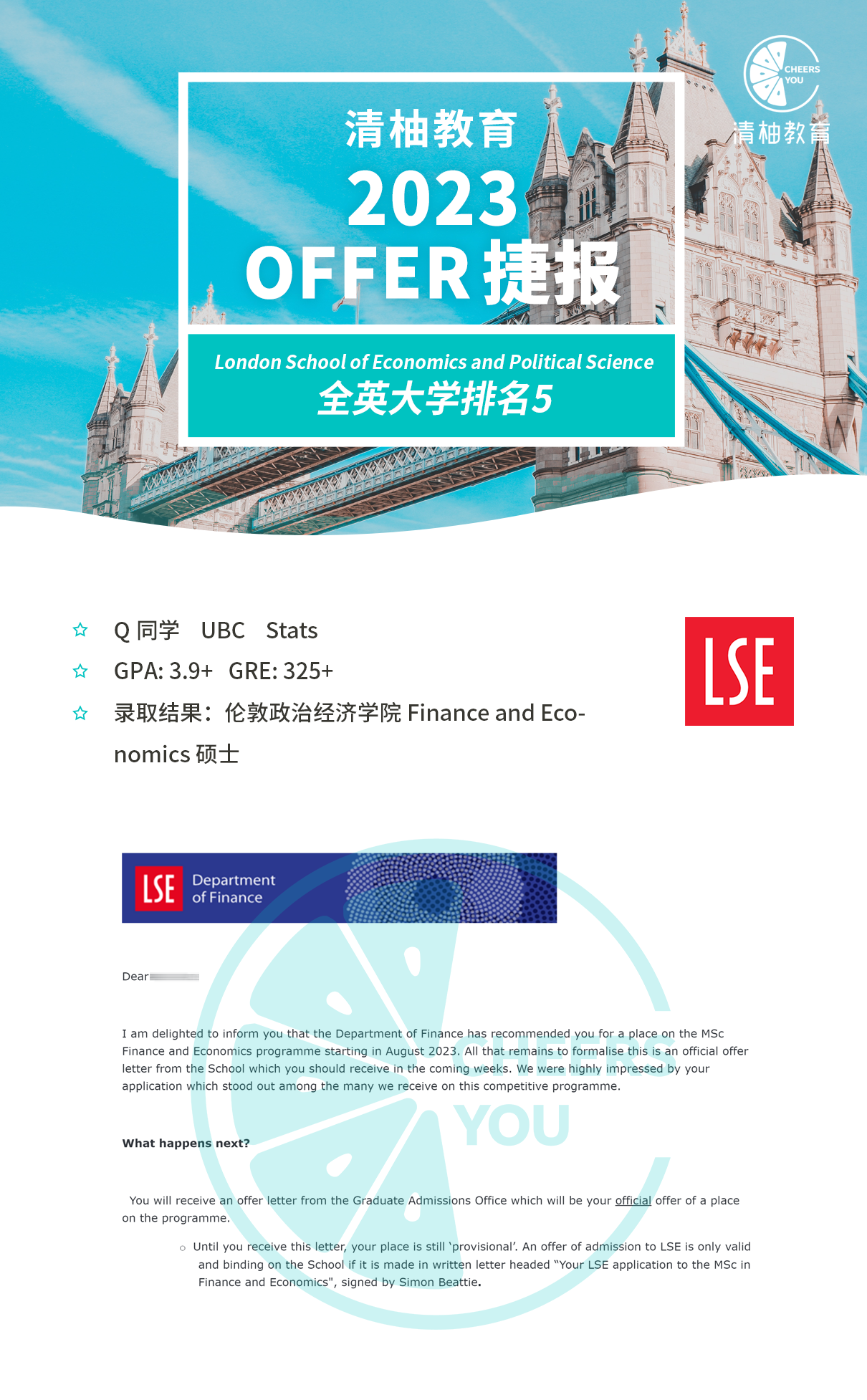
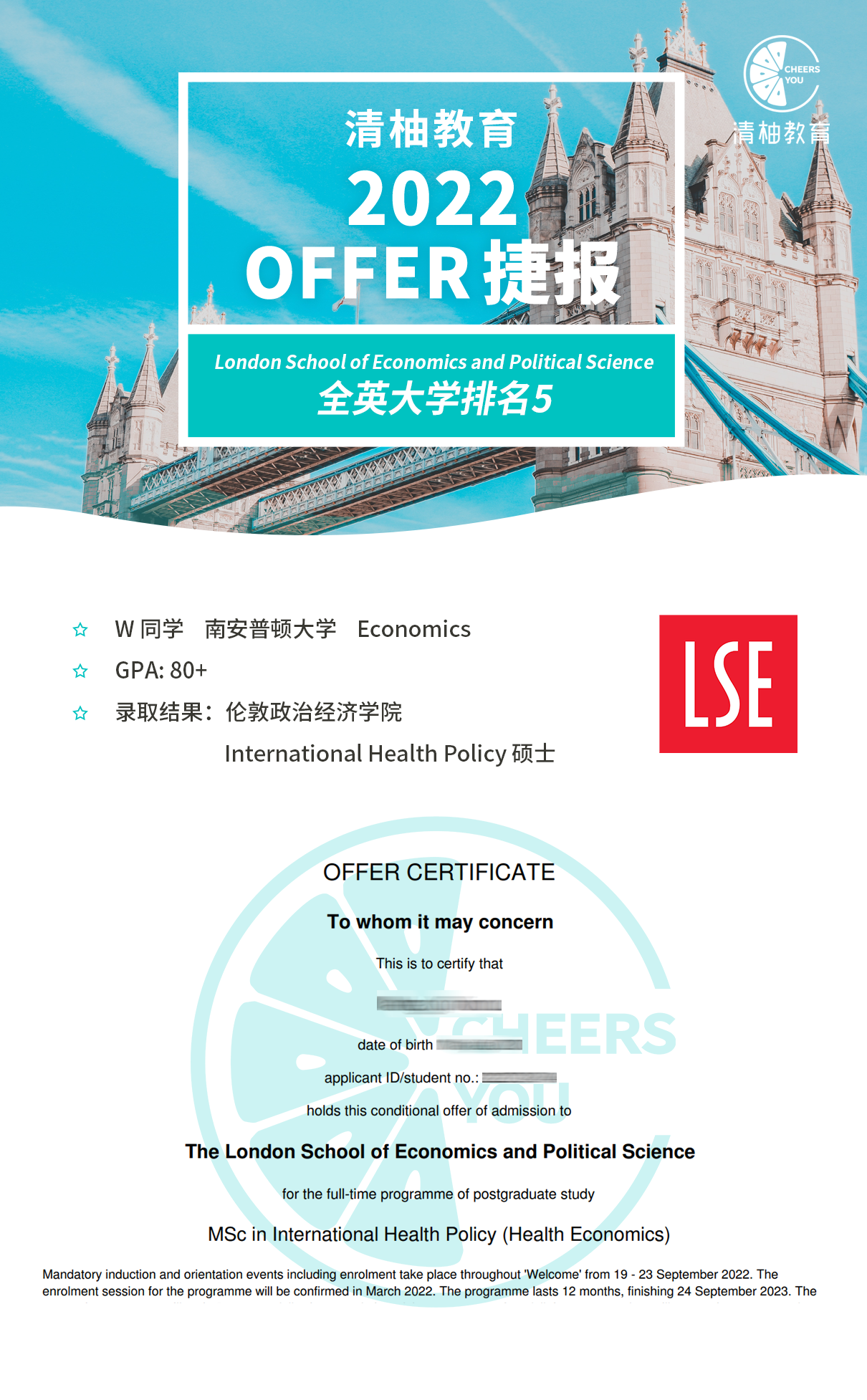
These figures highlight the intense competition. Gaining admission to such a university is already an outstanding achievement, and graduating successfully opens up even more opportunities in the workplace. Therefore, students who wish to apply to LSE must prepare in advance, continuously striving to improve themselves, so that they can stand out in the fiercely competitive application season.
If you are interested in LSE, please scan the QR code below to start a one-on-one study abroad consultation right away~
.png)