Currently, "switching to CS" is a hot study-abroad trend. This year's Open Doors report also shows that math and computer science majors have become the most popular among international students, with many non-top-tier university students considering applying to CS bridge programs in the US. Is it possible for these students to switch to CS? How can one determine suitability? What are the US CS rankings, and which schools and programs are transfer-friendly?
Can Non-Top-Tier Students Switch to CS in the US?
It is entirely possible for non-top-tier students to switch to CS. Essentially, most top overseas programs do not strictly require a specific undergraduate major, but relevant experience is a big plus. In the US, admissions place greater emphasis on students' overall qualifications. Even if you are from a non-elite school, if you have an excellent GPA, outstanding language scores, rich work or internship experience well-matched to the program, you can still successfully switch to CS.
Moreover, many US universities offer programs specifically for career changers without a computer science background, perfectly suited for beginners. Examples include USC's CS program, UPenn's MCIT, and NEU's CS Align, thus providing abundant opportunities for non-top-tier students.
.jpg?x-oss-process=style/opt-webp)
The CS Transition is Hyper-Competitive: Are You Really Suited for It?
Computer science is intensely competitive worldwide. For a successful career, you can't just be a coder forever. In the US, where CS is most prominent, many graduates fail to find jobs each year. So those considering the switch must think carefully—you may succeed in transitioning, but the journey afterward is arduous. How can you compete with CS majors in job hunting and secure your desired offer? It requires dedication and practice.
What we see are only a few lucky ones who succeed and post about it; countless others, after investing time and money, find themselves unsuited or unable to persist. The gap between expectation and reality is a sobering process.

Also, with the poor economy this year, major tech companies are tightening their belts, reducing hiring. Google and Meta have frozen recruitment; Microsoft, Netflix, Lyft, Twitter, PayPal, Tesla and others are even laying off staff. Many new grads had their offers rescinded, such as Coinbase abruptly revoking offers this year, leaving many in the lurch.
Meta was also harsh this year, not offering return offers to interns, forcing them to start the job search again.
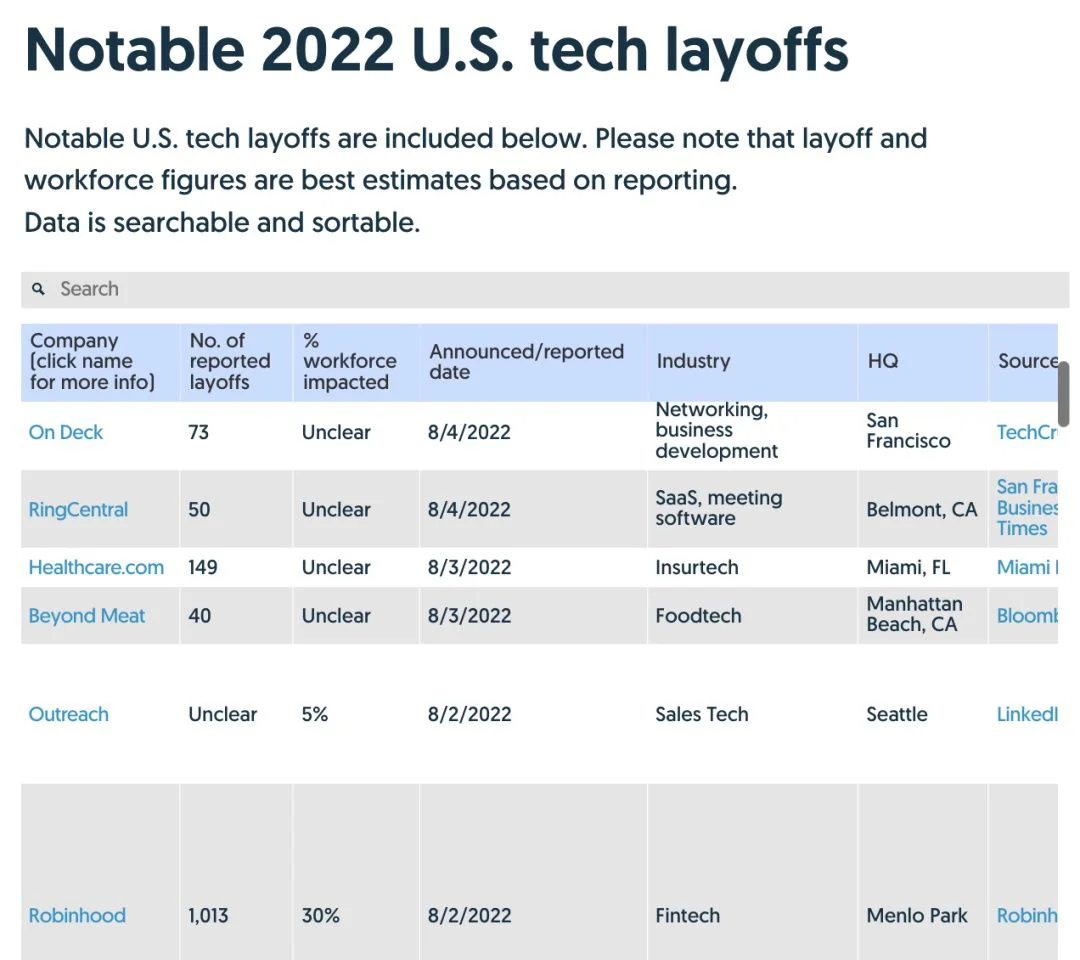
In short, switching to CS is tough, and landing a job doesn't guarantee stability. Tech jobs are not iron rice bowls—high pay doesn't mean security. With everyone switching, competition is fierce. Setbacks are normal, and maintaining perspective is key. The most important thing is to honestly assess whether you are suited for and can persist in this transition.
Recommended US Bridge Programs for Career Changers:
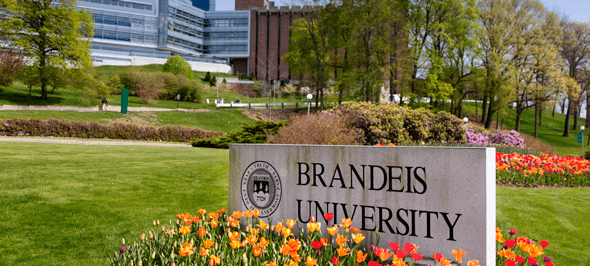
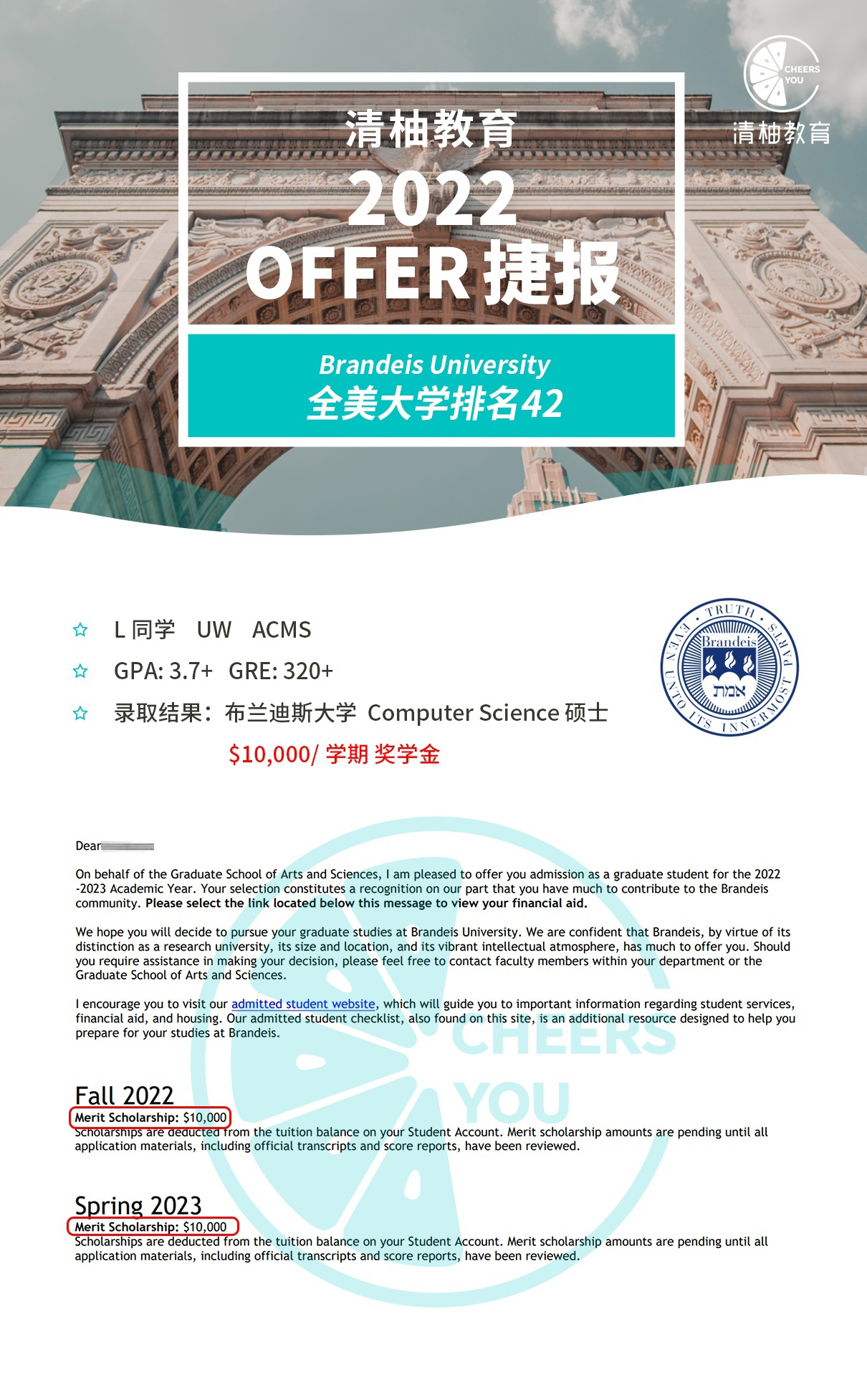
布兰迪斯大学Brandeis University
计算机科学硕士MA in Computer Science for Non-majors
The two-year program includes 12 courses covering popular areas like computer programming and big data. Alumni often work at tech companies like Google, Microsoft, Dell, Uber, in hot positions such as software development and design engineering.
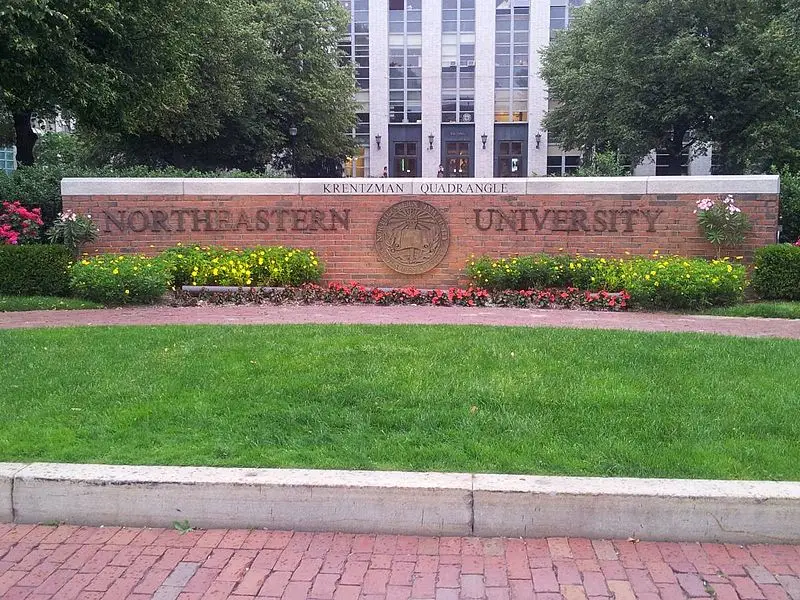
Northeastern University
计算机科学硕士Align MS in Computer Science
This program is very friendly to students without a CS background, offering a series of bridge courses, including:
- Computer Fundamentals
- Discrete Mathematics
- Computer Systems/Algorithms
- Object-oriented Design/Java Programming
After completing the bridge courses, students can choose concentrations such as artificial intelligence, human-computer interaction, data science, game design, graphics design, information security, programming languages, software engineering, etc.
NEU graduates in this program enjoy good employment outcomes, landing jobs at companies like Facebook, Amazon, Cisco, Bose, LinkedIn, etc.
2023 U.S.News CS Rankings
US CS Rankings #1: Massachusetts Institute of Technology
US CS Rankings #2: Carnegie Mellon University
US CS Rankings #2: Stanford University
US CS Rankings #2: University of California-Berkeley
US CS Rankings #5: University of Illinois at Urbana-Champaign
US CS Rankings #6: Cornell University
US CS Rankings #6: Georgia Institute of Technology
US CS Rankings #6: University of Washington
US CS Rankings #9: Princeton University
US CS Rankings #9: The University of Texas at Austin
US CS Rankings #11: California Institute of Technology
US CS Rankings #11: Columbia University
US CS Rankings #11: University of California-Los Angeles
US CS Rankings #11: University of California-San Diego
US CS Rankings #11: University of Michigan-Ann Arbor
US CS Rankings #16: Harvard University
US CS Rankings #17: University of Maryland-College Park
US CS Rankings #17: University of Pennsylvania
US CS Rankings #17: University of Wisconsin-Madison
US CS Rankings #20: Johns Hopkins University
US CS Rankings #20: Purdue University-Main Campus
US CS Rankings #20: Yale University
However, note that countless people are trying to switch through CS programs, making competition as fierce as for top CS programs. But if you already have a background in Data Science, EE, ECE, Financial Engineering, etc., with strong math skills, you have an advantage in the transition.
Here are some CS program offer examples for reference:

If you are interested in CS graduate studies abroad, scan the QR code below to start a one-on-one consultation now~
.png)