
Big data has brought transformative changes to various fields, making Data Science a highly popular major among students both domestically and internationally. Data Science is currently regarded as one of the "high-paying, employable" majors for staying in the U.S. So, what exactly does a U.S. Data Science program entail, and what are the future career development prospects? Which DS programs in the U.S. are worth recommending? Below is a detailed analysis.
What Is Data Science?
The core of Data Science consists of three areas: data processing, data model analysis, and data visualization. The first two overlap partially with statistics. The additional part involves visualization combined with computer technology, as well as branches such as machine learning derived from advanced programming. The foundational courses in this major include applied statistical methods, computational methods, data mining, databases, and more. On this basis, students are free to choose the areas they wish to further explore.
Here, I will use Columbia University's Data Science program as an example for introduction:
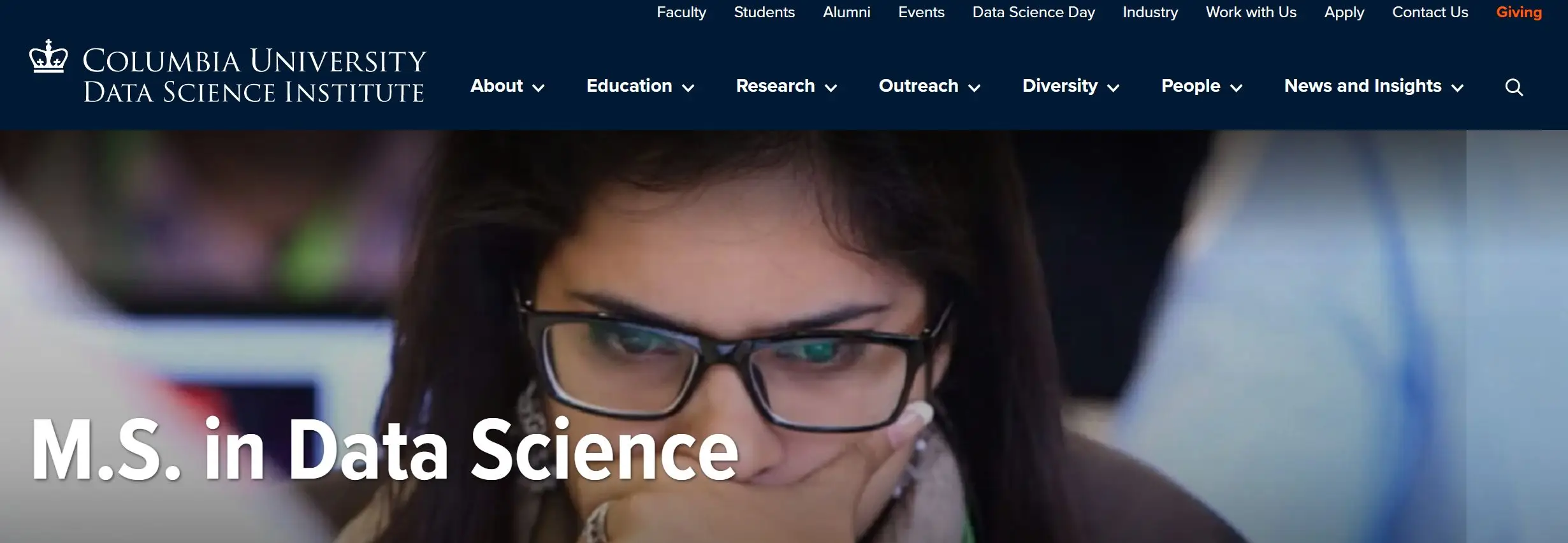
Data Science students at Columbia University have the opportunity to conduct original research, produce a capstone project, and engage with the school's industry partners and world-class faculty. Students may also choose elective courses focused on entrepreneurship or subject areas covered by the university's centers.
Curriculum:
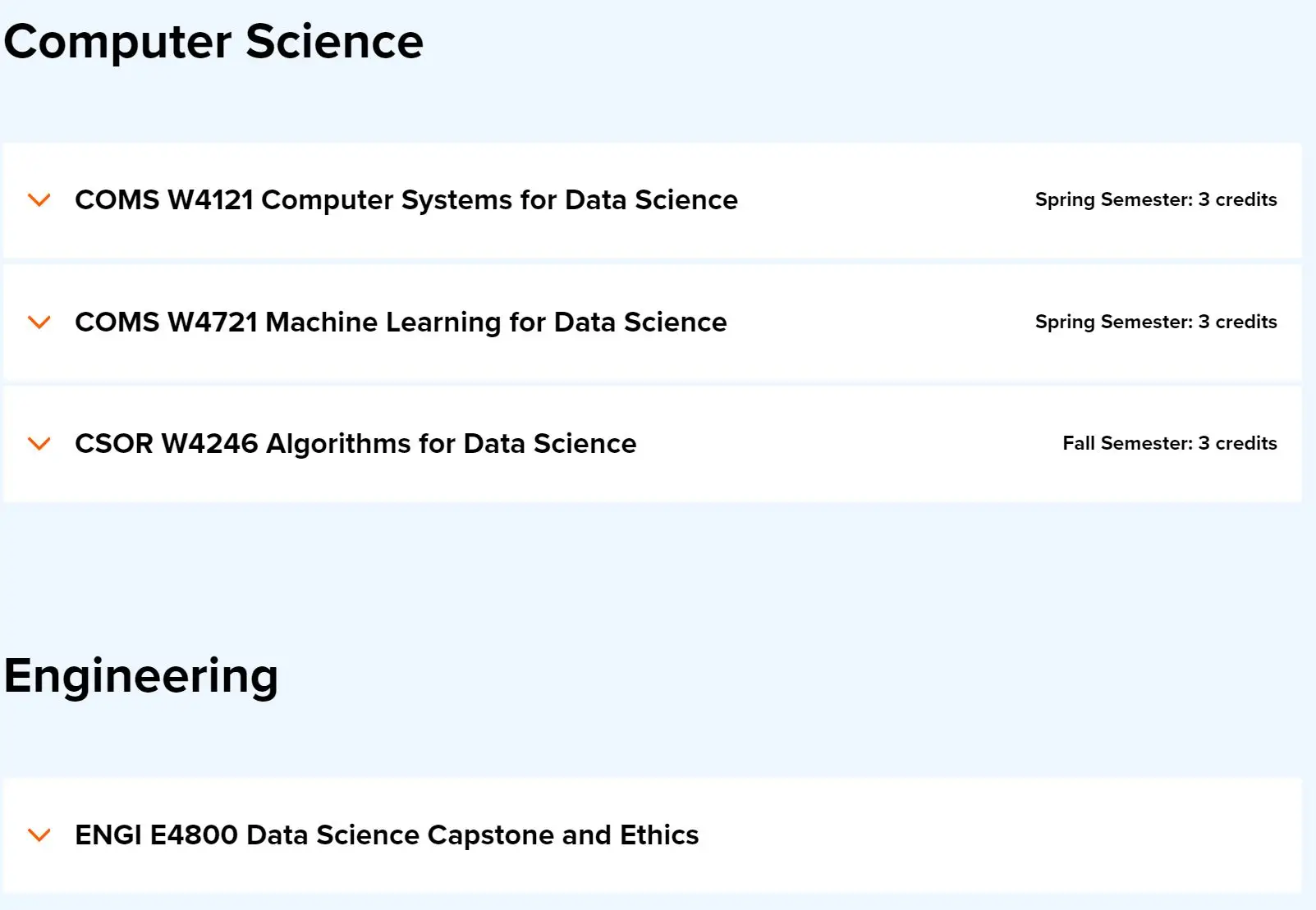
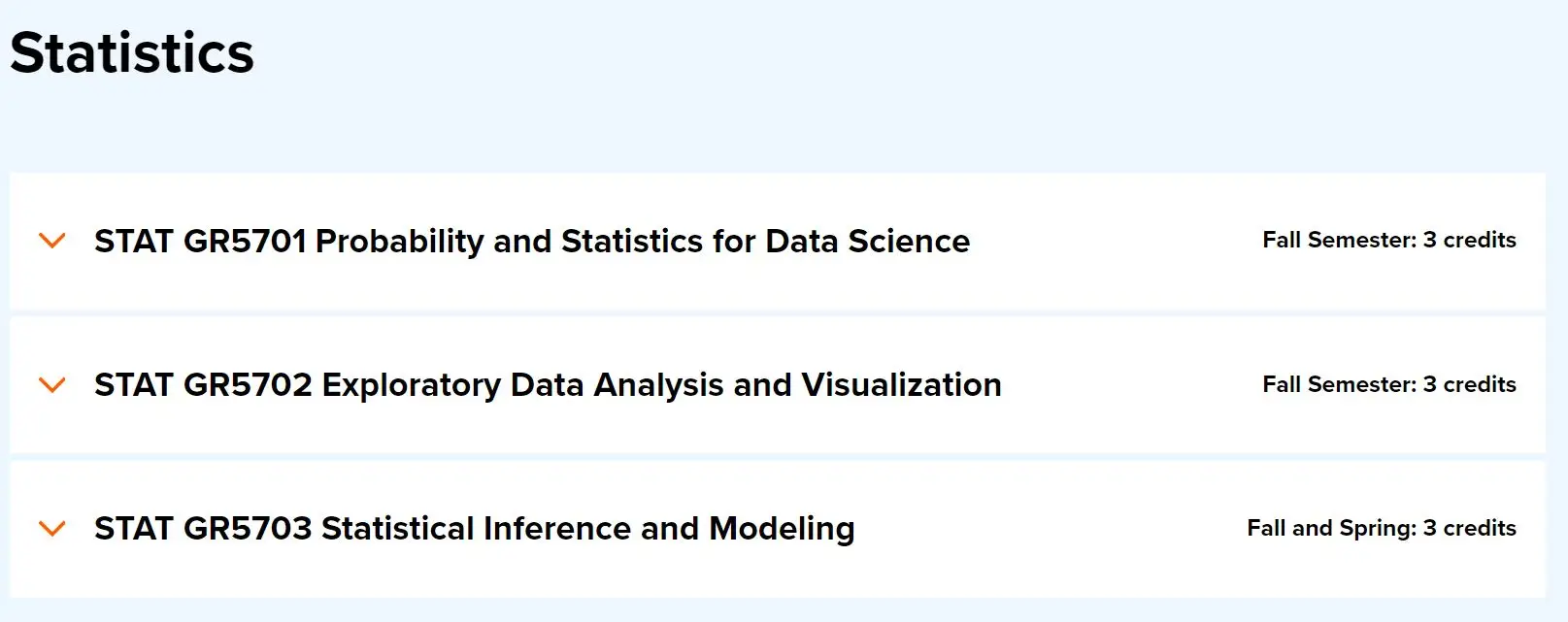
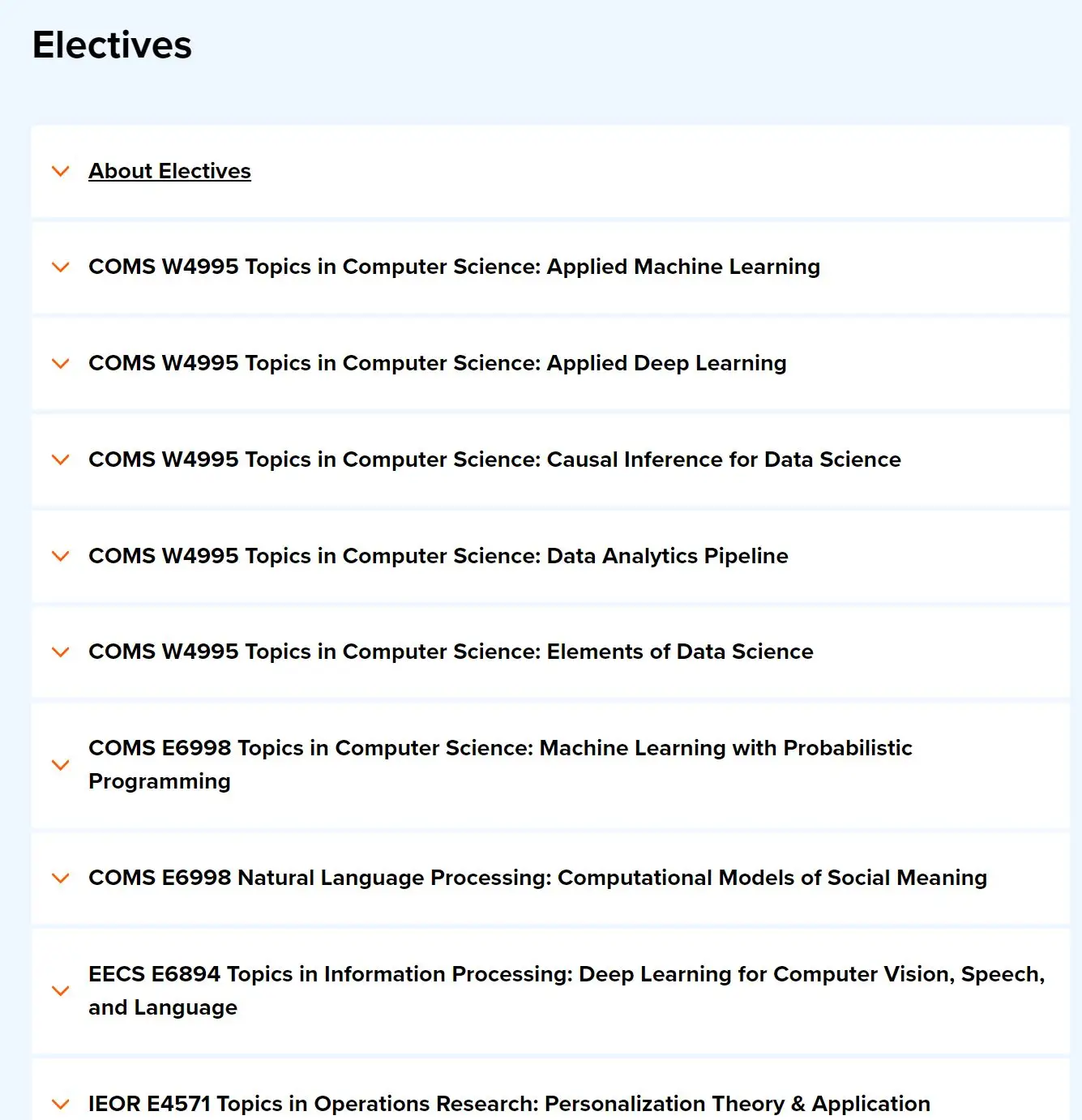
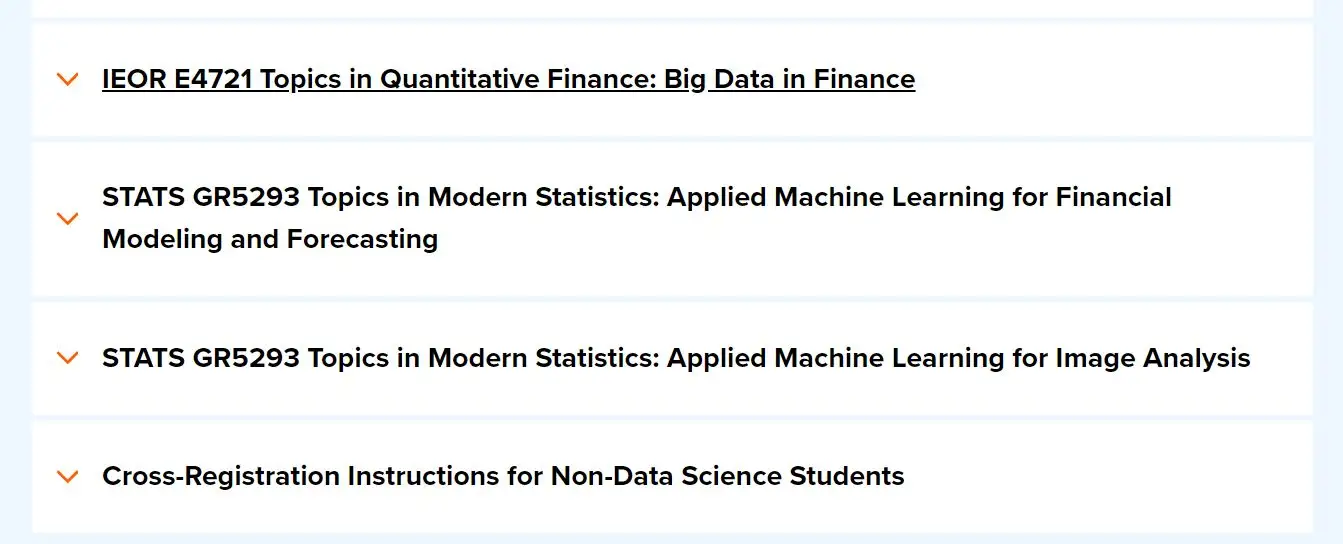
From the curriculum, we can see that courses span computer science, engineering, and statistics. Even in the electives, you can find machine learning, and in the financial domain, subjects like financial big data and financial modeling are available. The range of content covered is very broad.
Application Requirements:
GPA: 3.8+
GRE: 320+
Language Proficiency: TOEFL 100+ / IELTS 7+
Prerequisite Requirements: It is recommended to have taken relevant math courses such as linear algebra, probability theory, mathematical statistics, calculus, etc.; in computer science, it is recommended to have taken CS-related courses, such as programming languages like Python, R, Java, C++, etc.
Soft Background: Enhance research ability by seeking quantitative research during undergraduate studies. If that is not possible, major course projects can be used as alternatives. Secure 1-2 internships, ideally in data-related roles at data companies. However, in reality, such positions are often too critical and rarely open to interns. Therefore, it is advisable to look for internships related to statistics/quantitative analysis or computer science.
Career Development Directions:
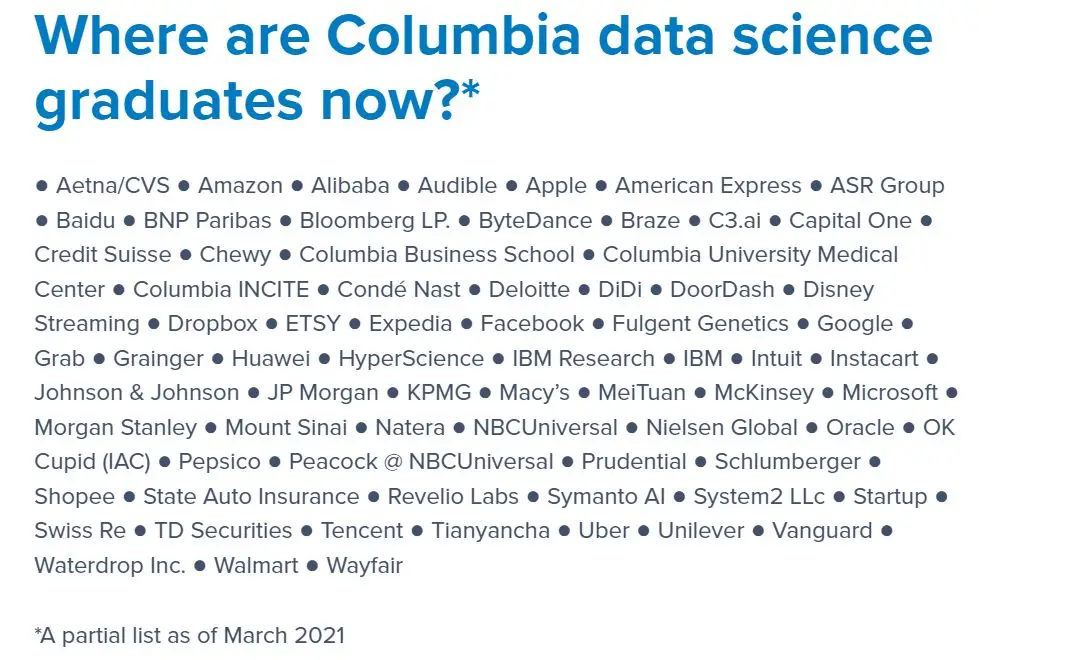
We can look at where Columbia graduates have gone, as shown in the figure:
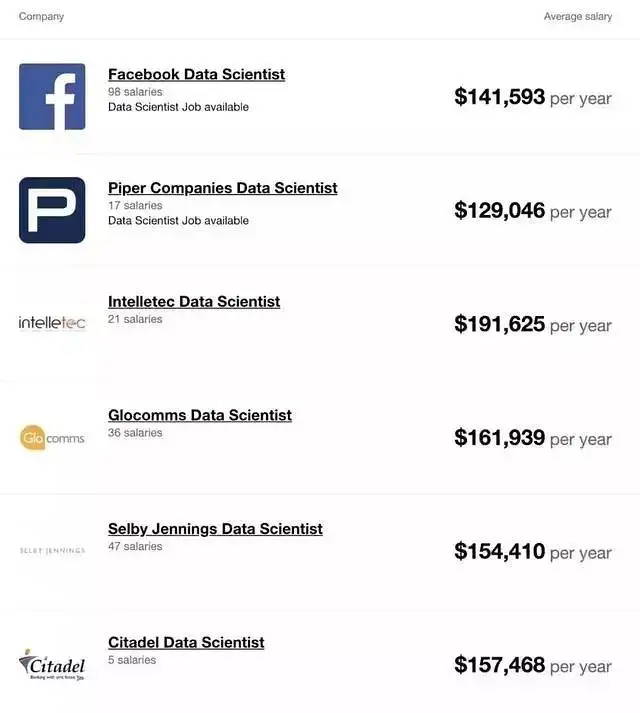
Salaries at some companies:
Major Career Paths in Data Science
The career directions for Data Science include: Machine Learning, Data Analysis, and Data Scientist.
1. Machine Learning Engineer: Their main job is to develop machine learning systems and use these systems to solve practical problems. What they produce are data products.
2. Data Analyst: This role, commonly known as analytics (product analytics or business analytics), involves extracting useful information from data, estimating return on investment, and making suggestions for product direction. The tools used are generally more basic, such as writing SQL queries to retrieve data and doing simple analyses with R/Python.
3. Data Scientist: This role focuses on advanced modeling, designing technical solutions for complex problems. Examples include Uber's ETA for ride-hailing, various pricing systems, Airbnb and financial industry fraud detection, and Amazon logistics management. These are tasks that cannot be solved simply by writing SQL or knowing how to code; they require deep domain knowledge.
Companies you can go to include: Amazon, Alibaba, Apple, Baidu, ByteDance, Microsoft, McKinsey, etc.
Here, I also recommend some other prestigious U.S. universities' DS programs:
Harvard - Health Data Science
Stanford - Education Data Science
NYU - Data Science
GTU - Data Science
Vanderbilt - Data Science
UCLA - Data Science
In summary, Data Science is undoubtedly one of the hottest majors for studying abroad, and the competition for admissions is extremely fierce. To secure a spot in a top-tier DS master's program, it is essential to start preparing early and enhance your application competitiveness from all aspects.
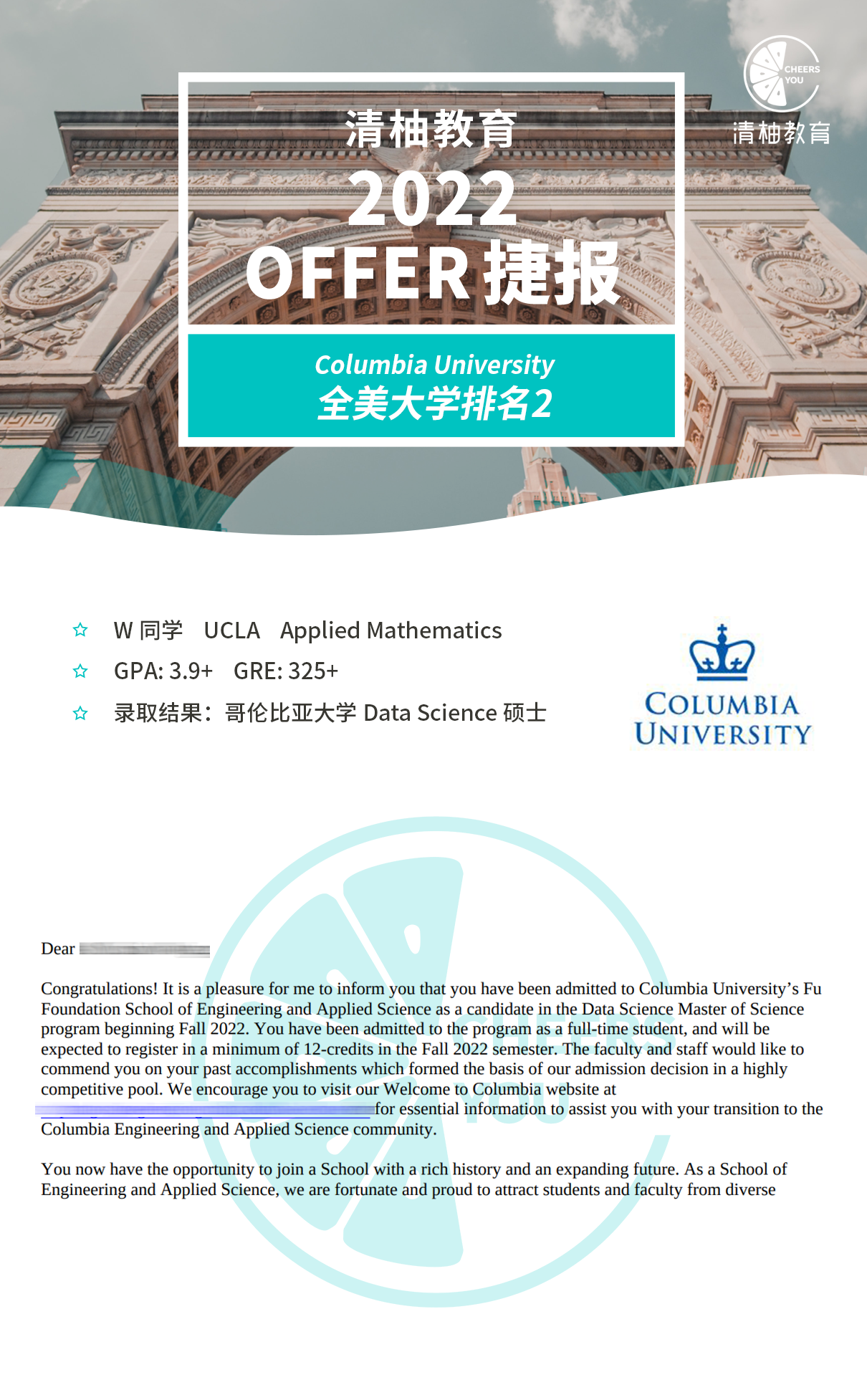
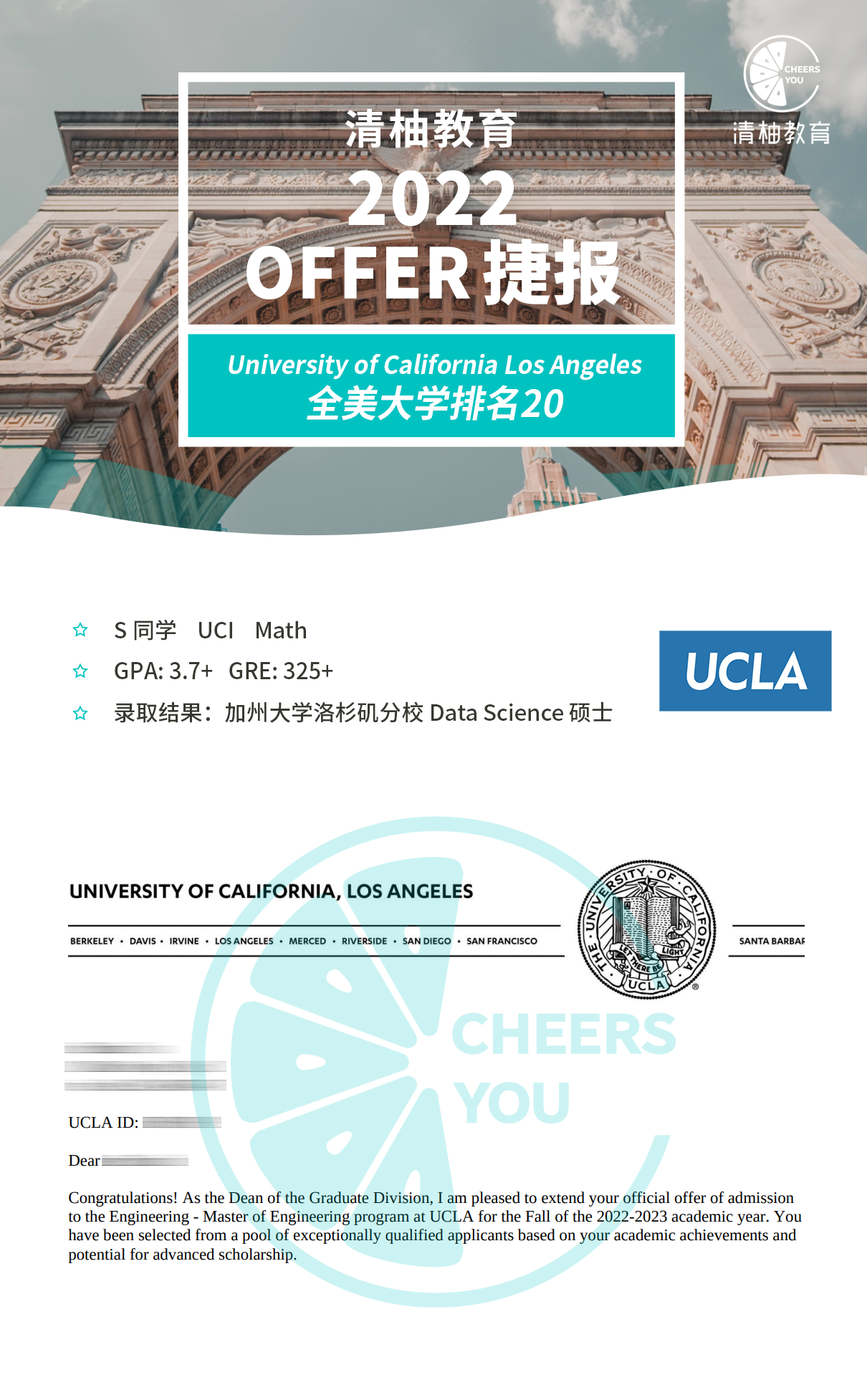
Attached are DS program offers from prestigious universities~
If you are interested in pursuing graduate studies in Data Science, feel free to scan the QR code below to start a one-on-one study abroad consultation~
.jpg?x-oss-process=style/opt-webp)