When it comes to popular application directions for studying in the U.S., media is undoubtedly on the list. The vast career prospects of media majors and the substantial demand for media talent both domestically and internationally have led more and more students to pursue advanced studies in this field. In recent years, the need for internationally trained media professionals in China has become even stronger than before, and the trend of going abroad to "gild" one's credentials has become increasingly fierce.
At this moment, the United States, as the global media superpower, becomes the top choice for students. So what are the directions for applying to media graduate programs in the U.S.? Which schools' media programs are stronger? Today, CheersYou(清柚教育) will give you an overview of the directions, popular schools, and programs for U.S. media majors, along with admission cases! If you want to learn more about media graduate application details, you can add CheersYou(清柚教育) consultant: qingyouge23 for more detailed information!

Available Directions for U.S. Media Graduate Programs
Currently, U.S. media majors are roughly divided into the following 5 directions:
1. Journalism
2. Communication
3. Public Relations
4. Advertising
5. Film/TV Production
1. Journalism Direction
This direction mainly involves the study of news gathering, writing, production, editing, post-production, dissemination, and equipment usage. Many U.S. universities offer journalism courses based on different media, including broadcast, television, and online directions.
Currently, the Journalism direction in U.S. graduate programs can be roughly divided into three categories: Print, Broadcast, and New Media. Among them, New Media is the hottest and most promising, with its influence and commercial value growing year by year. Graduates in this field can work in newspapers or publishing houses, or engage in news work for radio and television media; they can also participate in online media promotion, content editing, and other work.
2. Communication Direction
The Communication major mainly studies the basic theories and knowledge of media communication, as well as various issues of how people use media to exchange information. It is a foundational discipline, closely related to economics, anthropology, philosophy, psychology, linguistics, semantics, and many other subjects.
Under the Communication direction, there are some common branches, such as:
· Communication Studies
· Mass Communication
· Interpersonal Communication
· Organizational Communication
· Communication Management
· Rhetorical Studies, etc.
3. Public Relations Direction

Public Relations (PR) is an interdisciplinary field at the intersection of various disciplines. It primarily studies the activities and laws of social public relations, with research content closely linked to media and markets.
PR graduates have a wide range of employment options, including PR firms, corporate marketing or PR departments, government agencies, and news media. Work typically involves crisis management, social media operations, planning and organizing offline PR events, and evaluating their effectiveness.
4. Advertising Direction

The Advertising major leans toward marketing and planning and is closely connected with business. It mainly studies the history and theory of advertising, as well as the strategy, production, and management of advertising products.
Note: Advertising design (in the fields of graphic or digital media) is often classified under design majors and requires applicants to have some design/art foundation; the Advertising major discussed here has a broader scope, including not only ad design but also ad production, placement, integration with marketing, and post-campaign monitoring and effectiveness assessment, with a focus on commercial application.
Employment directions for Advertising graduates include: corporate advertising departments, advertising agencies, etc., engaging in management, ad planning, production, monitoring, and marketing planning.
5. Film & Tv Production Direction
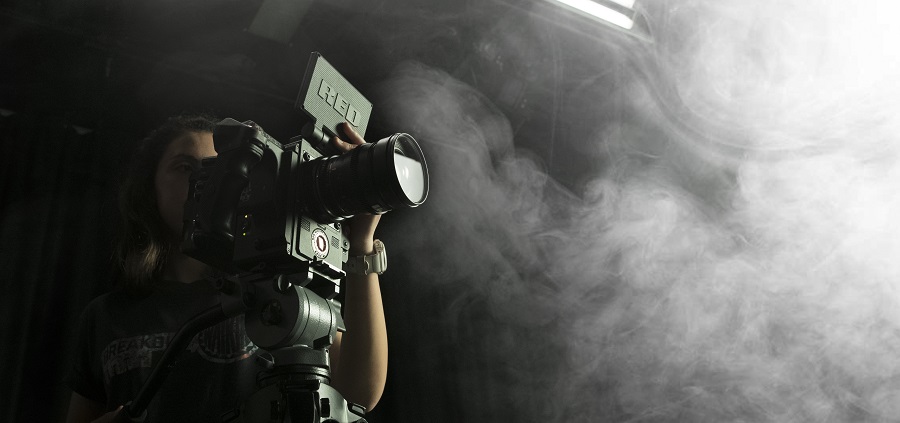
The Film & TV Production major is divided into two sub-directions: film and television theory, and film and television program production. The production direction includes: directing/art directing, scriptwriting, cinematography/program shooting, post-production editing and special effects, etc. Applying for film programs typically requires submitting a portfolio (which may include demo shorts, paintings, photography, graphic design, audio, scripts, etc.), depending on the specific school and program. This major is more suitable for undergraduates in film/TV.
Employment directions for Film & TV Production graduates: they can pursue careers as directors, screenwriters, producers, cinematographers, editors; as well as entertainment management roles, such as distribution managers, PR directors, producers, agents, and so on.
Five Hot U.S. Universities for Media Majors
1. Stanford University
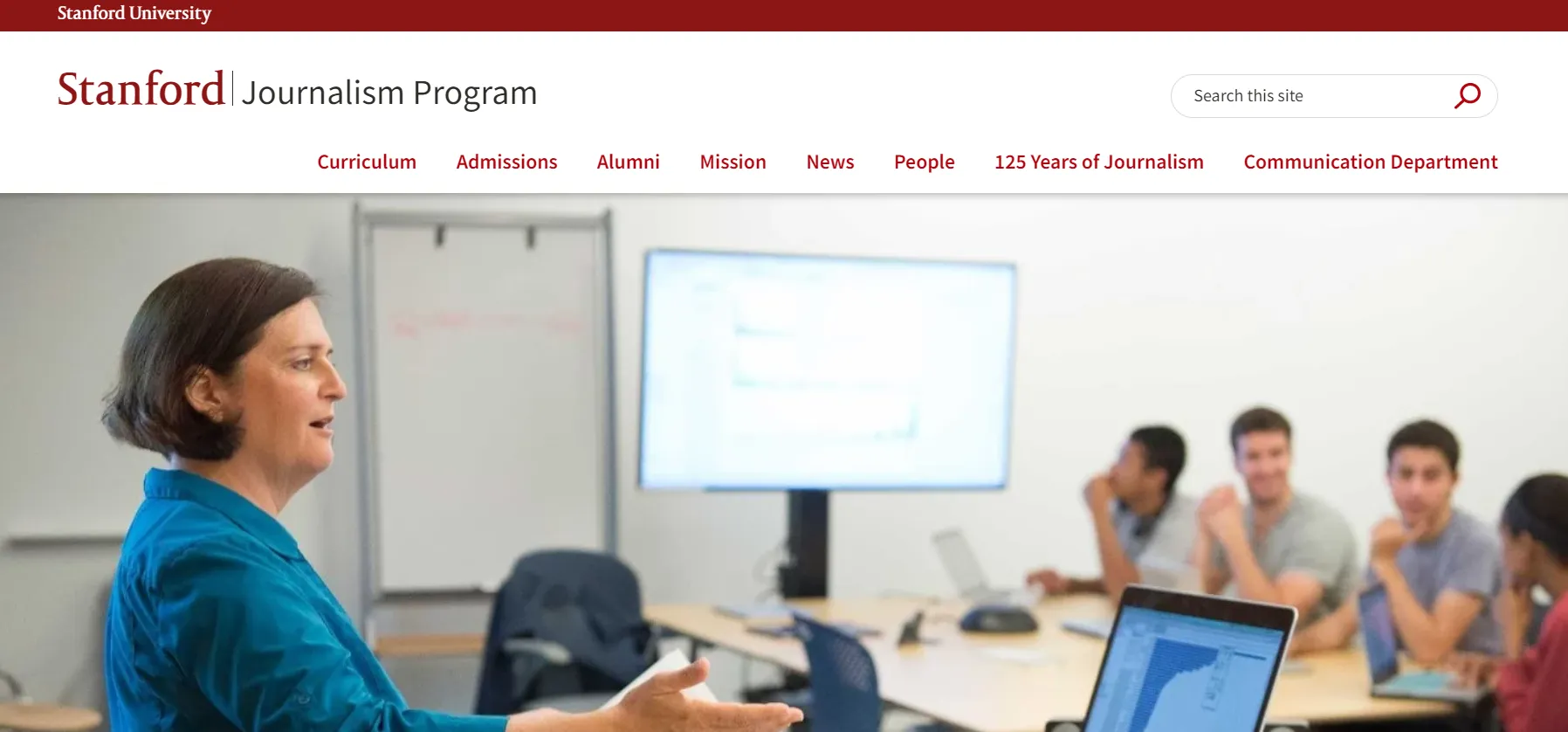
Stanford University's journalism program boasts a very strong faculty. Students here can receive instruction from professionals at major news outlets such as The Washington Post, The New York Times, and The Wall Street Journal. Stanford also offers various hands-on projects for students to apply their knowledge and gain experience for employment.
Website: https://journalism.stanford.edu/
2. University of Southern California
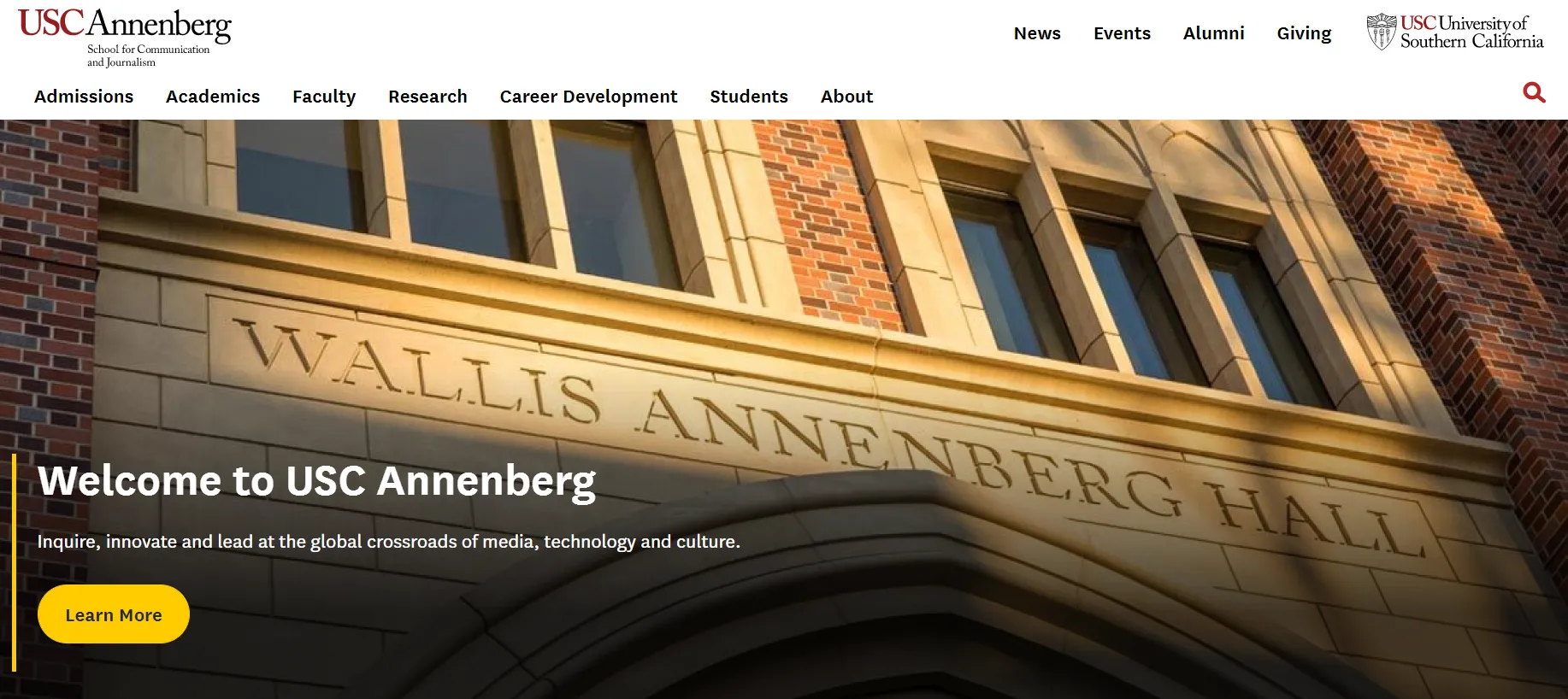
USC's media programs are ranked number one in the U.S., and its location is a major plus. Located in downtown Los Angeles, near Hollywood, students can seize many opportunities in the film and television industry.
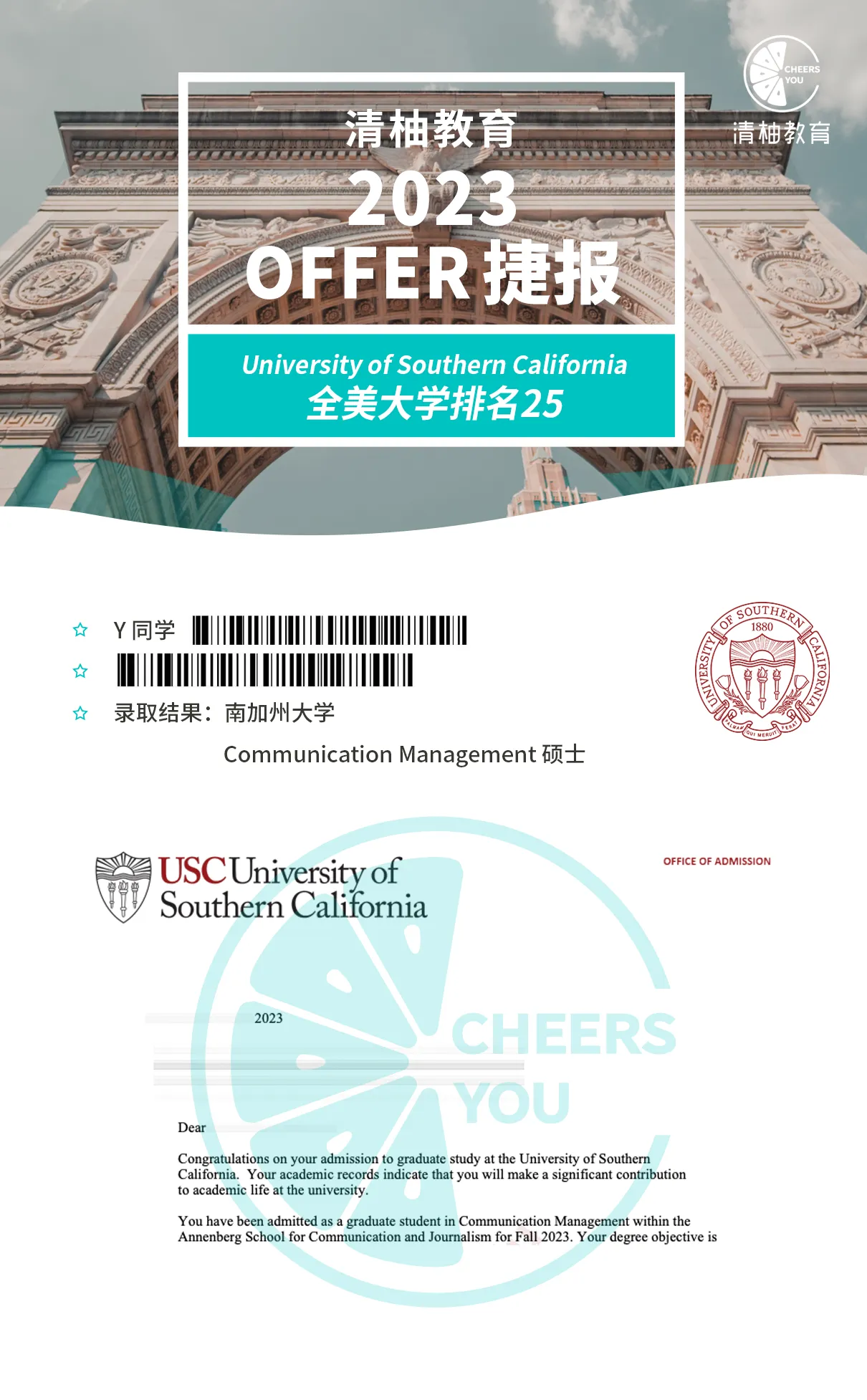
Meanwhile, USC Annenberg School for Communication and Journalism offers numerous master's program directions, with popular programs including Communication Management, Global Communication/Global Media, Digital Social Media, and Journalism.
Website: https://annenberg.usc.edu/
3. Northwestern University
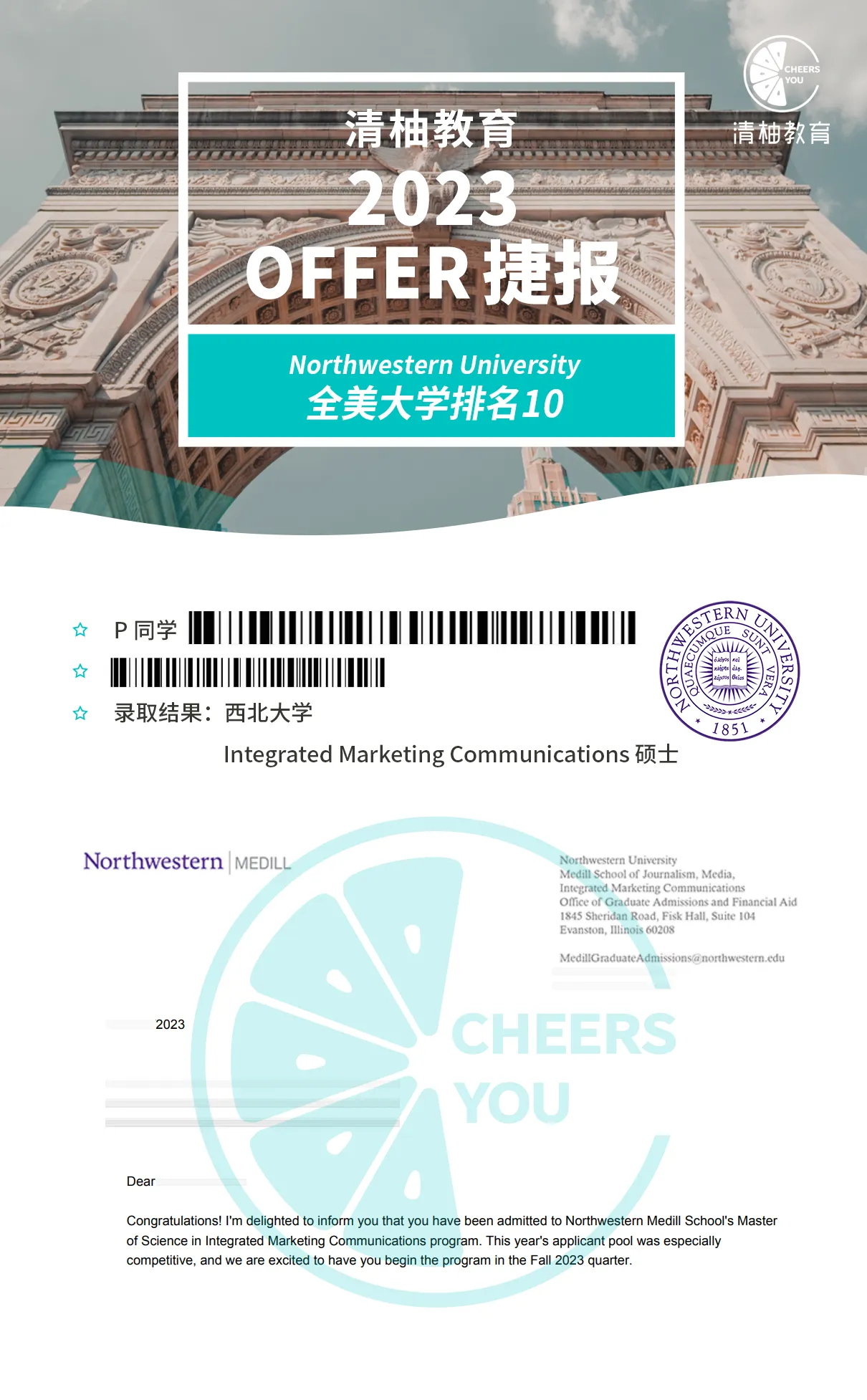
Northwestern University collaborates with globally renowned companies and has a very strong faculty. Its Integrated Marketing Communications (IMC) program is highly favored by international students. The Integrated Marketing Research Center faculty includes senior industry professionals from advertising, marketing, PR, and other sectors at multiple multinational corporations.
Website: https://www.medill.northwestern.edu/imc/
4. Columbia University
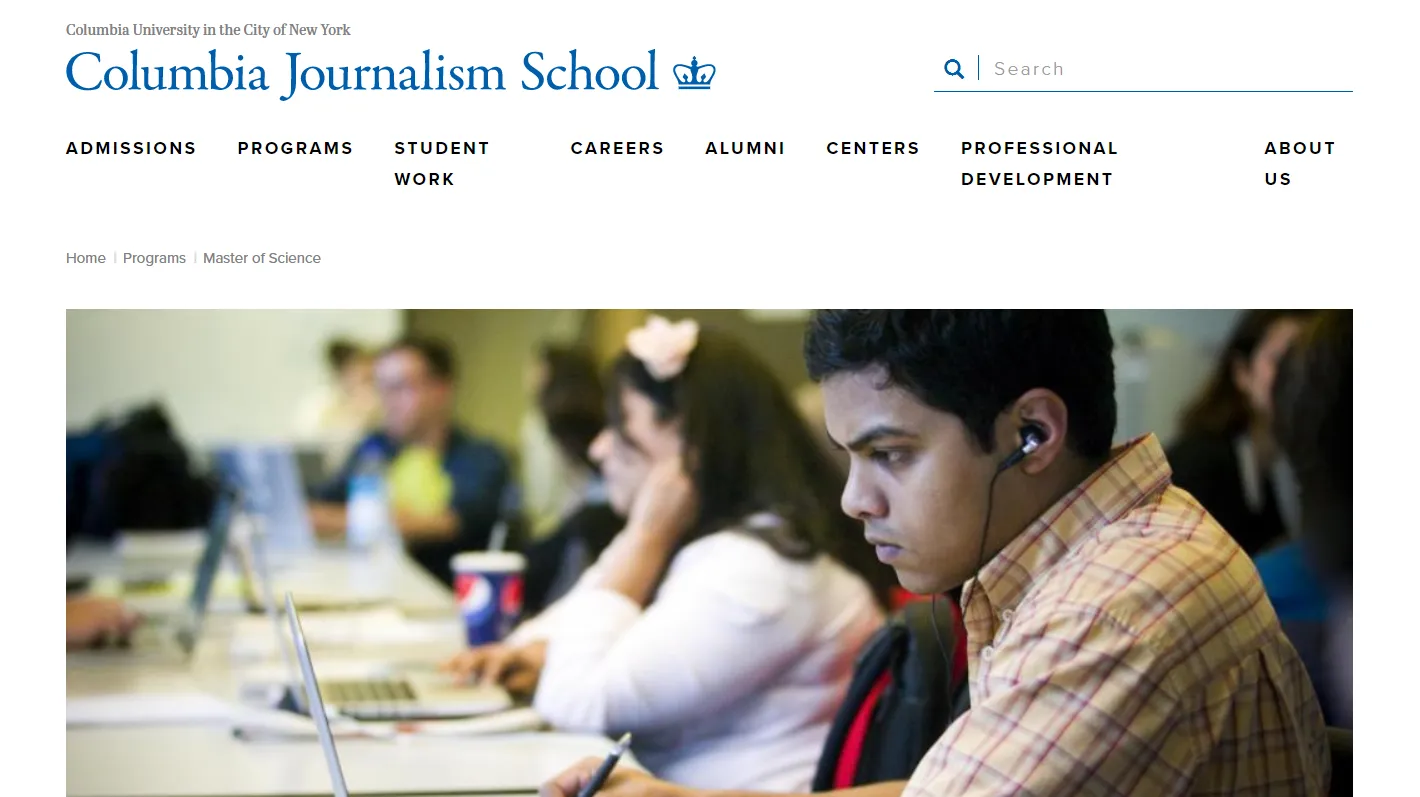
Among the Ivy League universities, only Columbia University has a journalism school. The Pulitzer Prizes, the highest honor in American journalism, are selected and awarded by the Columbia Journalism School. Coupled with its location in New York, the economic hub of the U.S., Columbia's journalism program is undoubtedly outstanding.
Website: https://journalism.columbia.edu/
5. University of California, Los Angeles
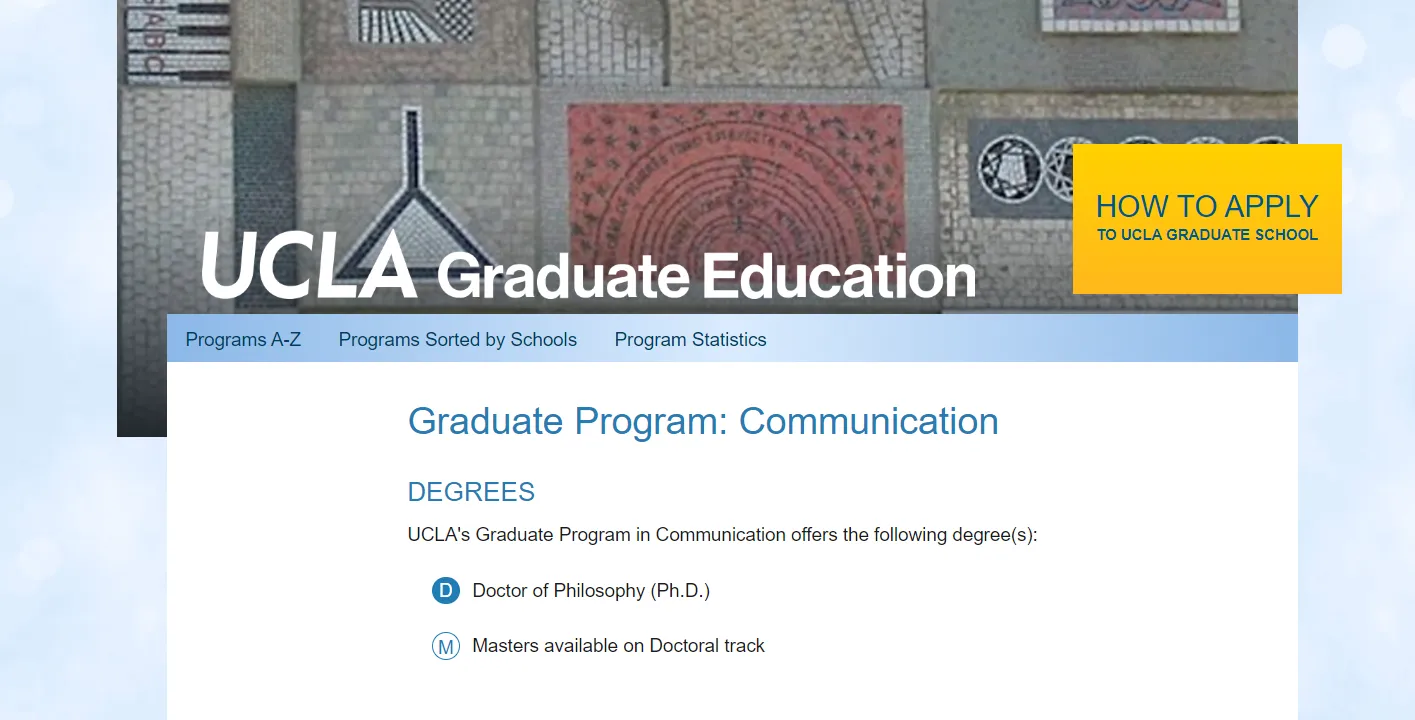
UCLA's Communication program is also renowned. Its M.A. in Communication (A.S. Communication) covers a very wide range of research areas, including journalism, communication, law, education, economic management, sociology, and more. Students not only learn journalistic writing skills here but can also become experts in a specific news field, fully integrating knowledge from communication studies with other disciplines.
Website: https://grad.ucla.edu/programs/social-sciences/communication/
Below are some offers for U.S. media graduate programs~
Final note: Your choice of major should be based on your undergraduate major, personal interests, and future career development directions. If you have any questions about studying media abroad, feel free to scan the QR code below to consult~