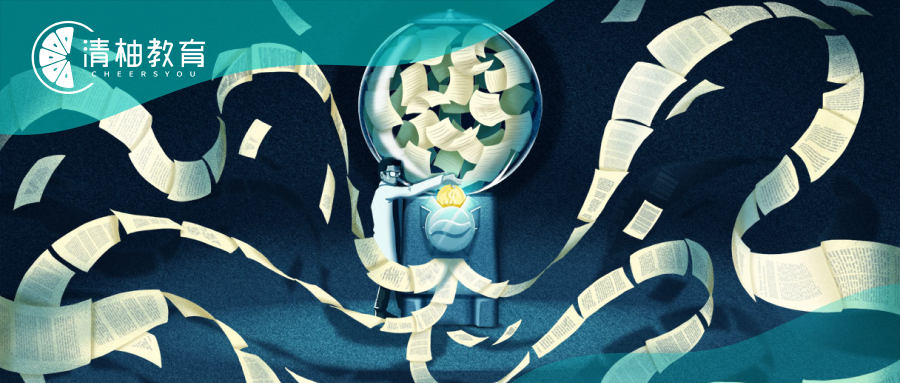
Recently, Bernhard Sabel, editor-in-chief of a prominent academic journal, used a paper fraud detector to examine 5,000 papers, and the results left him shocked: up to 34% of neuroscience papers published in 2020 were suspected of plagiarism. In medical papers, the rate reached 24%, far higher than the 2% baseline estimated in 2022.
Sabel said, "It's incredible, like someone telling you that 30% of what you eat is poisonous."
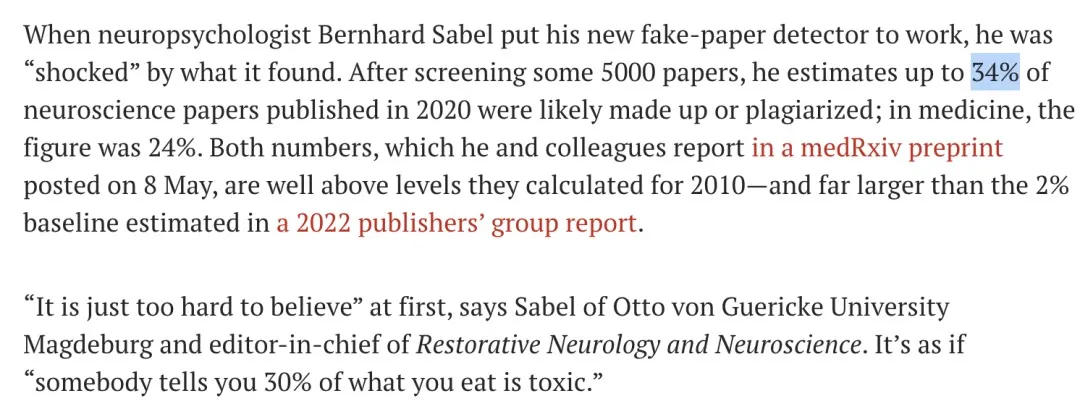
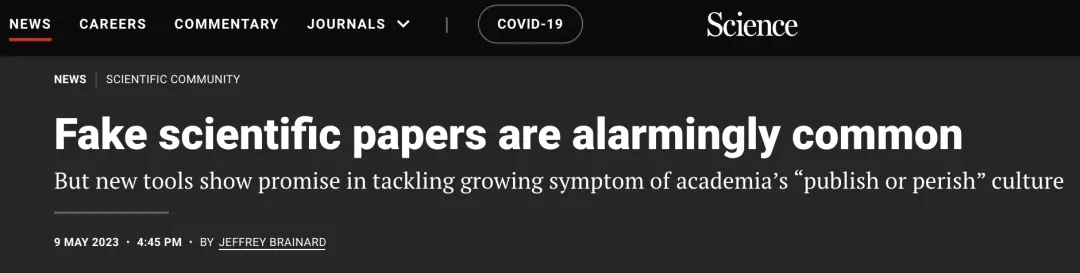
This article, published in the top U.S. academic journal Science, reveals the rampant chaos of paper fraud in the scientific community.
The Academic Fraud Industry Chain
The detection method Sabel used may not be perfect, but it still exposes the tip of the iceberg of the paper mills' shadow industry chain.
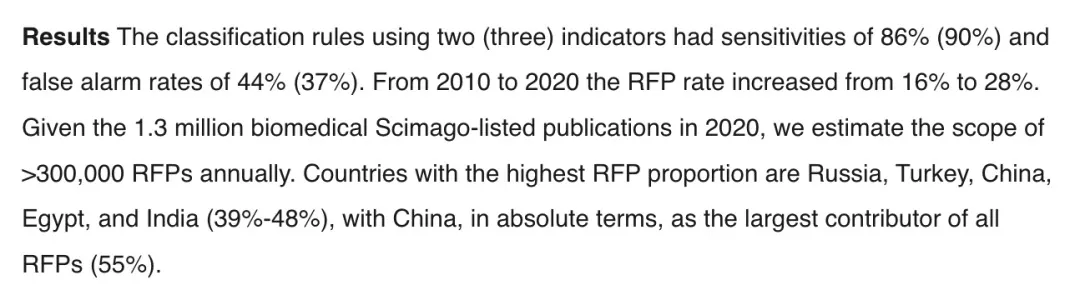
According to a report Sabel published on medrxiv, the proportion of suspected fraudulent papers rose from 16% to 28% over the 10 years from 2010 to 2020. Biomedicine is the hardest hit, with 300,000 papers suspected of fraud in 2020 alone.
Suspected fraudulent papers mainly come from China, India, Russia, Turkey, and Egypt. Among them, China accounts for as much as 55%.
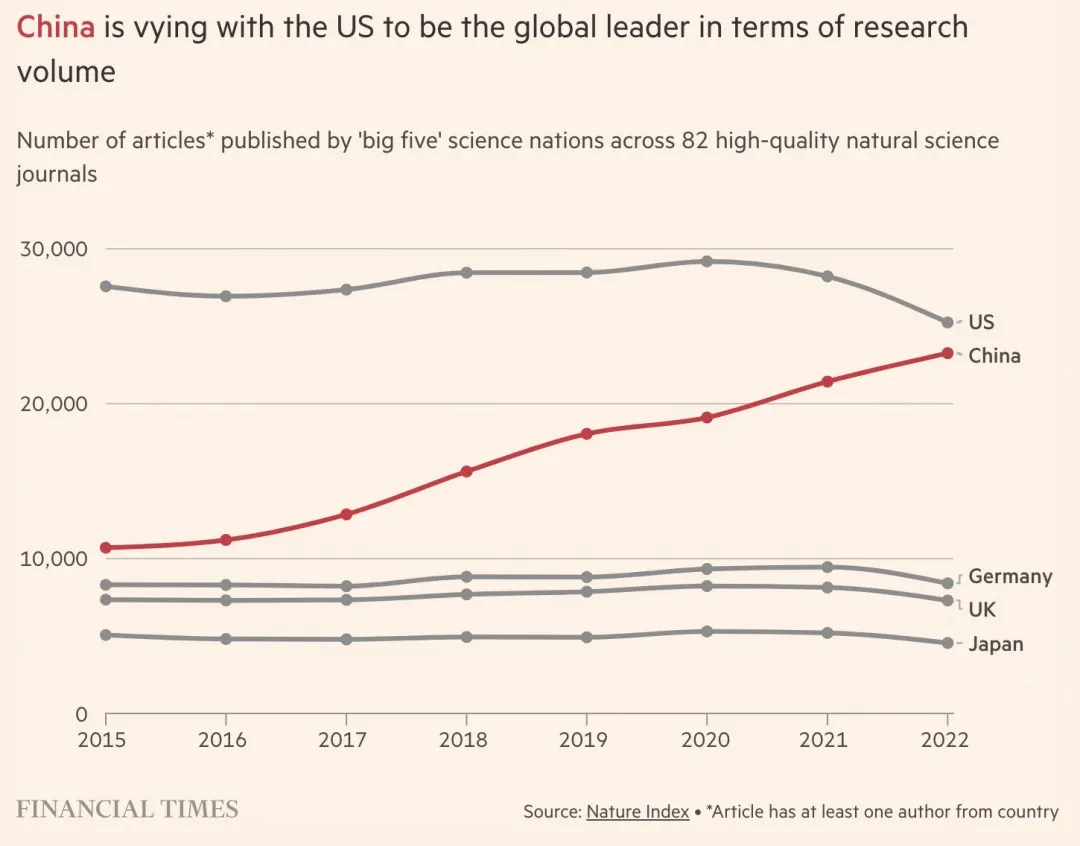
Data from the U.S. Institute for Scientific Information shows that over the past 20 years, China has become one of the world's most prolific producers of scientific papers. In 2021, 23% of all published scientific papers globally came from China, totaling about 3.7 million, second only to the U.S., which ranked first with 4.4 million.
The massive volume of paper publications has also fueled the paper mill industry chain behind it.
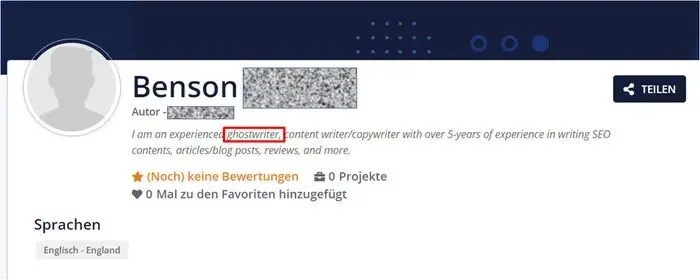
Whether it's Google, Baidu, or social media, they are flooded with ads for paper mills. Buyers in need simply contact agents to get a paper, with no direct contact with the ghostwriter throughout the process.
These underground workshops use advanced AI technology for text generation, data statistics, image processing, etc., to create fakes that look real. Some even guarantee publication in top journals like SCI, charging between $1,000 and $25,000 depending on difficulty.
According to Sabel, on some websites specializing in selling ghostwritten papers, users can even see completed manuscripts with specific topics; customers simply choose and order what they need.
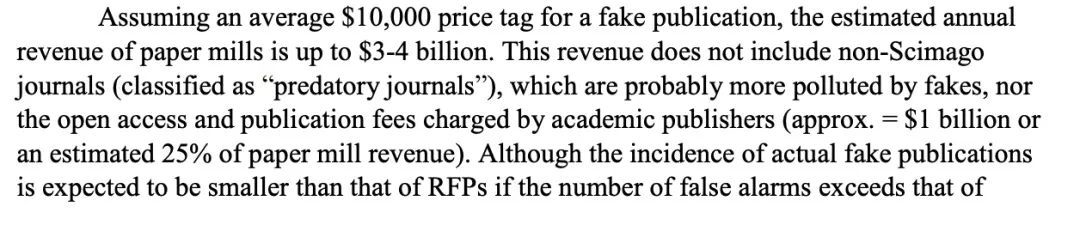
Based on an average price of $10,000 per fraudulent paper, the annual revenue of the paper fraud industry could reach $3 to $4 billion.
The ghostwriters are mainly students, scholars, and consultants in the scientific field, and they are highly productive. One small workshop claims to have over 300 writers globally, steadily producing more than 100 publishable academic papers per month.

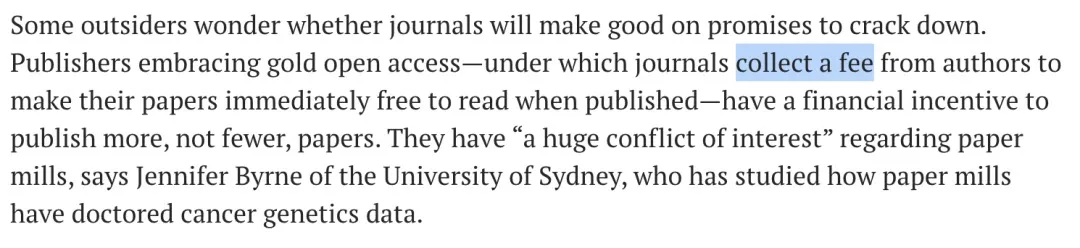
Besides profiting the writers, some mills also try to bribe journal editors to give the green light to fraudulent papers. As an editor-in-chief of a medical journal, Sabel has received invitations from paper mills offering very attractive compensation.
The problem of academic fraud has a long history, and the paper ghostwriting industry chain didn't emerge overnight.
The International Association of Scientific, Technical and Medical Publishers (STM) also published a survey report titled "Paper Mills" in 2022. The report showed that between 2019 and 2021, about 14% of submissions to journals were suspected of being fraudulent.
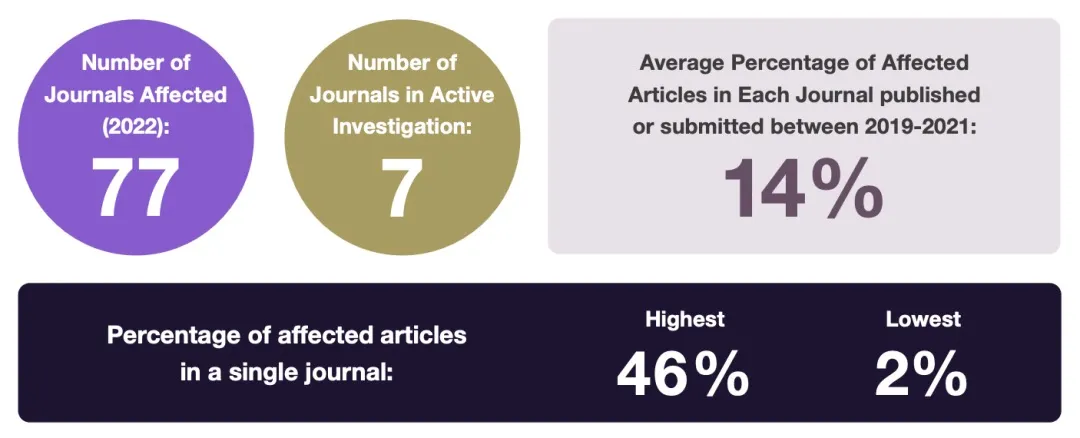
Paper fraud has become the biggest contemporary academic fraud, not only wasting resources but also likely causing misinformation.
Does Ghostwriting End Up in Africa?
When you search for "ghostwriting"-related keywords on Google or Baidu, tens of millions of results instantly appear, with the top ones mostly being ads for ghostwriting platforms.
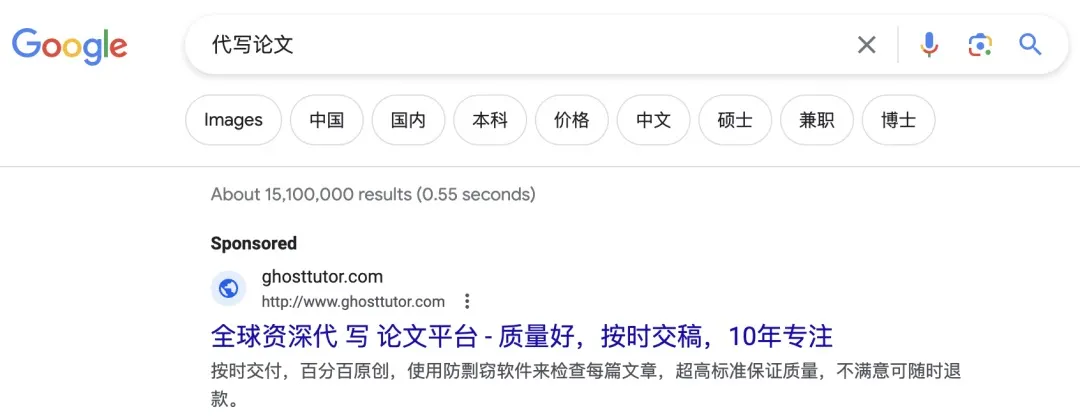
Various study-abroad groups on your phone are also bombarded with ads promising "24/7 online," "revise anytime," and "guaranteed pass," firmly grasping the pressure of deadline-driven students.
But you might never imagine that the person on the other end typing your paper could be a young African man.
BBC investigations reveal that many students hire others to write their papers, but after layers of outsourcing by middlemen, your paper might end up in the hands of someone in Kenya. Ghostwriters can earn thousands of dollars a month from ghostwriting, a very substantial income locally.
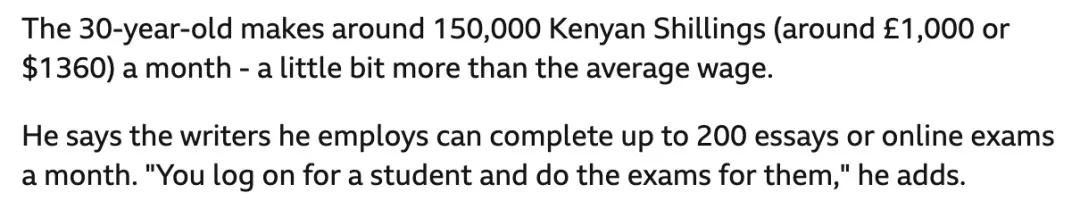
These African writers have never set foot outside their country, but they may understand final exam syllabi better than Ivy League professors and know cutting-edge academic theories better than students at top universities.
On the streets of Kenya's capital, recruitment ads for such positions are everywhere.
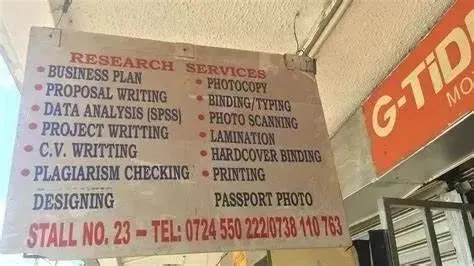
For a long time, Kenyans have been thriving in the ghostwriting business. From ghostwriting and proxy exams to helping you obtain a university degree, they offer a one-stop contract cheating service for Western students.
Some ghostwriting rings create "academic groups" on Facebook and Telegram to manage users and conduct transactions, with members numbering in the tens of thousands.
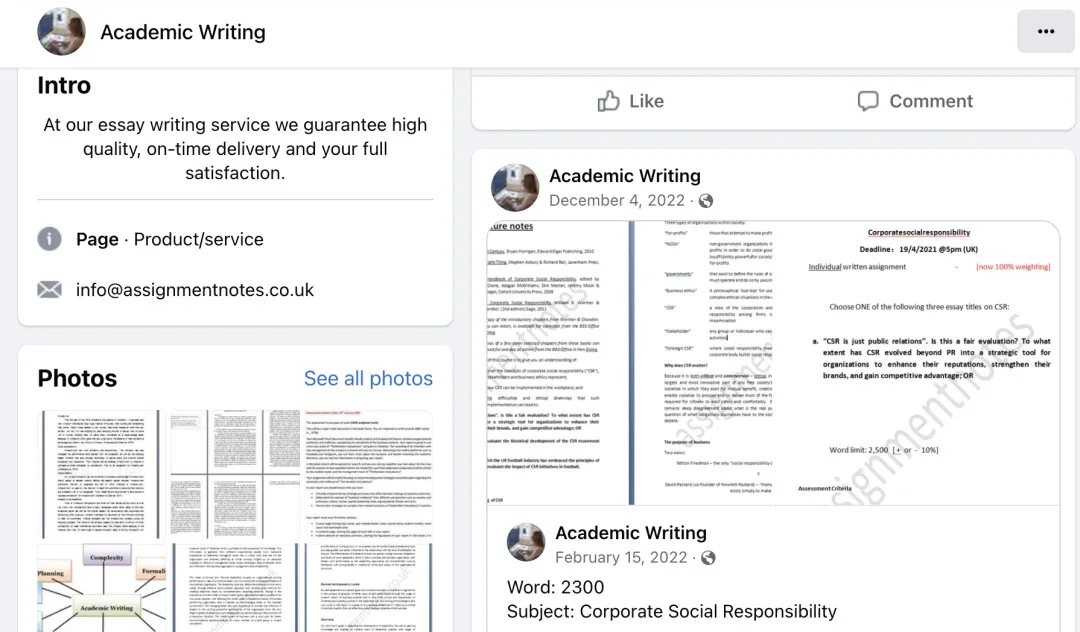
However, you'll notice many ghostwriting websites feature photos of white people on their homepages—this is an unwritten rule in the Kenyan ghostwriting industry: never let clients discover the writer is Kenyan.
As bottom-tier subcontractors, it's not easy for them to own an account on those ghostwriting websites. Buying a reputable ghostwriting account can cost up to $4,550. But to get customers, they have no other choice.
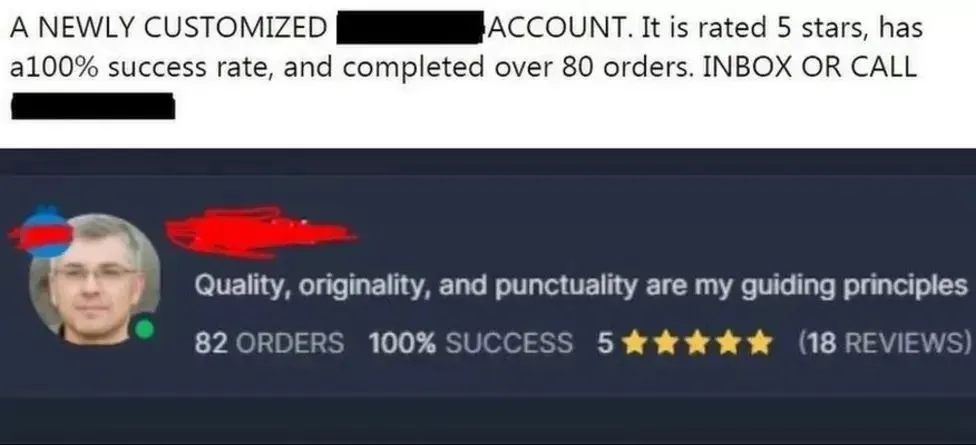
Kenyan ghostwriting is cheap and high-quality, starting at $2 per page, but the bulk of the profits definitely goes to the middlemen. Yet an income of several thousand dollars a month still attracts many Kenyans. By earning money from ghostwriting, they not only completed their own university studies but even built houses.
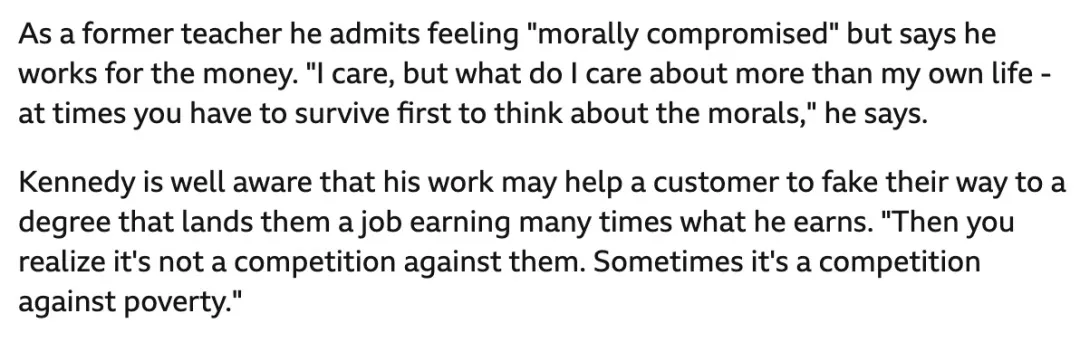
One ghostwriter said, "I used to be a teacher and earned too little, which can't compare to what I make ghostwriting. Do I feel morally condemned? Yes, I feel uneasy, but a person has to survive before worrying about moral issues."
A Senior Official's Daughter Committed Academic Fraud and Still Got into MIT?
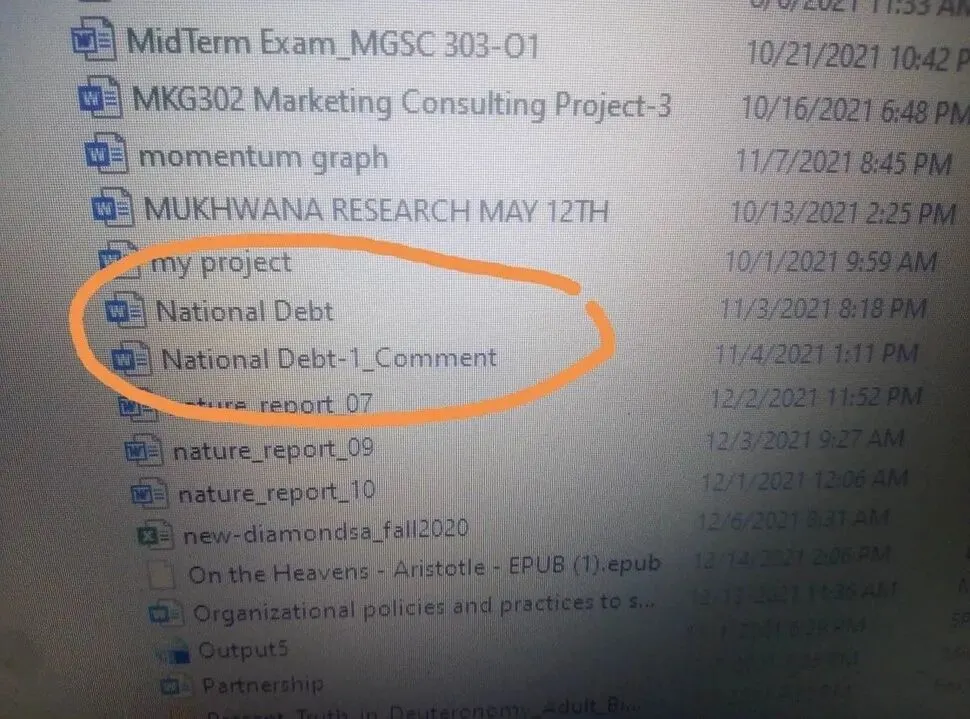
In the recently erupted MIT admissions scandal involving academic fraud, one of the major papers by Alex Han, the daughter of a high-ranking Korean official, came from a professional ghostwriter in Kenya.
In an interview with Korean media, the writer showed a screenshot of the order on his computer, prominently featuring that paper on national debt and economic principles👇
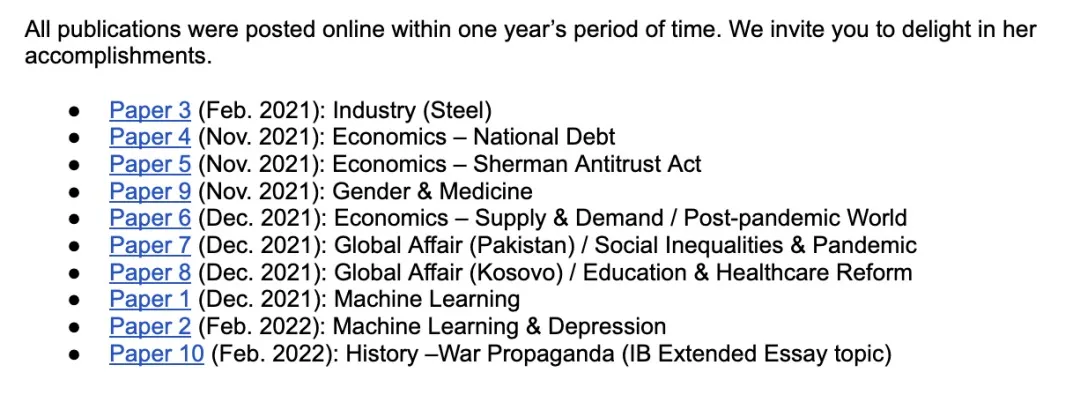
Within a year, Alex Han published 10 top academic papers and 5 e-books, covering fields ranging from politics, economics, history, sociology to STEM.
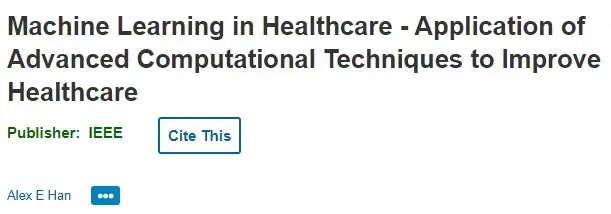
She even published two papers in IEEE, an authoritative body in electronic engineering. At first glance, it looked like a genius high school girl racing to publish in SCI journals.
How many shadow writers were behind such productive and high-quality papers remains unknown.
According to a petition on Change.org by Korean parents, these papers all involved academic misconduct such as plagiarism, ghostwriting, article spinning, and fabrication.
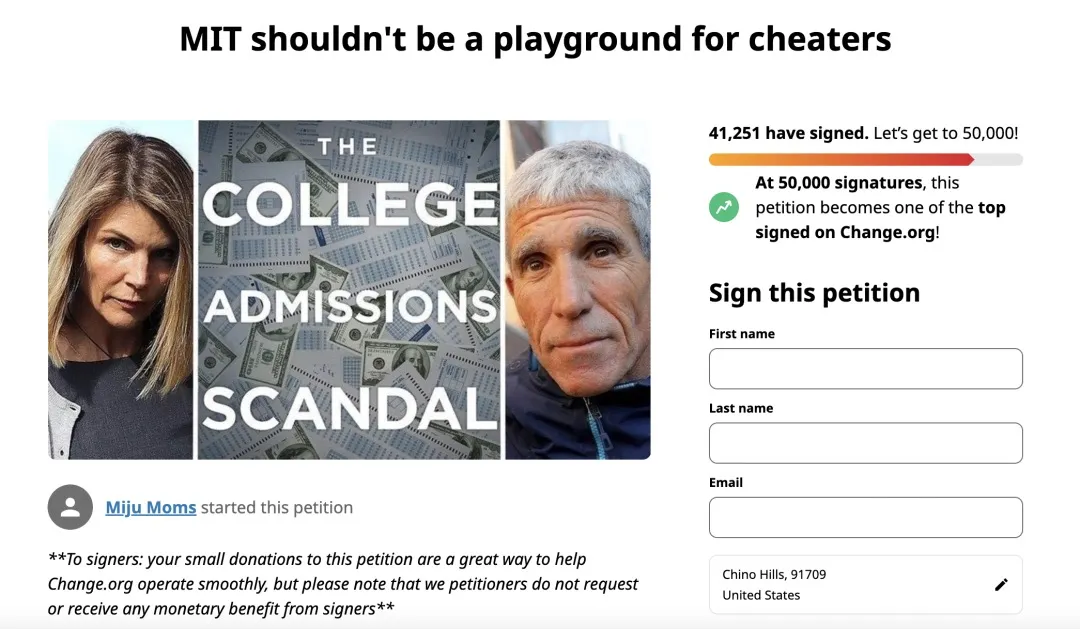
Yet regardless of the truth, she still received admission to MIT, one of the world's top universities.

Even the Stanford President Engaged in Academic Fraud?
Not only do students commit paper fraud, but even prestigious university presidents do as well.
Last November, The Stanford Daily reported that multiple papers published by Stanford President Marc Tessier-Lavigne showed signs of image manipulation, suggesting possible academic misconduct.
.jpg?x-oss-process=style/opt-webp)
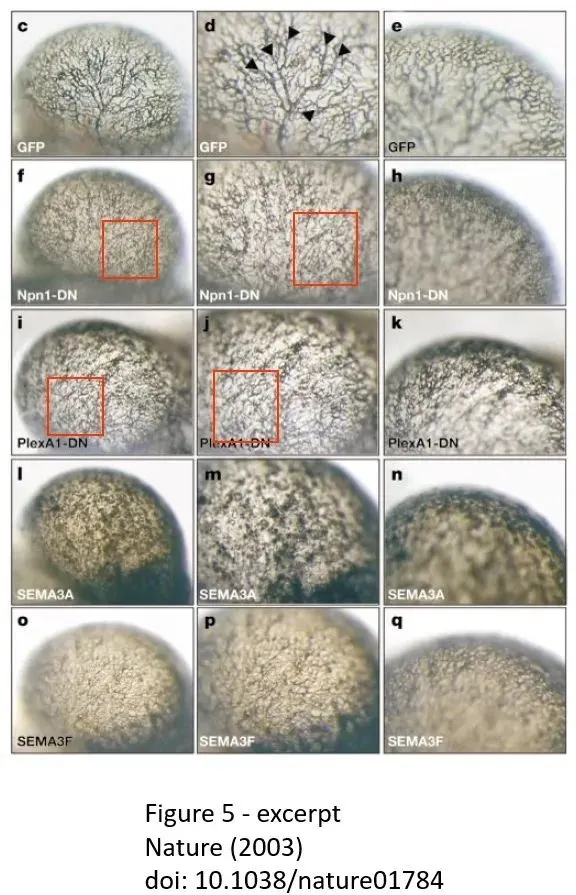
The initial whistleblower was Elisabeth Bik, a well-known "academic watchdog," who posted her concerns on The Daily, pointing out that papers authored by President Lavigne in Science, Nature, and EMBO Journal contained suspected data fabrication.
Bik claimed there were numerous traces of Photoshopping in the images of papers bearing Lavigne's name, suggesting image manipulation was used to make data fit the paper's needs.
For example, a lab image used in a paper published in Science appeared to be simply the same picture rotated to claim "groundbreaking research on the cause of Alzheimer's."
Once the news broke, academia was in uproar.
After all, Lavigne is a titan in the field of neuroscience, having served as president of several top universities and chief scientific officer of a renowned pharmaceutical company, and was awarded Canada's highest honor, the Order of Canada.
And you're telling us these achievements relied on Photoshop❓
Recently, his former company Genentech came forward to refute the claims, stating they interviewed 35 relevant personnel and "found no evidence of intentional fraud."
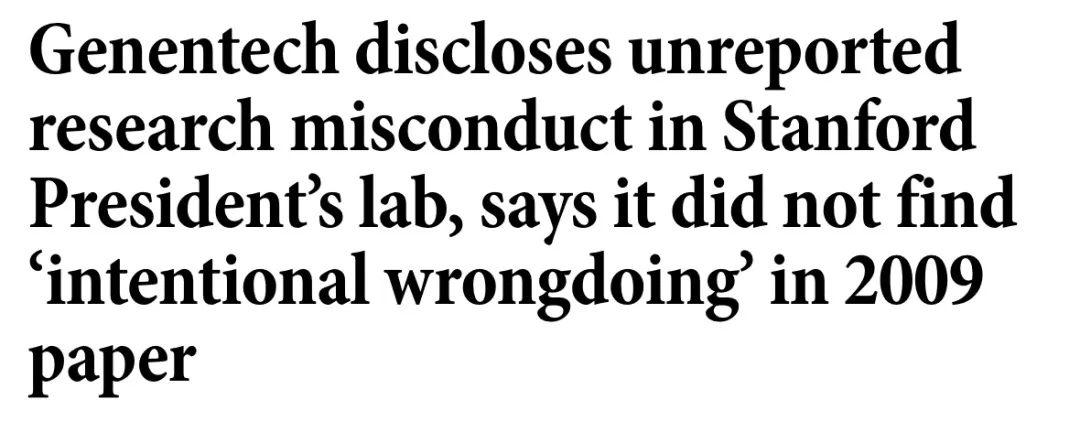
However, at least one of those interviewed had anonymously disclosed to the media that the research was suspected of fraud.
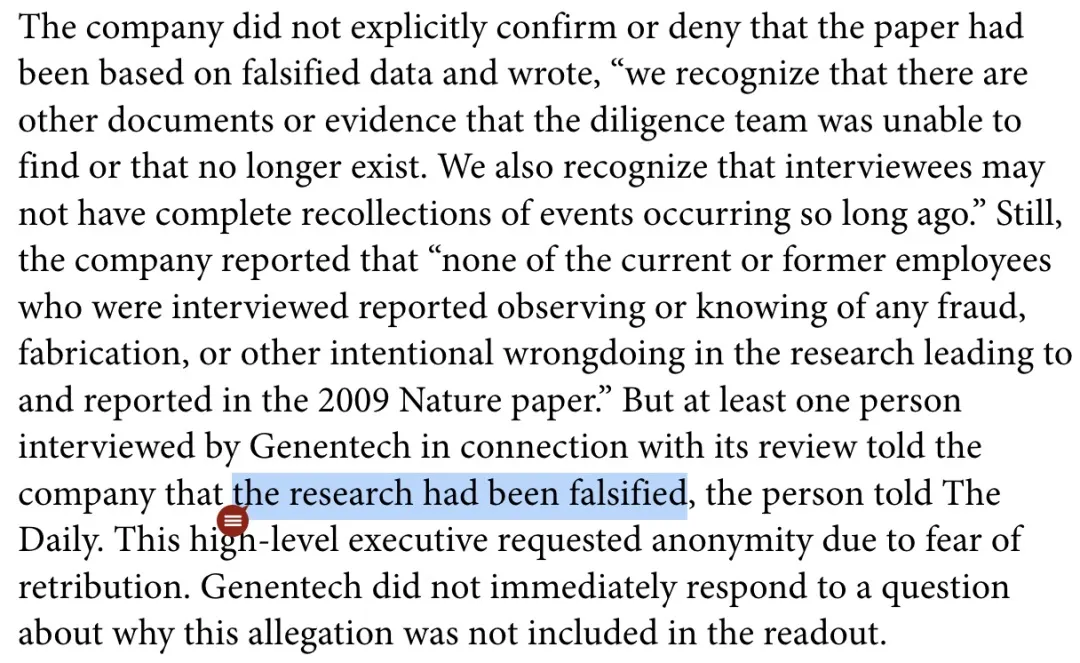
But in these suspected fraudulent papers, Lavigne was merely a co-author, so he claims to know nothing😅
And President Lavigne himself steadfastly refuses to speak, leaving the truth a Rashomon-like puzzle.
As times evolve, so do the techniques of academic fraud. With powerful AI imaging software like Midjourney now available, Photoshop is no longer needed; with good prompts, any image can be generated directly.
Is ChatGPT Being Banned by Academia?
With the advent of the artificial intelligence era, future academic fraud may become even more covert. Simple plagiarism checkers and AI detection tools might not catch it.
The recently viral ChatGPT has become a "paper ghostwriting magic tool," its powerful algorithms and databases making fraudulent papers more closely resemble genuine originals and harder to detect.
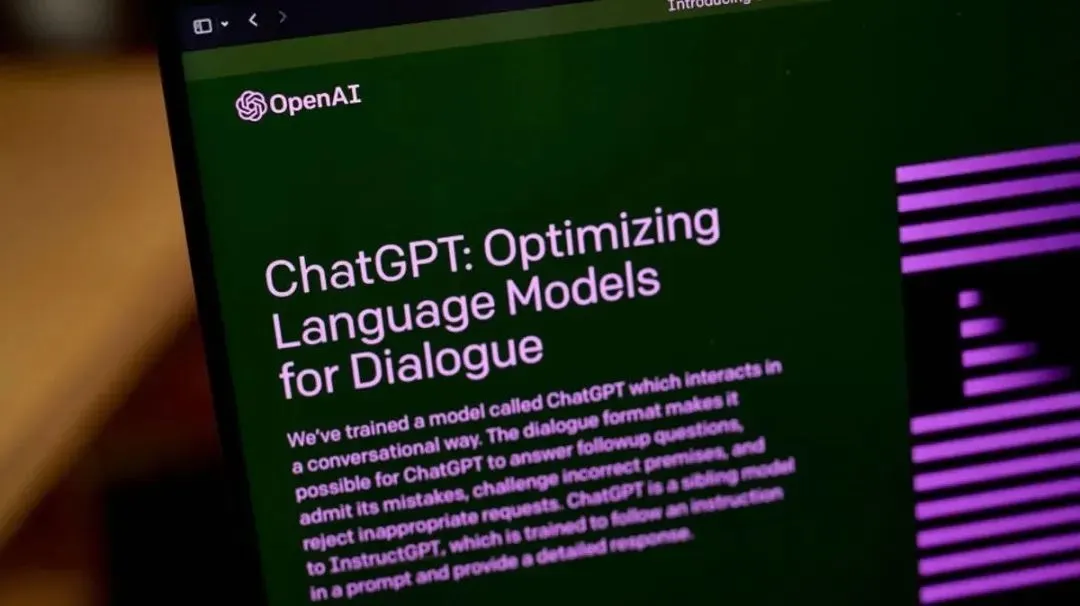
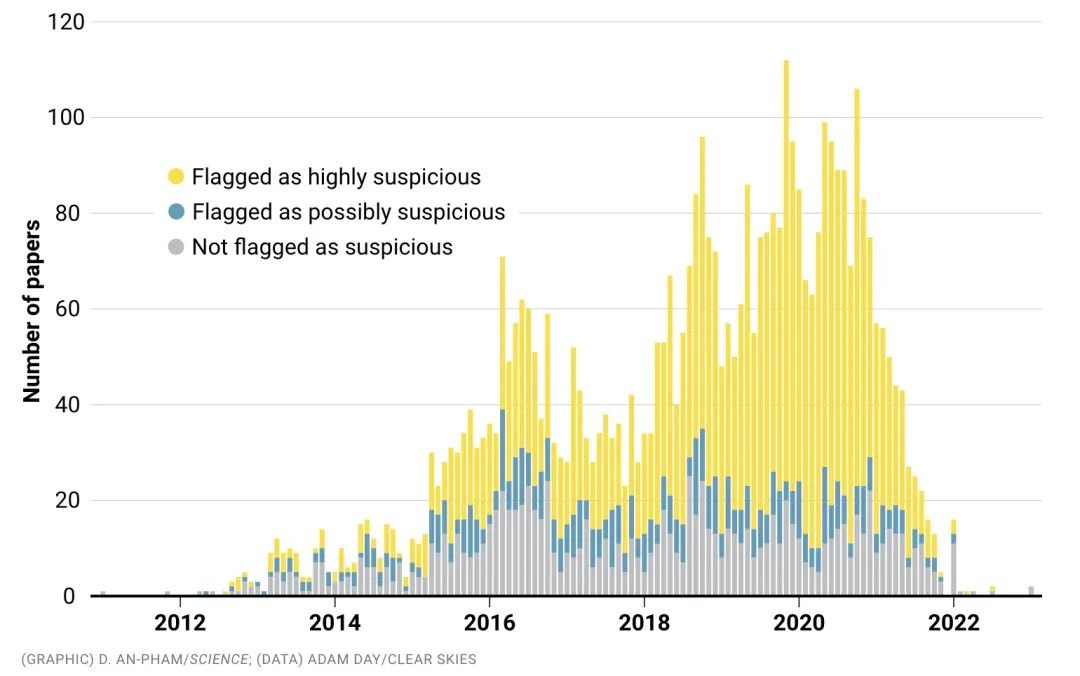
Research data shows that after 2021, the amount of paper fraud detected by institutions dropped off a cliff. This may not necessarily mean fewer fraudulent papers, but rather that the methods have become more sophisticated.
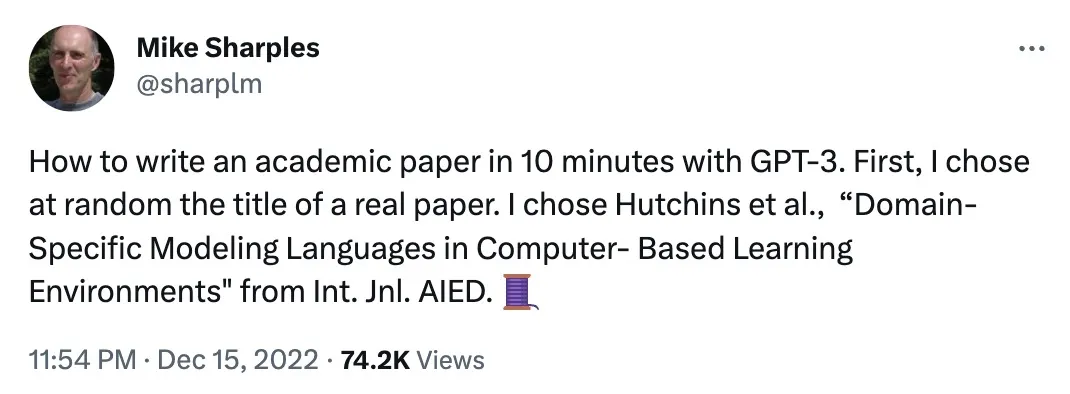
Professor Mike Sharples exclaimed on Twitter: "ChatGPT can create an academic paper in 10 minutes."
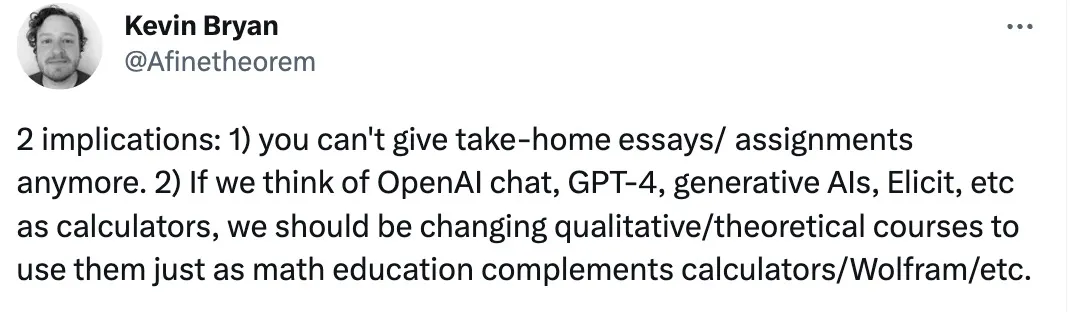
Kevin Bryan, an associate professor at the University of Toronto, also tweeted: "Can no longer assign take-home exams or assignments... ChatGPT's answers are practically perfect even on complex questions involving interdisciplinary knowledge."
Many scholars and researchers thus worry: ChatGPT may be gradually "killing" academia.
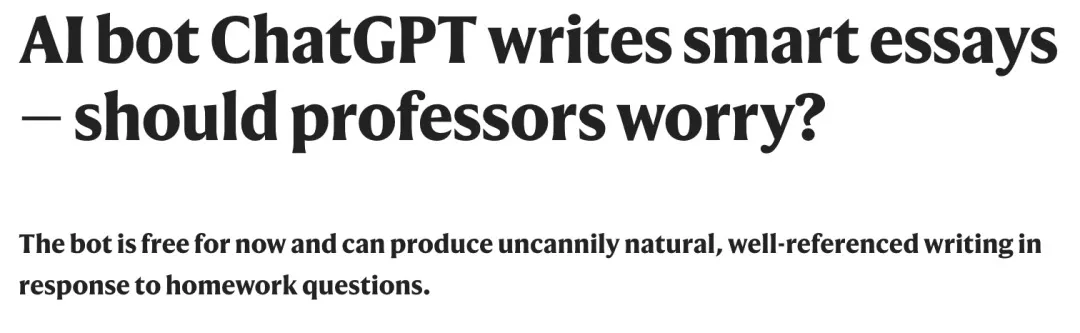
Students use ChatGPT to write essays, researchers use ChatGPT to write papers... AI has directly reached into academic education, profoundly impacting higher education worldwide. Are we truly prepared for such disruptive change?
The power of AI brings both excitement and a hint of unease. Are we opening Pandora's box?
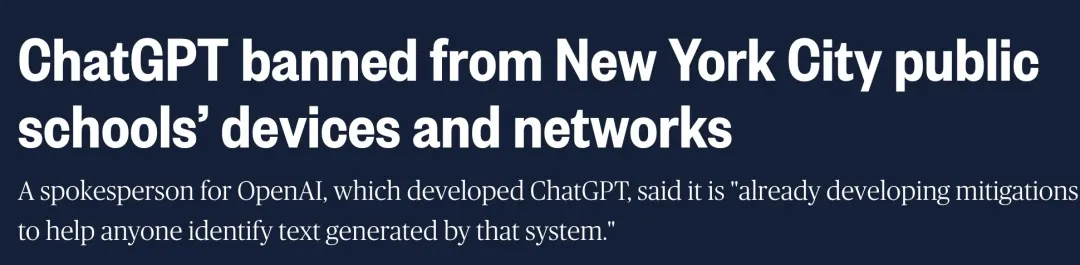
Despite AI's unstoppable momentum, numerous platforms, universities, and even the New York City Department of Education have banned ChatGPT.
Stay Clear of Ghostwriting to Protect Your Future
Overseas universities take academic integrity very seriously. Once a student violates it, they may face warnings, disciplinary records, suspension, or even expulsion.
Whether it's paper plagiarism, fabrication, or misusing others' academic materials, it all constitutes academic misconduct.
Paper ghostwriters advertise slogans like "Go chase your poetry and distant lands, let us handle your assignments," tempting many international students. Some, driven by laziness or a desire for a perfect GPA, risk expulsion or even deportation by taking this "shortcut" — truly not worth the loss.
Moreover, the quality of ghostwritten work is inherently uneven and may be worse than what you could write yourself. There are even ghostwriting "scams" where they threaten to report you to your school at the slightest disagreement.
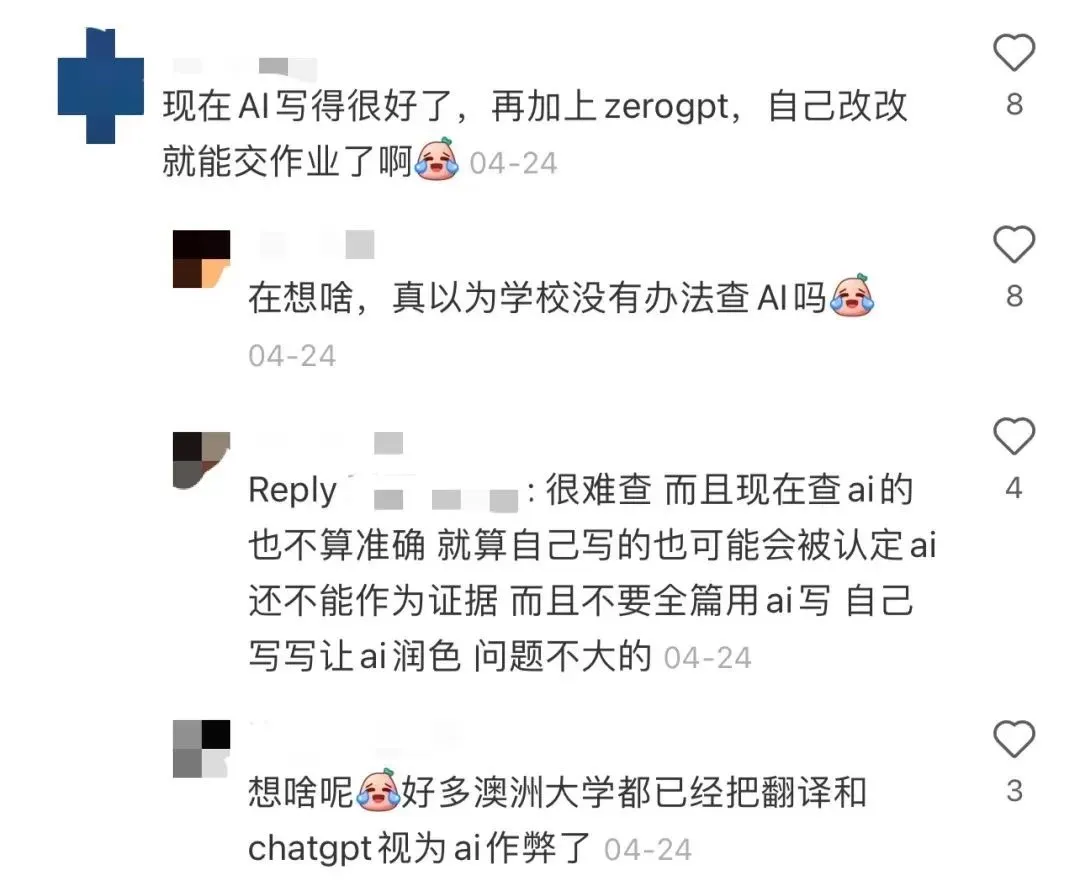
Some students say, "Well, can't I just use ChatGPT?" In reality, many universities already consider ChatGPT-generated papers as AI cheating.
Even if you weren't caught, when you open ChatGPT to type in your paper topic, ask yourself: What is the purpose of your studying abroad? Do you want just a diploma, or do you truly want to gain knowledge?
We hope students will keep their feet on the ground, and that today's increasingly restless academic circle can return to its true nature.
.png)