The University of Toronto is a prestigious higher education institution in Canada. Undergraduate programs in Canada typically last four years, but undergraduate life flies by quickly, so it is crucial to be clear about everything you need to do early in your studies. To help you smoothly embark on the path to future applications, I have compiled five things that you need to pay special attention to during these four years, which will play a vital role in your future graduate school applications. Let’s take a look!
-
Avoid Blindly Choosing Easy Courses
Although there are many tips online about courses that are easy to score well in, this information may be outdated. Moreover, everyone’s course experience is different. If you plan to apply to graduate school, admissions officers will look at your transcript and the grades in relevant courses. If you intend to switch majors, you may need to take certain specific courses in advance. Choosing easy courses does not demonstrate your learning ability, nor does it enhance your academic profile.
-
Learn to Utilize Campus Resources
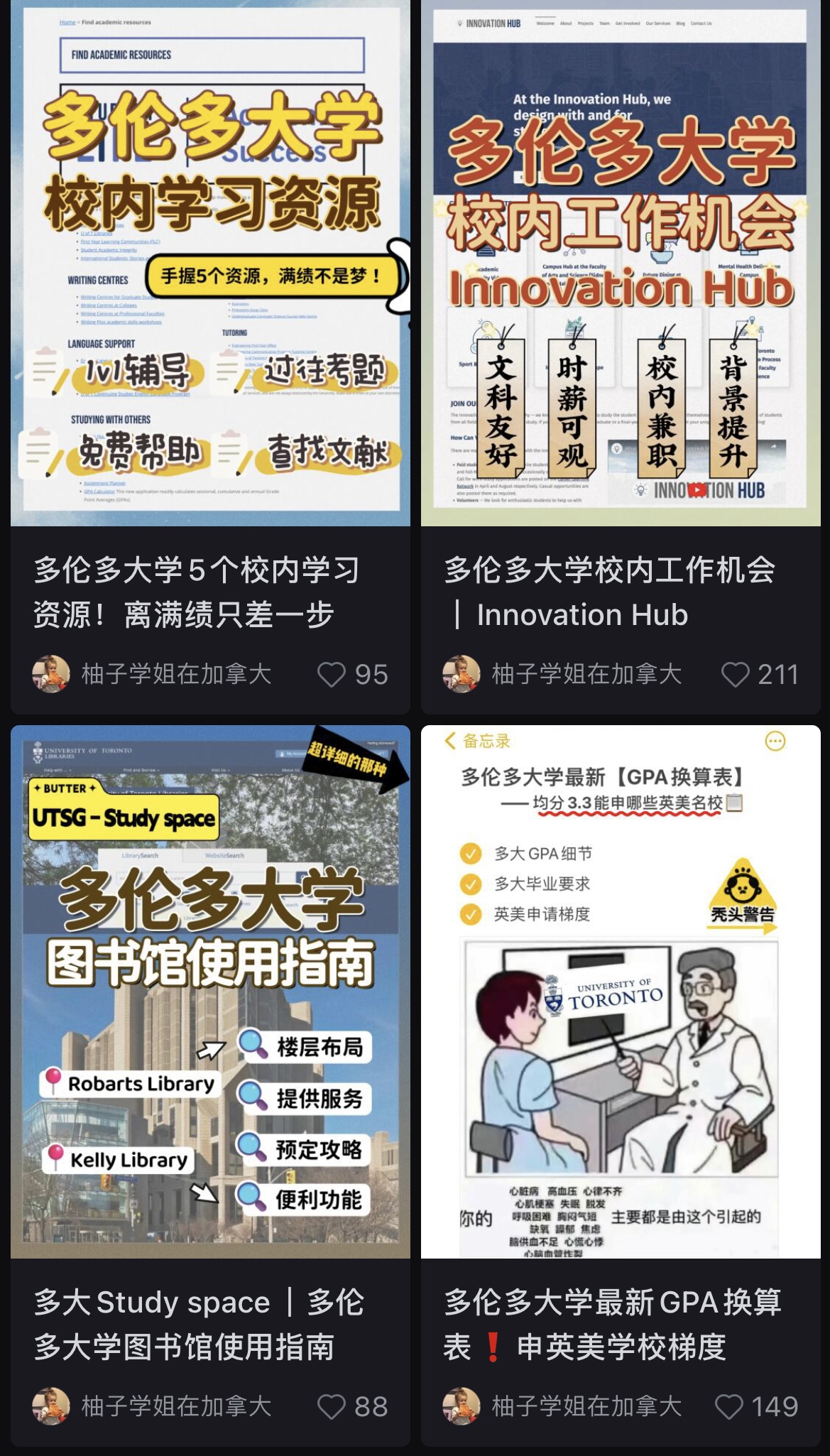
Stay updated on various platforms about UT on-campus information, such as UT’s work internship programs, essay writing guidance services, and FLC programs. These resources can help improve your GPA and enrich your background.
*FLC programs typically refer to "First-Year Learning Communities," which are learning communities or learning cohorts for first-year university students. This is a program that provides academic support and social opportunities for new college students. The goal of FLC programs is to help freshmen better adapt to university life and promote their academic achievement and social integration. In an FLC program, a group of freshmen is assigned to the same learning community, usually based on a specific major or academic interest. They take a core course together and build connections with other students, professors, and mentors. Through shared learning and mutual support, students can better adjust to university academic requirements, establish friendships and academic networks, and receive one-on-one guidance and resource support. FLC programs usually offer a range of activities and resources, such as regular meetings, academic tutoring, special lectures, and social gatherings, to help students succeed in their first year of college.
-
Seize UT’s Global Exchange Opportunities
UT’s Go Global program offers a wide range of options, including summer, winter, and full-year exchange programs. Through these programs, students have the opportunity to experience the unique charm of teaching and culture at different schools, which is a very meaningful experience. Participating in exchange programs often involves credit transfer; it is very important to pay attention to the program’s transfer rules in advance. Also, make sure the chosen exchange program aligns with your academic plan.
-
Plan Ahead for Graduate School Applications
Once you have determined your future direction, you can look into the overall background and prerequisite course requirements of the programs and schools you want to apply to. In particular, majors like psychology, computer science, and STEM fields often have prerequisite course requirements. Additionally, graduating early is not necessarily advantageous for graduate school applications, because some schools or programs may not accept three-year bachelor’s degrees, so it’s best to find out in advance. Finally, strive to secure RA positions or communicate more with professors; this is very important if you are pursuing a research path or applying to STEM programs.
-
High Scores Aren’t Just About Rote Memorization
Unlike in high school, don’t be afraid to communicate with professors during university. Sometimes a low score is not because you aren’t working hard enough, but because of improper study methods. Don’t be afraid to express your questions; you can schedule a meeting during professors’ office hours to talk with them. This will help when you need to ask professors for recommendation letters later on.

Add a CheersYou(清柚教育) advisor to join the new student group~