

Economics, as a broad field combining business and social sciences, offers abundant employment opportunities. The Master of Science in Applied Economics (Applied Econ) at Johns Hopkins University (JHU) cultivates students' econometric and other quantitative analysis skills to enhance their economic modeling and reasoning abilities. Graduates can work in state governments, federal governments, R&D institutions, finance, insurance, and other sectors with high demand for talent. This article introduces the curriculum and rejection cases of JHU's AE program. For more details, add CheersYou(清柚教育) advisor: qingyouge23 for more information!

1. Program Introduction
The AE program is a major under the Krieger School of Arts & Sciences at Johns Hopkins University (JHU). The Krieger School consists of undergraduate, graduate (including full-time doctoral), and Advanced Academic Programs (AAP), with AE being a program under AAP.
The program requires 10 courses, to be completed within 5 years; students typically graduate in 1 to 2 years. Courses are offered in both online and face-to-face formats. As an international student, to maintain F1 student visa status, you must enroll in at least 3 courses per semester. Although classes are usually in the evening, this does not mean the quality or level of the program is compromised. In fact, to allow students to take better advantage of internships, most U.S. universities schedule daytime hours for internships.
Program link: https://advanced.jhu.edu/academics/graduate/ms-applied-economics/
The AE program has three enrollment intakes: fall, spring, and summer. There is no restriction on undergraduate major, but non-economics majors are advised to take some online economics-related courses. Based on past application experience, the school may request applicants to submit a syllabus for a specific economics-related course during the review of application materials.
2. Curriculum
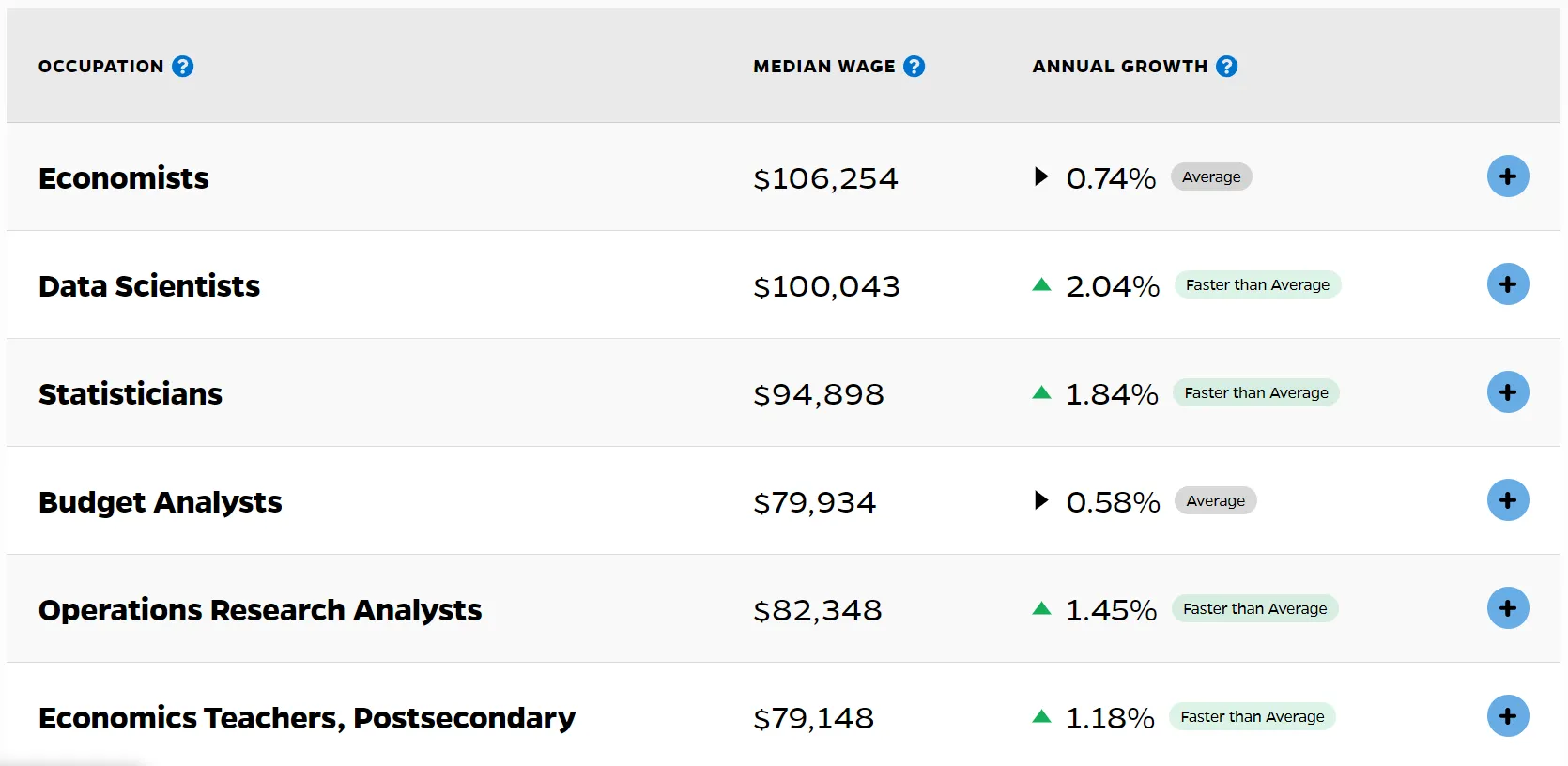
The AE program covers various economics-related fields, from public policy to business economics, from macroeconomics and financial economics to international economics and development. Each course provides a unique perspective and tools, helping students apply economic principles and methods in practice to solve real-world economic problems:
1. Public Policy
2. Business Economics
3. Macroeconomics/Financial Economics
4. International Economics and Development
5. Spatial Economics
6. Environmental Economics
7. Health Economics
8. Quantitative Methods
3. Rejection Cases
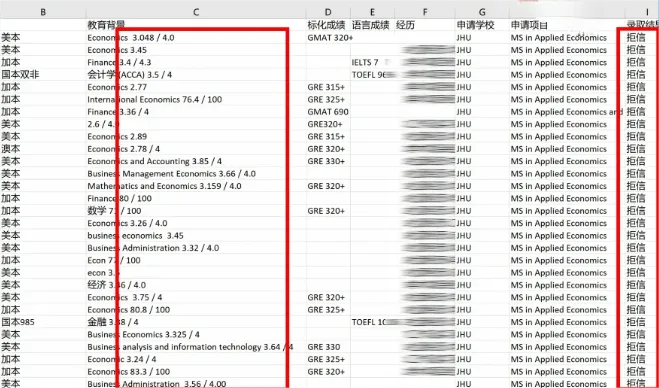
In the 23fall application cycle, competition for this program was extremely fierce; even applicants with excellent undergraduate backgrounds received no special treatment. Some may wonder, what backgrounds did JHU actually admit? In fact, for the AE program, the timing of the application matters more than the background. Below is a summary of rejected applicants' profiles for reference:
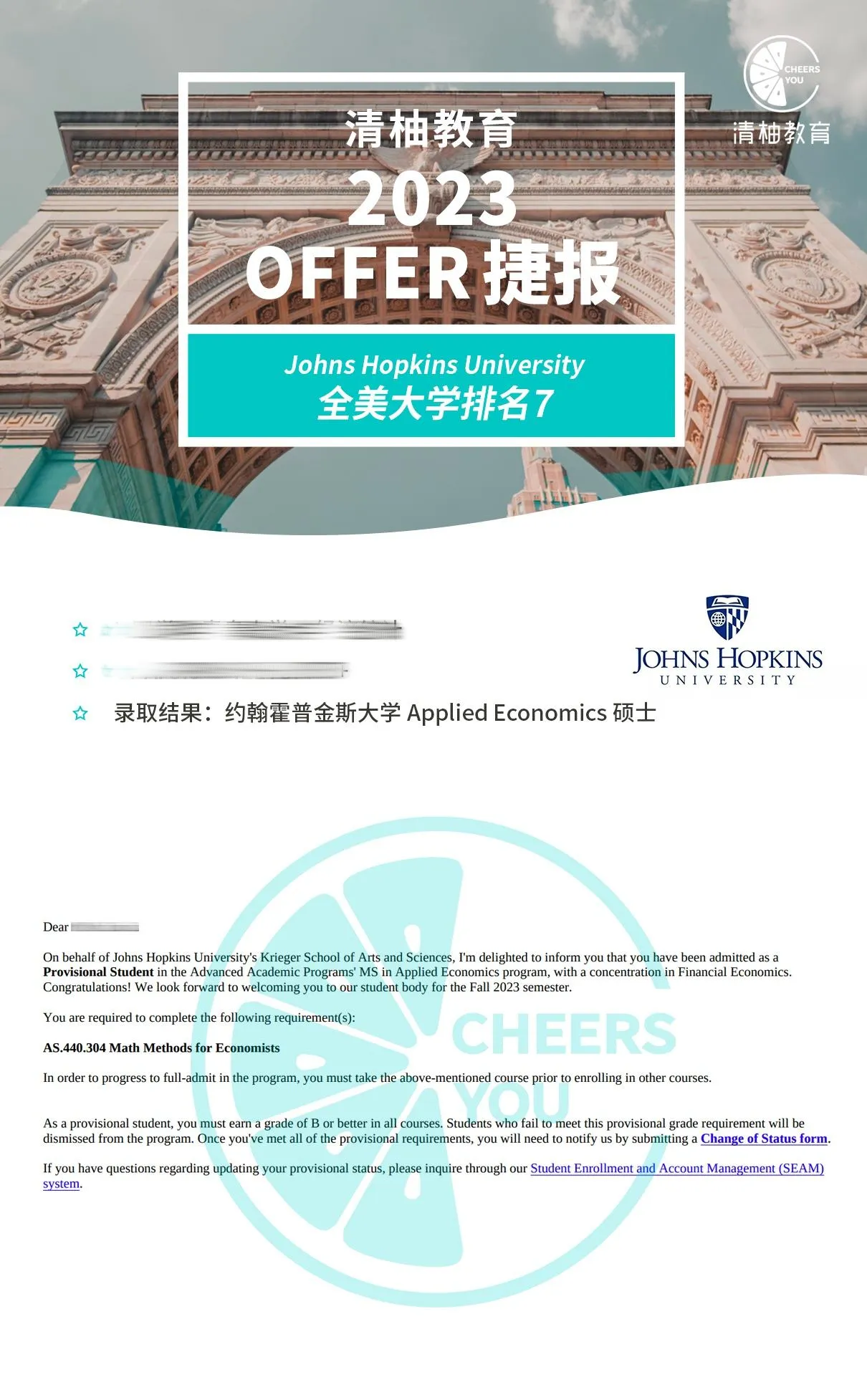
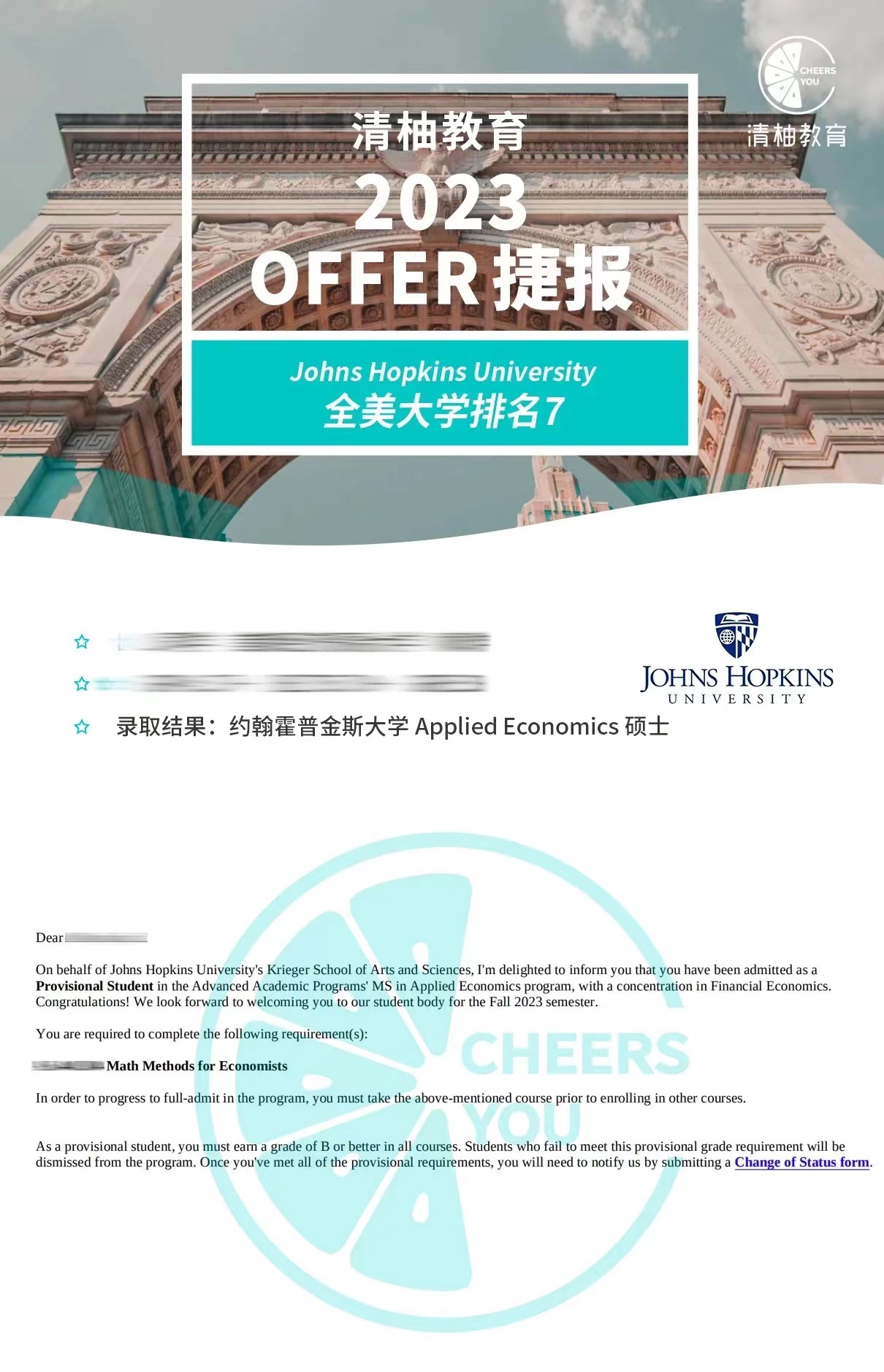
Below is a summary of admissions (including undergraduate institution, major, GPA, GRE, language, and enrollment time):
Domestic non-211 undergraduate: Economic Statistics, GPA 3.4+, No GRE, IELTS 7+, Dec 2022.
Domestic 211 undergraduate: Finance, GPA 3.2+, GRE 325+, TOEFL 100+, Dec 2022.
Australian Go8 undergraduate: Business, GPA 70+, GRE 320+, Dec 2022.
Hong Kong Eight undergraduate: Finance, GPA 3.2+, No GRE, IELTS 7+, Nov 2022.
Canadian Top 3 university: Statistics, GPA 3.2+, No GRE, Dec 2022.
Canadian Top 3 university: Economics + Psychology, GPA 75+, No GRE, Dec 2022.
US Top 50 university: Economics, GPA 3.3+, GRE 325+, Nov 2022.
US Top 40 university: Mathematics, GPA 3.3+, No GRE, Apr 2023.
For more study abroad consultations, scan the QR code below~