
The US and UK are both popular study-abroad destinations, and many prospective graduate students struggle with the choice when applying. After all, the US Top 20 and UK G5 are widely recognized as the top choices with high recognition and teaching quality. From the many offers that CheersYou(清柚教育) consultants have helped students obtain over the years, it is clear that US Top 20 and UK G5 cannot be simply defined as 'good' or 'bad' from a single dimension. Today we will briefly analyze them from four perspectives: school selection, program structure and student life, future development, and admission difficulty. If you have other study-abroad related questions, you can also scan the QR code below for a one-on-one consultation.

1. School Selection
Obviously, Top 20 comprises 20 schools, while G5 has only 5, so there is a difference in the range of choices. But another point to note is that due to different ranking criteria and weights, US Top 20 schools may not necessarily have high QS rankings.
For example, Dartmouth College, Vanderbilt University, and Washington University in St. Louis are among the most selective US schools, yet none rank in the QS top 100. Conversely, the University of Washington, which is in the QS top 100, does not even break the top 30 in US rankings. School rankings directly impact employment back home and some household registration policies. So if you plan to return to your home country and work for a large company, you may prioritize G5 schools, as their rankings can offer an advantage.

2. Program Structure and Student Life
The pace of life is getting faster, so program length is also a major concern for study-abroad students. Many UK graduate programs are one-year, and the overall pace is faster. UK master's students need strong adaptability and self-motivation to cope with a hectic schedule that juggles registration, classes, internships, and job hunting after graduation simultaneously.
There is also a spatial difference. Setting aside the seven halo schools (Harvard, Yale, Princeton, Stanford, MIT, Oxford, Cambridge), the remaining three UK G5 universities are all in London, while most of the other US Top 20 schools are not in major urban centers. As we all know, location has a big impact on internships, often determining what kind of internship opportunities and alumni support you can get during your studies. Internship experience, in turn, affects future employment. For industries that highly value internship experience, a school in a big city can be a plus.

3. Future Development
Our choice is inevitably the result of comprehensive consideration. Many students choose to pursue graduate studies abroad for better employment prospects, so when making a choice, they not only look at the school's academic strength but also place greater emphasis on post-graduation employment outcomes. Overall, G5 schools have relatively higher QS rankings and greater domestic recognition. If returning home, they should be a priority. But if you plan to work abroad, US universities offer more advantages.
4. Admission Difficulty
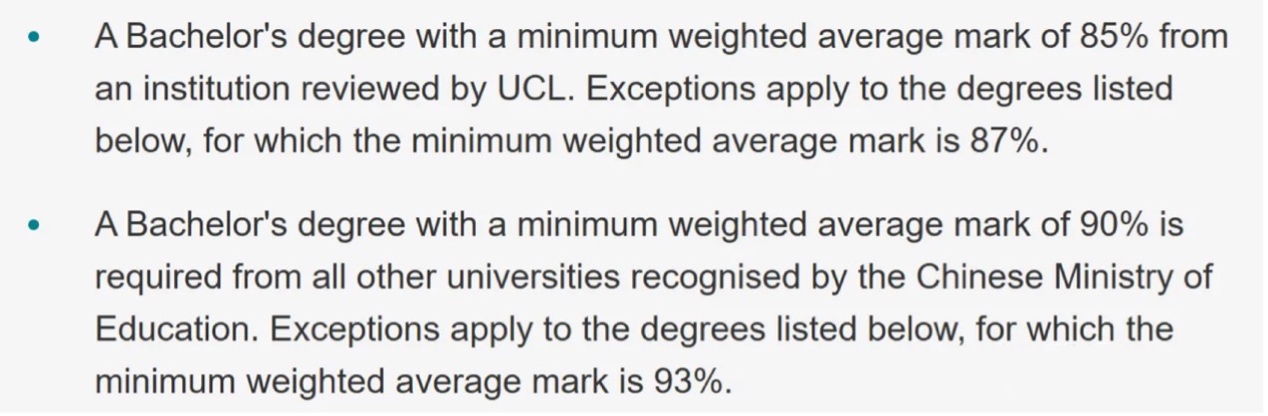
Finally, the issue of admission difficulty that many are concerned about. This also needs to be analyzed on a case-by-case basis. UK universities tend to favor students from prestigious institutions with excellent GPAs, roughly the top performers from 985/211 universities in China. G5 universities often clearly state minimum score requirements for different tiers of schools on their program websites. The image below shows the minimum score standards published on the University College London website:
Additionally, UK universities often have their own list of recognized institutions, which differs from the 211/985 categories we commonly know and from certain international rankings. This information requires strong research skills to uncover. In general, the vast majority of students admitted to G5 schools are high-scoring graduates from prestigious universities. Below are a few examples:


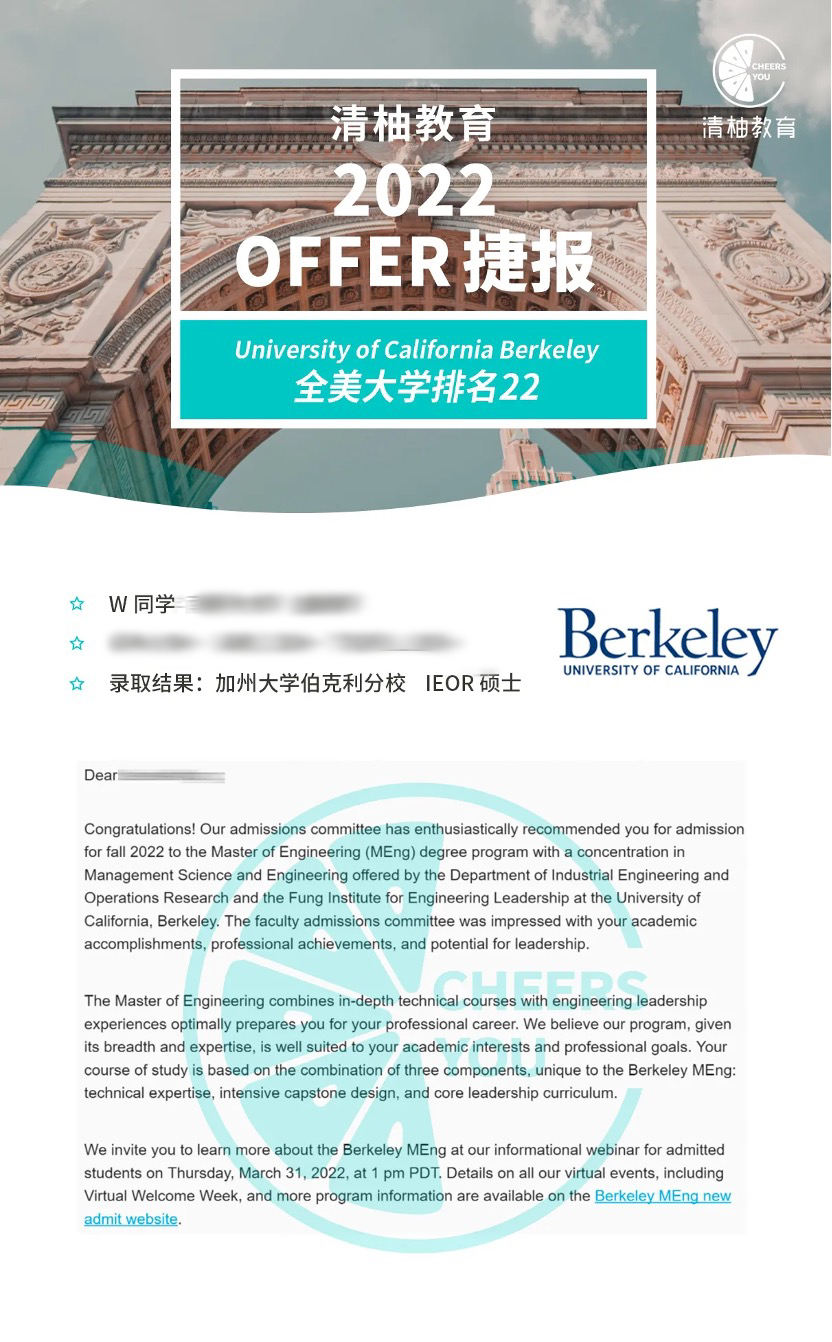
US schools, on the other hand, take a more holistic approach, not solely determining success by grades. US universities pay more attention to a student's overall strength, with GPA, GRE, internships, and extracurricular activities all falling within the scope of evaluation. So, students with less outstanding GPAs need not worry too much; there are opportunities to compensate in other areas, giving more chances to those not from elite institutions. Below are a few offer examples from past students:

After reading the above analysis, you probably have your own considerations. If you have more related questions or any other questions about studying abroad or graduate applications, feel free to add the contact information of the CheersYou(清柚教育) consultant below for more details.