The National University of Singapore (NUS) has launched a new Master of Science in Applied Biomedicine program in 2024!
.png)
.png)
Program Introduction
The Master of Science in Applied Biomedicine (MSc-ABM) at the National University of Singapore is designed to help students develop critical and analytical thinking in the complex and ever-changing healthcare environment, while cultivating them into resourceful, adaptable, independent learners and leaders within the biomedical workforce.
The program offers three specializations: Vaccinology and Immunotherapy, Infectious Disease Management, and Drug Discovery and Development. It delivers the latest biomedical knowledge and technologies, fostering the ability to apply biomedical knowledge in practice, formulate hypotheses, and design scientifically sound projects.
.png)
Program Duration
The NUS MSc in Applied Biomedicine is a graduate degree program offered on a full-time (1–2 years) or part-time (2–3 years) basis, requiring the completion of 40 credit units.
Of which:
-
Complete 5 core courses (20 credit units) from the core course list
-
Select and complete 5 courses (20 credit units) from the elective course list of a chosen specialization
-
If not opting for any of the three specializations, select and complete 5 courses (20 credit units) from electives across the 3 specializations
Curriculum
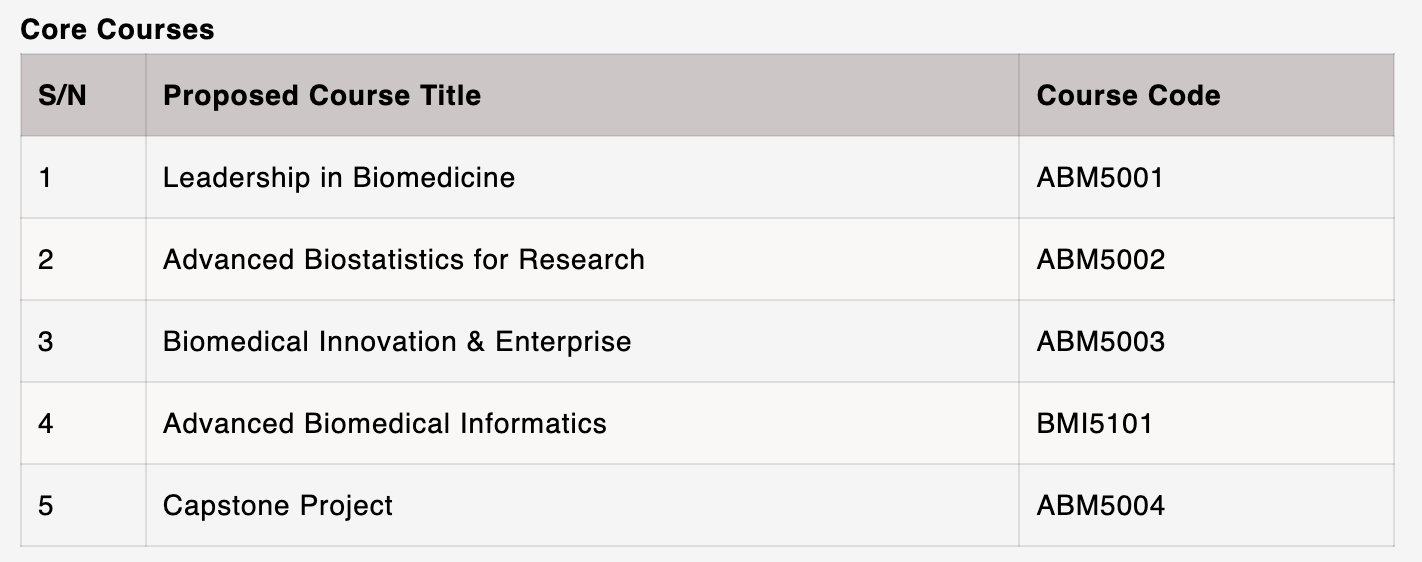
Core Courses:
A total of five compulsory courses
ABM 5001 Leadership in Biomedicine
ABM 5002 Advanced Biostatistical Research
ABM 5003 Biomedical Innovation and Enterprise
BMI 5101 Advanced Biomedical Informatics
ABM 5004 Capstone Project
Elective Courses:
Students are required to select and complete 5 courses (20 credit units) from the elective course list of a specialization. If not opting for a single specialization, students must select and complete 5 courses (20 credit units) from electives across the 3 specializations.
1. Vaccinology and Immunotherapy Specialization
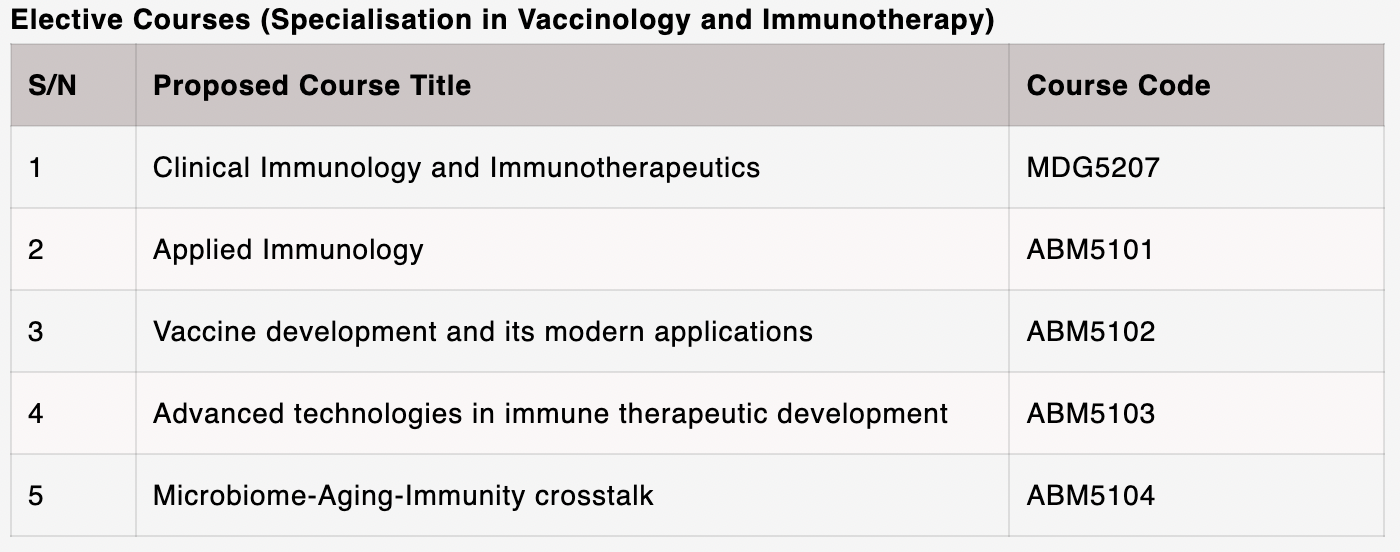
| Clinical Immunology and Immunotherapy | MDG5207 |
| Applied Immunology | ABM5101 |
| Vaccine Development and Its Modern Applications | ABM5102 |
| Advanced Technologies in Immunotherapy Development | ABM5103 |
| Microbiome-Aging-Immunity Crosstalk | ABM5104 |
2. Drug Discovery and Development Specialization
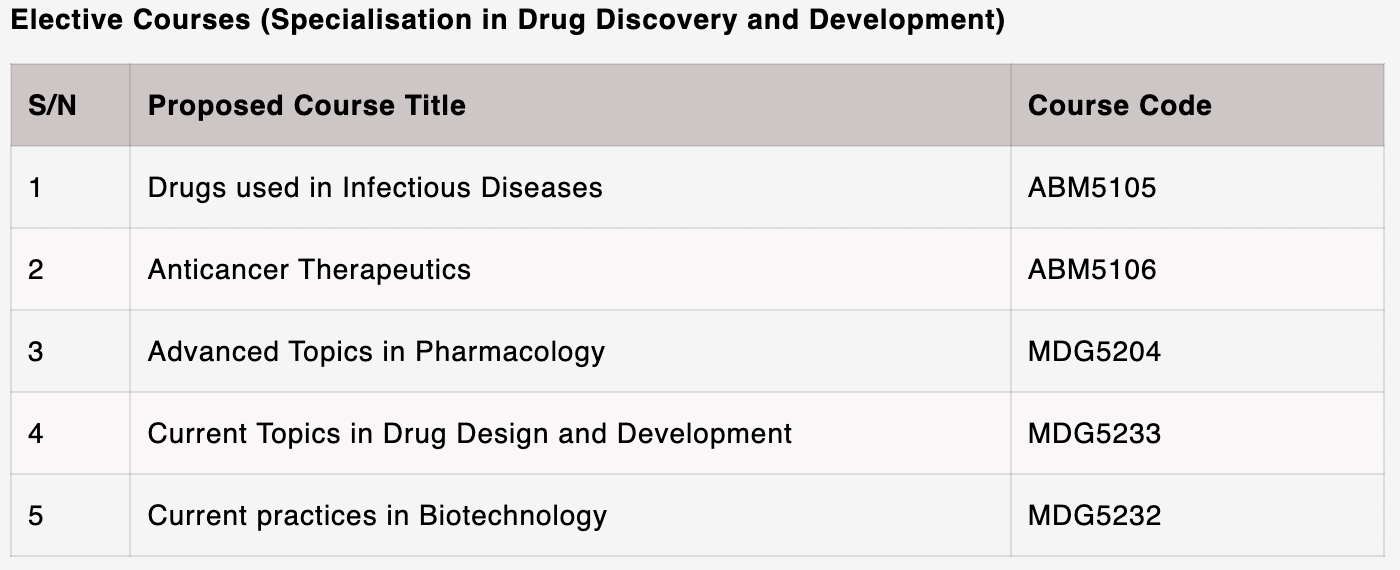
| Drugs for Infectious Diseases | ABM5105 |
| Anticancer Therapeutics | ABM5106 |
| Advanced Topics in Pharmacology | MDG5204 |
| Current Topics in Drug Design and Development | MDG5233 |
| Current Practices in Biotechnology | MDG5232 |
3. Infectious Disease Management Specialization
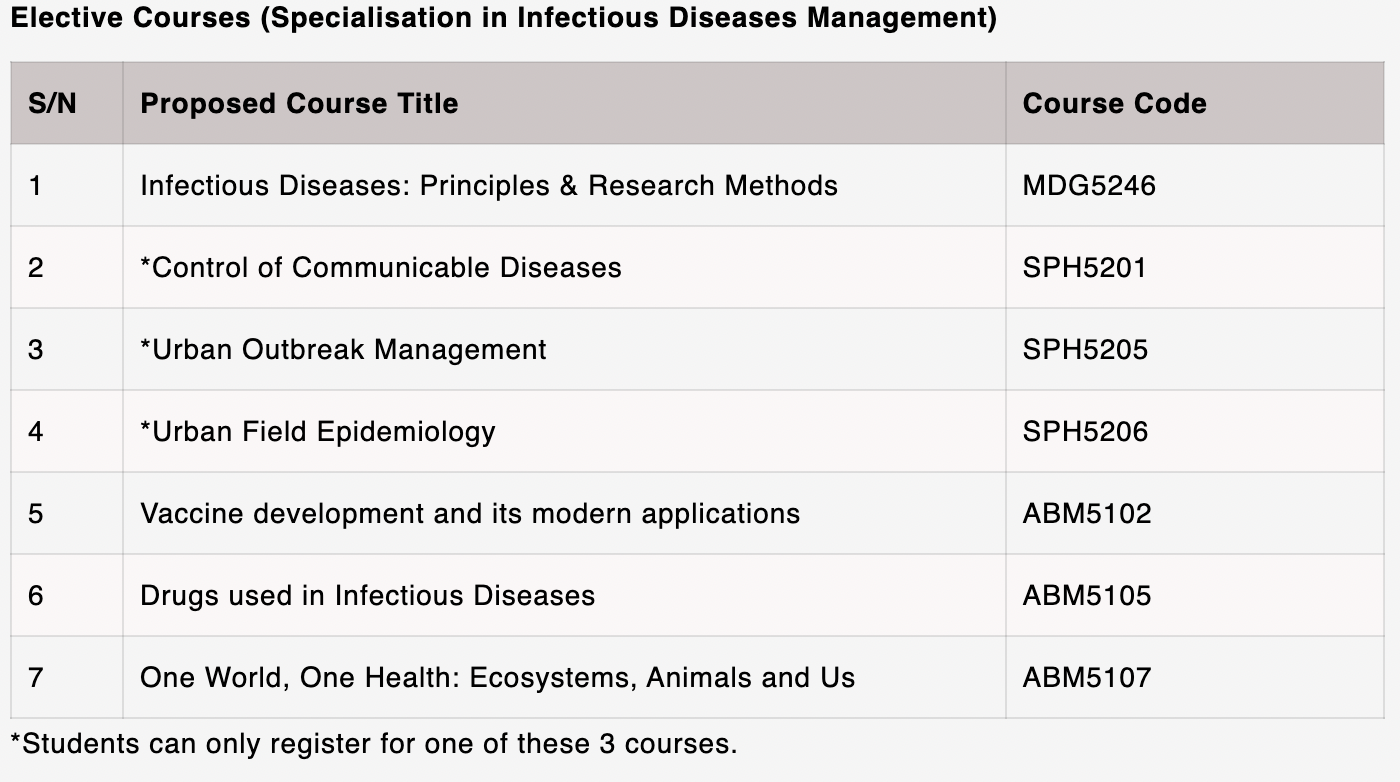
| Infectious Diseases: Principles and Research Methods | MDG5246 |
| *Control of Infectious Diseases | SPH5201 |
| *Urban Outbreak Management | SPH5205 |
| *Urban Field Epidemiology | SPH5206 |
| Vaccine Development and Its Modern Applications | ABM5102 |
| Drugs for Infectious Diseases | ABM5105 |
| One World, One Health: Ecosystems, Animals and Us | ABM5107 |
Admission Requirements
Application Period:
Applications are now open for January 2024 intake, from 1 July to 30 September 2023. Results will be announced in October 2023.
Academic and Experience Requirements:
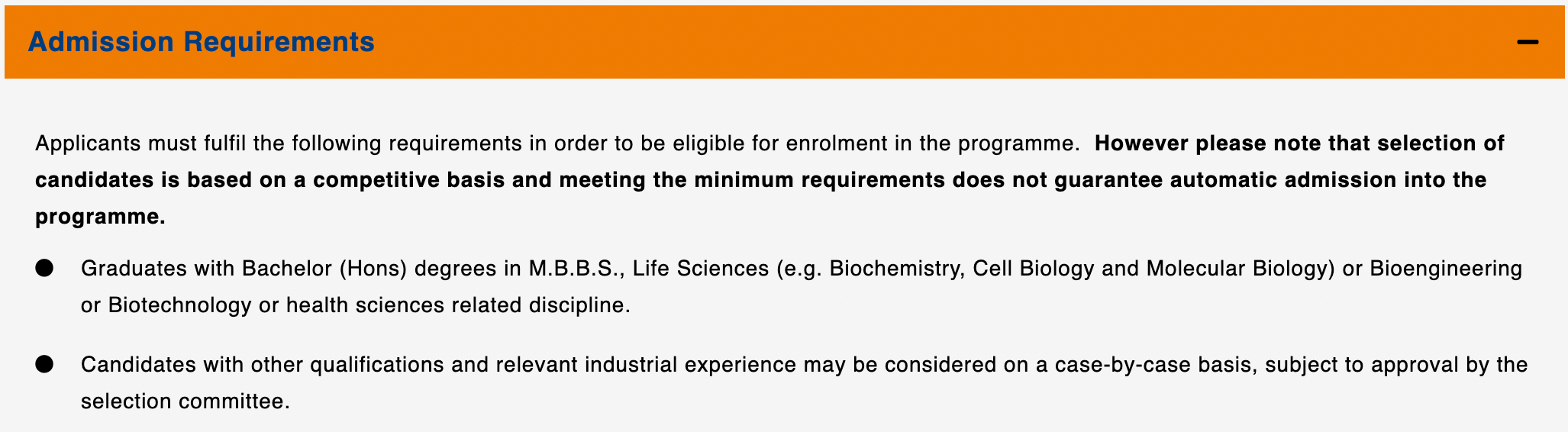
Applicants must meet the following requirements to be eligible for admission. However, please note that candidate selection is competitive and meeting the minimum requirements does not guarantee automatic admission.
1. Graduates holding a bachelor’s degree (with honours) in M.B.B.S., Life Sciences (e.g., Biochemistry, Cell Biology, and Molecular Biology), or Bioengineering, or Biotechnology, or a related discipline in health sciences.
2. Candidates with other qualifications and relevant industry experience may be considered on a case-by-case basis, subject to approval by the selection committee.
English Language Requirements:
International applicants who graduated from universities where English is not the primary medium of instruction must demonstrate English proficiency (scores must be valid at the time of application).
1. TOEFL score of at least 85
2. IELTS (Academic) score of at least 6.0

GMAT/GRE:
Not specified
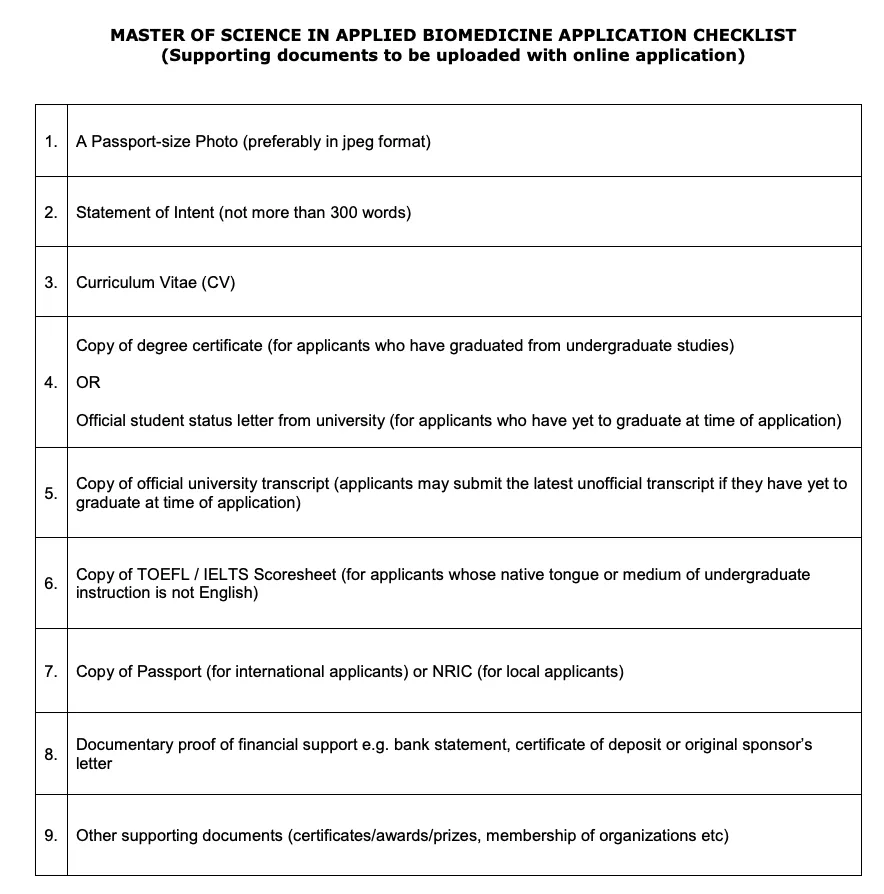
Application Materials:
-
Passport-sized photo (preferably in JPEG format)
-
Statement of Intent (maximum 300 words) in Word/PDF format, showcasing your academic strengths, research interests, study motivation, and long-term development goals
-
Curriculum Vitae (CV) outlining relevant experience, skills, qualifications, and achievements
-
Copy of degree certificate (for undergraduates who have graduated) or official student status letter from the university (for applicants who have not yet graduated at the time of application)
-
Copy of official university transcripts (applicants who have not yet graduated may submit the latest unofficial transcripts)
-
Copy of TOEFL/IELTS score report (for applicants whose native language or undergraduate medium of instruction is not English)
-
Copy of passport (international applicants) or identity card (local applicants)
-
Financial support documents, such as bank statements, proof of deposit, or original sponsor’s letter.
-
Other supporting documents (certificates/awards/prizes, membership in organizations, etc.)
Tuition Fees:
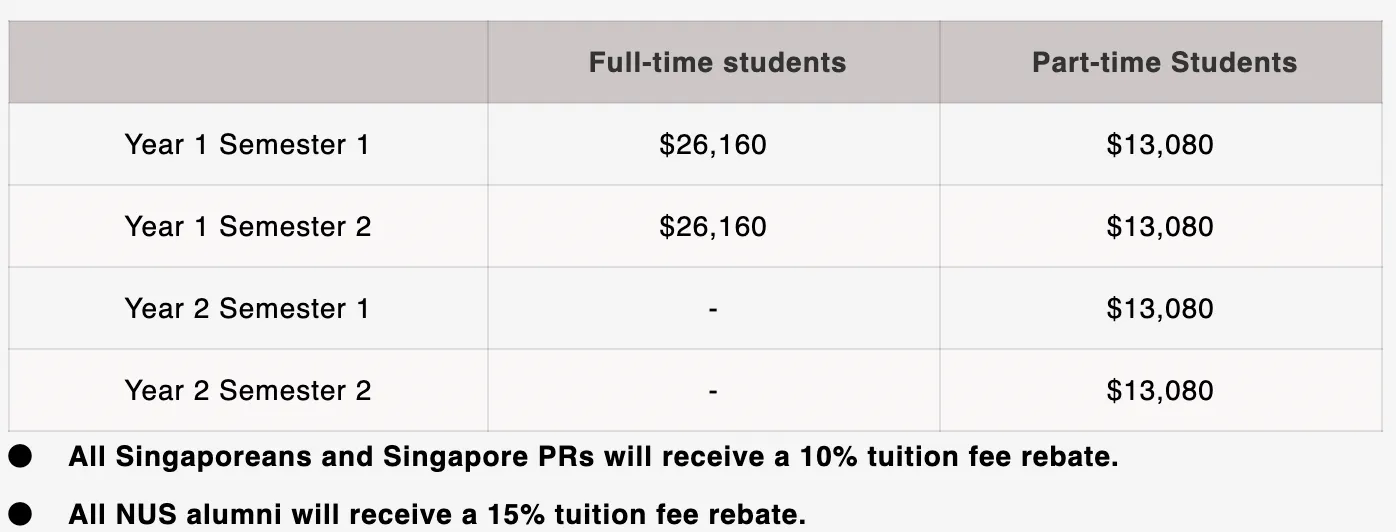
Total tuition fee (applicable only to students admitted in Academic Year 2023/2024): S$52,320 (*includes Goods and Services Tax, GST)
*All Singaporeans and Singapore Permanent Residents will receive a 10% tuition fee rebate. All NUS alumni will receive a 15% tuition fee rebate.
Acceptance Fee:
Applicants who apply between 1 July and 31 July 2023 are required to pay S$2,500 (including GST).
Applicants who apply after 1 August 2023 are required to pay S$5,000 (including GST).
*Payable upon acceptance of offer, non-refundable and non-transferable, and will be credited towards tuition fees.
Career Prospects:
The MSc in Applied Biomedicine will provide a steady stream of specialized technical talent for the healthcare and biopharmaceutical industries, particularly in research institutions, ministries, and hospitals related to infectious disease management.
During the program, students may also have opportunities for research positions.
.jpg?x-oss-process=style/opt-webp)
CheersYou(清柚教育) will continue to monitor updates regarding the new MSc in Applied Biomedicine program at NUS and bring you the latest news!
.png)