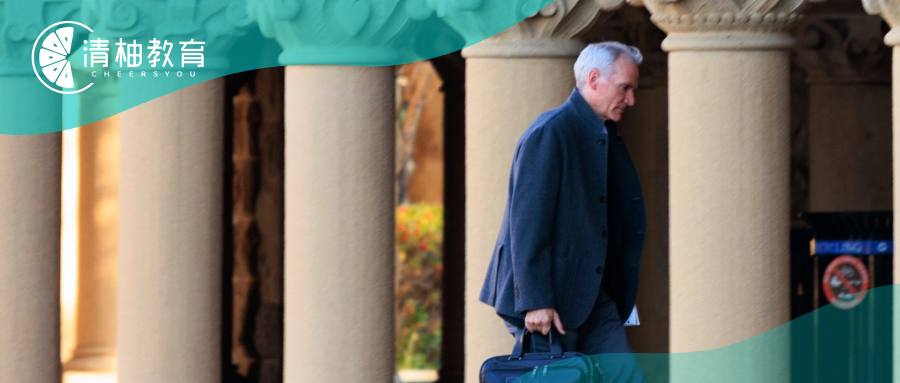
Last week, Stanford President and neurobiologist Marc Tessier-Lavigne announced he would step down as president next month.
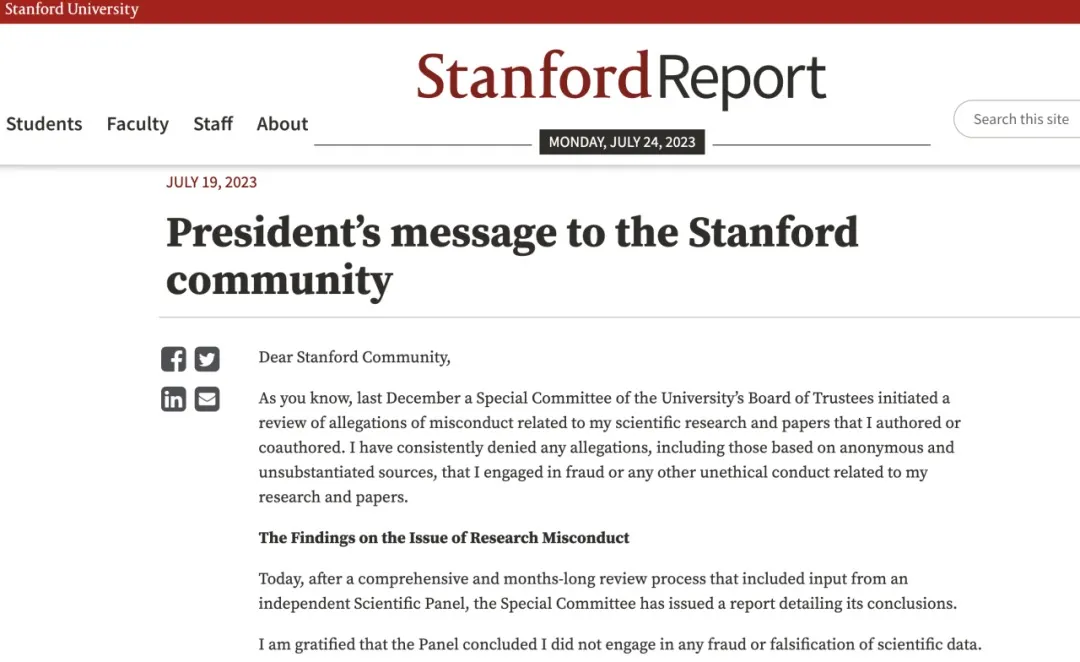
Months-Long Investigation Ends, President Resigns in Disgrace
Late last year, Tessier-Lavigne was reported to have multiple papers with suspected image manipulation, potentially involving academic fraud, plunging him into a scandal.
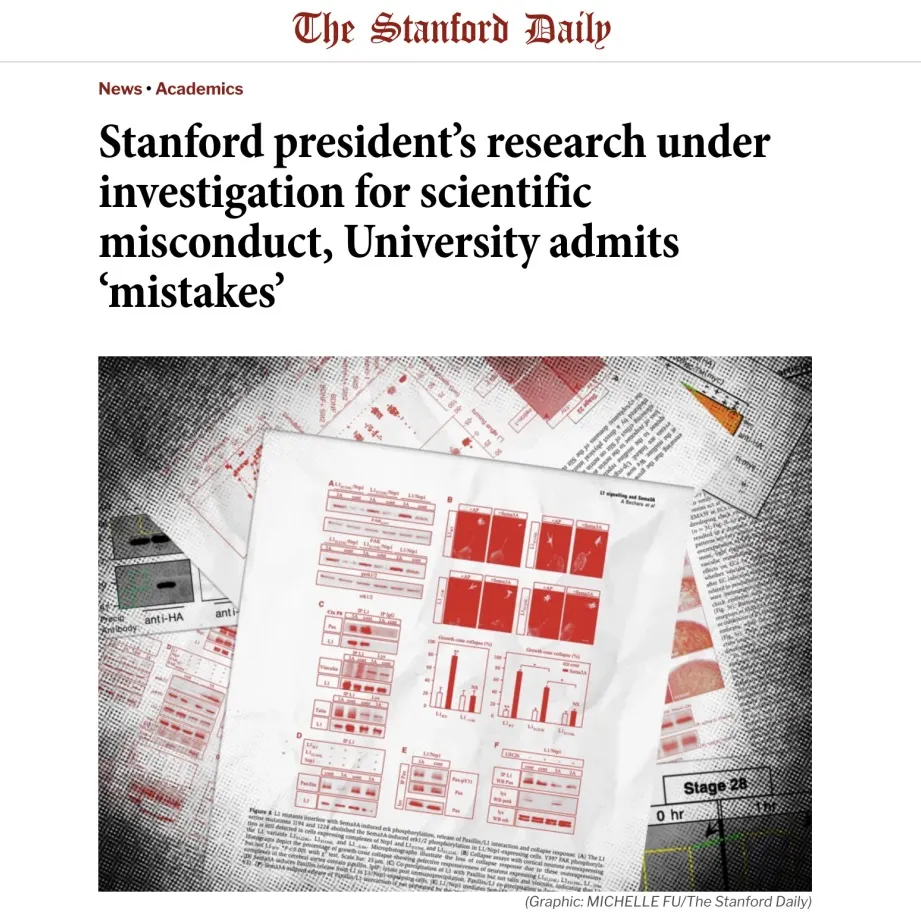
The Stanford University Board of Trustees conducted a months-long comprehensive review of Tessier-Lavigne's past work, focusing on 12 research papers he co-authored.
The review results released last week showed that Tessier-Lavigne did not engage in the most serious charge of research fraud. However, some papers contained manipulated research data, and when questioned, he failed to promptly and forthrightly correct the errors.
Due to ongoing controversy, Tessier-Lavigne decided to resign.
Where There's Academic Fraud, There Are Academic Sleuths
The earliest to spot problems was Elisabeth Bik, a renowned academic sleuth. She found that multiple papers published by Tessier-Lavigne might have "data falsification" issues, with extensive photoshopping of images. These images are critical representations of data; if the images are wrong, the corresponding data are suspect.
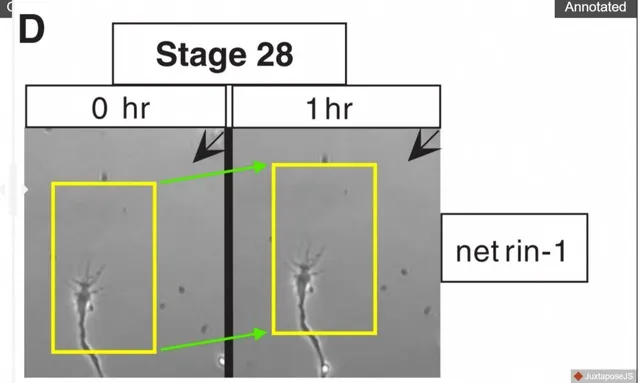
For example, in an experiment on "testing axon guidance factors' impact on neuron growth" published in Science, in the comparison before and after 1 hour, it's easy to see that neurons seem to only grow upward, while the entire upper half shows no change.
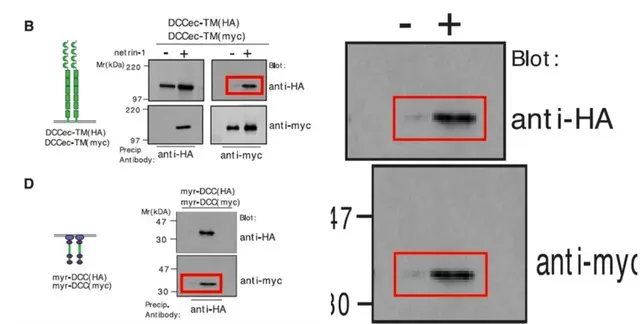
Or in another paper published in Science, the experimental images show that while neuronal axons were growing upward, the shape of filopodia showed no change before and after one hour. Bik thought these two images seemed to have been simply shifted upward.
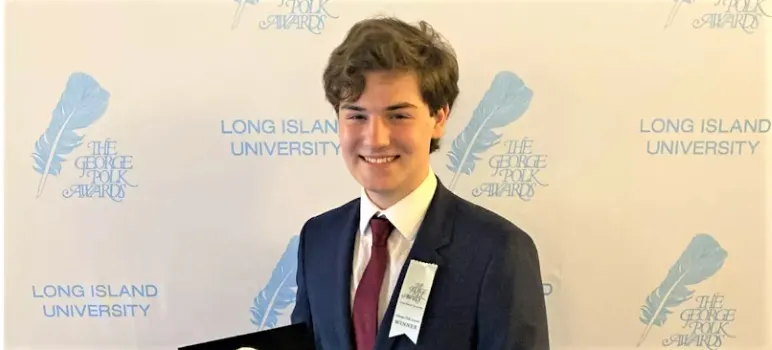
Stanford freshman Theo Baker compiled the information and published it in The Stanford Daily, publicly reporting the president's academic misconduct, drawing the university's serious attention.
The final investigation concluded that multiple papers co-authored by Tessier-Lavigne involved academic misconduct, but there was no evidence that he personally tampered with data; it was mainly "improper operations by subordinates."
In an open letter, Tessier-Lavigne defended his reputation but did not deny problems in his papers. He regretted not "more persistently" seeking corrections, agreed that stricter lab oversight was warranted, and stated he would "resign as president for the good of the university."
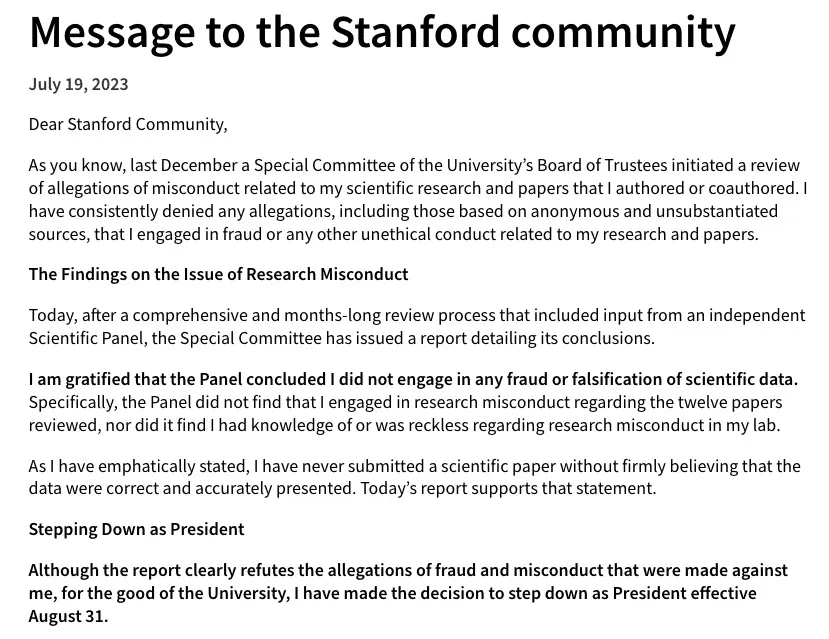
For the five papers confirmed to have problems, Tessier-Lavigne said he would retract three and correct the other two.
And that freshman and student journalist Baker, who did not give up exposing the issue in the face of authority, played an important role in promoting academic fairness. He thus became the youngest-ever winner of the George Polk Awards special prize.
Universities Worldwide Punish Academic Misconduct Severely
"Academic misconduct" has long been a serious issue in education, and Stanford's president is not the first to be caught in such a storm.
Even Nobel Laureates Use Photoshop Tools
As early as 2019, Nobel Prize winner in Physiology or Medicine, Gregg L. Semenza, was questioned about possible academic misconduct in multiple papers.
Semenza's questioned papers span two decades and were published in many prestigious journals. He was also challenged for image reuse and photoshopping of experimental pictures.

UPenn Influencer Sisters Caught for Direct Copy-Paste in Papers
Beyond these prominent academics, there are also student "academic fraud" cases.
A pair of "influencer sisters" at the University of Pennsylvania were reported by over 5,700 people for academic dishonesty. The two were in Penn's renowned and highly competitive seven-year bio-dental program.
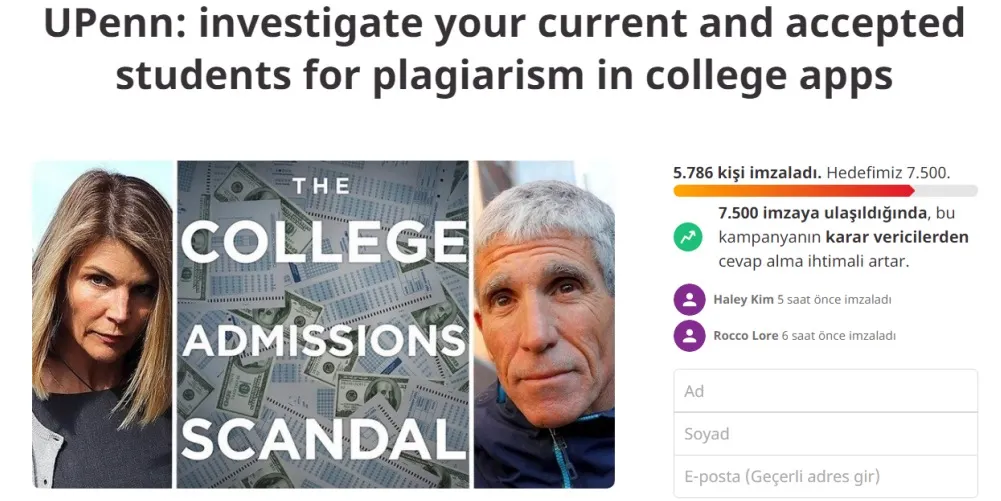
The petition was launched by the organization "Justice for College Admissions" and accompanied by a 30-page document showing extensive plagiarism and data fabrication in five papers the students wrote during high school.
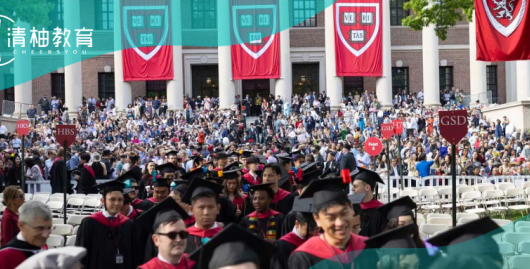
27 Harvard Undergraduates Forced to Withdraw for Academic Integrity Violations
Recently, Harvard University released its academic integrity report for the 2020-2021 academic year, showing that 138 cases were reviewed, and 99 were confirmed as cheating.
Among the cheating students, 27 were forced to withdraw for academic integrity issues—the highest number in six years!
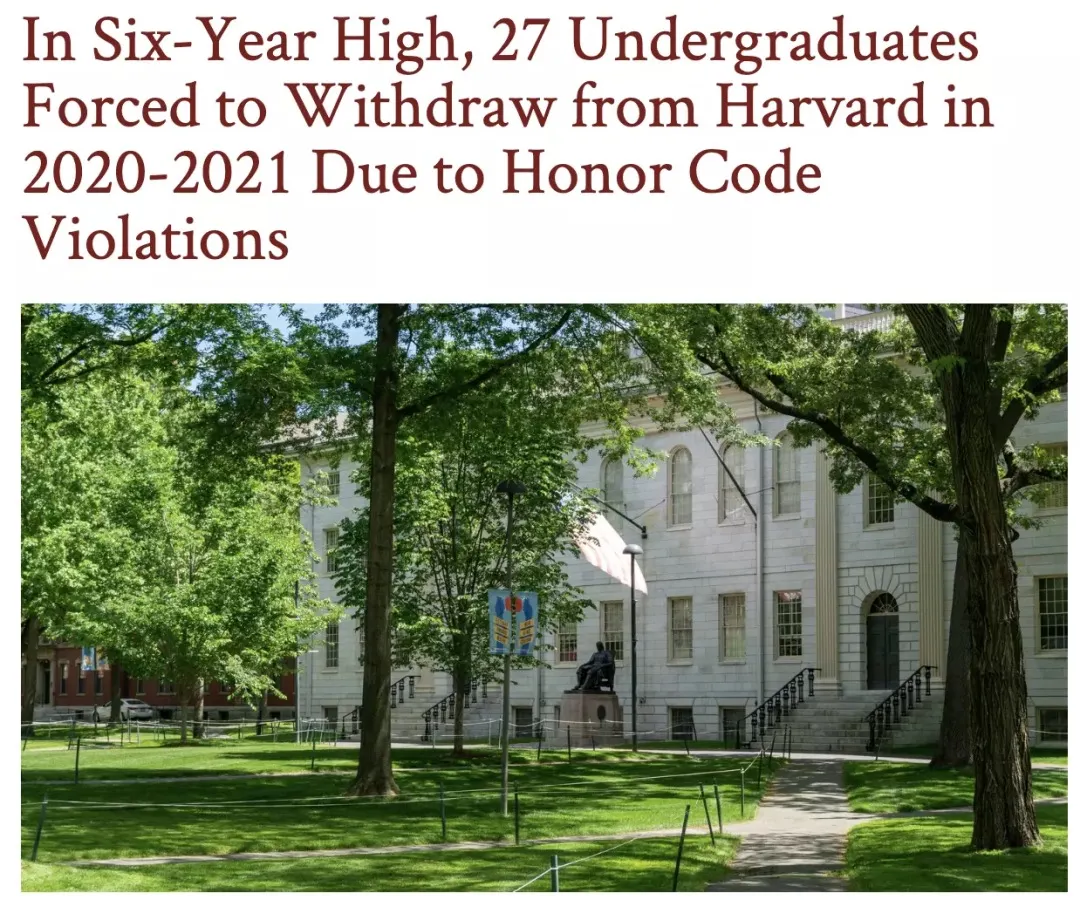
Academic misconduct has become increasingly frequent in recent years, including but not limited to fabricating materials, exam cheating, interview fraud, academic dishonesty, and more. Countries have accordingly introduced policies to address such behaviors.
United States
In 2015, 15 international students were indicted in federal court for cheating on college entrance exams;
In late 2015, an international student who once attended UC Davis was expelled for forging high school transcripts during the application process;
In April 2018, an international student at Penn State was ordered deported for having used a proxy for the TOEFL exam during 2016 admission...
American universities place great emphasis on academic integrity. Academic misconduct is penalized according to severity, ranging from warnings and probation to hearings, suspension, or expulsion.
Academic dishonesty ultimately comes at a heavy price.
.jpg?x-oss-process=style/opt-webp)
United Kingdom
The UK has a nationwide credit system, and from the moment an international student first enters the country, their credit information is recorded. Exam cheating or disciplinary actions are entered into a personal integrity system, severely affecting employment, loans, and more.
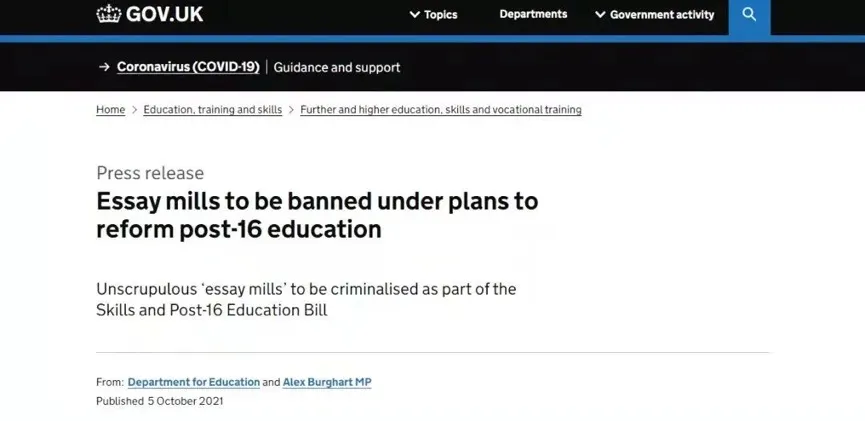
As early as October 2021, the UK planned a new education bill (Skills and Post-16 Education Bill), which includes legislation to crack down on essay mills, making it a crime to provide, arrange, or advertise essay-writing services.
Australia
Australian universities take integrity very seriously. Whether a graduation thesis or daily assignment, everything is checked for plagiarism. One violation can fail the course.
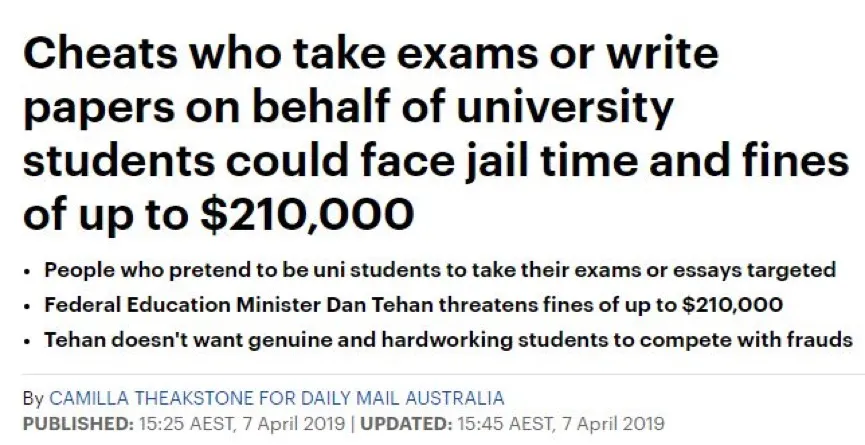
Moreover, in 2019, the Australian Department of Education proposed draft legislation targeting contract cheating services, with penalties of up to two years' imprisonment or fines of up to AUD 200,000 for anyone providing academic fraud services.
Foreign universities value integrity and are generally stricter in dealing with academic fraud. Once caught, basic penalties include retaking courses, suspension, or probation; serious cases lead to expulsion, visa revocation, deportation, and inability to complete studies.
So never jeopardize your bright future for temporary convenience. There are no shortcuts to success. Students must attend classes earnestly and learn with integrity during their studies, fully equipping themselves with knowledge on campus, so your hard work does not go to waste.
.png)