How much traffic can a single Oxford summer school bring to influencers at home and abroad?
You can find all sorts of summer school bloggers on TikTok, with tens of thousands of likes 👇
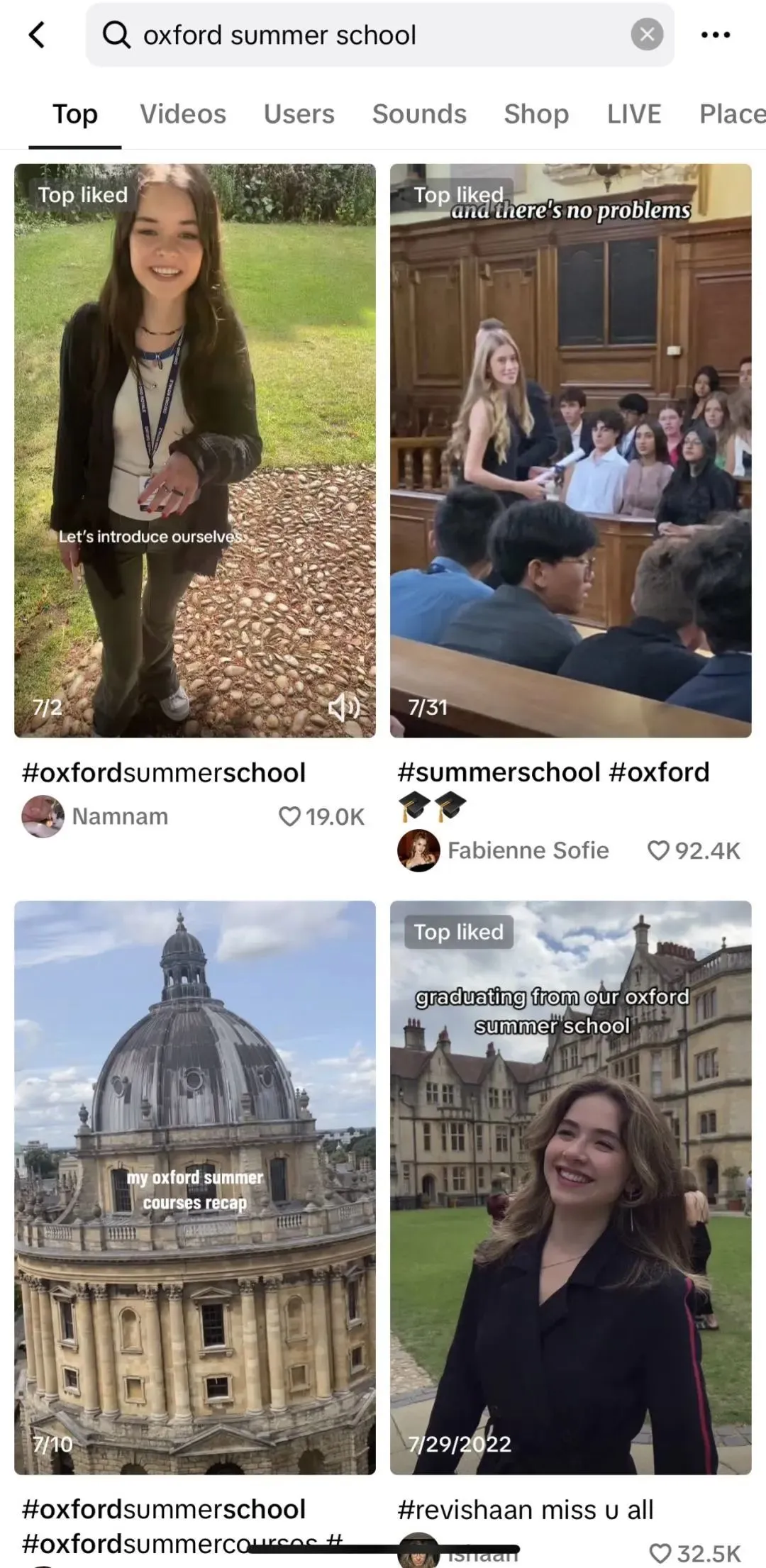
The comments are either envy of "Rich Kids" or exclamations like "OMG she's so pretty."
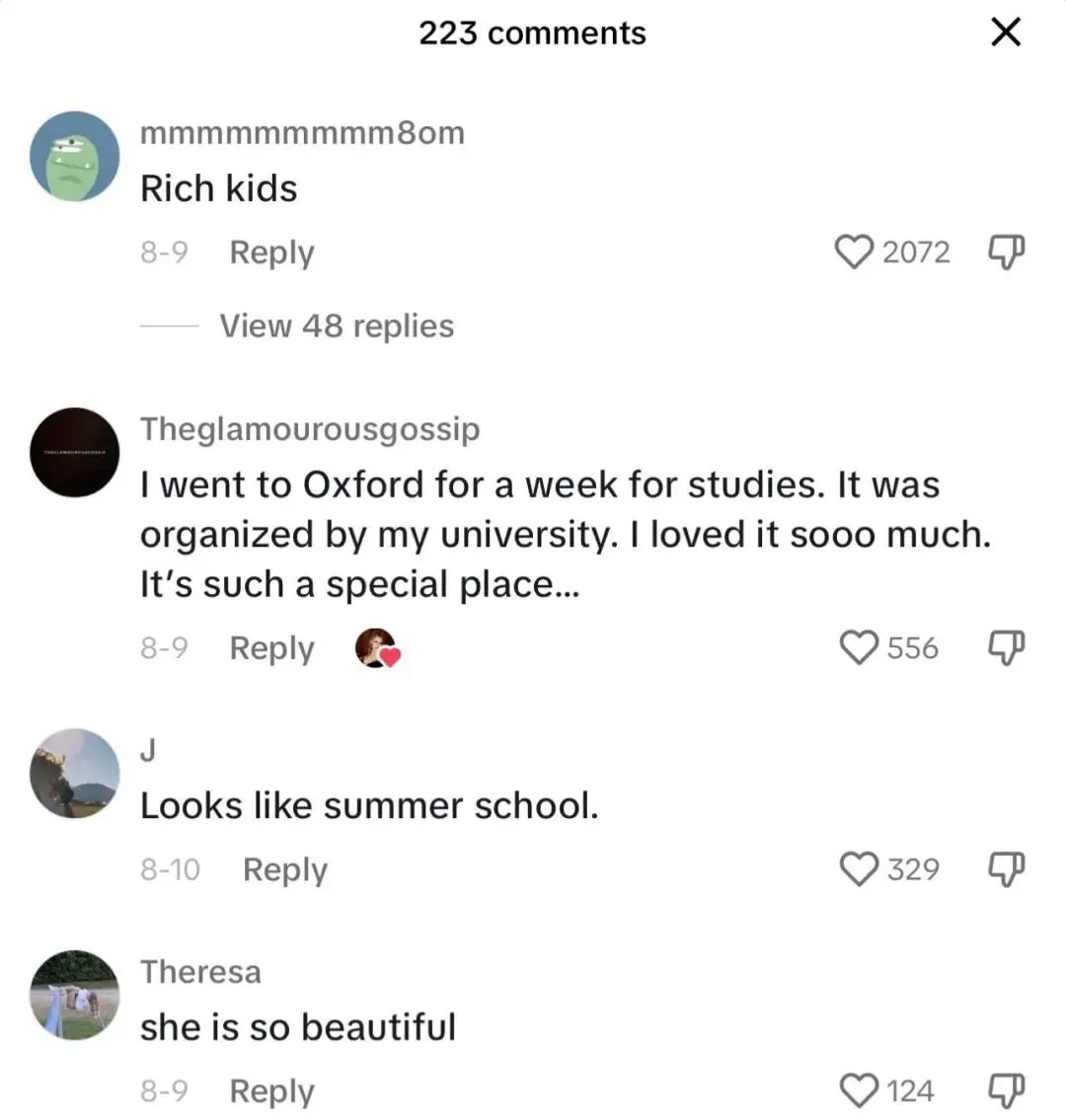
It just goes to show that elite schools really do attract massive attention—even their summer programs come with such hype.
Summer School: The New Influencer Check-in Spot
On Xiaohongshu, you can scroll past countless bloggers who feel the need to document every detail of summer school, from welcome parties to daily classes to formal dinners—it's hard to stop unless they put out a whole album.

Switch over to Douyin, and someone's "Oxford Diary" has already reached Episode 5 👌

After all, in study abroad circles, if you haven't attended one or two summer programs over the break, you'd feel too embarrassed to socialize when school starts.
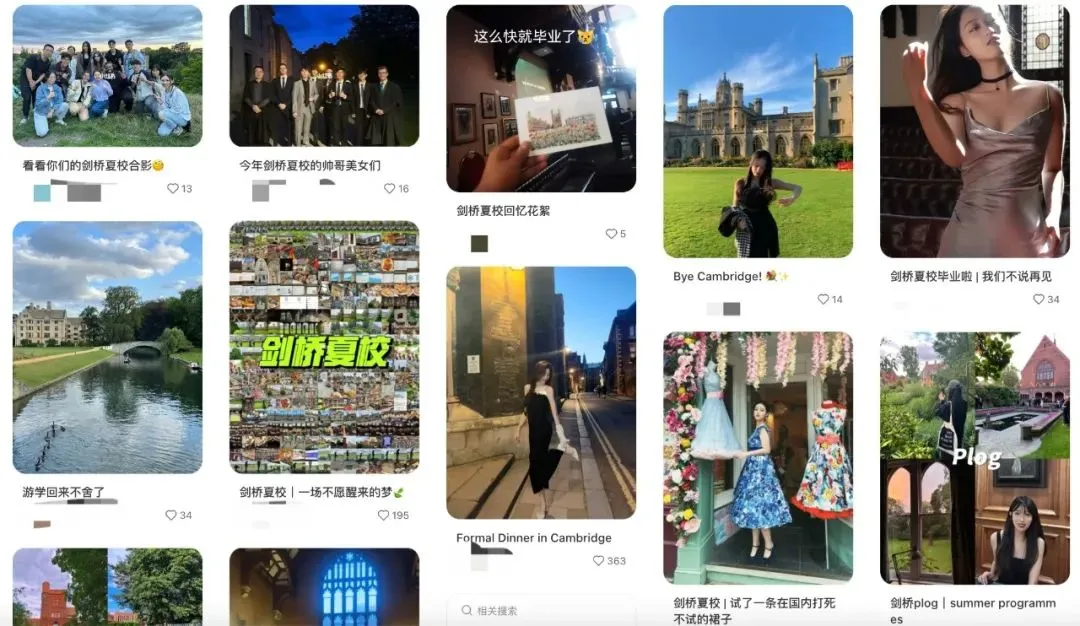
If not at Oxbridge, then at an Ivy League school.

The instructors are said to be postdocs on average, and admission is incredibly tough and highly selective 👇

Then there's the casual group photo with foreigners to show off their effortlessly social life.
When summer school ends, they post melodramatic reflections: "One visit and you'll miss everything about New York."

Nostalgic for how earnestly they attended class, tearing up at the thought of Chipotle 😭

Ask them and it's always "A once-in-a-lifetime memory" 👇

"A dream I never want to wake up from" 👇

Even though it's only two or three weeks, we in the audience on social media feel like we've been part of the whole journey—a truly immersive experience.

After all, it's all about a quick and efficient boost—complete the program and instantly become an "alumnus" of a top school, perfectly suited for the influencer lifestyle.

The secret sauce of leveraging elite school clout has been mastered.
While actually attending Cambridge or Imperial might get you roasted as a "cash cow master's student," attending a summer school can still reel in a big following.

As for how high the bar is, well, if you know, you know 😅

Expensive and Competitive: Are Summer Programs Worth It?
These days, among the study abroad crowd heading to summer programs, more and more are simply jumping on the bandwagon, and the market has become a mixed bag of varying quality.
The overwhelming sense of intense competition and the mentality of "Oxbridge or Ivy League or nothing" has made many people's summers rather anxious.
It almost feels like if you didn't burn through tens of thousands of yuan over a summer, you'd be too embarrassed to post on social media.
It's unclear when summer programs became the new influencer check-in spot. Even a post about someone spotting Huang Duoduo at a Northwestern summer program became a viral sensation.

Beyond collecting likes and followers, does anyone still remember what summer programs are actually for?
The original purpose of summer programs was to offer introductory college courses to middle and high school students—a study-focused summer project. Common types include pre-college programs, credit-bearing programs, and research-oriented programs.
Pre-College Programs
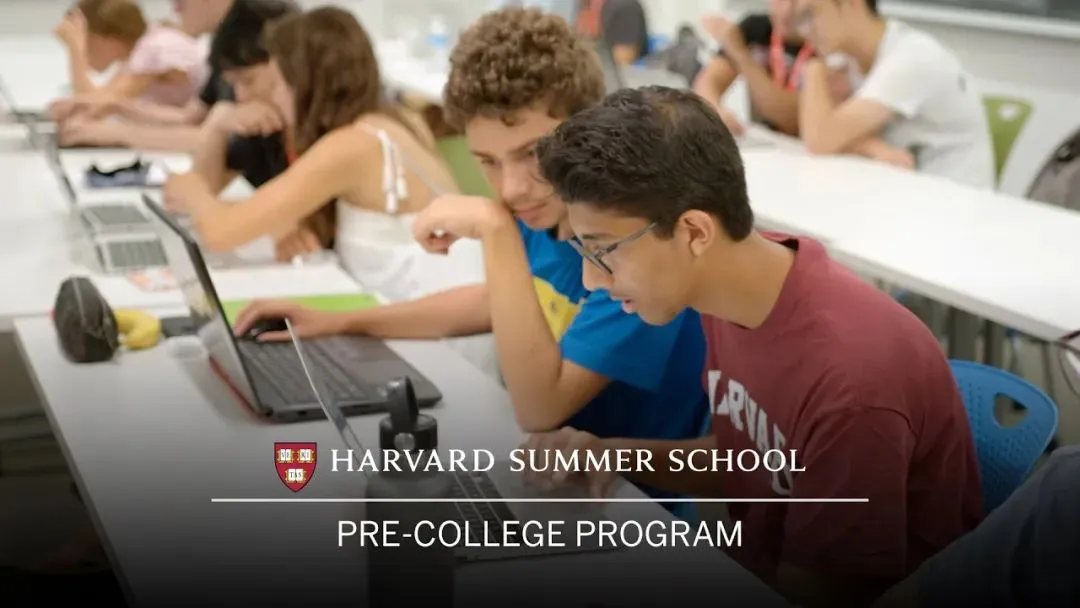
Pre-College Programs are experiential summer programs that give students a chance to explore college majors. They don't carry credit and generally have lower application thresholds.
The advantage is that students can get a feel for campus life and gauge whether a school is a good fit. They can also make friends and enrich personal experiences and material for application essays.
Credit-Bearing Programs
Credit-bearing summer programs allow students to earn university credits upon completion. Students can choose one or two college courses that interest them.
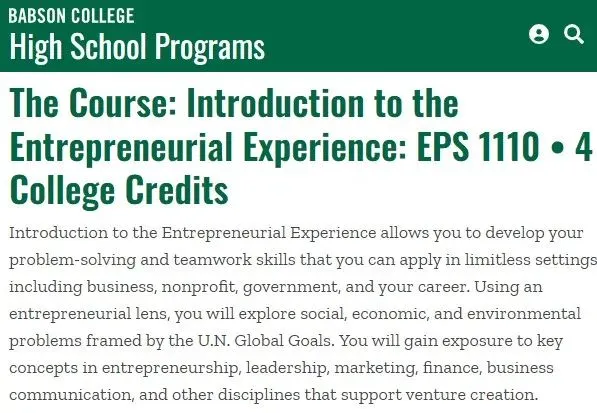
These programs are mainly suited for students who have a clear dream school. Later, when applying, their answers to "why school" and "why major" questions can be more targeted.
Research-Oriented Programs
Research-oriented summer programs focus on academic research. They are highly selective, more difficult to get into, and carry high prestige. Admissions officers evaluate applicants' academic ability and research enthusiasm through essays, transcripts, interviews, and other materials.
For example, MIT's Research Science Institute (RSI) summer program and Yale's Summer Program in Astrophysics have acceptance rates below 5%, making them extremely selective.
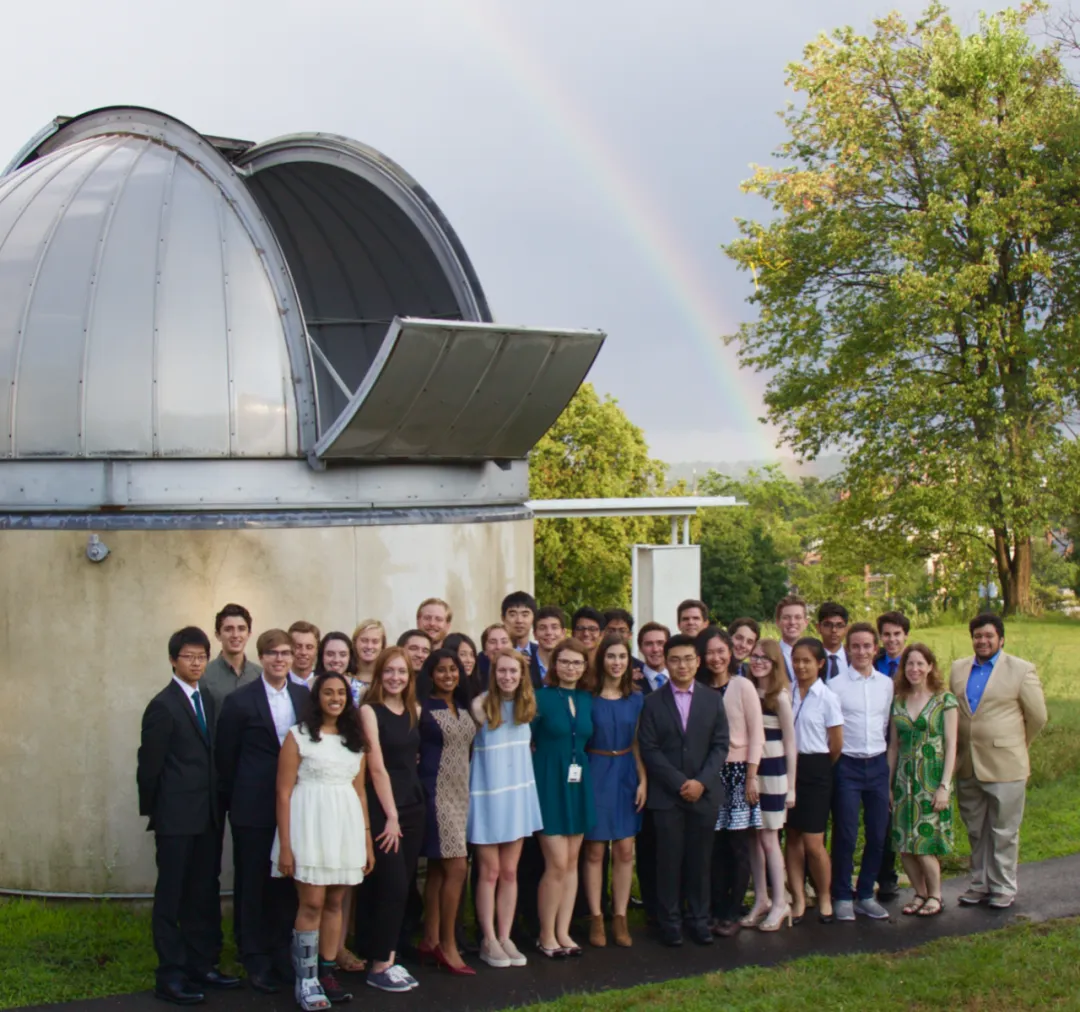
Nowadays, students at American high schools or international schools almost all have at least one summer program in their pocket: one "experience-type" to broaden horizons and one "high-value" to boost applications.
So how do you judge the value of a summer program?
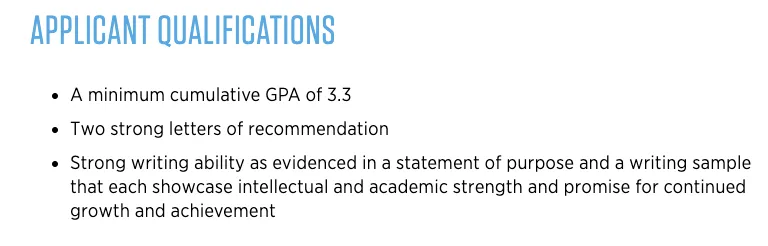
First, check whether it grants credit. Credit-bearing programs usually have higher application thresholds and demand stronger language and academic skills.
Second, look at the admissions bar. Some highly selective summer programs are as challenging as undergraduate applications, requiring transcripts, language scores, recommendation letters, essays, and sometimes interviews.
So, are summer programs a must for applying to top UK or US universities?
High-value summer programs can certainly help with college applications. For instance, students who attended the Stanford Summer Humanities Institute (SSHI) generally have strong college admissions outcomes.

From the perspectives of college experience, broadening horizons, and socializing, summer programs remain a good summer option. Through them, students can better understand whether a particular country and school are the right fit in terms of education and culture, and discover their own interests.
From a profile-building perspective, summer programs are one option but not a must. If you have other summer plans—like internships, volunteering, entrepreneurship, research, or sports and extracurricular activities—they can serve equally well as material for college applications.
After all, even the most prestigious, high-value summer programs vary greatly in how much they can actually boost your application, and it's hard to generalize.
It's not uncommon to see students who were accepted by a prestigious summer program but still got deferred during early decision. Ultimately, college admission is holistic, taking into account academic ability, extracurriculars, essays, recommendation letters, and more. Telling a compelling story carries more weight than a single elite summer program experience.
We hope everyone takes a rational view of summer programs—don't do them just for the sake of it, and learn to evaluate information for yourselves.
Don't obsess over the prestige of a school's name, and don't get caught up in comparisons or one-upmanship. Align your choices with your academic interests and target application schools. That way, you can achieve much better results with less effort during application season.
.png)