
Recently, an international student from India ran into trouble.
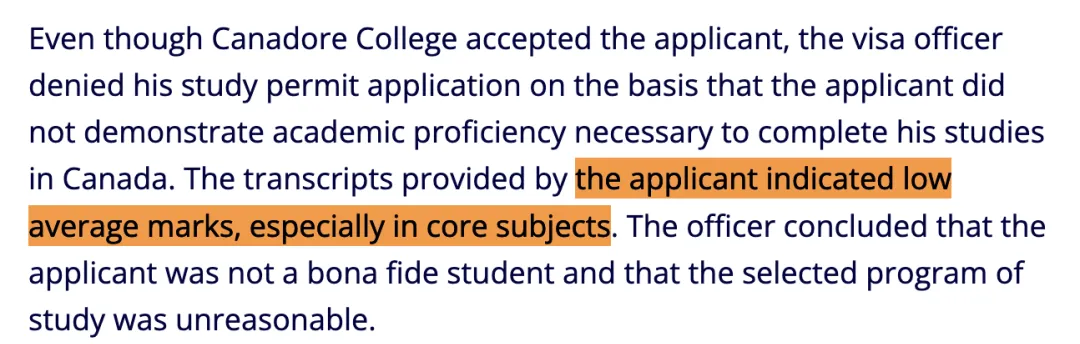
Despite having already received a graduate offer from Canadore College in Canada, he was denied a study permit by a Canadian visa officer.
The official reason given:
Previous grades were too low, especially in core courses.
While top Canadian universities have high admission thresholds, some international students with lower grades and purely immigration intentions think that applying to a less competitive Canadian school shouldn't be a problem.
But Canadian immigration visa officers have long seen through such wishful thinking.

The Federal Court of Canada officially stated: if an applicant's previous grades in core courses or subjects related to the Canadian program applied for are too low, even with an admission offer, the visa officer has the authority to question the applicant's academic ability to complete studies in Canada and refuse the study permit.
In a nutshell: If your GPA is too low, even if a school is willing to accept you, immigration authorities may still say no.
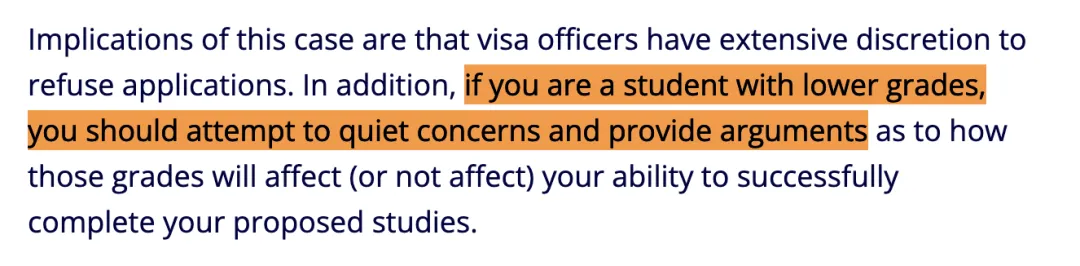
Moreover, immigration officials are not obligated to explain why they consider an applicant's GPA too low.
It is clear that Canadian visa officers have extensive discretion to refuse applications. Students with low grades need to provide a compelling explanation to prove they can complete their studies in Canada; otherwise, they face a dead end.
Countless harsh lessons from international students serve as a warning: GPA simply cannot be taken lightly.
.jpg?x-oss-process=style/opt-webp)
Is GPA really that important?
GPA is the first stepping stone for graduate applications
Although GPA is not the only criterion in graduate admissions—GRE/GMAT scores, internships/research, TOEFL/IELTS, essays, recommendation letters, interviews all play a part—it is definitely the first stepping stone in the entire application.
GPA is absolutely the first stepping stone in the entire application.
Even at U.S. universities that value a student's overall background, top schools are uncompromising about academic performance. With a low GPA, it is an uphill battle even to crack the Top 100.
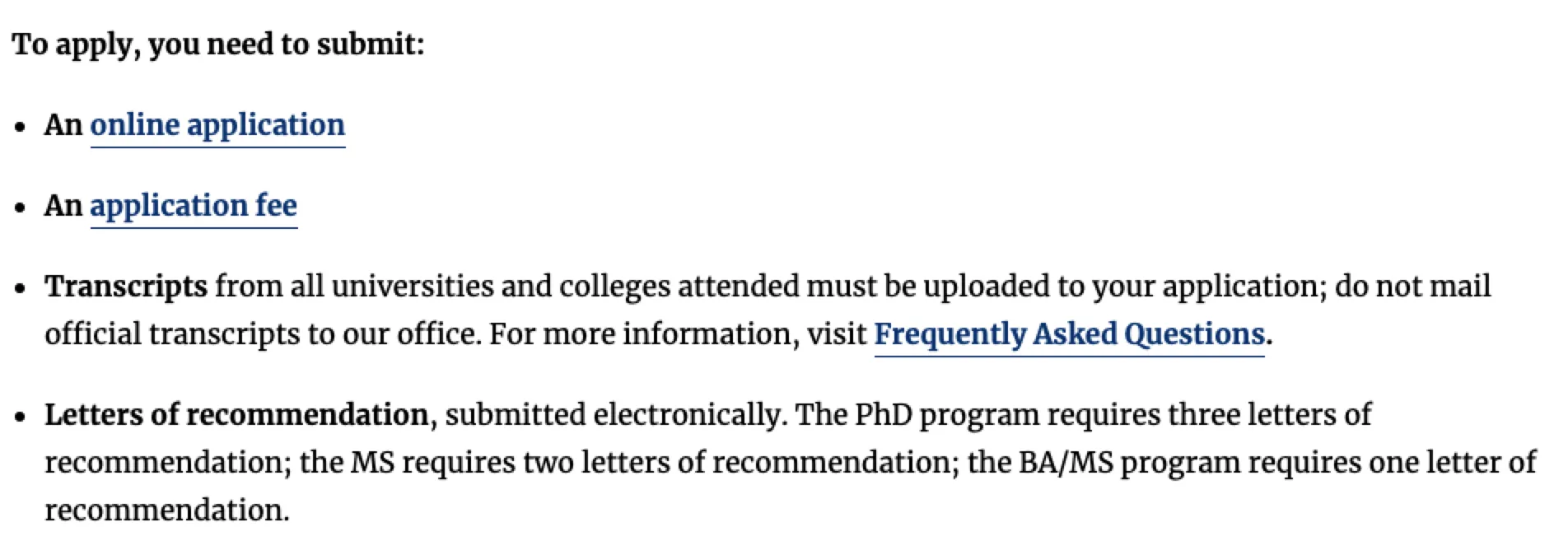
Don't wait until senior year to realize GPA's importance. Especially for those planning to pursue graduate studies, start paying attention to your college grades early. If your grades fail to meet a program's basic requirement, your application materials might be filtered out in the first round of screening by the school's system!
Not everyone can pull off a low-GPA comeback
In this era of information overload, the internet is flooded with "comeback" stories that people love to read.

"Low GPA admission to Ivy League," "Low GPA career shift into CS at a top school," "Super low GPA working professional successfully gets in"—these survival bias stories are endlessly magnified, giving readers a false sense of hope that they, too, can pick any elite school regardless of their GPA, even believing a 2.5 can get them into Harvard.
While most schools' official websites list a GPA of 3.0+ or don't specify an exact threshold, applying with a truly low GPA likely means rejection. You might at best meet the minimum GPA requirement, but you won't meet the actual admission standard.
For highly competitive popular programs, they'll often set a higher GPA bar outright. If you apply to a program with an average admitted GPA of 3.8+ with a 3.0, your chances are slim to none.
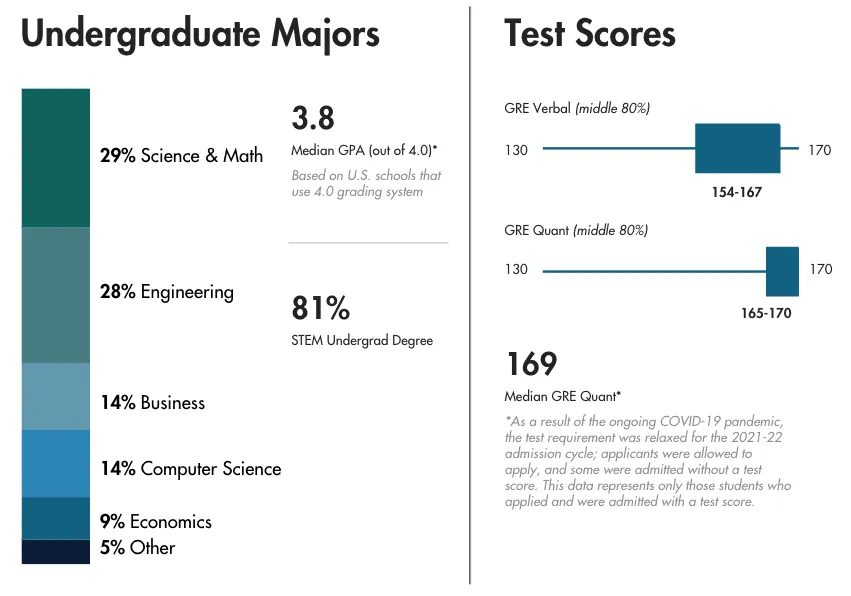
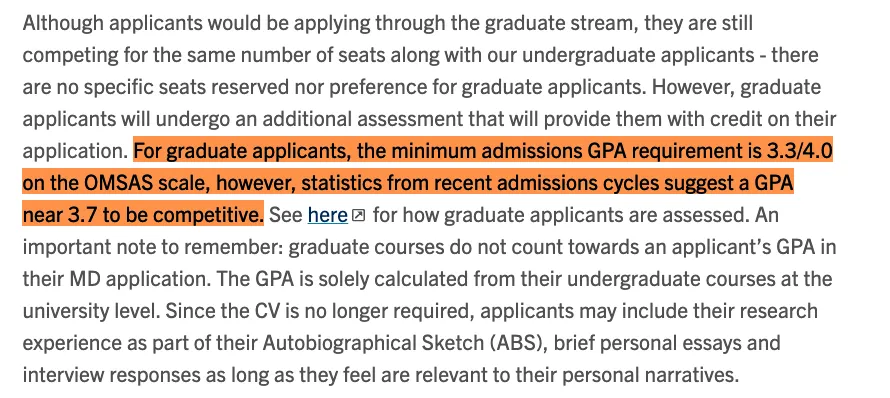
For example, the University of Toronto clearly states on its website that the minimum admission standard is a GPA of 3.3/4.0, but based on recent admission data, a 3.7+ is needed to be competitive.
Even for programs that are not extremely strict about GPA, it often means they will place even greater weight on other application materials.
Without strong experiential backgrounds, valuable recommendation letters, outstanding essays and resumes, realizing the low-GPA miracle becomes even harder.
GPA matters for job hunting too
Some students might argue: "Well, I'm not going to grad school; I'll go straight to work. No employer will look at your GPA."
That mindset is completely wrong.
Even when seeking internships during college, most companies might not hire you if your GPA is too low.
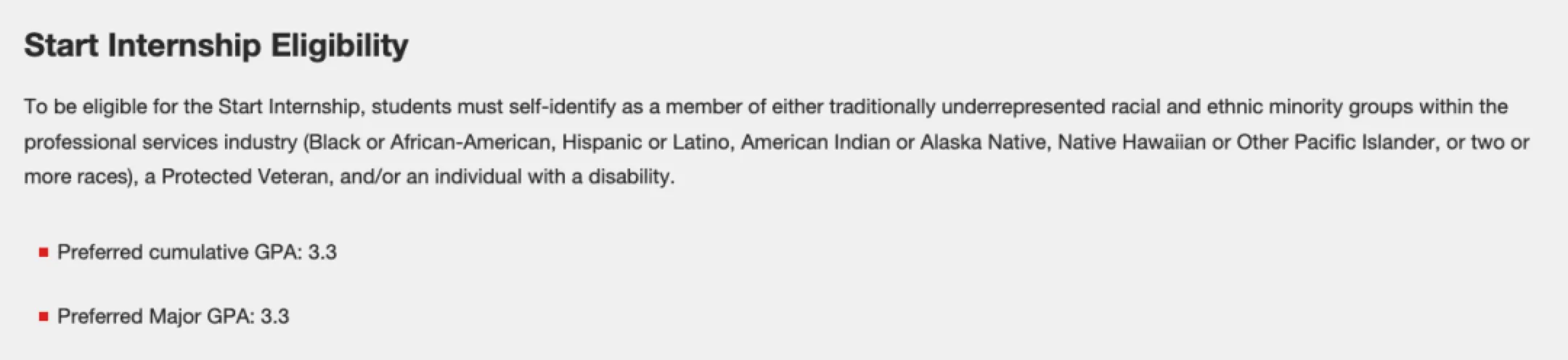
Many employers consider a high GPA during school a basic indicator of a candidate's ability and also reflect the candidate's attitude toward learning and work. In certain industries like accounting, consulting, and law, GPA can also help gauge whether you're capable of completing assigned tasks promptly and efficiently.
When applying to many top companies, the application portal often requires you to fill in your graduation GPA—it's one of the first steps in employer screening. For fresh graduates with limited work experience, GPA can directly shape the first impression.
How to maintain a good GPA in college
Now that you understand the importance of GPA, let's look at how to effectively maintain your academic performance!
Make good use of available resources
As the saying goes, to get good grades, pick your professors early and wisely. A common way to protect your GPA is to avoid "landmine professors."
Using sites like Rate My Professors or getting advice from seniors who've taken the courses are both excellent ways to choose classes/professors.
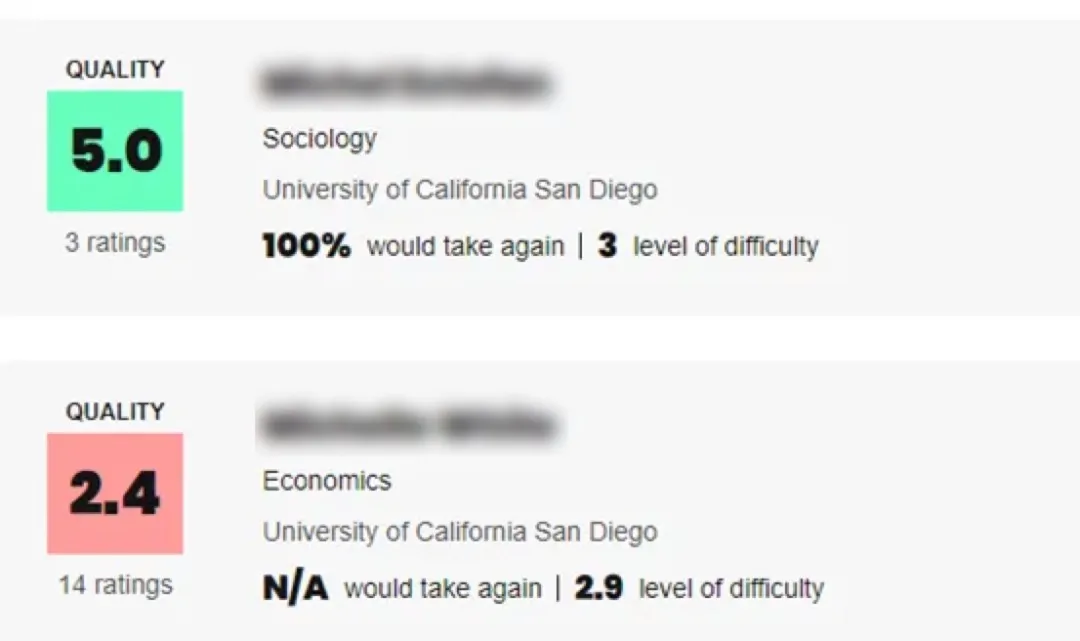
Avoid professors with extremely low ratings if possible. Low grades might stem not from course difficulty or your own ability, but from the professor's own issues...
Before choosing a professor with a perfect score, read the reviews too—check whether it's because too few people have rated or the professor is genuinely kind and grades leniently.
In addition to proactively securing classes with good professors, if you unfortunately land a tough one, try attending office hours to ask questions and interact more, or invest more time collaborating with your group members—both are good ways to maintain or boost your GPA.
Use Pass/No Pass wisely
Pass/No Pass, or Pass/Fail (Credit/No Credit), is a common grading option in North American universities.
Schools typically allow students to change some non-major courses (mainly general education) to P/NP, while major courses cannot be switched to P/NP. Usually, the number of credits you can change to P/NP is limited, and the specific rules vary by university.
University officials also advise students to carefully consider P/NP choices to ensure academic success.
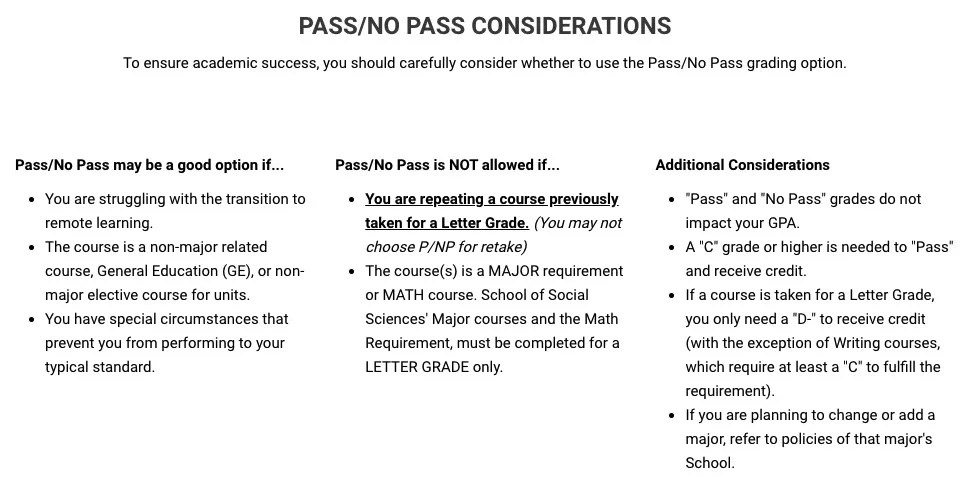
While P/NP is useful, here are key points to note:
1. Consult with your professors and advisor, weighing school policies, personal circumstances, and course difficulty to decide whether to P/F.
2. Don't switch too many courses to P/NP in the same semester; it's recommended to keep letter grades for major courses.
3. Don't let yourself go completely—even for non-major P/NP courses, if you get a No Pass, you'll have to retake them.
Optimize your course scheduling
College course selection is generally quite flexible. When picking courses each semester, carefully consider whether you have the time and energy to keep up with your plan.
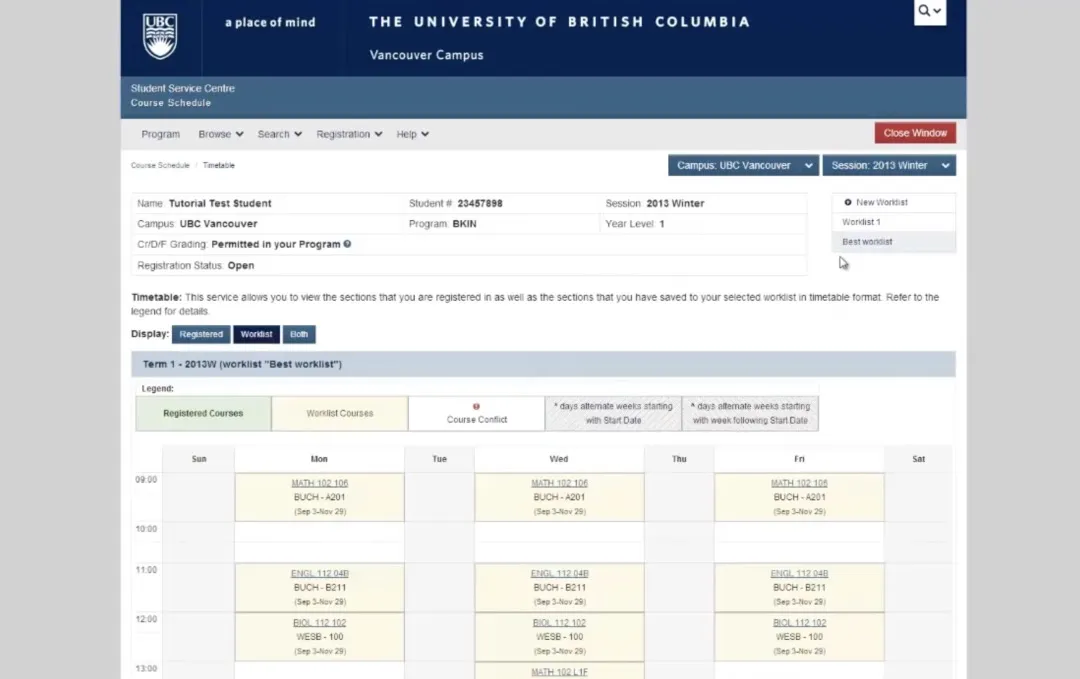
Taking too many courses at once, cramming all difficult ones into one semester, overloading on project-heavy courses—these can easily backfire, resulting in low efficiency and a low GPA.
Not everyone can handle the pressure of "graduating in three years." Raising your GPA should be the top priority; don't put the cart before the horse.
Whether for graduate school applications or job hunting, GPA remains a very important assessment standard, and we still advise students not to slack off.
From now on, pay attention to your grades, and best wishes for your academic success and realizing your dreams!