
Is Canada really about to "restrict" international students?!
Recently, several ministers in Canada have proposed restrictive measures, not only hard caps on study permits but also banning international students from working, and even some institutions would be affected...

The three specific measures currently proposed to restrict international students include:
-
Limit student visas by setting a strict cap on the number of higher education students admitted from abroad.
-
Prioritize study permits for international students from "trusted" institutions.
-
Restrict work opportunities for international students to reduce the appeal of studying in Canada.
All of this stems from the Canadian government's belief that there are too many international students in Canada, which has greatly increased housing pressure...

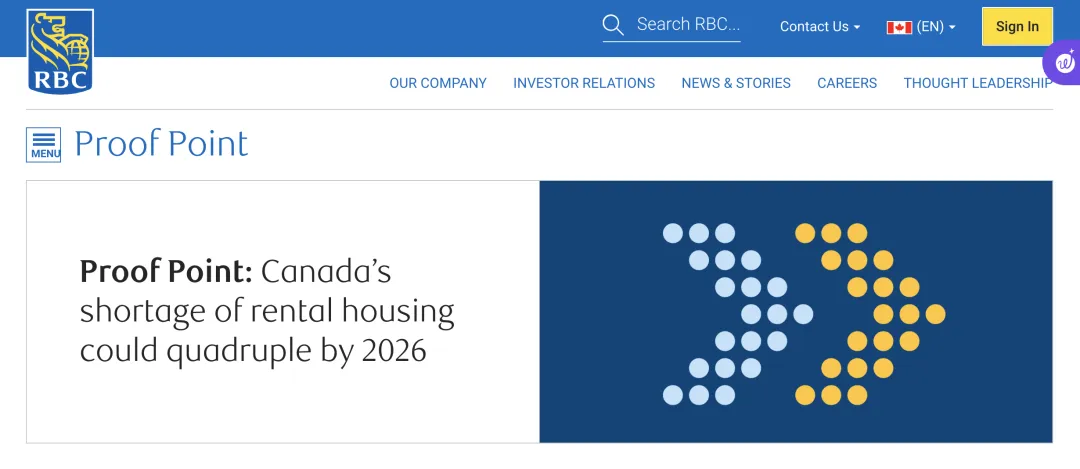
Canada's housing crisis has become a familiar topic. According to a report earlier this year by RBC Economics, if housing supply is not significantly increased, Canada's housing shortage could quadruple by 2026...
Although the Canadian government has been trying to address this issue, recently Minister of Housing and Infrastructure Sean Fraser bluntly stated that the growth of international students has put pressure on the rental market and driven up costs?
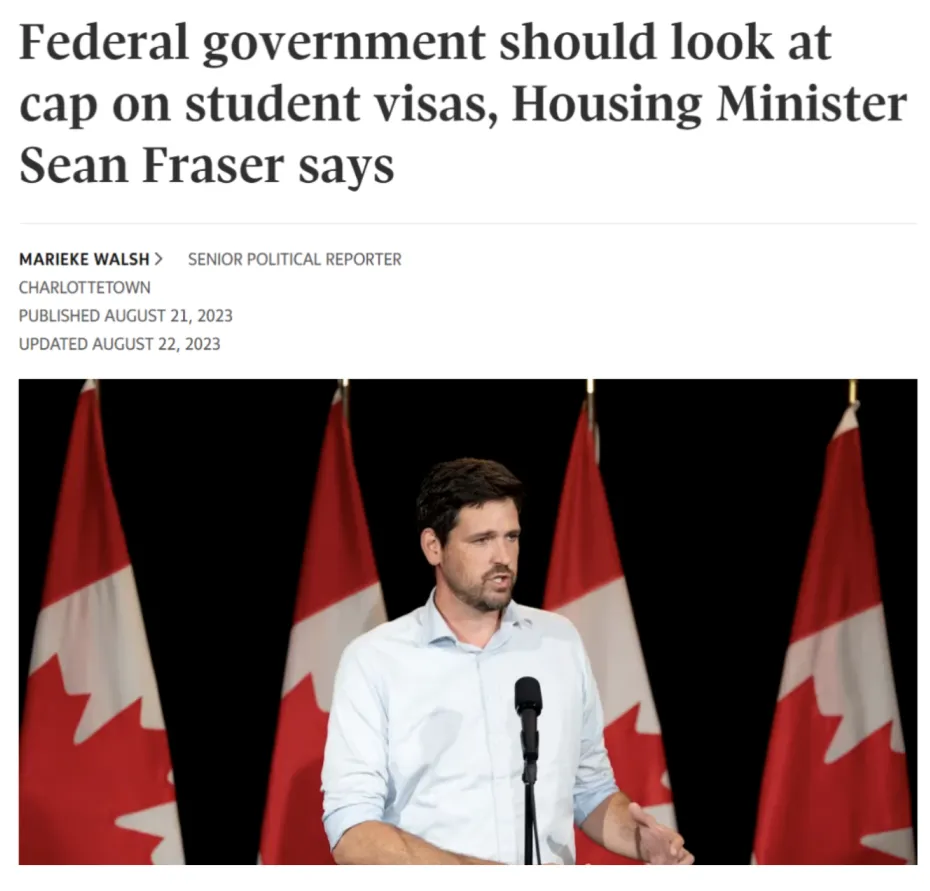
It makes you wonder: what did international students ever do to deserve this? Students in Canada already have it tough enough, and now they're being scapegoated and targeted...
How Difficult is Graduate School Application in Canada?
Anyone who has applied to graduate schools in Canada knows how difficult it is. Canada is vast but sparsely populated, with relatively few universities and generally small-scale programs.
Meanwhile, the number of international students applying to Canada has increased year by year, leading to rising admission requirements and fiercer competition.
According to data from UBC's website, the overall graduate admission rate for UBC's Vancouver campus has been below 20% over the past five years.
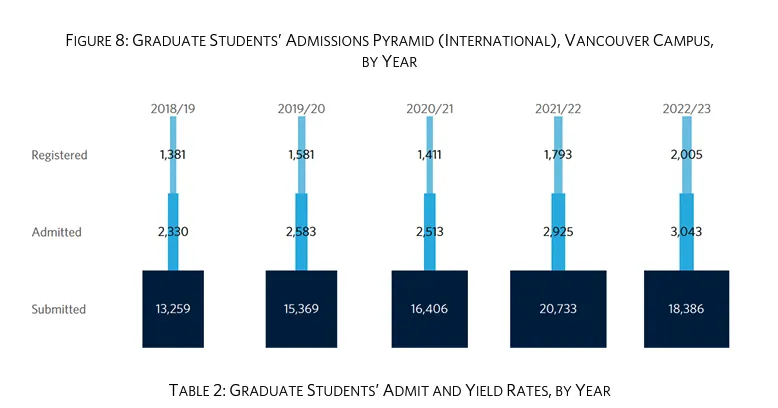
For example, in the popular field of computer science, the number of graduate applicants in Canada has grown year by year, but admissions numbers have not risen correspondingly.
The graduate computer science program at the University of Toronto also has a very low acceptance rate. According to U of T data, the Master of Science in Applied Computing has an acceptance rate of only 5%–10%.

The admission outlook for popular arts programs is equally grim. Take psychology: UBC's Master of Arts in Psychology has an acceptance rate of 1.6%–2.5%, admitting only 10–15 out of over 600 applicants.
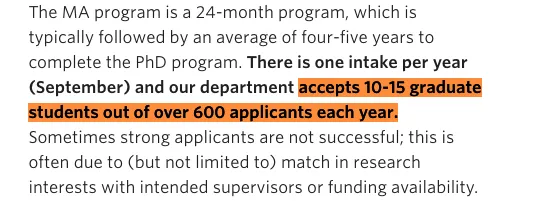
With so many applicants and so few spots, rejection letters are all too common...
And starting this year, IRCC has even begun directly rejecting study permit applications from international students due to low grades.
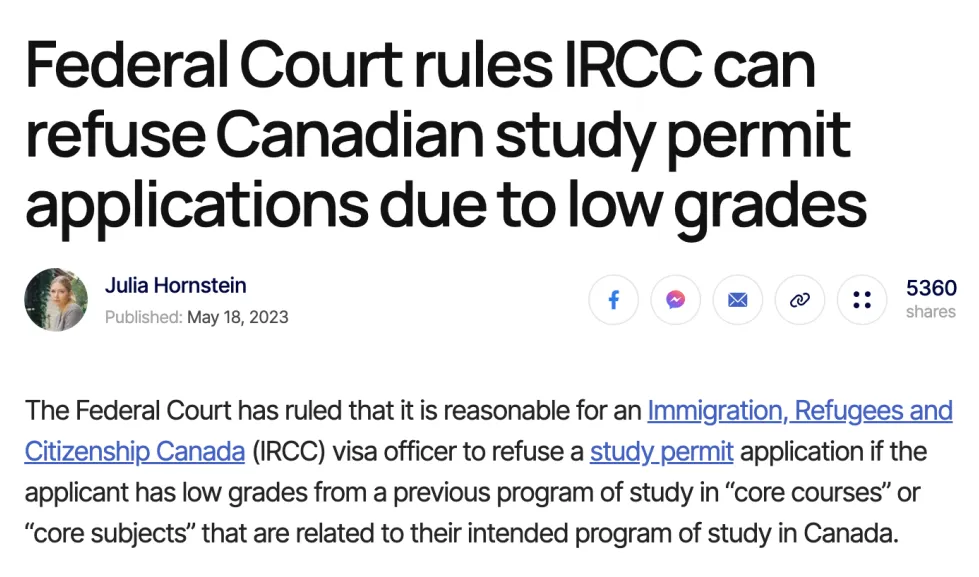
Applying was already hard enough. If the government further reduces study permits, it will only make things worse...
This really leaves international students with no way out...
Universities Unite to Oppose Student Visa Restrictions
In response to the government's plan to restrict study permits, Canadian universities have already spoken out strongly against it.
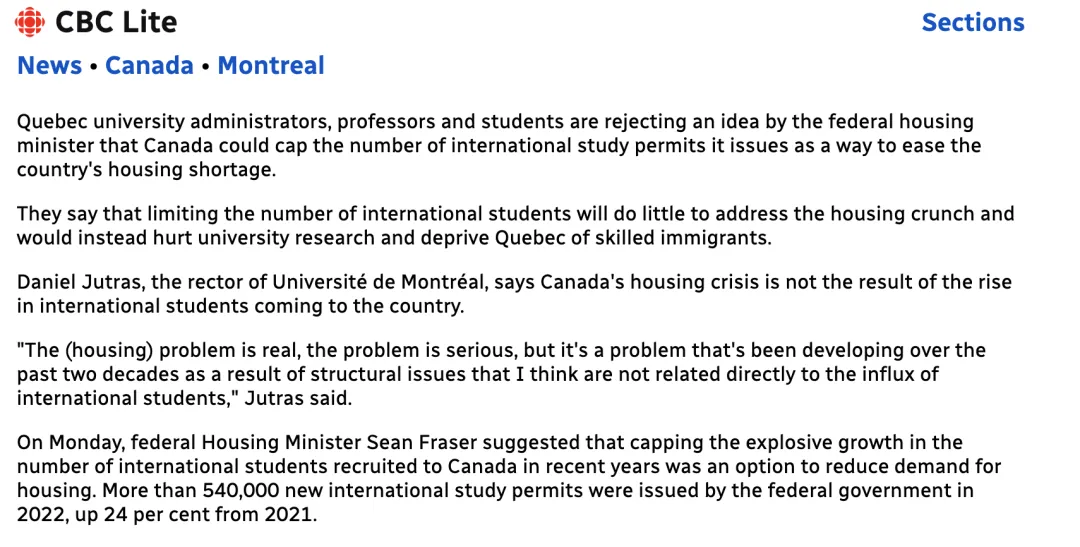
The president of Université de Montréal stated that Canada's housing crisis is due to structural issues, not directly related to international students, and affirmed the important contributions international students make.
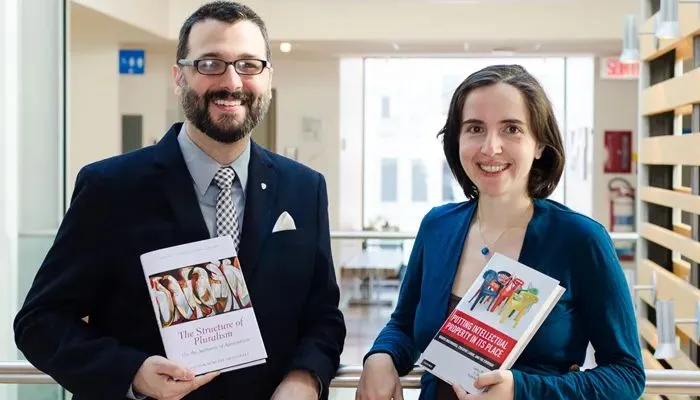
McGill University professor Victor Muniz-Fraticelli also said that blaming international students in large cities like Toronto, Vancouver, or Montreal is completely absurd, as they account for only a small fraction of the population.
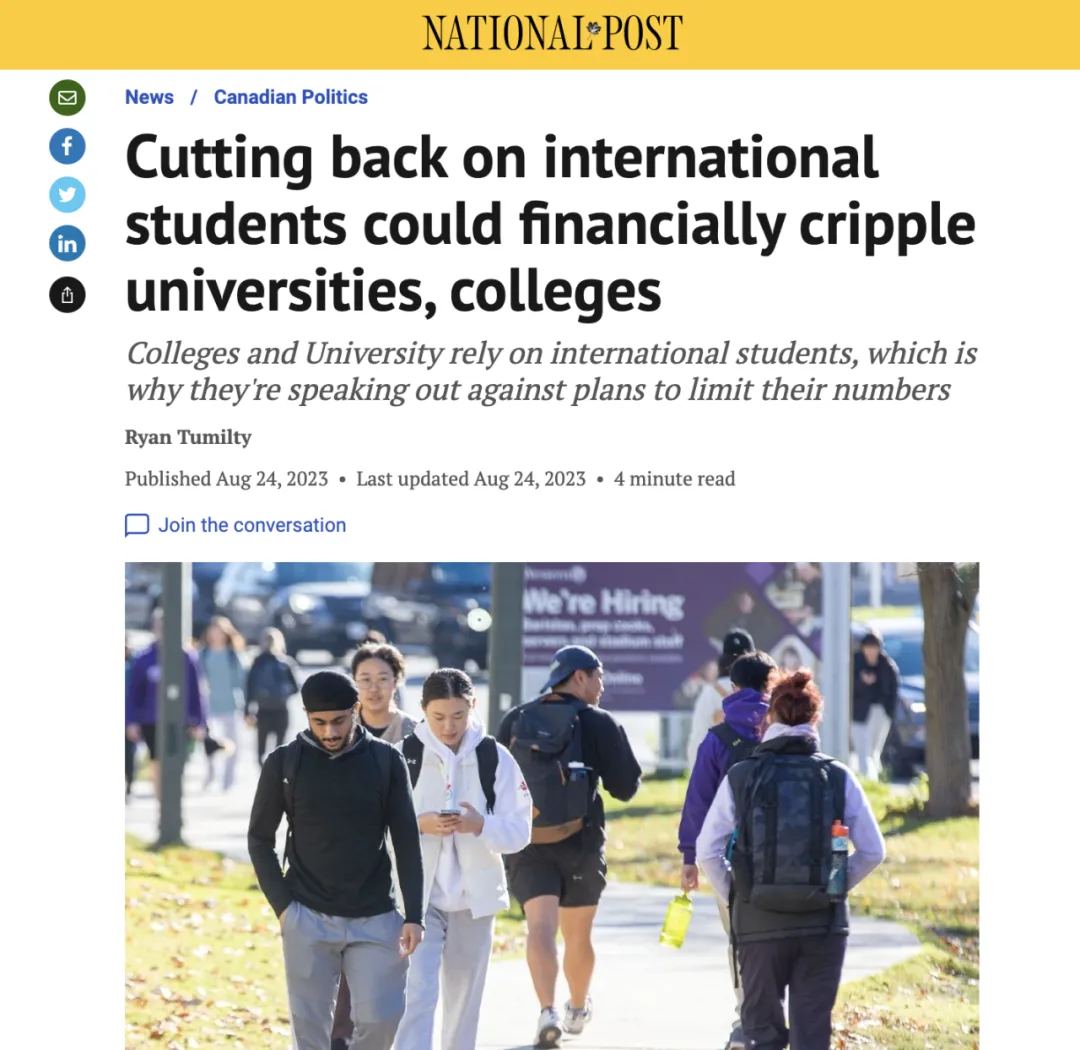
Meanwhile, Canada's National Post reported that reducing study permits would deal a severe blow to many institutions, as they rely on international students to balance their budgets.
Especially for some colleges, 90% of tuition revenue comes from international students; without them, they simply cannot survive—they can't afford to lose that source of income...
Canada's Popularity Soars, Competition Intensifies Across the Board
However, it is true that the number of international students in Canada has been increasing in recent years. According to government data, Canada hosted over 800,000 international students last year, more than double the figure in 2015.
It's undeniable that Canada is currently incredibly popular, leading to fierce competition on all fronts. So not only might student restrictions change, but various other policies could shift at any moment.
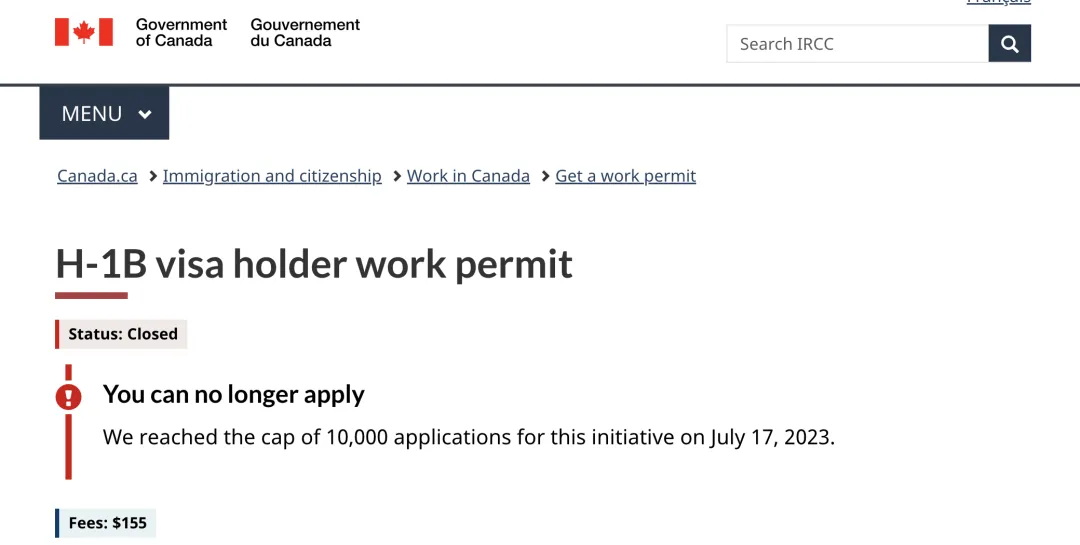
Take the recent example of the immigration department's open work permit channel for U.S. H1B holders—the 10,000 quota was snapped up in less than a day!
Moreover, Canada's favorable immigration policies are attracting more and more people. For example, the recently reinstated Global Skills Strategy allowing work permits to be obtained within 14 days; the rule that work permit holders no longer need a study permit to study in Canada; and open work permits of up to five years for high-skilled workers in in-demand occupations.
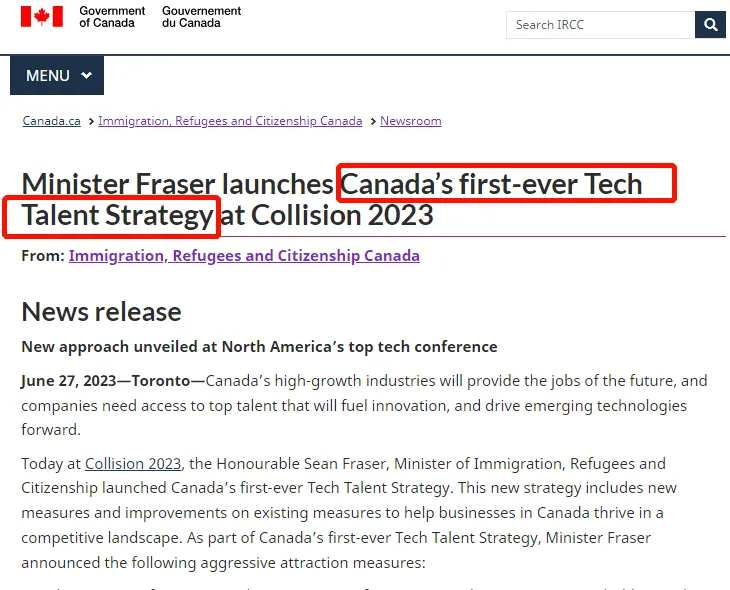
This, in turn, intensifies competition for both studying and immigrating to Canada, raising the bar higher and higher.
Looking at the situation now, Canada's own social issues have also prompted macro-level policy decisions.
With Ever-changing Policies, How Should International Students Respond?
So how should students planning to study in Canada prepare amid these unpredictable policies?
In fact, many students are no longer applying to just one country or region for graduate studies; they are choosing to apply across multiple countries to hedge their risks.
For example, the U.S. and the U.K. offer relatively high recognition back home, so many students aiming for Canadian graduate programs also apply to U.S. and U.K. schools. Some also consider universities in Hong Kong or Singapore due to cultural proximity and other factors.
Of course, each country/region has its own pros and cons; when applying to graduate schools, students should weigh their options based on their personal circumstances, diversifying risk without blindly applying everywhere.
We hope that when choosing study destinations and programs, you will adjust your plans according to your own situation and not blindly follow the herd.
The Fall 2024 application season has already begun. We hope everyone will start preparing early and soon receive offers from their dream schools!