Compared to popular study-abroad majors like STEM and business, East Asian Studies is definitely a niche field that many have never even heard of. But with the rise of Asian politics and economy, East Asian Studies has seen a promising job market in recent years, and applications are increasing. Today, let's explore this lesser-known major—East Asian Studies. For a more detailed understanding, you can scan the QR code below for a one-on-one consultation.

I. Program Overview
East Asian Studies (EAS) is an area studies program specifically focused on the three East Asian countries (China, Japan, and South Korea) and is an interdisciplinary field.
Most East Asian Studies programs offered by North American universities fall into two categories: East Asian Regional Studies and East Asian Language and Culture. The former primarily examines the politics, economy, and society of the East Asian region, while the latter focuses on the languages and cultural studies of East Asian countries.
Some universities offer only one of these, such as UCLA's East Asian Studies M.A.
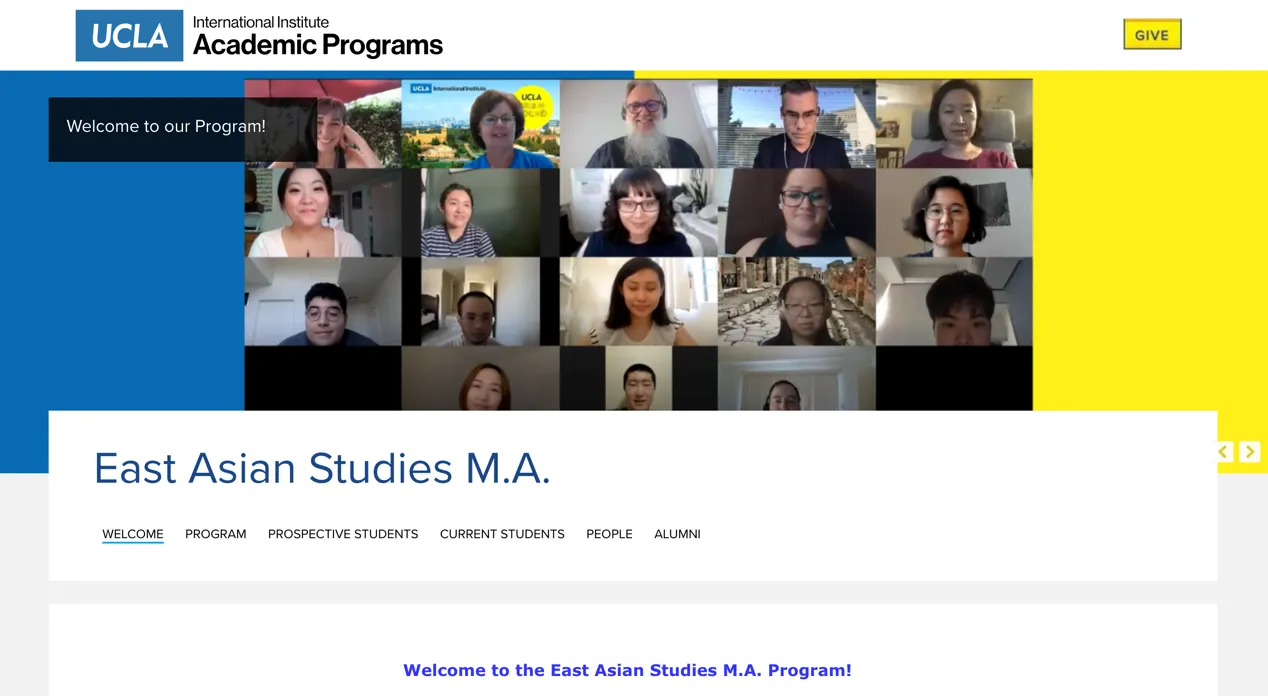
Official website: https://www.international.ucla.edu/academics/eastasianstudies
Columbia University, on the other hand, offers both. Columbia's M.A. in East Asian Regional Studies is the core program of the Weatherhead East Asian Institute (WEAI). Together with the Department of East Asian Languages and Cultures, these constitute the two main dimensions of East Asian Studies at Columbia: regional studies in the social sciences and language and culture studies in the humanities.
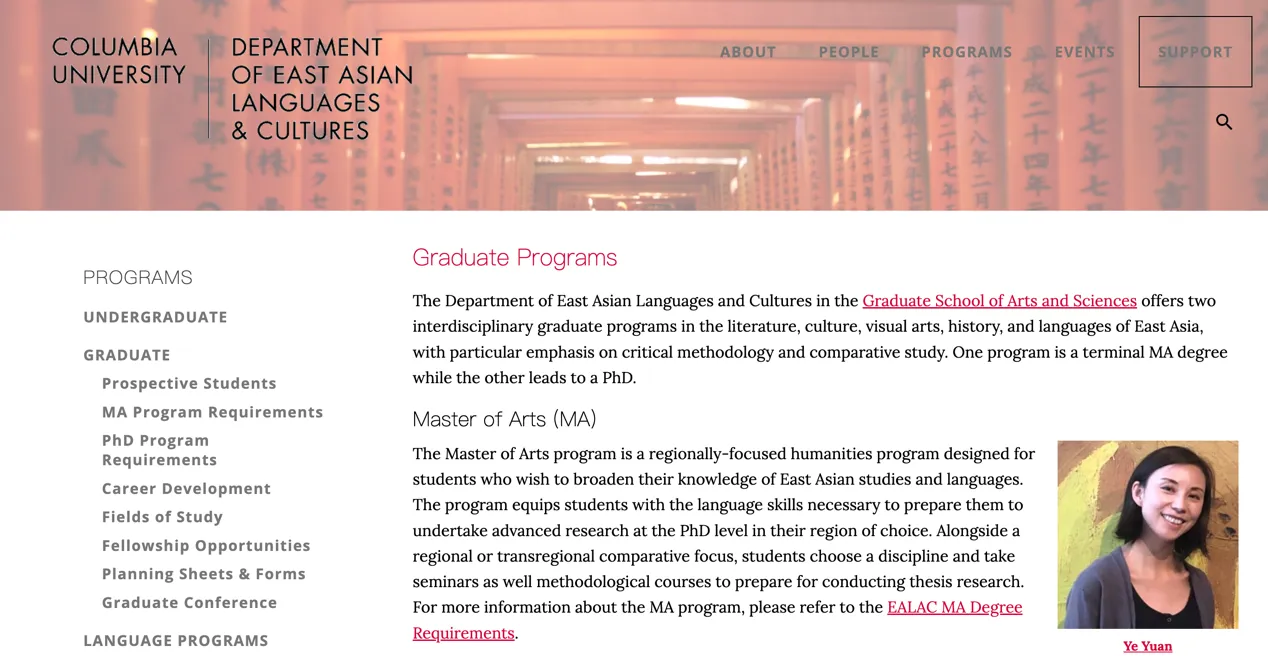
Official website: http://ealac.columbia.edu/program/graduate/
The M.A. in East Asian Studies at Columbia University offers a comprehensive curriculum. Students explore the history, culture, philosophy, art, and other aspects of different East Asian countries, and investigate issues such as social transformation, international relations, and geopolitics in the region.
Duke University combines both types into one program called East Asian Studies, with two tracks within it. Duke's Asian Pacific Studies Institute (APSI) is also a key center for East Asian research.
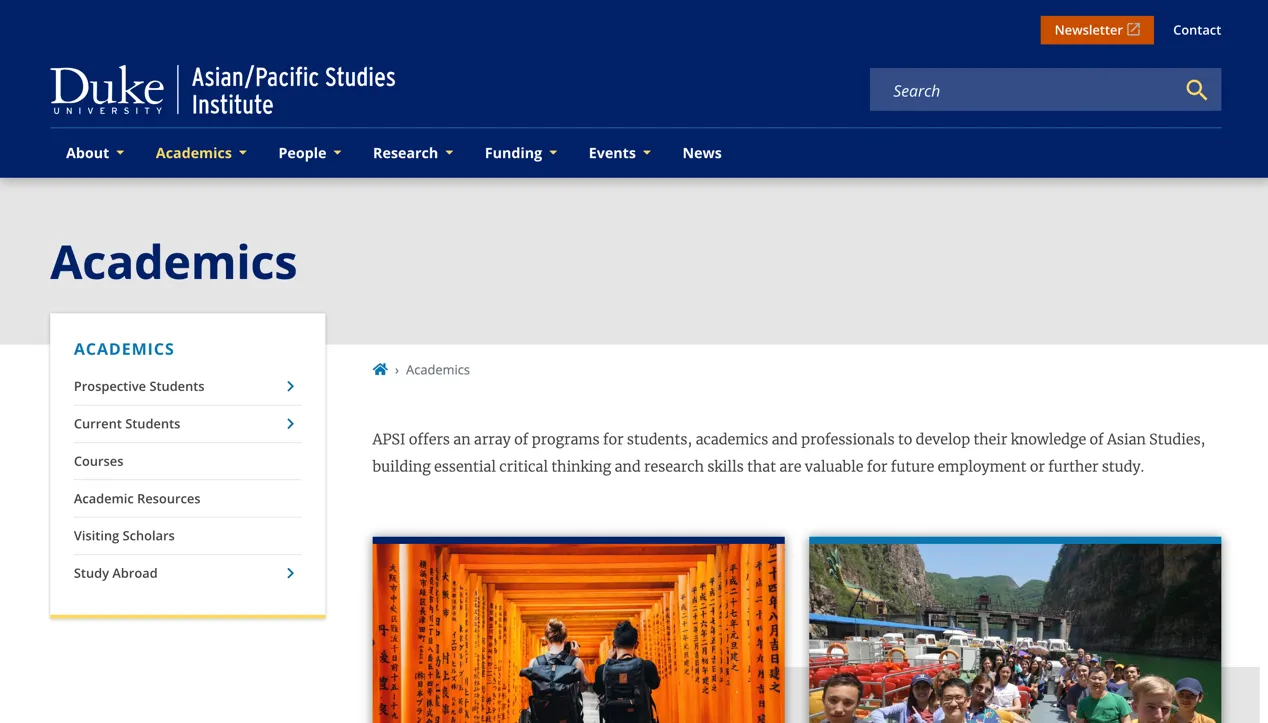
Webpage: https://asianpacific.duke.edu/academics/
East Asian Studies at Duke is supported by extensive library collections managed by subject librarians for China, Japan, and Korea. The curriculum comprehensively covers East Asian politics, society, history, and culture, with particular strengths in literature.
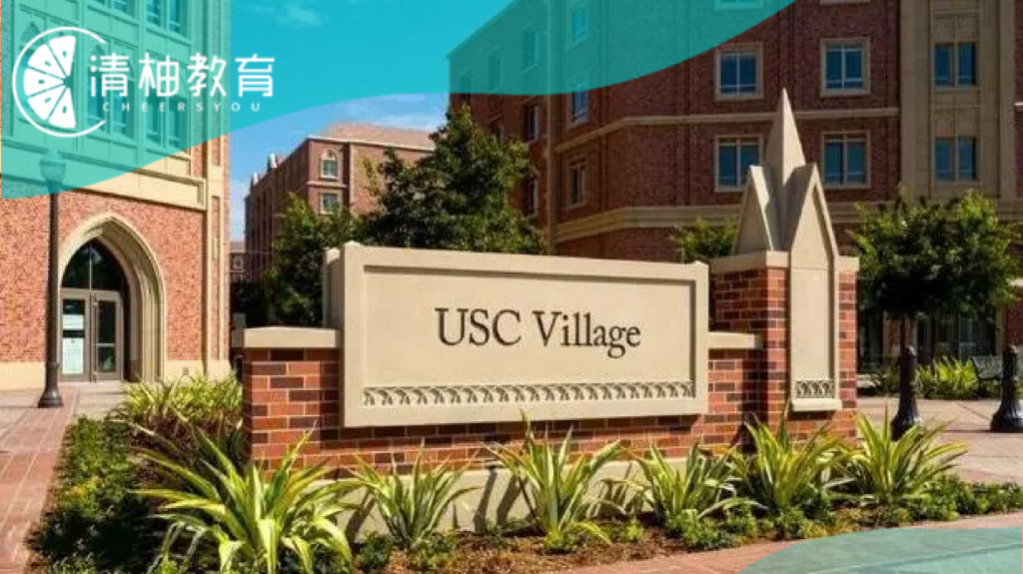
USC's M.A. in East Asian Studies focuses on East Asian culture, politics, and economics, with a rich and diverse curriculum. Students gain knowledge in East Asian society, culture, politics, economics, environment, and more, and conduct targeted research and analysis. The program includes specializations in East Asian history, culture, economics, international relations, political philosophy, strategic studies, environmental protection, and many other fields.
Official website: https://dornsife.usc.edu/ealc/
II. Application Tips
Students with a background in humanities and social sciences are eligible to apply, and those with undergraduate degrees in Chinese, Japanese, English, diplomacy, etc., will be more competitive. Knowing more than one East Asian language is also a plus, so preference is given to applicants who speak Chinese, Japanese, or Hindi. If an applicant has research ability and writing analysis skills in a relevant discipline, the application process will be even smoother.
In addition, this field has high requirements for application essays, expecting students to demonstrate independent thinking and personal insights about East Asian Studies. Therefore, a research paper that expresses your own viewpoint is very important and can be submitted as a writing sample to showcase your academic ability.
III. Career Paths
According to U.S. Department of Labor statistics, East Asian Studies graduates typically work as area, ethnic, and cultural researchers or postsecondary teachers, with an average annual salary of $88,410. They can also pursue careers in international relations, diplomacy, and related fields, such as working with international organizations, offering bright job prospects. Since the field is relatively niche, competition for jobs is not too high.
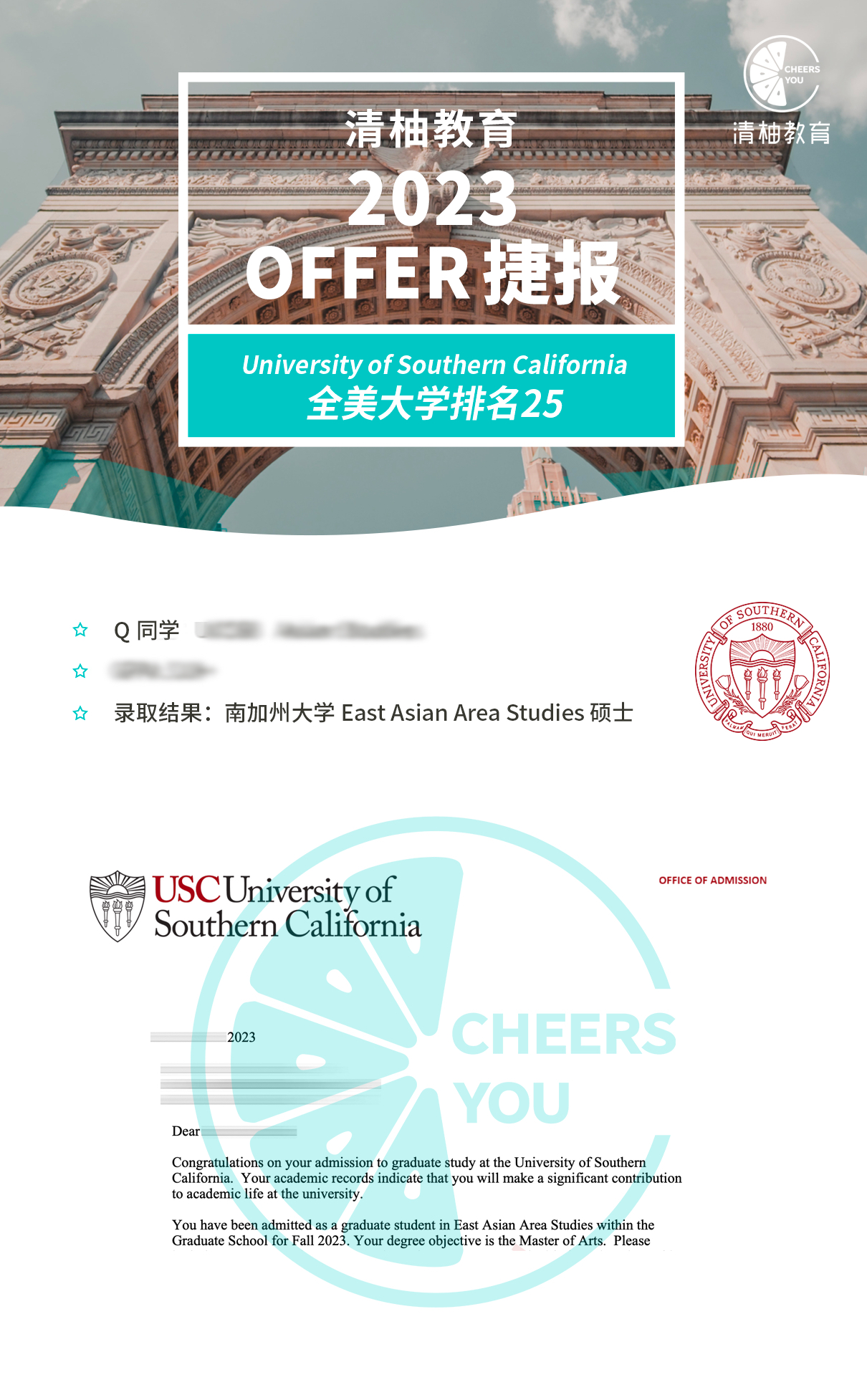
Finally, here is a successful offer case for reference.
For more admission cases and questions about graduate applications, you can add the contact information of the CheersYou(清柚教育) advisor below for more details.