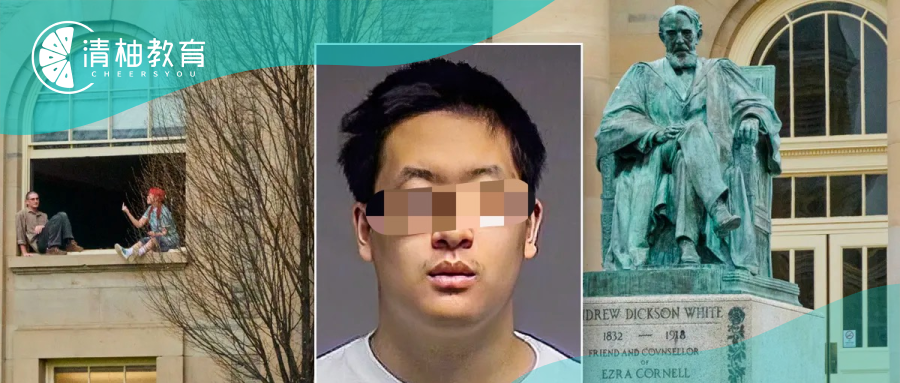
On Tuesday, a Cornell student was charged and arrested by federal authorities for posting violent antisemitic threats on a university forum.
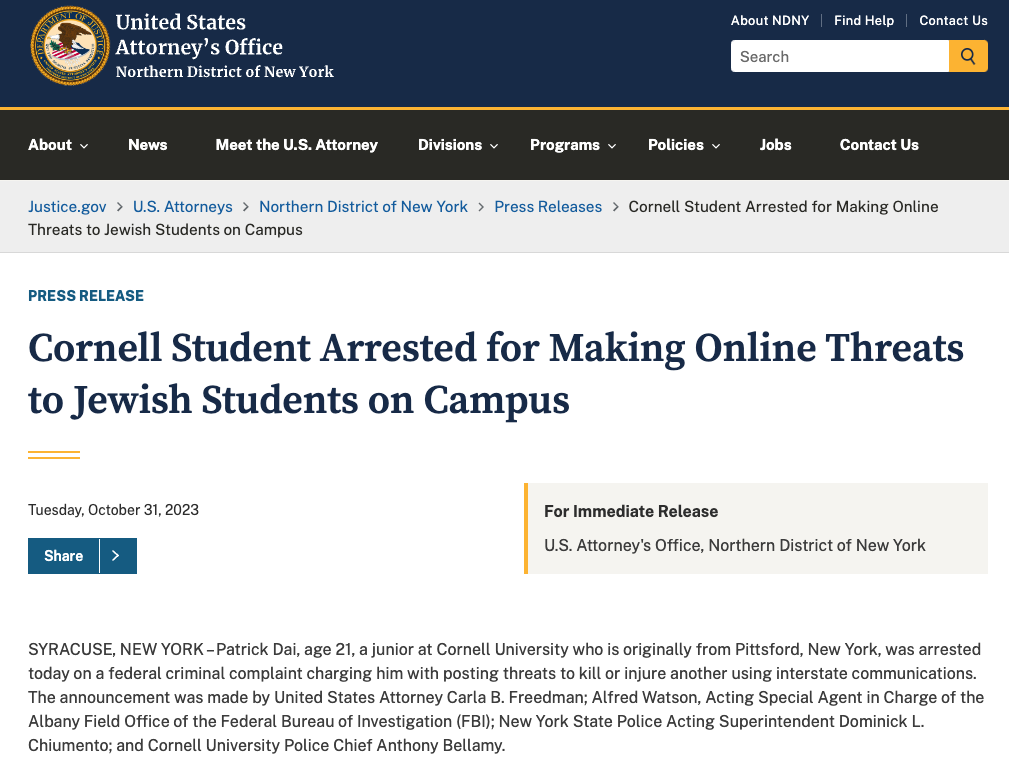
The suspect, Patrick Dai, who appears to be of Chinese descent, is a local of Pittsford, New York, and a junior in Cornell’s College of Engineering.
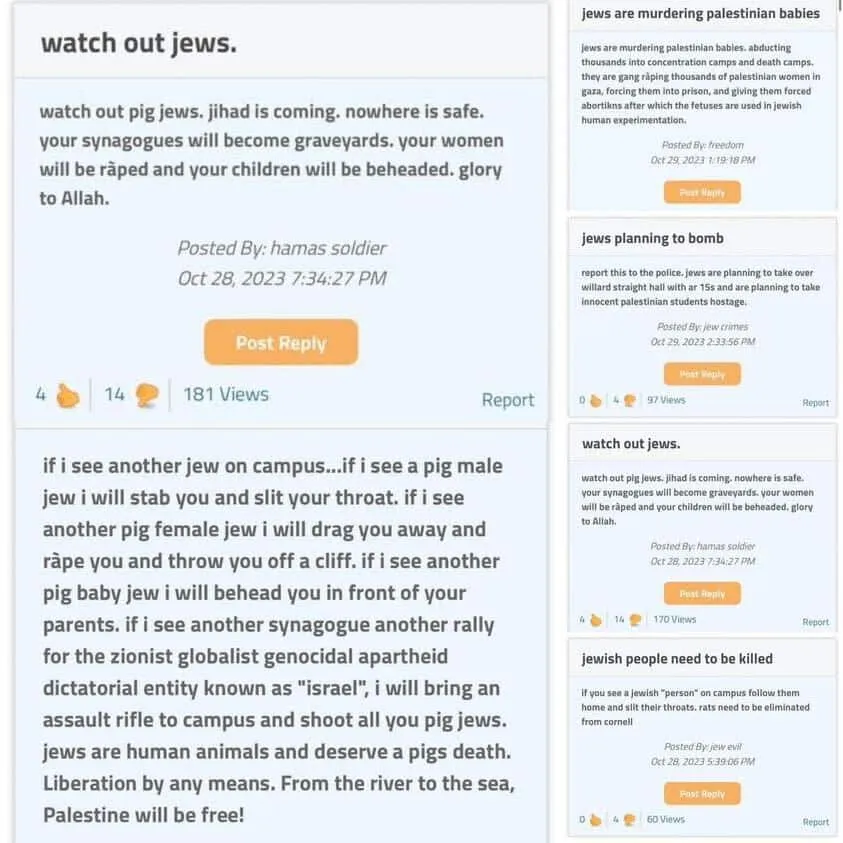
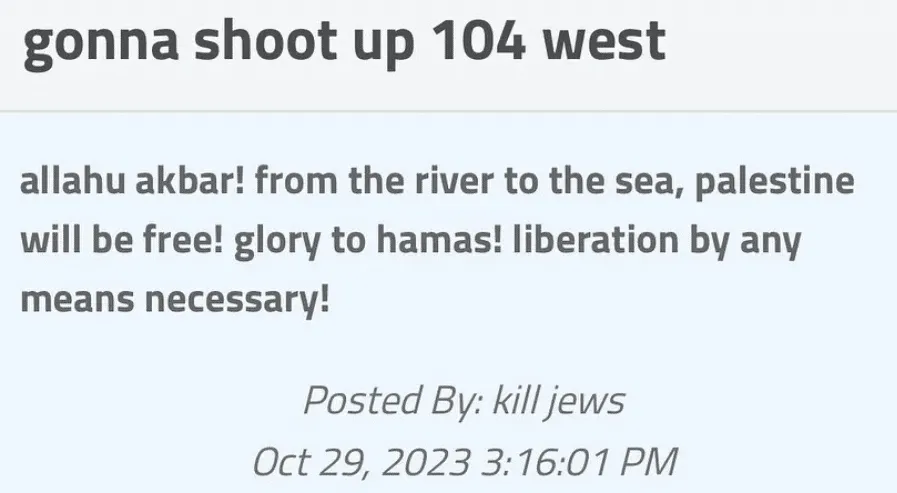
According to the indictment, Dai posted multiple antisemitic violent threats on a Cornell University online discussion site last week.
In one post, he threatened to 'stab and slit the throat of any Jewish male he sees on campus, rape and throw off cliffs any Jewish females, and behead Jewish babies.' He also said he would 'bring an assault rifle to campus and shoot all you pig Jews.'
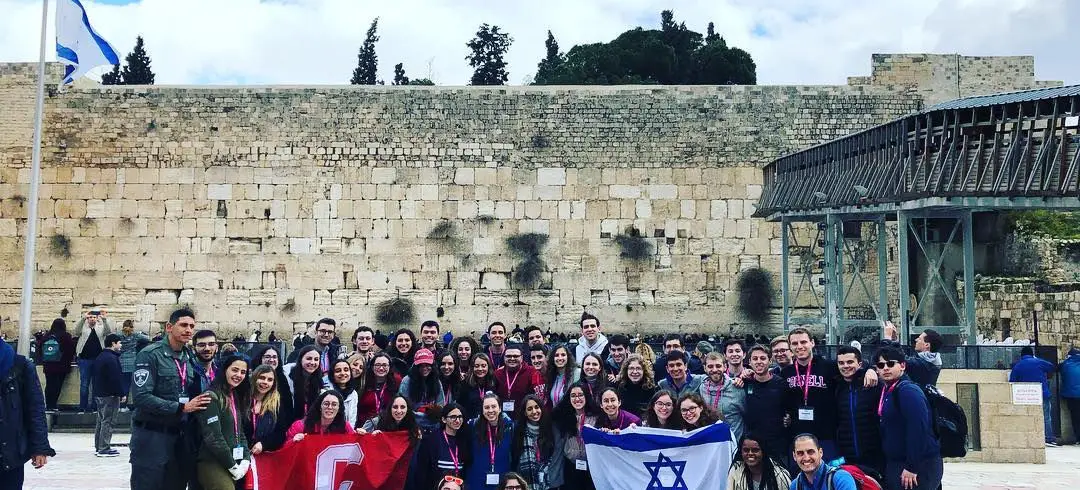
Cornell has approximately 3,000 Jewish undergraduate students and 500 Jewish graduate students, making up about 22% of the student body.
As soon as the threats were posted, Cornell immediately went on high alert. Dai was later tracked down through his IP address to his off-campus apartment and arrested.
Dai’s parents told the New York Post in an interview that he has suffered from severe depression since 2021 and has no history of violence.
In the days before his arrest, Dai had stopped communicating with his parents. When his mother drove to the school, she only found police officers stationed outside his dorm.
If convicted, Dai faces a maximum sentence of 5 years in prison, a fine of up to $250,000, and a term of supervised release of up to 3 years.
Israeli-Palestinian Conflict Sparks Storm on U.S. Campuses
The escalating Israeli-Palestinian conflict has stirred up a storm on U.S. campuses as well. Students, faculty, staff, and many onlookers hold deeply divided reactions and interpretations.
Elite universities such as Harvard, Columbia, Stanford, and NYU have all been affected. There are numerous cases of people losing job opportunities or facing violent threats due to their stances on the conflict.
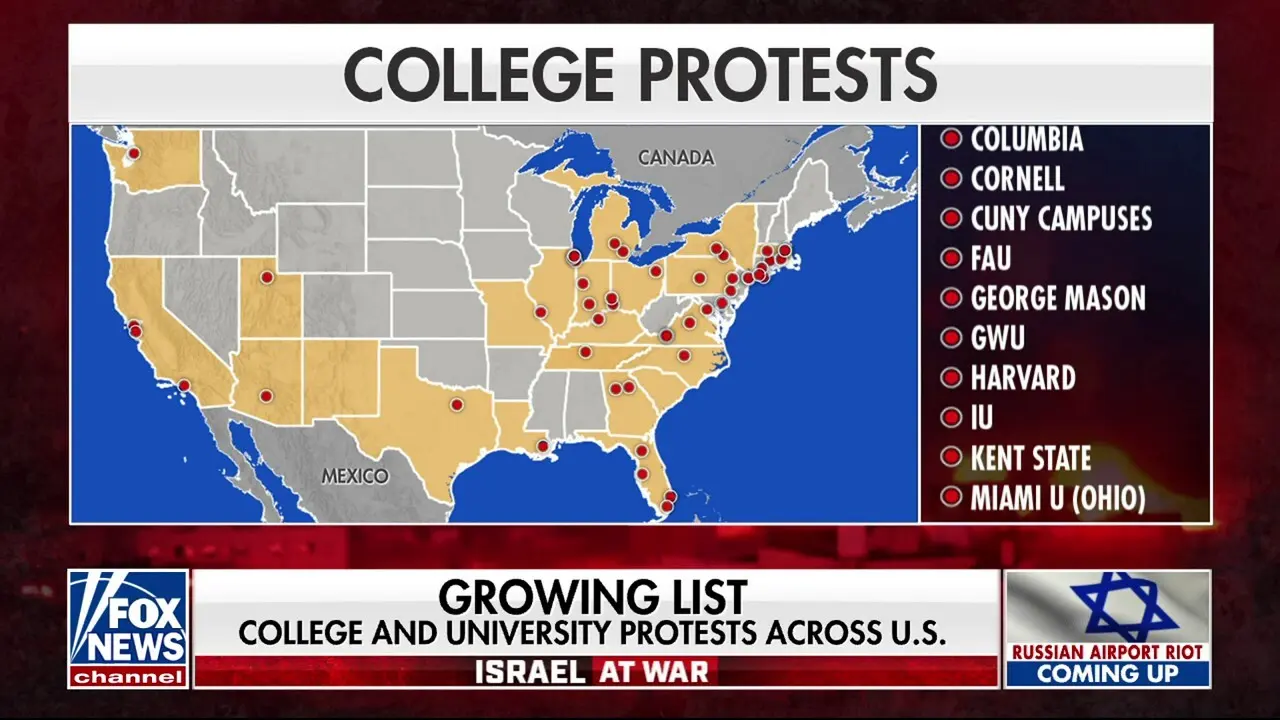
The Biden administration announced new measures this week to combat antisemitic incidents on U.S. college campuses.
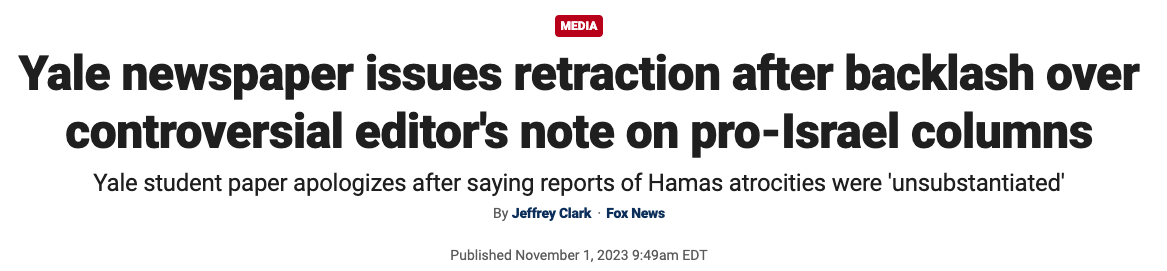
Beyond Cornell, the Yale Daily News, a student-run newspaper at Yale, also apologized this week for two editorials that were altered regarding Hamas’s attack on Israel.
Making extreme remarks at such a critical moment is simply digging one’s own grave.
Severe Punishment for Inappropriate Speech Is Nothing New
Of course, this isn’t the first time U.S. universities have taken severe disciplinary action against students for inappropriate speech.
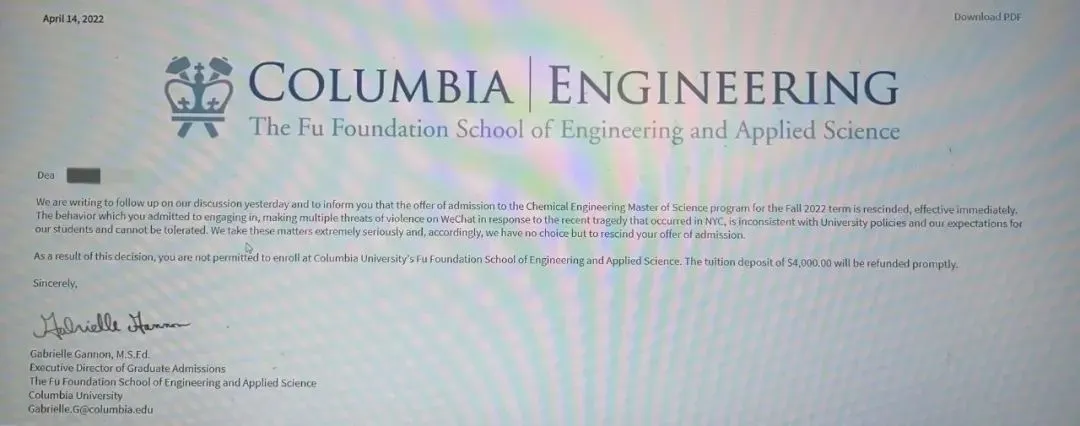
Last year, a newly admitted Columbia University graduate student had their admission rescinded due to inappropriate remarks.
According to reports, the incoming Columbia student made a controversial post on WeChat Moments referencing a recent subway shooting in New York: 'Finally I can go to the U.S. and buy a gun to shoot Americans dead.' Others say they also posted inappropriate comments in a WeChat group.
The post was reported and reached Columbia. The university determined that the statement involved violent threats and seriously violated school regulations, leading to the revocation of his admission offer.
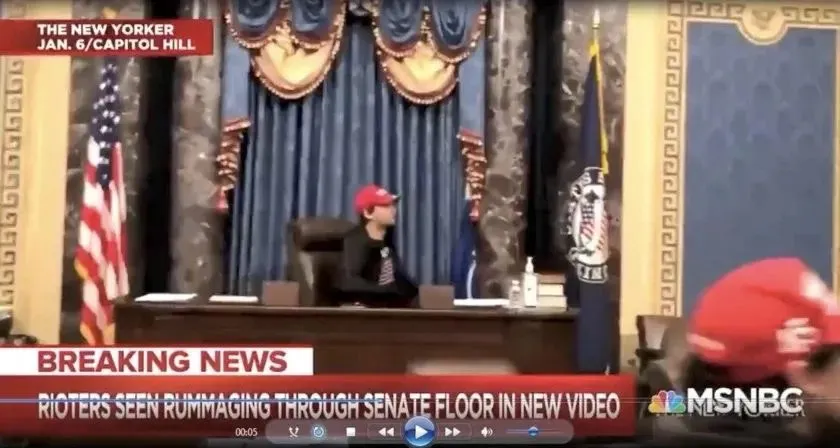
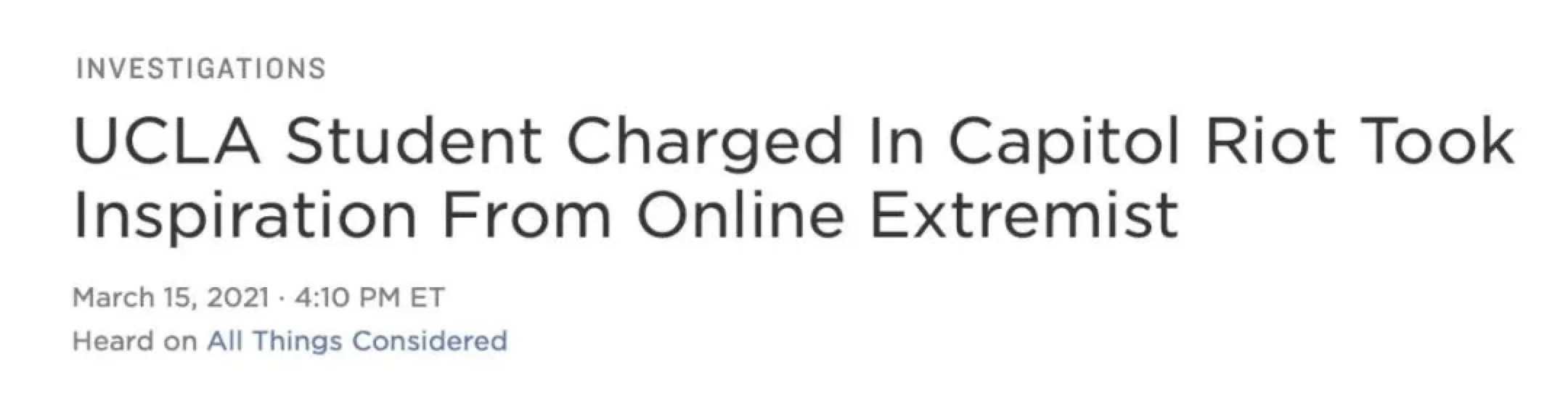
In 2020, a UCLA student named Secor posted hate speech on social media and was suspected of participating in a riot, leading to his direct arrest.
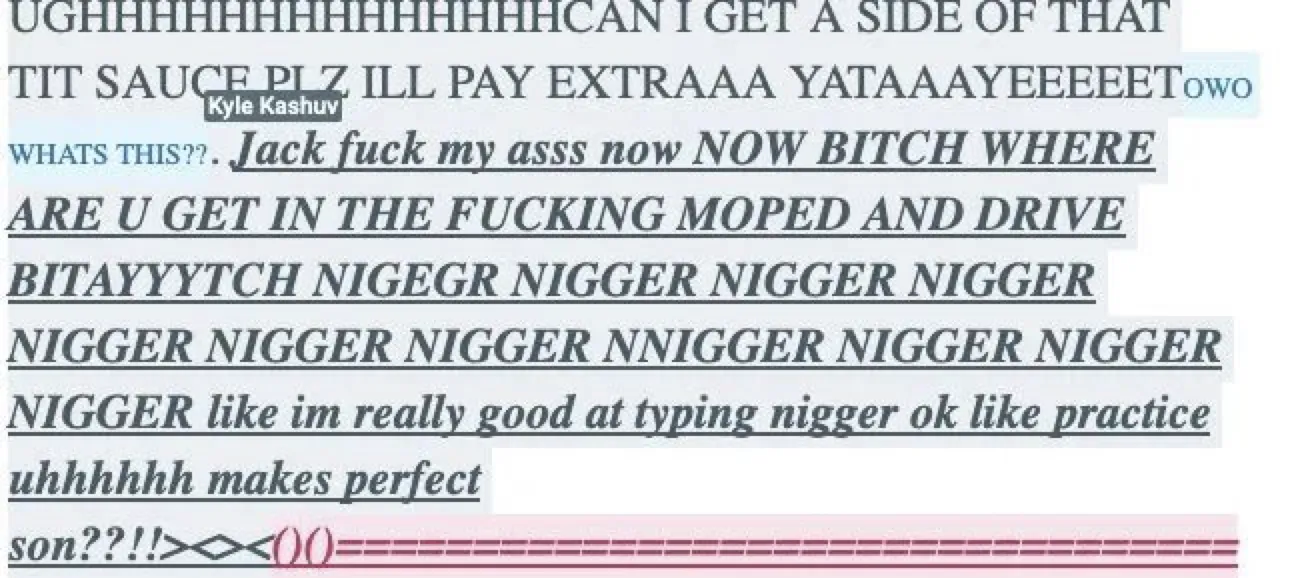
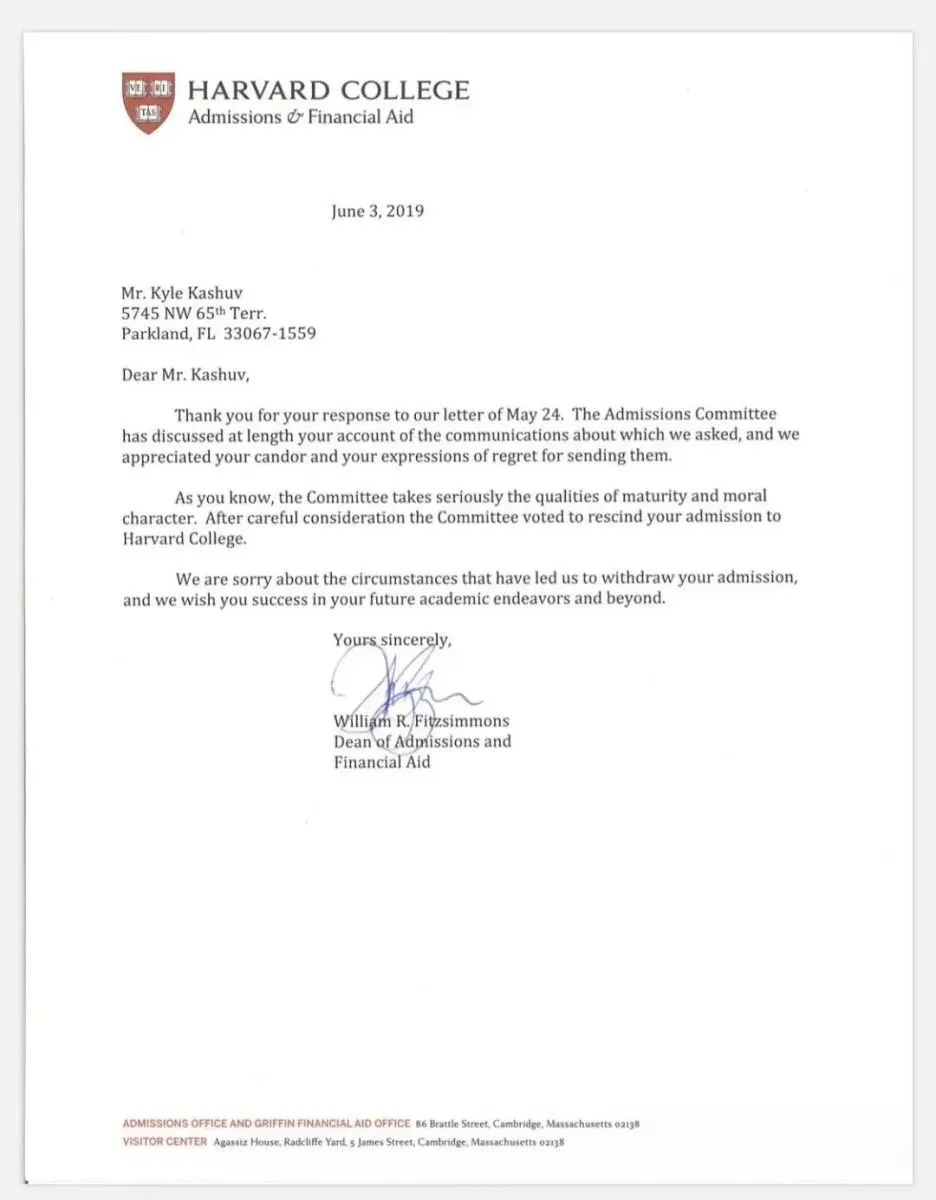
In 2019, Kyle Kashuv, who had already received an offer from Harvard, was held accountable by the university for a racially discriminatory statement he had edited in a shared Google Doc during high school. His offer was ultimately rescinded.
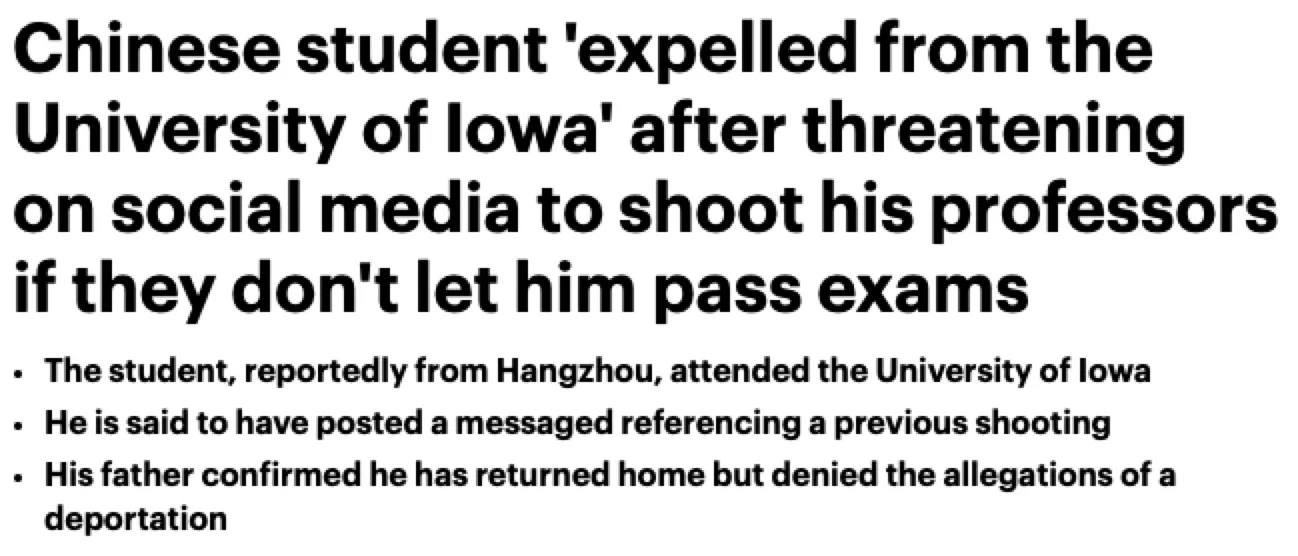
As early as 2016, a Chinese international student at the University of Iowa posted a photo holding a gun on social media and threatened: 'If the school fails me, I’ll make the professors feel the fear of Lu Gang.'
Such a 'joke' hit a nerve with the school, and the student was eventually expelled and deported by the university.
Lu Gang Incident: In 1991, Lu Gang, a Chinese doctoral student at the University of Iowa, shot and killed several people on campus, shocking both China and the U.S.
According to data from the National Association for College Admission Counseling (NACAC), more than 20% of colleges each year revoke admission offers due to academic integrity, disciplinary issues, inappropriate remarks, and other reasons.
In recent years, due to political turmoil, the pandemic, and other factors, U.S. universities have become increasingly stringent in reviewing speech and behavior. There is no absolute freedom of speech; studying abroad requires careful words and actions.
We have summarized some common mistakes made by international students to help you avoid pitfalls.
Avoid Inappropriate Language
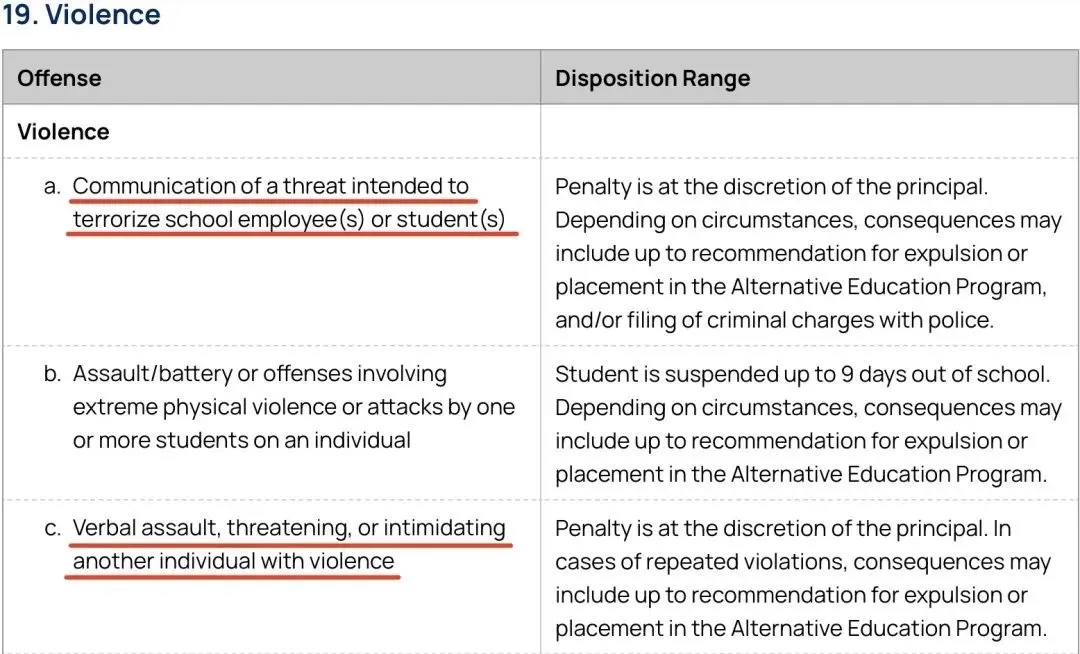
Violent Threats
While studying abroad, not all jokes are acceptable, especially those involving violence, war, or bombs.
Such jokes can easily be perceived as having terrorist inclinations and lead to investigations by both the school and the government. Just as mentioned at the beginning, the incoming Columbia engineering student was expelled and had his offer revoked for making similar remarks.
Sensitive Topics
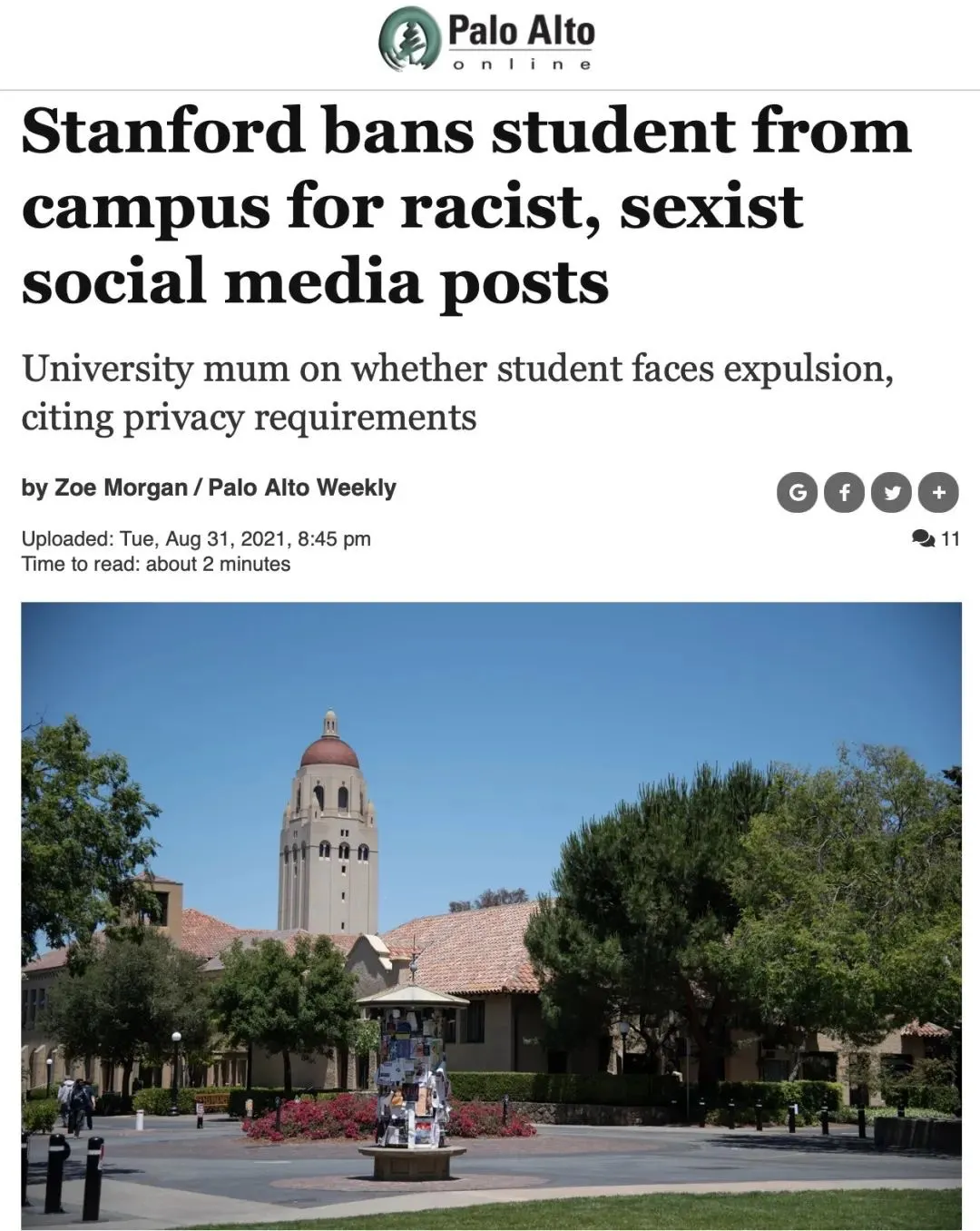
The so-called 'freedom of speech' abroad is not absolute; inappropriate remarks involving sensitive topics are not protected by it.
Sensitive topics include, but are not limited to, race, gender, and any speech that causes offense.
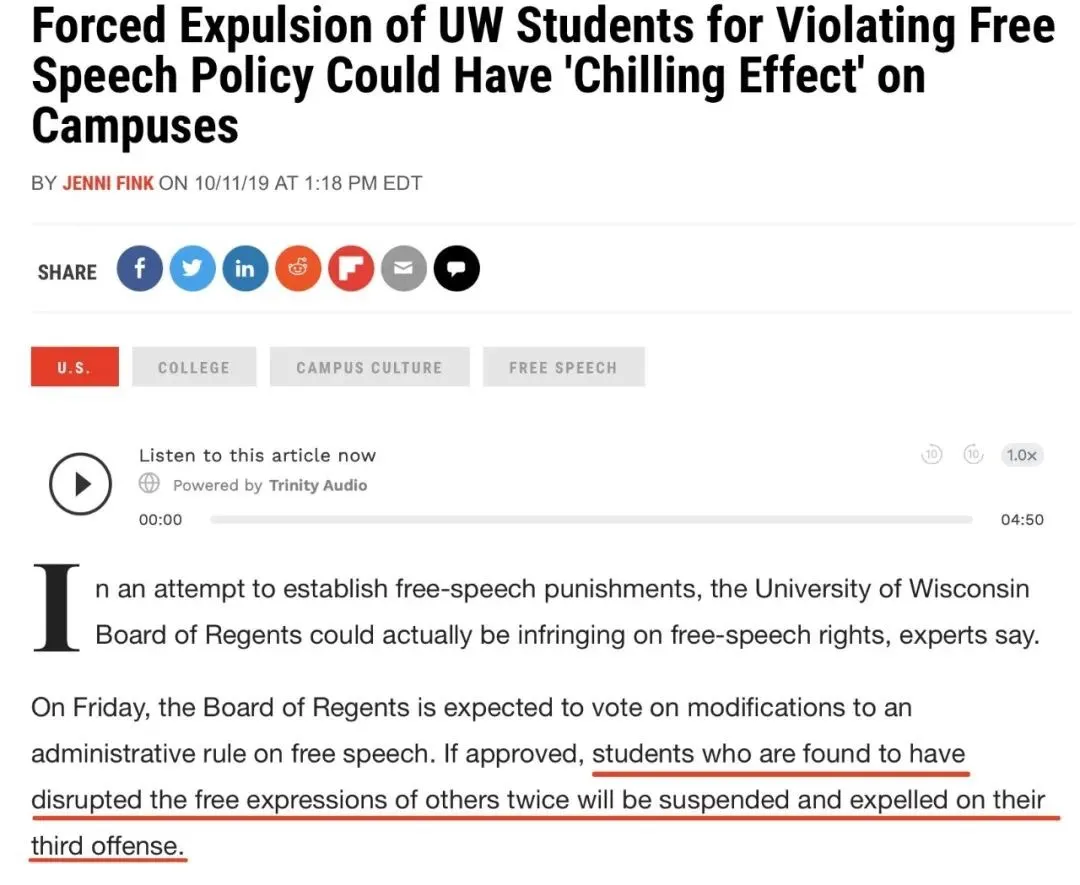
The University of Wisconsin previously approved a resolution: students found to repeatedly disrupt others’ free expression may face mandatory withdrawal. This sparked discontent among many students and faculty, who felt the school was not humane enough on sensitive issues and that students might have to suffer in silence if attacked and unable to retaliate.
Even schools struggle to decide, let alone students. It’s best to steer clear of sensitive topics.
Social Media Content
According to a new Kaplan survey, 66% of college admissions officers say it is reasonable to use social media to help evaluate applicants, and 27% have actually visited applicants’ social media profiles to learn more.
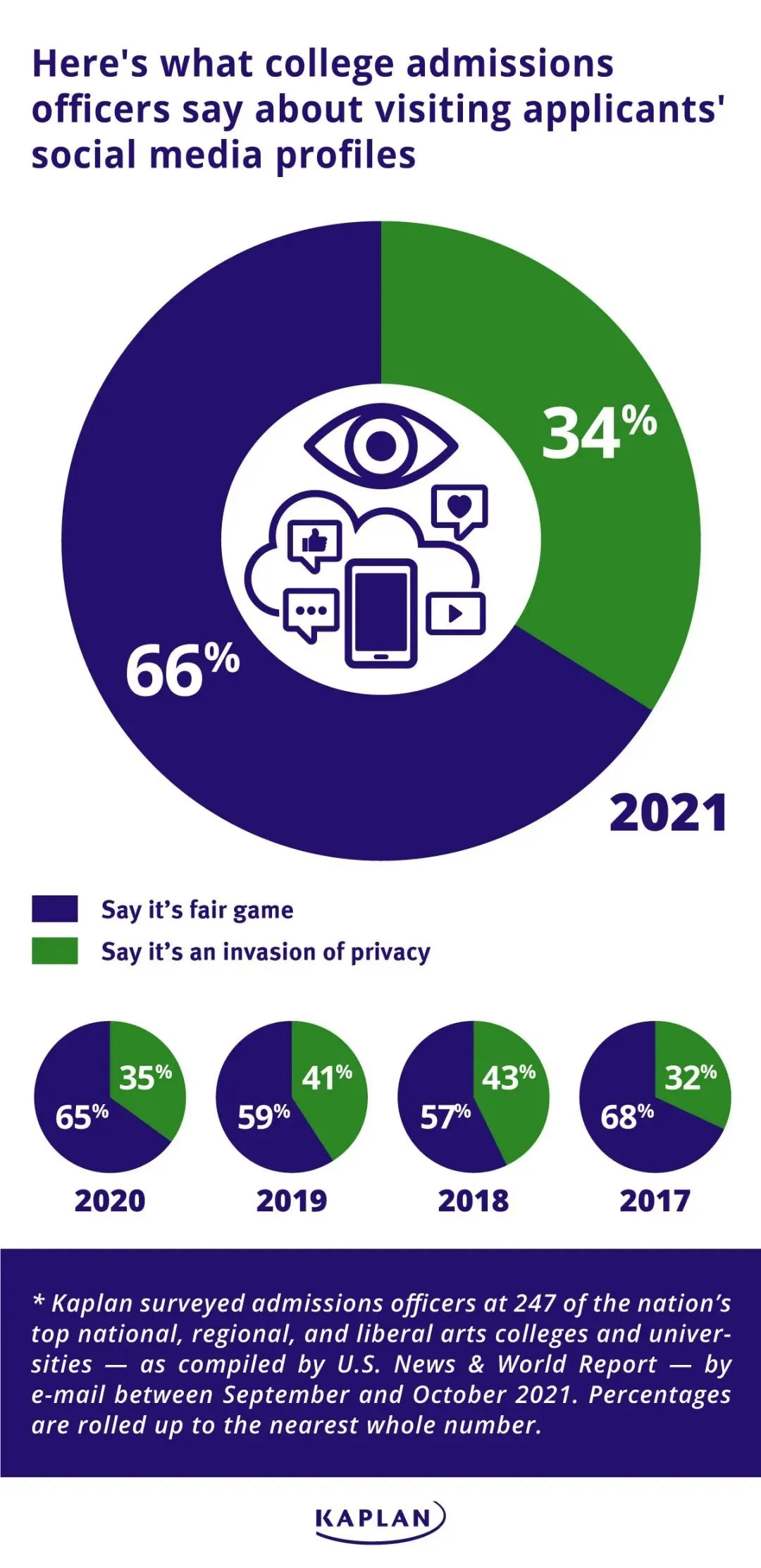
Admissions officers may look at students’ TikTok, Instagram, Snapchat, Twitter, and other mainstream social media.
Of course, good news rarely travels, but bad news spreads far; once a student posts inappropriate comments or information online, it’s easy to become a thorn in the school’s side. Even if already admitted, offers can still be revoked.
Avoid Inappropriate Behavior
Falsification of Materials
Incidents of expulsion due to falsified materials have become increasingly common in recent years. For example, the Netflix documentary 'Operation Varsity Blues: The College Admissions Scandal' revisits the scandal of high school student Olivia Jade, whose USC offer was rescinded over fabricated application materials.
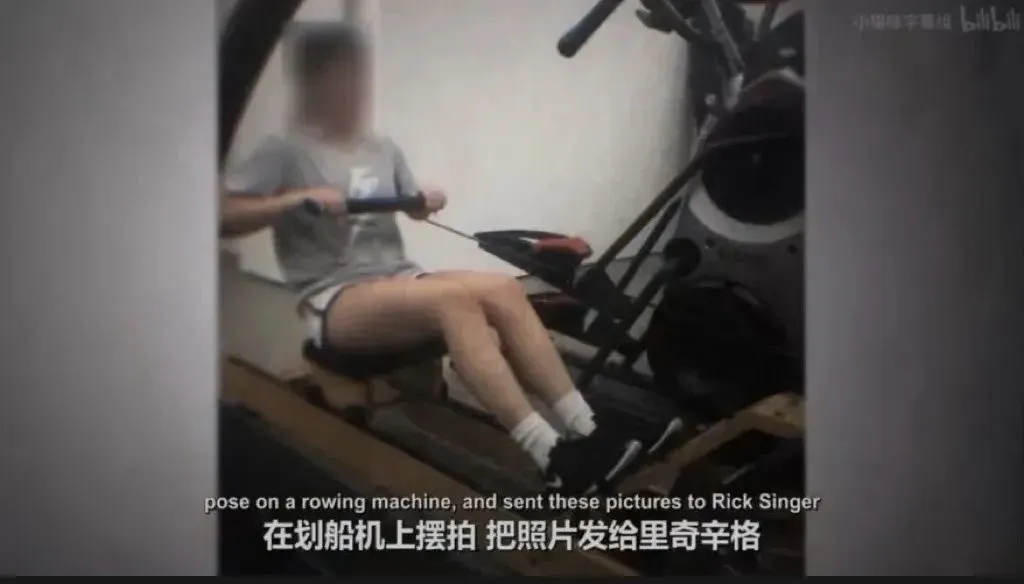
Material falsification isn’t limited to the college application stage. From online applications to visa procedures, every submitted document is permanently tied to you.
Any act of falsification could be uncovered on some fine day in the future and lead to accusations against you.
For example, providing any false materials can result in a permanent ban from entering the U.S.:

Academic Misconduct
Academic misconduct is also a well-worn issue.
Columbia’s website lists three most common forms of academic dishonesty:
-
Fabrication: inventing experimental data or results
-
Falsification: altering or intentionally ignoring content during the experiment
-
Plagiarism: using others' content without proper citation
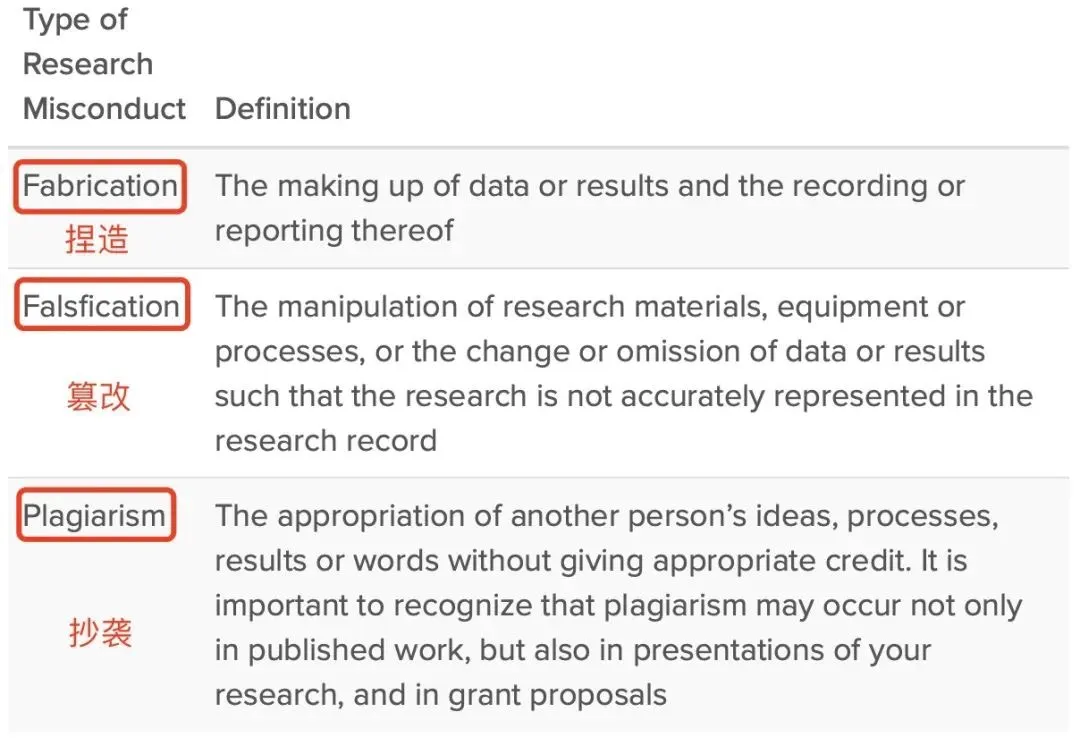
Of course, academic misconduct is not limited to these forms; Columbia’s website also lists other inappropriate behaviors:
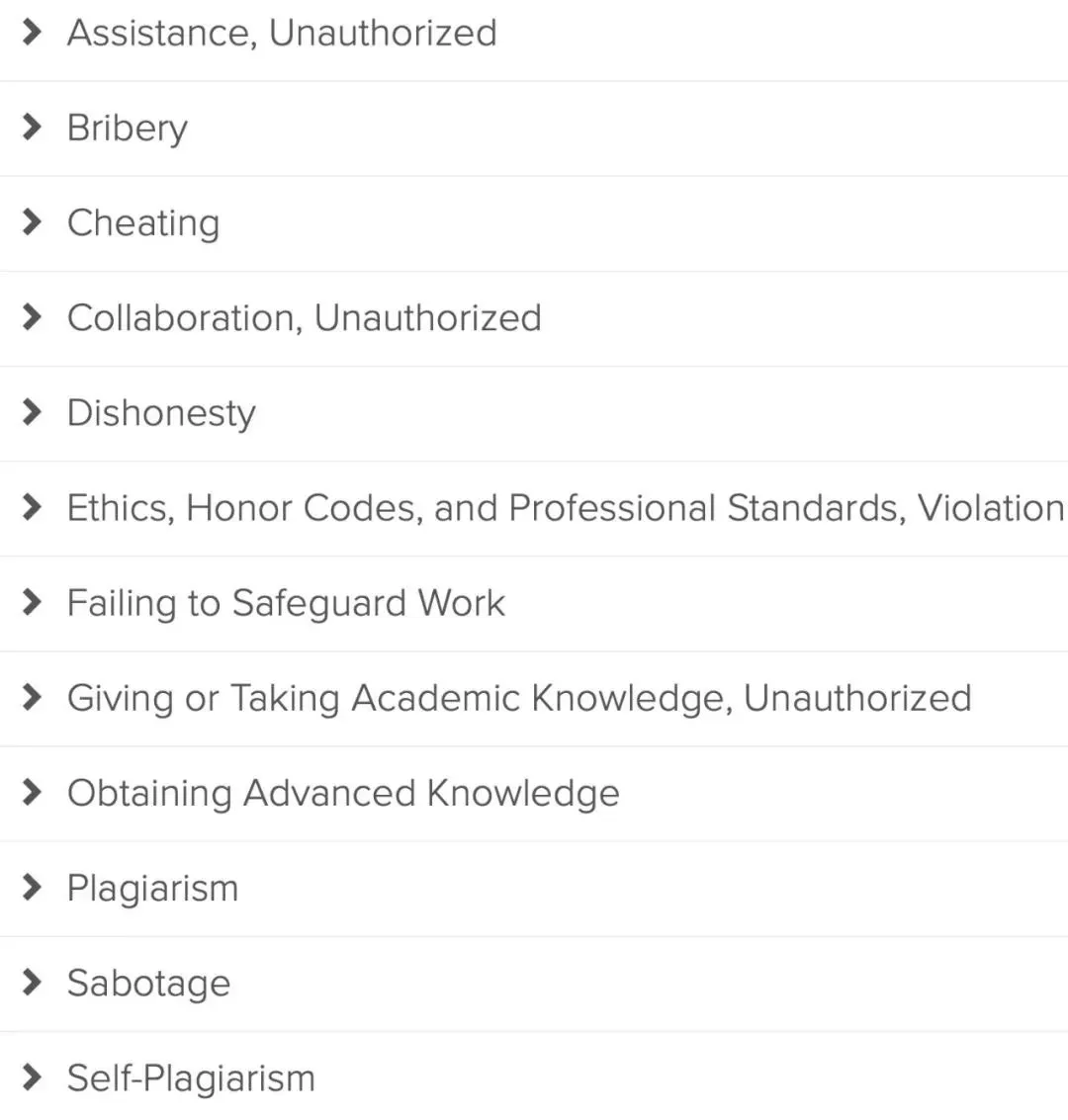
Misconduct
Each school also has its own rules on inappropriate behavior, covering alcohol and tobacco use, student ID usage, dormitory regulations, and more. We recommend that students review the school’s regulations multiple times to avoid inadvertently breaking the rules.
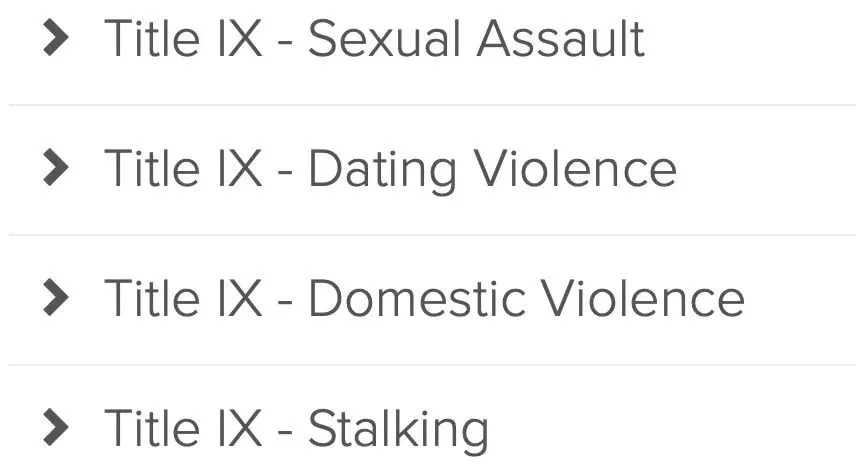
Of course, there are several behaviors that are illegal in any school and any place in the U.S. and require special attention:
-
Sexual assault
-
Dating violence
-
Domestic violence
-
Stalking
Students must be extremely cautious about their behavior. Once accused of any misconduct, regardless of what actually happened, they will face significant trouble.
Final Words
For international students, it may be easier to inadvertently violate rules due to unfamiliarity with the culture or laws of the host country/region.
To ensure that you can complete your studies without disruption from unintentional misconduct, it is crucial to thoroughly understand the laws and regulations of both the school and the study destination.
At the same time, social media is not a lawless realm; even inappropriate remarks posted on domestic social media platforms can carry the risk of being held accountable.
We hope all students will watch their words and actions and cherish their time studying abroad!
.png)