With prices skyrocketing recently, international students are really struggling.
Oil price 7.8, exchange rate 7.3, interest rate 7.8, tuition $80,000❓

Middle-class at home, practically homeless abroad.
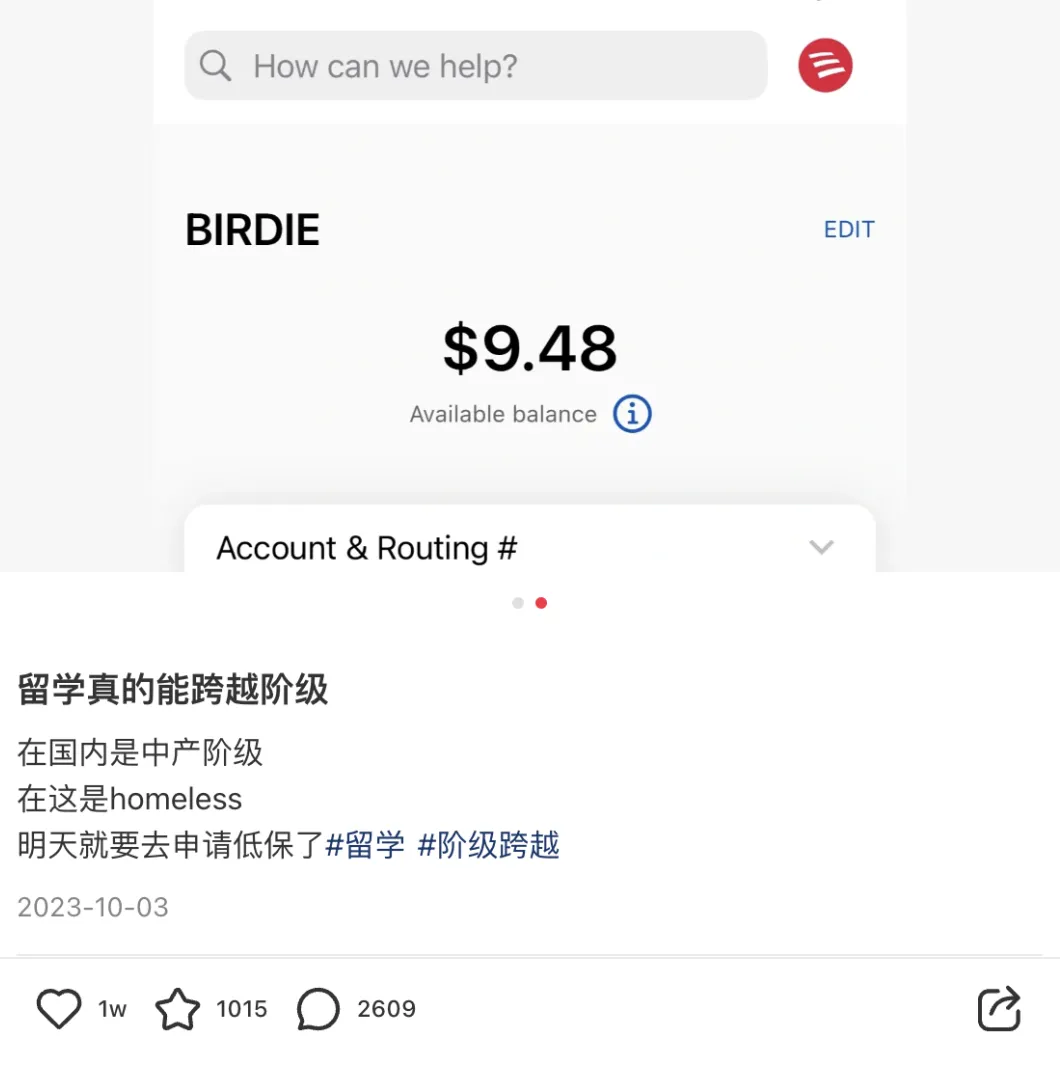
Studying Abroad: Cross-Class, From Middle-Class to Dirt Poor
Average international students are stingy and strapped, fixated daily on making and saving money.
Earning money as a psychology test guinea pig, and picking up English vocab on the side👇

The heartbreak of spotting what looked like a $20 bill on the ground, chasing it for 5 minutes in the wind, only to realize it was a coupon—who can relate?🥺

When sick, just tough it out and let the body heal itself for free👇

At home: a pampered little princess. After going abroad: exiled to Ningguta (a historic penal colony).
Even princess syndrome gets cured; when hungry, just join the homeless on the curb and dig into a leftover mystery box👇
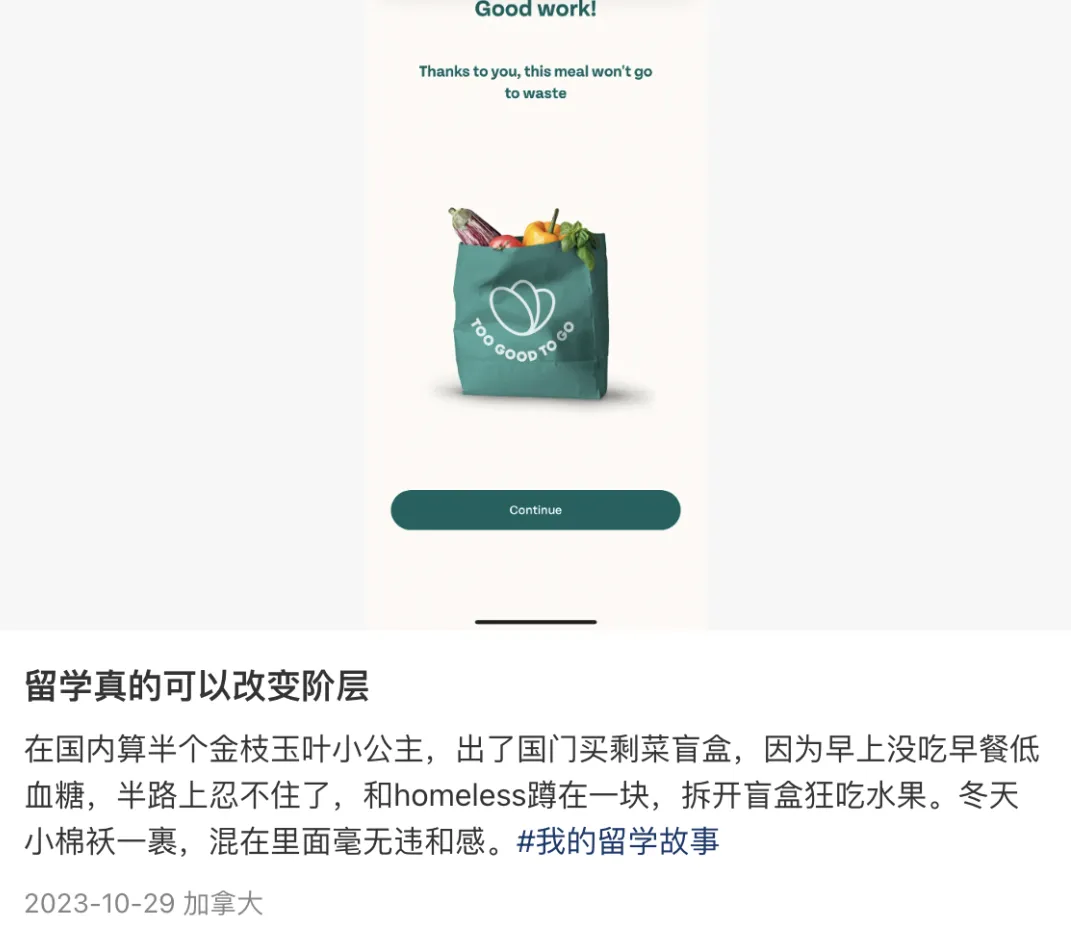
What you imagine: rich and privileged. Reality: survival challenge.

Before going abroad: looked down on CoCo. After going abroad: CoCo is beyond my reach🥤

Before going abroad: would never eat leftovers. After going abroad: frozen means forever👌

Before going abroad: buying clothes left and right. After going abroad: SHEIN.
An hour and a half walk is no big deal—anything to avoid bus fare.

One takeout meal lasts for two or three meals; as long as it looks okay, it's not expired.

All household items bought second-hand—even roadside finds are treasures.

Sugar for cooking from the coffee shop, pepper swiped from McDonald's.

The whole point: understand the homeless, become the homeless.
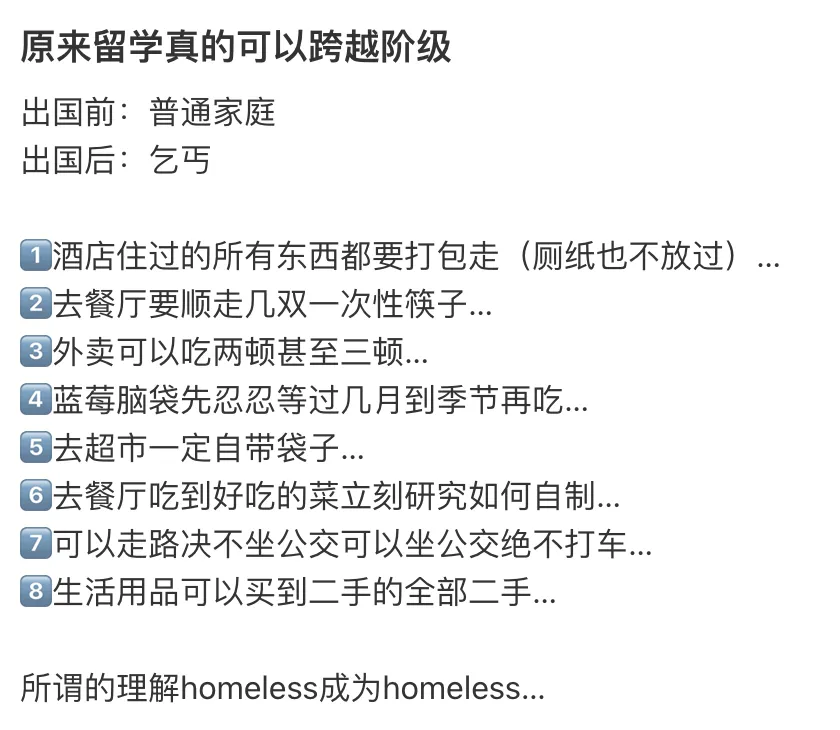
So studying abroad really can change your class—ordinary families turned dirt poor.

Economic downturn, inflation. It's not just current students experiencing the fallen princess trope; older students already working aren't faring much better.
Open the bank account: savings under $10,000🔪—sorry for dragging down XiaoHongShu averages.

Study-abroad bloggers on XiaoHongShu: CS grads making millions a year, still “bottom-tier workers” in Silicon Valley.
In their twenties, with company-matched 401k, already planning early retirement at 35 and a FIRE lifestyle.
Any bank account they open has at least $100,000🔪.
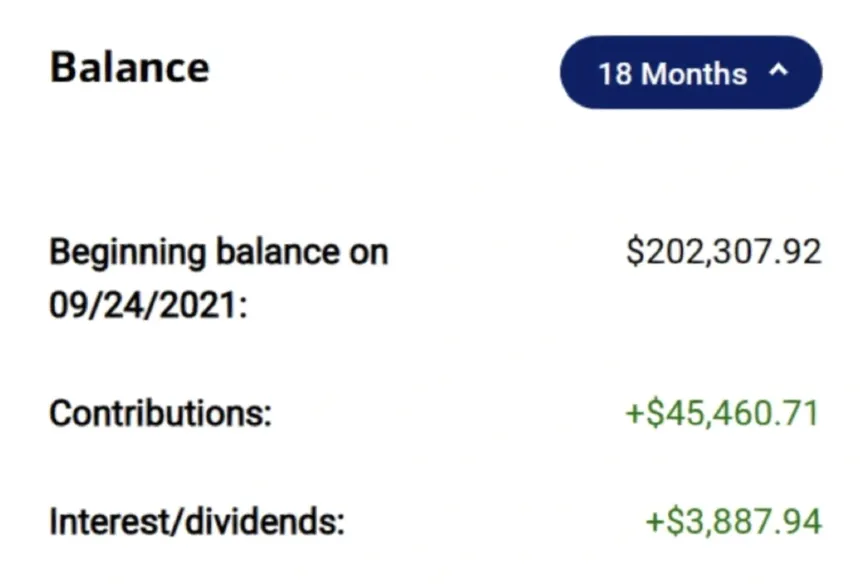
The average person on XiaoHongShu: 35, single, childless, no house, no car, $10,000 savings.
No green card yet, but already mastered the American way: living paycheck to paycheck, and getting charged a poverty fee by the bank every month.

Idealized self: Working? Impossible. One look at the bank account: Alright, I’ll work till I drop.
The Hard Life of "Bankruptcy and Cut-Off Funding" for International Students
Going abroad is tough enough; the money problems facing students are becoming more and more serious.
Even students from middle-class and wealthy families have faced the crisis of "funding cut-off" during the pandemic.
Before the cut-off: monthly living allowance $4,000-$5,000. After: scraping by on under $1,000.
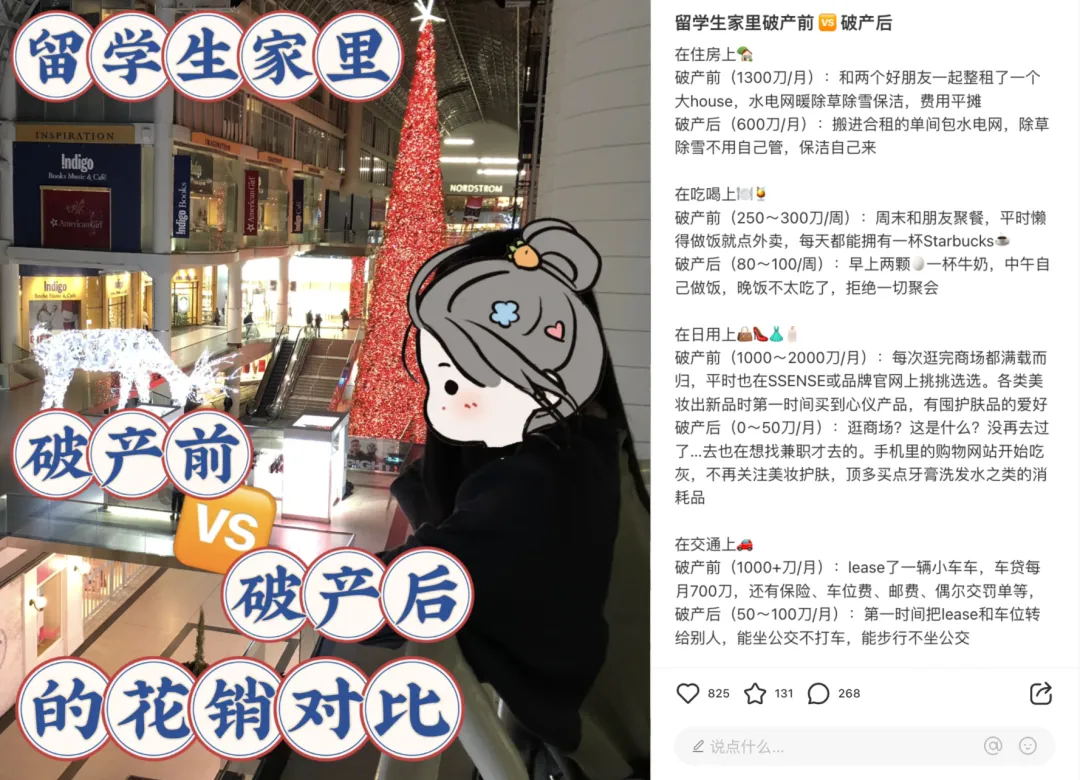
Even worse, some can't even pay tuition. Once living carefree, now they're figuring out how to make money: TA, cafeteria work, cashier at Walmart.
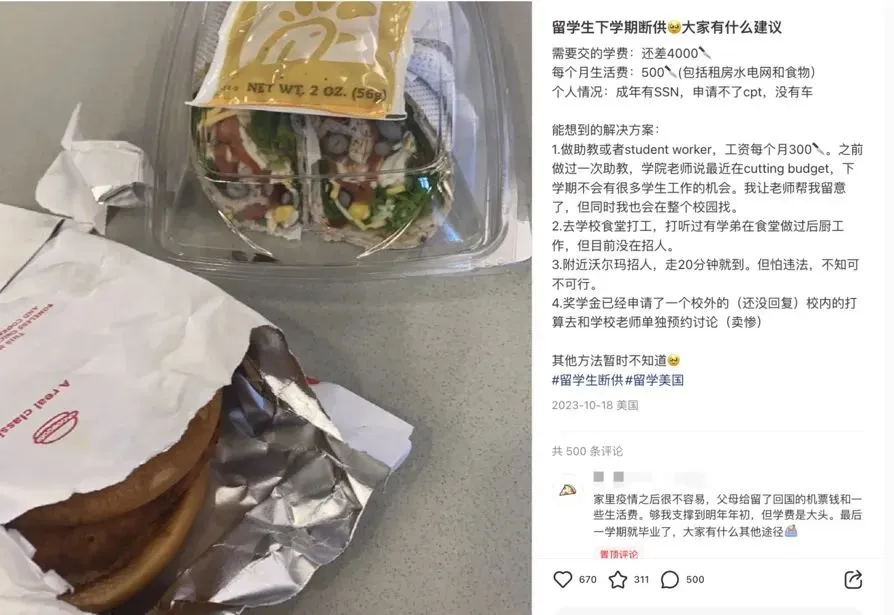
Even rich kids with family wealth to inherit could see their lives crumble overnight.

For a high school senior suddenly facing a funding cut-off, the family can only scrape together $1,000. Upcoming college applications, next month's homestay rent—all problems.
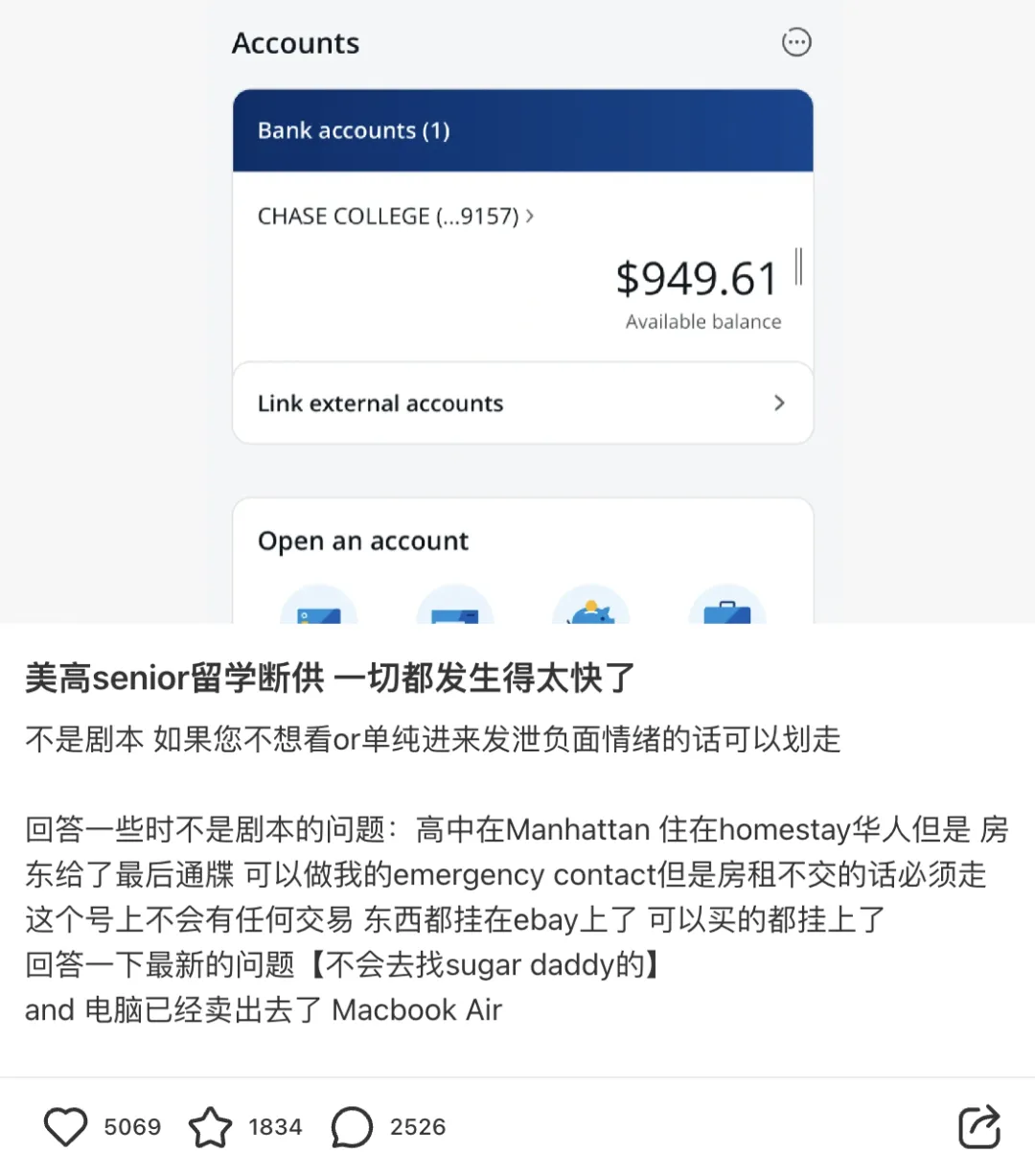
When the family goes bankrupt midway through studies, the only option is to take a gap year to work and constantly consider dropping out.

These past two years have been really tough; many students just silently disappear and go home.

Finding out the family went bankrupt after graduation and returning home is already a blessing in disguise. At least you have a degree and a job and can support yourself, but still have to face the shock of downward mobility.

Those whose funding gets cut off halfway are really struggling.
Studying in Australia, Amber’s family went bankrupt in her last semester of grad school. She faces not just the A$16,000 tuition, monthly rent and living costs, but also the family’s massive debts.
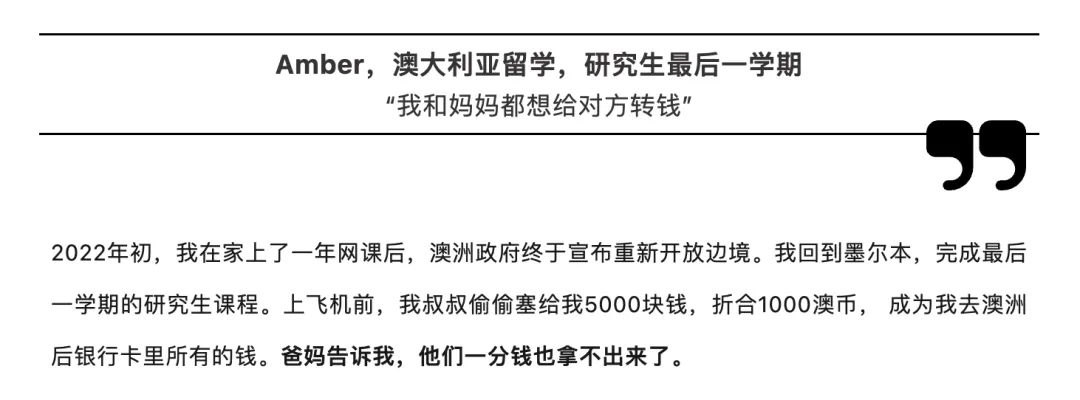
Once a second-generation factory owner, now working three jobs.
Xiao En, also studying in Australia and facing family bankruptcy, started delivering food, riding an e-bike for over ten hours a day.
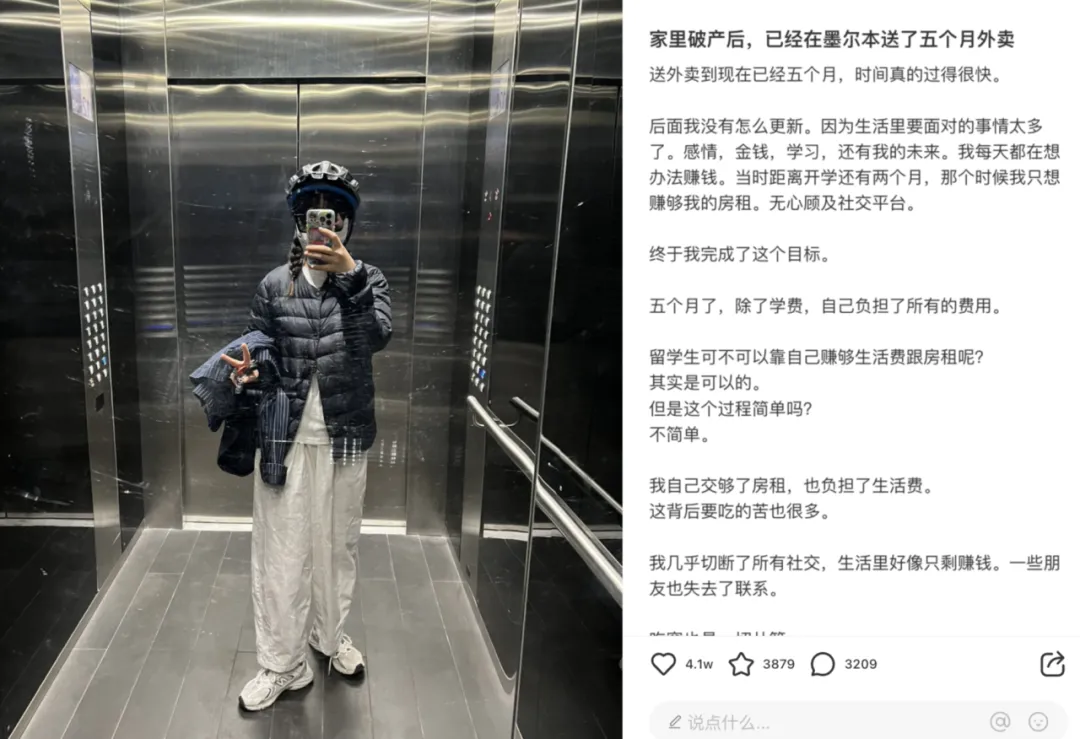
In such situations, people either push themselves extremely hard or retreat into avoidance.
Many, after trying but still seeing no hope, simply choose to drop out and go home.
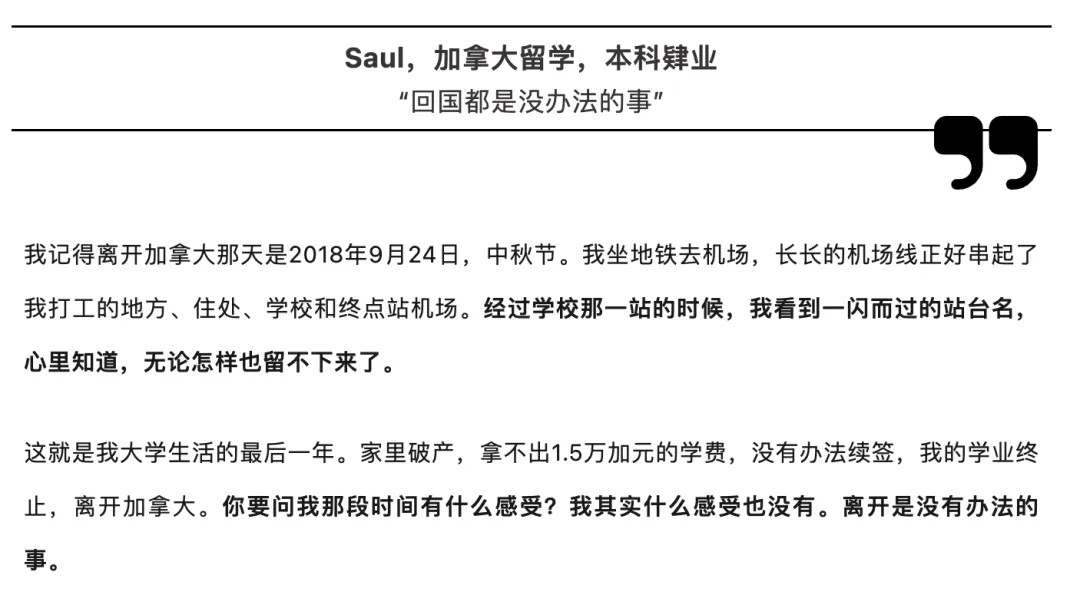
A student who came to the UK for high school now has a family debt in the eight figures.
Tuition and rent are often unaffordable, meals uncertain, riding the tube only off-peak, clothes from high school, social life nonexistent.
Even if they manage to finish their degree with parents scraping together funds, they live under constant psychological pressure, sometimes regretting the decision to go abroad.
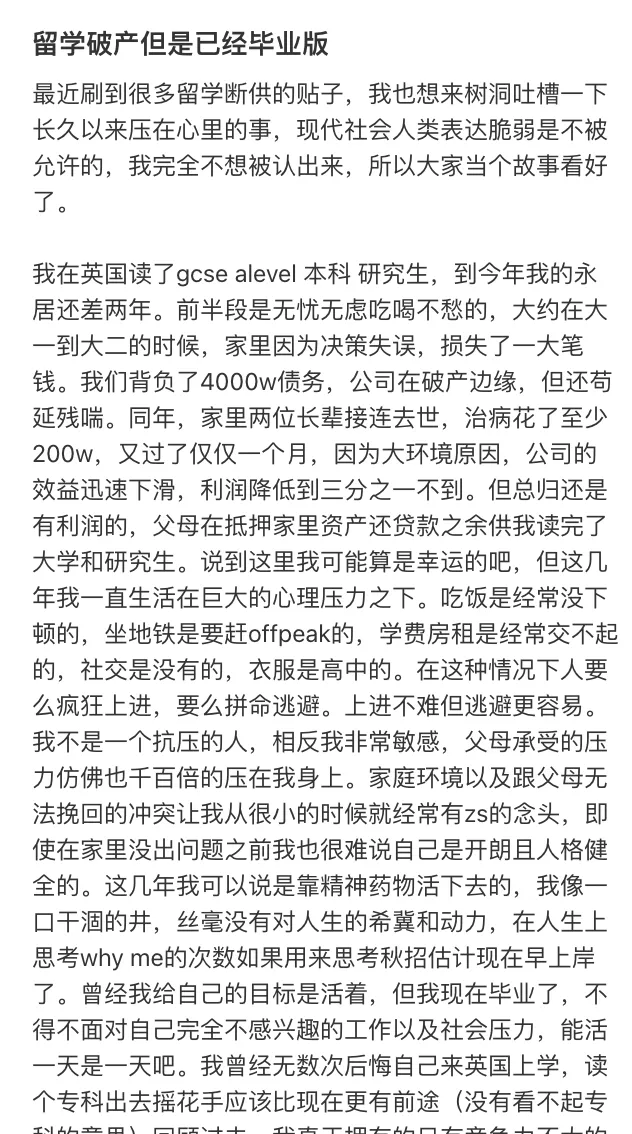
These students whose funding was cut off often had parents who built a comfortable middle-class life from scratch.
They went to developed countries like the US, UK, Australia, Canada for high school, undergrad, or grad school, with annual tuition of hundreds of thousands of RMB. Before the cut-off, they lived without financial worry; after, their social class plummeted.
Some grit their teeth and stay abroad for a diploma, working several jobs and learning self-reliance. Others drop out, return home, and retake the college entrance exam. Most are just lost.
Economic Downturn: Locals Are Struggling Just as Much
With the global economic downturn, local peers are also struggling, and no one escapes the harsh reality.
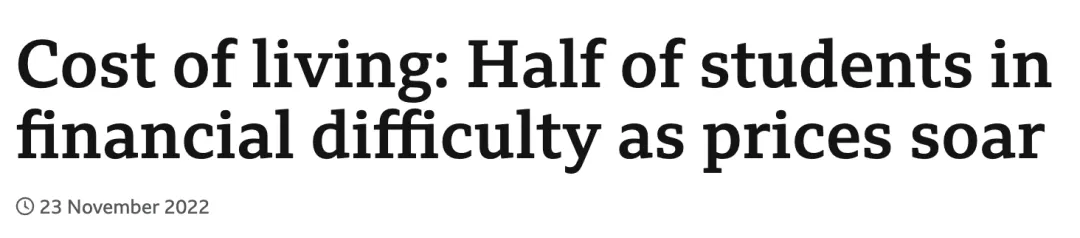
Living costs keep rising; university students in the US, UK, Australia and elsewhere can't afford food or medical care, some even facing dropouts.
Who would have thought that food banks meant for the impoverished are now overwhelmed by university students in these countries?

Australia
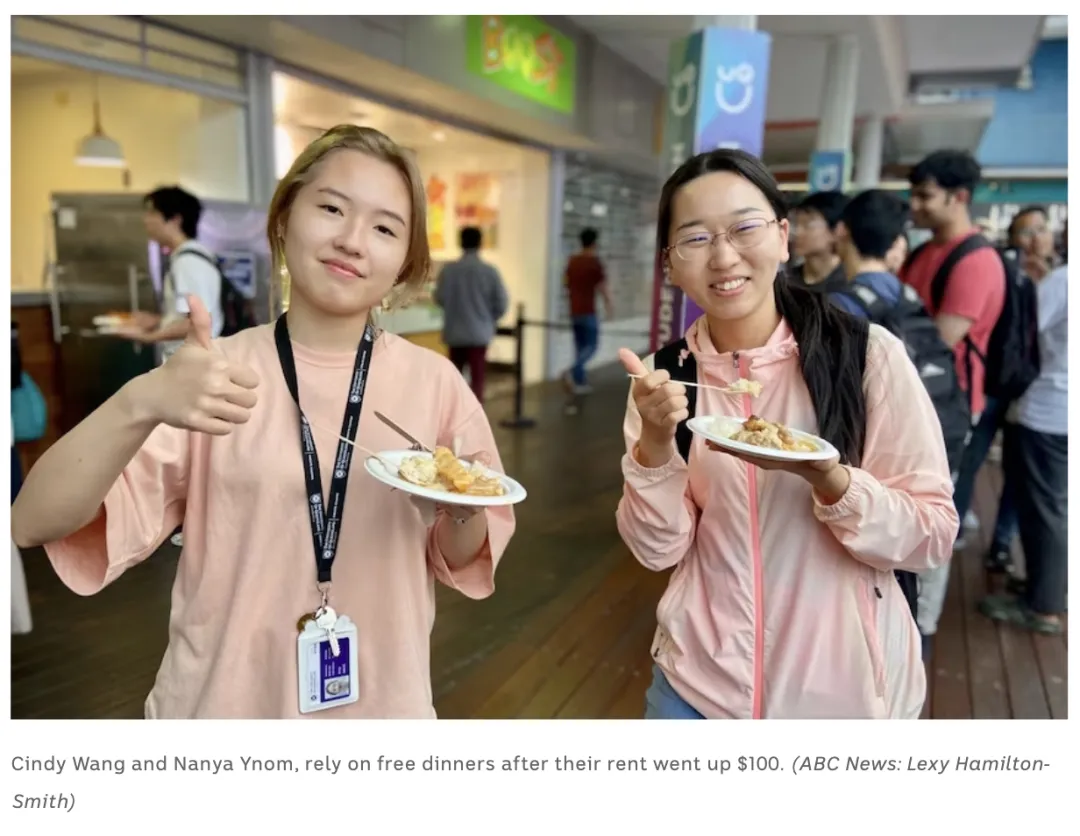
Australian university students line up at food relief stations just to get a full meal.
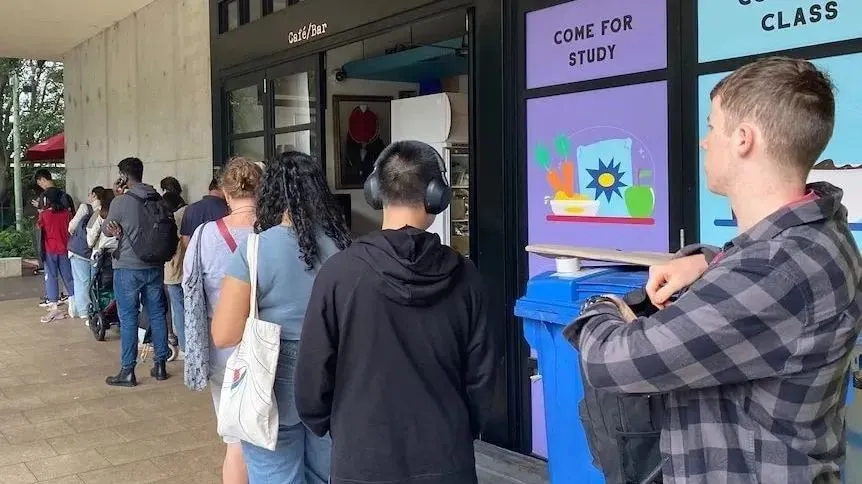
At the University of Queensland, the number of students picking up free dinners has tripled from last year, with about 2,000 lining up each week.
Law student Caila hasn't eaten fresh fruits or vegetables in at least a month, surviving on instant noodles and cutting down to one meal a day. Looming ahead is the massive tuition bill: $86,000 in student loans.
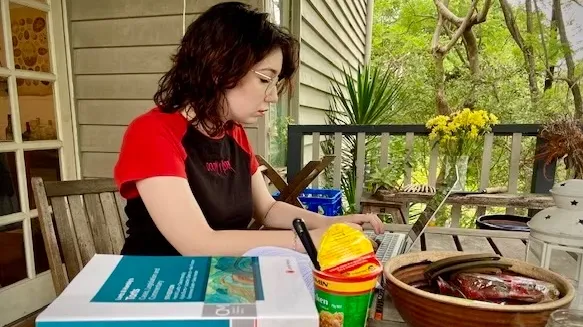
Chinese international students have also joined the queues for food aid. Their rent is A$400 per week, up $100 from last year. Amid soaring prices, free food eases their minds a bit: every little bit saved helps.
United Kingdom
Data shows that during the pandemic, 30% of UK university students dropped out, with the University of Bedfordshire's rate reaching 32%.
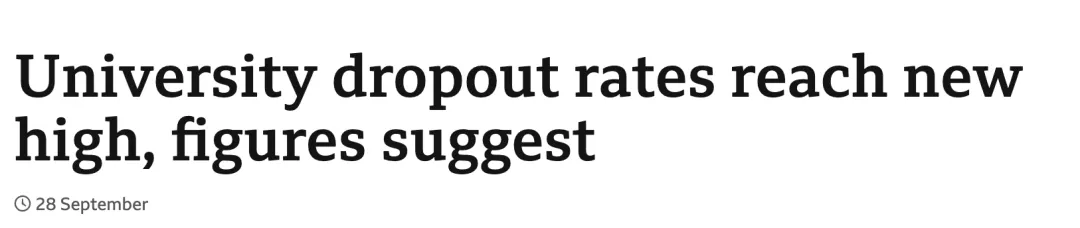
Now UK inflation has hit 11%, a 41-year high. Rising tuition and living costs are making students feel they can't keep going, on the brink of dropping out.
To save money, 29% of students dropped non-required courses, and nearly one in five considered moving back home.
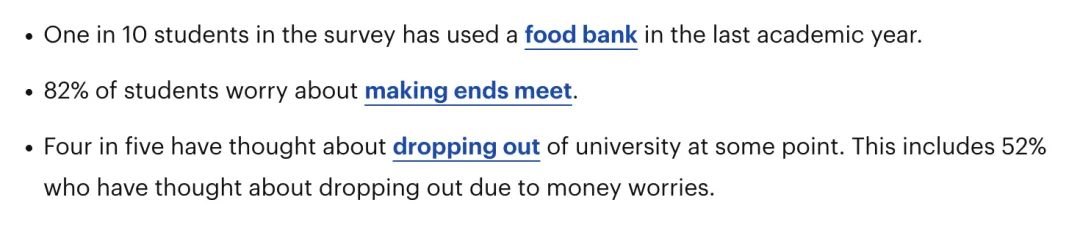
A survey last year showed that up to 80% of UK students had considered dropping out, with over half attributing it to financial factors.
In response, UK universities have provided a range of financial aid programs, including hardship grants and free food.
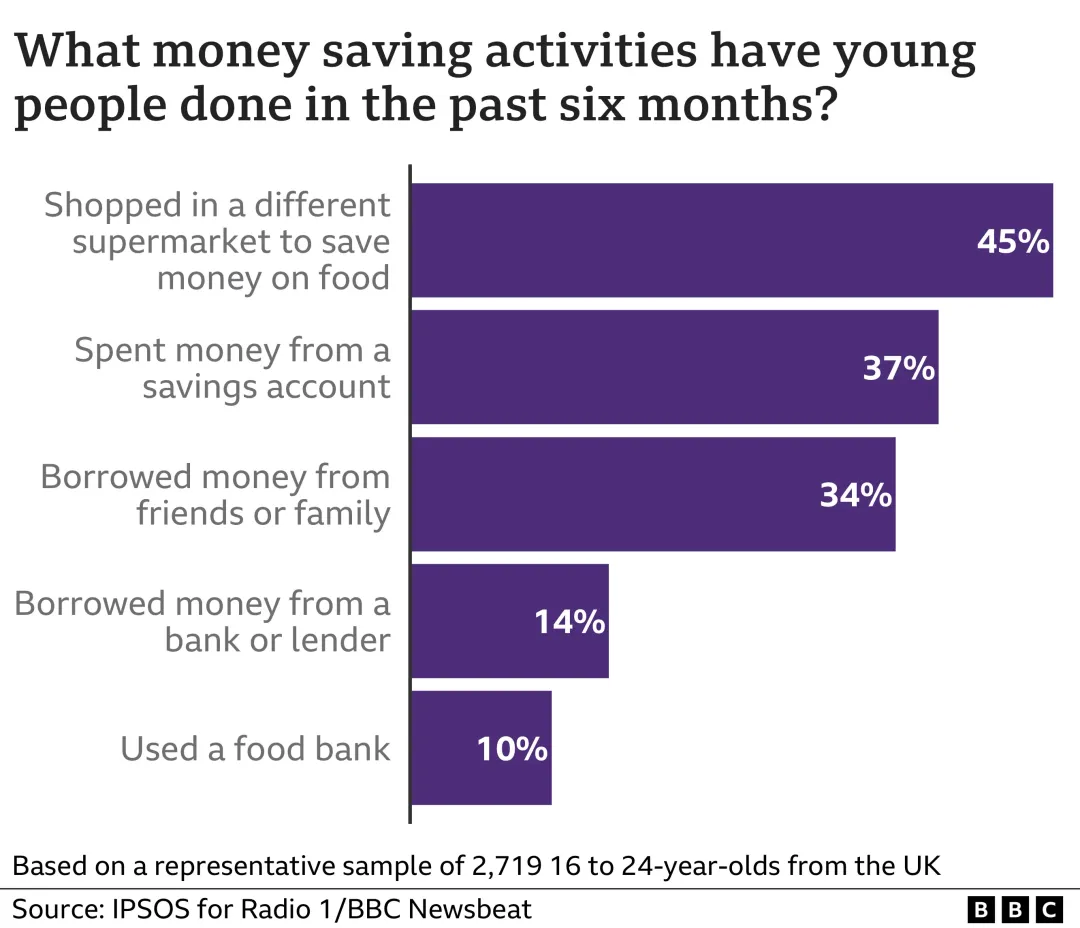
Food banks, which may seem undignified, are now used by 10% of students. After all, there aren't many better options—they often wander between supermarkets, filling up on free samples.
United States
American college students face similar hardships. Undergraduate enrollment in the US has dropped sharply by 1.4 million since the pandemic. One major reason: ever-increasing tuition.
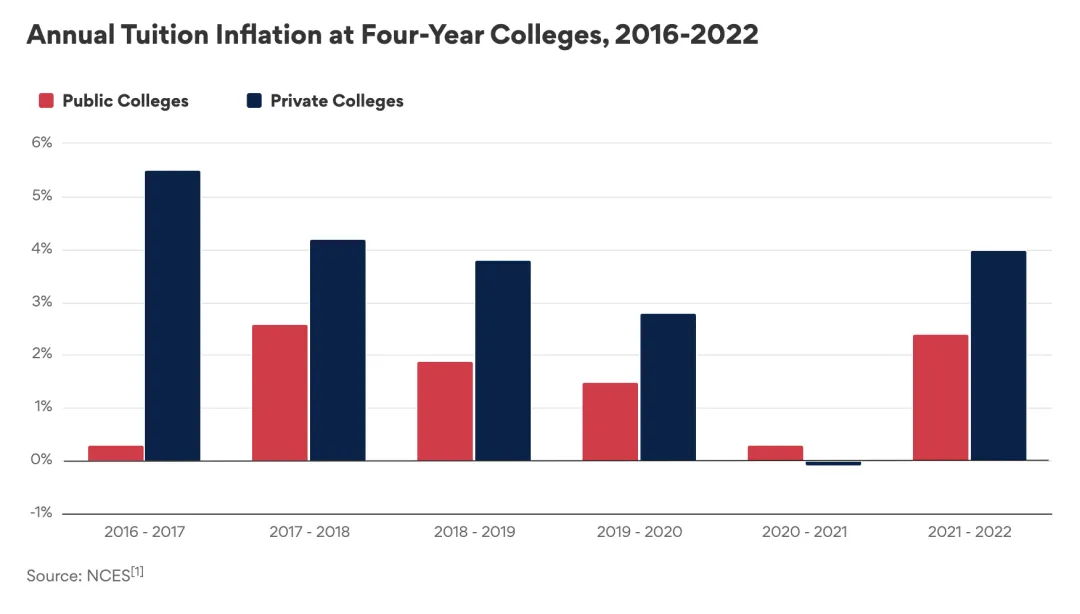
NCES data shows that four-year US colleges raise tuition by about 3% annually, with private universities even more.
In this "higher education crisis," some opt for jobs that don't require a degree, while others are forced to drop out due to high tuition and student loans.
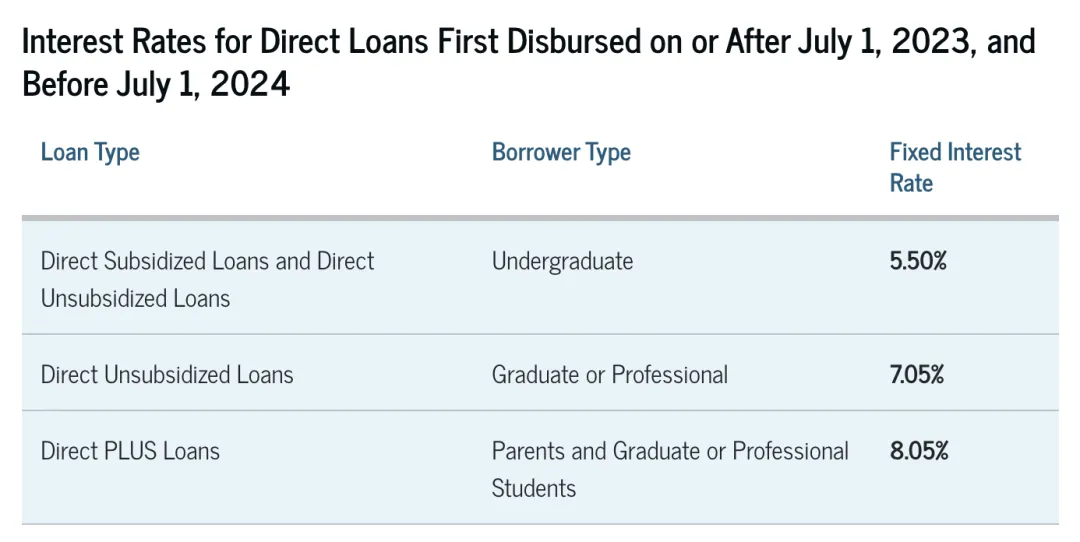
The Fed keeps raising rates, and now undergraduate loan interest is as high as 5.5%, graduate loans at 7%.
To make matters worse, in June this year the US Supreme Court struck down Biden's student loan cancellation plan.
Hope was dashed for tens of millions of borrowers: $400 billion in student loans still must be repaid.
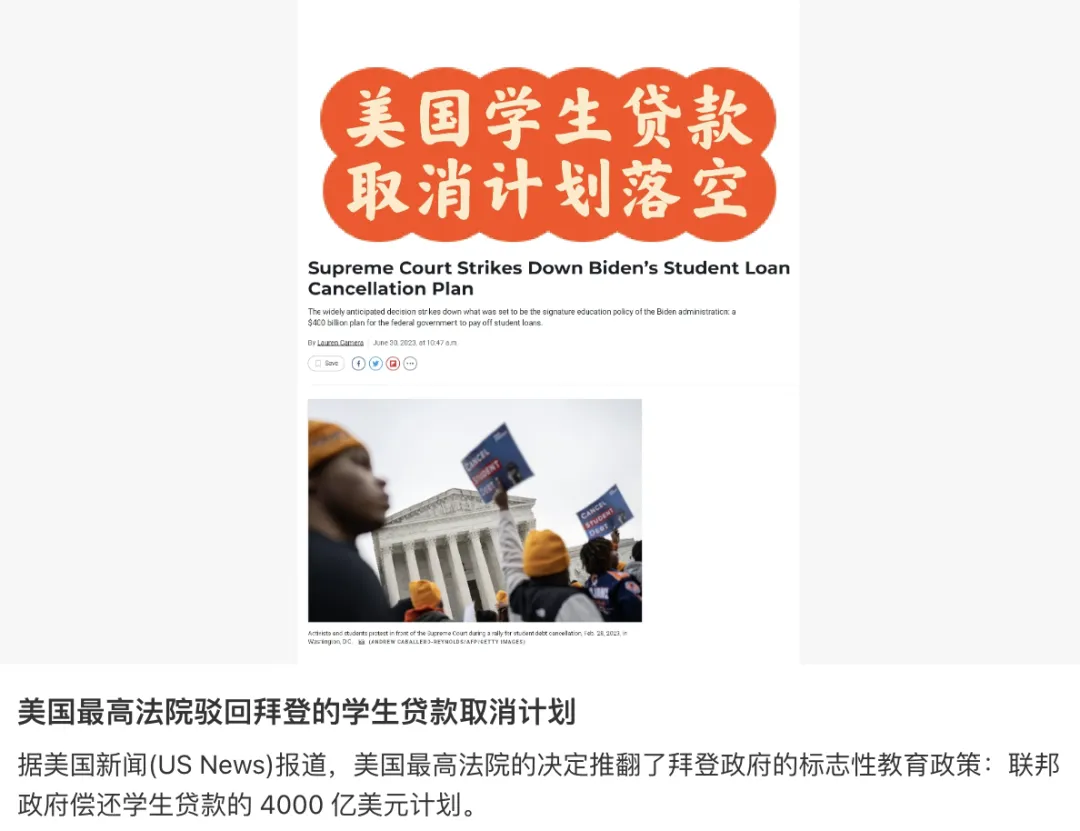
Data shows over 45 million Americans owe $1.6 trillion in college loans. If Biden could cancel $400 billion with a stroke of a pen, it would be one of the costliest policies in US history.
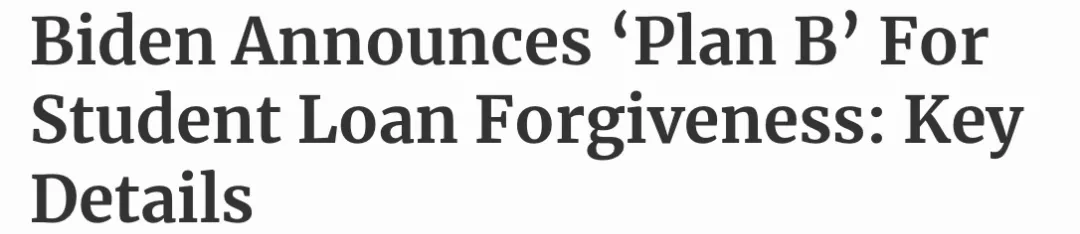
After the plan fell through, the Biden administration proposed Plan B, shifting to targeted loan forgiveness for various groups. Just more of the same, essentially empty promises, all for votes.
South Korea
It's not just the US, UK, and Australia; South Korea is also in dire straits.
A population of 50 million, with nearly 20 million in debt❓
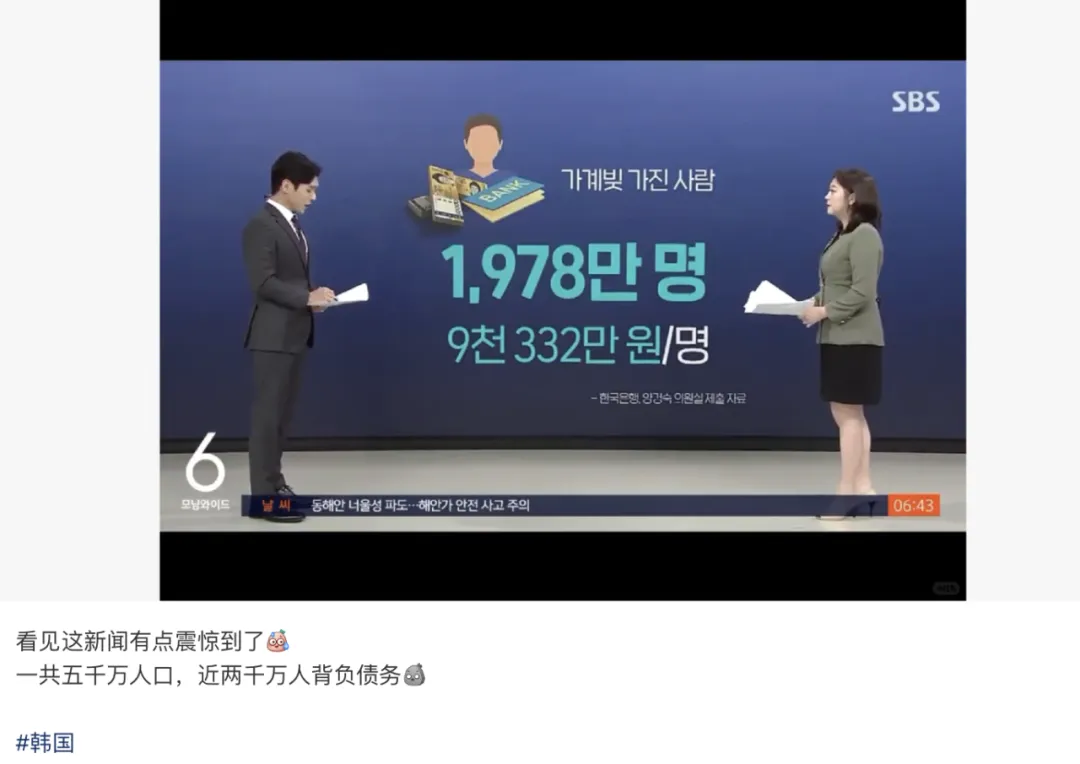
When buying something at the supermarket, the cashier asks if you want to pay in installments.

Koreans will probably still buy Chanel even if it means 360 monthly installments—that's exquisite poverty.

Exquisite poverty—isn't that the state of many international students?
Downward consumption, funding cut-offs, yesterday's Chanel princess today working as a Walmart cashier. The shock of this change really depends on how you reconcile with yourself.
Breaking free from consumerism and planning ahead is the key life lesson the economic downturn teaches us.
Life isn't inherently about wealth or poverty, and the same goes for studying abroad. Moreover, studying abroad is no longer a symbol of "showing off wealth."
Every international student has their own way of living. Don't harm your health with extreme frugality, nor feel inferior because of XiaoHongShu posts boasting of $100,000 savings.
I hope everyone can define their own study-abroad experience and realize their original dreams.
.png)