As the 24Fall application season rolls out offers in waves, it's a time of mixed joy and anxiety.
Although many students who have received offers are already celebrating early, many others are still reeling from the blow of 24Fall applications.
.png)
Application materials sent out have vanished without a trace; hoping for a stroke of luck to catch a lifeline, many still end up with zero offers.
.png)
Having consoled themselves that at least there were safety schools to fall back on, they opened their inboxes only to find rejection letters from those very safety schools.
.png)
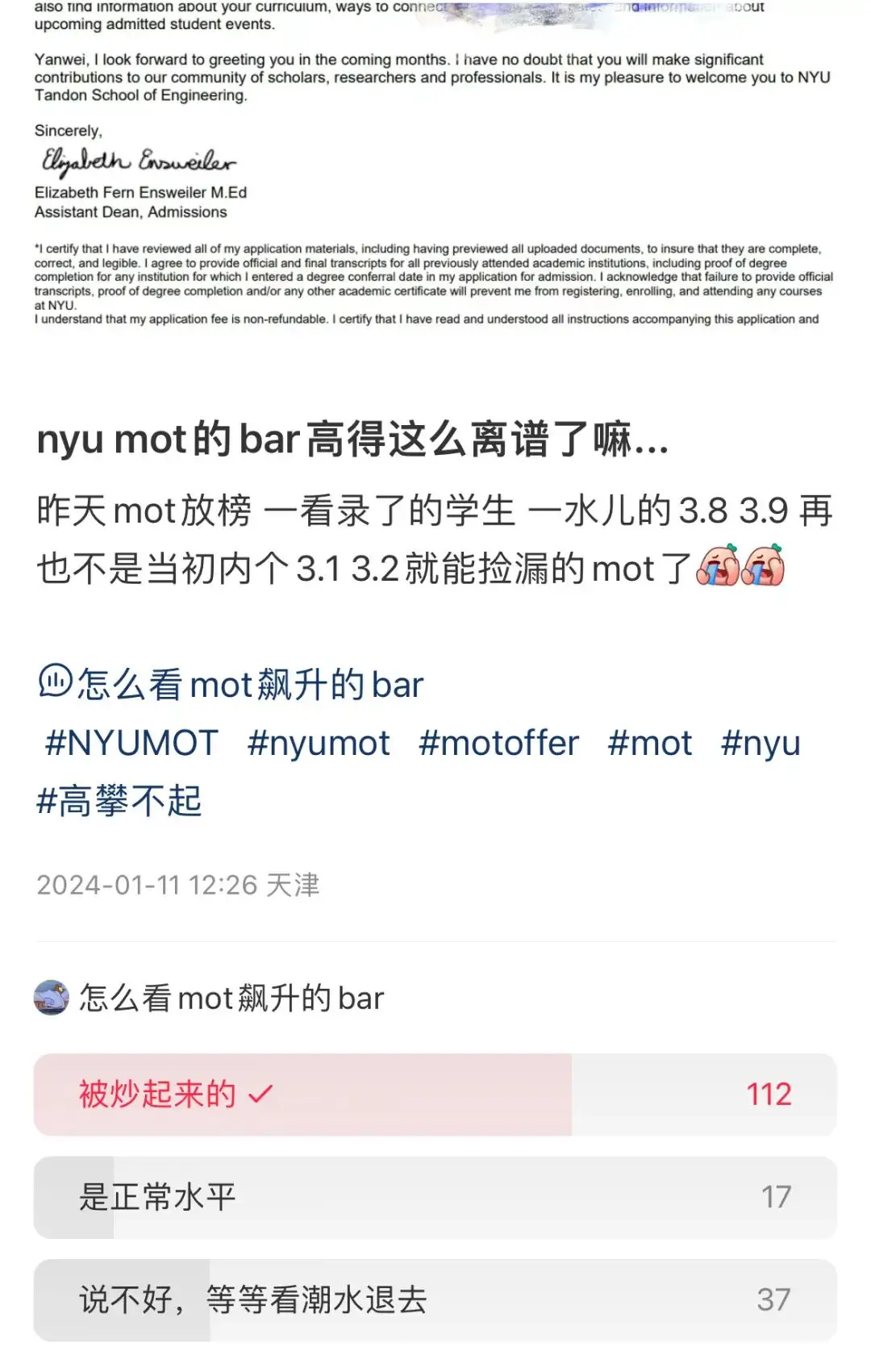
Knowing that 24Fall would be competitive, but no one expected it to be this cutthroat. Programs once thought to be sure bets are now rejecting applicants instantly, and even NYU's Management of Technology admitted students all with GPAs of 3.8...
The Cutthroat Admission Standards of 24Fall
Almost all application requirements for 24Fall have increased significantly compared to last year!
For example, many UK universities raised language score requirements even before the application season began. KCL even officially announced that it would no longer accept applications from students of non-prestigious universities in 24Fall.
.png)
Southampton, Manchester, and Edinburgh have all frantically raised standardized test requirements, and Manchester even began imposing restrictions on subject-specific grades.
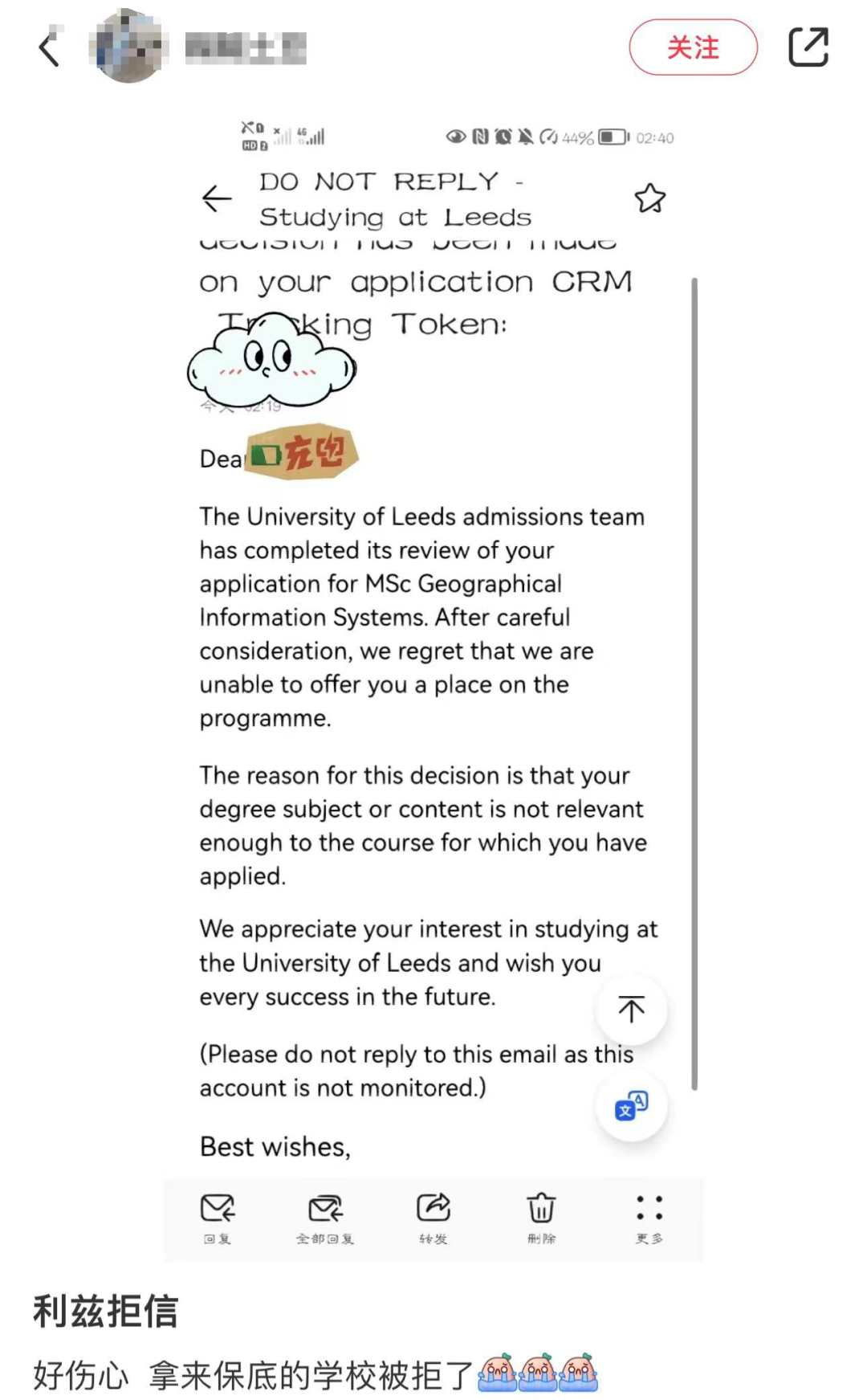
The University of Leeds's application difficulty has skyrocketed. Previously, many 'bargain' programs had hope of admission with an average score of 70+, but this year, not only have some 2:2 programs been upgraded to 2:1, but some program requirements have even jumped straight to a first-class degree.
As a result, many students who applied to Leeds as a safety school this year can say they suffered a crushing defeat, with rejection letters piling up.
Meanwhile, in the US, SPS colleges, which have long been at the bottom of the study-abroad hierarchy, are becoming increasingly difficult. Not only are grade reviews more stringent, but various entry thresholds have been raised considerably!
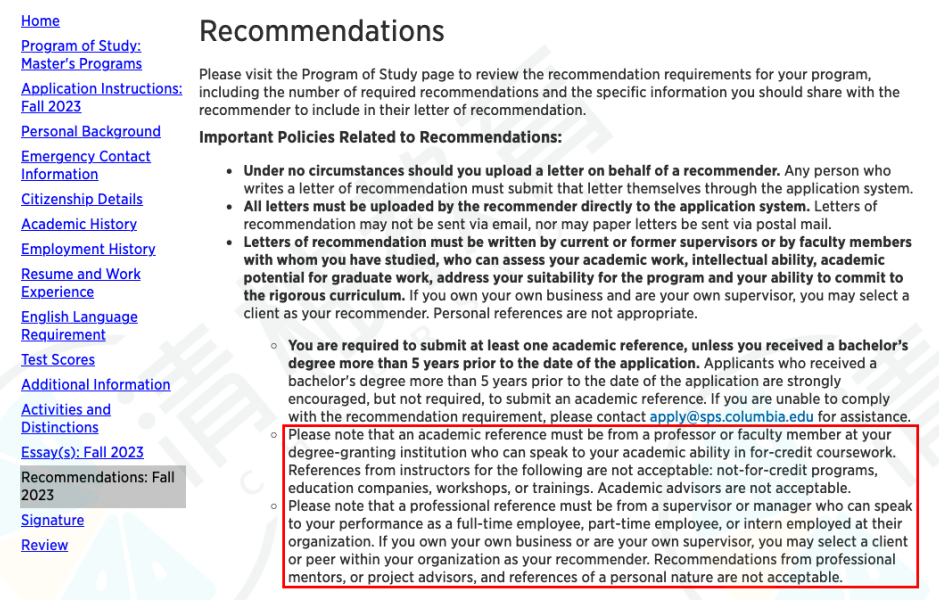
Columbia SPS's application process has not only added an in-person interview but also explicitly requires that recommenders be from degree-granting institutions, and internship recommenders must be supervisors or managers.
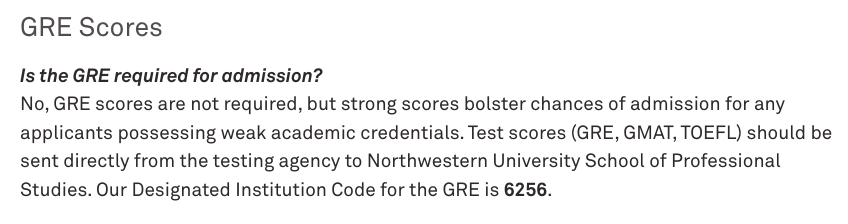
Northwestern SPS, while not requiring GRE scores, has made it clear that due to fierce competition, a high GRE score can boost the chances of admission for applicants with weaker academic backgrounds.
NYU SPS not only added a Kira interview but also introduced a timed writing section in its updated interview requirements for 24Fall! Applicants are required to write an essay within 15 minutes during the interview!

It can only be said that the era of coasting and still using SPS as a safety net is long gone, and applying to SPS without an interview or any difficulty is now history!
In the past, SPS programs offered opportunities to various low-score applicants with GPAs under 3.0, but in 24Fall, even students with GPAs of 3.5+ are receiving rejection letters in droves.
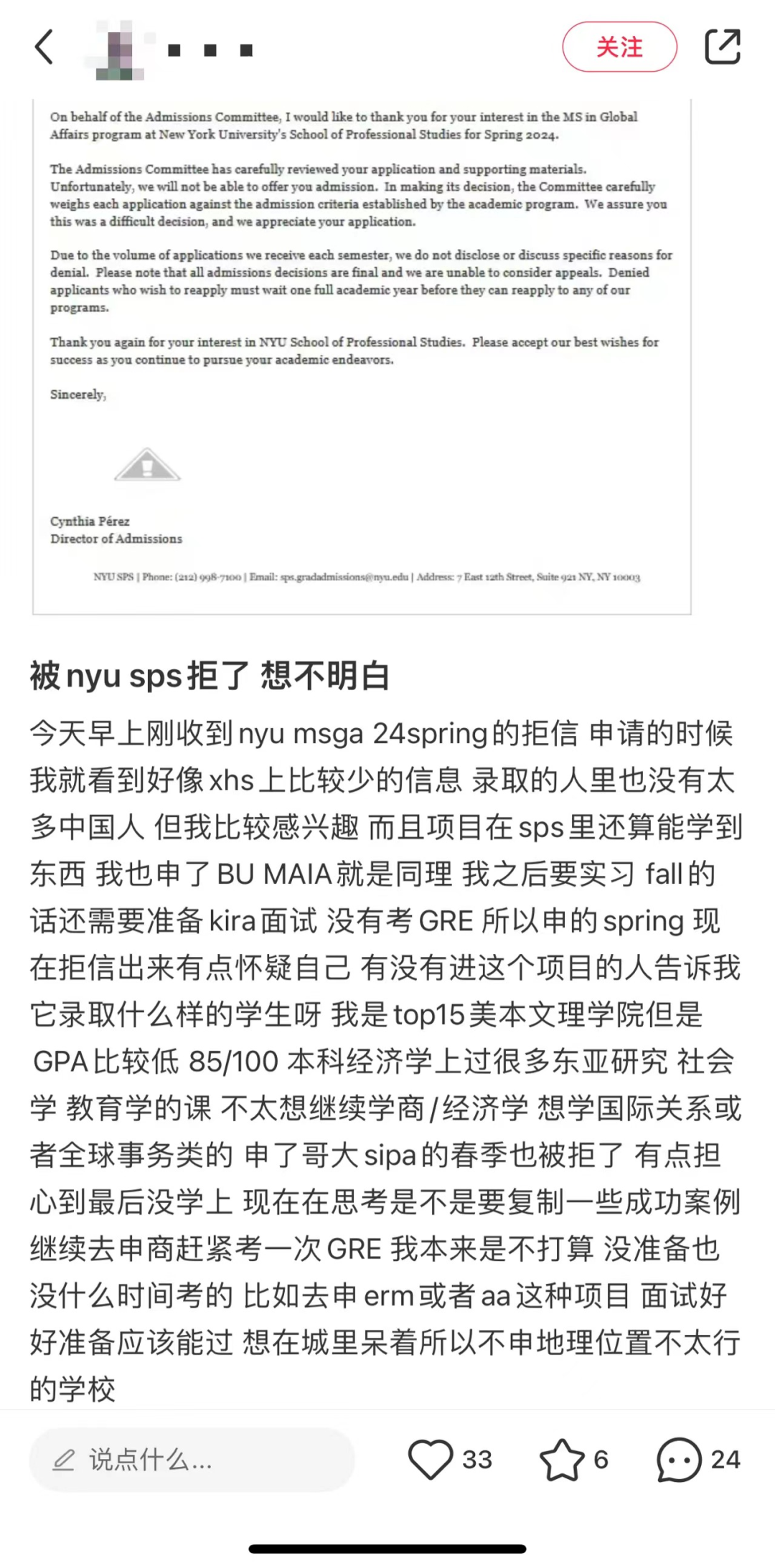
This has left many students who used SPS as a safety program dumbfounded. Wasn't SPS supposed to be an easy admit?
An Ever-Changing Study-Abroad Application Season
The 24Fall application results are also a reminder that study-abroad applications are far more complex and unpredictable than we imagine.

As the number of people wanting to study abroad has grown over the past two years, standardized test scores have been rising accordingly, and universities' application requirements are bound to undergo many changes and adjustments every year.
For example, UCL previously raised language score requirements temporarily during the application season, catching many students who had already received offers off guard...
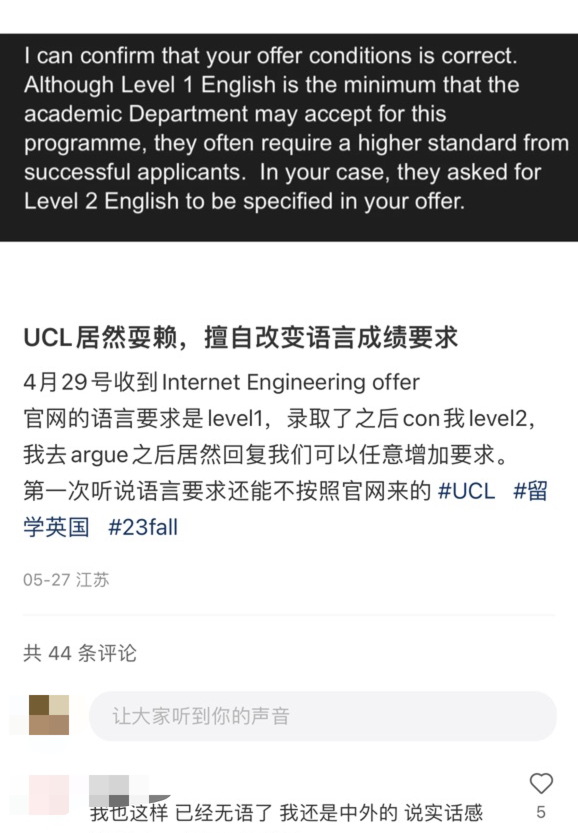
What was supposed to be Level 1 changed to Level 2 after admission, and even arguing was useless; when asked, they said the requirements are set by us, and we can change them as we please.

Another thing is the various university and program rankings that everyone follows closely; they undergo significant changes every year. Many schools will adjust their admission policies based on rankings going up or down!
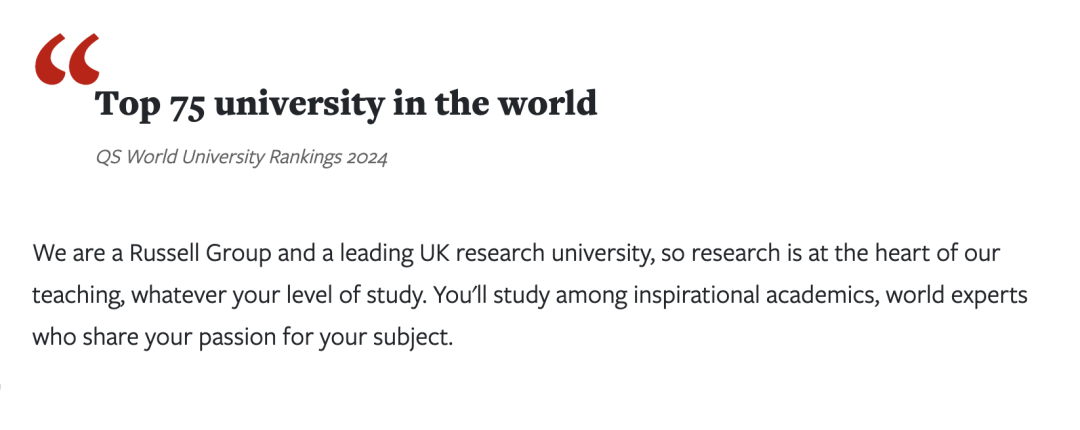
For instance, the University of Leeds, after jumping 10 places in the QS ranking this year, went crazy raising its standardized admission requirements.
In addition, study-abroad policies in various countries change constantly every year. For example, the Canadian government recently began restricting the issuance of study permits, which will inevitably make studying in Canada even more difficult in the future.

In the ever-changing landscape of each application season, past cases can only serve as references, and successfully replicating them is no easy task.
What's more, many people's reference to past experiences remains superficial. Many students are inspired by the passionate stories of low-GPA success stories, thinking that with similar scores, they can do it too.
Daydreaming that they, too, can become the hero of a feel-good story, turning things around and reaching the pinnacle of life by getting into a prestigious school. However, when the application season arrives, they find that reality's blows are often very cruel!

How to Turn the Tables and Achieve a Comeback
In fact, in low-GPA success stories, many only see the result and overlook the relentless effort and dedication behind the comeback.
Not everyone can just happen to ride the 'survivor bias'; a successful turnaround is not purely coincidental.
With a low GPA, one must put in the hard work in all aspects: standardized tests, internships/research, school selection, essays, interviews, and more.
For example, you can highlight the shining points of your academic or internship experience in your essays. Within a limited time, based on your past experiences, you can choose differentiated, in-depth, high-quality internships, research, or competitions to enhance your overall strength and compensate for a low GPA.
Beyond that, a targeted, personalized application strategy is also very important:
Avoid Regions with Strict Average Requirements or Schools That Favor High Scores
US admission standards are relatively diverse, and they don't rigidly filter by undergraduate institution or grades. Compared to a singular focus on hard criteria, US institutions pay more attention to students' overall abilities. Soft backgrounds such as internships, research, competitions, and overseas exchanges are key factors that US universities scrutinize during admissions.
In contrast, the UK indeed favors students with excellent grades and has clear GPA thresholds for different tiers of undergraduate institutions. Looking at 24Fall admission results, competition among high-score applicants is also extremely fierce.

Apply Across Multiple Disciplines and Choose Substitute Programs
Amidst the increasingly cutthroat application environment, you can adjust your thinking about program selection. Not only can you apply across multiple disciplines, but you can also choose some 'substitute' programs.
Especially for students with lower grades who highly value rankings, choosing an easier major within a broad field or applying for a 'substitute' program is also a good option.
New Programs Tend to Be Less Competitive
In the brutally competitive 24Fall, there actually many new programs being launched, and the first year of a new program tends to have lower application difficulty.
On one hand, because not many people know about them, the application numbers are relatively lower than other programs. On the other hand, schools may also be uncertain about applicant numbers, so the initial admission standards may not be set too high.
Apply Early, Plan Early, Secure Offers Early
The study-abroad application process is highly complex, including constant weighing of pros and cons in choosing schools and programs. Therefore, allowing ample preparation time and having sufficient experience can help avoid unnecessary mistakes and smoothly secure offers.
Finally, I hope everyone can start preparing early. There is no optimal solution for studying abroad; giving your best effort is the best draw you can get!
Wishing everyone success in realizing their dream of attending a prestigious university and achieving a life turnaround!
.png)