
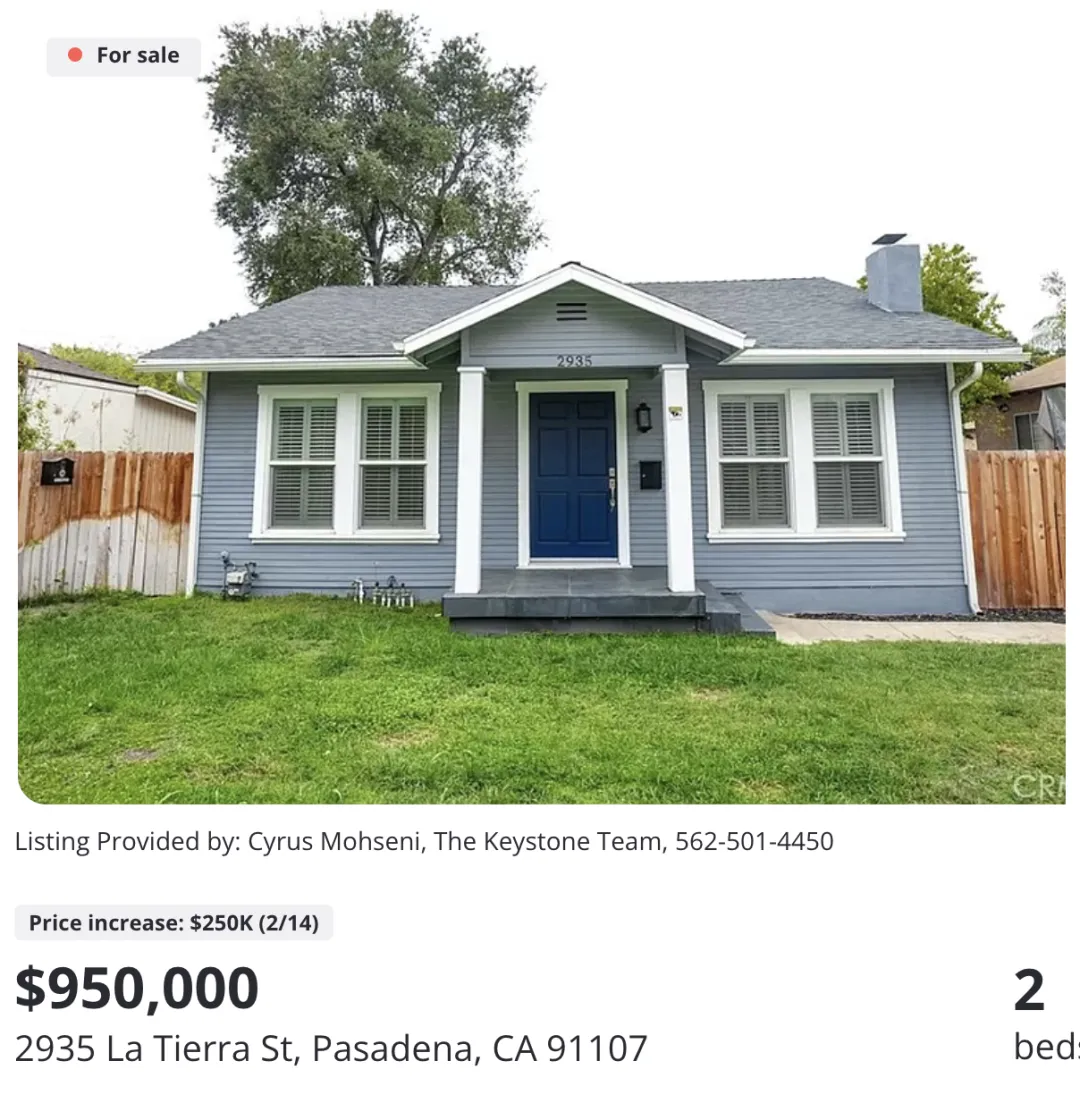
Although the Federal Reserve keeps raising interest rates, home prices keep rising. Especially in California, a million dollars gets you a tiny, dark house.
A New York Times article titled 'I’m 33, and I’m the Problem' may have unveiled the reason why U.S. home prices remain high.
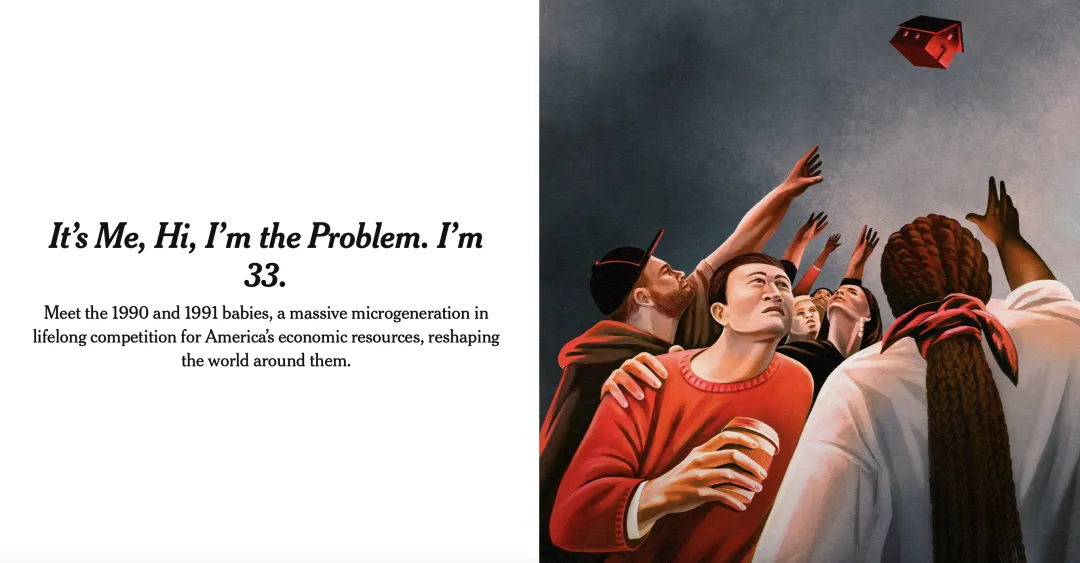
The Survival Reality of America's First Wave of Post-90s
The author is a millennial born in 1991, caught in the U.S. baby boom; as the saying goes, more people means fiercer competition.
He started college in 2009, right when enrollment numbers in the U.S. were surging, and even community colleges began sending rejection letters. College tuition soared, and the gap between student debt and starting salaries became increasingly absurd.
When he moved to the Bay Area after graduation for work, the wave of urbanization arrived. Populations in major cities like New York and San Francisco hit new highs, and rents skyrocketed.
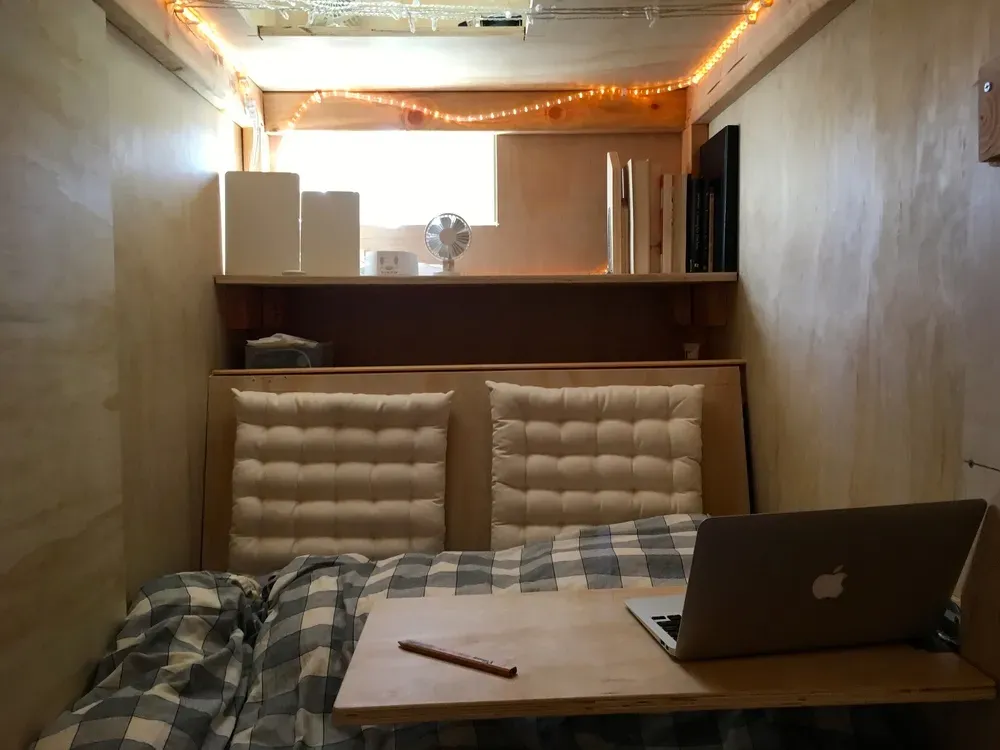
To save money and pay off student loans, he lived in a walk-in closet (yes, walk-in closet). And now, student loans have surpassed auto loans and credit cards to become the largest source of debt for Americans after mortgages.
Then the author bought a house in 2021 and got married in 2022, again caught in a marriage and baby boom. It can be said that the post-90s generation propped up the wedding industry during the pandemic.

Now Generation Z has also entered the job market. They can't compete with the Gen Z'ers in energy, nor with the post-80s in experience. So this generation of post-90s mainly just tries to hang on in the workplace.

In 2022, there were 4.75 million Americans turning 32, and 4.74 million turning 31—the two largest age groups in the population, accounting for 13% of the total U.S. population.
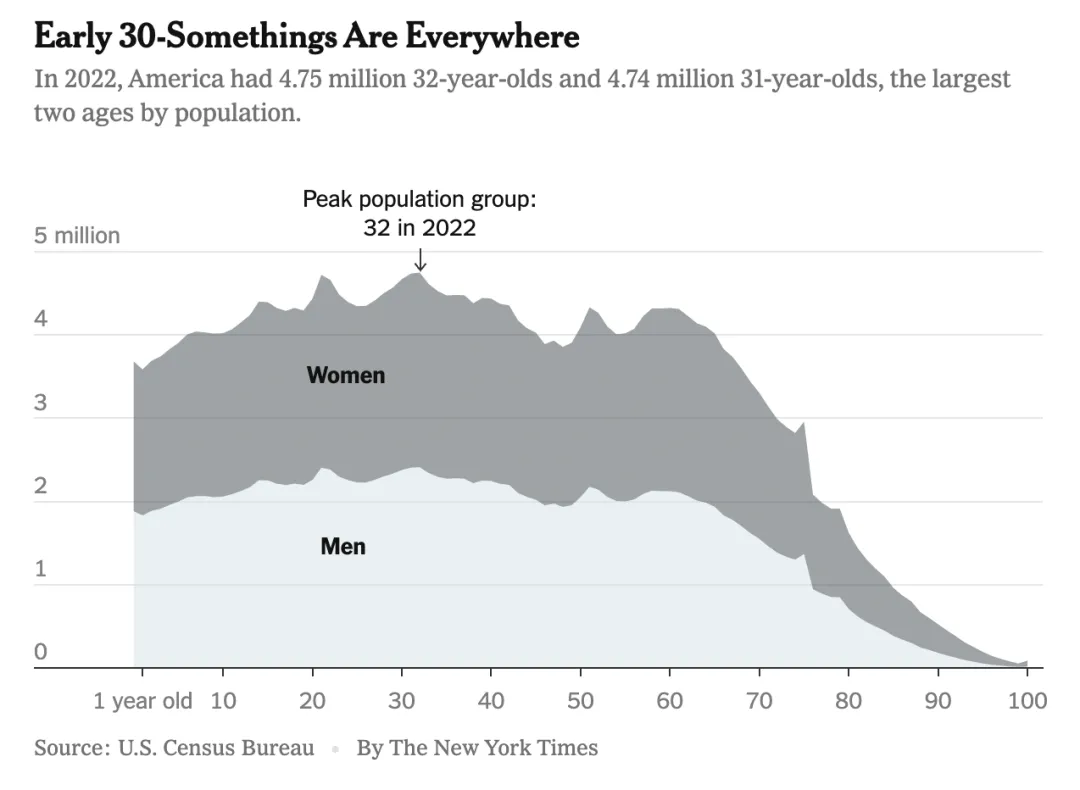
These early-30s post-90s, born at the peak of the U.S. baby boom (peak millennials), have to compete fiercely in education, home buying, work, and all kinds of resources—each step precisely hitting a landmine. Moreover, many peers have considerable financial strength, making the already competitive track even more cutthroat.
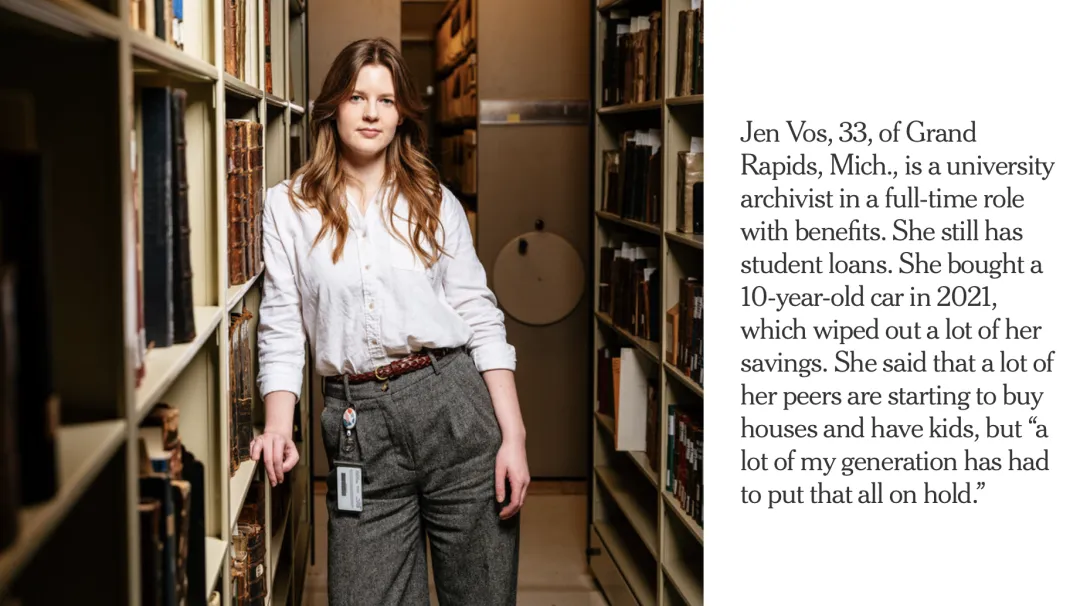
For some Americans, still carrying student loans at 33, getting married and having children is likely to be delayed.
As early as 2017, a real estate tycoon said that millennials aren't buying homes because of their petty bourgeois spending habits. "If I were buying my first house, I wouldn't spend $22 on breakfast," the tycoon said.
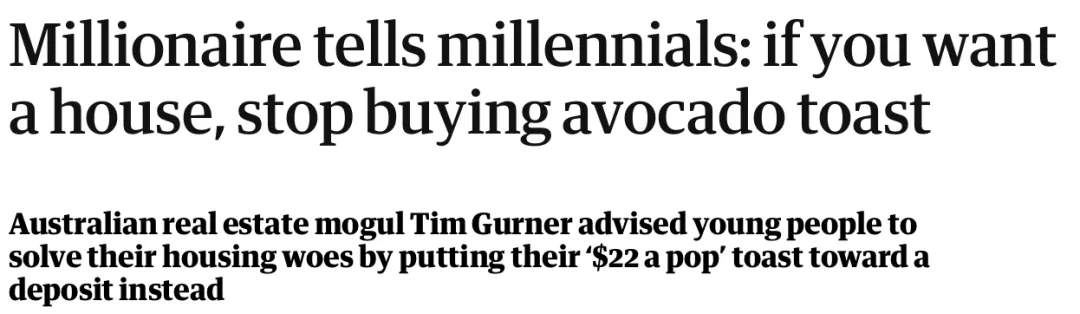
The wording is rough but the logic holds, yet it still carries a whiff of 'let them eat cake,' so the remarks were met with public outcry as soon as they appeared.
After all, at that time, many millennials were still in their 20s, just out of college and job hunting. Without family support, buying a house was unrealistic for many.
However, in the past couple of years, especially 2021-22, the first wave of post-90s entered their 30s, many started families and careers, making homeownership—especially in good school districts—a necessity. Coupled with the Fed's interest rate cuts during the pandemic, millennial enthusiasm for home buying soared.

Data shows that first-time homebuyers are predominantly in their 30s, exactly the first wave of post-90s.