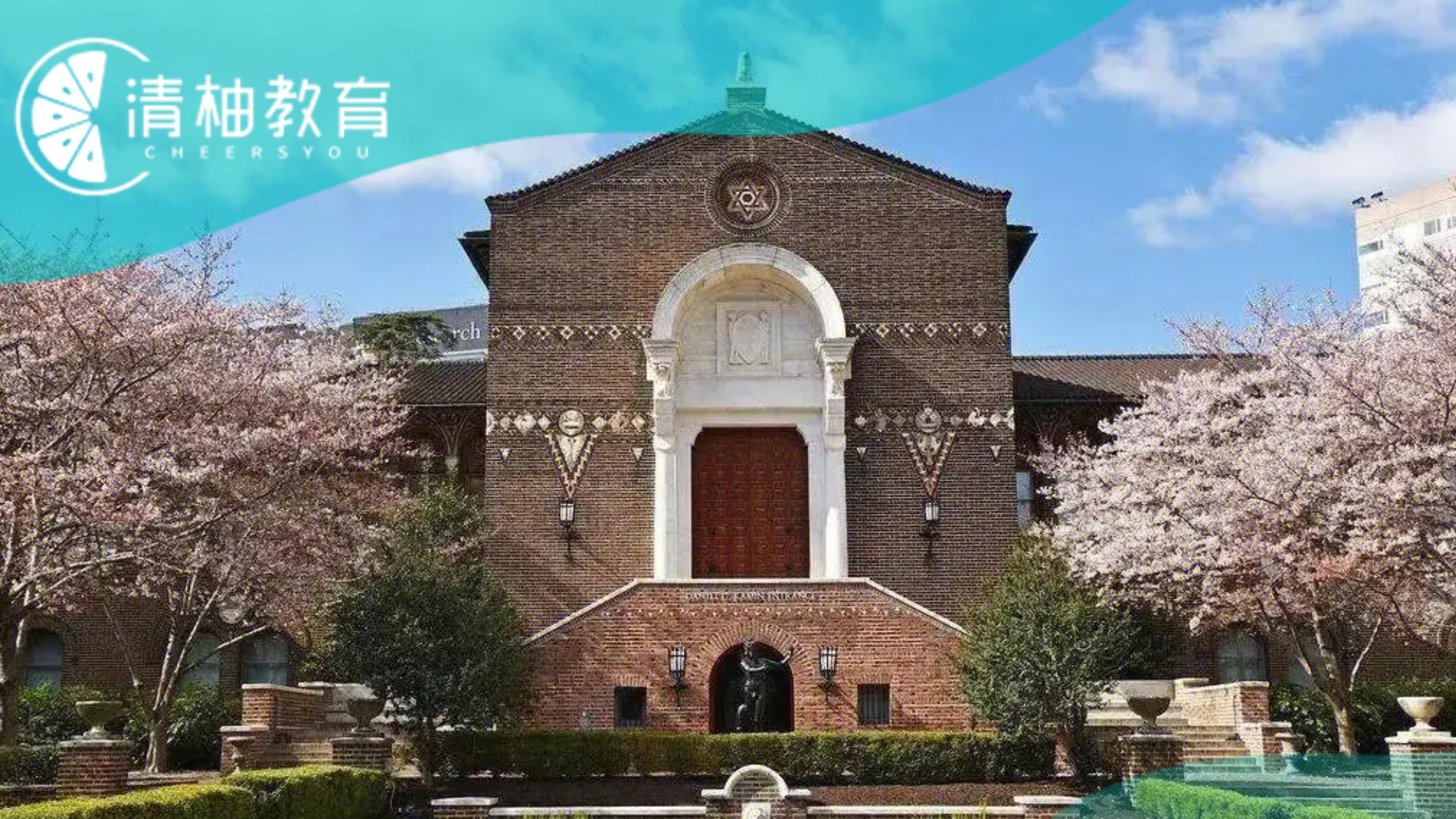
The University of Pennsylvania's psychology master's program stands out in the field, led by the Master of Applied Positive Psychology (MAPP). It not only delves into the depth of traditional psychology but also focuses on unlocking the positive potential of individuals and organizations, cultivating professionals who can drive positive change. CheersYou(清柚教育) advisor has compiled the program's curriculum, admissions requirements, and broad career prospects for you. Students who wish to learn more or have other questions can also scan the QR code below to add an advisor for a one-on-one consultation.
.png?x-oss-process=style/opt-webp)
I. Program Overview
The Master of Applied Positive Psychology Program (MAPP) at the University of Pennsylvania is the world's first program of its kind. Combining psychological theory with practice, it concentrates on the study and application of positive psychology principles to enhance personal well-being, team effectiveness, and organizational performance. The program aims to develop leaders and professionals capable of fostering positive change. Offered in a one-year format, graduates earn an MAPP degree and may choose to pursue further advanced degrees such as a JD, MD, or PhD.
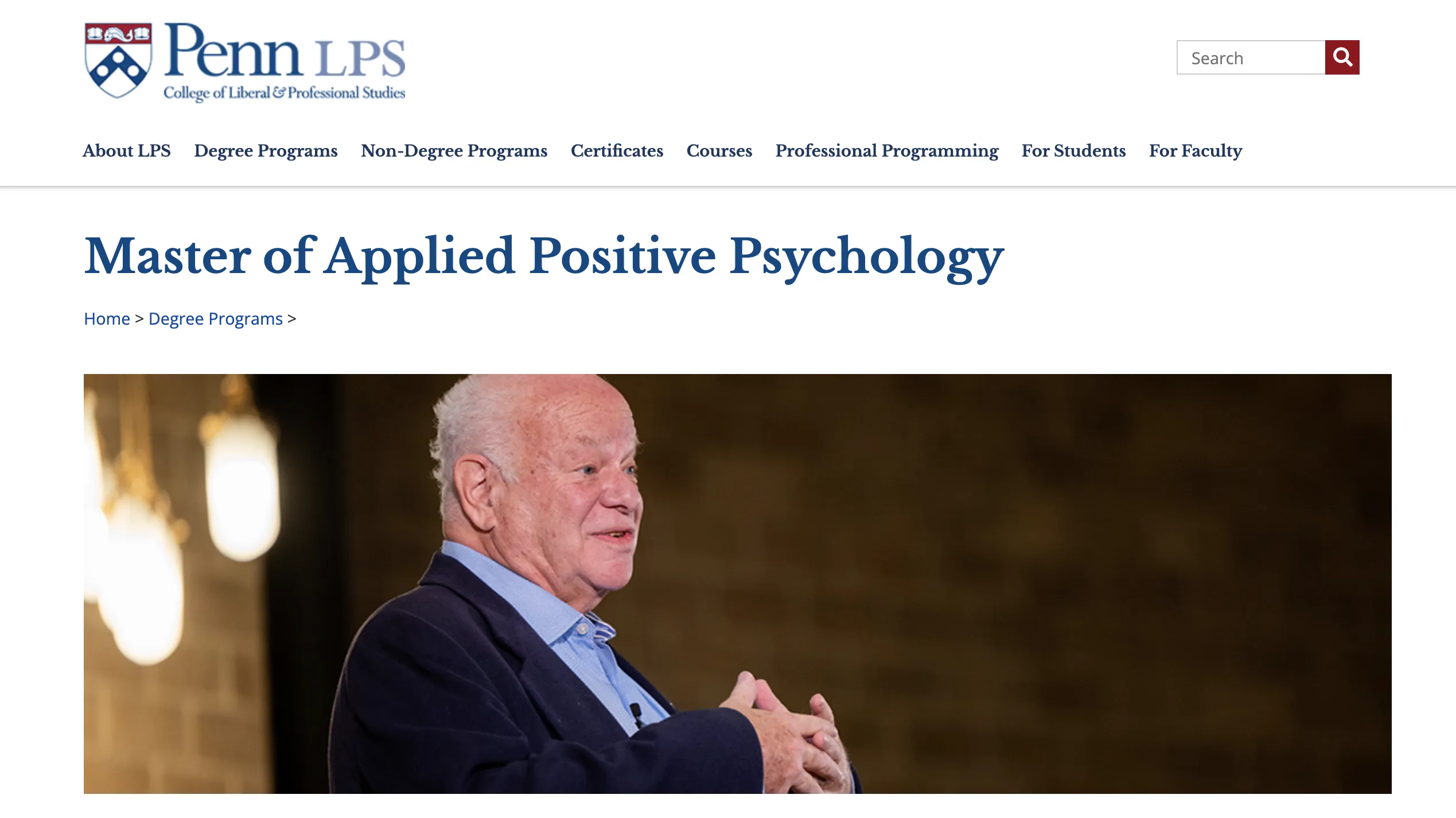
Official Website Link: https://www.lps.upenn.edu/degree-programs/mapp
II. Curriculum
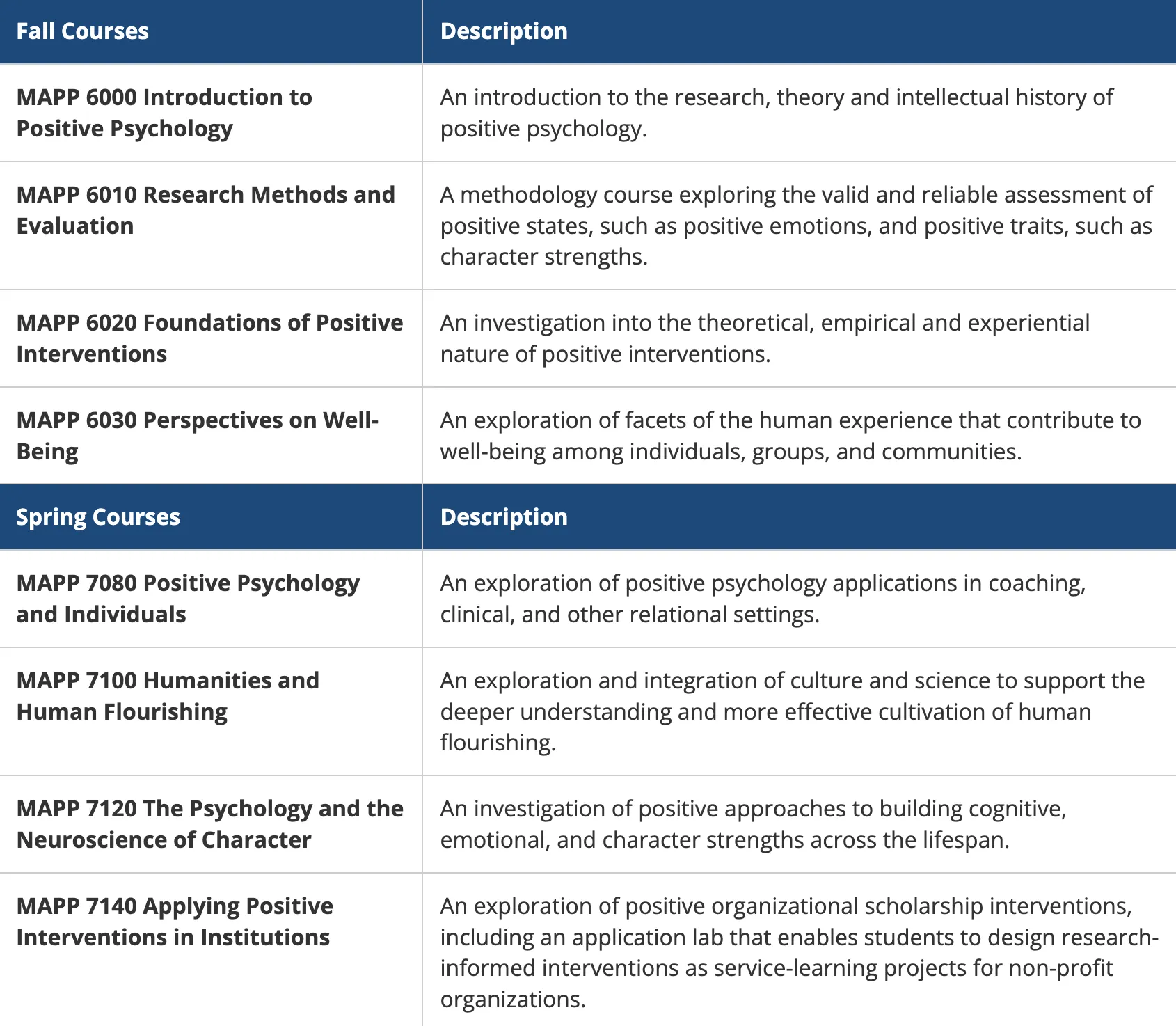
The curriculum is rich, featuring core courses such as Foundations of Positive Psychology, Positive Organizational Behavior, Positive Intervention Strategies, and Mental Health and Work Environment. Additionally, elective courses cover topics like Positive Leadership, Innovative Thinking, and Work-Life Balance, allowing students to deepen specialized knowledge and enhance practical skills. Students complete the program during a full-time year of study across fall, spring, and summer semesters.
- Fall semester: Courses on the science, research, and theoretical foundations of positive psychology lay the groundwork;
- Spring semester: Coursework helps students learn to apply positive psychology in various professional settings, including developing plans for positive interventions in real organizations.
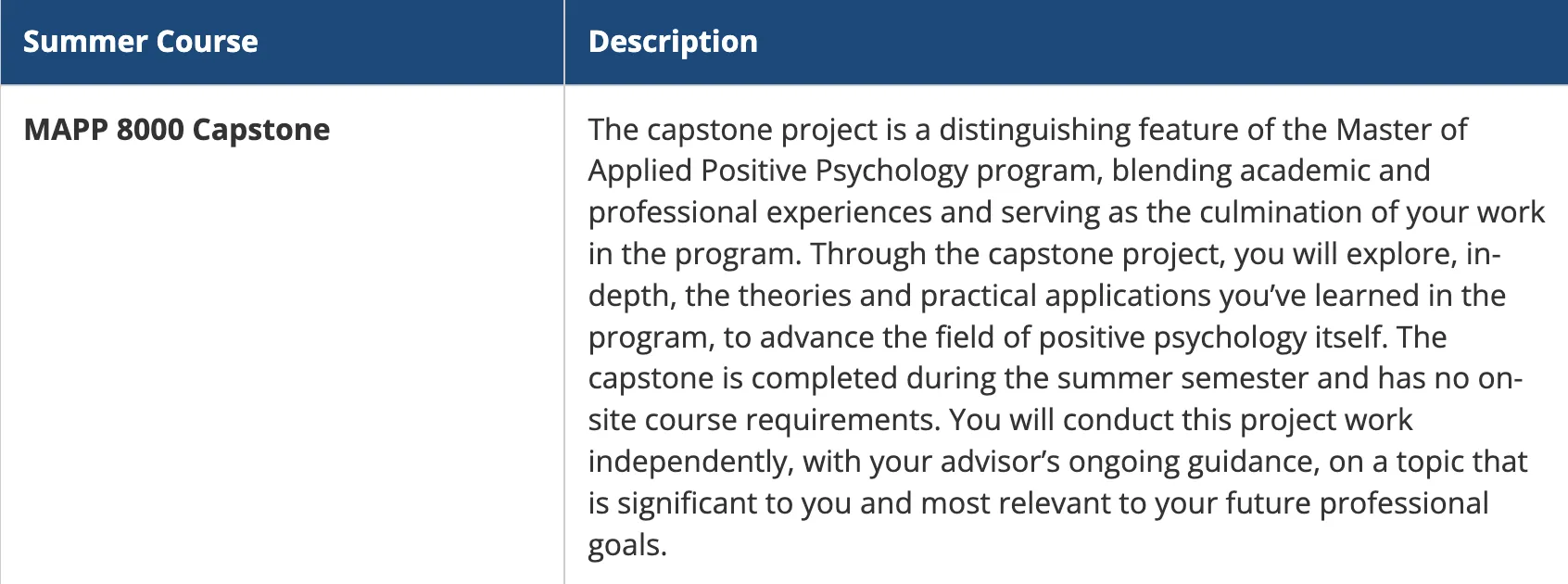
- Summer semester: Complete a capstone project that integrates knowledge gained throughout the program and applies it to a key professional or research area.
III. Admissions Requirements
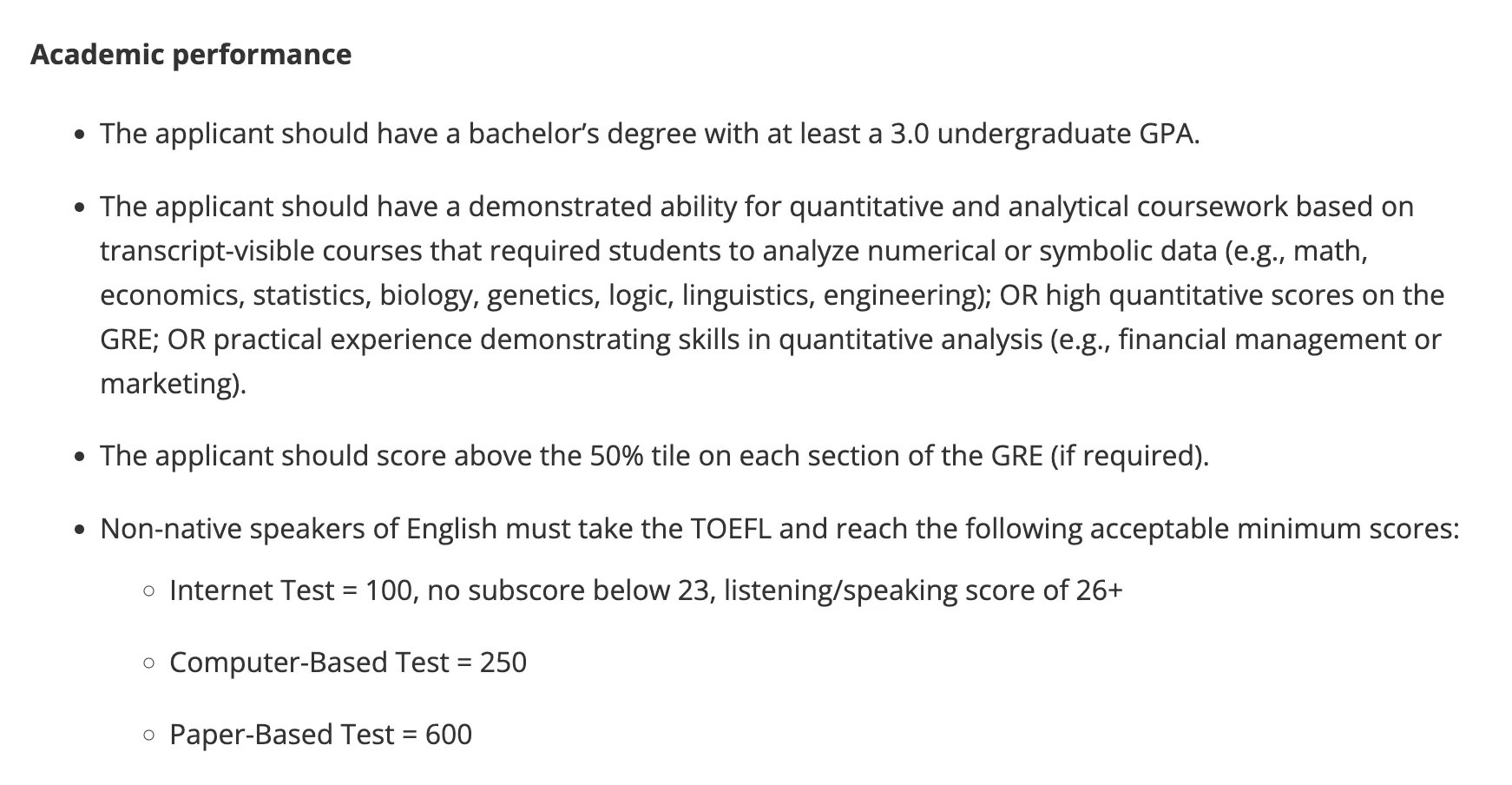
- Recommended GPA of 3.0 or higher
- GRE scores, three recommendation letters, and personal statement/resume required
- International students from non-U.S. institutions must submit TOEFL scores (100+, with minimum section scores: 23+ on all sections, 26+ on Listening and Speaking)
IV. Career Prospects
As positive psychology gains increasing prominence in today's society, particularly in stress management, quality of life enhancement, and personal growth, graduates of this program are highly competitive in the job market. Overall, the University of Pennsylvania's Master of Applied Positive Psychology program provides students with a broad platform for career development and excellent employment prospects.
- Corporate Consulting: Work in HR, organizational development, or employee wellness departments to boost morale and optimize work environments.
- Mental Health Services: Provide positive psychological interventions and counseling at counseling centers, schools, medical institutions, or community services.
- Media and Advertising: Use positive psychology strategies to design more appealing ads and marketing campaigns, enhancing brand influence.
- Education: Develop and implement positive education strategies in educational institutions to increase student motivation and well-being.
- Public Policy and Non-Profit Organizations: Apply positive psychology to drive social change, such as community development and public welfare projects.
For more questions related to studying abroad and graduate applications, you can also add the contact information of the CheersYou(清柚教育) advisor below for detailed information.