The Creative Industries and Cultural Policy program (Creative Industry & Cultural Policy) at the University of Glasgow is an interdisciplinary postgraduate course designed to provide students with an in-depth understanding of the creative industries and cultural policy. The program combines practical experience in the creative industries with theoretical knowledge of cultural policy, offering a comprehensive learning experience. Students who want to learn more or have other questions can scan the QR code below to add an advisor for a one-on-one consultation.
.png?x-oss-process=style/opt-webp)
1. Program Overview
The Creative Industries and Cultural Policy program at the University of Glasgow focuses on exploring the development of creative industries and their relationship with cultural policy. The program combines practical experience in the creative industries with theoretical knowledge of cultural policy, providing students with a comprehensive learning experience.
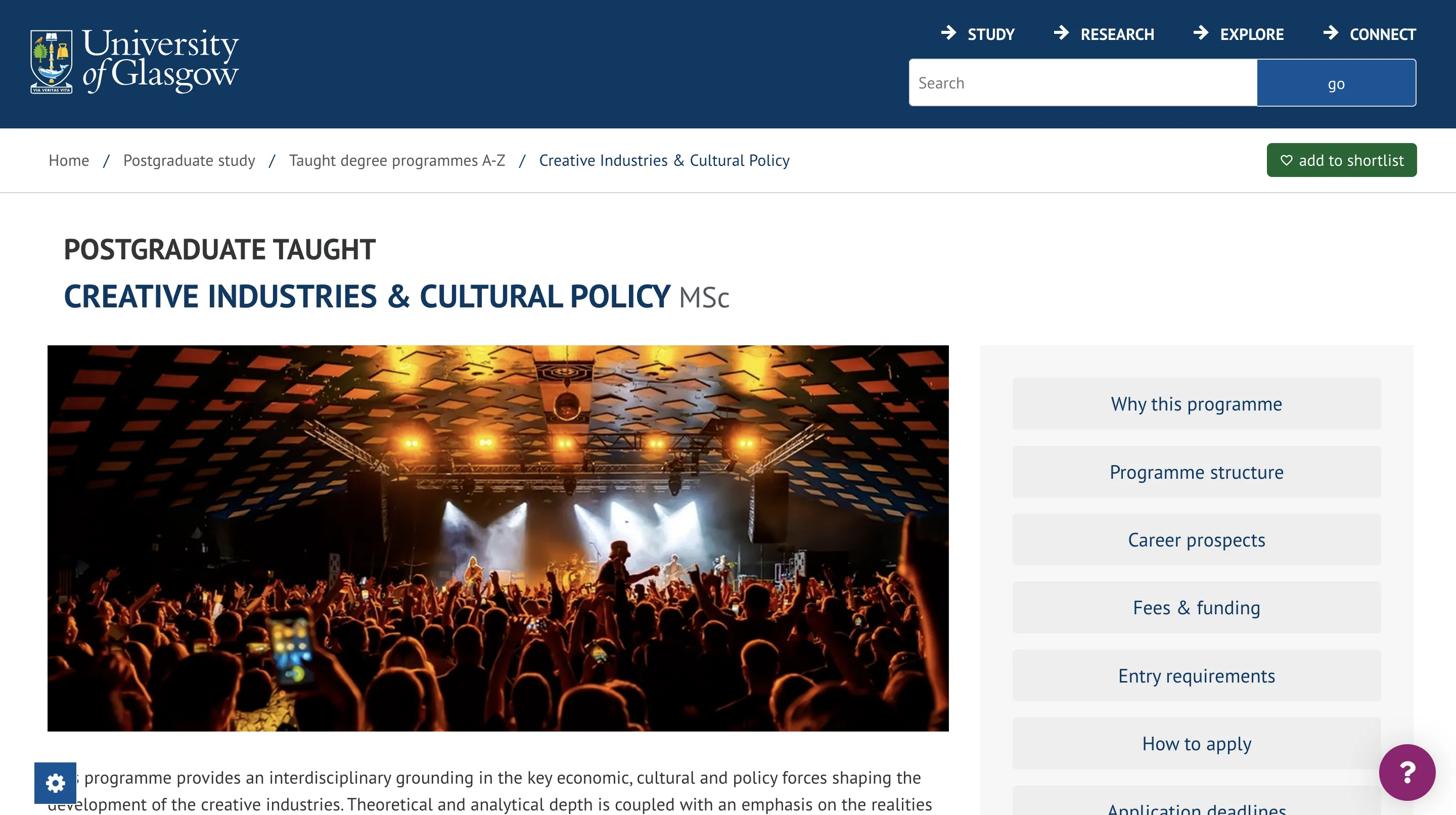
Official website link: https://www.gla.ac.uk/postgraduate/taught/creativeindustriesandculturalp...
2. Curriculum
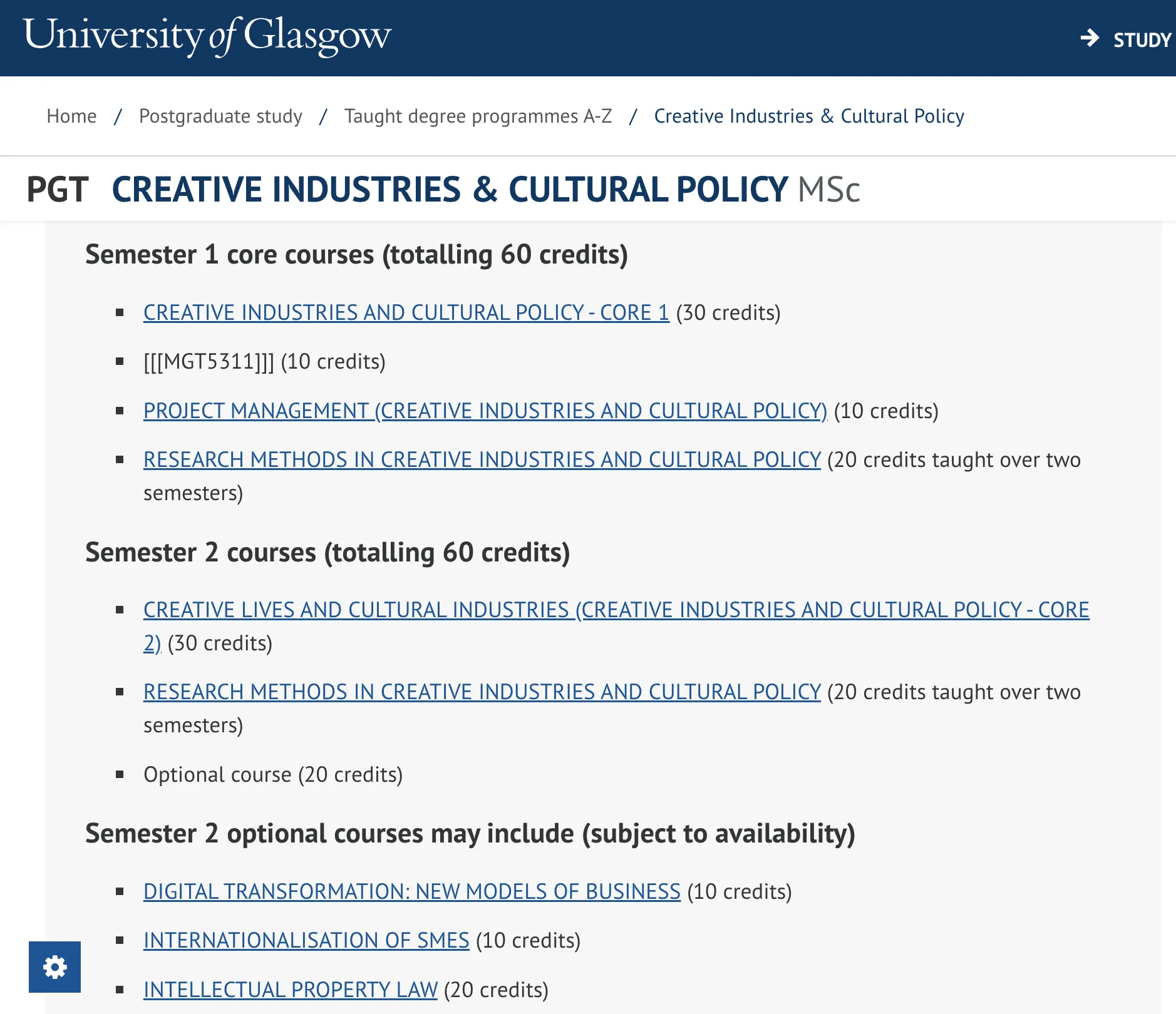
The core courses of the program cover the history, current state, and future trends of creative industries, the formulation and implementation of cultural policy, and the interaction between creative industries and cultural policy. In addition, the program also explores various sectors within the creative industries, such as music, film, art, design, and the application of cultural policy in different countries and regions.
The program lasts for 12 months, including taught courses and an individual dissertation; the teaching components consist of lectures, seminars, and group assignments, greatly enhancing students' creativity and teamwork skills; an individual dissertation (60 credits) is also required.
The teaching components include lectures, seminars, and group assignments. Creative Industries and Cultural Policy (Semester 1) and Creative Lives and Industries (Semester 2) are the two most important core courses. The program is supported by guest lectures from the school, as well as sharing of experiences and insights from creative industry practitioners, policymakers, and key influencers.
3. Admission Requirements
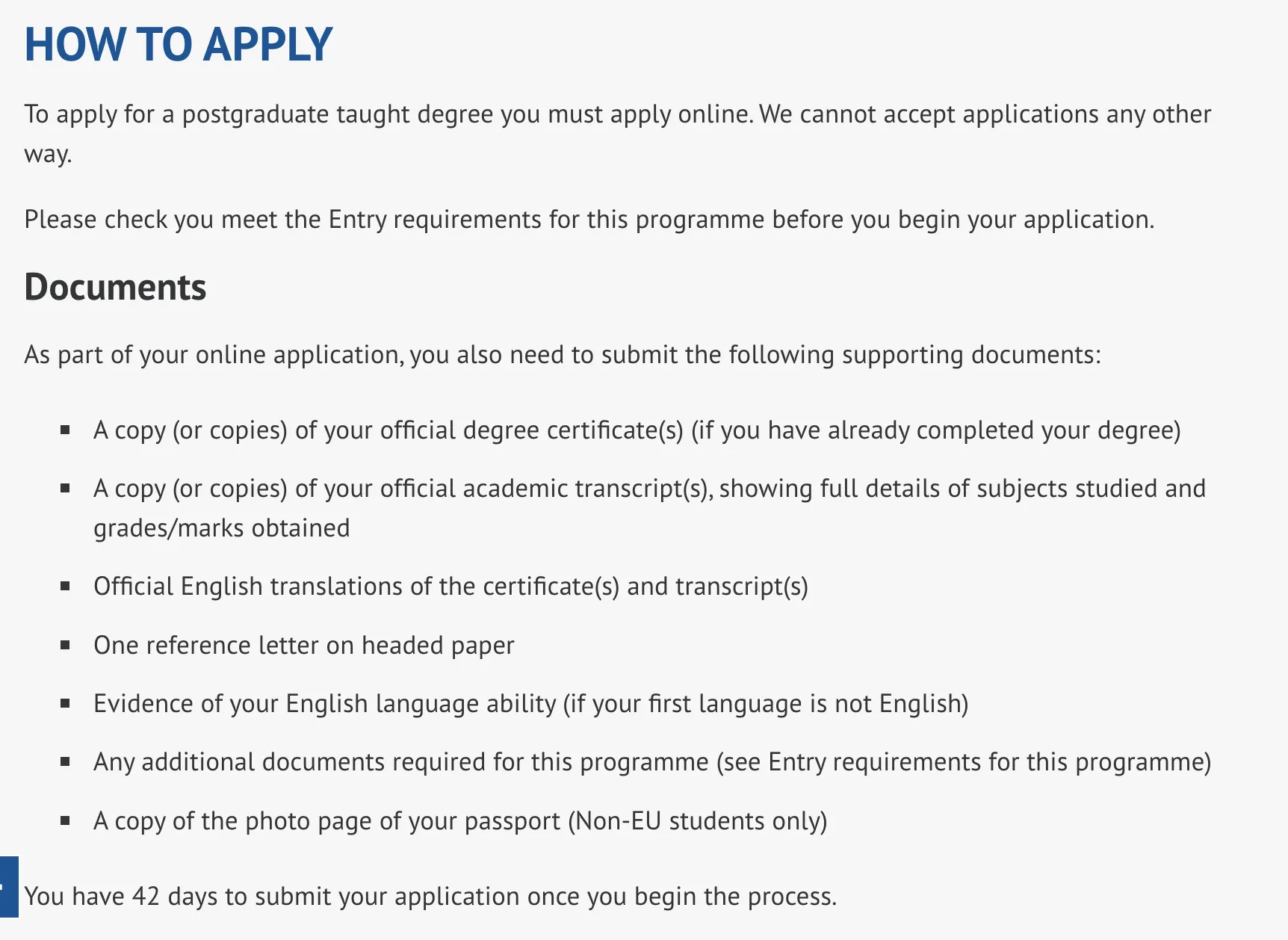
Here, CheersYou(清柚教育) Bro would also like to share the admission requirements for the Creative Industry & Cultural Policy program, which can be a reference for students interested in this major:
Degree certificate (Chinese and English versions)
Transcript (Chinese and English versions)
Recommendation letter (one letter)
English proficiency test scores (IELTS 6.5, with no sub-score below 6; or TOEFL 79, with reading no lower than 13, listening no lower than 12, speaking no lower than 18, and writing no lower than 21)
4. Career Development Prospects
The Creative Industries and Cultural Policy program at the University of Glasgow offers broad career development prospects for graduates. Graduates can find employment in creative industries, cultural institutions, government departments, and other fields. Specific career directions include:
- Creative Industries Management: Graduates can take up management positions in creative industry companies, responsible for project planning, team coordination, and business development. For example, they can work in advertising agencies, design studios, film and TV production companies, etc.
- Cultural Policy Analysis: Graduates can engage in cultural policy analysis in government or non-governmental organizations, providing decision support for policymakers. They can participate in the research, evaluation, and formulation of cultural policies.
- Cultural Institution Management: Graduates can hold management positions in museums, libraries, art galleries, and other cultural institutions, responsible for institutional operations, exhibition planning, and event organization. They can use the knowledge gained to enhance the cultural influence and social value of the institutions.
- Marketing and Communication: Graduates can work in marketing and communication roles in creative industry companies or cultural institutions, responsible for brand promotion, market research, and customer relationship management. They can use creative thinking and marketing strategies to increase the visibility and influence of the organizations.
- Education and Training: Graduates can work in higher education institutions or training organizations, providing knowledge and skills in creative industries and cultural policy to students or professionals. They can serve as lecturers or trainers, imparting learned knowledge and inspiring innovative thinking in students.
- International Cooperation and Exchange: Graduates can engage in international cultural exchange and cooperation projects, promoting communication and integration between different cultures. They can participate in international arts festivals, cultural exchange events, and other projects to facilitate the global dissemination of culture.
For more questions related to studying abroad and graduate applications, you can also add the CheersYou(清柚教育) advisor's contact information below for detailed information.