Recently, many international student influencers have received casting invitations from the Offer 6 production team, and law students are crushing it.
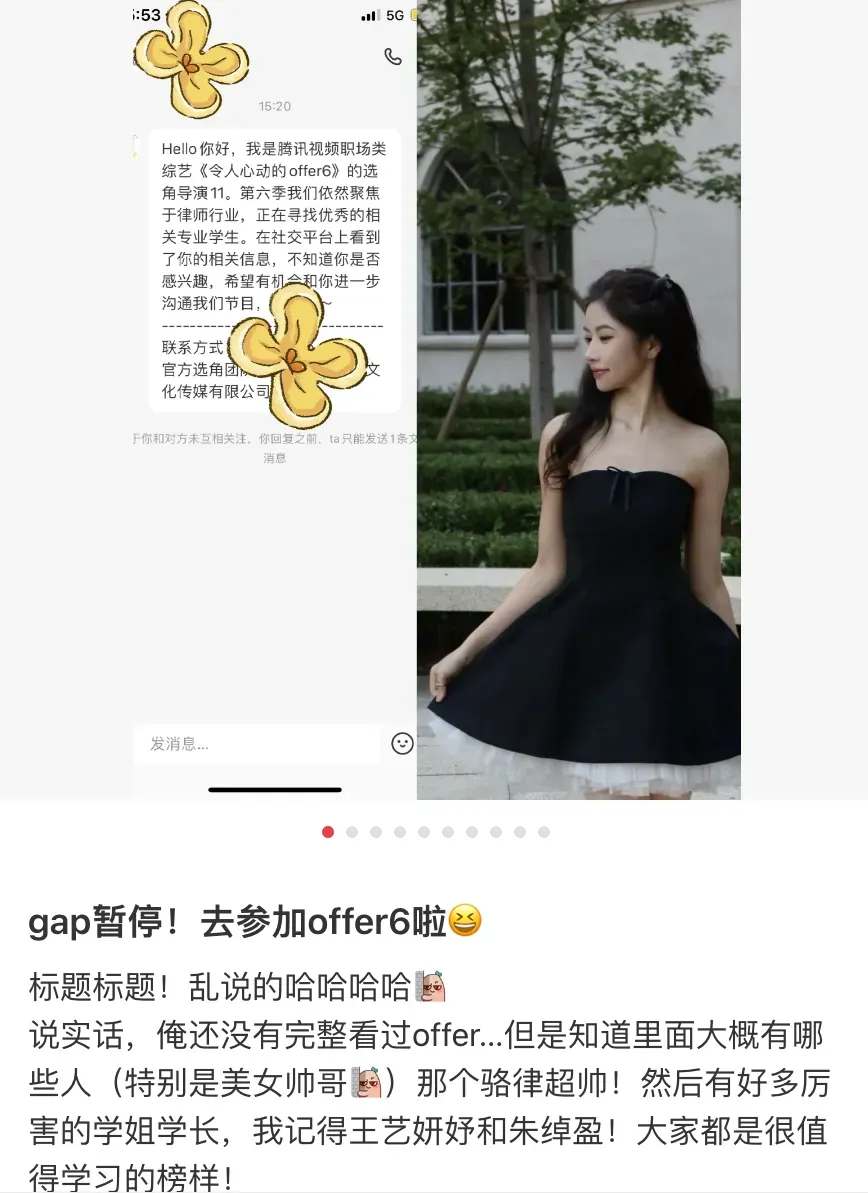
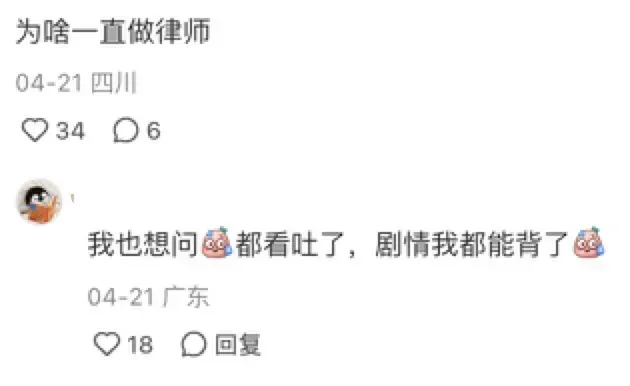
Netizen: Huh? Lawyers again? What about the promised teacher season?

Opposing netizen: Teachers really don't move me at all😅

Is the legal profession a natural fit for variety shows? Out of six Offer seasons, four have been lawyer seasons😅
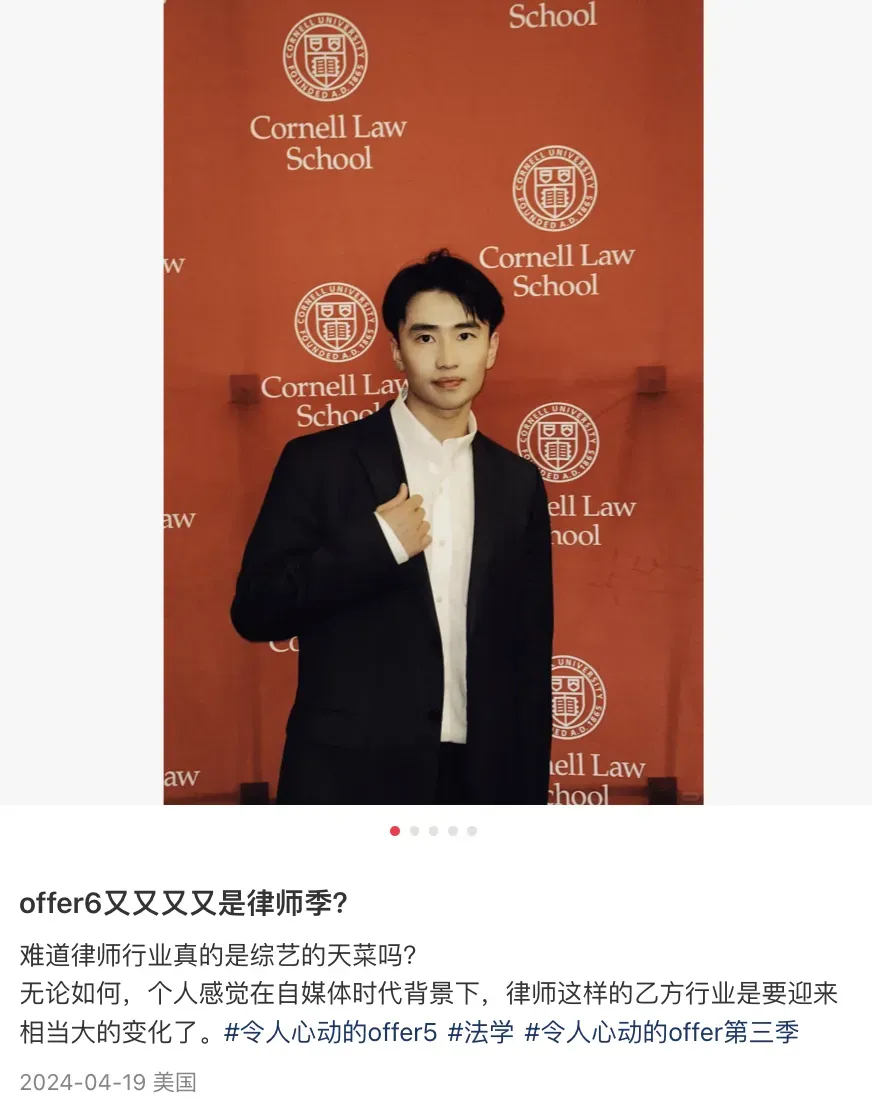
Maybe lawyers naturally exude an elite aura and seem more prestigious.
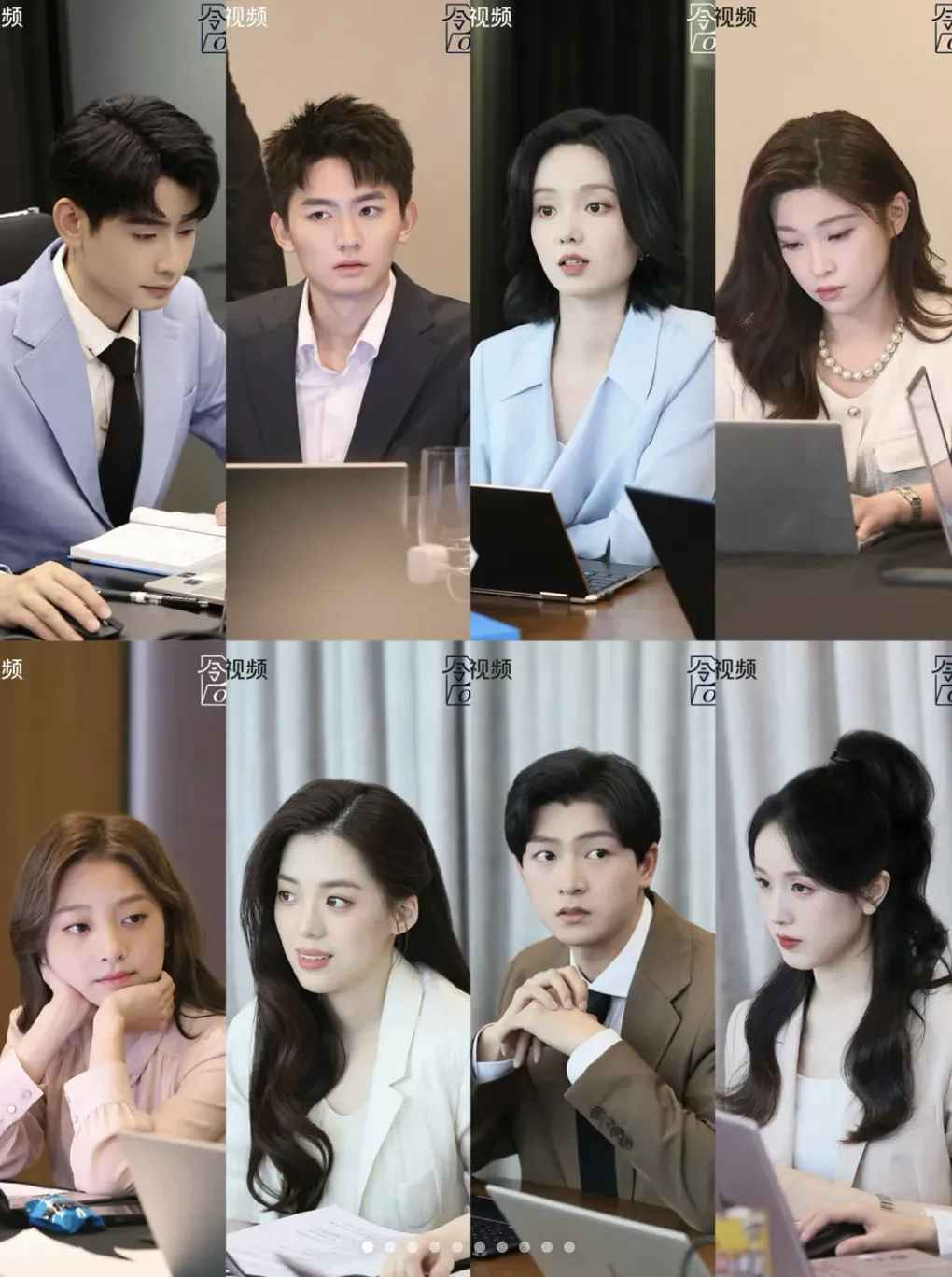
On the show: glamorous, elite lawyers. In reality: crushingly competitive, modern-day beasts of burden.

Misleading to the point of fooling high schoolers; once you dive in, the illusion shatters😅

Even influencers who receive invitations from the production team say, after law firm internships, you get that exhaustive 'work vibe' and become straight-up exhausted and unattractive.
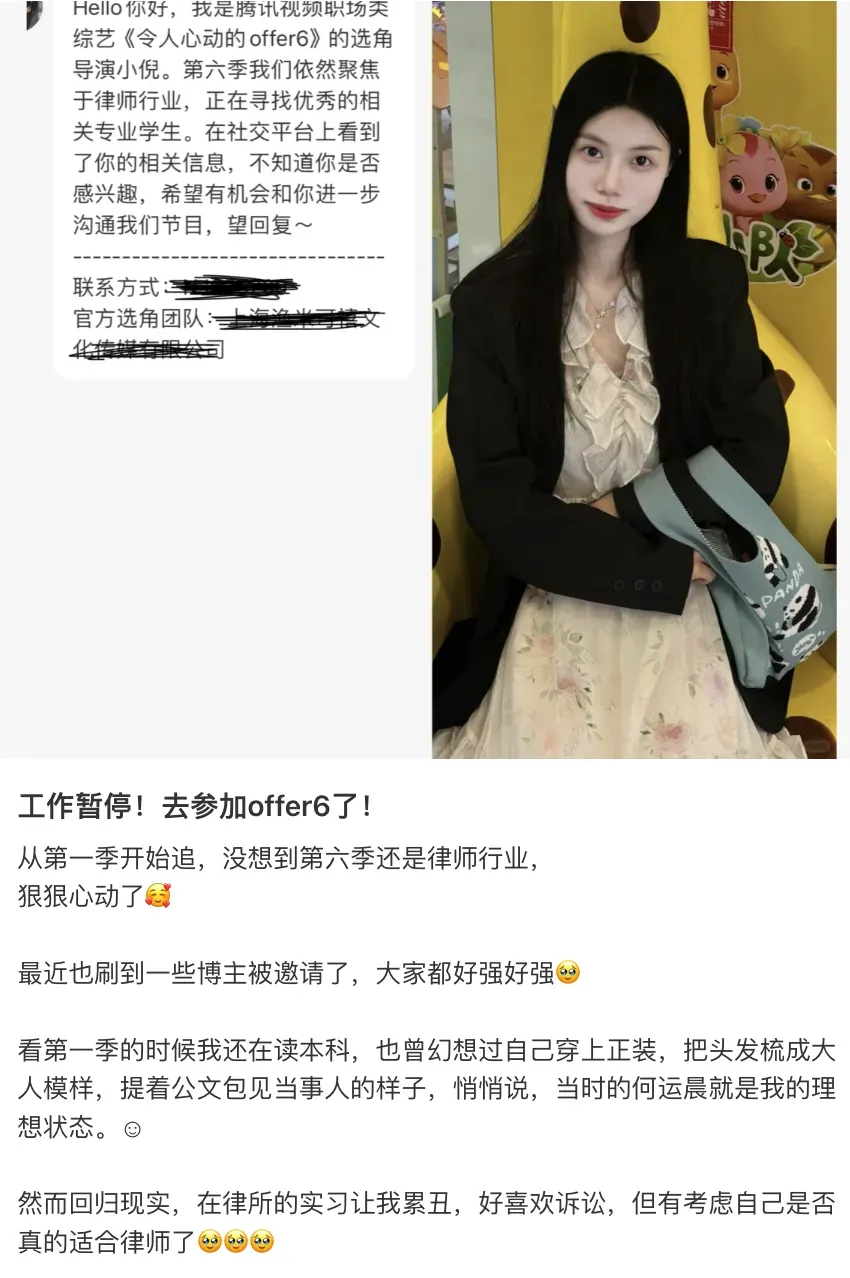
Every season is a lawyer season, and viewers are getting a bit tired of it.
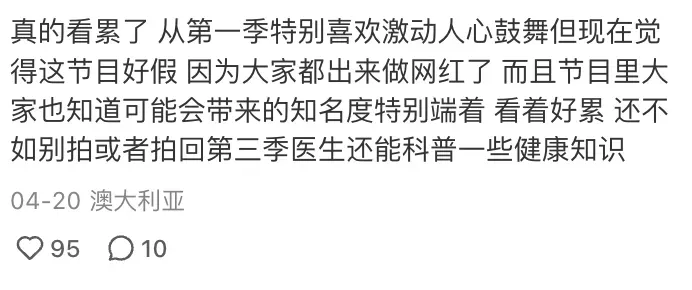
The first season of Offer was indeed legendary; perhaps the production team hooked onto the benefits and stuck with lawyers.
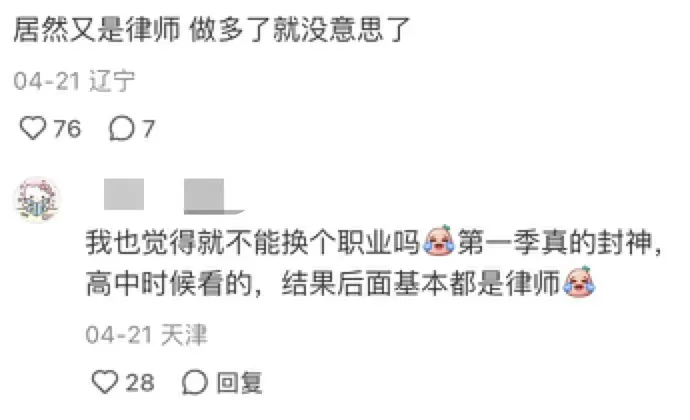
A couple of seasons might still feel fresh, but after watching so many, it's just numb.
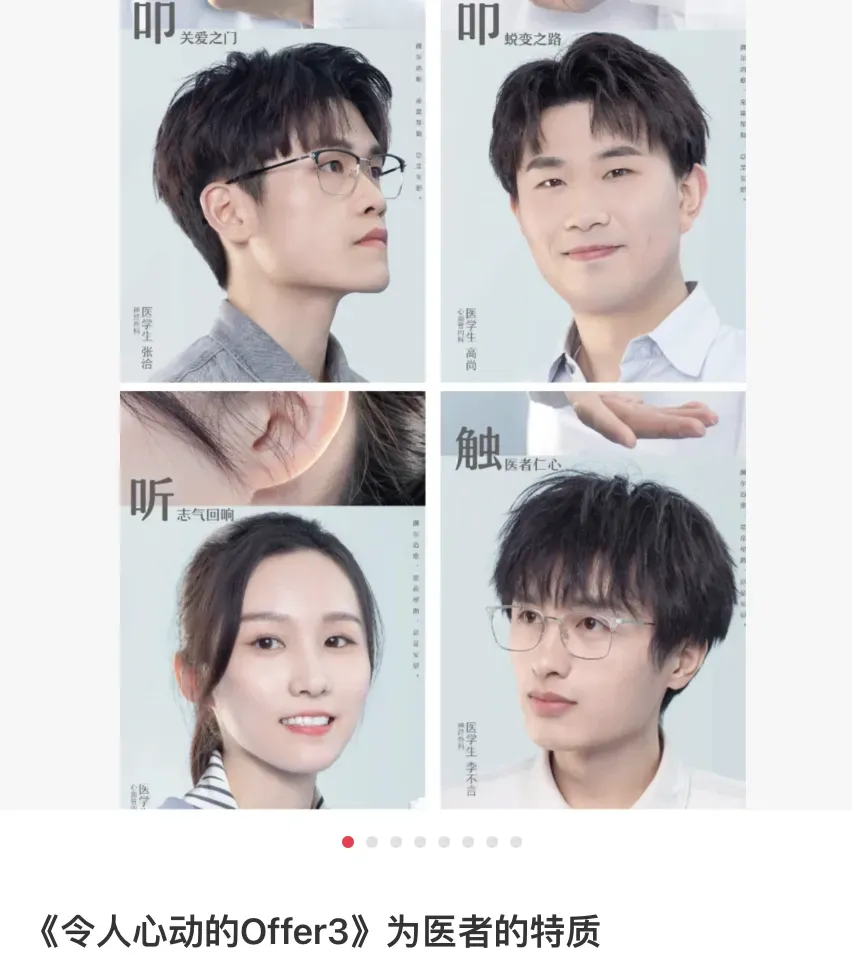
Netizen: Don't other majors deserve a variety show? Offer Season 3's doctor edition was great—packed with top students and incidentally sharing health knowledge.
I mean, teachers, accountants, doctors, finance, programmers—all work.
Even dating shows are stacked with finance people, but Offer, a workplace show, surprisingly lacks finance—that's absurd.

Netizen request: show us the Big Four, hitting right at the modern workhorse.

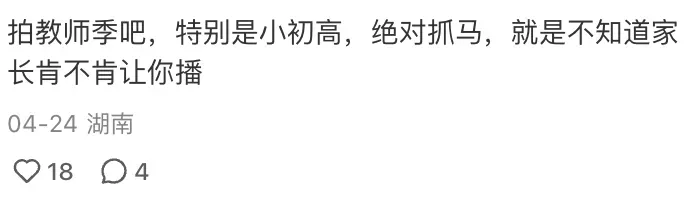
Nominate a teacher season, the daily drama of being tormented in elementary, middle, and high school.
A season about working in the public sector could be interesting—I'd watch if they dare film it.

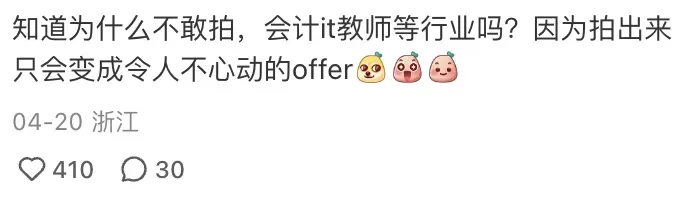
But some netizens also say, if they really film accounting, IT, or early-career teaching, it might just scare everyone off😅
How Various Variety Shows Portray Different Professions
Do portrayals of professions in variety shows reflect reality and offer useful insights, or are they just chasing drama and creating a filtered illusion?
Do the international students who take part truly represent the broader international student community, or are they just self-indulgent content creators? Let's review some major variety shows.
An Offer
An Offer, with a legendary first season and a classic third season.
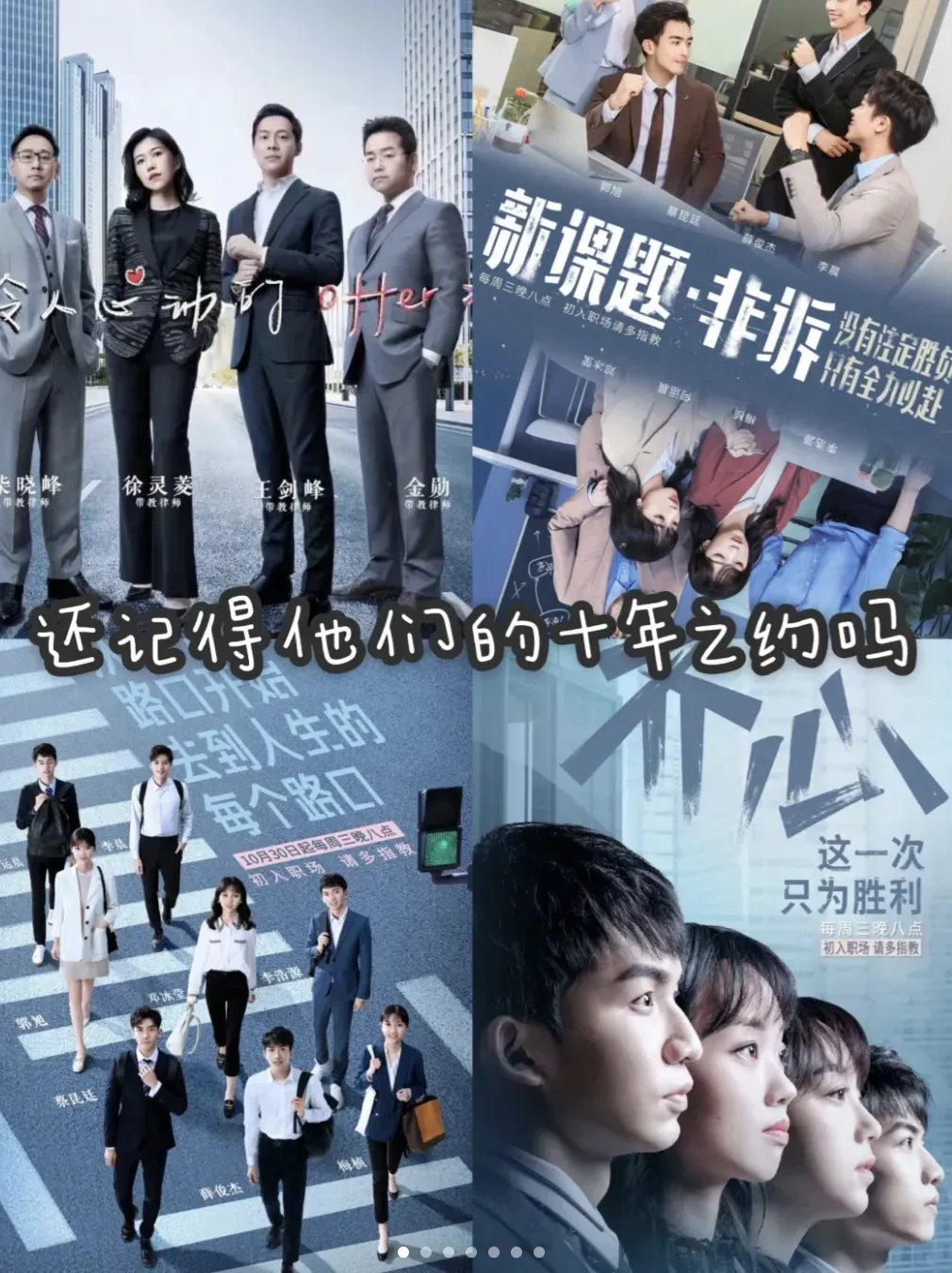
The first season was packed with top students; the ten-year promise shouted by the sea was deeply moving.
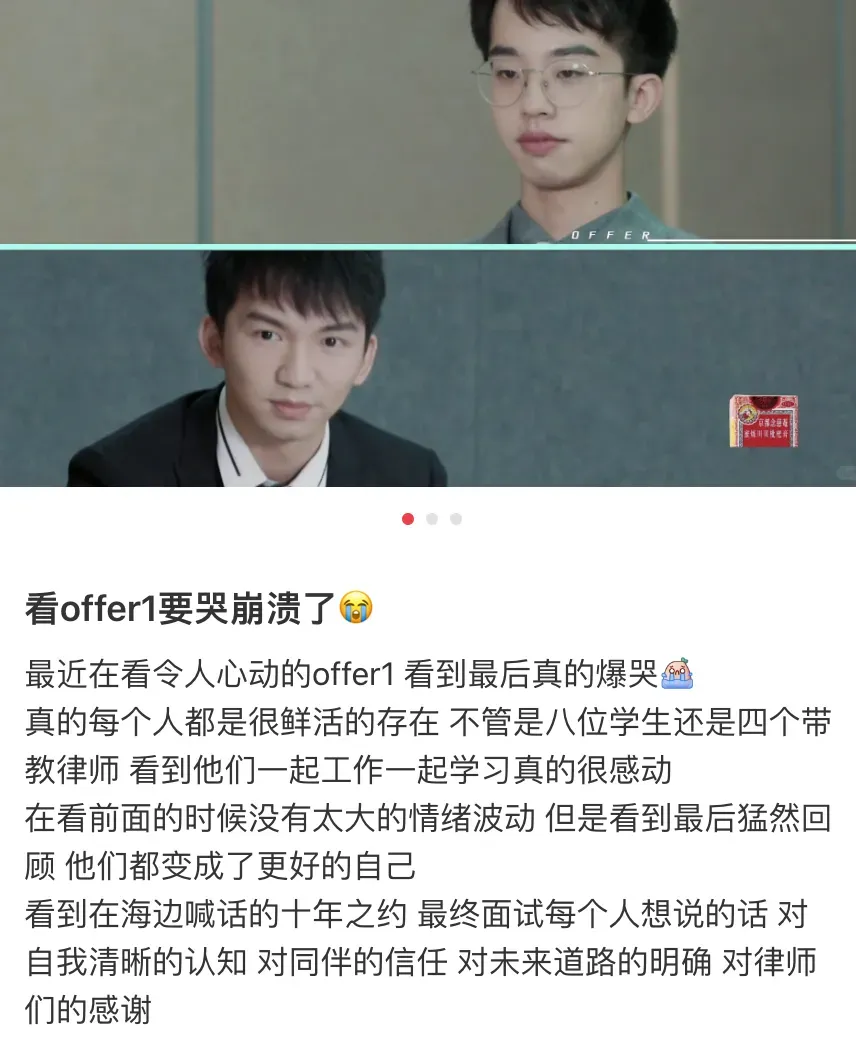
Offer 3's doctor season emphasized authenticity. Not only did medical students relate, but all workers strongly empathized.
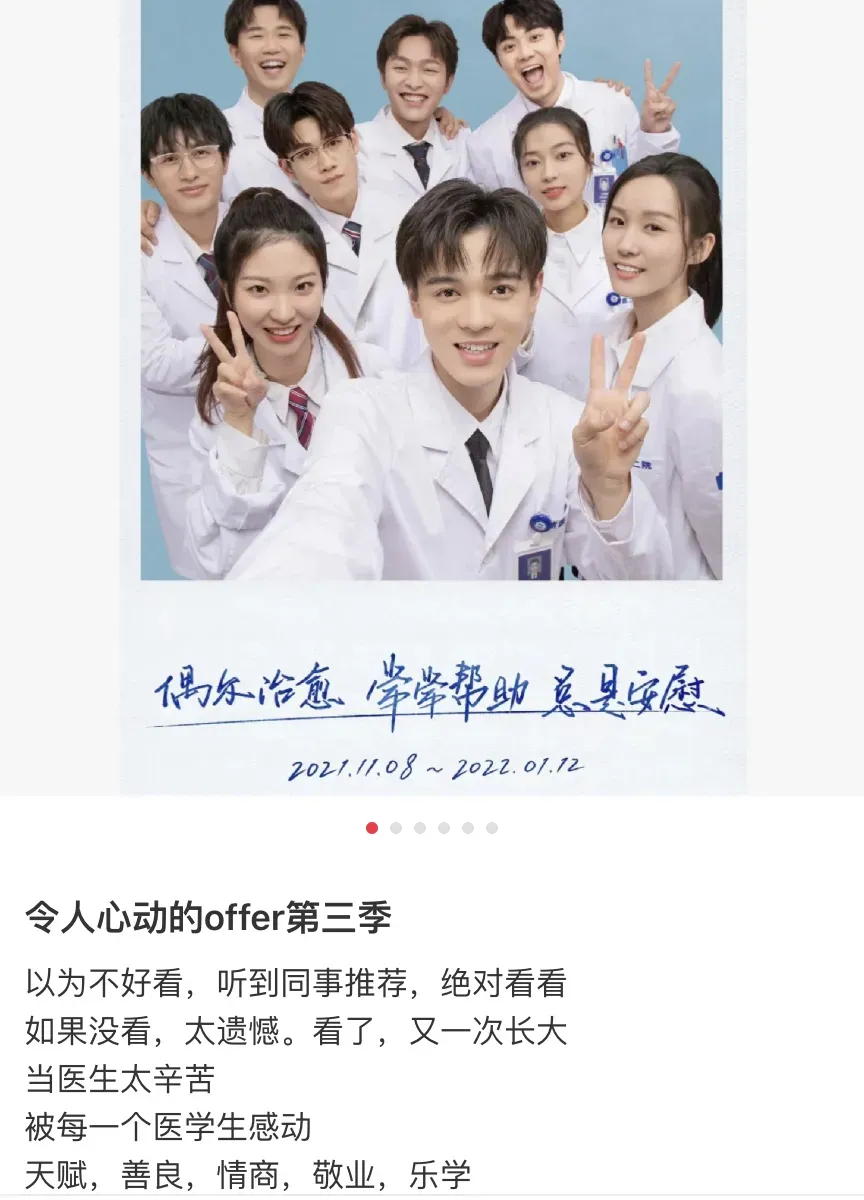
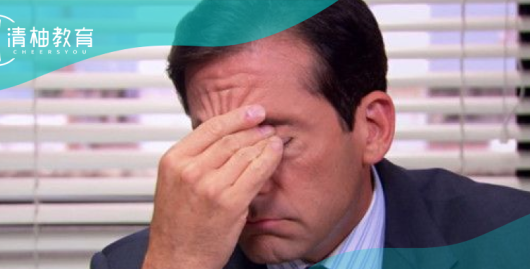
After just a few days of internship, they were already giving off that exhausted work vibe with dull eyes—exactly like me.

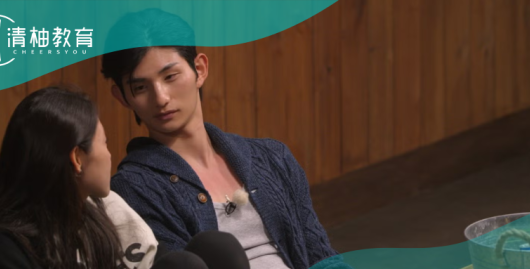
Even handsome guys can't escape getting fat from overwork👇
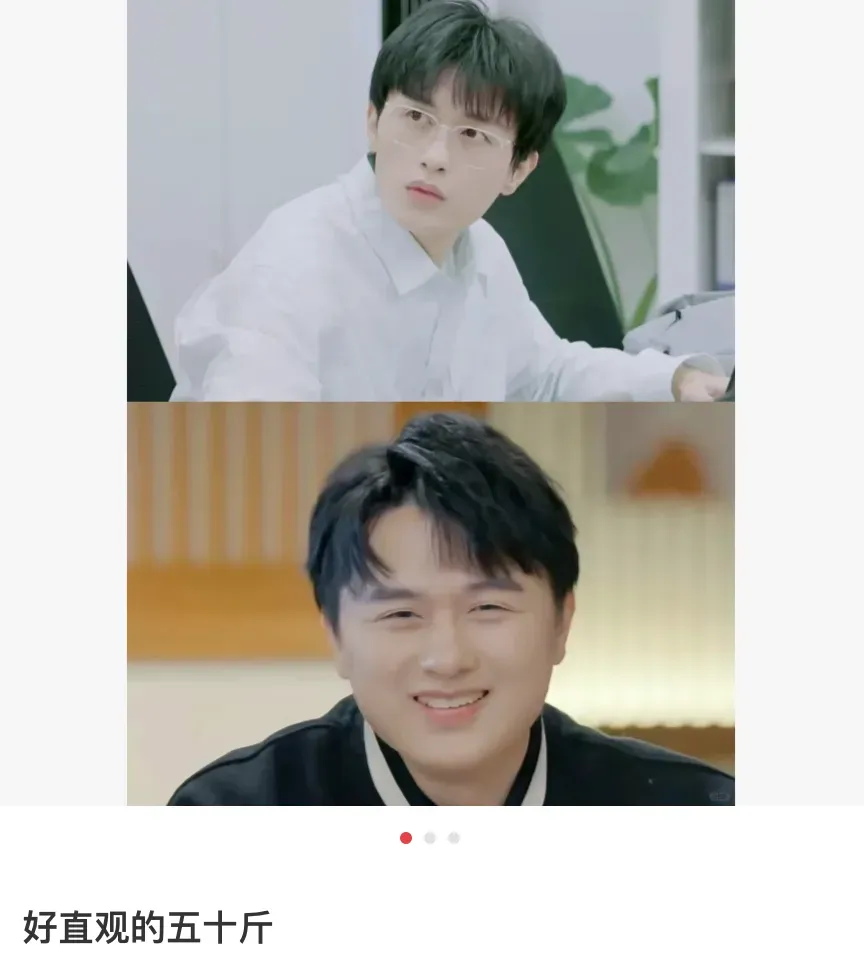
Offer 4's architecture season was one where architecture students didn't want to watch, outsiders couldn't understand, guests coasted, and teachers stayed silent.

So it's no wonder the Offer series keeps circling back to lawyer seasons; maybe it's just guaranteed traffic.
Us in the Workplace
Another major workplace variety show, Us in the Workplace, drew massive buzz in its first season thanks to Dong Mingzhu and Meng Yutong.
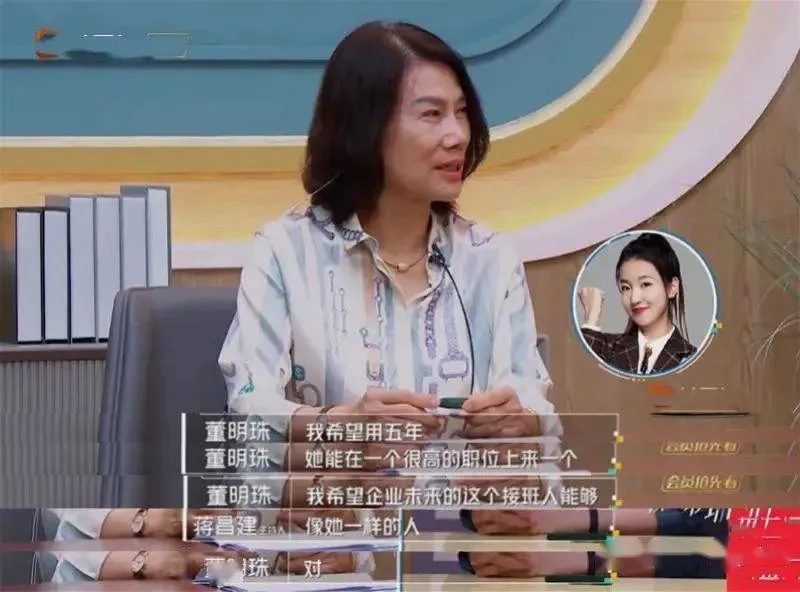
Now the Dong-Meng CP has split; "Dong Mingzhu's successor" sounded glamorous, but she was just a chosen worker bee.

The forensic season of Us in the Workplace was rather exotic and felt like watching a detective mystery show; it lacked workplace realism but was well-received.

Shining Bright
Shining Bright focuses on investment banking, with guests from CICC and HSBC—all top of their peers. Although the selection isn't down-to-earth, the show overall is fairly authentic, earning a stamp of approval from someone with six years in IB👇
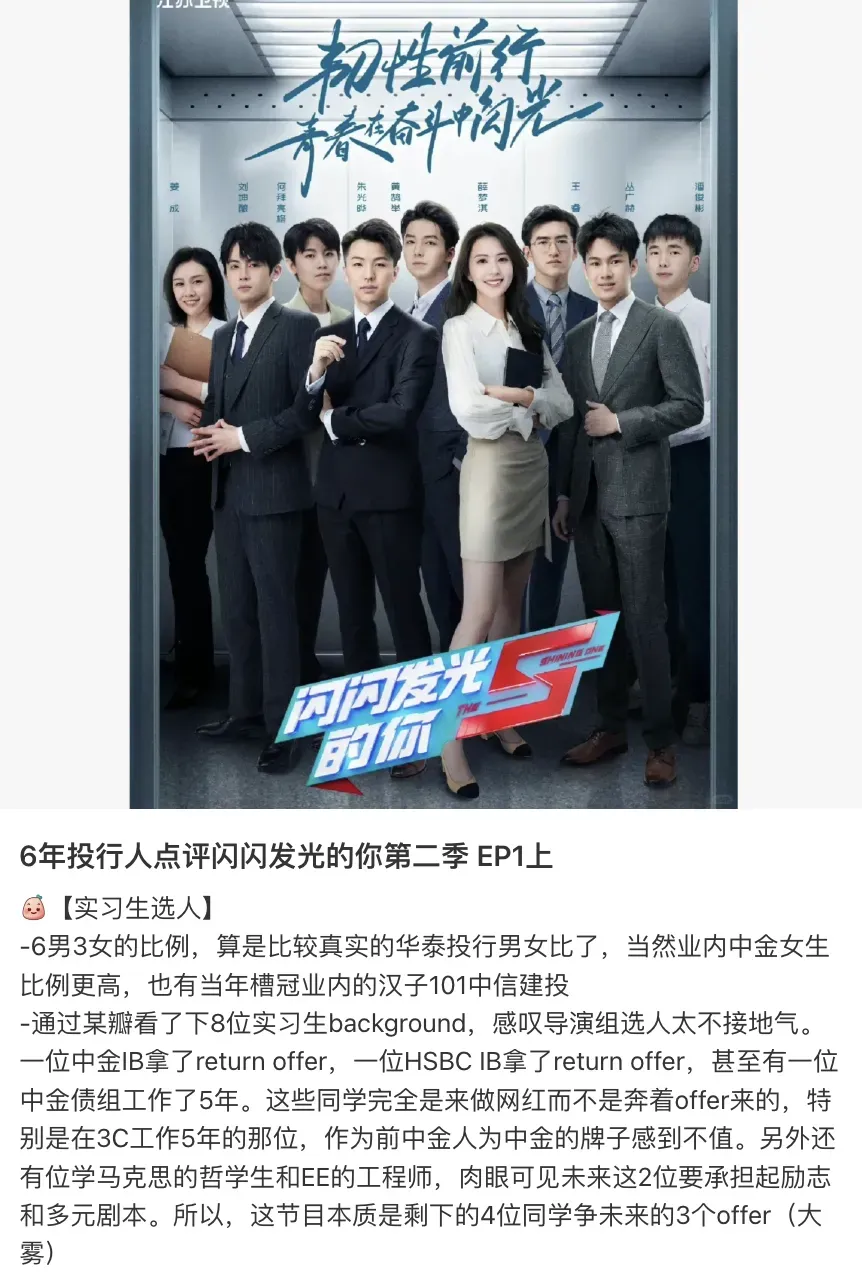
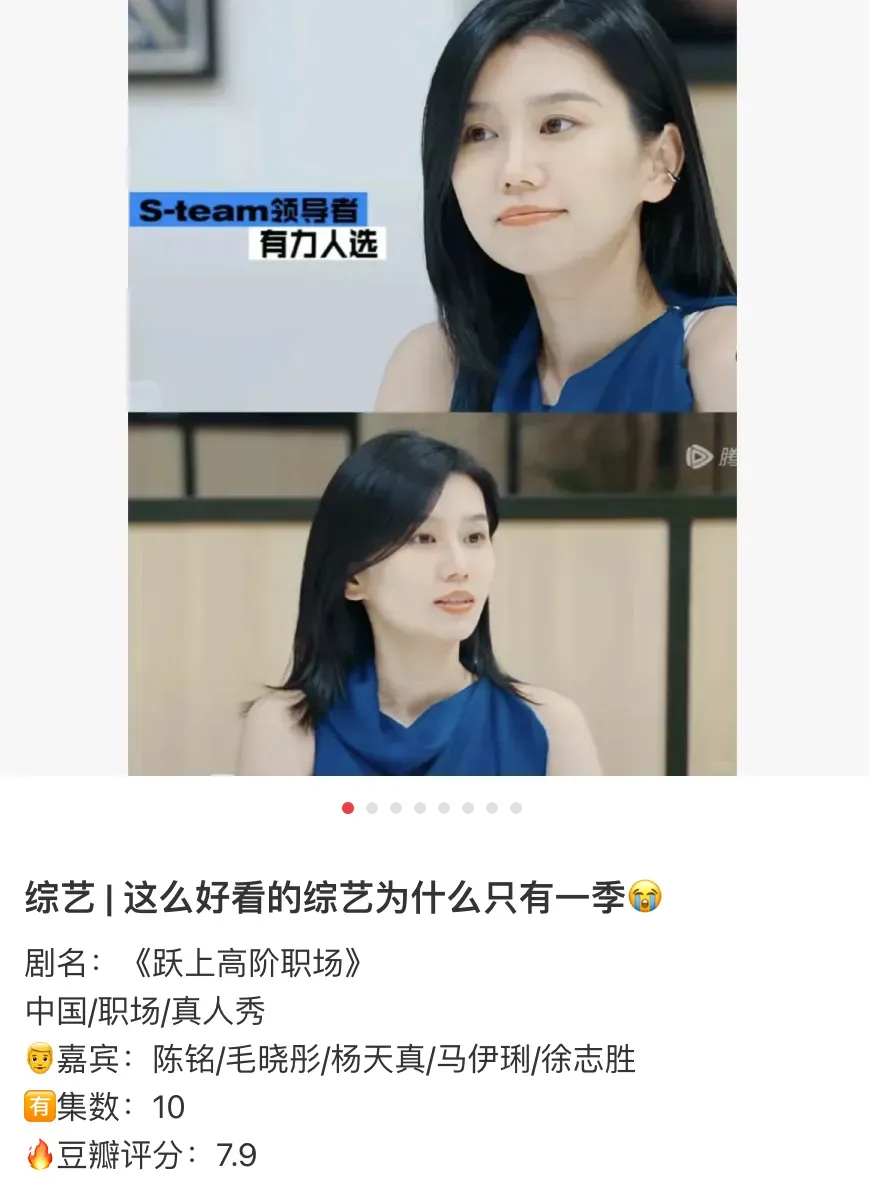
Other popular workplace shows include Tech Life focusing on internet giants, and Leap to Higher Ground in the advertising industry. But their popularity is lukewarm, probably because the industries are dissuasive.
Heart Signal
Beyond workplace shows, dating shows are also good at selecting participants, often featuring international students from top schools.
The top dating show Heart Signal: in Season 5, of the six initial guests, more than half were in finance or consulting, mostly with US undergrad or US master's degrees, exuding elite vibes.
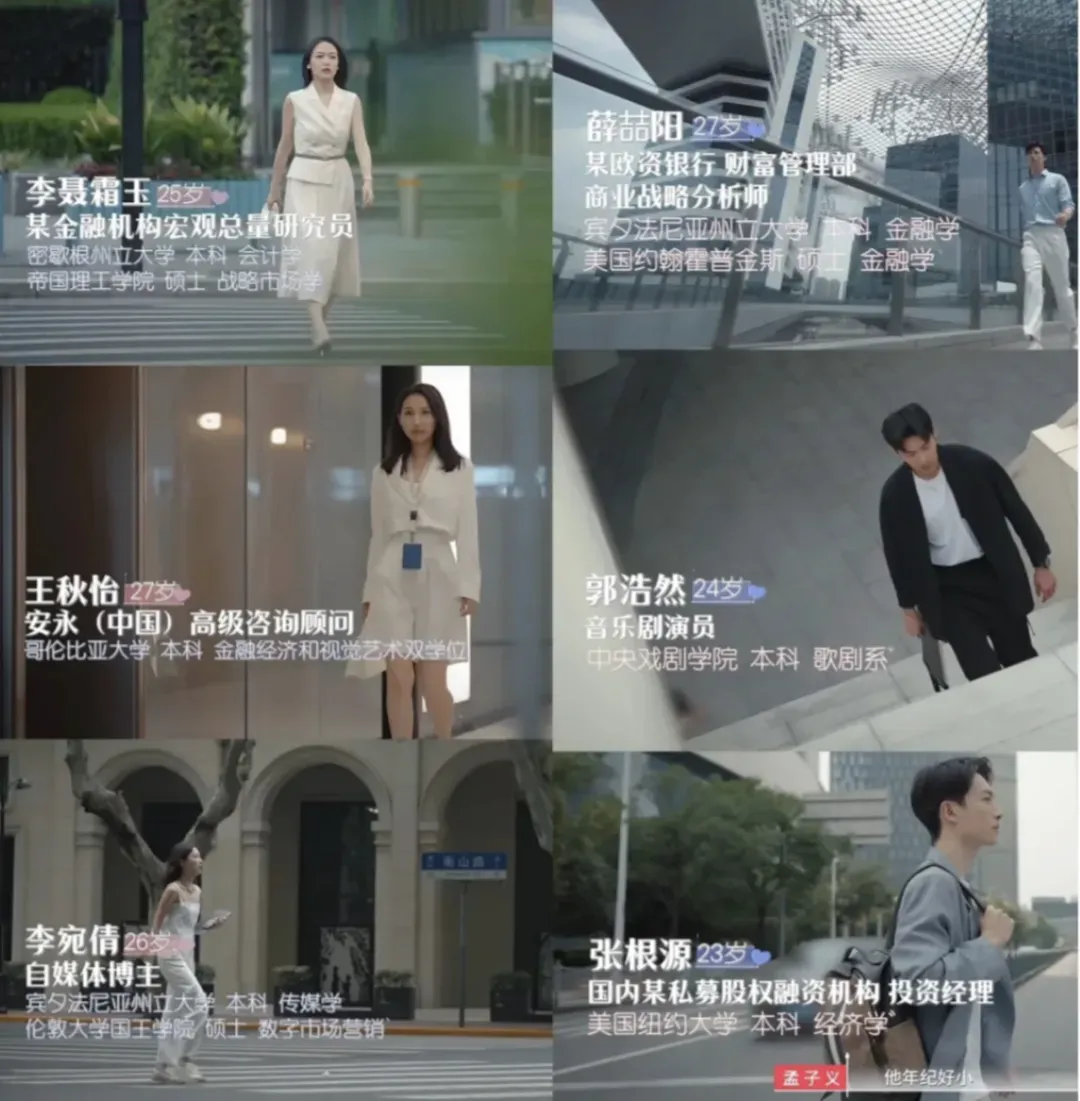
For instance, Bei'er would share her daily life working at a brokerage, shining as the face of the company.
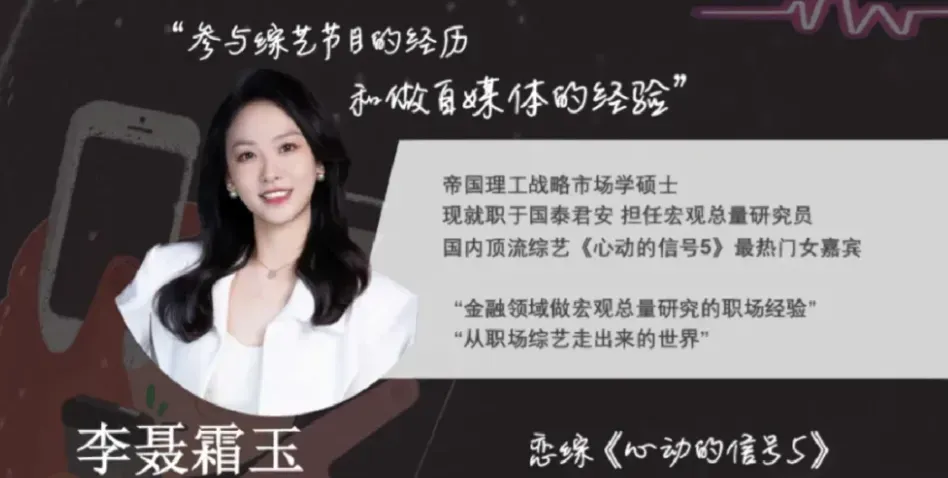
Heart Signal prides itself on authenticity: the guests have excellent education, well-off backgrounds, and are exceptionally driven. They work during the day and overtime at night, often returning to the shared house very late—an authentic state, not like those influencer-packed shows with full-time shooting that feel ungrounded.
Half-Mature Love
In Half-Mature Love 3, the production moved to an island for full-time filming, losing the daily commute and leaving something missing.
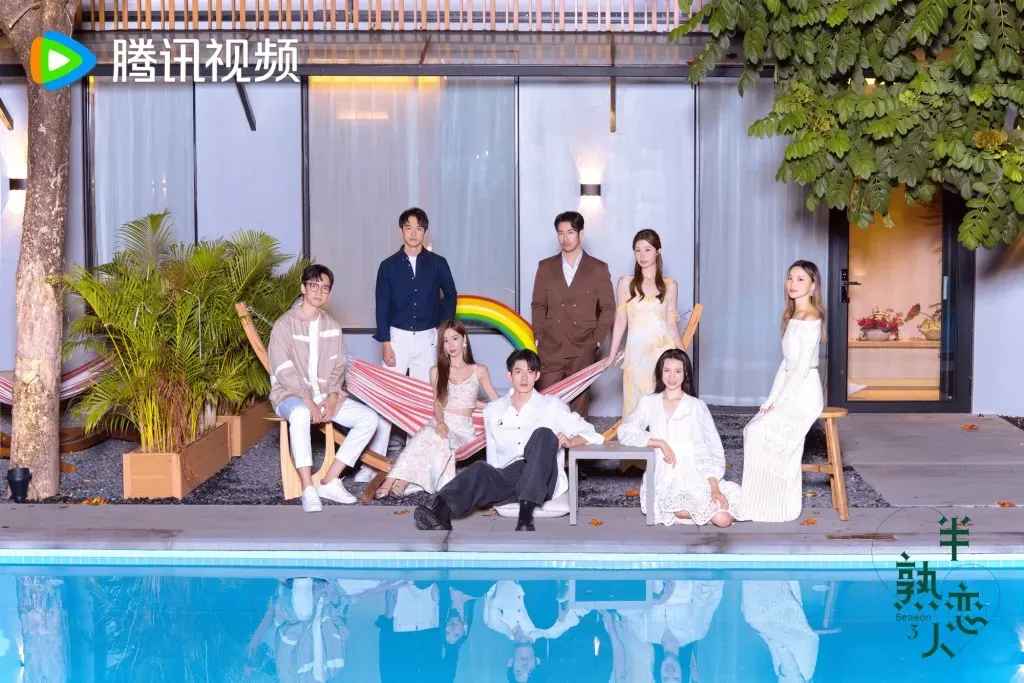
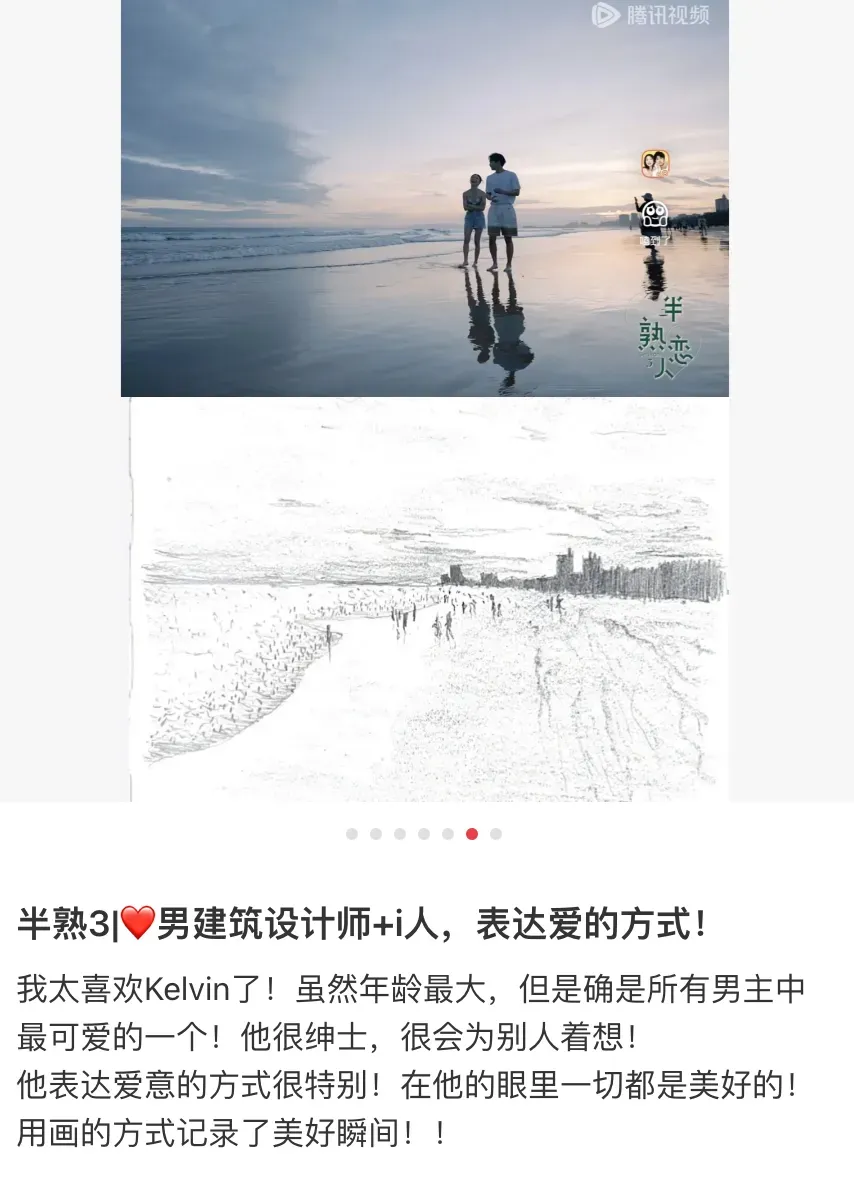
Half the guests were influencer bloggers; only Kelvin's architect role felt relatable. His confession night gift was a hand-drawn sketchbook, maxing out the romantic aura plus the Harvard filter.
Heartbeat in My 20s
The drama ceiling of dating shows—Heartbeat in My 20s—features guests from various fields, including computer science, media, law, and more.
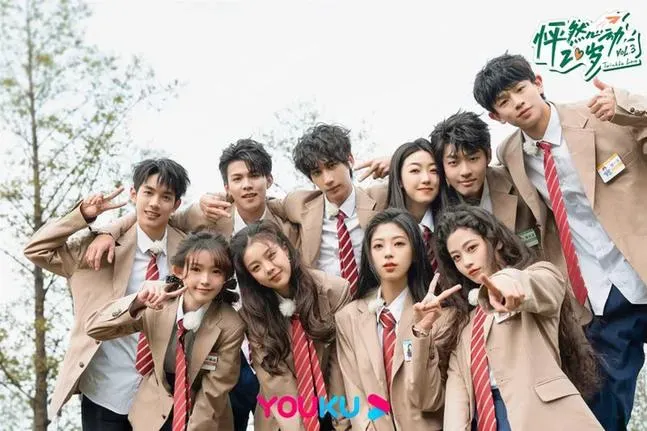
Though Hai from Heartbeat 3 was a player, he taught Zeze programming to express his feelings—very smooth—and his CMU master's was top-tier.
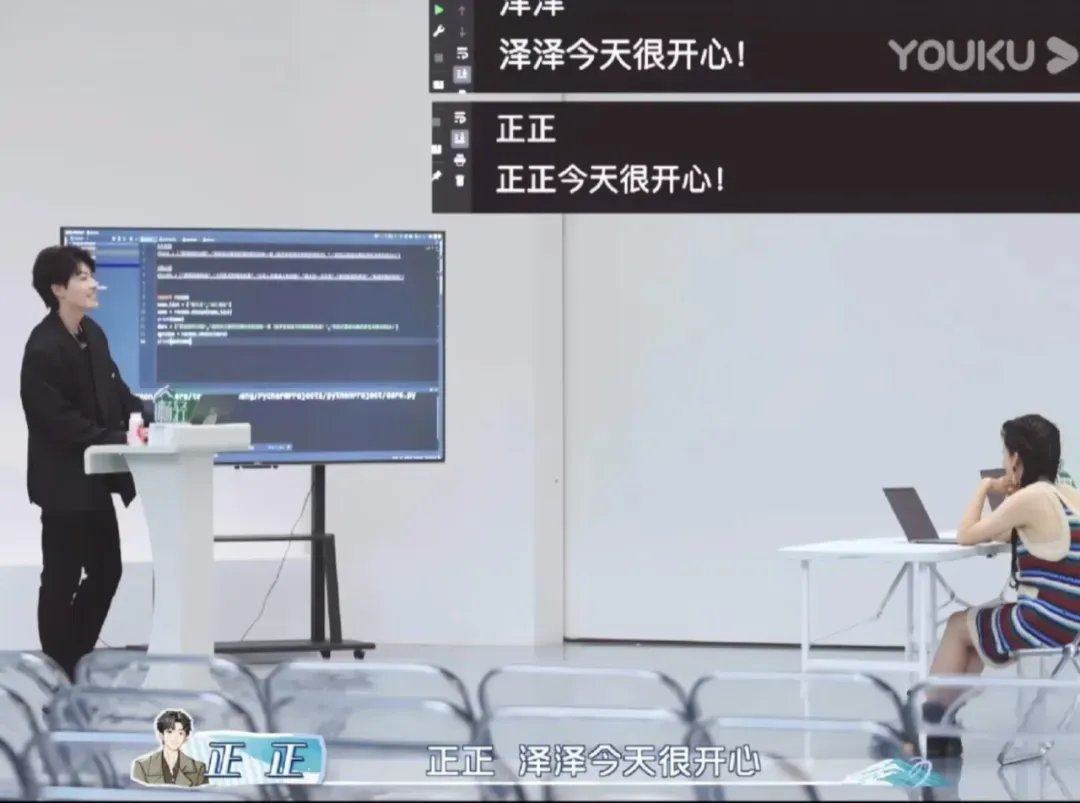
Zeze is an inspiring girl who rose from a mountain village to Beijing Normal University. While filming during the day, she rushed back to Beijing at night to prep for grad school exams—a special-forces schedule yet still took first in law.

Zhang Zhang, a cold-faced beauty with big-sister vibes, majored in the rare field of navigation. When she talks about her dream of becoming a female captain, she shines.
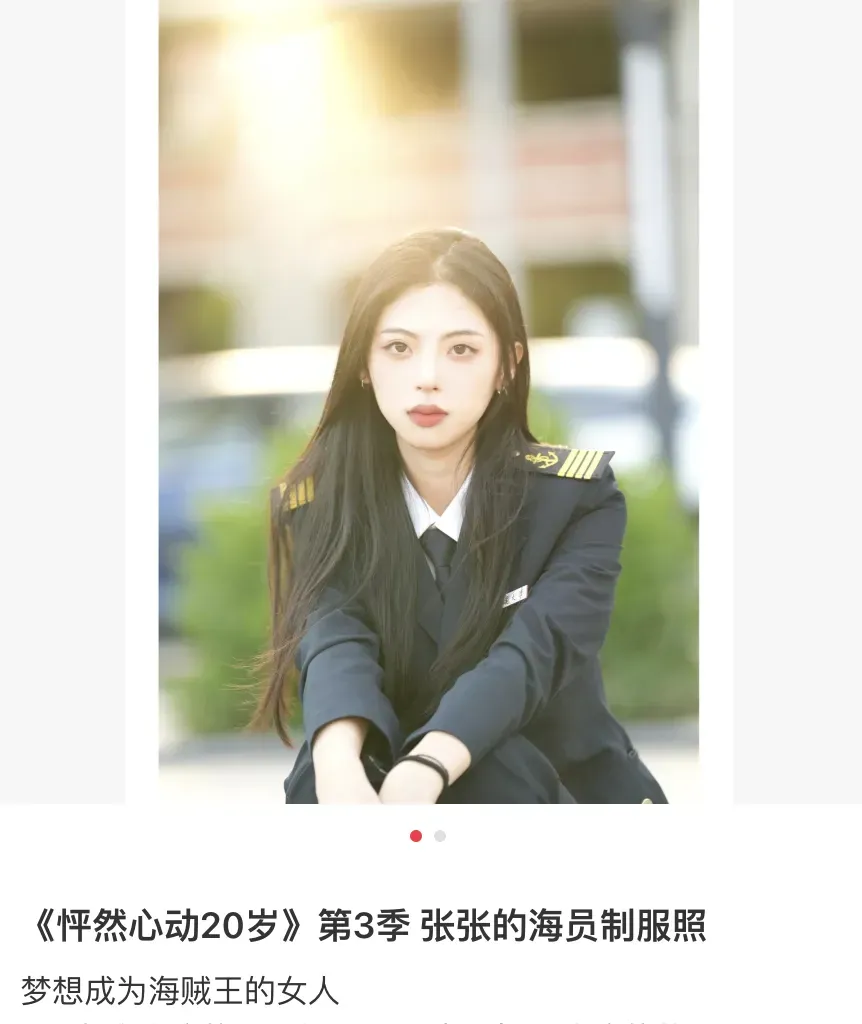
When discussing gender disadvantages in her industry, the topic turns heavy; viewers seeking romance might not like it, but many can empathize.
Life isn't all glitz and glamour; there are difficulties, challenges, even injustice. When shows present all this, they resonate more. Otherwise, it's just spoiled kids entertaining themselves, hollow and out of touch.
Could it be that viewers are tired of the high-end and bizarre, and want to return to the essence of life?
The Endgame of Variety Shows: Becoming an Influencer
In recent years, international students from top schools have popped up in all kinds of variety shows. However, some are micro-influencers already bringing their own traffic, and with the drama added on the show, viewers can't help but ask: is the point of being on the show just to become an influencer?
Whether workplace or dating shows, there are ordinary guest participants. After gaining traffic, many turn to full-time influencing to monetize. Regardless of their original major, the end of the universe is influencing.
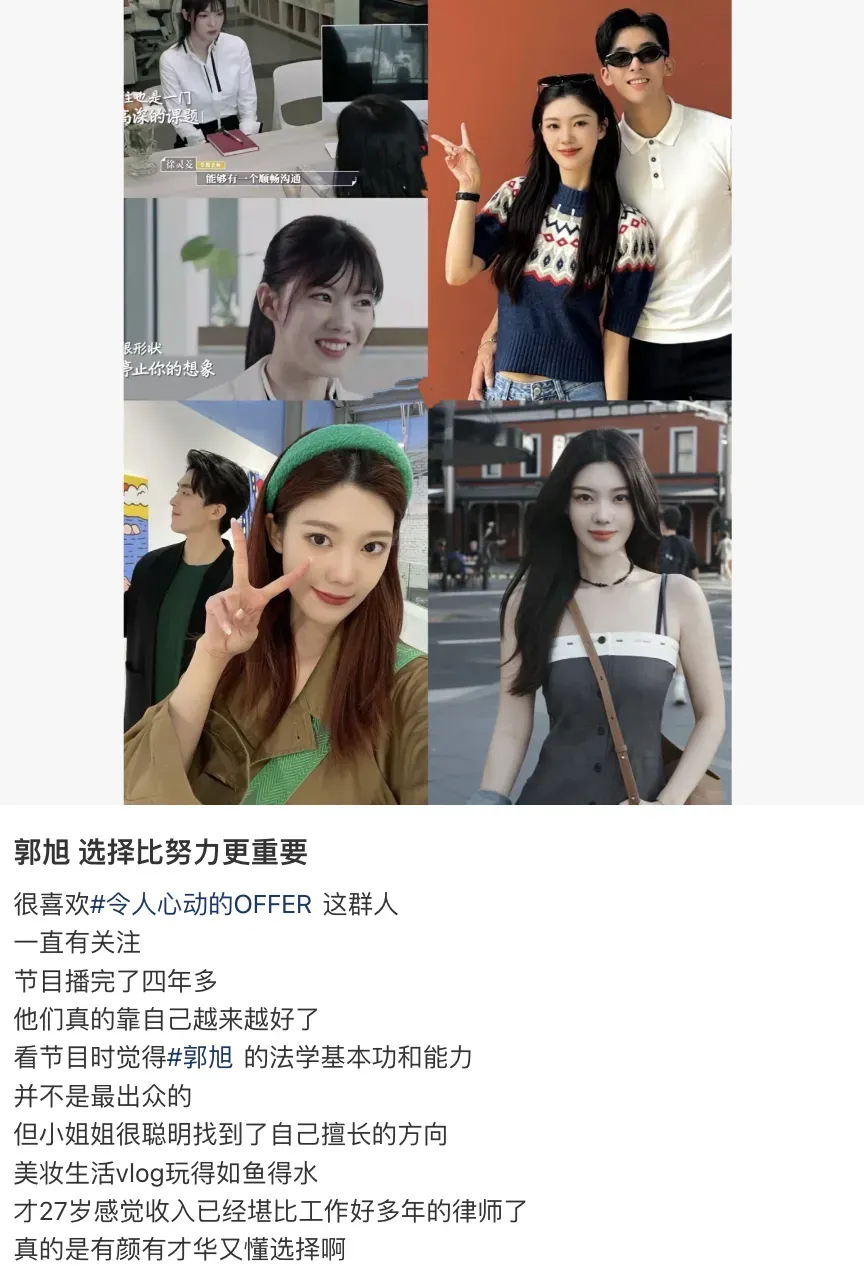
Full-time influencing strips away all filters, because many followers want to see these guests shine in their original fields. Online platforms are just a medium for sharing; if they become full-time content creators, beyond eating, drinking, playing, and selling products, there's rarely any truly valuable output.
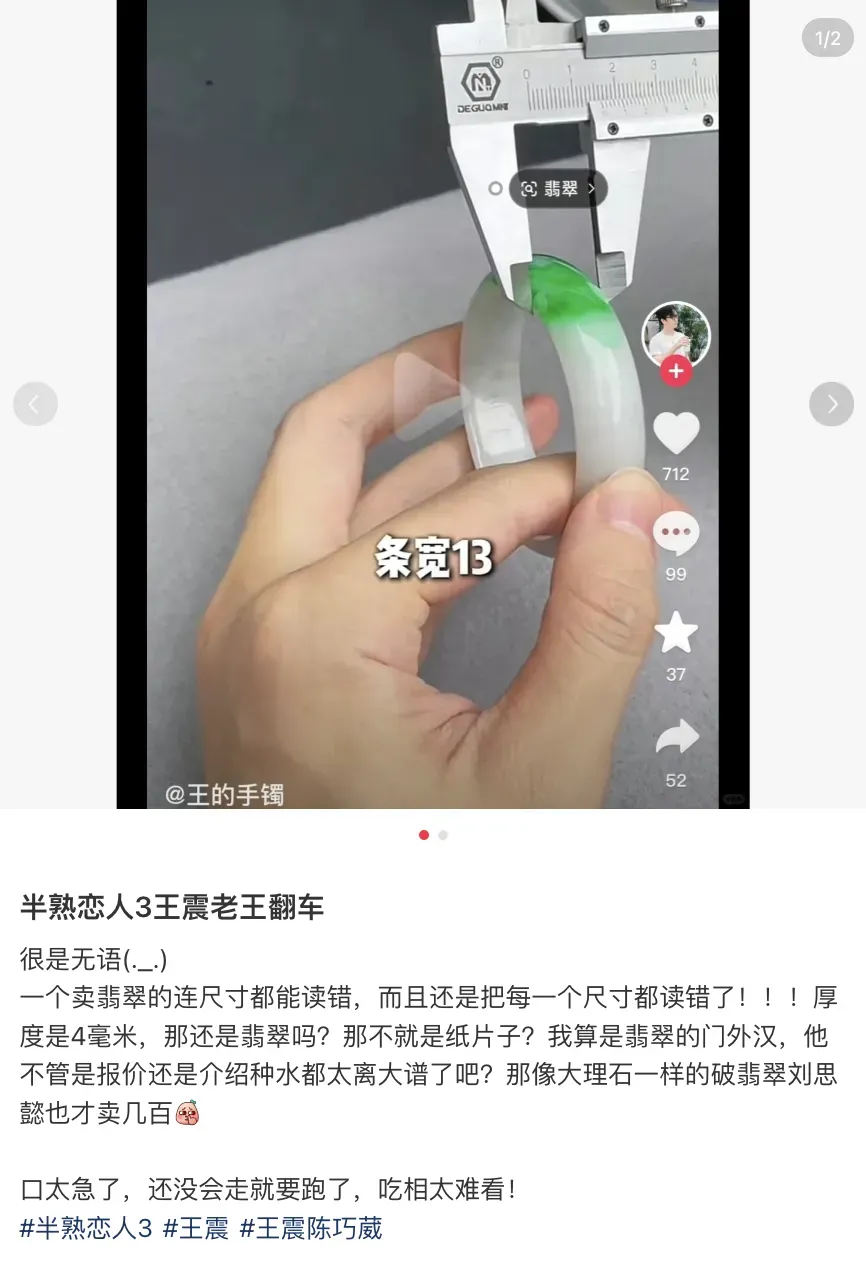
Take Orange, for example: her former fan filter was an elite medical Ph.D., a smart and beautiful rich girl persona. Now, after dropping out, she still lists "Ph.D. dropout" on her bio—hard to judge. After all, she benefited from internet fame; working at a company or doing research doesn't pay as quickly as being an influencer. She now lives in a 220-square-meter flat in Shenzhen, and her daily routine is parading a rich-girl life with her bestie Qixin, livestream-selling ugly dresses priced over 2000 yuan.
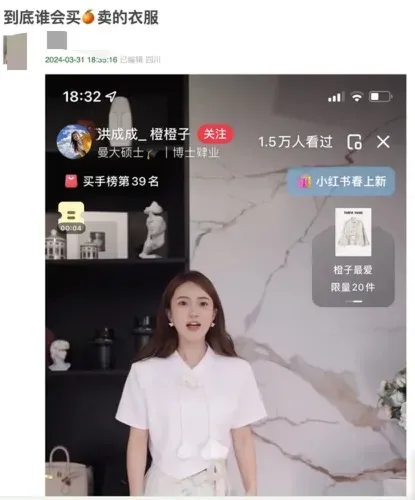
Some guests start peddling goods before the show even ends, using the confession night to drive traffic to acquaintances' shops. Their CP progresses slowly, but they can't wait to cash in.
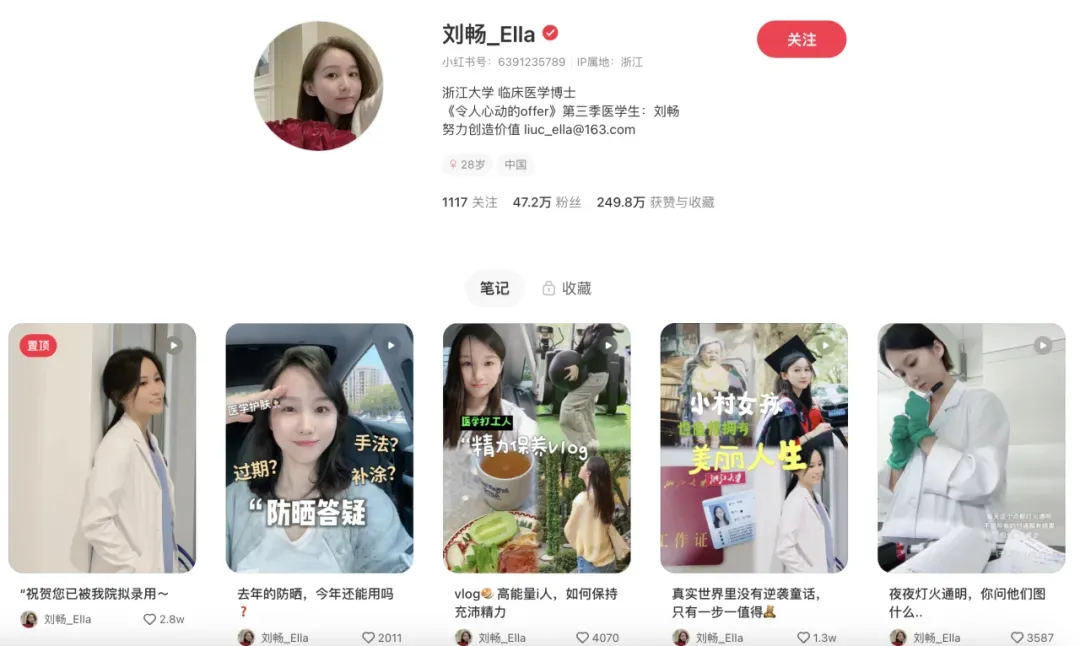
In contrast, Liu Chang from Offer 3, a 26-year-old postdoc and high-IQ beauty, dives deep in her field while side-hustling as a vlogger. Whether sharing work-life or professional knowledge, everyone loves to watch.
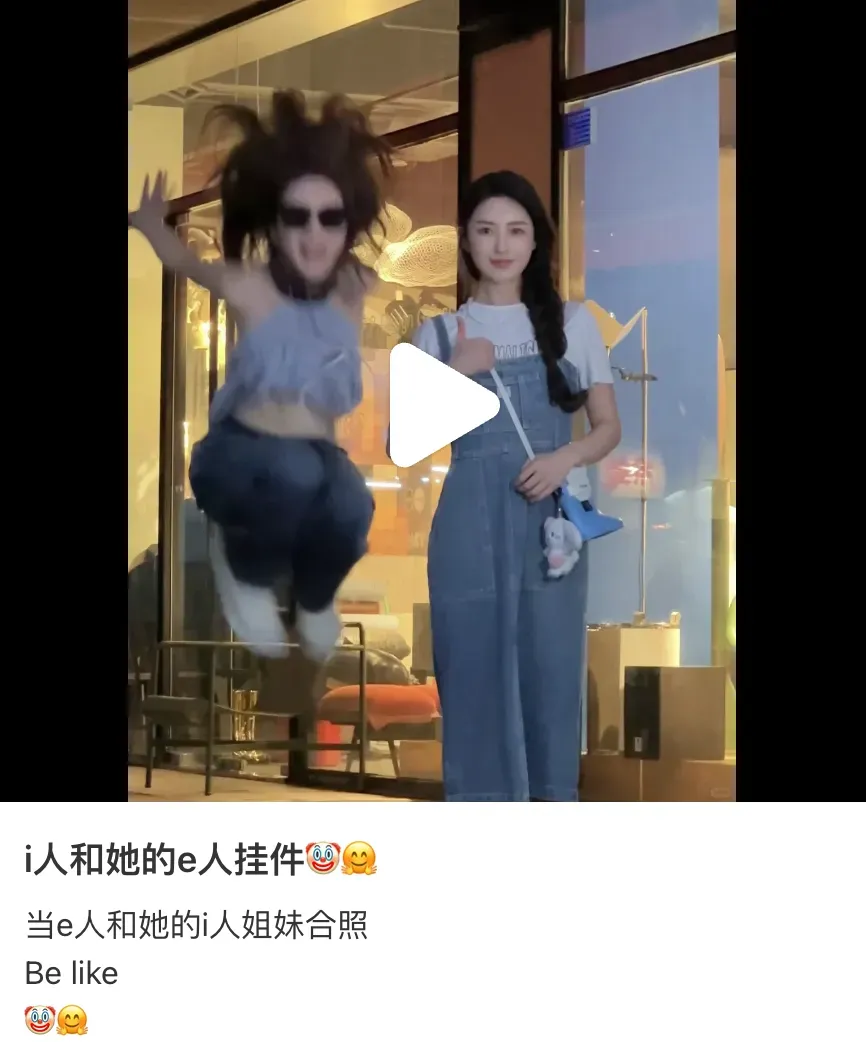
Unlike those who turn full-time influencer and only post about luxury homes, sports cars, fancy restaurants, photo ops, or collabs with other influencers—empty, self-indulgent content. They can't utter anything profound; all they talk about is being I or E, jumping around like a 🤡.
After all, variety shows are just variety shows; watch them for fun. Especially during study and job hunting, you need your own exploration and experience.
Others' choices and lives may not suit you. I hope everyone can carve out their own path.
.png)