Ten years after a plummeting birth rate, Japan has entered a "job seeker's paradise."
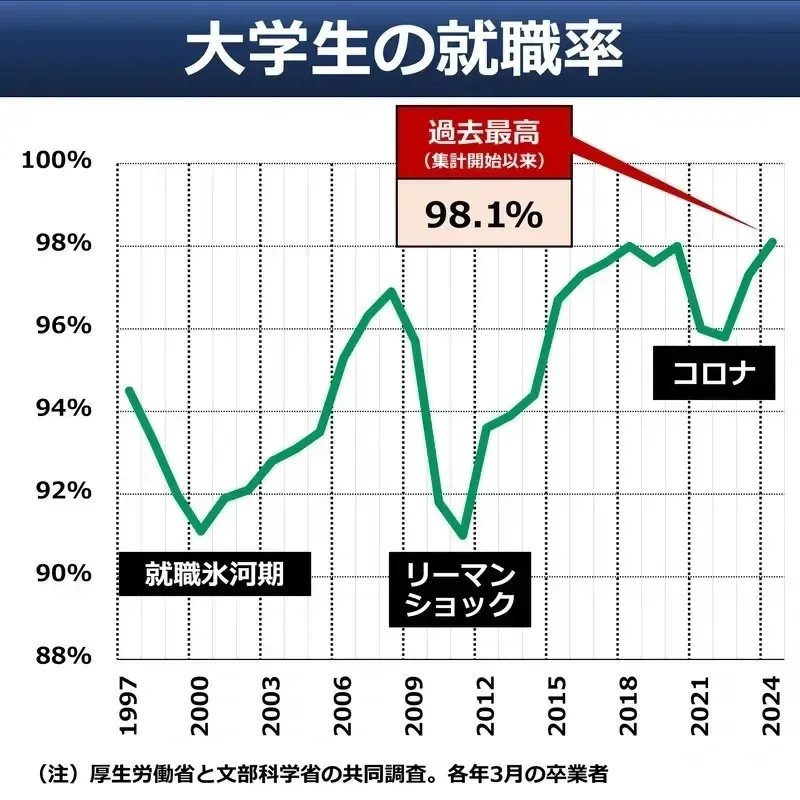
In 2024, the employment rate for new Japanese graduates hit an unprecedented 98.1%, sparking a talent war among companies. Perks like generous leave policies, cash gifts, and iPhone bundles have elevated recruitment to a whole new level.

Netizen comment: This is heartbreaking. Turns out this is the real cyberbullying.

Japan’s "Job Seeker’s Era"
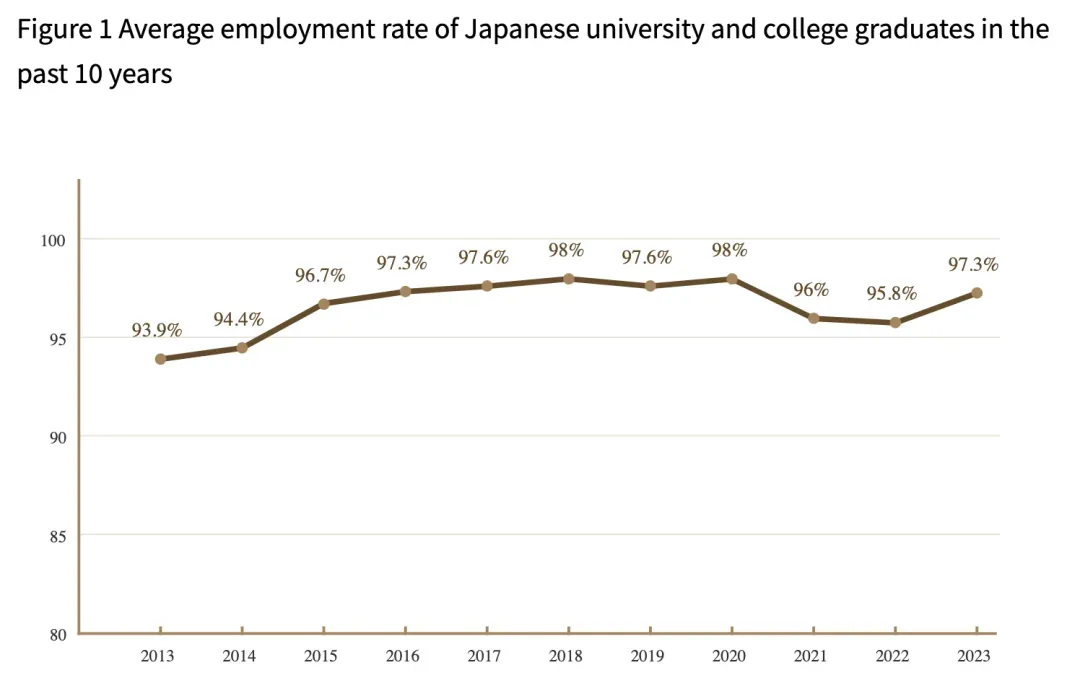
According to official Japanese data, the employment rate for 2024 graduates reached a new high of 98.1%, up 0.8 percentage points from the previous year.

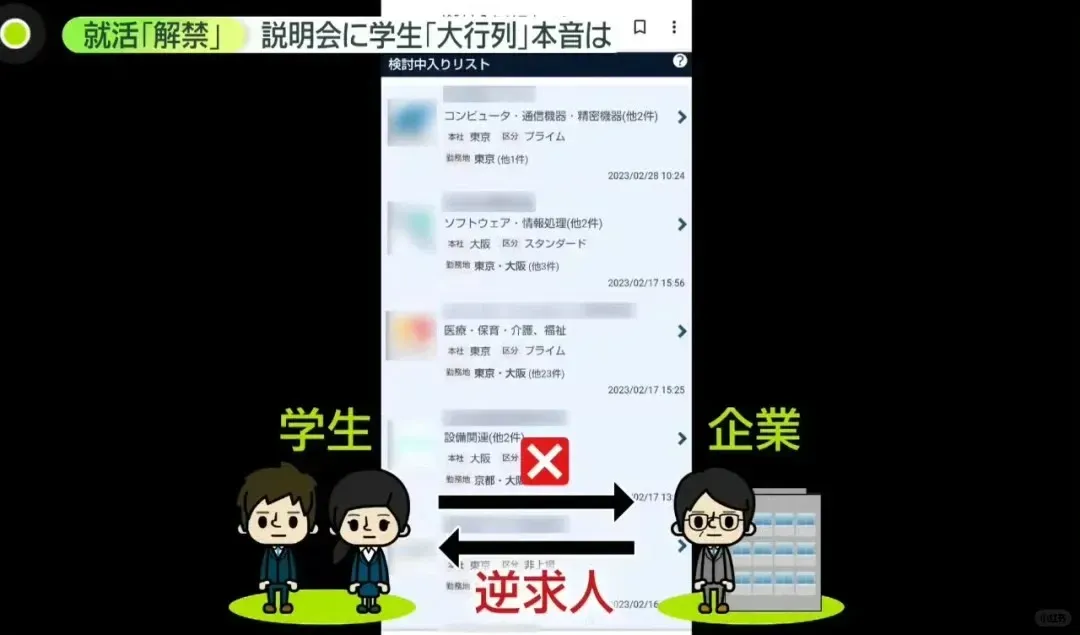
Amid a persistently weak yen, Japan is also grappling with acute labor shortages. After a decade of ultra-low birth rates, the job market has turned into a "seller's market": labor is in demand everywhere, and job seekers have the upper hand. This trend is expected to persist through 2025.
Data shows that in the past decade, the employment rate for new Japanese graduates has consistently exceeded 90%. Even during the 2020 pandemic, it briefly reached 97.8%—meaning virtually every graduate could land a job right after school.
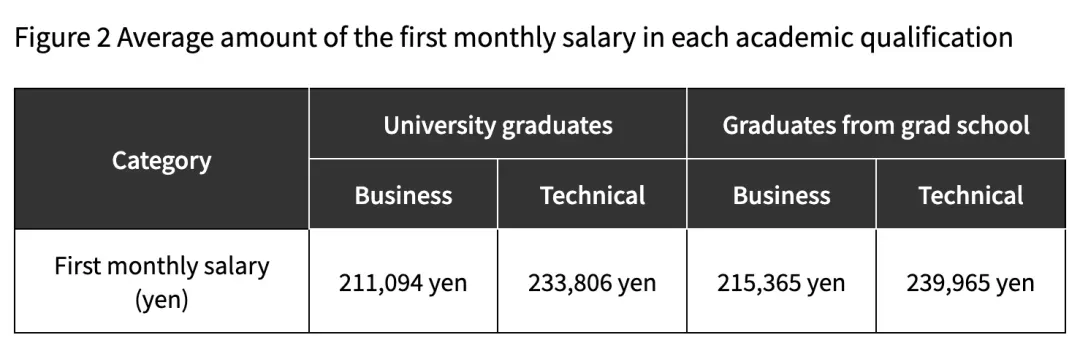
Average starting monthly salaries range from 210,000 to 230,000 yen, equivalent to about 10,000 RMB per month.
Japanese companies typically recruit between March and June, by which time most graduates have already secured jobs. Under the country's hiring conventions, once an offer is signed, employers cannot arbitrarily rescind it, so securing an offer before graduation essentially guarantees employment.

While employment rates hit record highs, data from Japan’s National Personnel Authority reveals that the number of applicants for civil service exams in 2024 was 24,240, a 7.9% decline from the previous year and the lowest since 2012.
Not only is the job hunt losing its cutthroat edge, but even government jobs are no longer hotly contested.
It's safe to say that Japan's prolonged baby bust is having lasting effects. With fewer "crops" to harvest, even capitalists have to tread lightly.

So, how are international students faring in the Japanese job market?
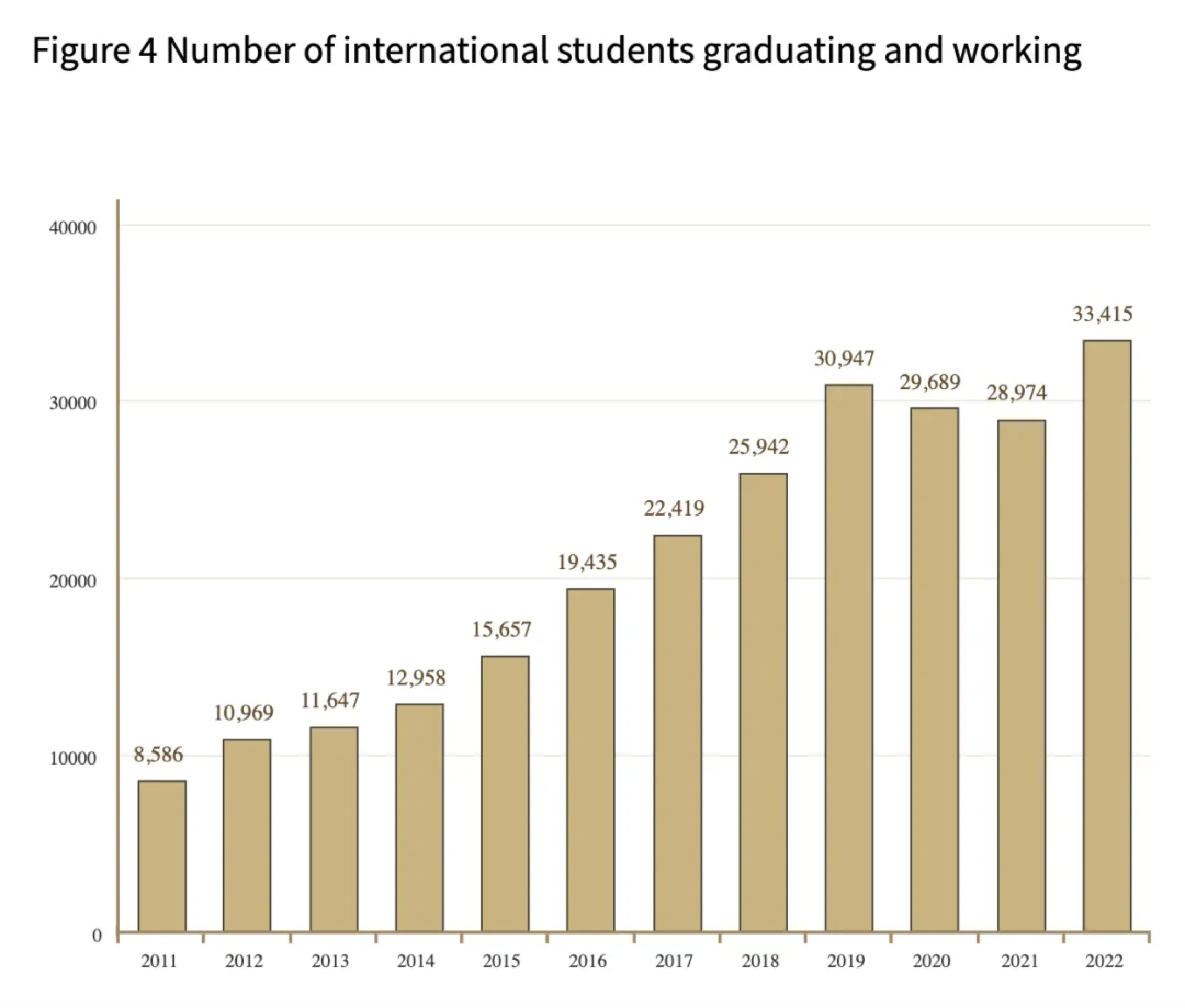
The number of international students in Japan has reached 310,000, more than double the figure from a decade ago. Meanwhile, the number of international students seeking employment in Japan has tripled over the same period, reaching 33,415 in 2022.
However, foreign graduates do not have it as easy as their Japanese counterparts. Only 10.1% land positions at large companies with over 2,000 employees, with the majority ending up at firms with fewer than 50 workers.
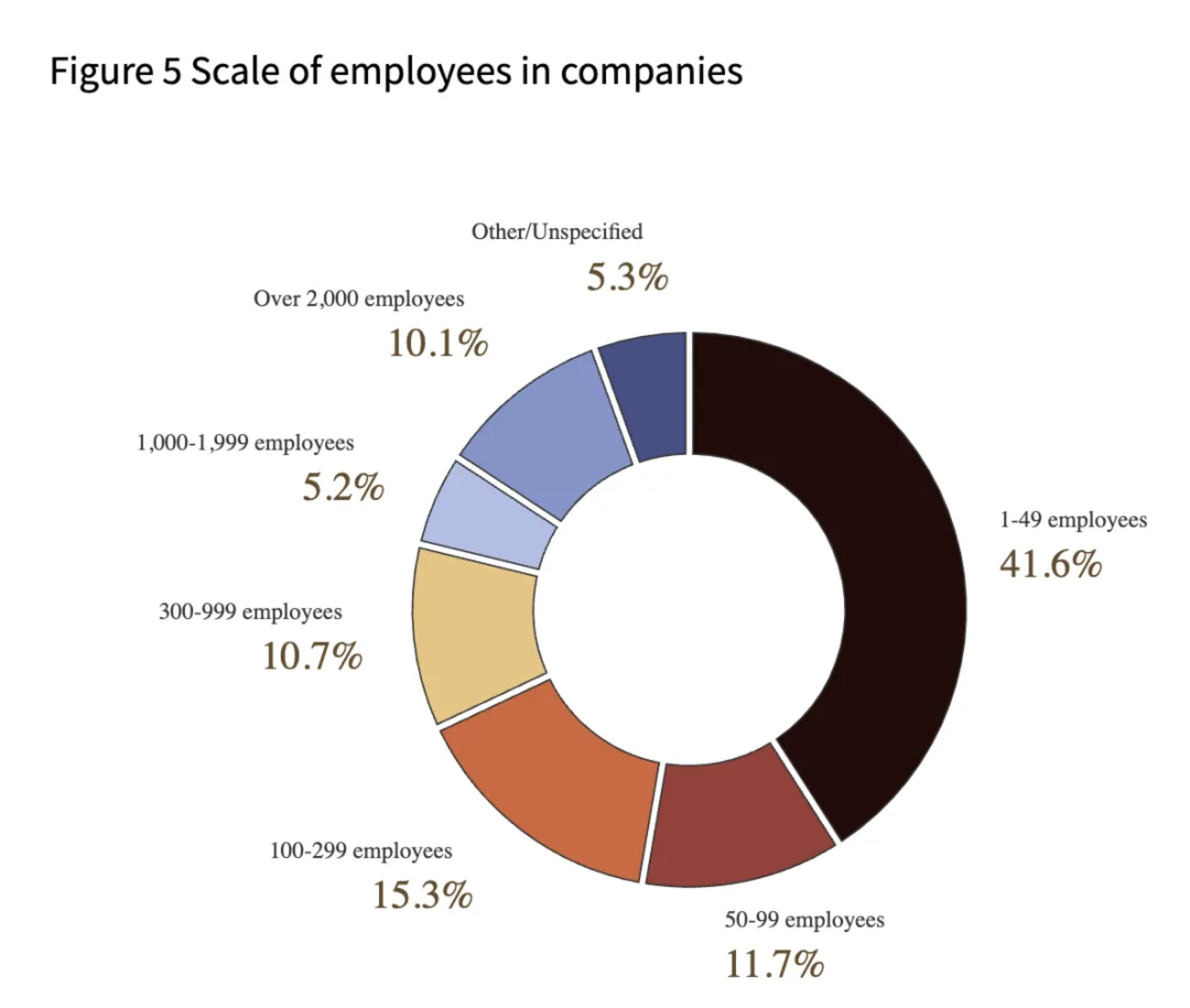
But here's the silver lining: the starting salary gap between large and small companies is minimal, both hovering around 200,000 yen (roughly 9,245 RMB).
Job Markets in the US, UK, Australia, and Canada: Survival of the Fittest
United States:
The job market in the US is far less rosy.
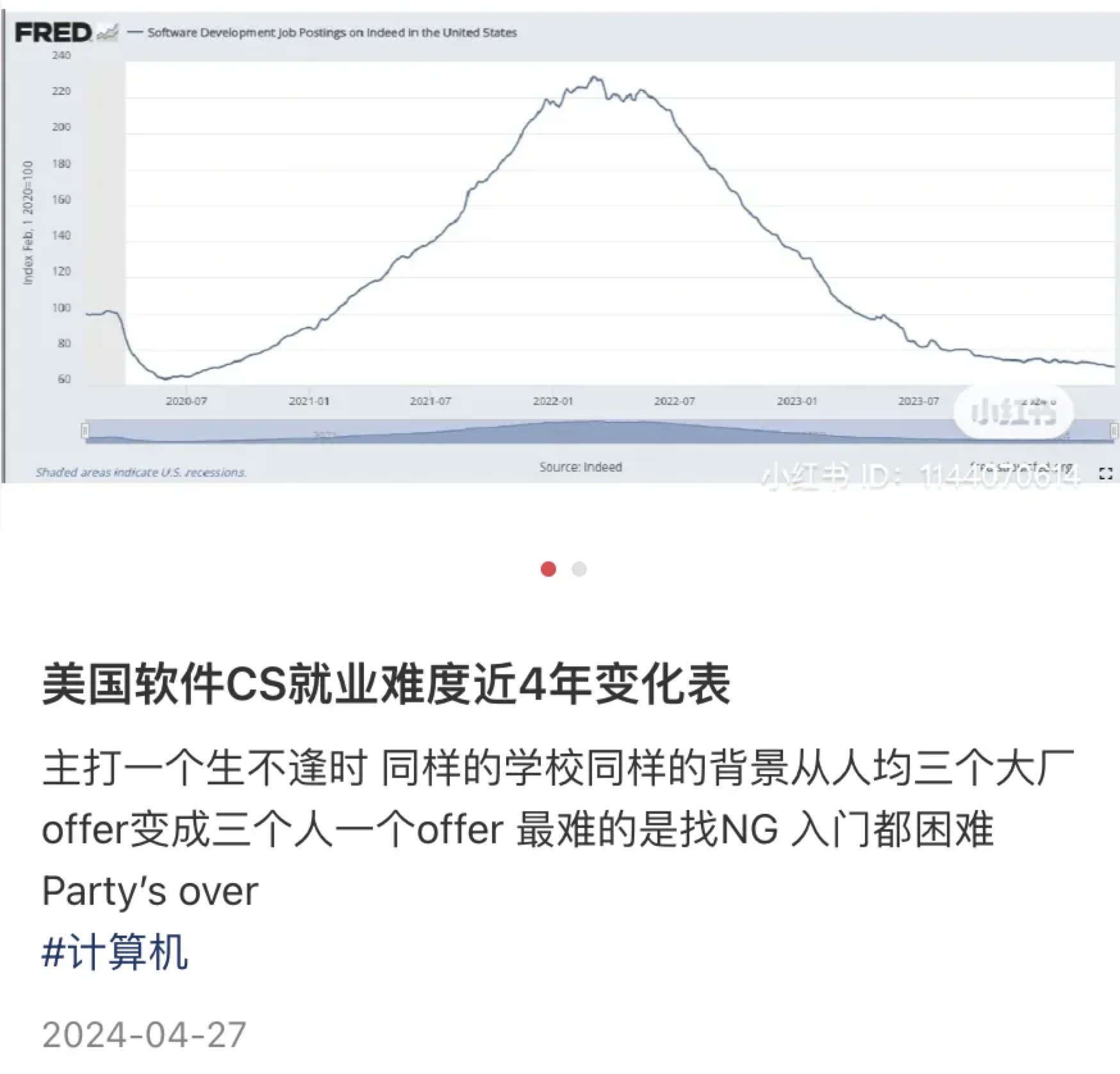
Even the once-golden computer science major is now a Hunger Games.
.png)
Netizen comment: It used to be 3 offers per person, now it's 3 people fighting for 1 offer.
Even after landing a job, it's not a permanent safe haven—performance-based layoffs still loom.

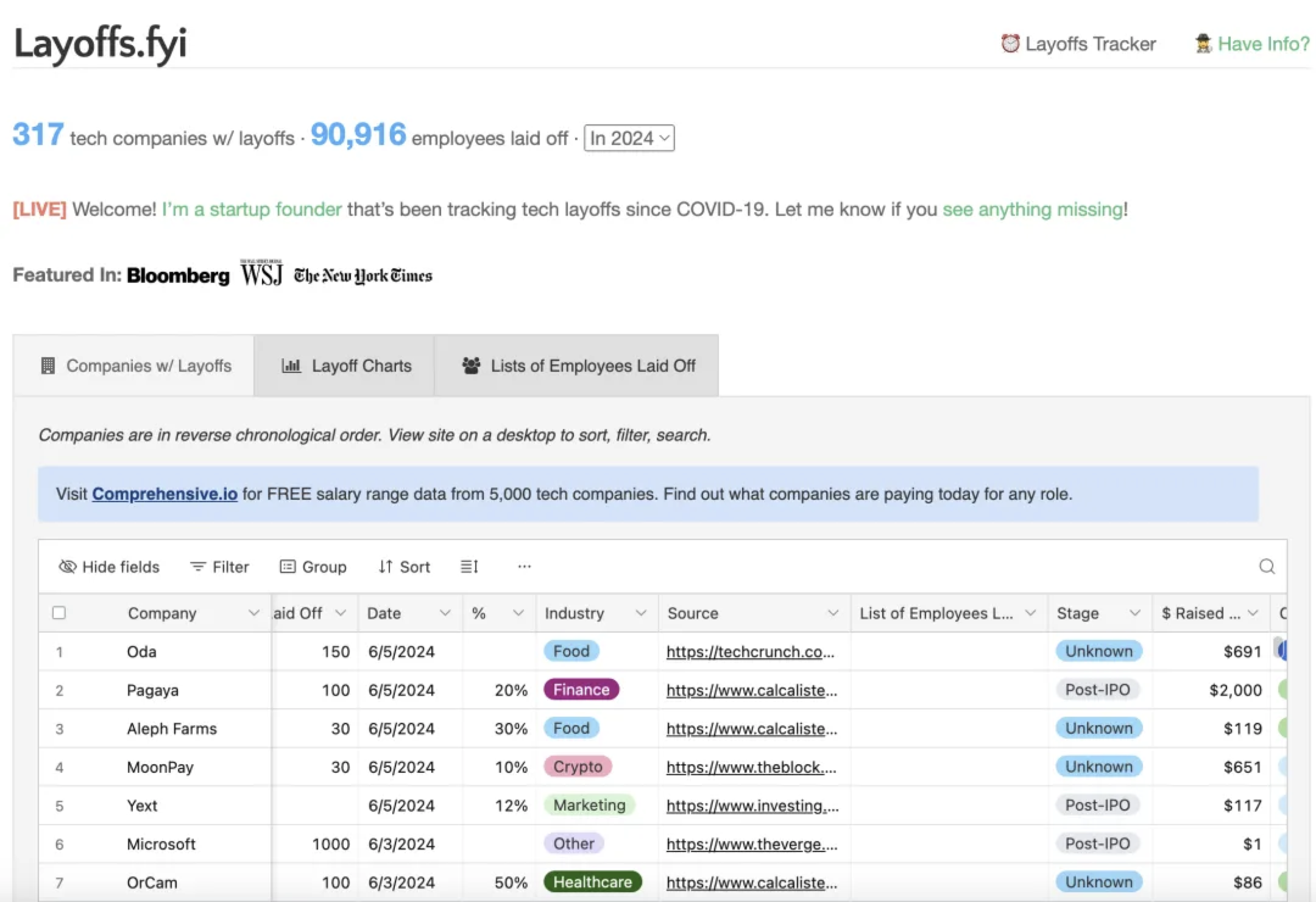
With big tech companies continuing mass layoffs this year, the job hunt remains bleak.
So far, over 90,000 tech workers have been laid off this year.
Business majors aren't faring much better.
According to the Wall Street Journal, even MBA graduates from elite schools like Harvard, MIT, and Stanford are experiencing record-high unemployment rates three months post-graduation.
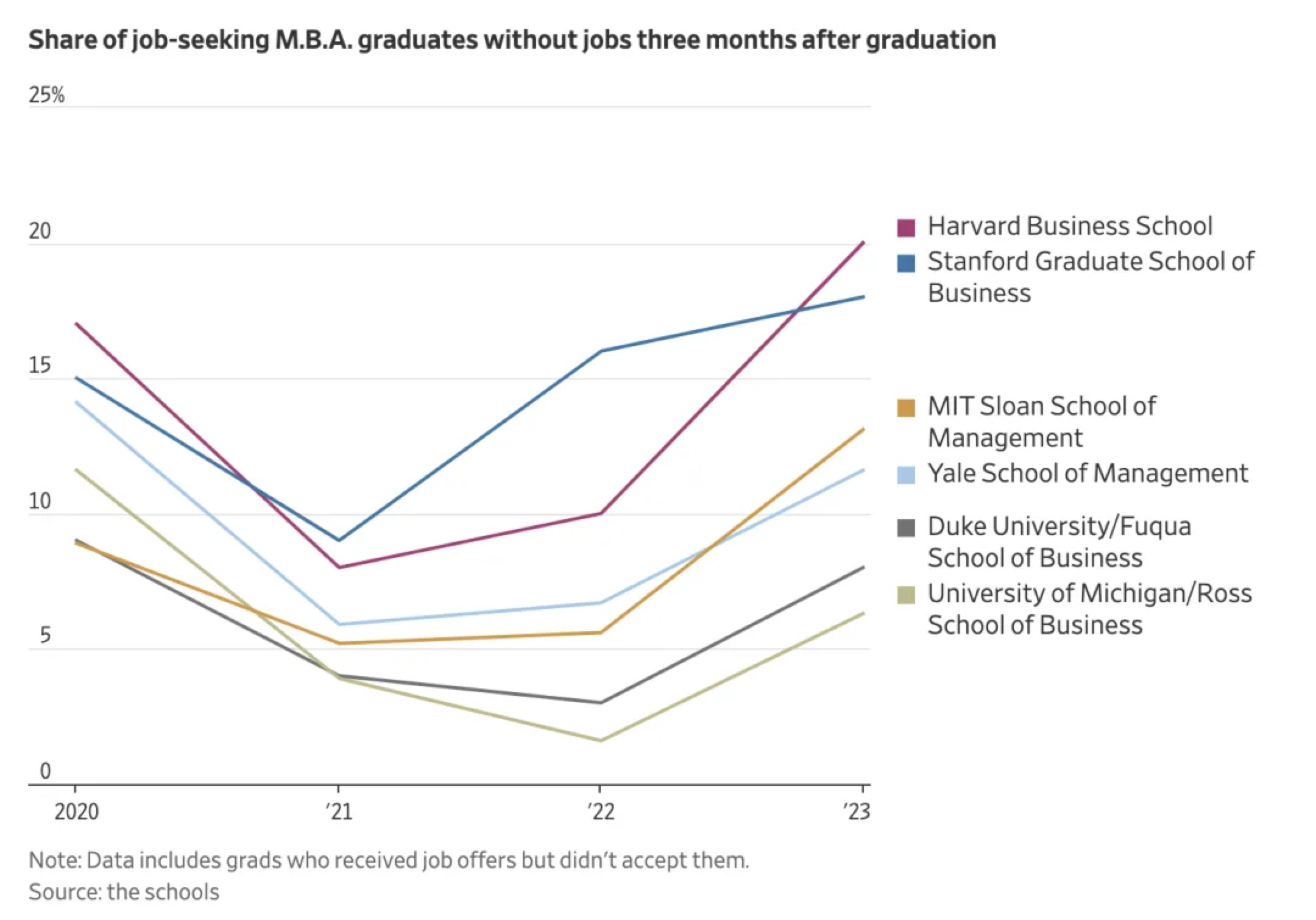
In 2024, 20% of Harvard Business School graduates couldn't find a job?
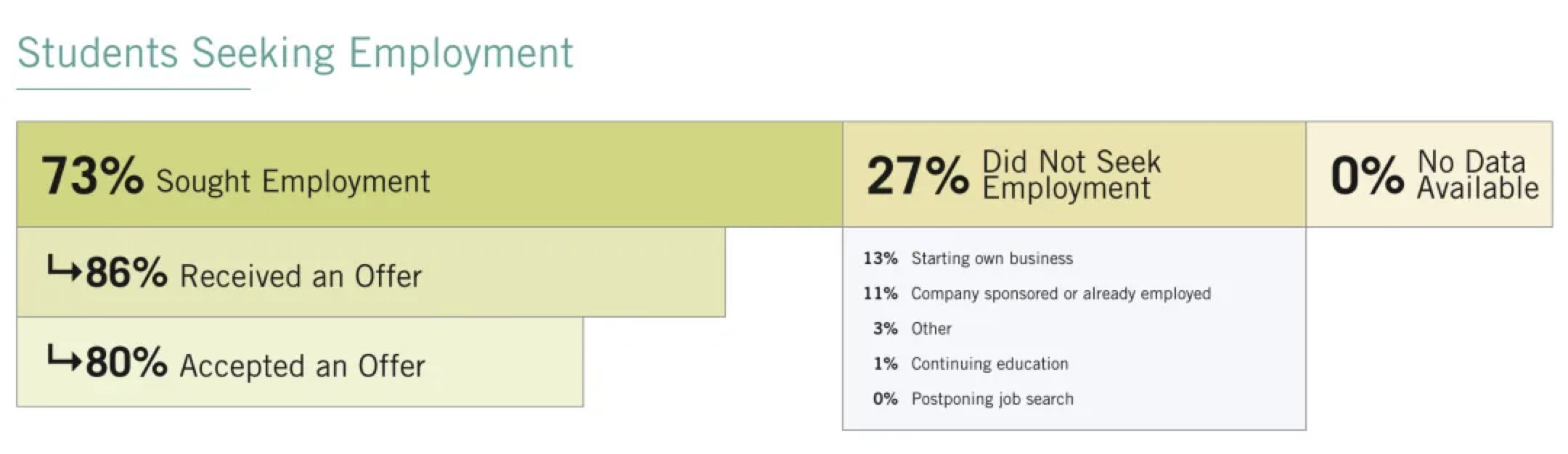
Of course, this includes those who turned down offers. But can you blame them? With HBS tuition nearing $120K a year, job hunting inevitably involves weighing the return on investment.
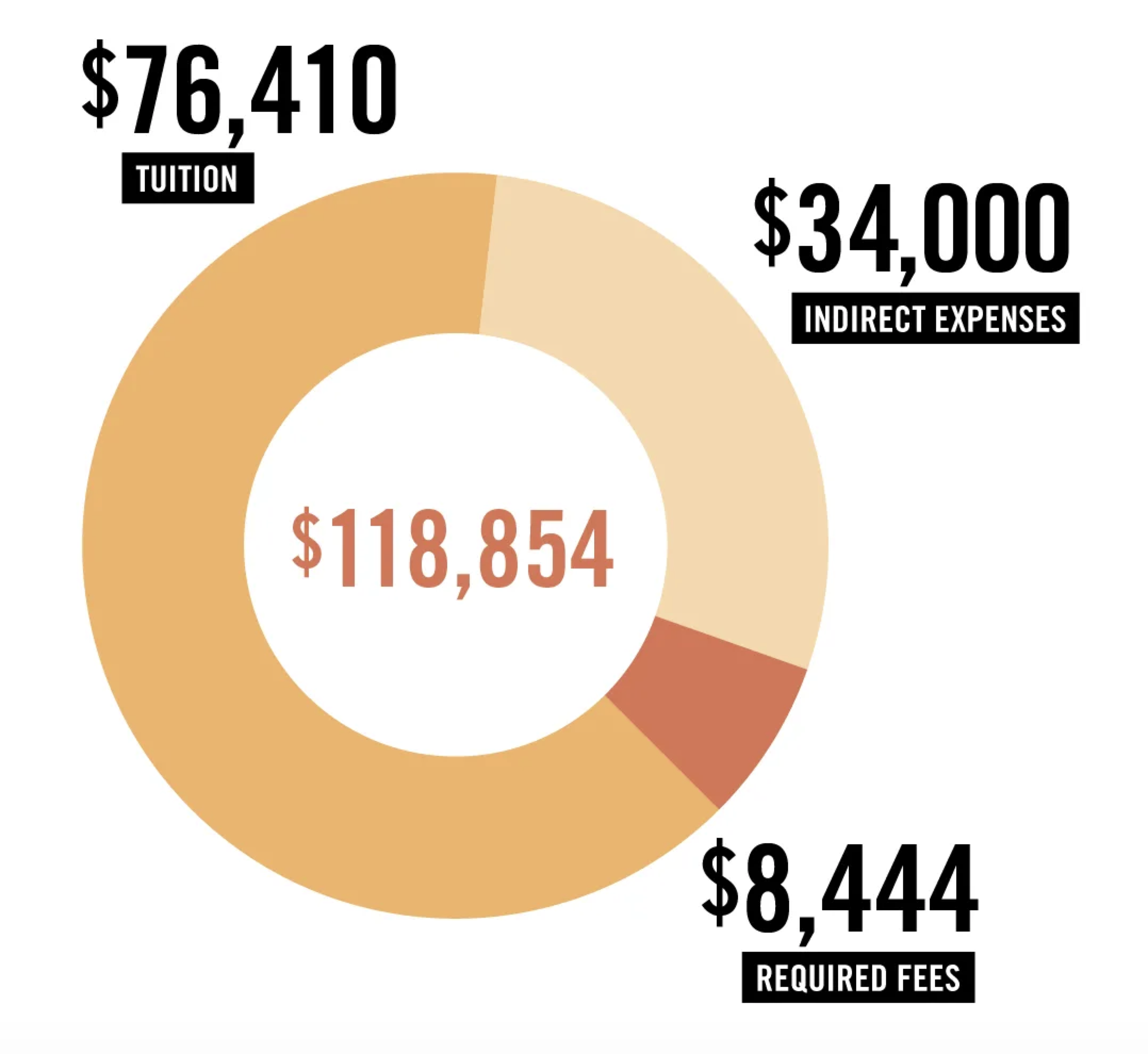
Not only Harvard, but even Ross and Duke—renowned consulting pipelines—saw rising joblessness rates. The MBA employment scene this year is truly dire.
Canada:
Canada's job-hunting difficulty has also gone to the next level.

Even a grad with a Canadian bachelor's and an Ivy League master's still can't find a job six months after graduation.
.png)
Data shows that in the second half of 2023, only 43% of Canadian companies planned to hire new graduates—the lowest in two years.
.png)
Graduate openings were concentrated in customer service (22%) and sales (22%), while IT and accounting roles accounted for 15% and 14%, respectively.
A single entry-level job can attract hundreds or even thousands of applicants.
Australia:
Staying in Australia after graduation isn't as easy as it seems.
Statistics show that it's extremely difficult for international graduates to find jobs matching their field of study.
Among 1,156 international students at 35 Australian universities, only 36% ended up in roles related to their majors, while 40% took low-skill jobs in retail, hospitality, cleaning, or driving.
.png)
In 2021-22, 27% of Australia's 485 visa holders switched back to student visas to maintain status and keep searching for work.
Majors like commerce, accounting, and media are career minefields during job-hunting season.
Nursing and early childhood education are indeed in demand, but not everyone is cut out for them.
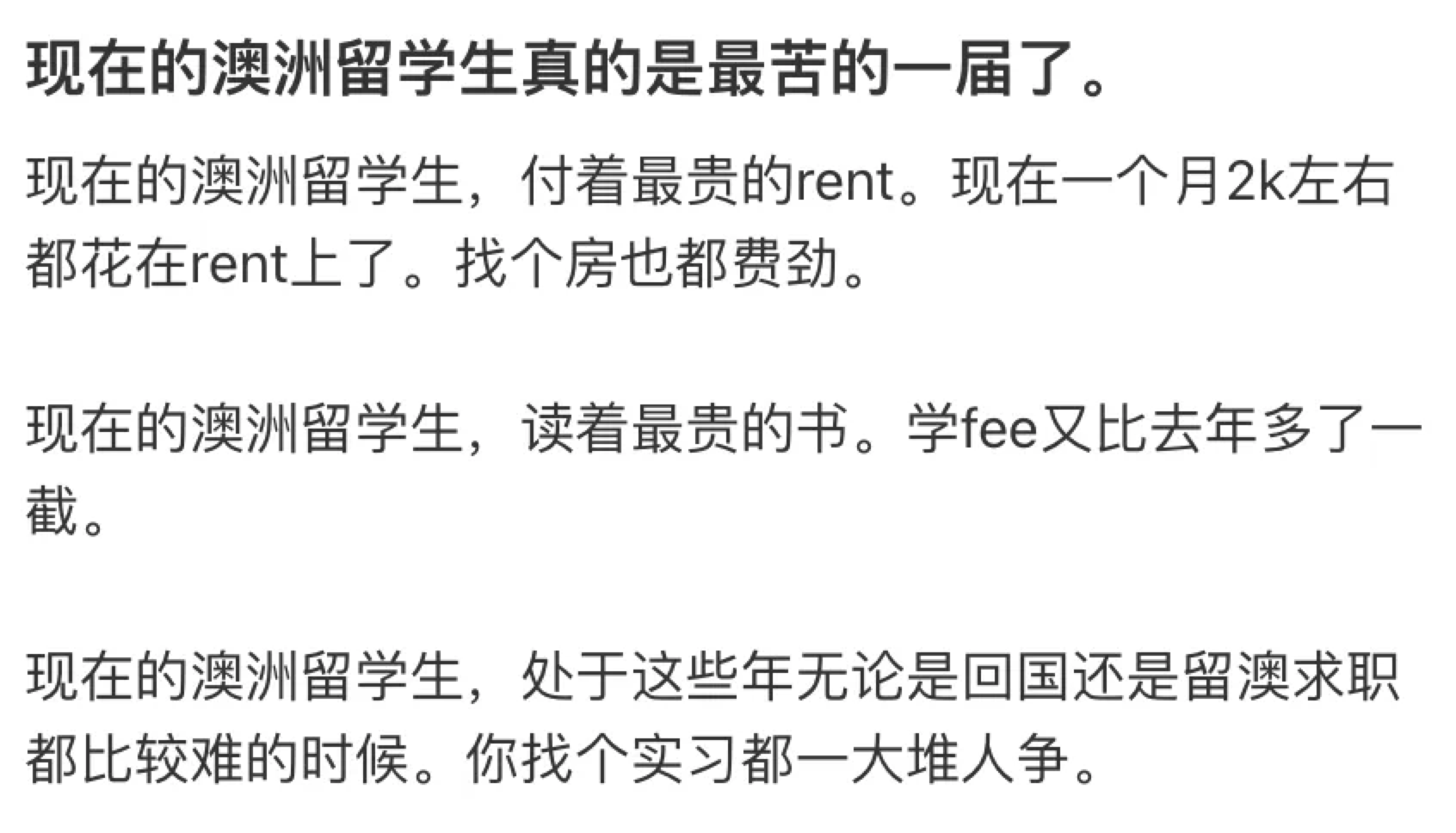
Paying top-tier tuition and rent while facing the toughest job market—who can truly understand?
United Kingdom:
For UK international students, job hunting is also a nightmare.

Graduates on the PSW visa are at the bottom of the employment chain. Their main outlets are various real estate agencies, study-abroad consultancies, and career coaching firms—happily embracing the grind.
Not long ago, the PSW visa was even on the chopping block. Fortunately, under cabinet opposition, Prime Minister Rishi Sunak shelved plans to restrict the graduate visa route, averting a crisis for now.

However, once the PSW expires, those unable to switch to another visa still have to return home.

That’s why among returning overseas graduates, UK alumni lead the pack by a wide margin.
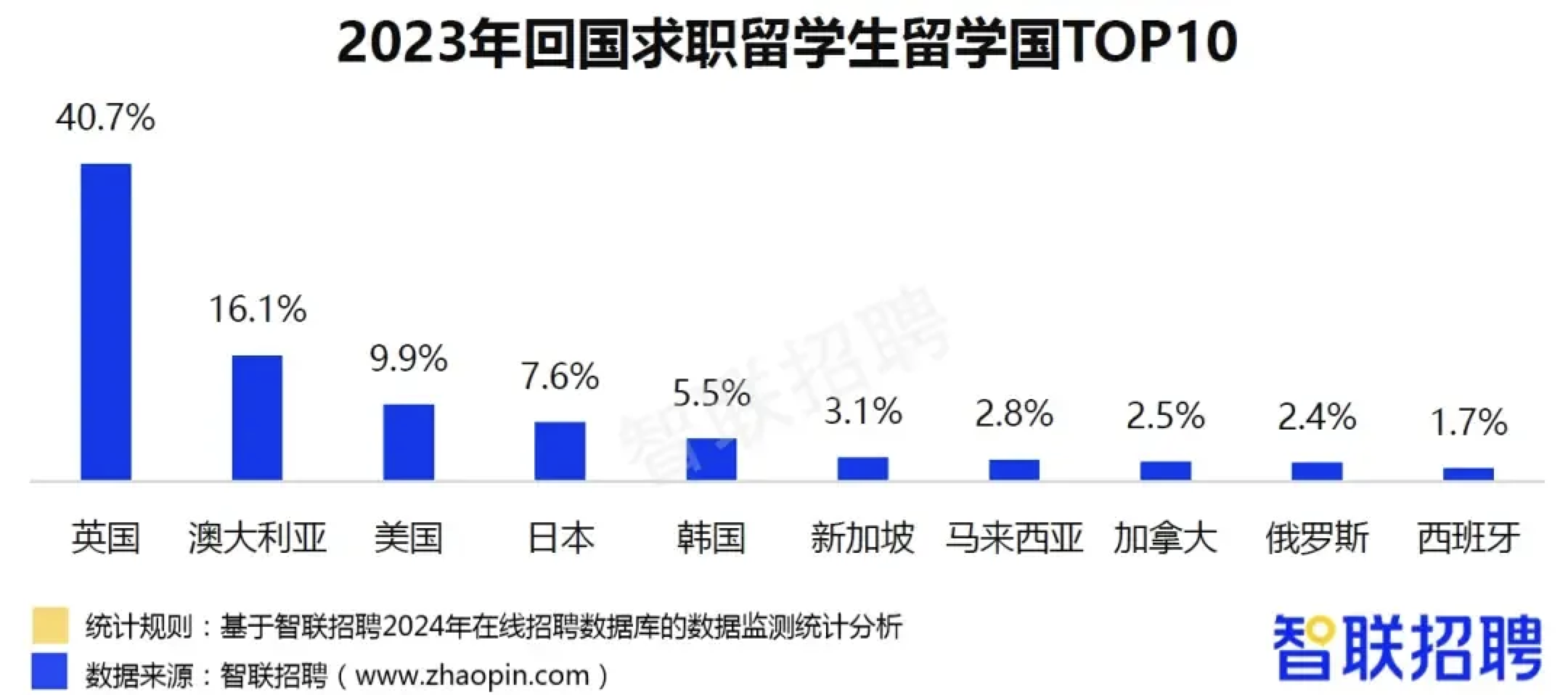
But is coming back home a permanent solution?
Job-hunting tragedies unfold daily among returning graduates.
Returning to China: Opportunities and Challenges
In 2024, the number of domestic college graduates in China hit a new record of 11.79 million.
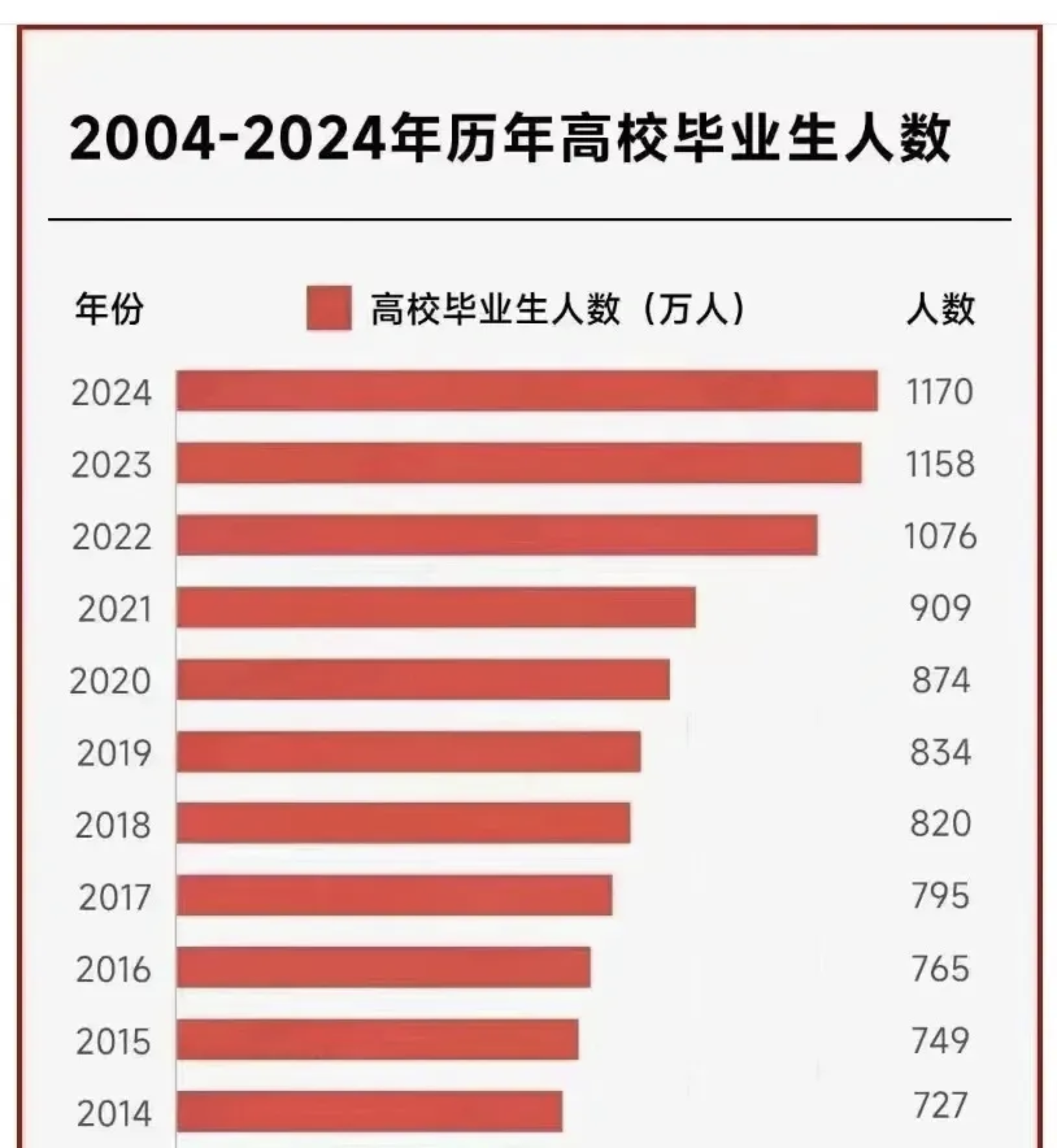
Who’s more anxious—the hundreds of thousands of returnees or the millions of new grads?
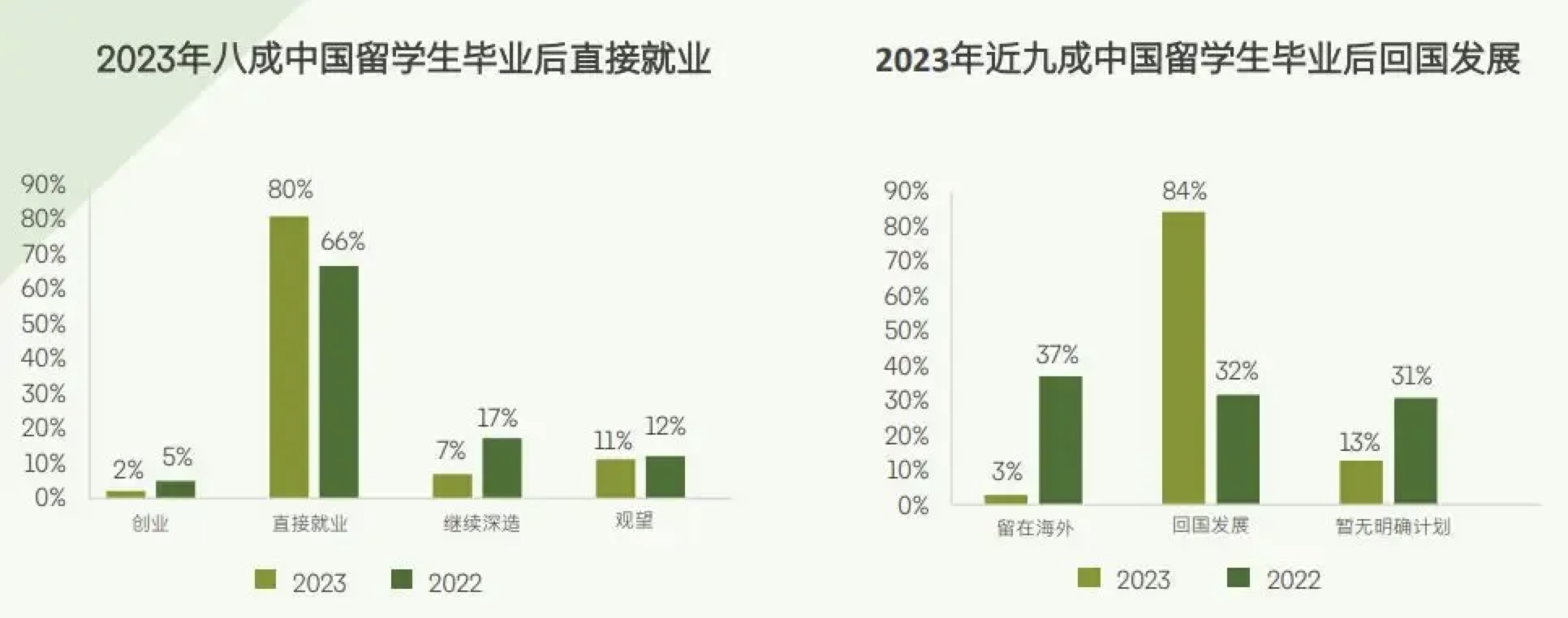
Data shows that over 80% of international students chose to return to China for employment in 2023, with 80% seeking immediate employment, a 14% increase year-on-year.
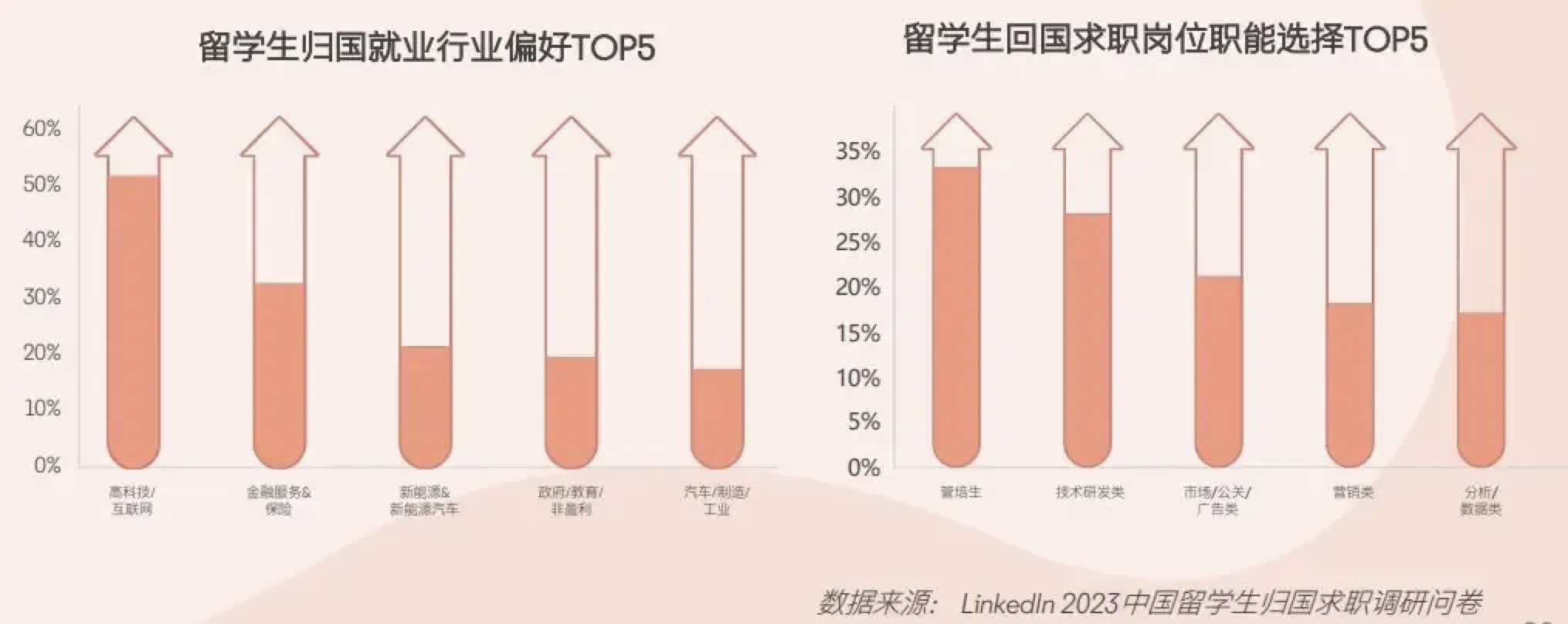
Preferred industries for returnees are, in order: high-tech/internet, financial services/insurance, and new energy/NEV (new energy vehicles).
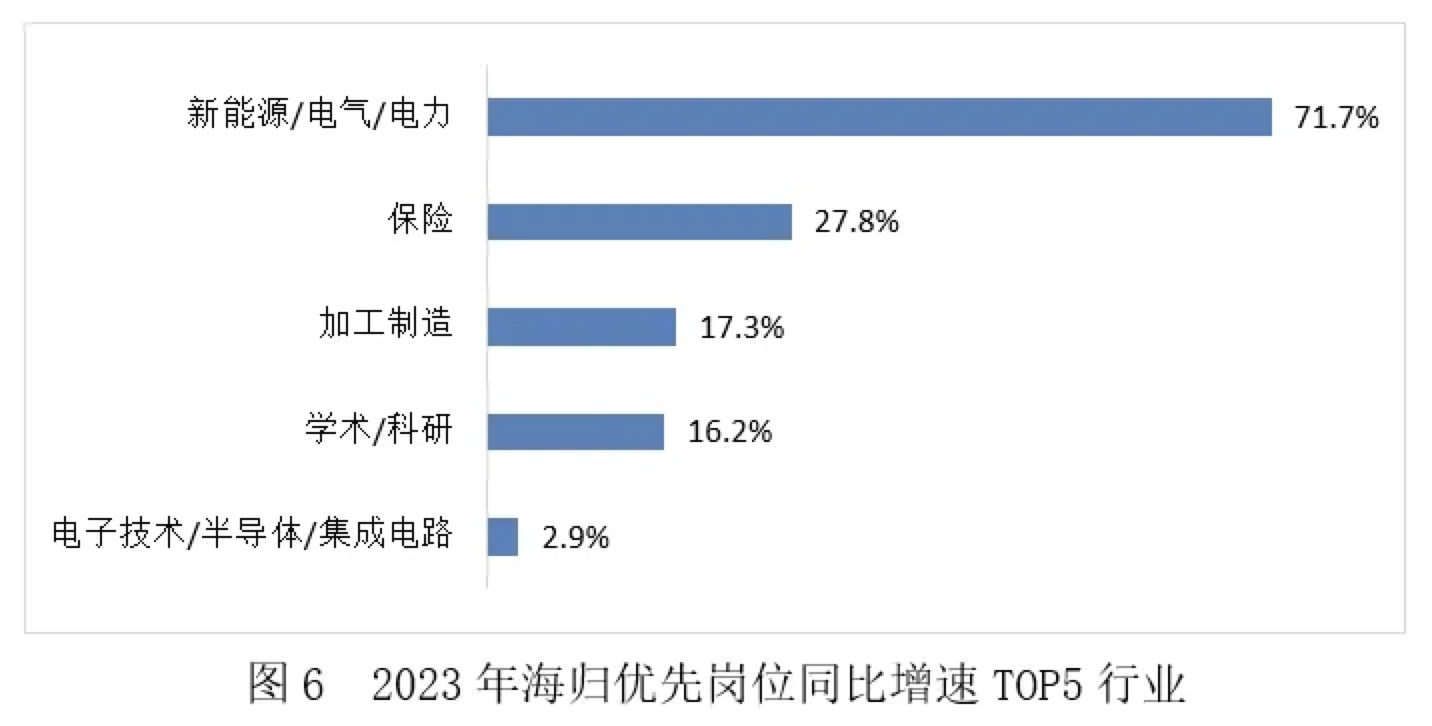
The booming new energy sector has seen surging demand for overseas talent, with related job postings jumping 71.7% compared to previous years. Insurance, manufacturing, academic and scientific research, and electronics/semiconductors/integrated circuits also have strong appetite for returnees.
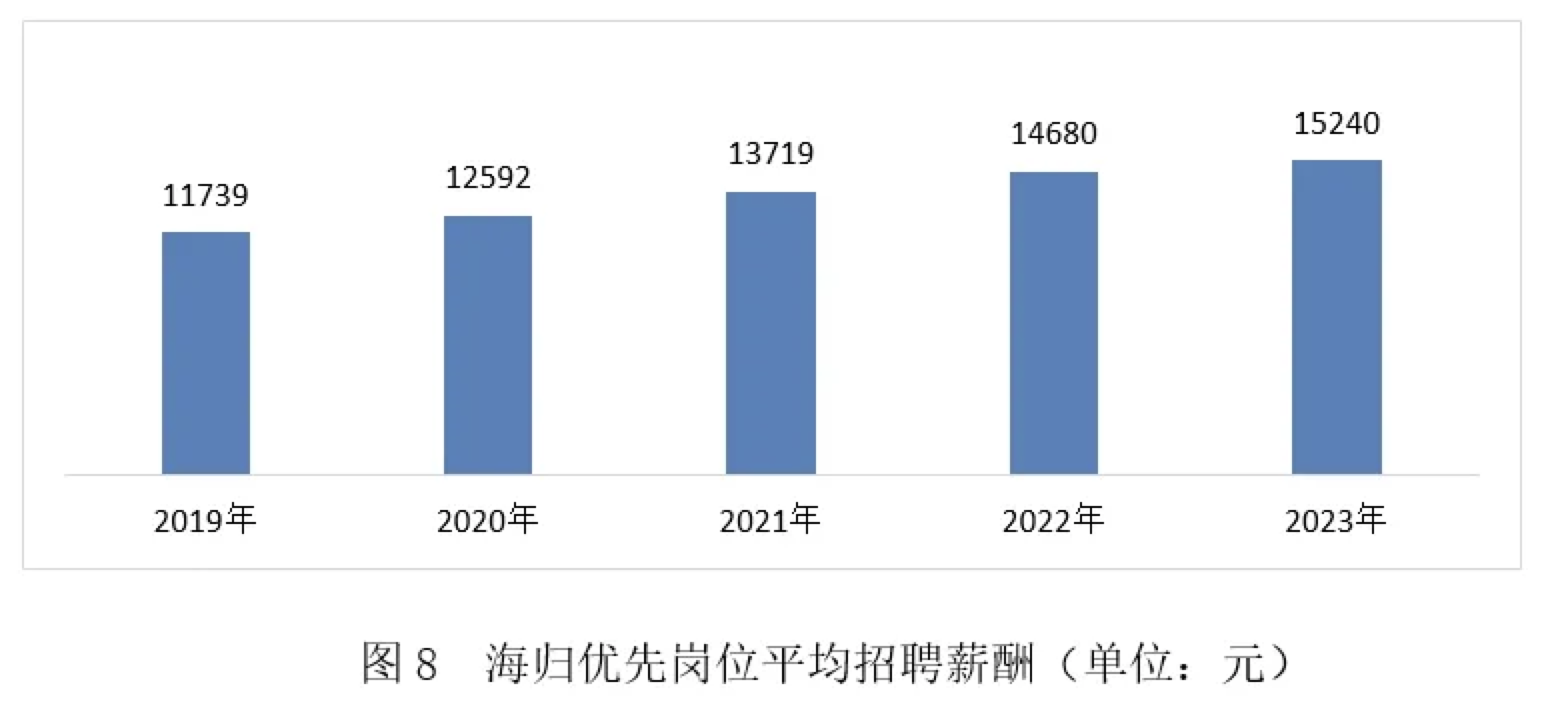
The average monthly salary for positions prioritizing overseas returnees reached 15,240 RMB, a 3.8% increase from the previous year.
So while the competition is fierce, finding the right niche still yields opportunities.
As an international student, long-term professional and career planning is essential. Whether staying abroad or returning home, start planning early, align with local hiring demands, and choose a field that suits you and has promising prospects—this will make your efforts count.
Don’t blindly follow trends; the so-called "hot sector" may become the next trap by the time you graduate. It’s just as important to adjust direction in time.
We hope everyone lands their dream offer!
.png)