Recently, the UK government announced further measures to slash the UK's historically high 'net migration' levels, supporting the Home Office in addressing the country's long-term reliance on international recruitment.
The difficulty for international students seeking post-graduation work in the UK will continue to increase.
In the future, the Home Office will pay special attention to industries that are highly dependent on overseas workers, requiring them to genuinely increase investment in domestic skills training rather than filling vacancies through foreign recruitment.
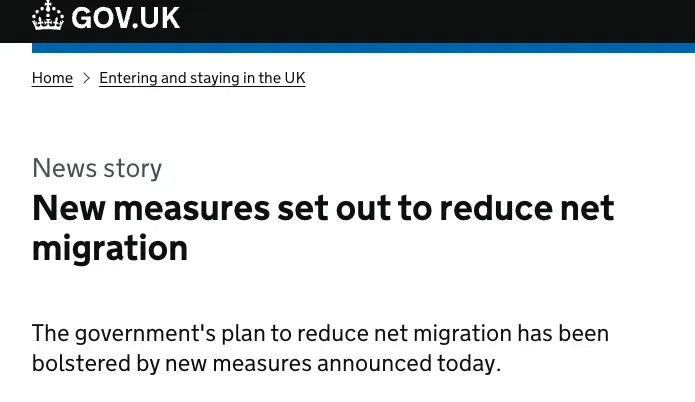
The Migration Advisory Committee will monitor these industries and report annually to the government to help formulate more effective policies. Meanwhile, employers who violate employment laws will face severe penalties, and their ability to recruit overseas workers will be restricted.
In addition, visa sponsorship rules will be further strengthened. UK Visas and Immigration (UKVI) will increase scrutiny of visa sponsors to crack down on abuse of the visa system and exploitation of overseas workers.
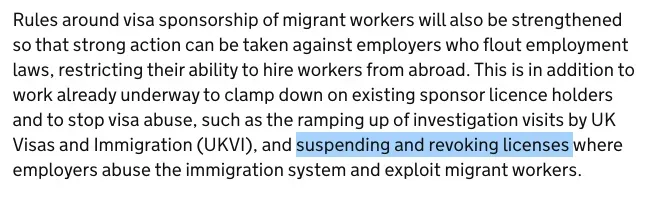
It is evident that the core purpose of these policies is to promote the development of local talent and fundamentally reduce dependence on international labor.
By strengthening responses to skill shortages and increasing investment in training and development of domestic workers, the UK aims to create better employment opportunities for local workers.
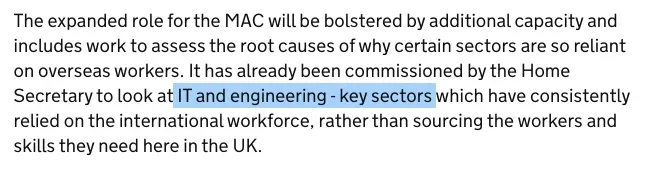
Among these, the IT and engineering sectors will be key areas of focus, as they have long relied on international talent without fully tapping into local resources.
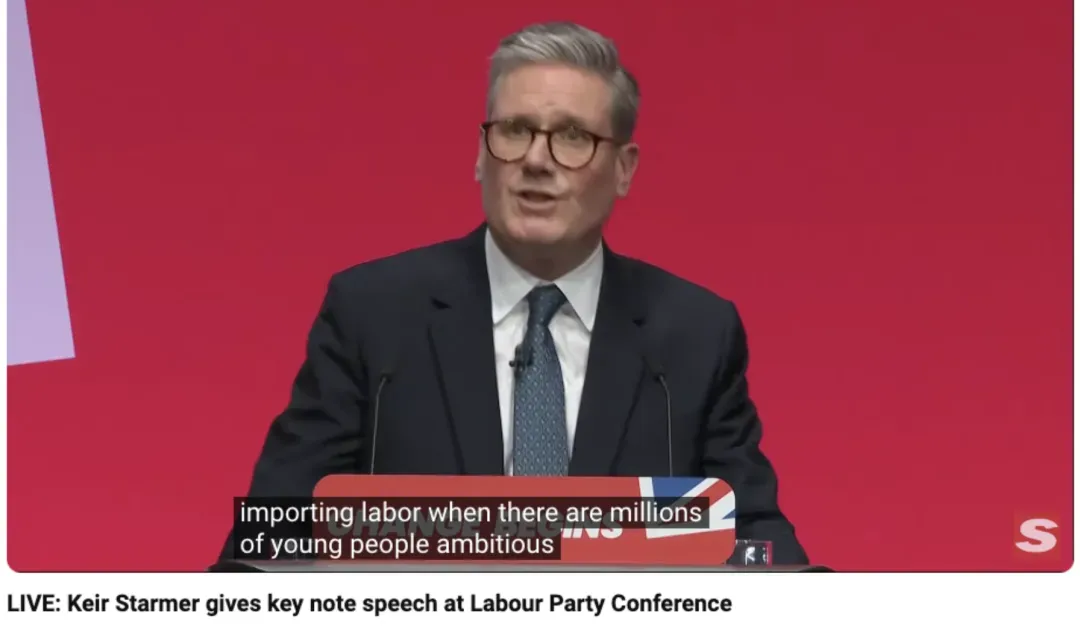
The new Prime Minister also said in a public speech, 'The UK has been too lax in bringing in foreign workers. There are millions of young people at home who are ambitious, talented, and eager to work and contribute.'
What Should International Students Focus On?
These policy changes will undoubtedly have a greater impact on international students' employment prospects in the UK.
Local Workforce Priority Makes Job Hunting Far More Difficult
These new measures directly indicate that the UK government wants industries to invest more in domestic talent and reduce reliance on international labor.
Put bluntly, the UK government would rather spend more money on training and investing in its own citizens than allow businesses to hire international workers.
In the future, employers who violate visa rules will face stricter penalties.
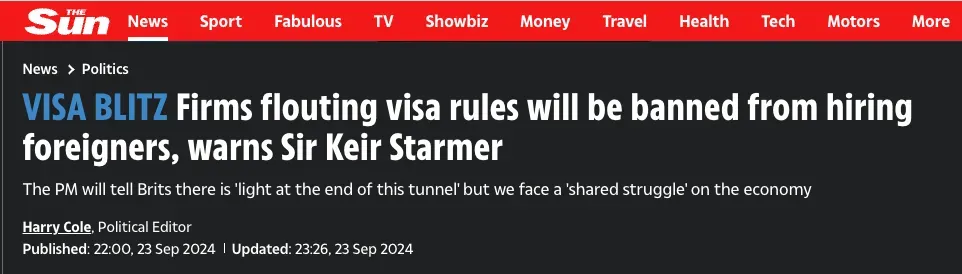
Therefore, it is not ruled out that employers may reduce hiring international students to avoid hassle, making it even harder for them to find jobs in the UK.
Especially in the IT and engineering fields, which are about to face strict scrutiny, the difficulty of finding employment is expected to rise significantly. At the same time, the process of applying for work visas may become more complex.
For international graduates who wish to work in the UK, the employment bar will be raised further in the future. They will need to strengthen their professional competitiveness and work harder to find high-income job opportunities.
UK's Overseas Talent Policies Take a Backward Step
This is not the first time this year that the UK's overseas talent policies have been tightened.
As early as last December, the new work visa policy was already being prepared. In April this year, the UK government officially announced that the minimum salary requirement for Skilled Worker Visa applicants would rise from £26,200 to £38,700, a staggering 48% increase.

Although in July, the new UK Education Secretary stated that the new Labour government would retain the graduate route so that international students could come to the UK to study 'with peace of mind and confidence.'
*Graduate route: Undergraduate and master's international students holding a Graduate Visa can stay in the UK for up to two years after graduation without a job; PhD students can stay for three years.

But the severe tightening of work visa immigration policies seems to indicate that the UK government is more interested in the 'money' of international students.
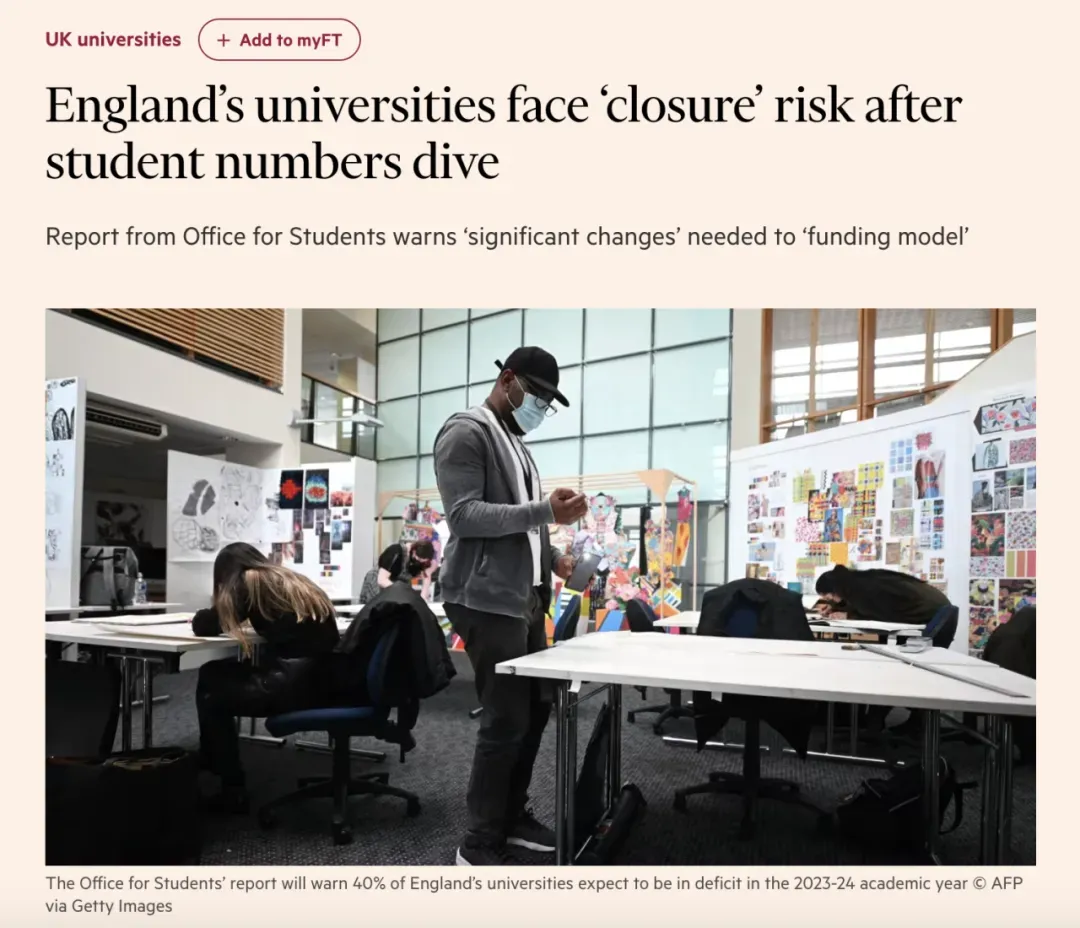
After all, news of UK universities facing bankruptcy has been constant over the past year. According to official annual reports, 40% of UK universities are expected to run deficits in the 2023-24 academic year.
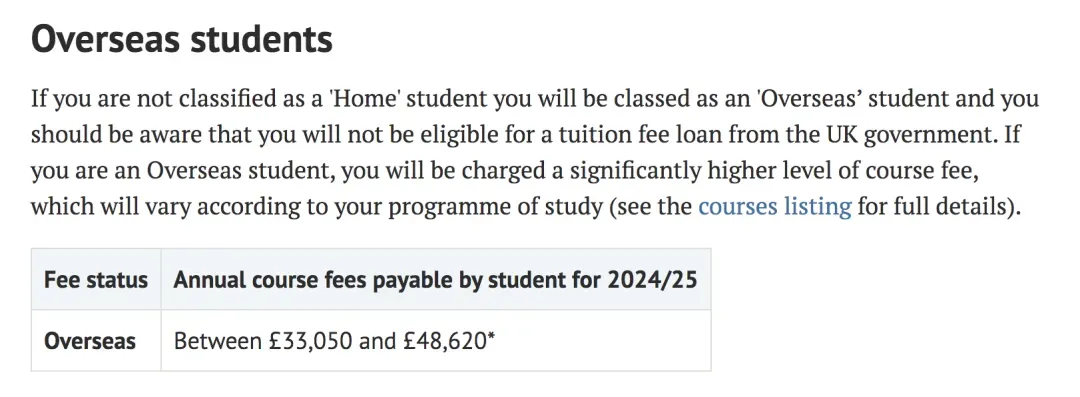
The University of Oxford saw two consecutive jumps in international student tuition fees from the 2021 to 2023 academic years. In 2024-2025, fees rose by another 10% compared to the previous year, with undergraduate fees reaching £33,050 to £48,620.
The London School of Economics also raised tuition fees for some popular programs such as Management, Accounting & Finance, and Economics. Among these, the Management program saw a 25% increase in fees, meaning students will have to pay an additional £6,808 per year.
UK Government: Paying to study is fine, but working and earning? Think again.
International students: Are we just cheap labor or something?
The new policies introduced by the UK will undoubtedly pose more new challenges for international students seeking post-study employment.
International students planning to work in the UK after graduation need to closely monitor the latest policy requirements and university application trends, weigh the pros and cons, and make the best decisions. Additionally, it is recommended to learn about study and employment policies in other countries and regions, and choose the most suitable development path based on one's own situation.
The 25Fall application season is underway. Whether for further studies or employment, everyone needs to prepare in advance and improve their personal competitiveness to stand out in the fierce competition!
We hope everyone can receive their desired offers and have smooth sailing in their studies and careers!