Trump returns to the White House—a thrilling drama that has all of America going all in and the world watching on.
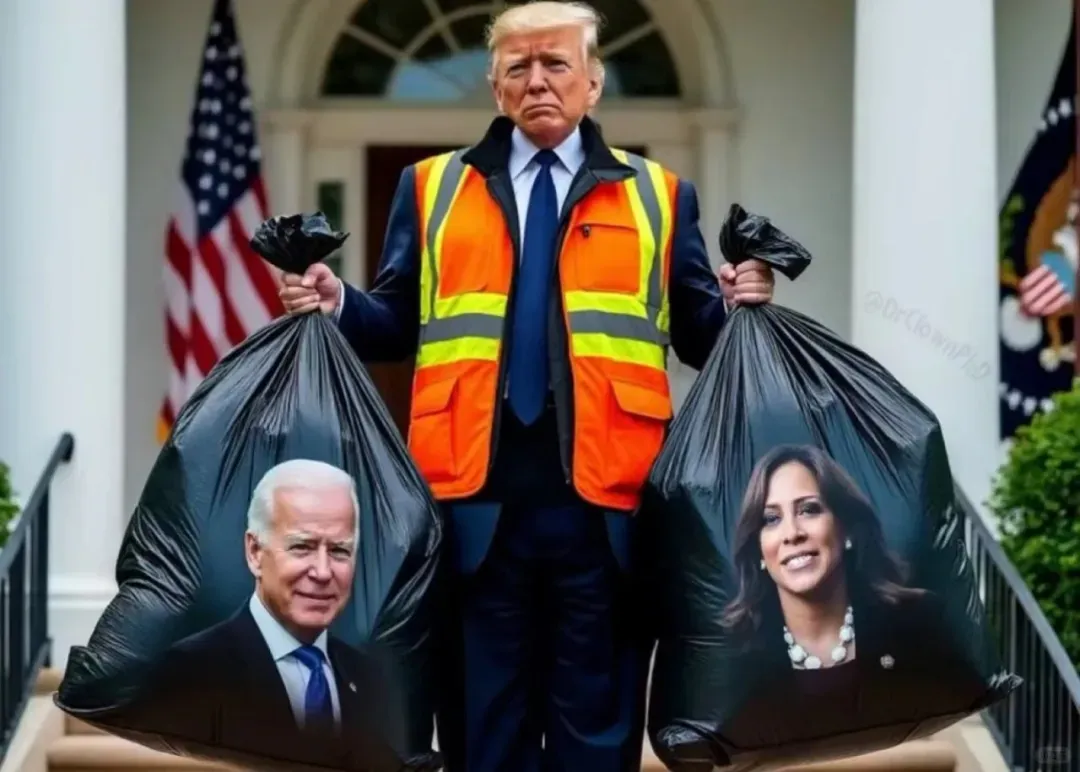
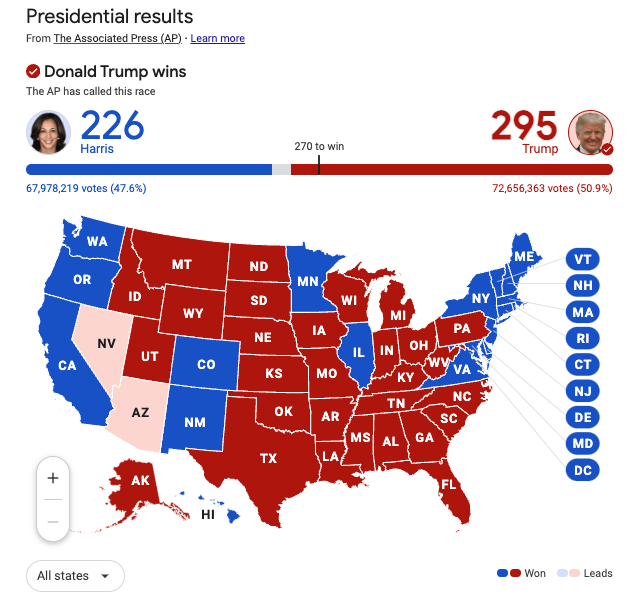
Although vote counting is still ongoing, Trump has already won 270 electoral votes and will become the 47th President of the United States.
But Trump taking office is a bit of a shock for international students.

Spectators may love it, but international students really can't afford to enjoy the show.
.png)
Trump's Return: Where Do International Students Go from Here?
Although for both parties, Chinese international students have never been the priority, but rather a byproduct of US-China relations.
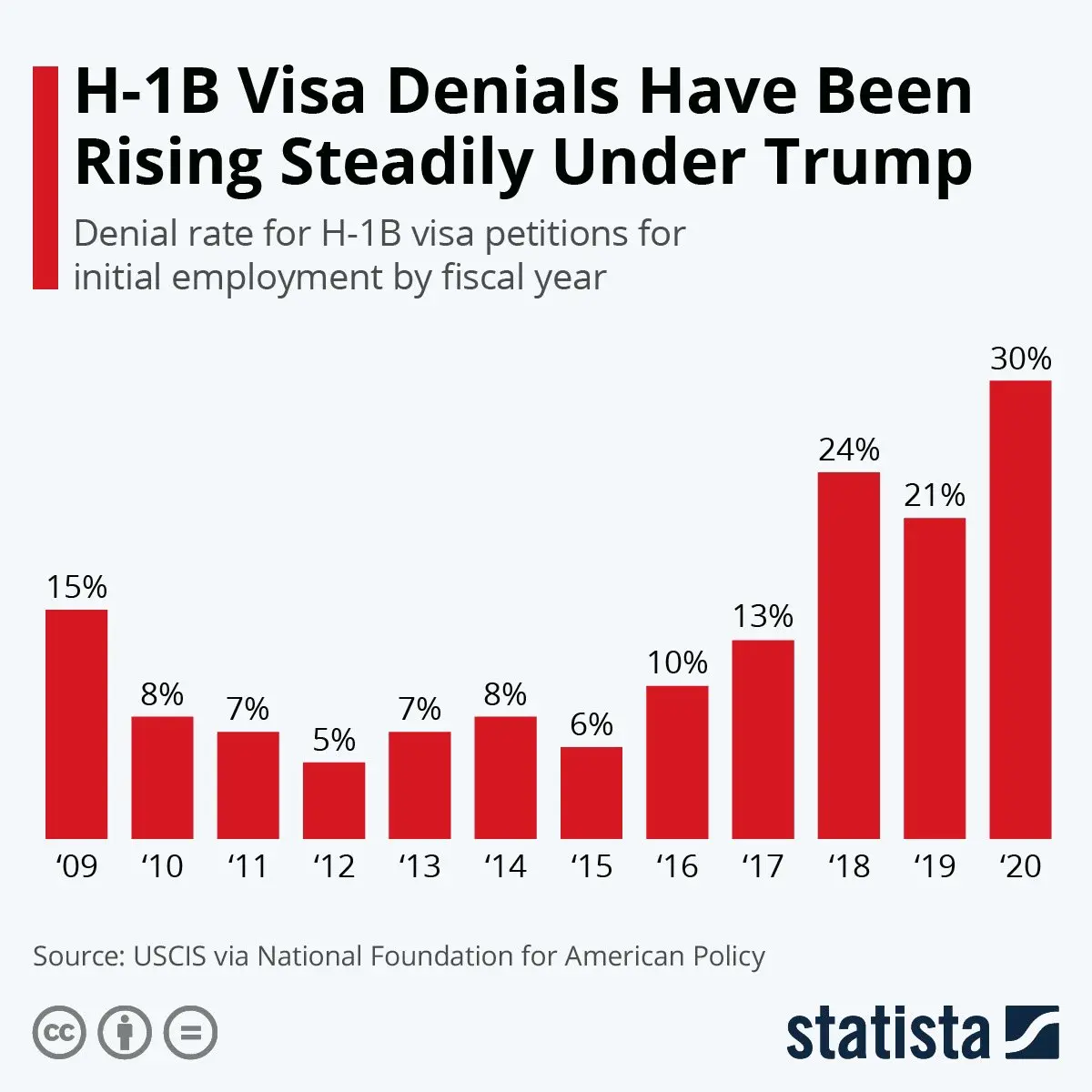
But Trump's additional strikes on international students during his previous term—including signing Presidential Proclamation 10043, blocking F-1/J-1 visas for students from the "Seven Sons of National Defense" universities; tightening H-1B visa approvals, increasing scrutiny and denial rates for international students—still left everyone with a bit of PTSD.
However, in the post-pandemic era, everything is uncertain; there is no need to be pessimistic in advance.
After Trump takes office again, international students face both opportunities and challenges.
The US Urgently Needs to Address the STEM Talent Shortage
Although the Trump administration once strengthened visa scrutiny for Chinese students, especially those in STEM fields, the current STEM talent shortage in the US is becoming increasingly severe, and it can no longer be easily solved simply by strengthening domestic STEM education.
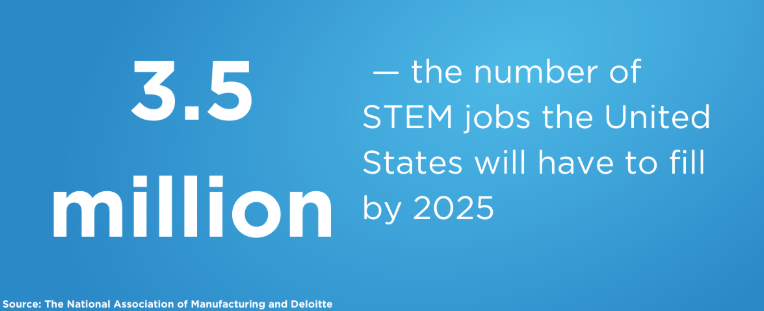
By 2025, the US will need to fill 3.5 million STEM positions.
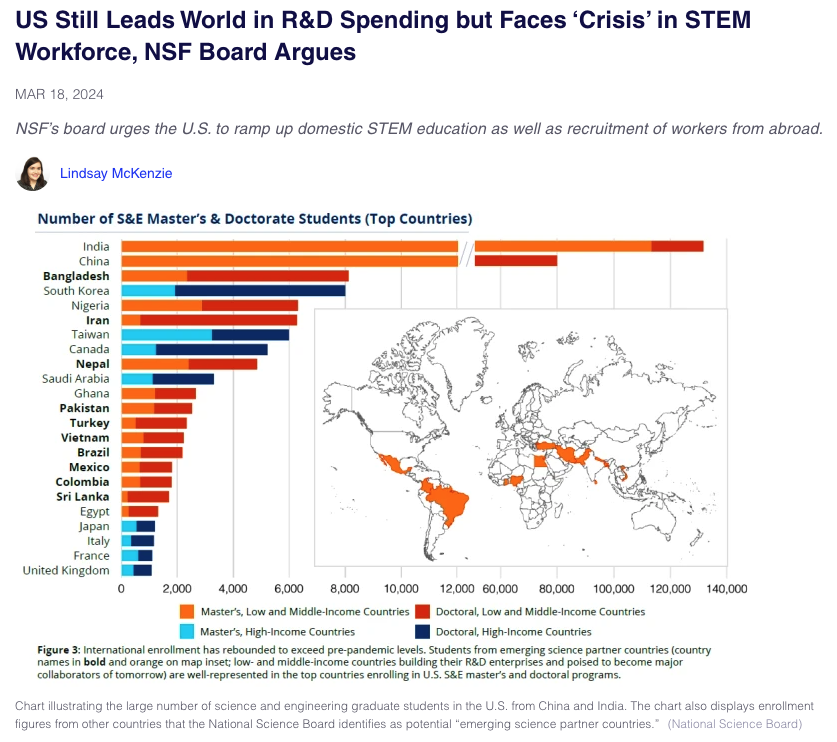
This year's report from the National Science Foundation shows that US spending on R&D is higher than any other country, reaching $806 billion, accounting for 3.5% of its GDP.
.png)
But the US is particularly dependent on STEM workers born outside the US. In 2021, the US STEM workforce numbered 36.8 million, of which 19% were foreign-born. Foreign-born workers even account for 43% of all doctoral-level scientists and engineers in the US.
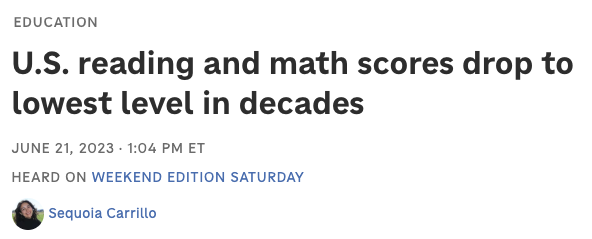
Meanwhile, math test scores for American-born K-12 students declined sharply during the pandemic, and the K-12 education system has long performed poorly. The US Secretary of Education stated that the pandemic dealt a devastating blow to domestic education, and it will take years of effort and investment to reverse the damage.
In the post-pandemic era, countries around the world are competing for talent to provide strong support for economic recovery, and America's talent attraction is also facing challenges.
The current situation of internal and external troubles for the US will only make it pay more attention to the international competition for talent. The new administration may take more active measures to attract and retain more outstanding international students and professionals, helping to effectively fill the high-tech talent gap.
Potential Optimization of Work Visas and Green Cards: Trump May Fulfill Promises
To attract international high-skilled talent, Trump hinted before the election that he might optimize the H-1B visa policy, with potentially more measures to encourage outstanding international students to stay and contribute their professional skills, particularly for applicants with high education and professional expertise.
Trump also proposed allowing some international students who graduate in the US to quickly qualify for green cards. Although the policy is relatively strict, this direction could bring potential immigration opportunities for international students, especially those cutting-edge talents with deep academic or technical backgrounds in the US.
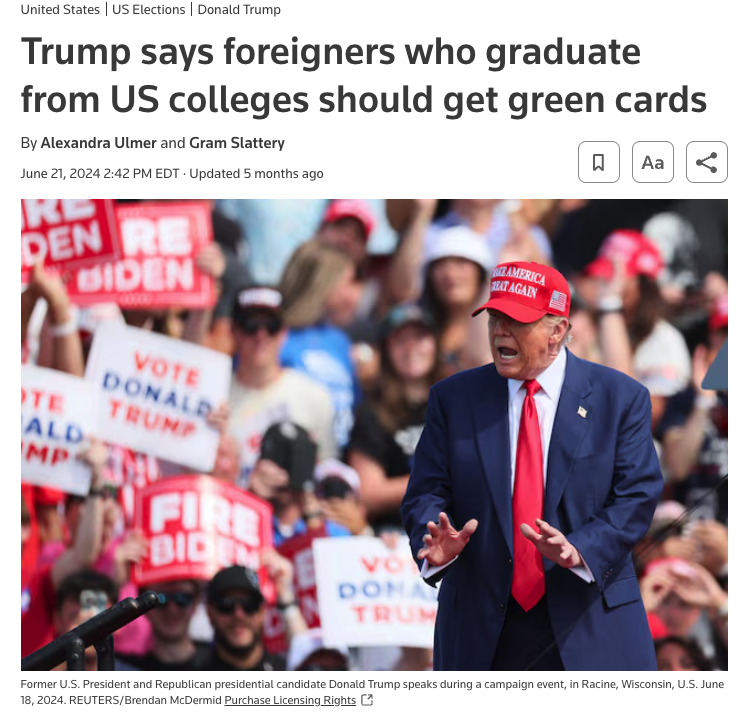
Trump often emphasized at campaign rallies that illegal immigrants endanger social security, take away American jobs and public resources, and are "poisoning the blood of our country." During his term, he ordered the construction of a border wall on the US-Mexico border and imposed a travel ban on people from Muslim-majority countries.
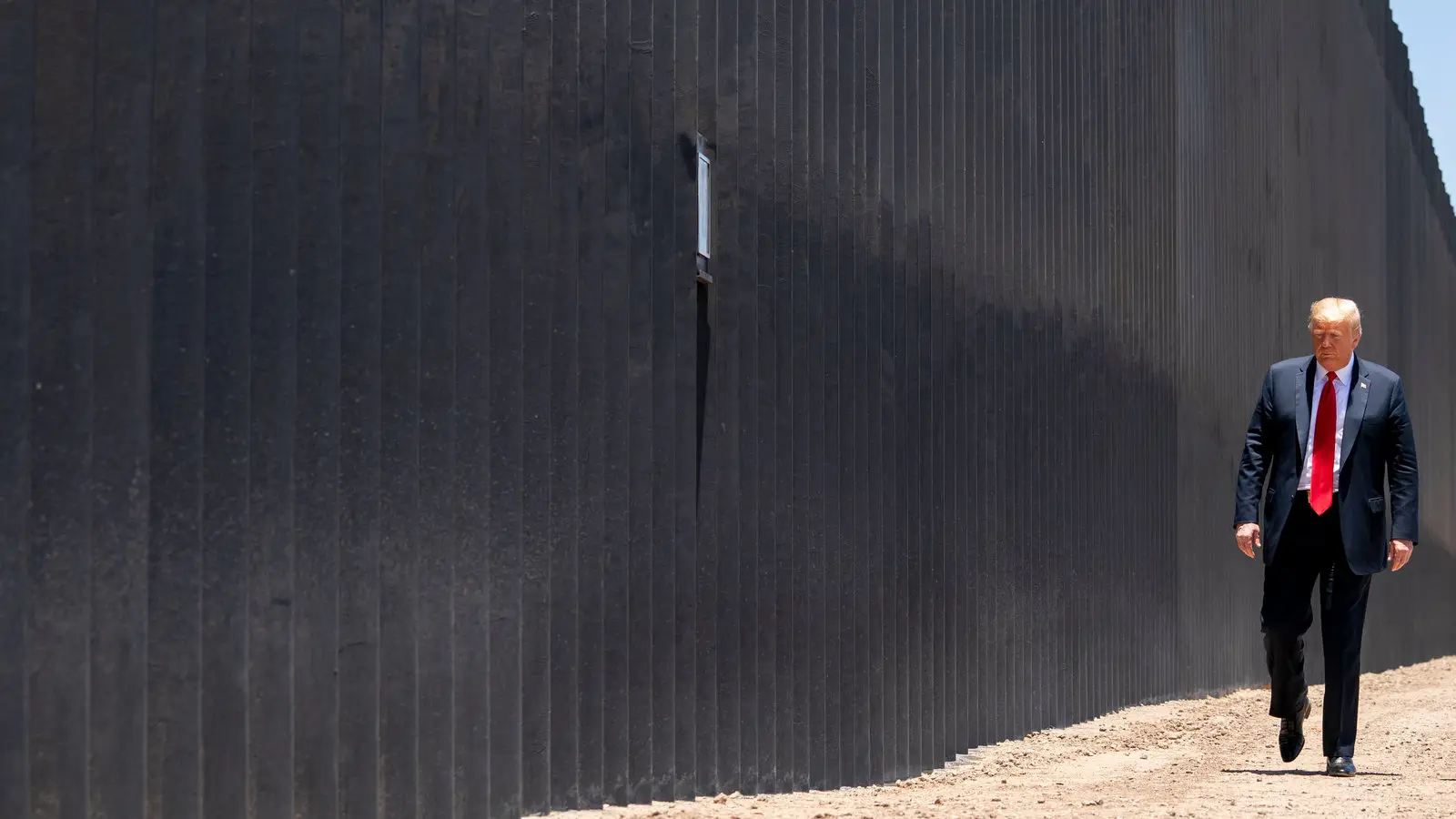
Although the Democratic Party's traditional stance is more open and inclusive toward immigration, its highest priority remains addressing the issue of illegal immigration. The real help for international students and high-tech talent does not seem to have been particularly evident during the Biden administration.
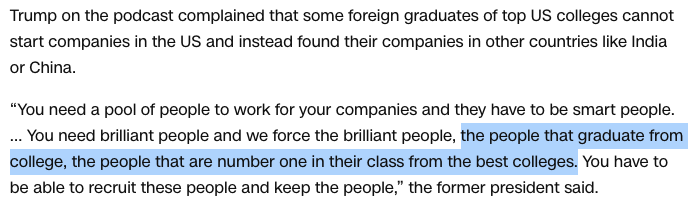
However, Trump has clearly adopted an ambiguous attitude toward talent introduction this year. In an interview, he complained that "foreign graduates of top American universities are unable to start companies in the US, but instead do so in other countries like India or China," and emphasized that American companies need "smart, exceptional talent," which includes outstanding international university graduates.
We can wait and see how many of Trump's pre-election promises will ultimately be fulfilled.
American Universities Always Stand with International Students
For years, China has been the largest source of international students for the US, making tremendous academic and economic contributions.
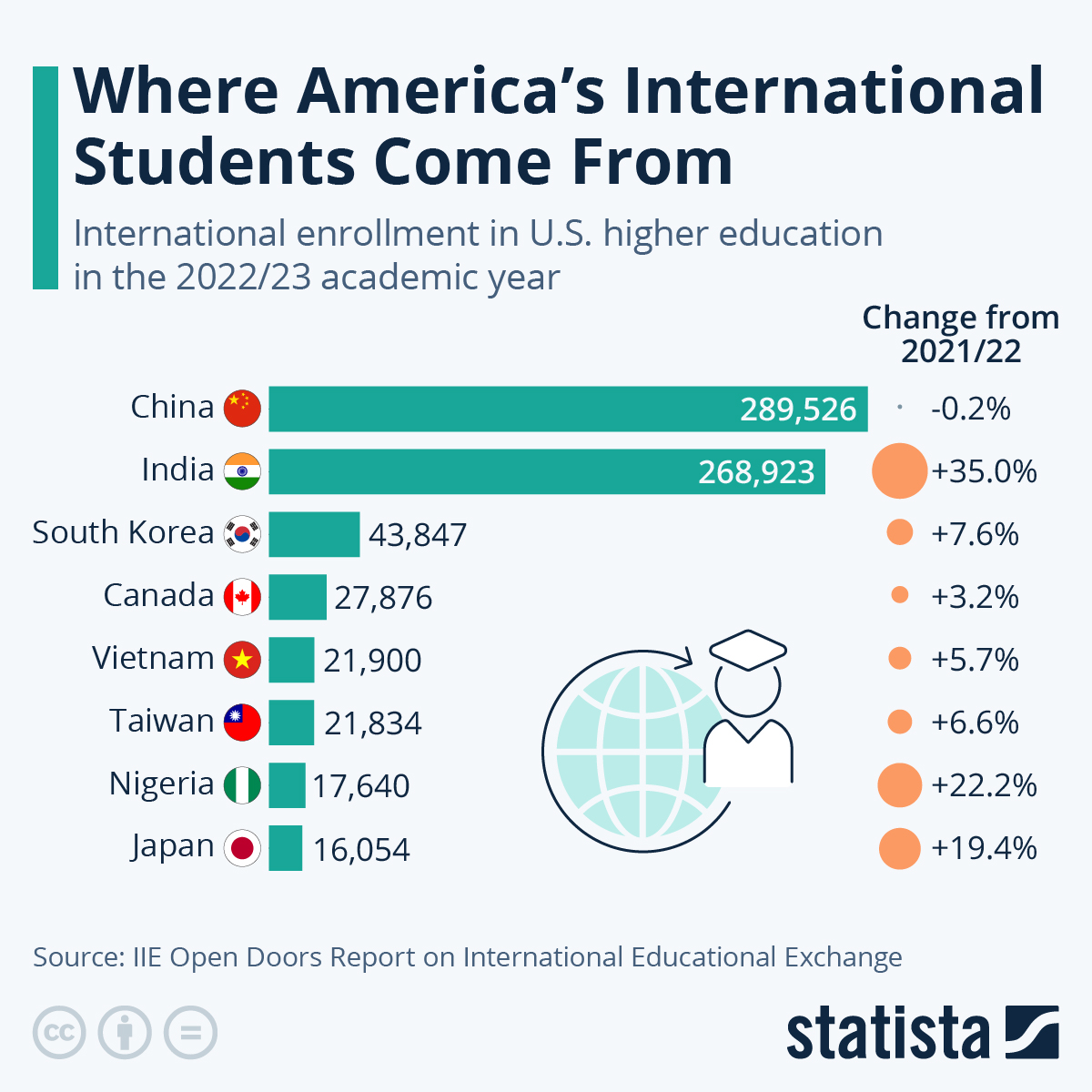
A significant portion of the financial revenue of American universities comes from international students, and combined with the multiculturalism that the American education sector itself advocates, it is destined that American universities always stand on the side of international students.
Since Trump took office in 2017, confrontations between American universities and his administration have been frequent. Universities have repeatedly supported and provided guarantees for the academic and career development of international students, effectively helping them navigate difficult times.
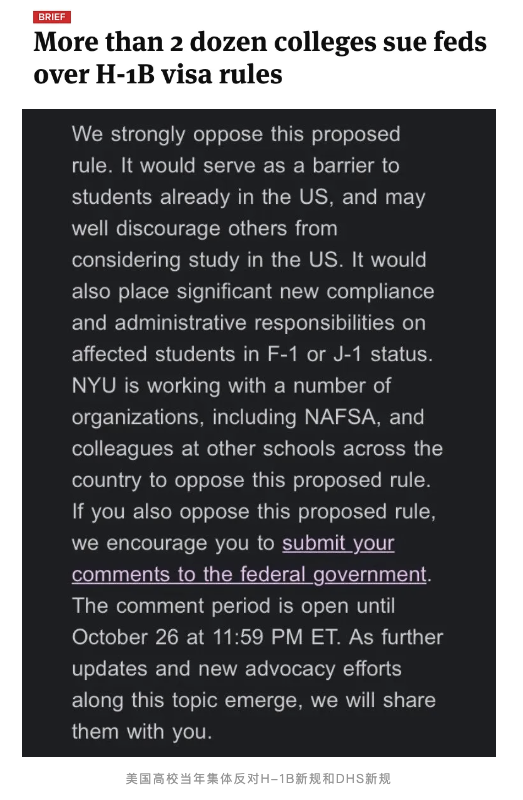
Having gone through those surreal years, universities are now more focused on safeguarding the legal rights of international students in the US, and can be said to be "battle-tested."
It is believed that in the future, American universities will continue to negotiate with the government, helping to revoke unfavorable regulations and policies for international students and continuously provide more favorable conditions.
Unstable Global Relations: Be Prepared to Adapt
Trump's return to power is truly just the tip of the iceberg for this year's volatile international relations.
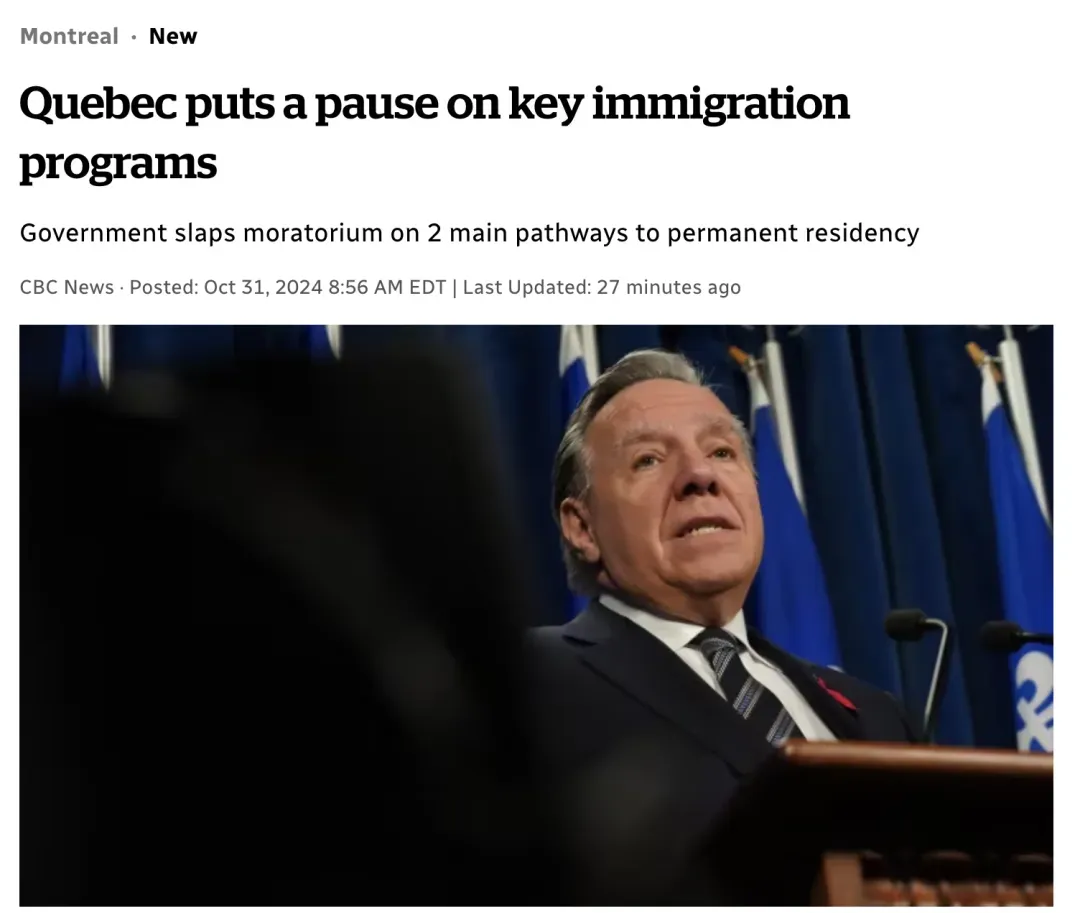
The Quebec government in Canada just suspended the two main permanent residency pathways for international students and economic immigrants. Canada-wide study and immigration policies are constantly tightening, with increasing application requirements and unfavorable policies for international graduates seeking immigration.
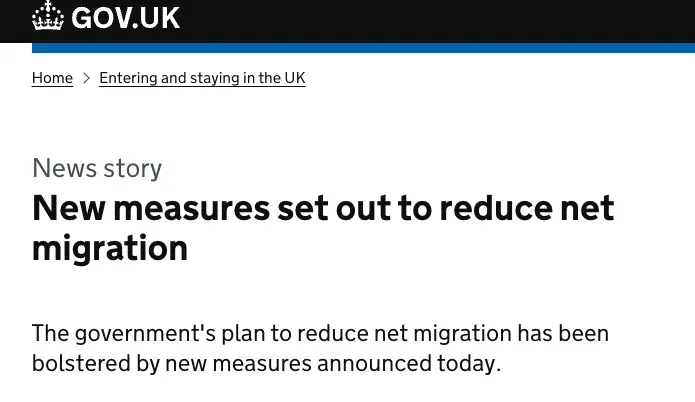
In September, the UK government officially announced that it will strictly control the situation of employers filling vacancies through overseas recruitment, further addressing the UK's long-term reliance on international recruitment. The difficulty for international students to stay and work in the UK after graduation continues to escalate.
Australian universities will significantly limit the number of international students starting in 2025. The cap on international students at the University of Sydney and the University of Melbourne will be reduced by 7%, and up to 300 independent colleges are expected to close. The outlook for studying in Australia is not optimistic.
.png)
Studying abroad is never as simple as just moving to another place. There are still many, many factors that international students need to consider.
Although the US election has some impact on international students, it will not determine everything in life.
It seems like just yesterday that we were studying online from home during the pandemic, and in the blink of an eye, policy situations around the world have undergone several rounds of updates and iterations.
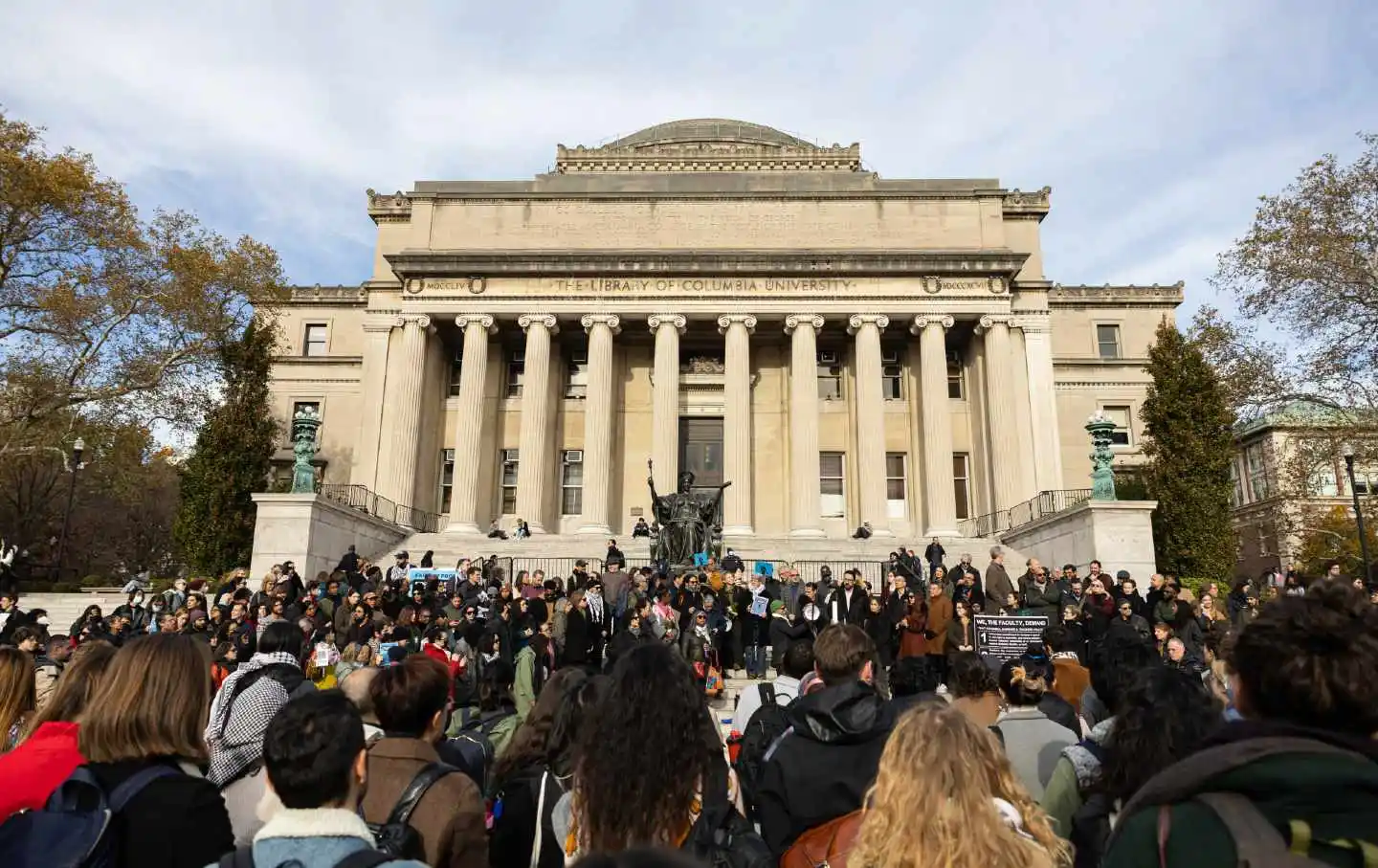
But it is precisely this rapidly changing global landscape, combined with the chaotic noise of social media, that can easily cause international students to lose their way in the short term.
CheersYou(清柚教育) advises everyone to maintain a calm mindset, plan reasonably, combining both short-term and long-term perspectives, and appropriately adjust their academic and career paths according to the policy situation.
Rather than being "fence-sitters," be steadfast and thoughtful thinkers, so as to create more possibilities for yourself.