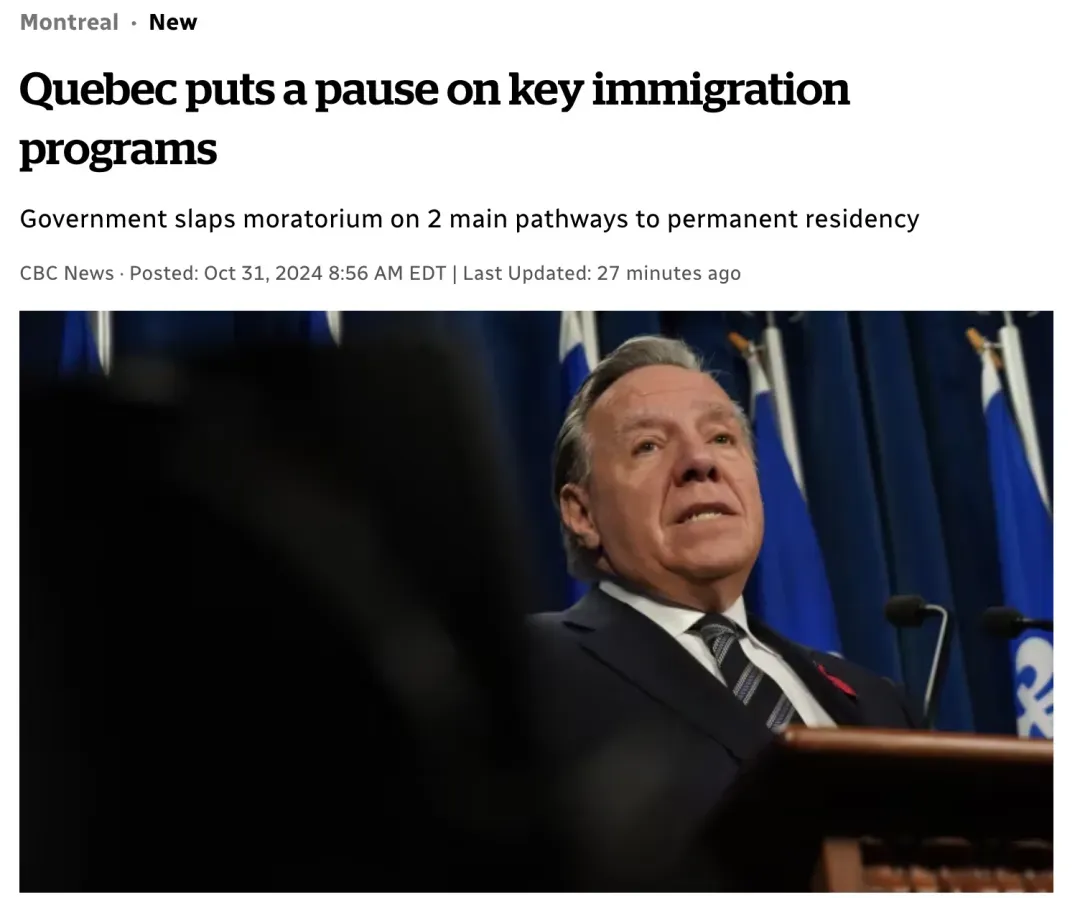
Canada's immigration policies have undergone another major shift: Quebec has officially suspended two popular pathways for international students to obtain permanent residency!
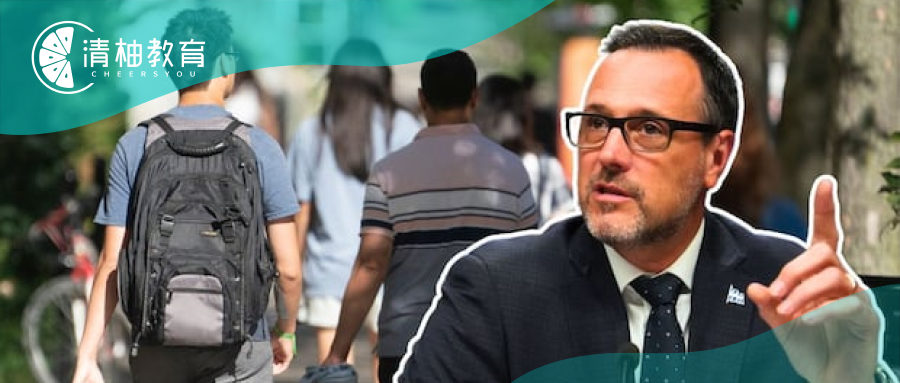
Recently, Quebec's immigration minister confirmed that in the coming months, the provincial government will stop issuing Quebec Selection Certificates (CSQ) to foreign students and economic immigrants applying under these two programs.
*CSQ is an important document in the immigration process.
Quebec Immigration Policy Reform
Quebec will suspend two popular pathways to permanent residency:
Regular Skilled Worker Program (RSWP)
Starting November 29, 2024, Quebec will no longer issue invitations, and individuals will not be able to submit permanent selection applications under the RSWP or the Skilled Worker Selection Program that will replace it.

Quebec Experience Program (PEQ)
Quebec will also suspend acceptance of applications under the "Quebec Graduates" stream of the Quebec Experience Program (PEQ). International students will temporarily be unable to obtain citizenship through this previously common pathway.

These measures will take effect on November 29, 2024, and are expected to last until June 30, 2025. Although this is only a temporary suspension, it remains unknown whether they will be restored after eight months.
However, the good news is that this temporary suspension will not affect applications that have already been submitted.
Why Quebec Is Drastically Changing Its Immigration Policies
Quebec has always stood out among Canadian provinces because it can independently control the number of skilled workers and immigrants it receives each year and strongly attracts Francophone immigrants.
Yet it is precisely this appeal that has led to a surge in applications, causing a massive backlog in Quebec's immigration system.
Secondly, Quebec plans to reduce the number of international students because some currently use private colleges as a fast track to citizenship.
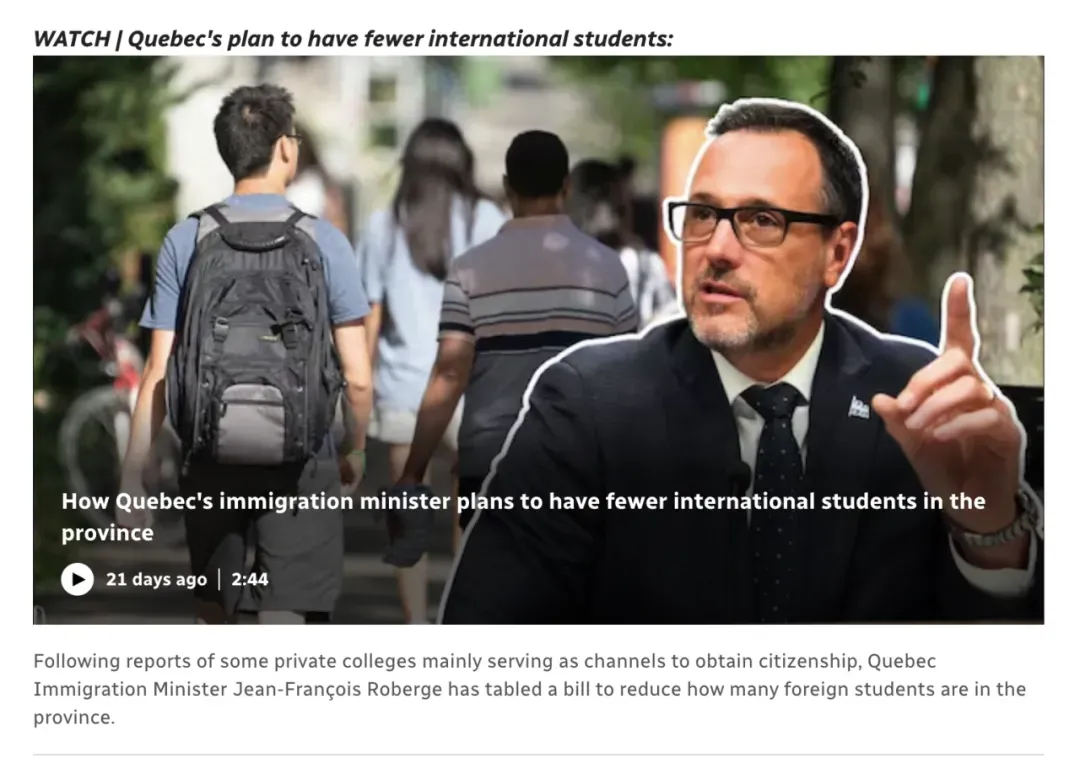
The decision to suspend these programs is primarily aimed at addressing the current backlog and reassessing existing policies to ensure a balance between immigration numbers and the system's carrying capacity in the future.
After the suspension of PEQ, it is expected that a large number of people will choose the federal Express Entry (EE) French pathway, and competition in the EE French pathway is bound to intensify.
However, international students in Quebec cannot apply directly through EE, so if they want to immigrate via a federal pathway, they must first move out of Quebec.
Canada's Immigration Policies Continue to Tighten
Not only Quebec, but Canada's overall immigration policies have been continuously tightening this year, and there are increasingly more unfavorable policies and higher thresholds for international students seeking to immigrate after graduation.
Canada Ends Uniform Issuance of 10-Year Visas
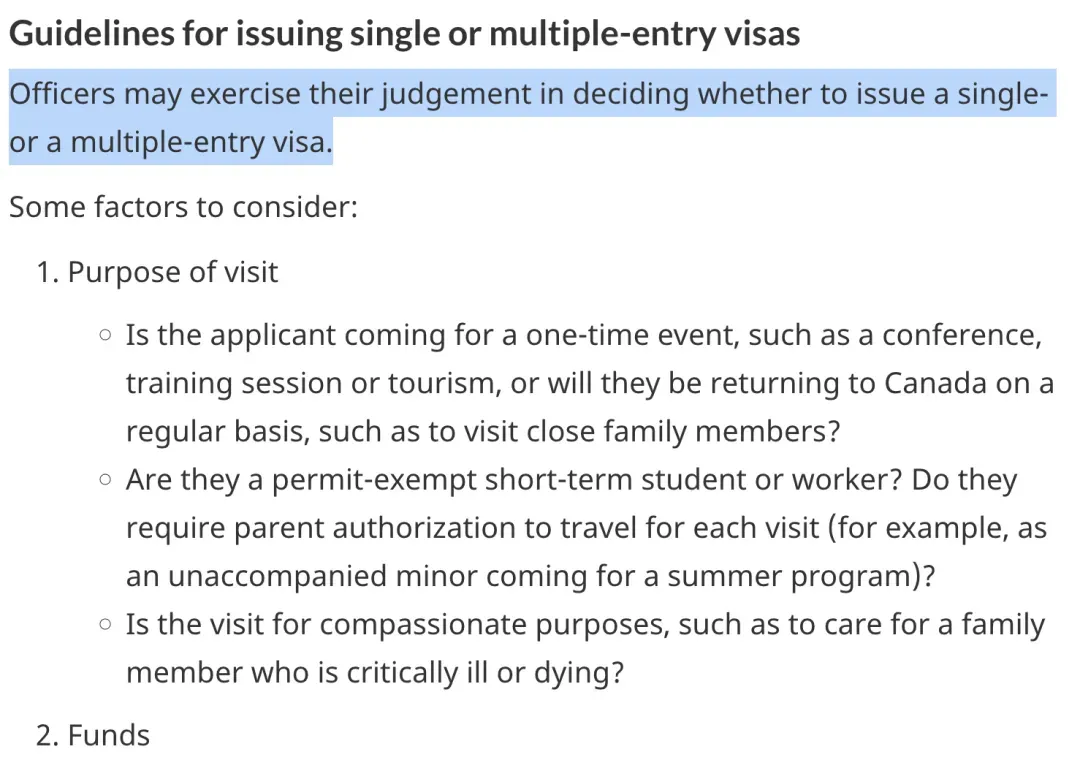
In November, to control immigration and reduce the number of temporary residents, the Canadian government will no longer issue ten-year tourist visas.
The new rules state that Canadian immigration officers may decide at their discretion whether to issue single or multiple entry visas and the duration of those visas.
2025 Immigration Target Cut by 21%
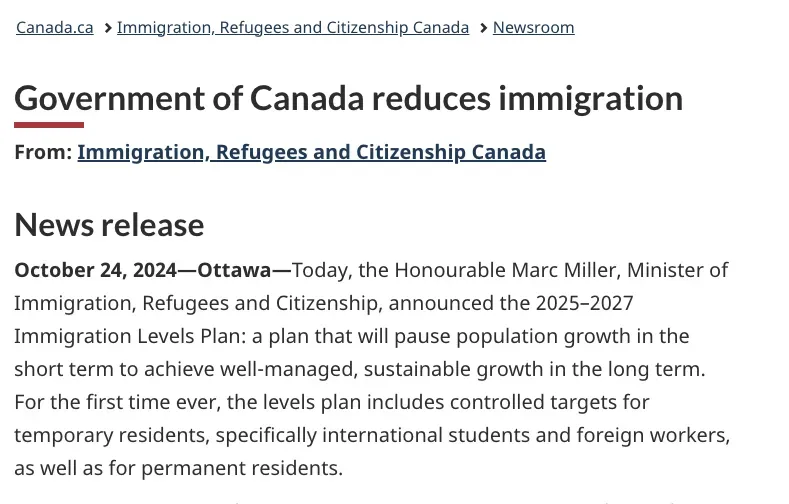
At the end of October, Canada released the "2025-2027 Immigration Levels Plan," planning to cut immigration targets by 21% in 2025.
Canada will control the number of temporary residents, especially international students and foreign workers, and gradually reduce permanent resident admission targets:
-
Over the next three years, the government plans to reduce permanent resident admissions: 395,000 in 2025, 380,000 in 2026, and 365,000 in 2027;
-
In 2025, the federal Express Entry (EE) priority occupation categories will be reduced from six to three: healthcare, trades, and French proficiency, removing STEM, agriculture, and transportation;
-
Provincial Nominee Program (PNP) quotas will be halved, reduced by 55%, from 110,000 per year to 55,000 per year.
In September, the Canadian government reformed the International Student Program, tightened eligibility requirements for temporary foreign workers, and other measures to help control the growth in the number of temporary residents and address labor market weakness.
Study Permit Caps Further Reduced, Scrutiny Tightened
In 2025, the number of study permits issued in Canada will be reduced by another 10% from this year, to 437,000.

Master's and doctoral students will be included in the overall study permit cap, and they must also submit a provincial or territorial attestation letter (PAL/TAL) to prove the authenticity of their application.

Post-Graduation Work Permit Reform Requires Language Proficiency First
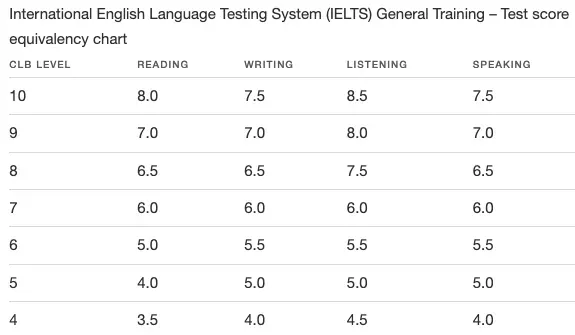
Starting November 1, 2024, all applicants for the Post-Graduation Work Permit (PGWP) must meet minimum language requirements to obtain the permit.
.png)
University graduates need to achieve Canadian Language Benchmark (CLB) Level 7 (equivalent to IELTS 6 in each band), while college graduates need CLB Level 5.
End of BC Provincial Nominee Program Master's and PhD Stream
In March, the Canadian government announced the new BC Provincial Nominee Program (BC PNP) policy, overhauling the old policy that allowed for nearly guaranteed permanent residency through study.
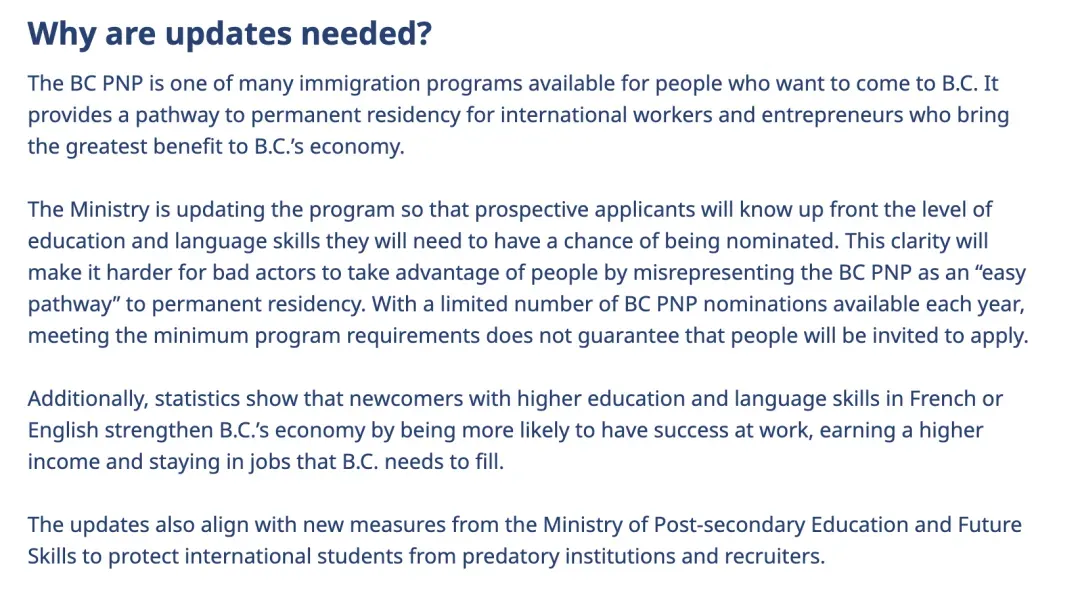
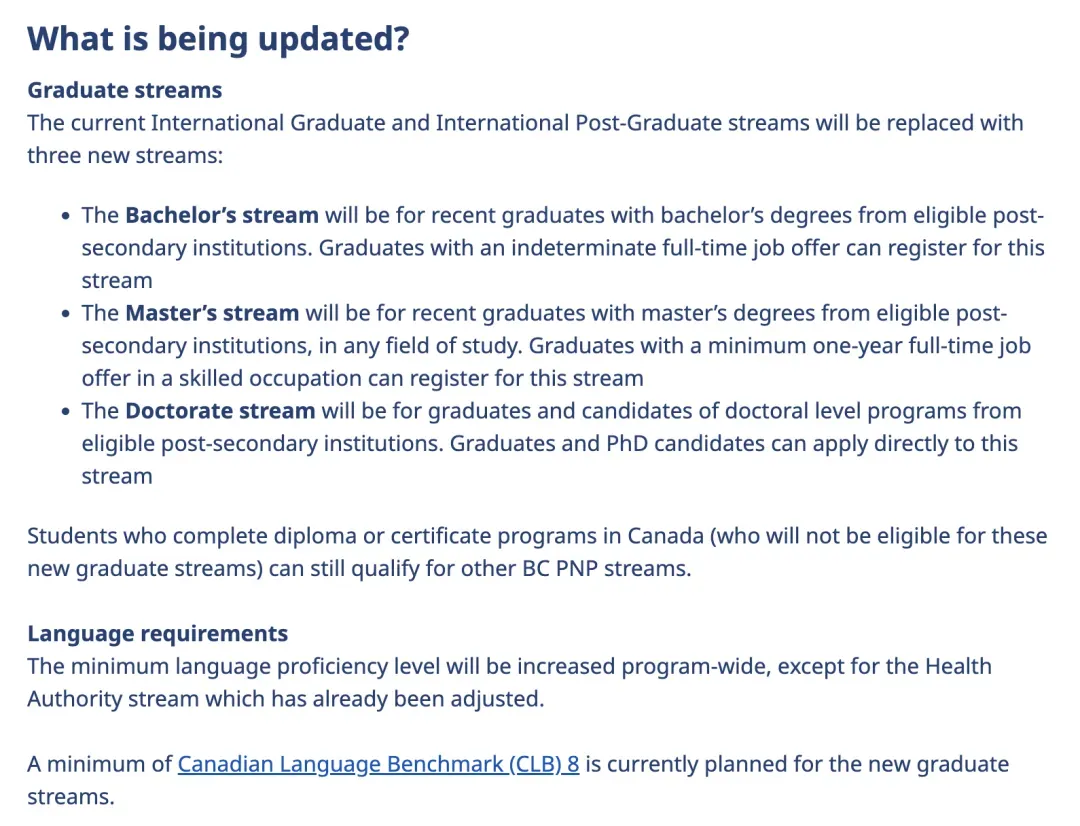
The original BC PNP Master's and PhD stream has been officially cancelled, replaced by three new streams effective from January 2025:
Bachelor’s Stream: For recent graduates with a bachelor's degree from an eligible institution and a full-time job offer.
Master’s Stream: For recent graduates with a master's degree (any field) from an eligible institution and at least one year of skilled full-time job offer.
PhD Stream: For PhD graduates and candidates from eligible institutions, who can apply directly under this category.
Graduates with diplomas or certificates will be excluded from the new BC PNP graduate streams.
Additionally, all applicants under the new BC PNP will need to meet higher minimum language requirements, at least CLB Level 8.
It is evident that Canada aims to reduce immigration numbers through stricter selection, especially by controlling international students and temporary workers, in order to attract high-quality talent that aligns with national economic goals.
With Policies Changing Daily, What Should I Do?
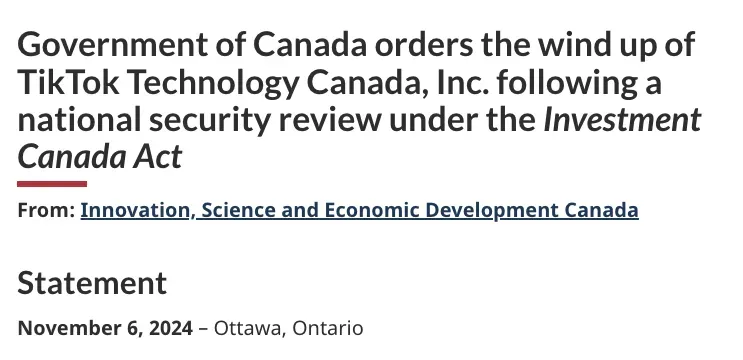
Last week, the Canadian government also abruptly ordered the closure of TikTok's operations in the country, increasingly focusing on data security concerns with foreign enterprises.
The policy situation in Canada can be described as changing day by day, to the point that even local professors are telling international students to "get out" and not come to Canada.

Due to uncertainties such as local policies and economic conditions, many people are no longer holding a rigid attitude when considering study and employment options.
For instance, many students are now considering multi-country applications to reduce risk and no longer "put all their eggs in one basket."
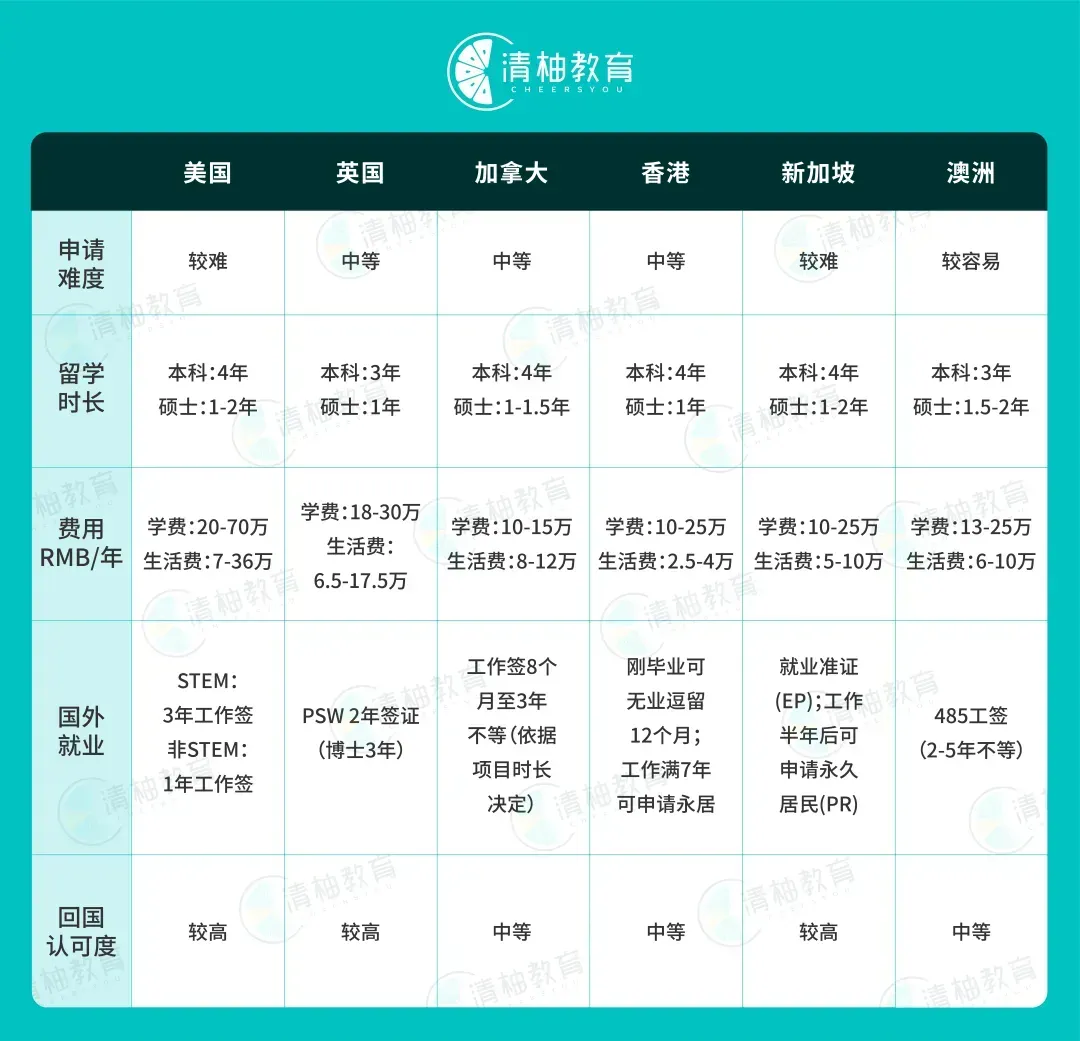
Studying abroad has a profound impact on personal growth and the future. When choosing a study destination and major, you should make decisions based on your own circumstances, avoiding blindly following trends without considering reality.
Different countries/regions and universities/majors each have their own strengths and weaknesses; there is no perfect option, only the right decision.
The new application season is underway. We wish everyone success in securing admission to their dream school!