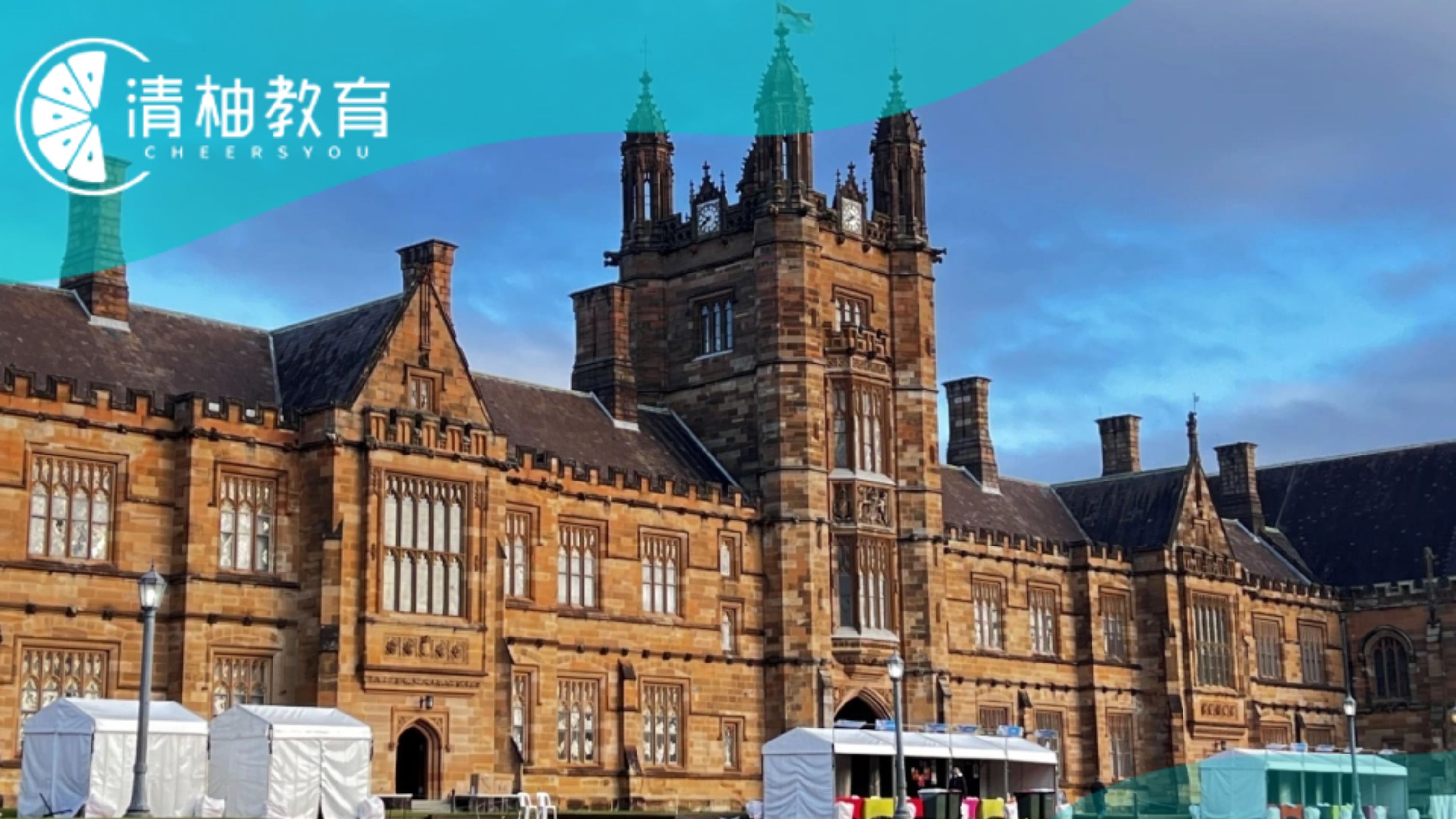
As Australia’s oldest higher education institution, the University of Sydney’s Master of Interaction Design and Electronic Arts (MIDEA) program, with its “art + technology + design” tripartite education model, has consistently ranked at the top of the QS World University Rankings by subject. Led by the School of Design and Arts, the program focuses on user experience (UX), digital media technology, and interactive system design, cultivating interdisciplinary talents capable of solving complex problems at the intersection of business, culture, and technology. The graduate employment rate exceeds 90%, with an average starting salary of AUD 70,000, and international students can leverage Sydney’s locational advantages to access globally leading technology and creative industry resources. Below, we will elaborate in detail from four aspects: program introduction, curriculum, admission requirements, and career development prospects. For more details and any graduate application questions, you can also scan the QR code below for one-on-one consultation.
1. Program Introduction: Interdisciplinary Innovation and Practical Integration
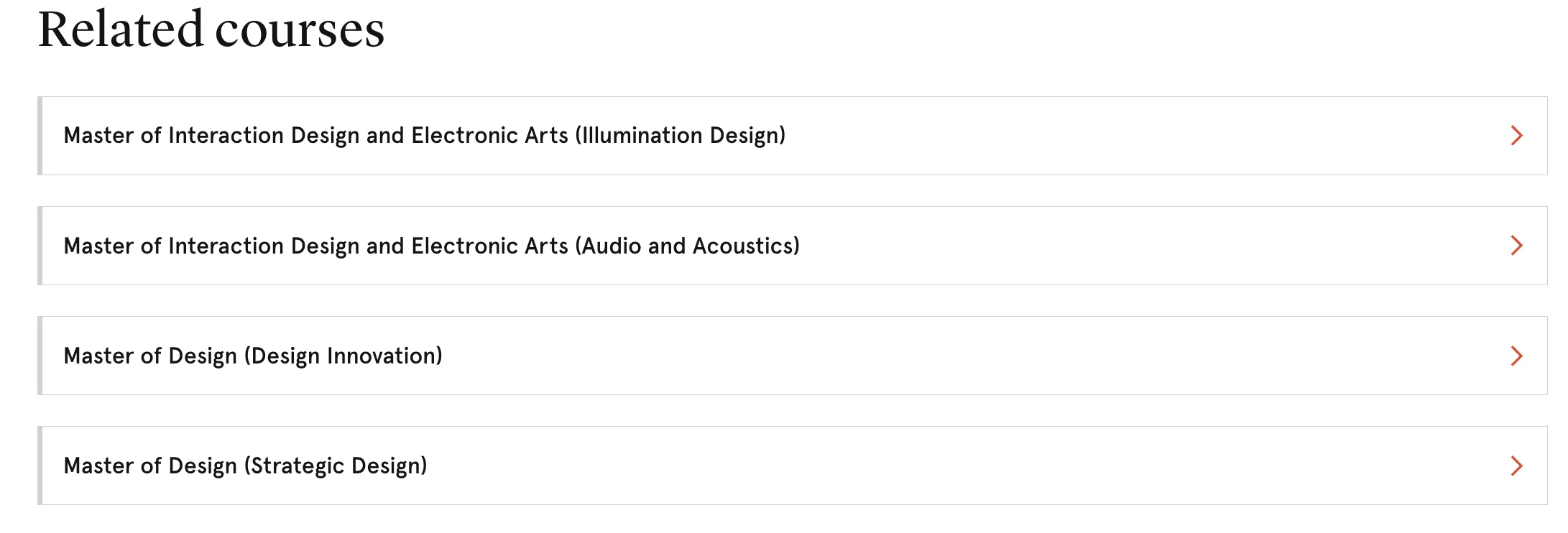
The University of Sydney’s MIDEA program centers on technological innovation and humanistic care, exploring multi-dimensional interaction design from wearable devices and mobile apps to smart buildings. The program offers flexible study durations, including a 1.5-year standard track and a 2-year specialized track (with audio and acoustics, and lighting design concentrations), allowing students to choose based on their career goals.
-
Core Advantages:
-
Interdisciplinary Curriculum: Integrates computer science, digital art, and design thinking, covering areas such as user experience design, data visualization, and creative programming.
-
Practice-Oriented Learning: Through collaborative design studios, technical workshops, and industry internships (e.g., projects with Alibaba and Tesla), students directly engage in real business case development.
-
State-of-the-Art Facilities: Equipped with interaction labs, multimedia studios, and 3D printing equipment, enabling students to freely realize full-process innovation from concept prototypes to product realization.
-
Flexible Career Paths: Graduates can pursue careers as interaction designers, user experience researchers, digital artists, or startup founders, covering fields such as technology, entertainment, and architecture.
-
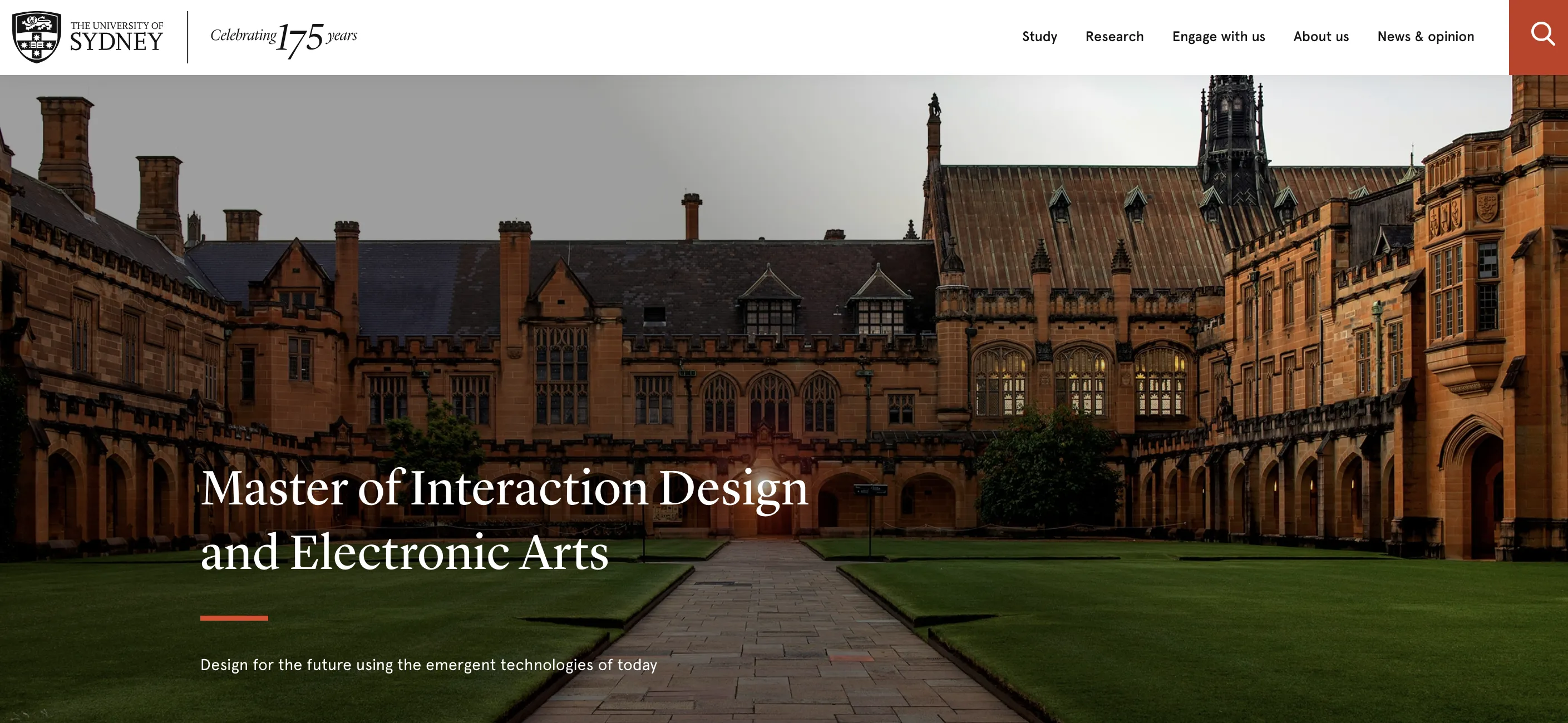
Official link: “https://www.sydney.edu.au/courses/courses/pc/master-of-interaction-desig...
2. Curriculum: Full Coverage of Theoretical Depth and Industry Needs
The curriculum is divided into core courses, specialization electives, and capstone projects, requiring a total of 72 credits (1.5-year track) or 96 credits (2-year track), emphasizing technical application and critical thinking:
-
Core Courses:
-
Interaction Design Theory and Practice: Learn design thinking, user research methods, and prototyping, covering design for web, mobile apps, and AR/VR platforms.
-
Electronic Arts and Digital Media: Explore digital painting, interactive installations, and generative art, using tools like Processing and Arduino for creative practice.
-
Data Visualization and Information Design: Transform complex data into visual narratives, applying tools like Tableau and Python to optimize information communication efficiency.
-
-
Specialization Courses (2-year track):
-
Audio and Acoustics: Study digital sound design, acoustic system modeling, and interactive audio applications, suitable for talent in the gaming and entertainment industries.
-
Lighting Design: Focus on intelligent lighting systems and architectural light environment design, combining IoT technology to develop sustainable solutions.
-
-
Practical Modules:
-
Capstone Project: Team collaboration to solve real-world challenges from companies or labs, such as developing health monitoring wearable devices or smart city interaction systems.
-
Industry Internship: Recommendations for placements in technology companies (e.g., Atlassian), design studios, or art institutions to gain hands-on experience.
-
3. Admission Requirements: Valuing Diverse Backgrounds and Creativity
-
Academic Background:
-
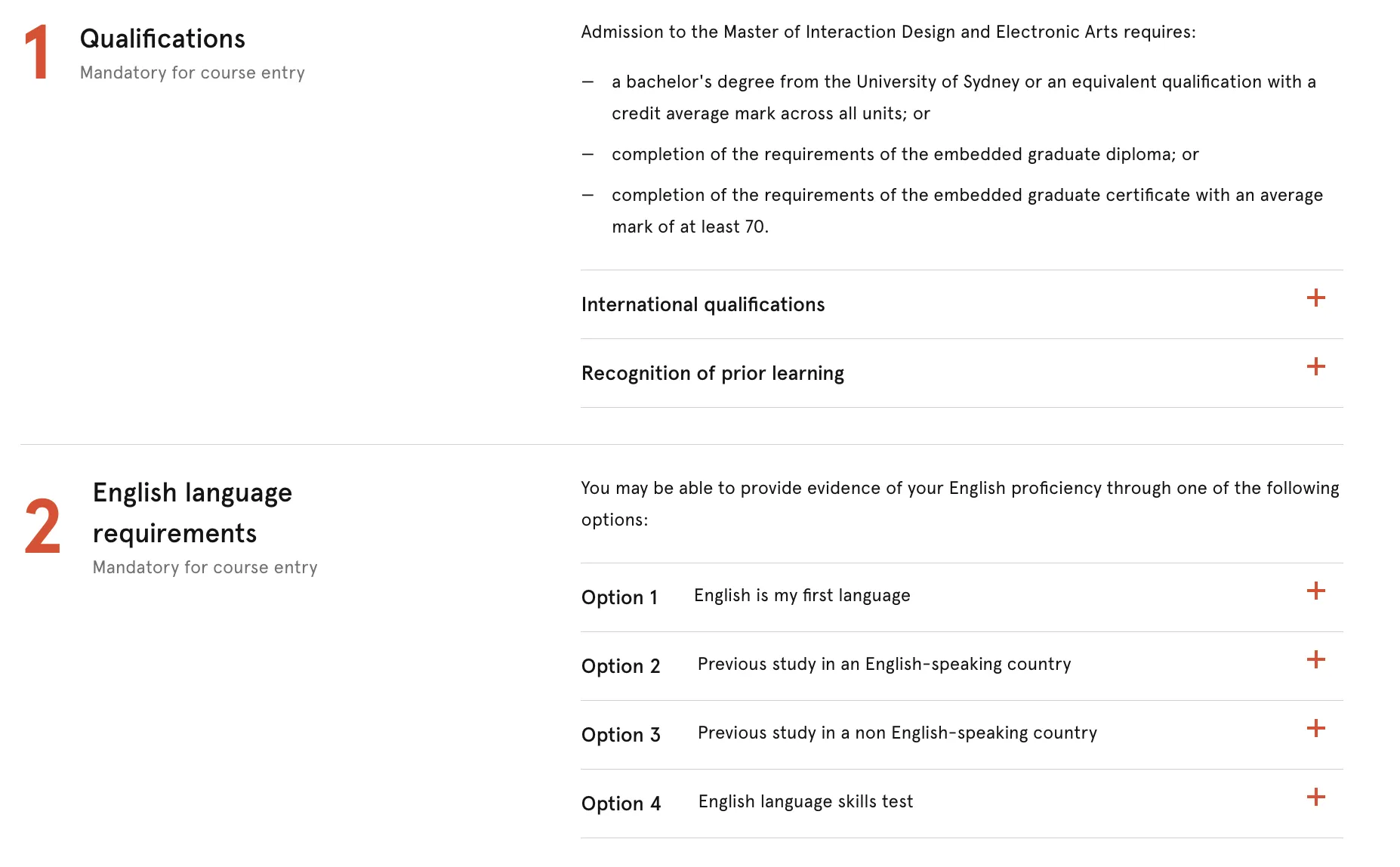
Undergraduate degree in any field, but must demonstrate design/art/technology-related abilities.
-
Grade Requirements: 211/985 institutions 75%+, non-211/985 institutions 80%+.
-
-
Standardized Tests:
-
Language: IELTS overall 7.0 (no band less than 6.0) or TOEFL 96 (writing 19, other sections 17+).
-
Portfolio: Submit a PDF file (within 10MB, 20-40 pages), including 4-6 projects, demonstrating design process, user research, and technical implementation skills.
-
-
Application Materials:
-
Personal statement (explaining interdisciplinary interests and career plans).
-
2 letters of recommendation (recommended combination of academic advisor and industry recommender).
-
Transcripts (must be verified by an accreditation agency).
-
-
Deadlines: Intakes in February and July; it is recommended to submit applications 3-6 months in advance.
4. Career Development Prospects: A Key Springboard to Tech and Creative Industries
Graduates, with their combined “technology + art” background, are among the most competitive in Australia job market:
-
Industry Distribution:
-
Technology and Internet: Google, Microsoft, Atlassian, working as UX designers or product managers (average annual salary AUD 80,000-120,000).
-
Digital Arts and Entertainment: Participate in film special effects production, game interaction design, or digital curation in art museums.
-
Architecture and Smart Cities: Develop interactive lighting systems or sustainable urban solutions.
-
-
Career Support:
-
Alumni Network: Spanning Silicon Valley, London, and the Asia-Pacific region, providing internal referrals and career guidance.
-
Geographic Advantage: Sydney, as a tech hub in the Asia-Pacific, hosts over 200 multinational R&D centers, offering abundant internship and full-time opportunities.
-
The Master of Interaction Design and Electronic Arts at the University of Sydney, with its top interdisciplinary resources, practice-driven curriculum, and high industry recognition, is a strategic choice for talents in the digital innovation field. Whether leading UX innovation or delving into the frontiers of digital art, the University of Sydney provides a global perspective and an outstanding platform for career advancement.
In the 25fall application season, CheersYou(清柚教育) students have also received offers for this program. If you would like to learn about application timelines and backgrounds, more admission cases, or other study abroad and graduate application questions, you can also add the contact information of CheersYou(清柚教育) consultants below for more details.