USCIS just announced that, starting April 9, 2025, it will scrutinize the social media information of foreign nationals.
If "antisemitic activities" or "personal harassment of Jewish individuals" is detected, it will be considered grounds to deny any immigration application.
This policy will immediately affect green card applicants, foreign students, and foreign nationals associated with antisemitic educational institutions.
Source: USCIS
Since 2023, Trump has repeatedly vowed to revoke the visas of international students who participate in pro-Palestinian protests and criticize Israel's military actions.
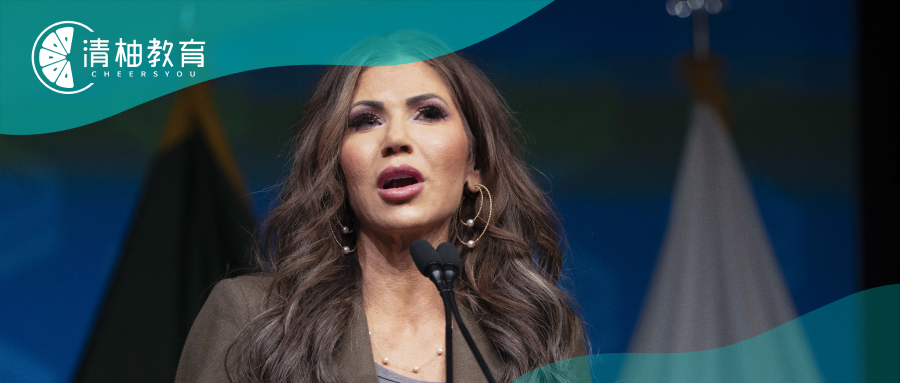
Although the First Amendment of the U.S. Constitution guarantees free speech, the Secretary of Homeland Security has made it clear: "Anyone who thinks they can come to America, hide behind the First Amendment to advocate antisemitic violence and terrorist content—think again. You are not welcome here."
In the past month, the Trump administration has adopted increasingly aggressive immigration enforcement measures, and several high-profile cases have sparked widespread concern and anxiety among U.S. immigrant communities.
-
Columbia University graduate Mahmoud Khalil, a U.S. permanent resident with no criminal record, now faces deportation and green card revocation for leading pro-Palestinian protests at Columbia last year.
Source: NYTimes
-
Tufts University doctoral student Rumeysa Ozturk, a Turkish national, was arrested by immigration officials near her residence after publishing an article supportive of Palestine in The Tufts Daily.
-
Brown University professor Dr. Rasha Alawieh, on an H-1B visa, was deported upon arrival in the U.S. because her phone contained photos of a Hezbollah leader.
Out of dissatisfaction with "antisemitism" on campuses, the Trump administration has since February frozen massive funds to elite U.S. institutions such as Cornell, Northwestern, Columbia, and Brown, triggering an unprecedented financial crisis in American higher education.
Source: Reuters
It's Not the First Time Social Media Misconduct Has Been Severely Punished
Vetting foreign applicants through social media is not new. When filling out the DS-160 form, applicants are already asked to provide social media account information.
Source: CEAC
Previously, it was revealed that U.S. law enforcement agencies had long been monitoring domestic and international phone calls and internet usage to collect data on ordinary Americans. Social media screening is simply an overt example of this practice.
Not only U.S. law enforcement, but also American universities have taken severe disciplinary actions against applicants for sensitive remarks on social media.
In 2022, a Columbia University graduate school admit had their admission rescinded after posting an inappropriate comment on WeChat regarding a New York subway shooting: "Finally going to the U.S., buy a gun and shoot Americans." The statement was deemed a violent threat and a serious violation of university policy.
Source: Internet
In 2020, UCLA student Secor posted hate speech on social media and was allegedly involved in a riot, leading to direct arrest.
Source: NPR
In 2019, Harvard admit Kashuv had his offer rescinded after it came to light that he had edited a Google Doc class-shared file with a racially discriminatory comment during high school.
Source: Internet
Exercise Caution on Social Media
Currently, the Israeli-Palestinian conflict is an extremely sensitive topic for the U.S. government. Any content that suggests endorsement, approval, advocacy, or support for antisemitic terrorism, antisemitic terrorist organizations, or other antisemitic activities will be considered a negative factor subject to the discretion of U.S. law enforcement.
For international students, the internet is not a lawless space—be prudent in your social media use.
Do Not Make Extremist Jokes
While studying abroad, not every joke is off-limits, but jokes involving violence, war, or bombs can easily be interpreted as terrorist tendencies and may trigger investigations by schools or the government.
Source: Oxfordsd
Avoid Discriminatory and Hate Speech
The so-called "freedom of speech" abroad is not absolute. Inappropriate remarks on sensitive topics, including but not limited to hate speech or discrimination based on race, gender, religion, or region, are not protected.
Protect Personal Privacy
When using social media, safeguard your personal privacy and avoid sharing traceable details such as home address or workplace. Guard against potential harm even if you mean none.
Living and working abroad, foreign nationals may inadvertently violate regulations due to unfamiliarity with local culture or law. Especially during sensitive periods, they may become easier targets.
Amid a turbulent and interconnected international landscape, we hope everyone will think before speaking and avoid trouble that stems from careless words.