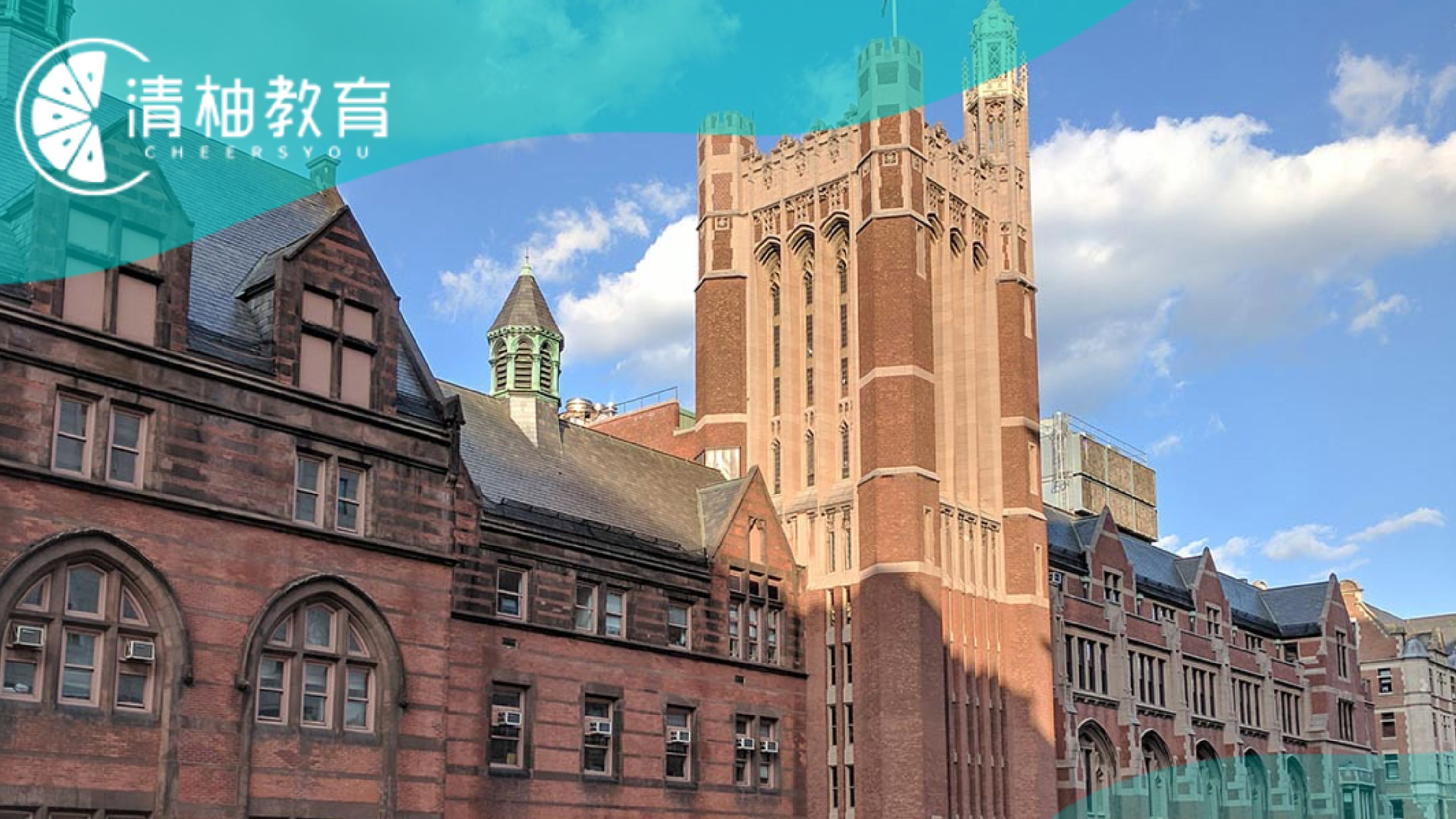
The Master of Science in Learning Analytics program offered by Teachers College, Columbia University, aims to equip students with quantitative methods from computer science, statistics, and cognitive science to analyze the vast amounts of data generated in online and digital learning environments, thereby driving improvements in educational practice and policy. Combining theoretical learning with practical application, the program is suitable for professionals seeking to develop in fields such as educational technology, data analysis, and education policy. Below, we elaborate from four aspects: program introduction, curriculum, application requirements, and career development prospects. For more details and any questions related to graduate applications, scan the QR code below for a one-on-one consultation.
1. Program Introduction
-
Program Name: Master of Science in Learning Analytics
-
Affiliated College: Teachers College, Columbia University
-
Duration: Full-time one year, fall intake; part-time option available for working professionals.
-
Credit Requirements: A total of 32 credits.
-
Location: Columbia University's main campus in New York City, USA.
The program emphasizes developing students' capabilities in learning analytics and educational data mining methods, tools, and theories, covering related policy, legal, and ethical issues, and encouraging the application of learned methods to improve educational practice.
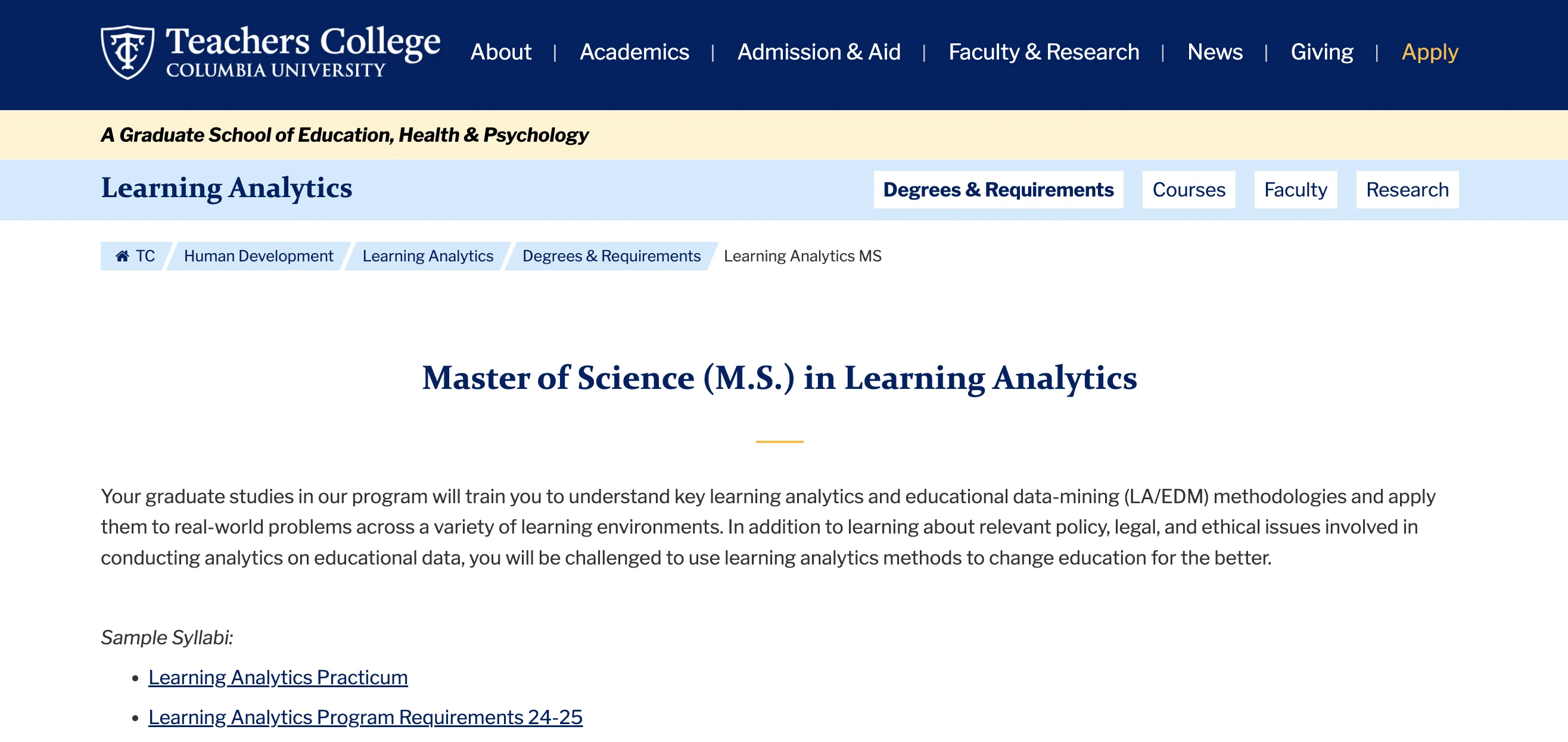
Official website: https://www.tc.columbia.edu/human-development/learning-analytics/degrees...
2. Curriculum
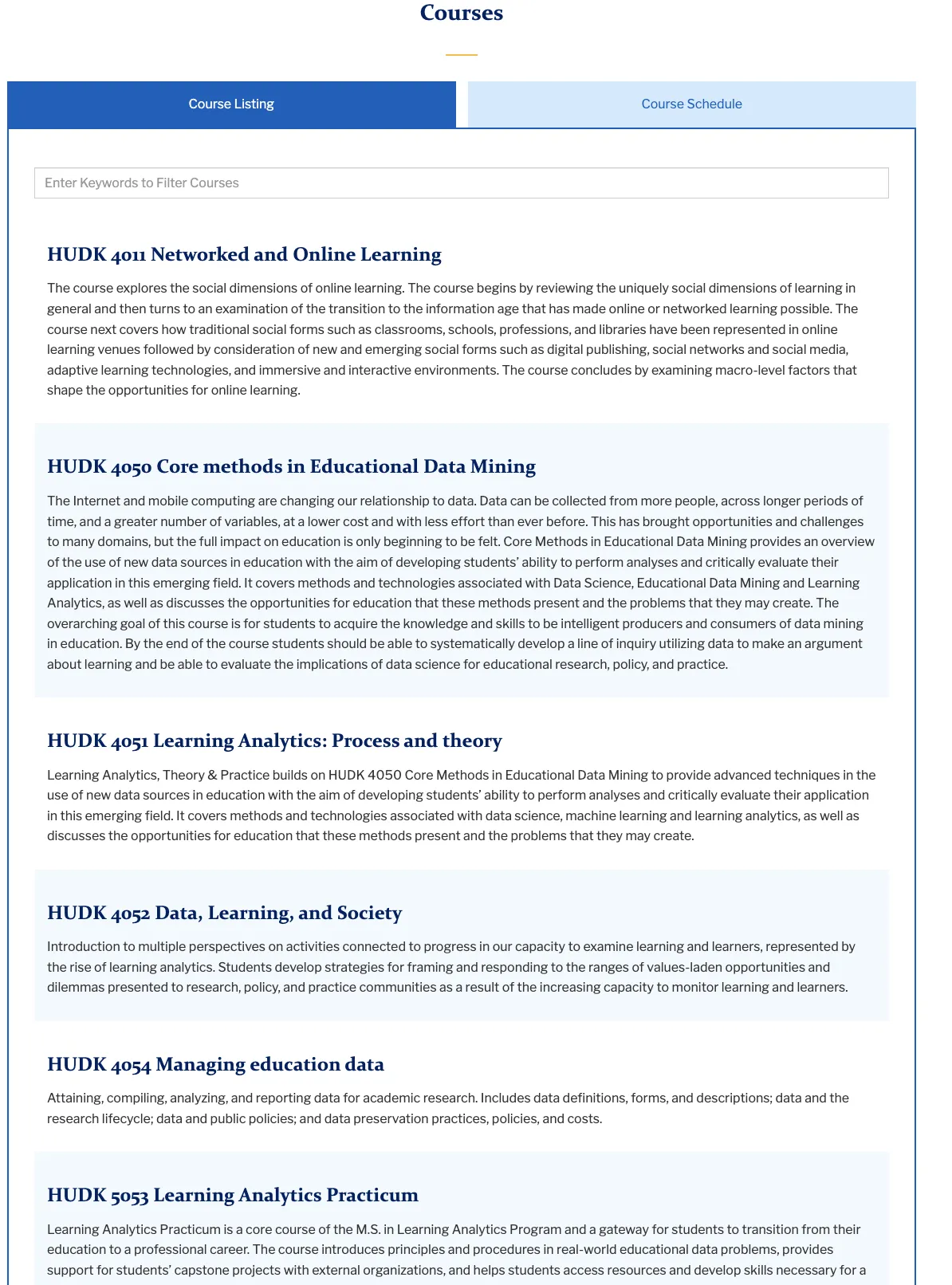
The curriculum of the Learning Analytics master's program is designed to provide comprehensive theoretical knowledge and practical skills. Core courses include:
-
HUDK 4050 Core Methods in Educational Data Mining: Introduces the use of new data sources in education, developing students' ability to analyze and critically evaluate.
-
HUDK 4051 Learning Analytics: Process and Theory: Building on HUDK 4050, provides more in-depth techniques, exploring methods and technologies in data science, machine learning, and learning analytics.
-
HUDK 4052 Data, Learning, and Society: Introduces multiple perspectives related to learning analytics, helping students develop strategies to address value opportunities and dilemmas faced by research, policy, and practice communities.
Additionally, students must complete the Learning Analytics Practicum, applying the knowledge gained to real-world projects.
3. Application Requirements
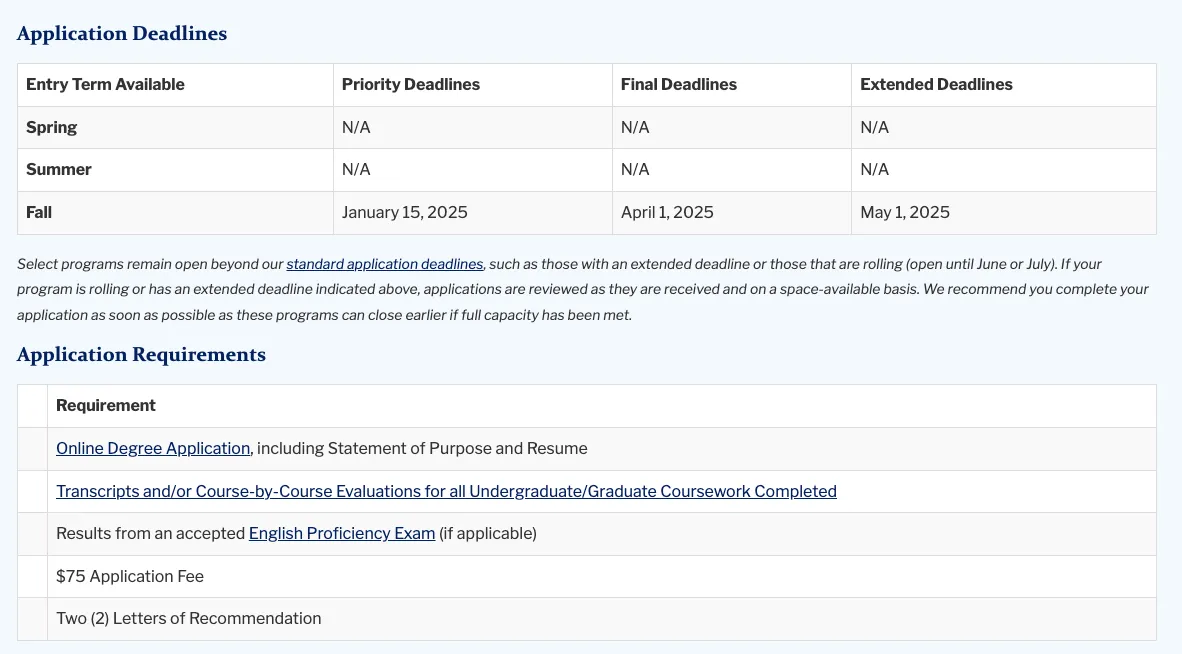
Basic application requirements for the Learning Analytics master's program include:
-
Degree Requirement: A U.S. bachelor's degree or international equivalent.
-
Language Proficiency: Non-native English speakers must provide proof of English proficiency, typically requiring a TOEFL iBT total score of at least 100 or an IELTS Academic overall band score of at least 7.0.
-
Other Materials: Including a personal statement, letters of recommendation, resume or curriculum vitae, and transcripts from all post-secondary institutions attended.
Applicants should ensure the authenticity and completeness of all materials to enhance their chances of admission.
4. Career Development Prospects
Graduates of the Learning Analytics master's program enjoy broad career prospects in educational technology, data analysis, and policy-making. According to the program's official information, graduates can pursue relevant work in the following areas:
-
EdTech companies and startups.
-
Educational assessment organizations.
-
Education think tanks.
-
Data analysis teams in municipal, state, and federal education departments.
Additionally, the program organizes an annual Learning Analytics Capstone Expo, providing students with the opportunity to showcase their project results and network with industry professionals.
In the 25fall application season, CheersYou(清柚教育) students also received offers for this program. If you want to learn about application timelines and backgrounds, as well as more admission cases and questions related to studying abroad and graduate applications, you can also add the contact information of the CheersYou(清柚教育) admissions team below to learn more.