If you ask, “Which offers better value, a ¥500K annual salary in Shanghai or a $200K annual salary in the Bay Area?" you first need to clarify which bay area.
On Zhihu’s Bay Area topic, an annual income of $200K is probably below the poverty line and barely survivable.
For example: with a $300K salary, only $170K is left after taxes; you can’t even afford to buy fruit for your child and have to go back to your car to cry.
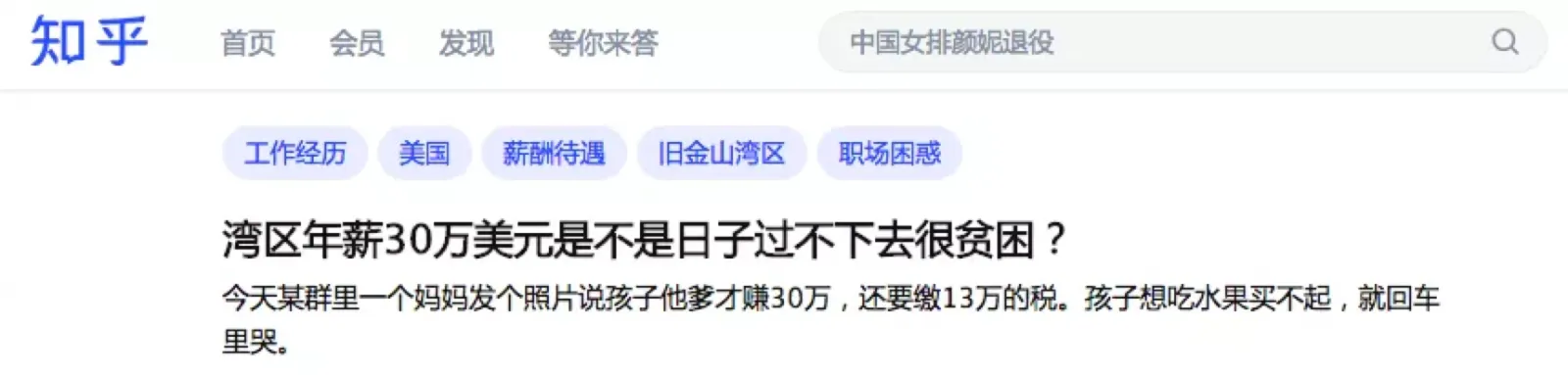
So with $200K you'd probably just be homeless in San Francisco.
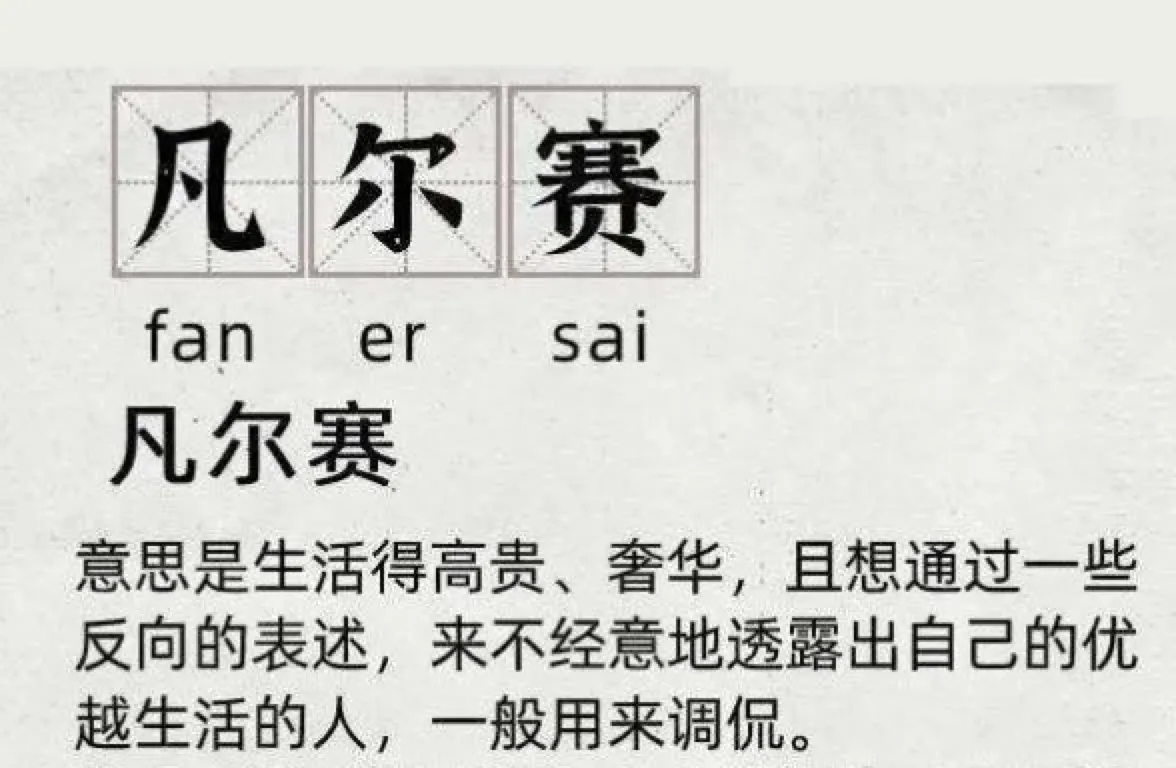
If Douban has its “wanxue” (the study of a socialite), Weibo has “mengxue” (the study of a show-off), then Zhihu has “bo-ology” (the art of humblebragging). A typical bo-ologist’s daily life consists of:
-
I already have several million in my account, but I still feel it’s not enough to retire.
-
I earn a million dollars a year—is it too arrogant of me to buy a house worth over ten million?
-
How much net worth do you think is needed to achieve financial freedom?
A. 1 billion B. 10 billion C. As much as Elon Musk
Of course, if you often browse 1Point3Acres (a popular Chinese immigrant forum), it’s usually the same style: everyday talk of buying houses and trading crypto, with monetary units starting at a million.
This reminds me of a joke from childhood: a rich kid says, “My family is very poor—my driver is poor, my nanny is poor, in short, my whole family is poor.”
As for actual Bay Area residents in the U.S., while a $200K salary won’t make you rich beyond dreams, it can certainly provide a comfortable life and cover mortgage payments without too much stress.
Of course, it’s best not to compare yourself to others while working in the Bay Area. There are always those who casually start a startup and sell it a few years later for a few million cash; and those lucky ones whose company suddenly goes public, turning their employee stock options into tens of millions and achieving financial freedom overnight.
Today, let’s skip the humblebragging. Let's take an objective look: a ¥500K salary back home vs. a $200K salary in the Bay Area—which one offers better value?
Salary Comparison
Beijing, Shanghai, Guangzhou, and Shenzhen
First, let’s look at the 2021 campus recruitment salaries at Chinese internet companies. Tech positions at giants like BAT (Baidu, Alibaba, Tencent) and ByteDance can offer fresh graduates an annual package of ¥500K.
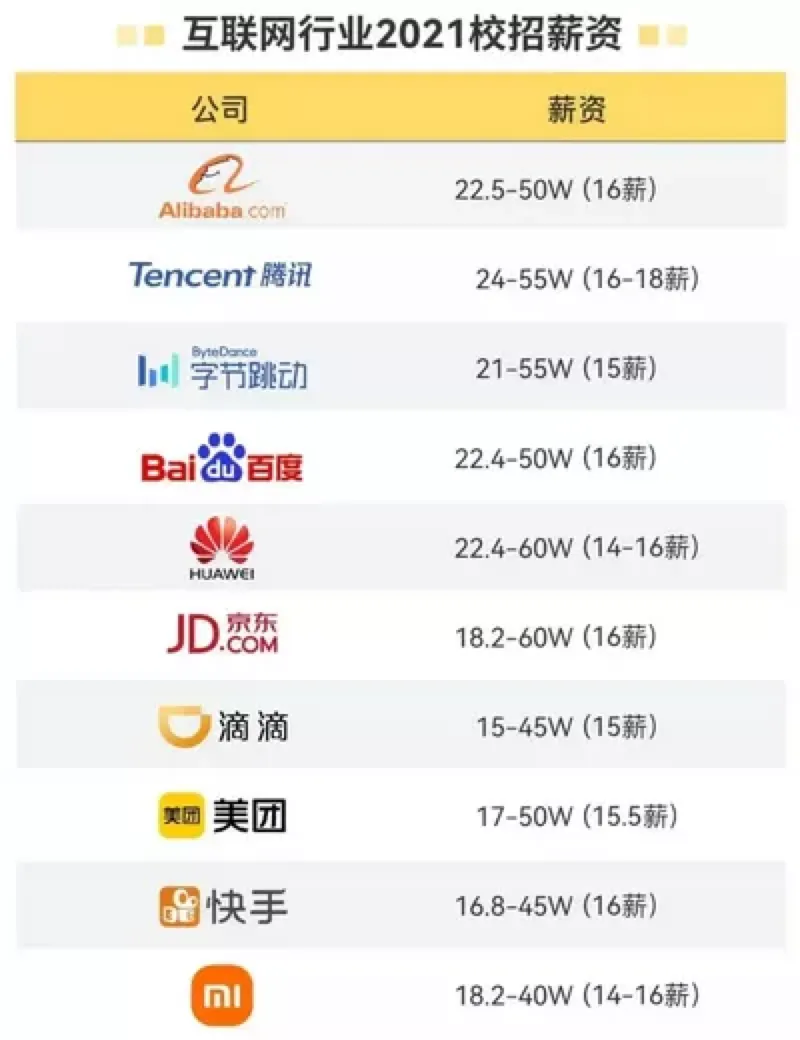
It’s said that some Shanghai-based gaming companies, as new internet nobles with lucrative major IPs, can also offer game artists and engine developers an annual salary of around ¥500K to ¥600K.

However, everyone must have heard how involutional China’s internet industry is. Whether it's 996 or 007, there is always an overtime culture euphemistically called “blessing” (fu bao). Fortunately, 996 was recently officially declared illegal, but overtime is a mysterious thing—whether you're physically at the office or not doesn't really matter.
Speaking of high-paying industries, you can’t ignore finance, especially the representative of high salaries—investment banking.
However, only a handful of fresh graduates can enter the top foreign investment banks in China. You must have graduated from a top university, possess superior intelligence and emotional quotient, have excellent English, and hold multiple certifications like CPA/CFA. If you’re not a returnee from Harvard, Yale, Princeton, Stanford, or MIT, you must be a top student from Tsinghua, Peking University, Fudan, or Shanghai Jiao Tong.
Of course, no money comes easy. It’s said that working 17 hours a day is the result of Goldman Sachs’s “reducing the burden.” Flying around six days a week and crying in the taxi on the way home is a common occurrence.
.gif)
Jobs for fresh graduates offering over ¥500K a year in China are typically for the young. If you ask, it’s because you lose the stamina to keep up as you age. Still, it can be a good stepping stone, or you might slowly work your way up to management.
Bay Area, New York, Houston
Now let's look at the software engineers in the Bay Area. With America’s slacking-off culture, work-life balance is certainly more guaranteed, and their compensation is among the best in the nation.
The U.S. data company level.fyi has published starting salaries for entry-level software engineers at several tech giants in the Bay Area, and they can earn a $200K annual salary, such as at Lyft, Airbnb, etc.
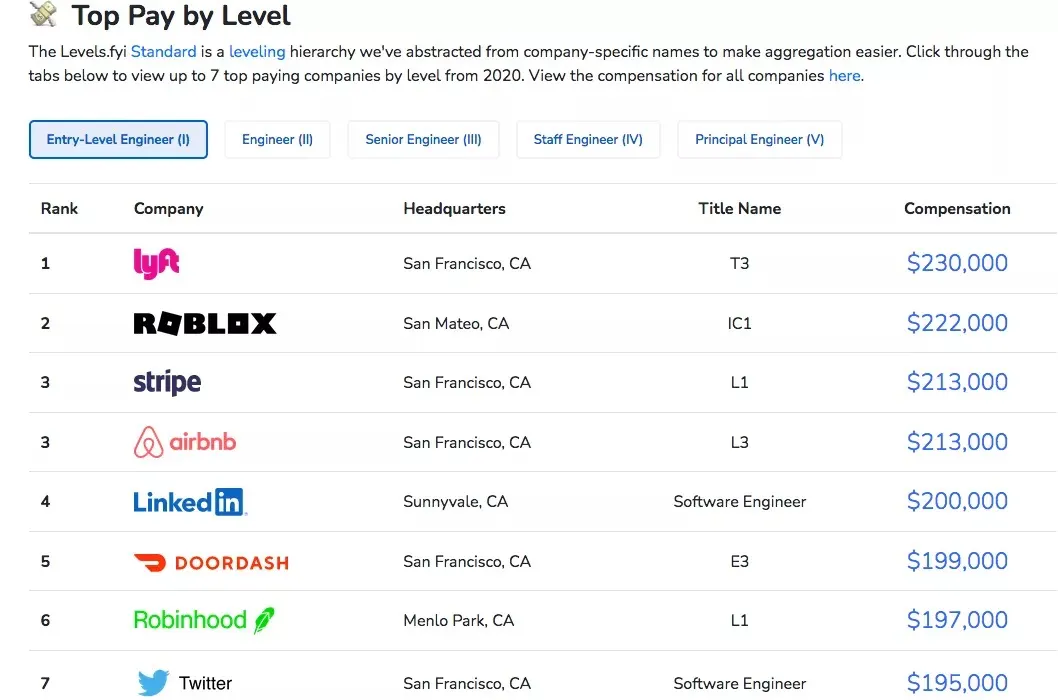
However, software engineers already sit at the top of the salary pyramid for North American fresh graduates, especially in the expensive Bay Area. When I saw that the median salary is $220K, I almost believed that the starting salary of $200K for engineers is indeed the poverty line in the Bay Area.
It was only when I saw that $170K is the majority and $300K already outearns 75% of Bay Area engineers that I realized it's all just a long-tail effect.
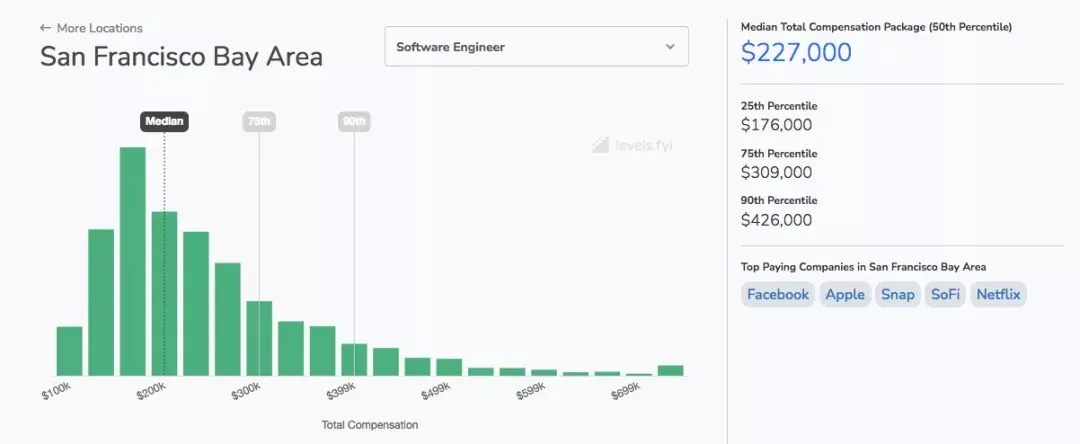
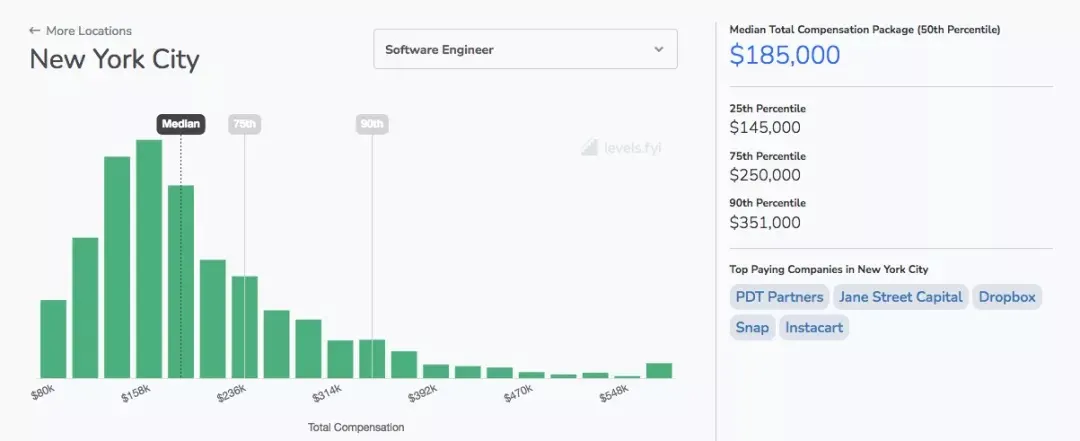
Moreover, salaries for software engineers can vary by city even at the same level. For example, the median salary for a software engineer in New York is about $180K:
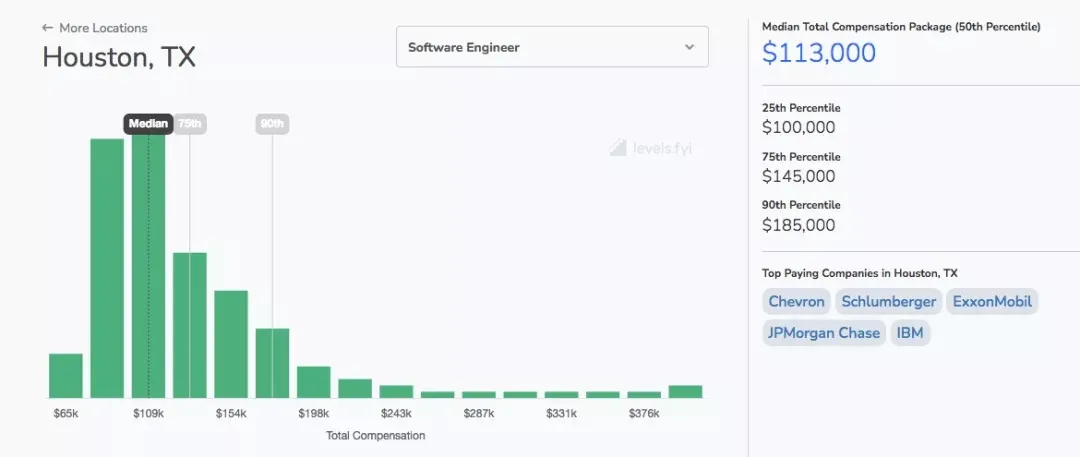
In Houston, Texas, it’s $110K:
But with $2.7 million, you could buy an estate in Texas, while in Silicon Valley you’d only get a modest home. So after taxes, your take-home pay still depends on real purchasing power.

Cost of Living, Housing, and Education Comparison
Next, let’s talk about topics related to real purchasing power: prices, housing, and education.
Cost of Living
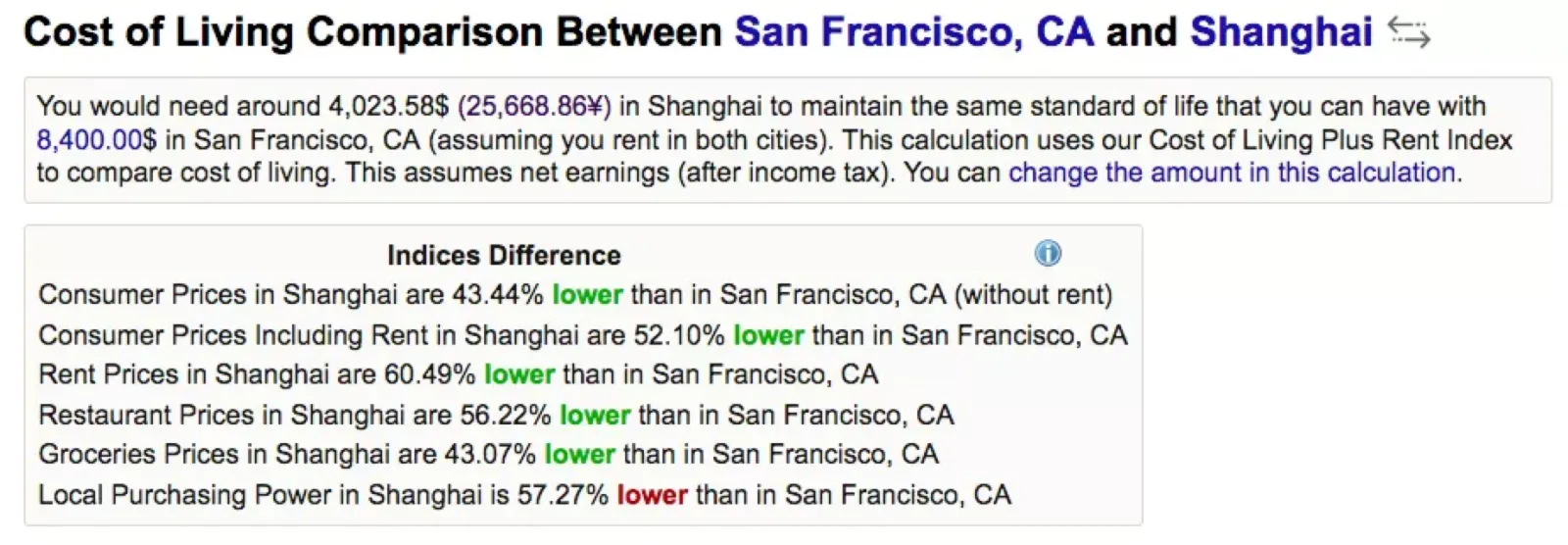
According to survey data from NUMBEO, if you rent, you would need $8,400 per month in San Francisco to maintain the same standard of living that ¥25,000 (about $4,023) per month gets you in Shanghai.
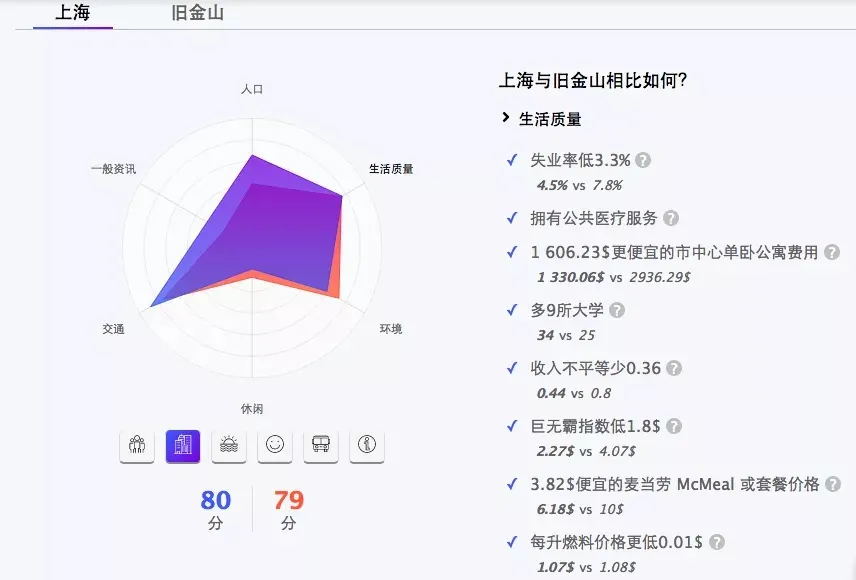
Whether it's consumer prices, rent, dining out, or grocery shopping, the cost index in Shanghai is roughly half that of San Francisco.
Housing
However, buying a home is a different story.
With a $200K annual package in the Bay Area, after accounting for equity and taxes, your take-home might be only around $120K (yes, the tax is that shocking);
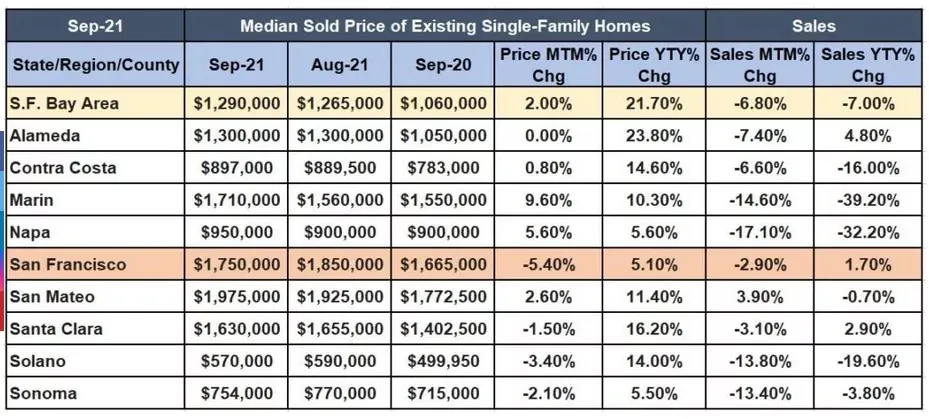
But even though the Bay Area is known as the most expensive housing market in the U.S. with a median price of $1.2 million, if you think about it, that’s only about 10 times your take-home pay—still within reach with some effort.
Shanghai is different. With a ¥500K annual salary, after deducting income tax and social insurance, your monthly take-home is just over ¥30,000.
In Shanghai, a house comparable to the Bay Area standard would at least be in Huangpu, Jing’an, or Xuhui districts. You can’t buy a 100-sqm apartment there for less than several million yuan (over ¥10 million). Roughly speaking, you’d have to save every penny for 30 years without spending on food just to afford one.
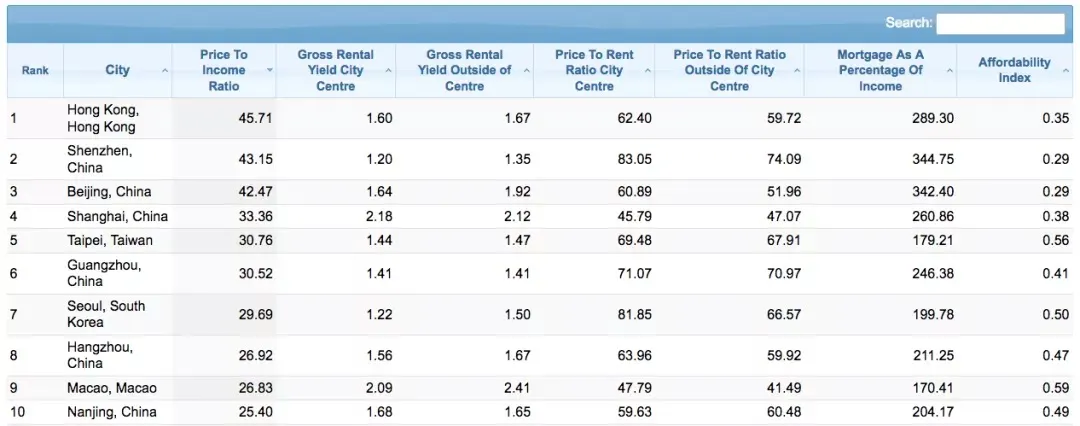
Actually, it’s not just Shanghai—this is true of Beijing, Guangzhou, and Shenzhen as well. Look at the Housing Price-to-Income Ratio (the ratio of housing price to annual household income): Shanghai and Guangzhou both exceed 30; Shenzhen and Beijing are even higher at 43 and 42, meaning that to buy a home in Beijing or Shenzhen you would need to work for at least 30 to 40 years.
For our generation, unless you’re a local native of a first-tier city, you’ll likely rely on your parents for the down payment. Even if you are a top fresh graduate with a ¥500K salary and have obtained home purchase qualifications as a returnee, you’ll still feel overwhelmed when it comes to buying a home.
.gif)
In contrast, the Housing Price-to-Income Ratios in Silicon Valley and New York are around 9, meaning you can buy a home after less than 10 years of work. So no matter how crazy the house prices sound, at least a million dollars buys you a big house, and you won’t have to live on nothing after paying the mortgage.
Education
Next, let’s talk about education. International students who come to the U.S. for high school, undergraduate, and graduate studies know how costly it is. Private school tuition is generally around $50,000 per year.
If you have a green card and attend public school, the cost may be slightly lower, but still around $10K to $20K per year.
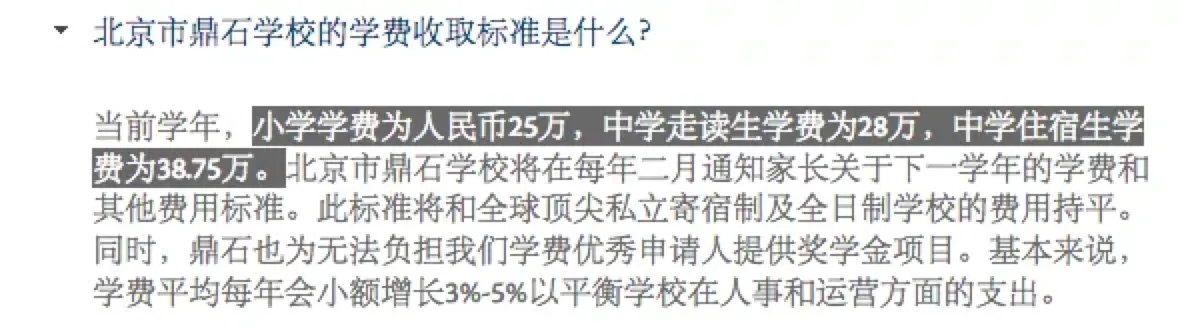
In China, if you attend an international school, the cost might not be cheaper than studying abroad—easily hundreds of thousands of yuan per year.
But if you get to college level, especially at a 985 or 211 university, compared to the tuition of top U.S. schools, the cost is almost negligible—around ¥5,000 at Tsinghua, Peking University, Fudan, and Shanghai Jiao Tong.
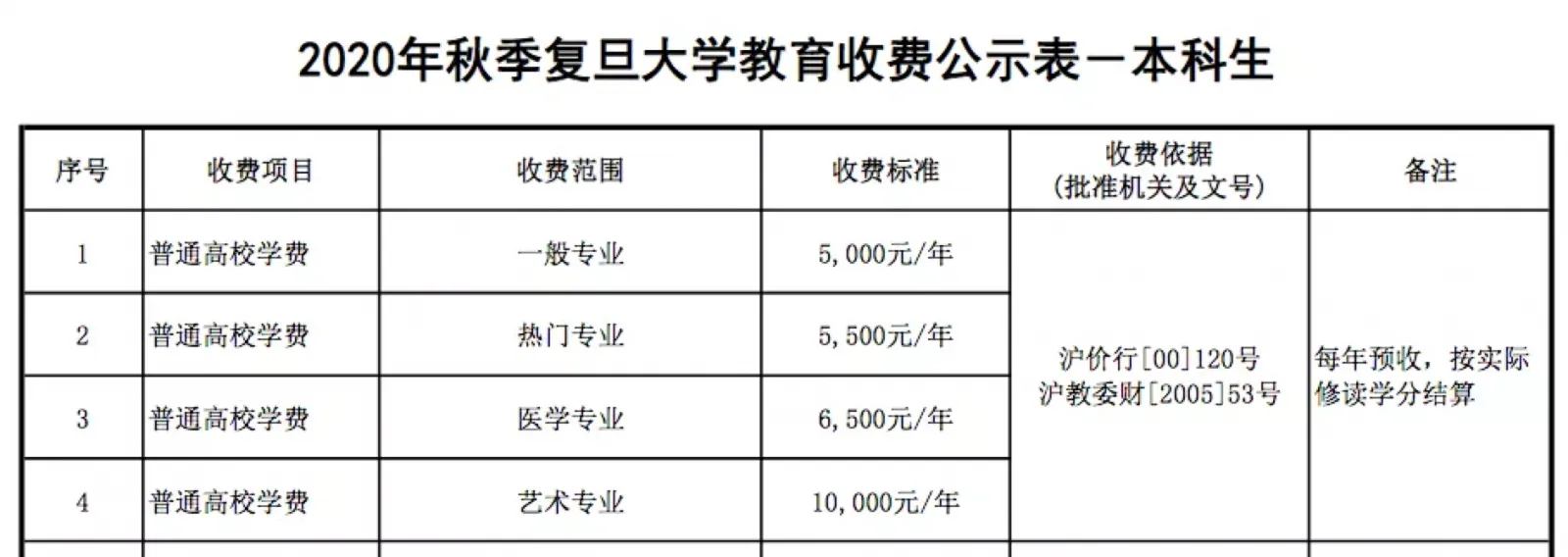
Therefore, in terms of education, top domestic universities offer great value.
Settlement and Immigration Policies
Finally, let’s discuss the settlement and immigration policies that everyone cares about.
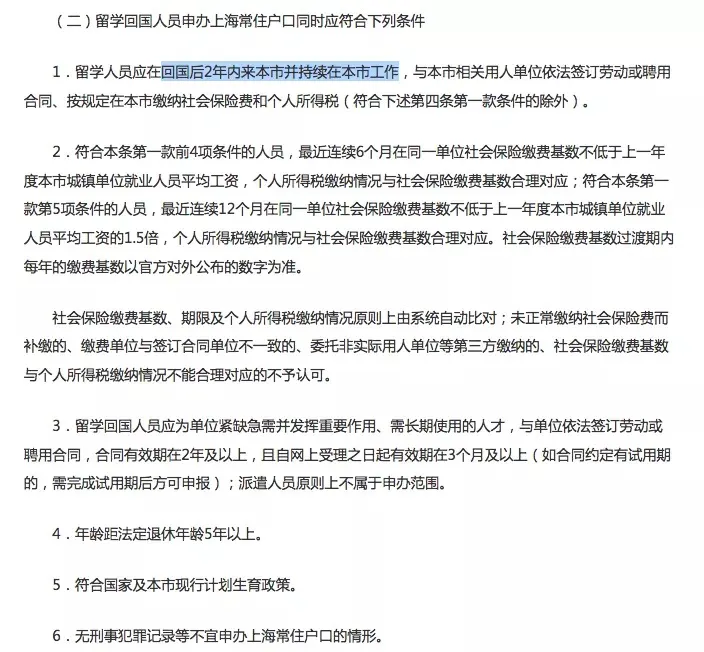
Major Chinese cities like Beijing, Shanghai, Guangzhou, and Shenzhen have always had favorable settlement policies for international students. In Shanghai, they have even removed the requirement that a returning student’s first job must be in Shanghai and that social insurance and individual income tax must be paid there, demonstrating their sincerity and demand for returned overseas graduates.
As for staying in the U.S., apart from investment, family-based, or marriage-based immigration, the most realistic path for most international students is to obtain an H1B visa and then wait for a green card.
But the H1B itself already excludes a large number of people. Whether they couldn’t get selected in the lottery before, or after the H1B reform they don’t meet the prevailing wage requirement, they basically say goodbye to H1B.
For example, a software developer in Washington, D.C., would need an annual salary of $117,000 just to be eligible for H1B under the new rules.
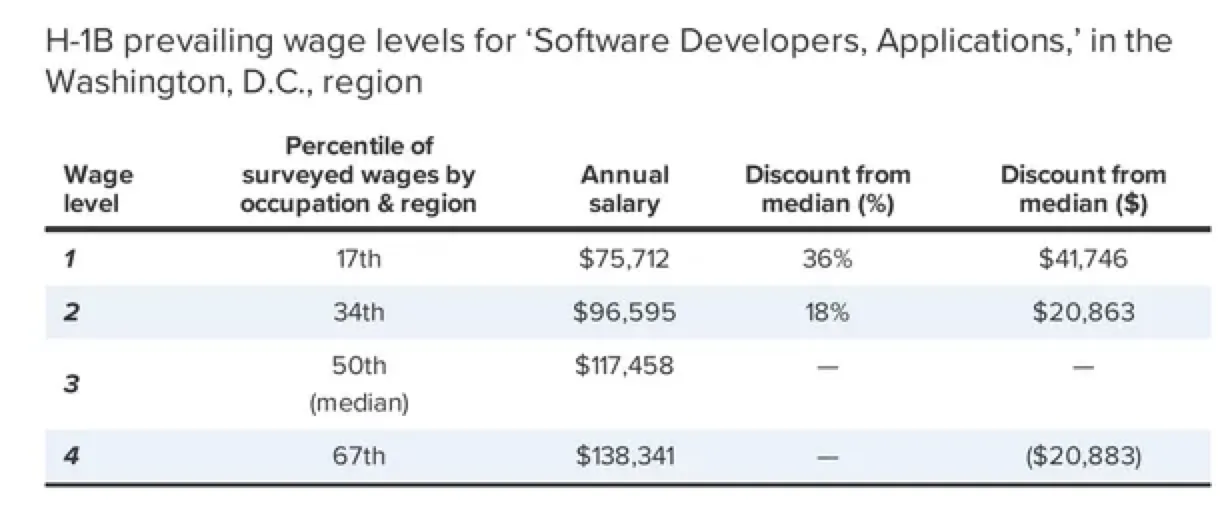
Those in big tech firms and consulting/investment banking might not feel the pressure, but fresh graduates in other industries are basically out of luck.
Even if you get an H1B, the green card queue is still indefinitely long—at least three years.
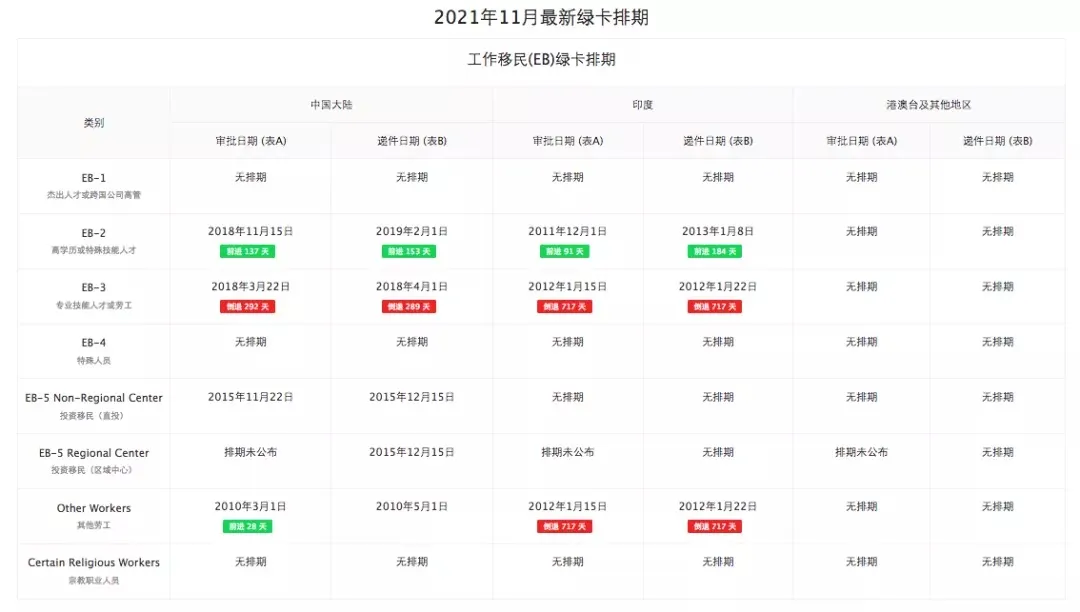
Of course, if you hang in there long enough, anything is possible. But comparing the immigration policies of China and the U.S., China’s settlement policy is far better. Once you’re settled, it also guarantees future home purchases, medical care, and children’s education.
As for healthcare in the U.S., if you know, you know. A tooth extraction can cost thousands of dollars, even after insurance.

After comparing many aspects, whether you choose to stay in the U.S. or return to China ultimately depends on where you feel more suited to live and grow.
After all, wherever there are Chinese people, there is involution—there’s no escaping it. No matter where you are, you can’t avoid it.
Moreover, everyone has their own standards for people, things, and life. There is no perfect answer to the so-called “value for money,” and it can’t be used to solve all problems.
Take others’ words with a grain of salt. The choice for your life is still in your own hands.