Did you catch the wave of application deadlines on December 1st?
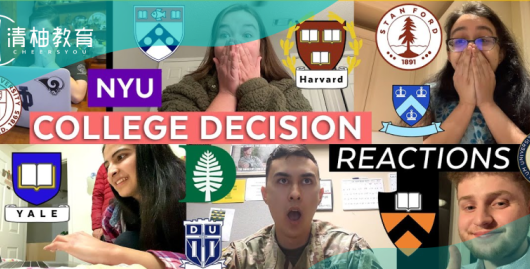
Recently, many students have been receiving their long-awaited offers. At this stage of the application cycle, the hottest topic is undoubtedly “college decision reactions”.
Search for the keyword on YouTube, and you’ll instantly find many “influencer” YouTubers from various fields sharing their joyful moments of being admitted to Top 30 universities, with a row of school logos on the cover—truly flaunting!
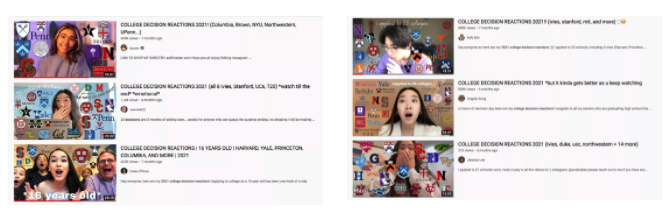
Each of them is a blogger with millions of followers on social platforms, which inevitably makes you question university admissions preferences—could being “somewhat famous” on social media become a new competitive edge in my study-abroad application?
In fact, quite a few students have had this same question. On Quora, the American equivalent of Zhihu, many have asked similar questions, such as:
- How do U.S. universities view a YouTube applicant with 50,000 subscribers?
- Does having around 20,000 followers on social media help with admission to prestigious U.S. universities?
- Are internet celebrities with tens of millions of followers more likely to be accepted by Ivy League schools?
Indeed, Quite a Few “Influencers” Have Been Admitted to Top Universities
Lauren: 391,000 Followers
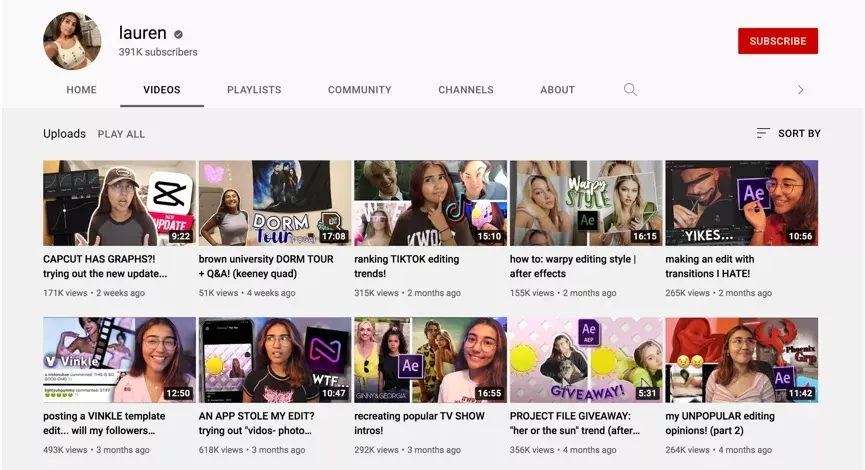
Lauren is a YouTuber with 391,000 followers who started posting editing, filming, and other technical videos in 2019.

In April this year, Lauren posted a video on YouTube announcing her acceptance to Columbia University, Brown University, New York University, Northwestern University, University of Pennsylvania, and other top schools. The video garnered 430,000 views, and Lauren ultimately decided to attend Brown, an Ivy League institution. The video also received many blessings from her fans.
Kyle tsai: 10,000 Followers
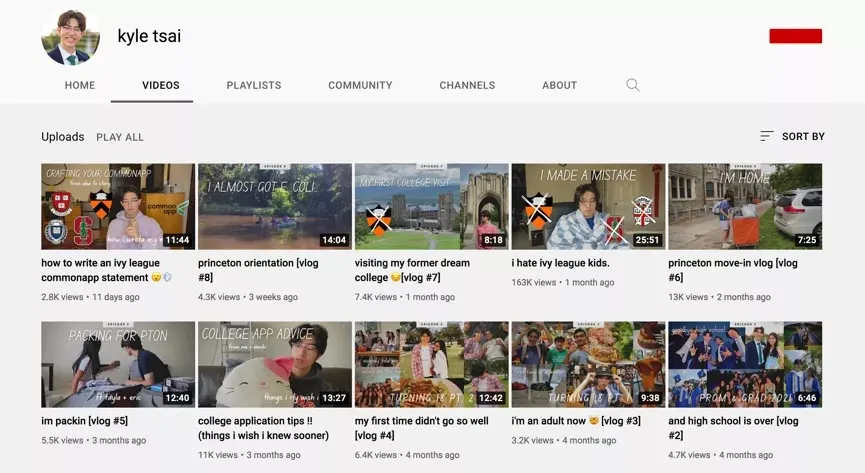
Kyle tsai gained 10,000 followers by sharing his daily life and studies on YouTube, and his “college decision reactions” video received nearly 800,000 views on the platform.
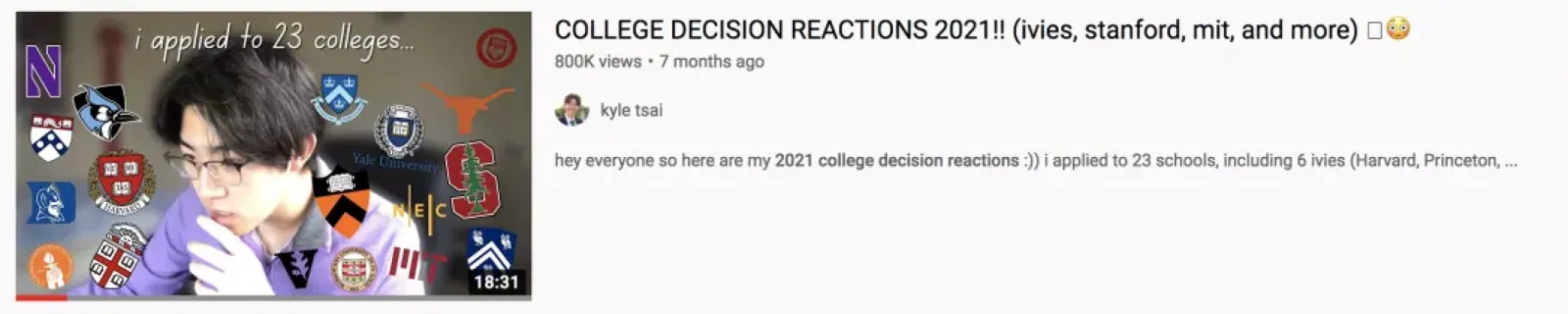
Kyle tsai recounted his arduous three-month preparation during which he applied to 23 schools, including six Ivy League universities (Harvard, Princeton, Brown, Columbia, Yale, and Penn). Later, he released a video announcing that he had ultimately chosen Princeton University and was starting his college life there.
Additionally, you can find many Chinese influencer bloggers on Bilibili and Xiaohongshu sharing their videos of receiving acceptance letters from renowned universities.
We’ve only heard of influencers making money, but we never knew they had such an edge in college applications.
Can the “Influencer Halo” Really Add Points to Your Application?
The president of the National Association for College Admission Counseling once said that if a student's online influence is positive and impressive, highlighting that influence during the application process will undoubtedly give them a boost.
Although this may sound “heartbreaking,” it is the truth. As the internet rises, universities are keeping up with the trend and are more willing to admit “influencers” active on social media, using their ability to reach audiences to help expand the university’s visibility.
According to brand consulting firm Kantar, total advertising spending by U.S. universities was $2 billion in 2018 and $2.2 billion in 2019. Although this figure dropped during the pandemic, ad spending in the first quarter of this year has nearly doubled compared to the same period last year, reaching $870 million.
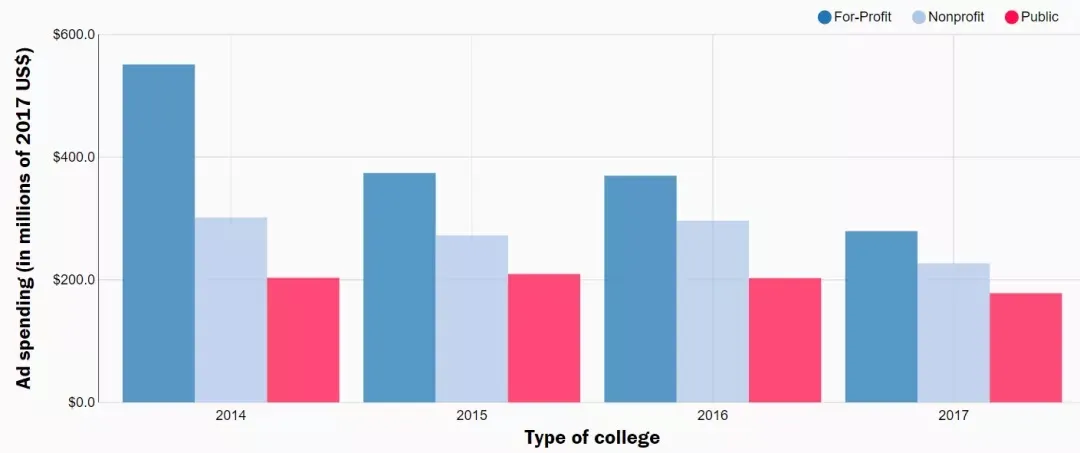
Compared to traditional advertising methods, catering to young people and leveraging influencers to reach audiences is both cheaper and more appealing for universities looking to boost their visibility.
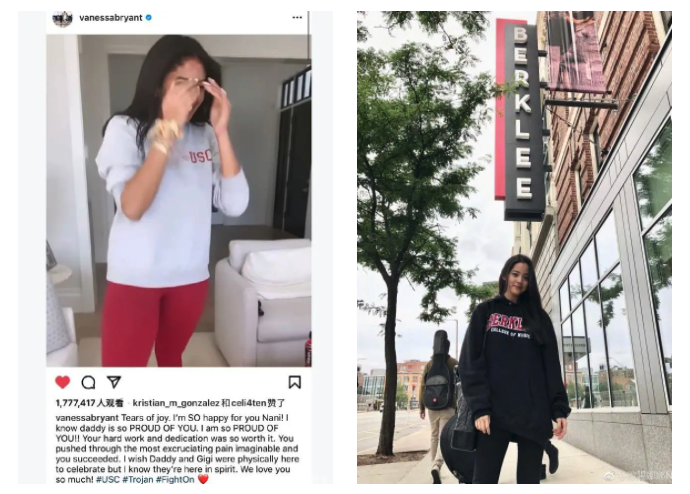
For example, the University of Southern California admitted Kobe Bryant’s eldest daughter Natalia, and Berklee College of Music admitted Ouyang Nana. Such exposure is undoubtedly more cost-effective and impactful than spending tens of thousands on advertising.
Since U.S. universities have a demand for admitting “influencers,” does that mean becoming one makes it easier to get into a prestigious U.S. university?
The Key to Getting an Offer Is Not Your “Influencer” Status
1. Positive and Uplifting Influence
First of all, as mentioned earlier, if a student can use their interests or hobbies to demonstrate positive influence online or in some area, it will undoubtedly make admissions officers see the student’s potential.
Admissions officers will believe that such a student can persist in their field of interest, and through knowledge accumulation and study at the university, become a valuable person to that field and even to society as a whole.
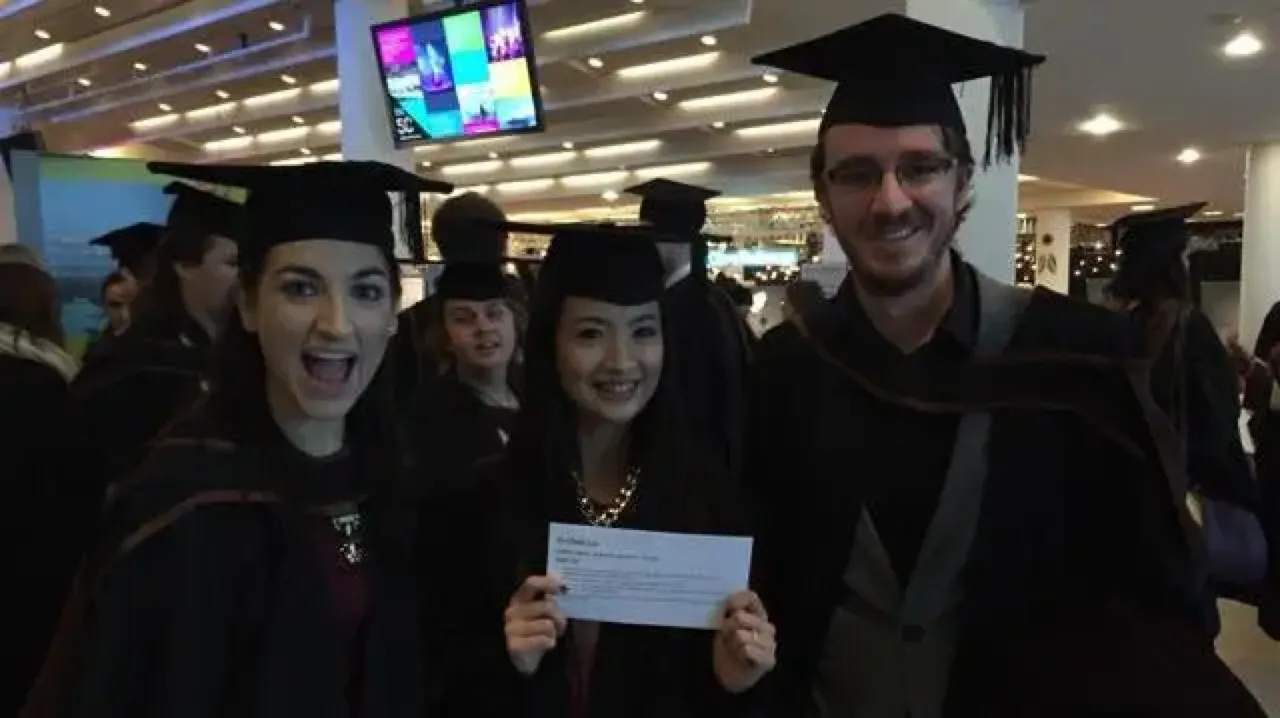
In 2013, shortly after Ariel Lin won her second Golden Bell Award for Best Actress, she announced a temporary break from acting to study in the UK for a year like an ordinary person and reflect on herself. She was soon admitted to the Royal Central School of Speech and Drama, where she studied Screen Acting and eventually earned her master’s degree. The key to her offer was her “attitude” in applying.
If you only attract attention through sensational videos or pictures, or even post inappropriate remarks on social media, it won’t help your application at all.
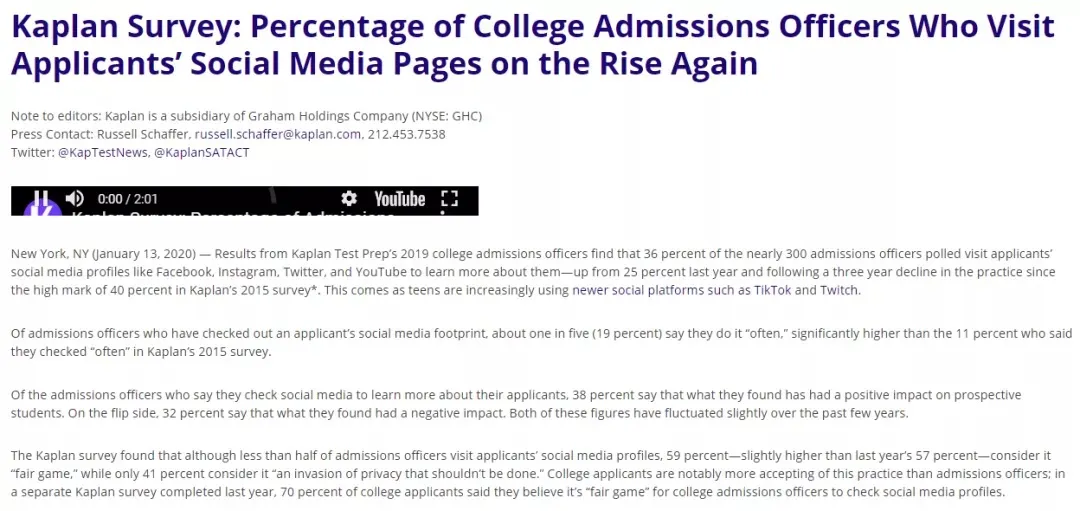
A survey by Kaplan Institute found that 35% of college admissions officers check applicants’ profiles on social media platforms like Facebook, Instagram, and Twitter, which can help them select suitable candidates while also filtering out those less desired.
In June 2018, Harvard University discovered that 10 students who had already received admission offers had joined a Facebook group that posted content about child abuse and insults toward minorities, and immediately revoked their admission letters.
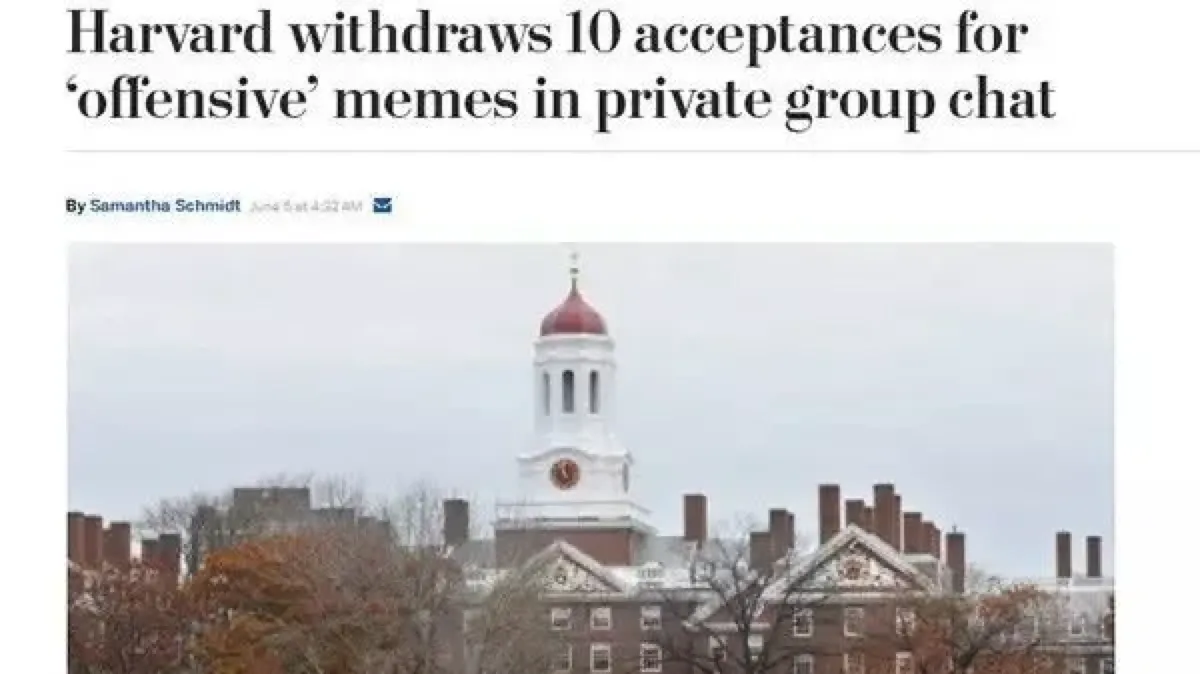
Once found to have engaged in inappropriate behavior on social media, applicants are very likely to be blacklisted from universities!
2. Strongly Related to Your Intended Major
In study-abroad applications, especially for graduate school, the strong relevance of your experiences is always emphasized.
If the achievements or content shared on social media are closely related to the major you want to apply for, such as communications, marketing, art, etc., it can effectively boost your application.
-
CheersYou(清柚教育) student: Zoey
-
Undergraduate major: Interdisciplinary Studies
-
Application direction: Communications, Marketing
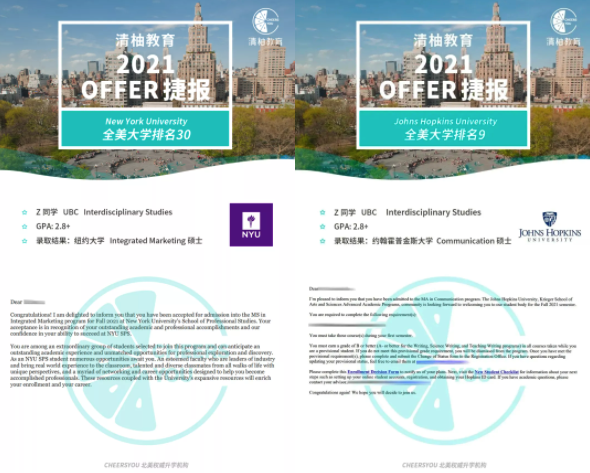
As a blogger with tens of thousands of followers on social media, Zoey sharpened her keen sense of fashion trends and audience tastes through managing her account. Moreover, she applied the knowledge gained from undergraduate courses like media methods and digital media to the practical process of influencing audiences through content.
This type of “influencer” experience, where learning and practice complement each other, greatly increased her chances of being admitted to a top university’s master’s program in communications and marketing.
3. Effectively Integrating It into Your Essays
Since you have “influencer” experience, you need to learn how to effectively highlight its brilliance—for instance, how you manage your social media account, promote yourself through the platform, and spread “positive energy” views.
These descriptions can fully demonstrate the applicant’s professionalism and insight, as well as their passion for the field and desire to further their studies. Together, they become an essential and well-matched component of the application.
A distinctive essay can sometimes provide outstanding support for applicants whose hard credentials are not otherwise outstanding. An applicant's unique influence in a certain area may become a crucial factor in admission decisions.
The “Influencer Halo” Is Not an Invincible Weapon
Not all “influencers” will be admitted, and having influencer status does not guarantee preferential treatment from universities.
In fact, once admitted, influencers are treated equally. Whether it’s midterms, finals, or various essays, they are enough to make everyone tremble; a little lack of effort could lead to a GPA too low to graduate.
Even Ouyang Nana is no exception. She once posted an extremely haggard selfie on Weibo with the caption: “Final week is about staying up late + puffy eyes in class + wearing whatever…” Netizens shouted in the comments: “Seeing that students abroad look equally ugly during finals week puts my mind at ease.”

Not only are they treated equally, but traffic is also a double-edged sword. Influencers enjoy more traffic and more income, but they also attract more attention.
Remember the notorious U.S. college admissions bribery scandal? Olivia Jade, who had a combined 3 million followers on Instagram and YouTube at the time, quickly faced nationwide condemnation and was scrutinized in every aspect after the scandal broke.
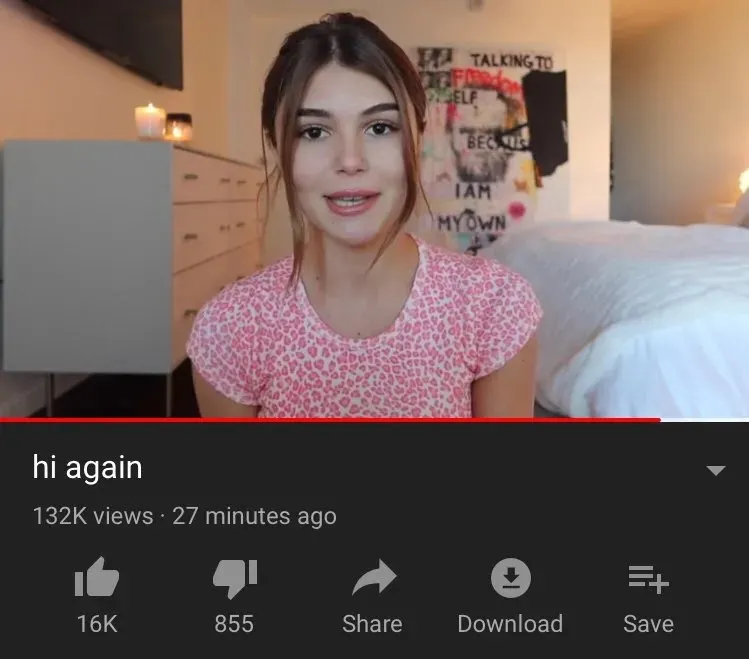
Behind the glamorous facade of an “influencer” lies a greater price. With one misstep, the risks are something ordinary people cannot bear.
Whether an influencer student or an ordinary one, there are no real winners or losers.
Of course, cases of being admitted to a top university through influencer status are merely isolated incidents. It’s just that today’s social media platforms magnify this survivorship bias infinitely, giving everyone the illusion that “influencers are all over campus.”
Most students earn their hard-won offers through solid academic ability or rich practical experience. Even influencers need to prepare their applications carefully.
I hope all students can stay grounded, find the method and path best suited to them, and secure offers from their dream schools!