Just after surviving the exhausting final exams, I ran into yet another COVID wave. I thought I'd lie at home and binge some TV to relax for a few days, only to find:
We international students are being scapegoated again!
The recent hit drama "Xiao Min's Family," starring Huang Lei and Zhou Xun, has left international students utterly speechless. The character Li Ping, played by Qin Hailu, is a wealthy socialite who not only splurges without a thought but whose lines about international student life have stirred up yet another wave of resentment against us.
As if external stereotypes about international students weren't hurtful enough, this portrayal of a rich mother figure in the show has deepened the public's misunderstandings even further.
Are all international students rich second‐generation heirs?
In "Xiao Min's Family," when asked if her daughter needs time off from tutoring, Li Ping delivers the ultimate line: "The tutoring center is our family business—since when is taking time off an issue?"

When her daughter is in a bad mood, Li Ping cheers her up by buying a new Miu Miu bag.
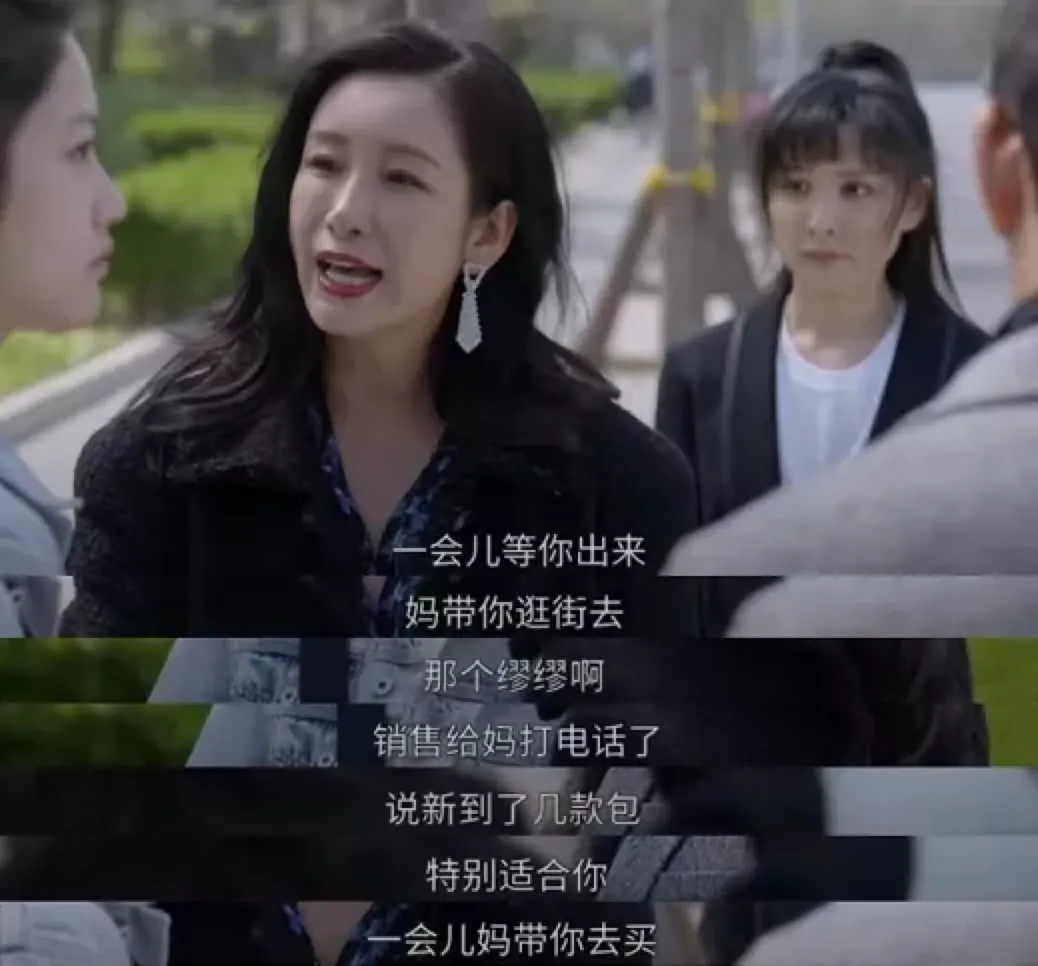
A casual browse of Miu Miu's official website shows that any bag easily starts at over 10,000 RMB.

With such plotlines, amplified by the "survivor bias" on platforms like Xiaohongshu, people once again assume that all students studying abroad come from families with tens of millions in assets.

But is this really the case for most international students?
According to relevant data, ordinary families have always been the backbone of the overseas study population, with over 40% of international students coming from households where parents are regular employees. Nearly half of these families have an annual income below 300,000 RMB, while only about 2% earn over one million.
But for Chinese scriptwriters, the word "frugality" apparently doesn't belong in the vocabulary of an overseas study family.
Do domestic slackers become instant top students abroad?
Let's look at the study-abroad plot in the show: with enough money, Harvard, Yale, Princeton, and Stanford all seem to be fallback options under the Chinese gaokao system. Top universities can be chosen casually as long as the cash is flowing.
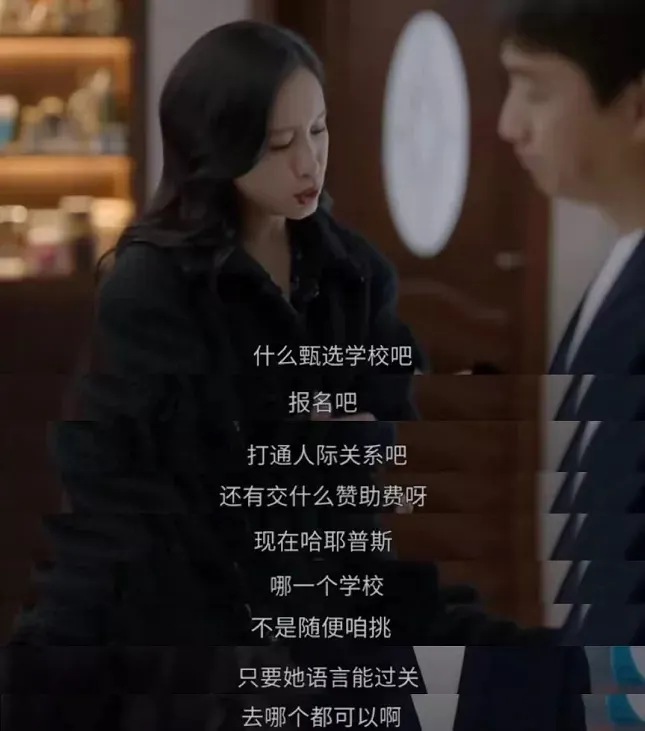
The so-called "pulling strings" and "donating sponsorship fees" remind us of the college admissions bribery scandal that shocked the world.
The actress from "Fuller House" and her husband paid "admissions consultant" Singer $500,000 to falsely package their two daughters as athletic recruits to get into USC. The entire family faced severe legal consequences.
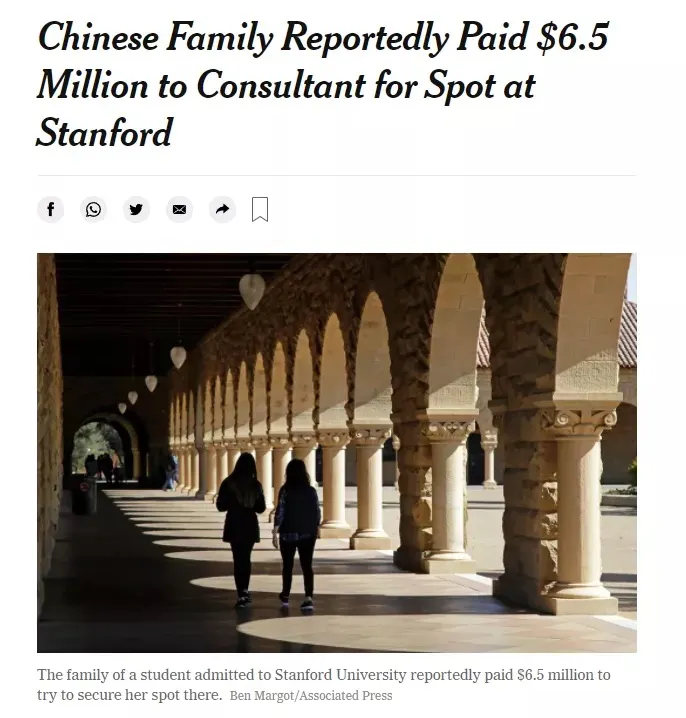
Likewise, a Chinese tycoon's $6.5 million bribe to secure his daughter's admission to Stanford made global headlines, and the student was eventually expelled.
The mom Li Ping's bold declaration about "pulling strings" would more likely send Uncle Hong to prison for a taste of real life.
Beyond this false portrayal of buying one's way into elite schools, the show's depiction of studying abroad as a mere backup plan for gaokao failures has also provoked strong discontent among international students.

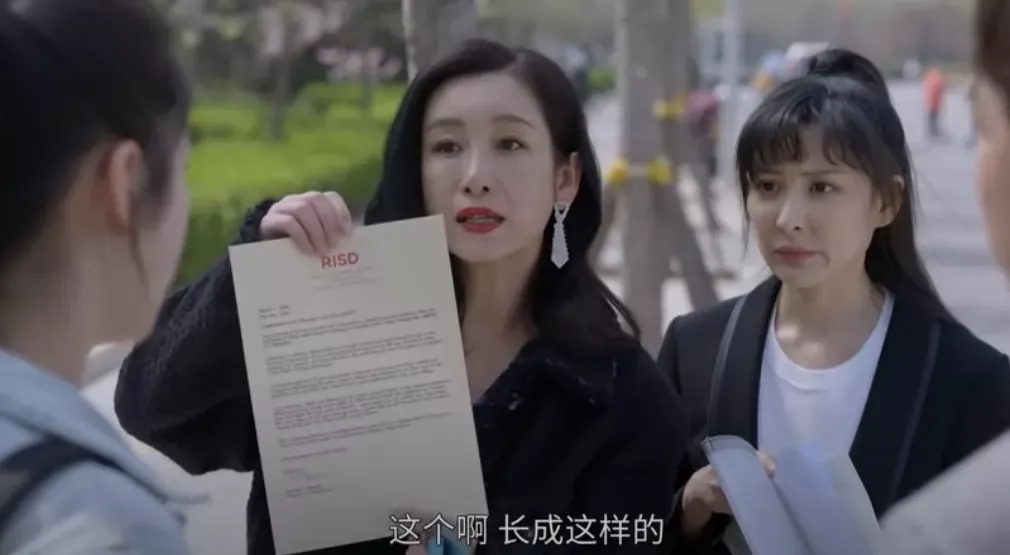
When Li Ping then pulls out her daughter's acceptance letter, let's see which school is being treated as a "fallback."
RISD, the Rhode Island School of Design, ranks fourth among art schools and third among design schools globally. Its 2020 acceptance rate was just 27.1%, with GPA, SAT, and TOEFL requirements as high as any top-20 university.
Yet the daughter in the show is a "dark horse" who couldn't get into a domestic university but can easily bag an offer from the Harvard of art schools as a backup.
In the earlier hit "Over the Sea I Come to You," a domestic slacker also morphs into a "top student" once abroad. We don't know what school he attends, but real scholars with TOEFL 110+ and perfect IB scores would want to punch someone.

It's almost 2022—scriptwriters, please wake up. The days when you could stroll into any top American university with your eyes closed exist only in dreams.
Endless labels and stereotypes
International students have long been burdened with labels and stereotypes: rich, party animals, non-learners, promiscuous, messy private lives… even pushed to the bottom of the dating-market food chain.

Whether it's Harvard or Stanford, UC Berkeley or USC, if you're an international student, you're automatically branded a lifelong player.
While we can't exclude a tiny minority worthy of viral roast videos, the vast majority go abroad genuinely to study. Everyday life is a triangle of school-home-library; pulling all-nighters to meet deadlines is the norm, and finals season turns you into an exhausted mess. When COVID hit, we were stuck at home quarantining, doing nothing but couch-potatoing while attending Zoom University.
So why do these stereotypes never fade? A glance at the year-after-year formulaic portrayals in Chinese TV dramas explains a lot.
In recent years, film and television productions have been enamored with inserting international student characters, most of whom uniformly embody the public's stereotypes: loaded, academically weak, womanizers, pretentious jerks...
In "Ode to Joy," the Australian-educated returnee on a blind date opens his mouth with a mix of Chinese and broken English, oozing inexplicable arrogance.
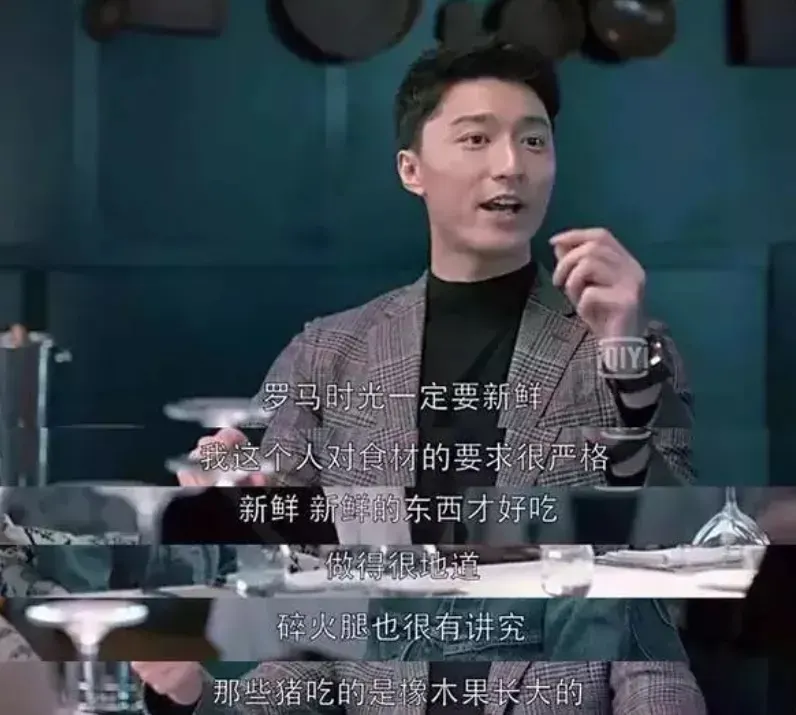
"Over the Sea I Come to You" is even more outrageous: the whole family tags along to study abroad, constantly getting into trouble with the police, cramming nothing before exams, cheating on tests, trespassing at night, and serving up daily drama queen antics.

"Time Flies" will give you heart palpitations: studying in the UK becomes a cliché story of A loves B, B loves C, chasing each other and studying abroad for love. Shopping, dining, joyriding, dancing, romancing—this top student's daily life is truly "pure."

International students get represented by these bizarre character tropes again and again. What's worse, this giant pot of blame always seems to fall from the sky just when you're burning the midnight oil on an essay or racing a deadline...
These blatant errors in basic study-abroad knowledge and maliciously skewed narratives are simply unfair to the international student community.
Reject the stereotypes of international students
From the application process, to studying abroad, to job hunting after graduation, the path for international students has never been an easy mode.
Behind those seemingly glamorous social media posts lies countless late nights grinding on assignments, and the sweat of striving for the future and chasing dreams.
In the U.S., if you want to be a straight-A student with a 3.9+ GPA and earn a spot on the Dean's List, you not only need top scores on midterms and finals but must also maintain attendance, deliver high-quality projects and presentations assigned by professors, and keep good relationships with groupmates to avoid losing points in peer evaluations...
Only those who have lived it can truly understand real student life abroad.
Sleep, study, and social life—you can't have all three.
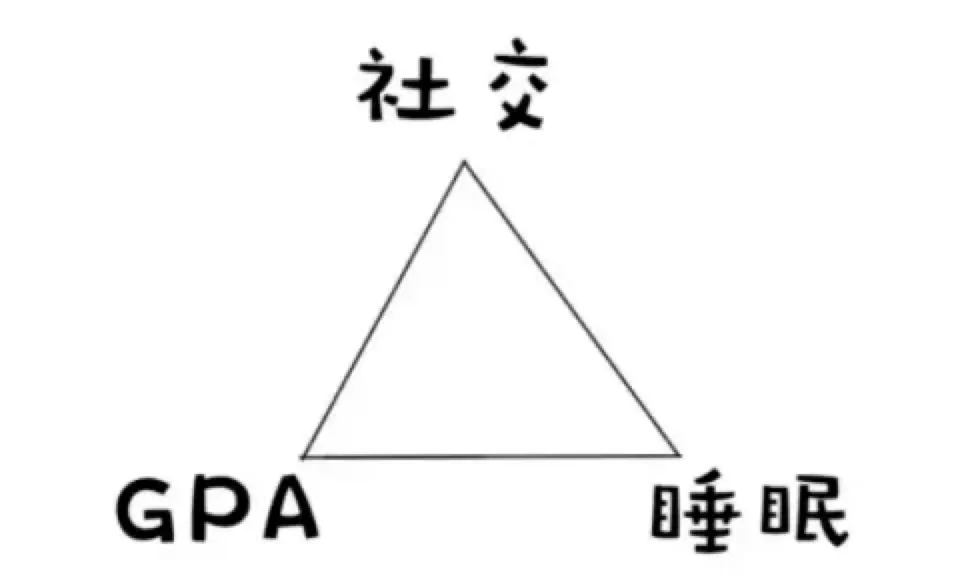
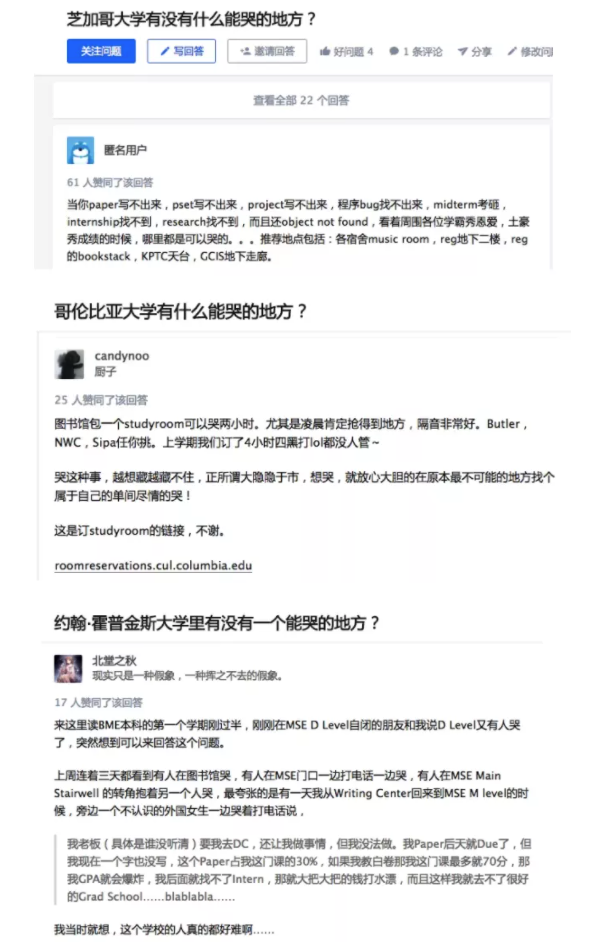
Studying abroad is about exploring more possibilities in life, facing challenges with greater independence, and experiencing both gains and growth. The stereotypes presented in "Xiao Min's Family" once again wipe out all the hard work of international students.
We hope Chinese screenwriters will wake up and stop vilifying international students. The "study abroad" you write about isn't studying abroad—it's living in a fantasy.
In future films and TV shows, may scriptwriters break free from the stereotypes of international students, and may society at large treat us with kindness, no longer making us innocent punching bags but instead helping us chase our dreams in the prime of our youth.