
As the year-end approaches, the 2022 application season is entering its most intense phase.
Many students are now applying to multiple countries or regions for safety, but as they begin the application process—especially during the final sprint—they are often overwhelmed by the varying online application deadlines of different universities, unsure of how to effectively adapt their plans.
Don't worry. Today, we are once again sorting out the common online application deadline formats and institutional review mechanisms at global universities, so that you can reasonably arrange the application progress for each school.
Main Formats of University Online Application Deadlines
Single-Round Deadline
This means the program has only one application deadline, and applicants must submit all application materials before this deadline. Materials submitted after the deadline will generally not be reviewed.
Some graduate programs at institutions set a Priority Deadline before the single-round deadline. This type of deadline is mainly for applying for scholarships or ensuring that materials are reviewed.
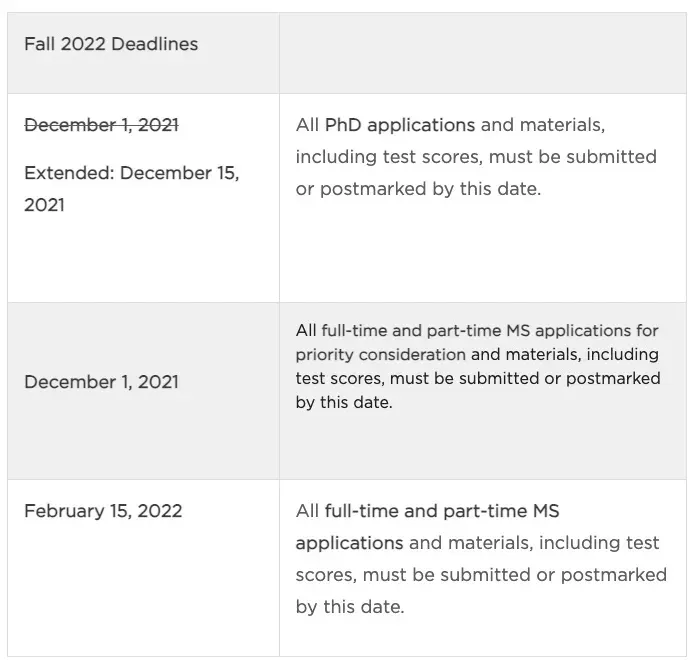
This application format is most common at US universities. For US graduate applications, different schools even each specific program may have its own deadline.
For example, the application deadline for the Tandon School of Engineering at New York University is February 15, 2021, while the prior Priority Deadline was December 1, 2020, a two-and-a-half-month difference.
Multi-Round Deadline
Under this policy, schools set multiple rounds of deadlines, and applicants can choose to submit in a particular round based on their preparation status.
After each deadline, a batch of admission decisions is released. Those who apply early, assuming they meet the basic requirements, have an advantage and a higher success rate.
This deadline format is more common at universities in Hong Kong and Singapore. For example, the master's programs at the National University of Singapore Business School have two application rounds:
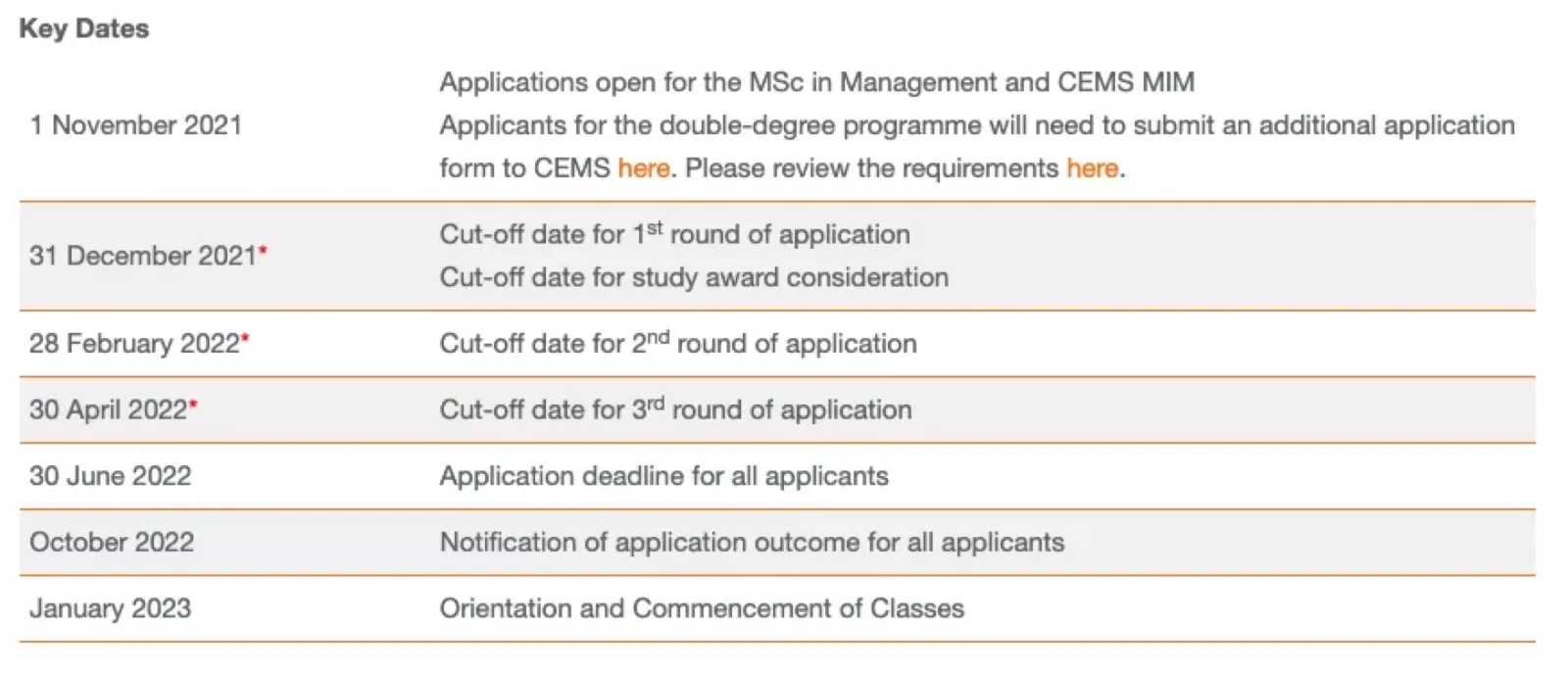
Some multi-round application programs explicitly state that the final round is not open to international students; while some programs indicate that international students may apply in the final round, it is still recommended that students apply in earlier rounds to avoid issues with visas and other formalities that could delay enrollment.
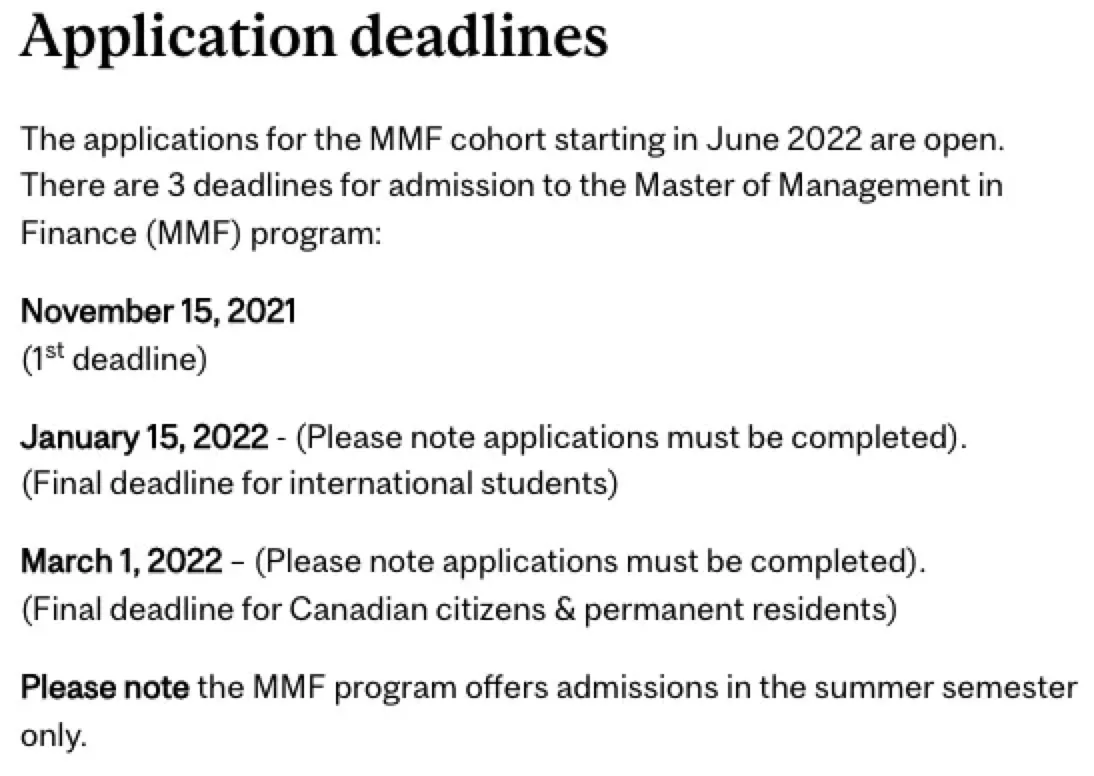
For instance, the MMF program at McGill University in Canada has three application rounds, with the third round only open to Canadian citizens and permanent residents. International students must complete their applications by the second round.
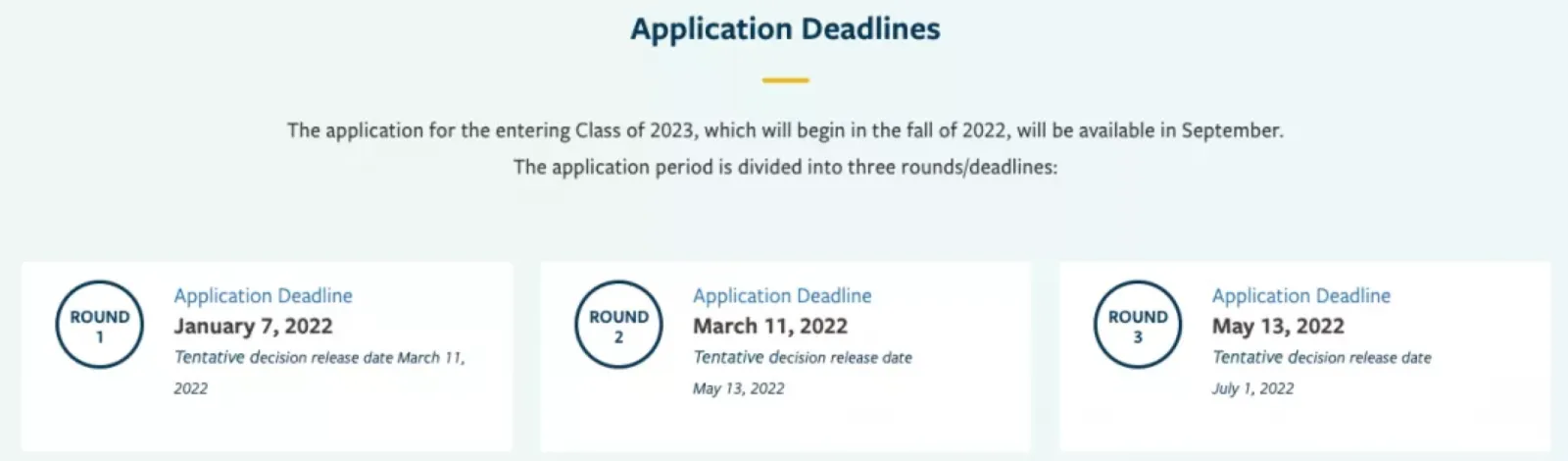
Additionally, US business schools and highly competitive programs may also adopt multi-round applications, such as UCLA's Business Analytics program, which has three application rounds.
We recommend that if an applicant meets all the requirements, they should prioritize submitting the online application in the first round; if their qualifications are not particularly competitive and they are applying to reach schools, they may consider later rounds.
Institutional Review Mechanisms for Application Materials
After receiving application materials, schools typically use one of two review mechanisms:
Unified Review Mechanism
Application review begins only after the deadline date.
For example, at Stanford University for master's programs, the school will only start reviewing the applications received in that round after the deadline, so it's not necessary for students to submit their applications too early.

Rolling Admissions (Rolling Review Mechanism)
Once an applicant submits the online application, the school begins reviewing materials on a "first come, first served" basis, where early applicants have an advantage.
Applications are added to the review queue in the order they are submitted, and once all spots are filled, materials are no longer reviewed. Some university programs may close the application channel early due to overwhelming demand.
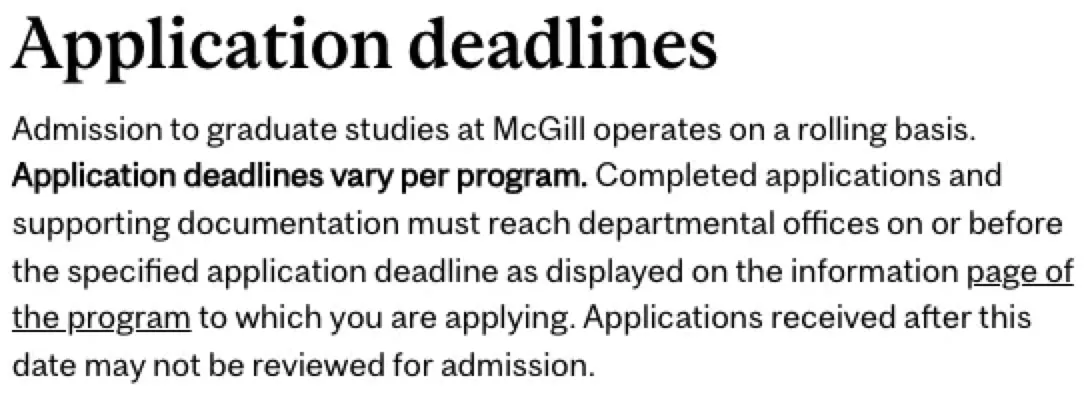
This review format is more common at universities in the UK and Canada. McGill University's website clearly states that it uses a rolling admissions process, with specific deadlines varying by program. It also recommends that international students apply early and not wait until the deadline.
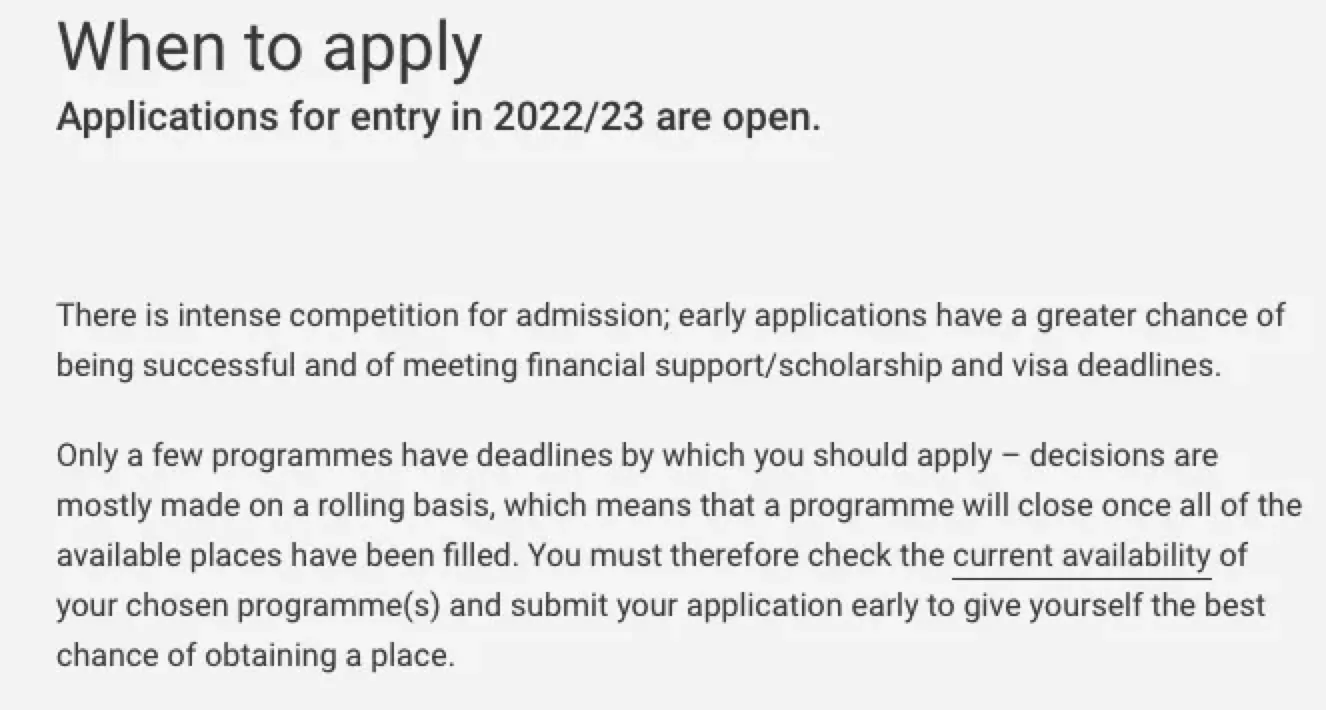
The UK's review process is almost entirely rolling. The "first come, first served" concept is most evident in UK graduate admissions, where once the online application opens, schools review applications in the order they are received and close admissions when spots are filled.
LSE's applications are highly competitive, and most master's programs do not set a deadline, admitting on a rolling basis; the earlier you apply, the better your chances.
It's also important to note that the school will only officially add you to the review queue once all required materials have been submitted.
The Fall 2022 application season is in full swing. We advise everyone not to panic during this final stage.
Clearly organize the deadline format and institutional review mechanism for each program, start from your own situation, adjust your preparation progress for each, and ultimately achieve the optimal solution for a successful application.