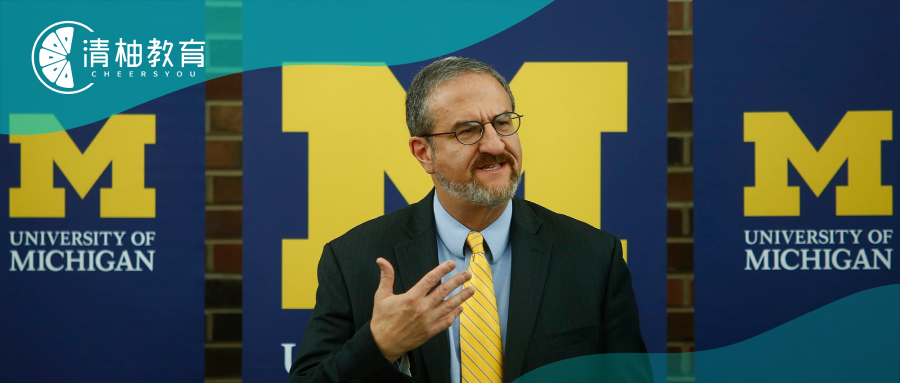
The biggest scandal in the study-abroad community this year!
Former University of Michigan President Mark Schlissel was notified of his dismissal and termination last weekend for an inappropriate relationship with a female subordinate.
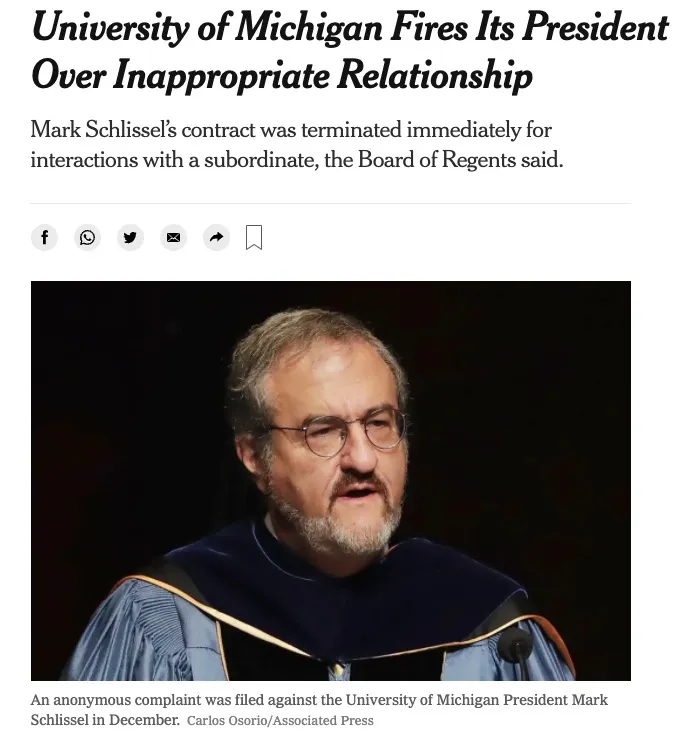
Perhaps most shocking is that the former president used his official university email to engage in flirtatious and adulterous behavior...
A Dizzying 118 Pages of Flirtatious Emails
Since January 2014, Schlissel had served as the 14th president of the University of Michigan, with a term lasting until 2024. He had also planned to resign in June 2023 last year.
But before he could retire or step down, Schlissel did himself in.
The UMich President Scandal Timeline
On December 8 last year, the UMich Board of Regents received an anonymous complaint alleging an "inappropriate sexual relationship" between the president and a subordinate. Upon investigation, it was discovered, shockingly, that Schlissel's tool for "flirtation" over the years was none other than the university's official email system.
The University of Michigan not only removed Schlissel from its list of past presidents but also ruthlessly published his 118-page email chat log on the school website, forever nailing him to the university's "pillar of shame."
Knowing everyone is curious, let's peek at some of his "private" emails.
Cringeworthy "Flirtation" Emails
On September 2, 2019, Schlissel forwarded a New Yorker article titled "The Daily Sexual Fantasies of New Yorkers" to his subordinate, appending the note "just for fun."
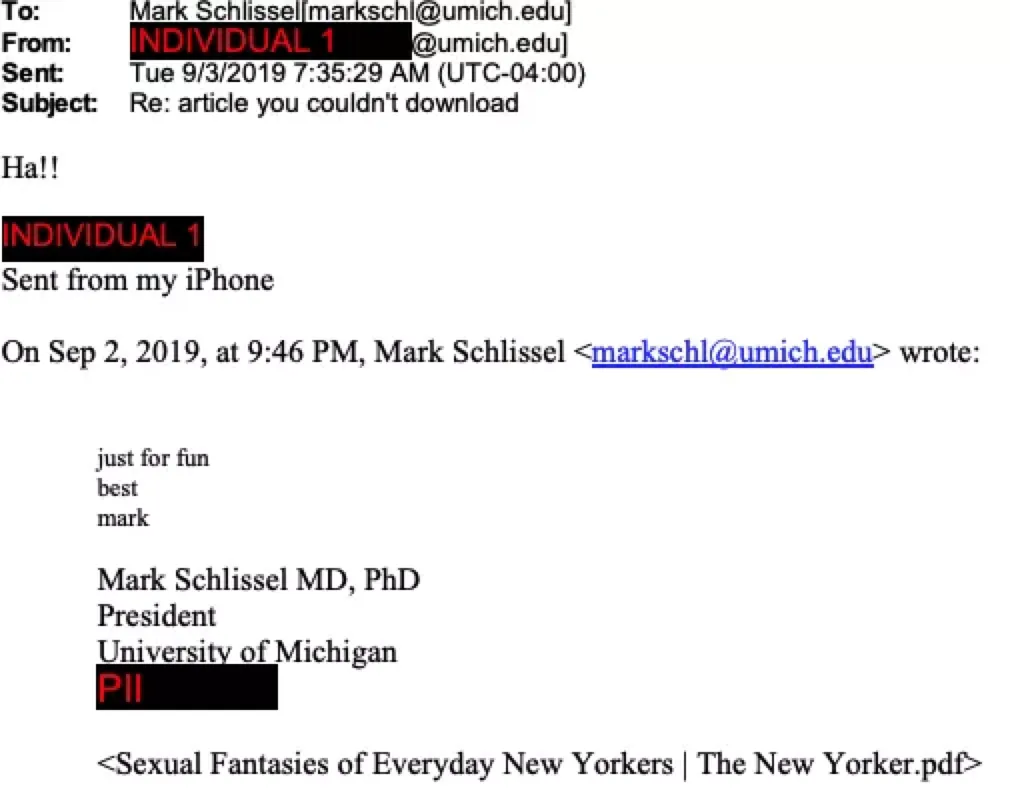
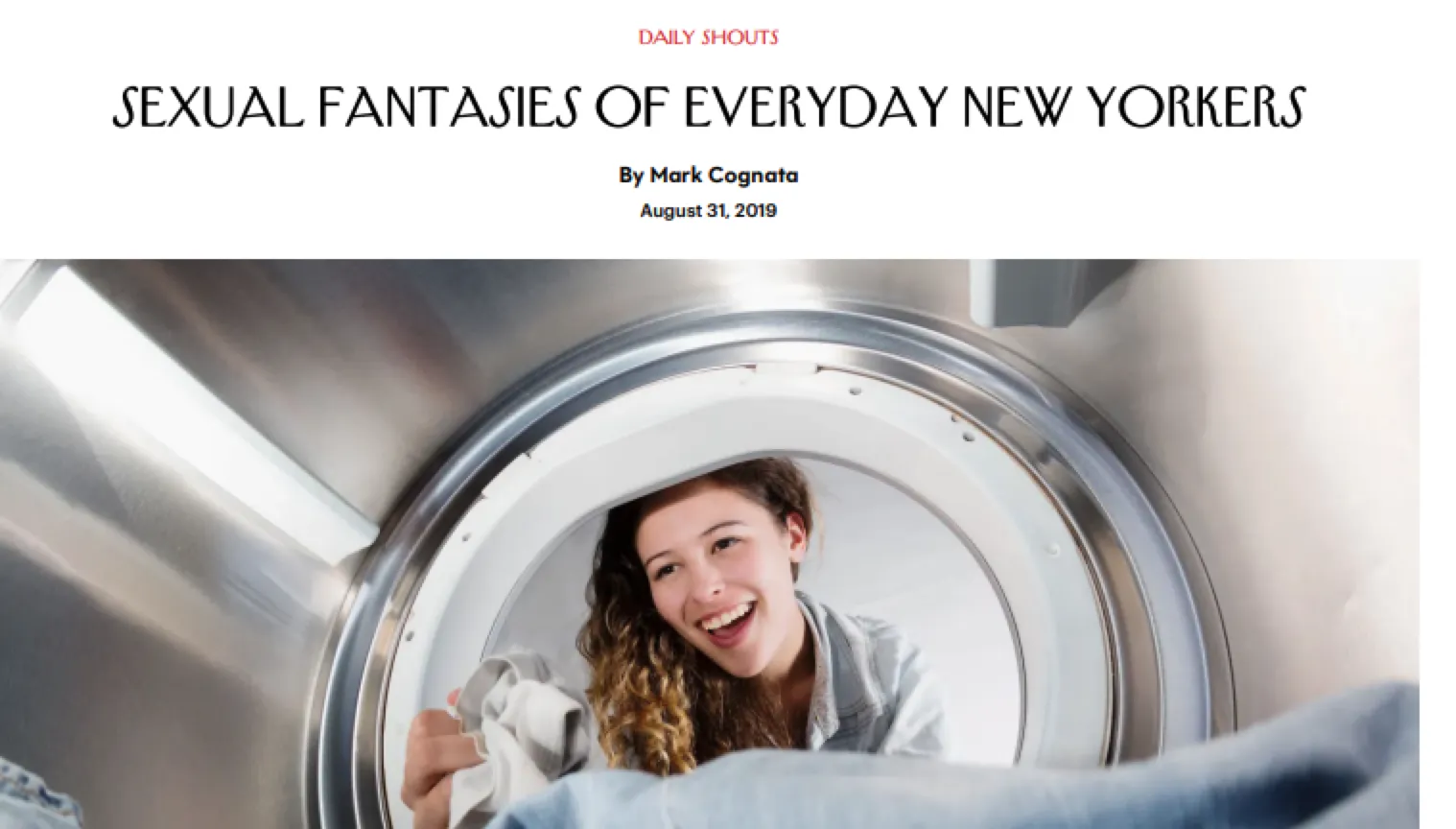
From then on, there was no stopping it—Schlissel and his mysterious subordinate exchanged sweet nothings and inappropriate remarks on the school's official email platform.
Upon noticing the subordinate's interest in potato pancakes, the former president replied, "Can I lure you over with potato pancakes?"
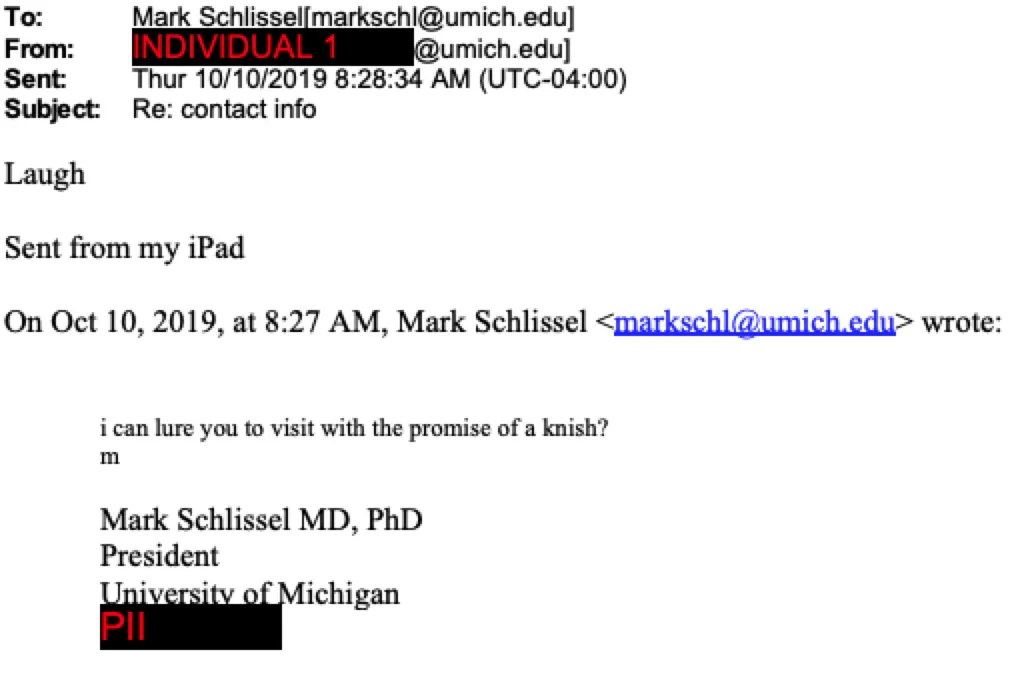
Even when ordering face masks, he couldn't resist flirting: "One for you, one for me," sweet talk between the president and subordinate.

When he couldn't sit next to his subordinate at a college basketball game, the former president replied petulantly: "The only reason I agreed to go was to be with you!"
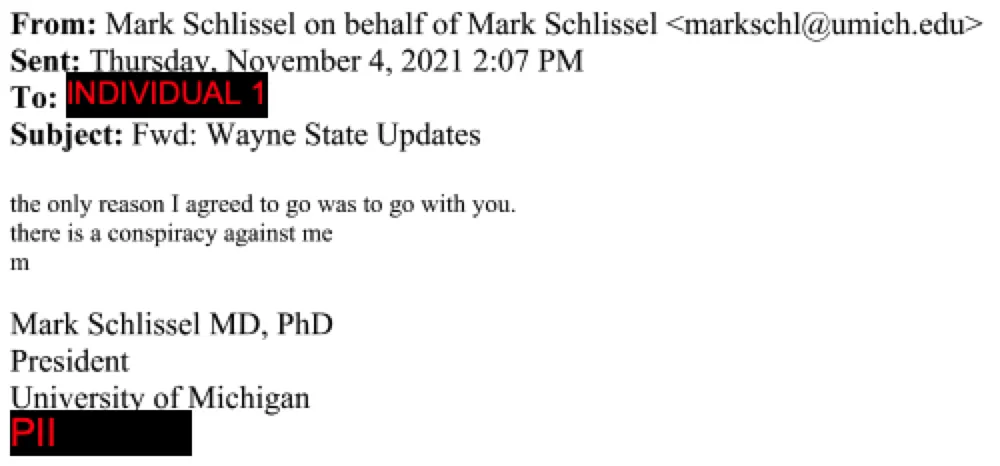
Without the email headers, one might think we were reading some overbearing CEO novel...
College Students Worldwide Join the Spectacle
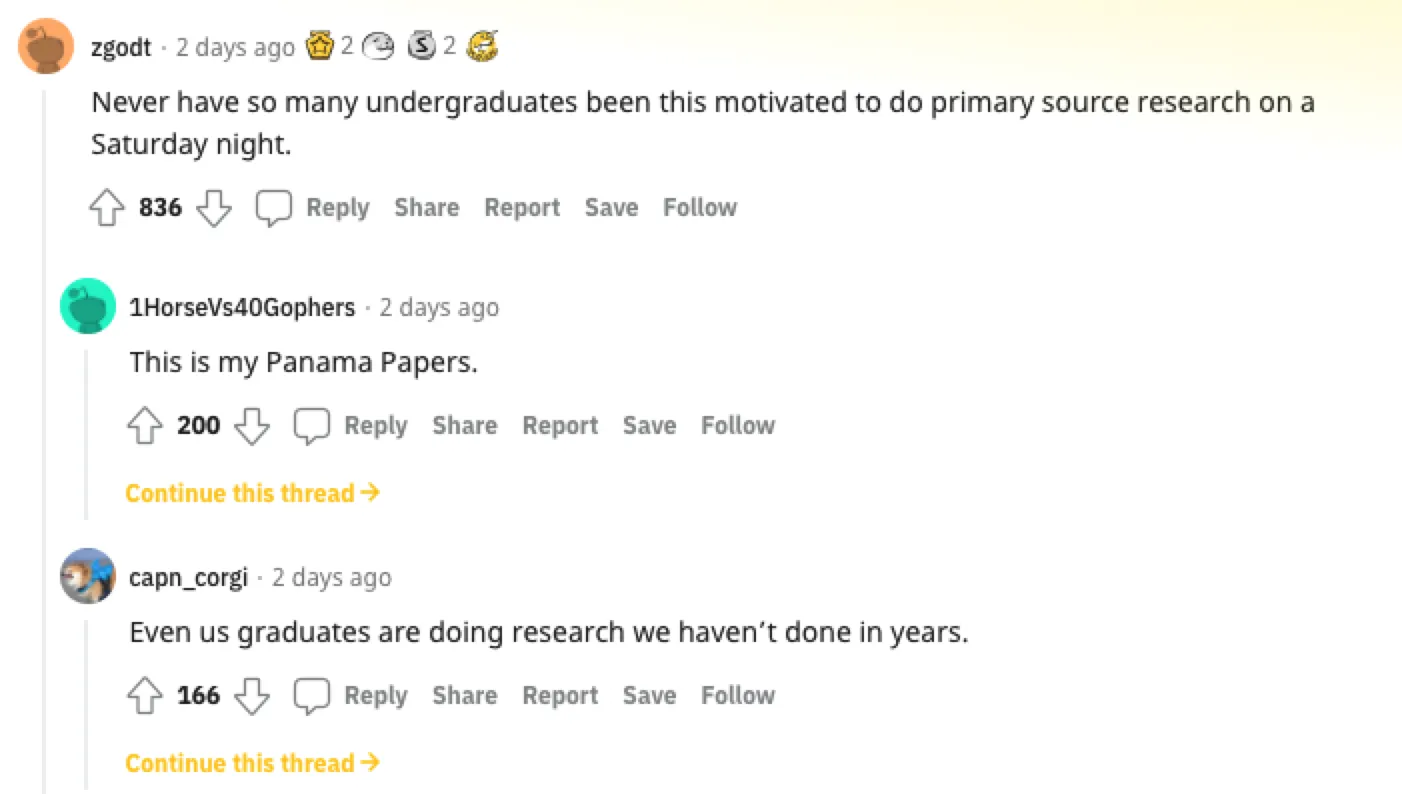
This 118-page testament to middle-aged "love" set off a frenzy of rubbernecking across the internet. "Never before have so many undergraduates been so motivated on a Saturday night to do primary source research."
The former president's phrase "lonely m" was mercilessly mocked by netizens.
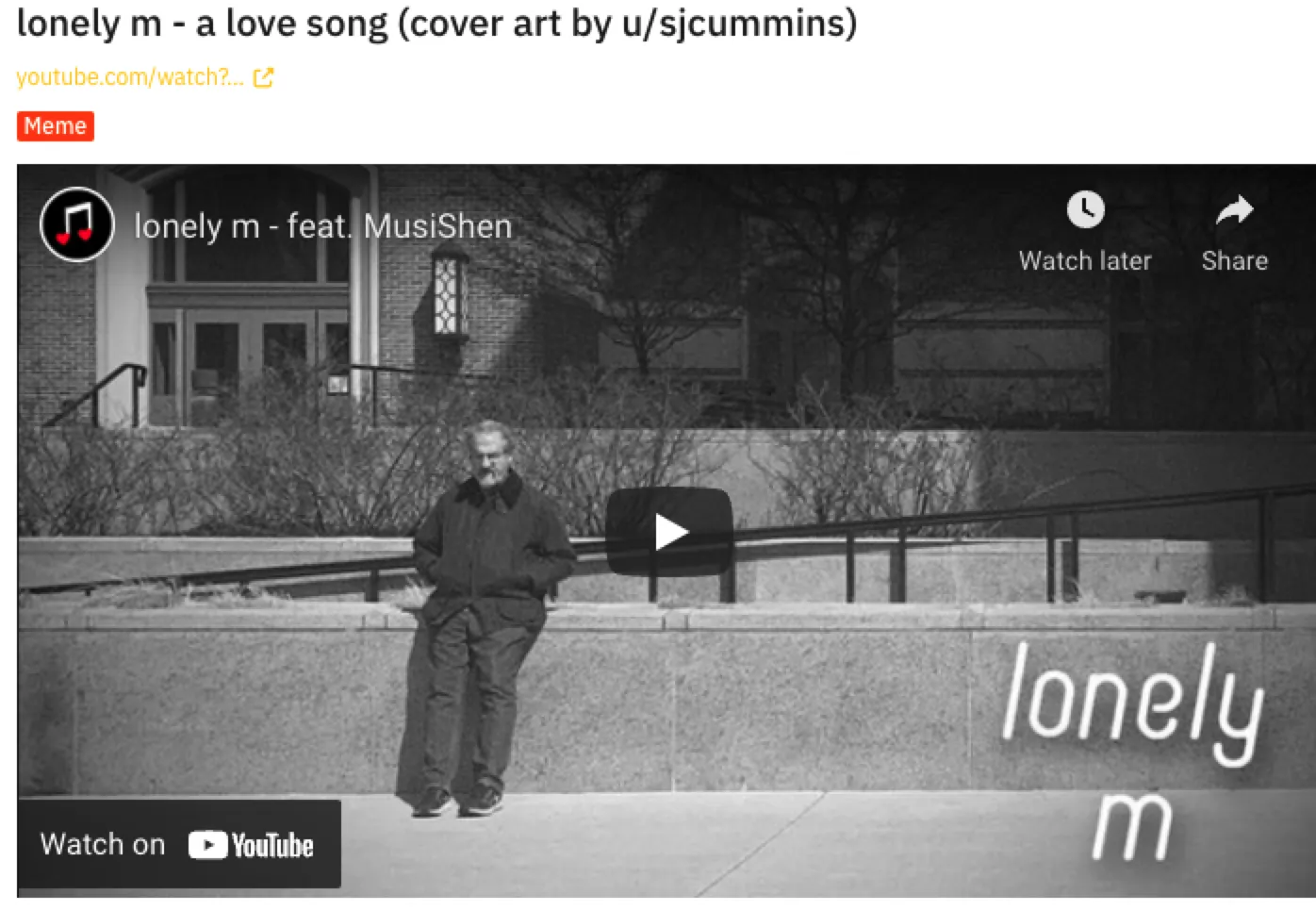
This crushing public humiliation is something the former president will have to digest slowly...
Sexual Misconduct in Academia: A Recurring Theme
Precedents at the University of Michigan
On a serious note, Schlissel's tenure was rife with investigations into sexual misconduct among university faculty and staff.
Including former Provost Martin Philbert, who sexually harassed multiple women, including colleagues and graduate students, and was later removed from his position and terminated.
Ironically, Schlissel publicly opposed sexual harassment at the time, even publishing a statement claiming, "The issue of sexual misconduct at the University of Michigan and on campuses nationwide keeps me up at night. I personally bear responsibility for the safety of all University of Michigan students." In hindsight, it was a slap in his own face.
A Review of Scandals at American Universities
Allegations of sexual misconduct in academia are not uncommon, and most frequently occur between students and professors or staff.
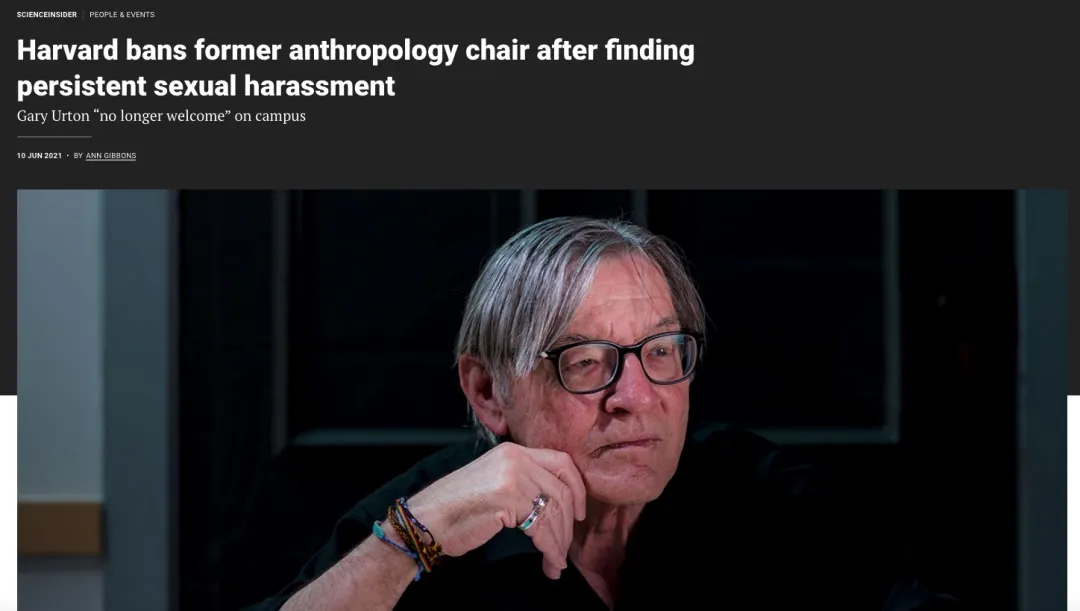
In 2021, Harvard anthropology department chair Gary Urton was investigated and sanctioned for years of "persistent" sexual harassment and unwelcome sexual conduct, as well as abuse of power over students and employees under his supervision, ultimately being stripped of his honorary status.
As early as 2016, the University of California, Berkeley experienced a series of sexual harassment incidents by faculty and staff against female employees and students, drawing skepticism and criticism from the campus community and the public.
From the vice chancellor, a world-renowned astrophysicist, and the law school dean to an assistant basketball coach, none were spared in the end.
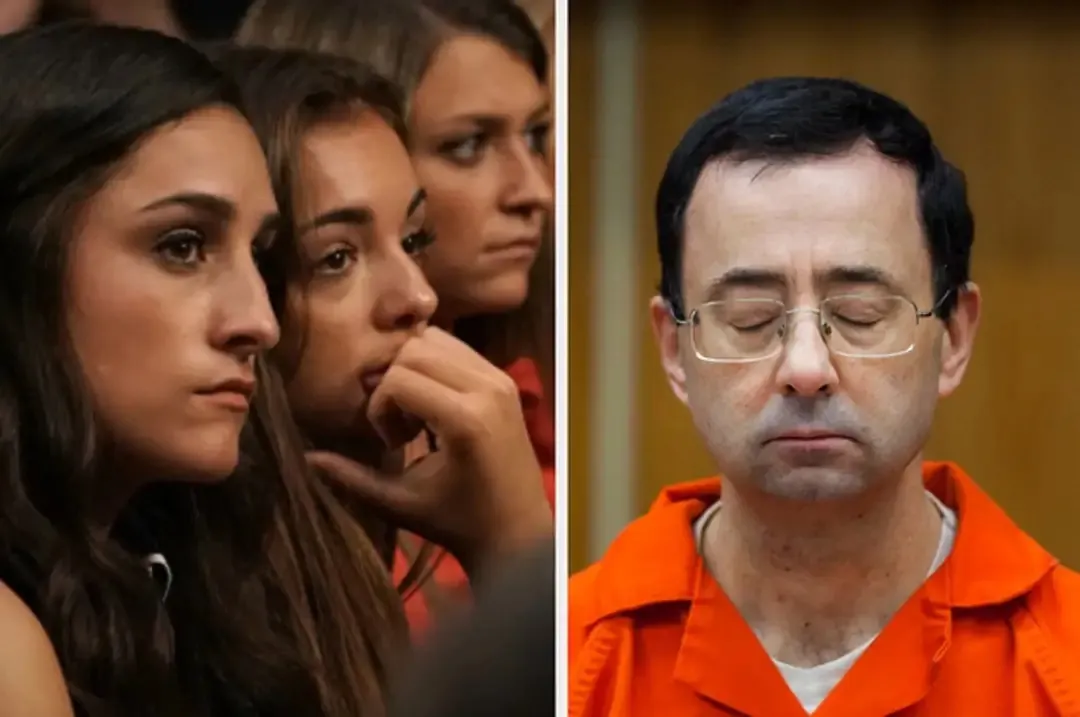
Most horrifying was the sexual assault case of Lawrence Nassar, former team doctor for the U.S. Olympic gymnastics team.
Starting from his time at Michigan State University (MSU), he sexually abused female athletes and patients for over a decade, with the youngest victim being just 12 years old.
Ultimately, he was convicted of sexually assaulting 156 individuals and sentenced to 175 years in prison.
The dismissal of the former University of Michigan president adds a prominent chapter to sexual misconduct in American academia at the leadership level of a top university, making him the second president in history, and the first in 100 years, to be removed from office at UMich.
What to Do if You Encounter Sexual Misconduct
Since the popularization of the #MeToo movement, more and more people have courageously come forward to report cases of sexual harassment they have experienced or witnessed, and North American universities are paying increasing attention to such incidents.
During the college application process, sexual scandals can also influence students' decisions. To create a safer campus environment and uphold their institutional image, universities show zero tolerance for unethical behavior.
Nowadays, all American colleges and universities have comprehensive prevention and protection measures against sexual harassment risks, ensuring that all staff and students are educated about and provided with relevant help.
Many universities require students to complete sexual misconduct/assault prevention training before enrollment.
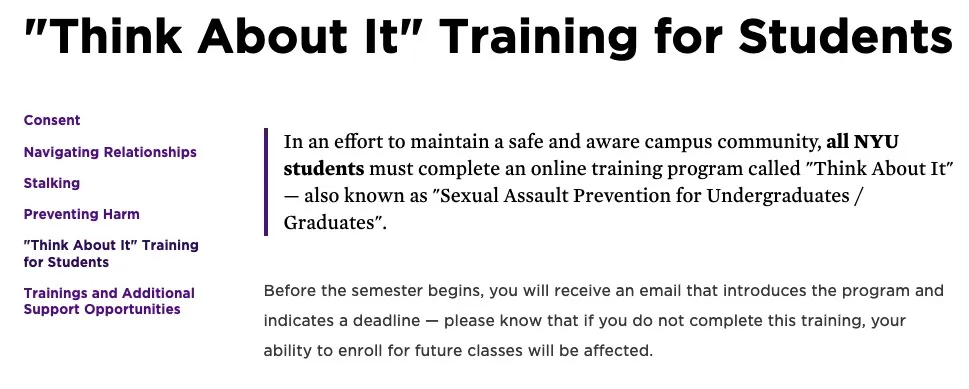
Common measures taken by universities include airing promotional short films, distributing brochures, and setting up sexual harassment hotlines and response departments, all to ensure the safest possible campus environment for students and staff.
If you ever encounter sexual misconduct, we recommend taking the following steps:
1. Seek Support
Confidential resources are available both on and off campus. If you are affected by sexual misconduct, you can seek help from relevant individuals.
Universities typically have dedicated counselors who provide free consultations and can offer effective channels for victims to pursue conduct or criminal complaints.
2. Report to the University
You can choose to notify the university of the sexual misconduct incident. Students can generally submit a sexual misconduct report form, either anonymously or with identifying information.
You can also file a complaint directly with the dean of students to initiate an investigation and implementation process. If the accused is a member of the university community, the complaint will lead to them being notified of the allegation and an investigation.
3. Report to the Police
While seeking help from the university, you can also choose to report the sexual misconduct incident to the local police.
Although the university may not be able to control any police investigations and legal proceedings that may occur, university staff will continue to work with students to provide assistance.
Most universities have a dedicated reporting page. You can learn more by searching for sexual misconduct + university.
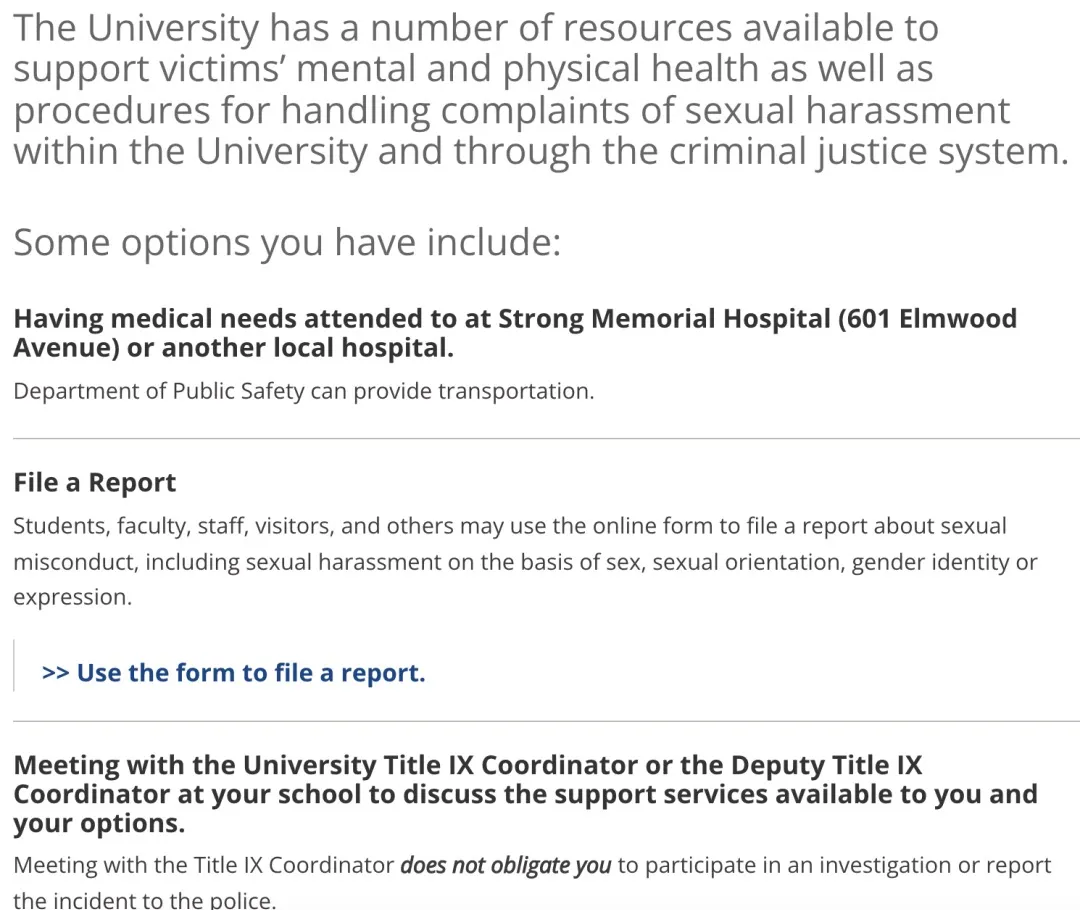
Students affected by sexual misconduct should go to a safe place with someone they trust and talk to someone they trust to aid their recovery, and let others know how to help.
We sincerely wish everyone a healthy and wonderful study-abroad experience.