Every application season, CheersYou(清柚教育) encounters some chronic overthinkers who agonize over which admission offer to choose, a process as hard as the initial college selection. Even when they finally pick their "dream school," there are embarrassing cases where they enroll and find it doesn't suit them after all.
The decision of which admission offer to accept is arguably the most critical final step of the application season.
.png)
Note the Response Window for Admission Offers
After careful school selection planning and hard work, you finally receive offers from target universities. But when it's time to actually choose, many students feel their hearts trembling.
Everyone knows that after being admitted, you need to respond promptly.
Many universities will remind you in the admission letter to pay the deposit, and provide a link and deadline for responding.
Columbia University's admission letter requires a deposit within four weeks of receiving the offer.
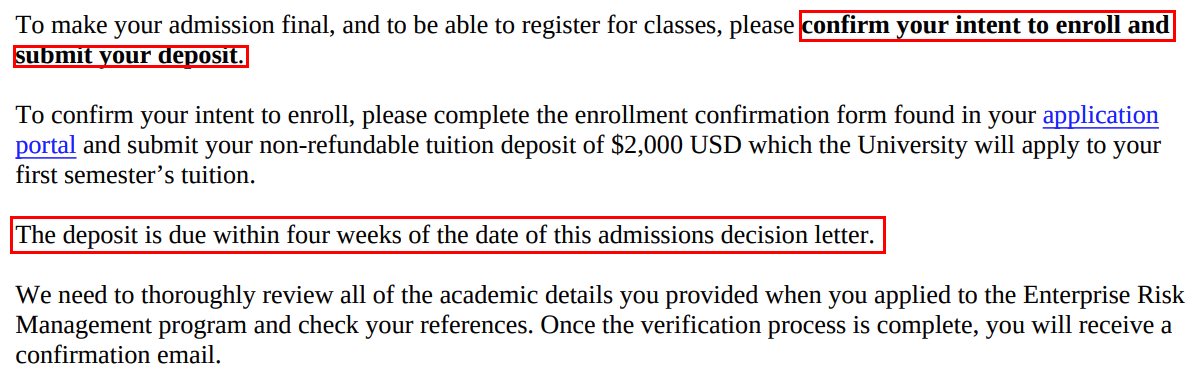
Most schools' response deadlines are typically around 3-4 weeks after receiving the offer.
Today's application competition is increasingly fierce. Even admission spots can be limited, and some universities even operate on a 'first reply, first served' basis. Delay a little, and the offer you had might vanish.
Duke University's admission letter explicitly says to respond and accept the offer as early as possible.

Yet these few short weeks become a 'sweet dilemma' for many applicants.
Putting aside rejection letters, with some universities that have already sent offers and others yet to make decisions, many students are caught in a dilemma.
Should I accept an offer quickly, or wait a bit longer?
Among the offers already received, how to choose?
What factors should be considered to help pick the most desirable offer?
CheersYou(清柚教育) will help sort out the thoughts for all you applicants at a loss.
Factors to Consider When Choosing an Admission Offer
Institutional Rankings
Although rankings are not the only measure of a school's overall strength, they are undoubtedly a key quantitative indicator.
There are many university rankings out there, and you need to learn to cross-reference them. Many students applying to multiple countries/regions for Fall 2024 likely need to pay more attention to world rankings.
For world university rankings, applicants commonly refer to: QS World University Rankings, U.S. News Global Universities Ranking, THE World University Rankings, and ARWU Academic Ranking of World Universities.
Rankings can differ by subject within the same list. For example, in QS, the top three in humanities and business programs vary year to year.
QS Humanities QS Business
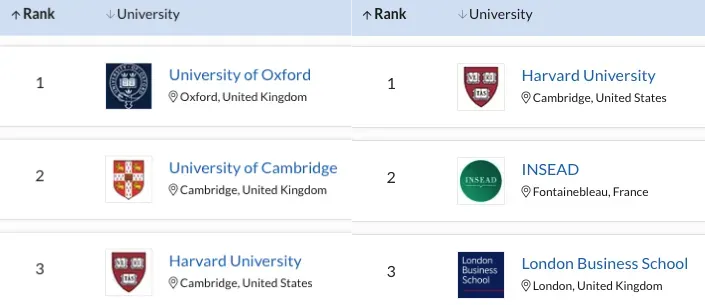
For those interested in universities in specific countries/regions or specific schools/programs, there are also many subject-specific rankings to consult.
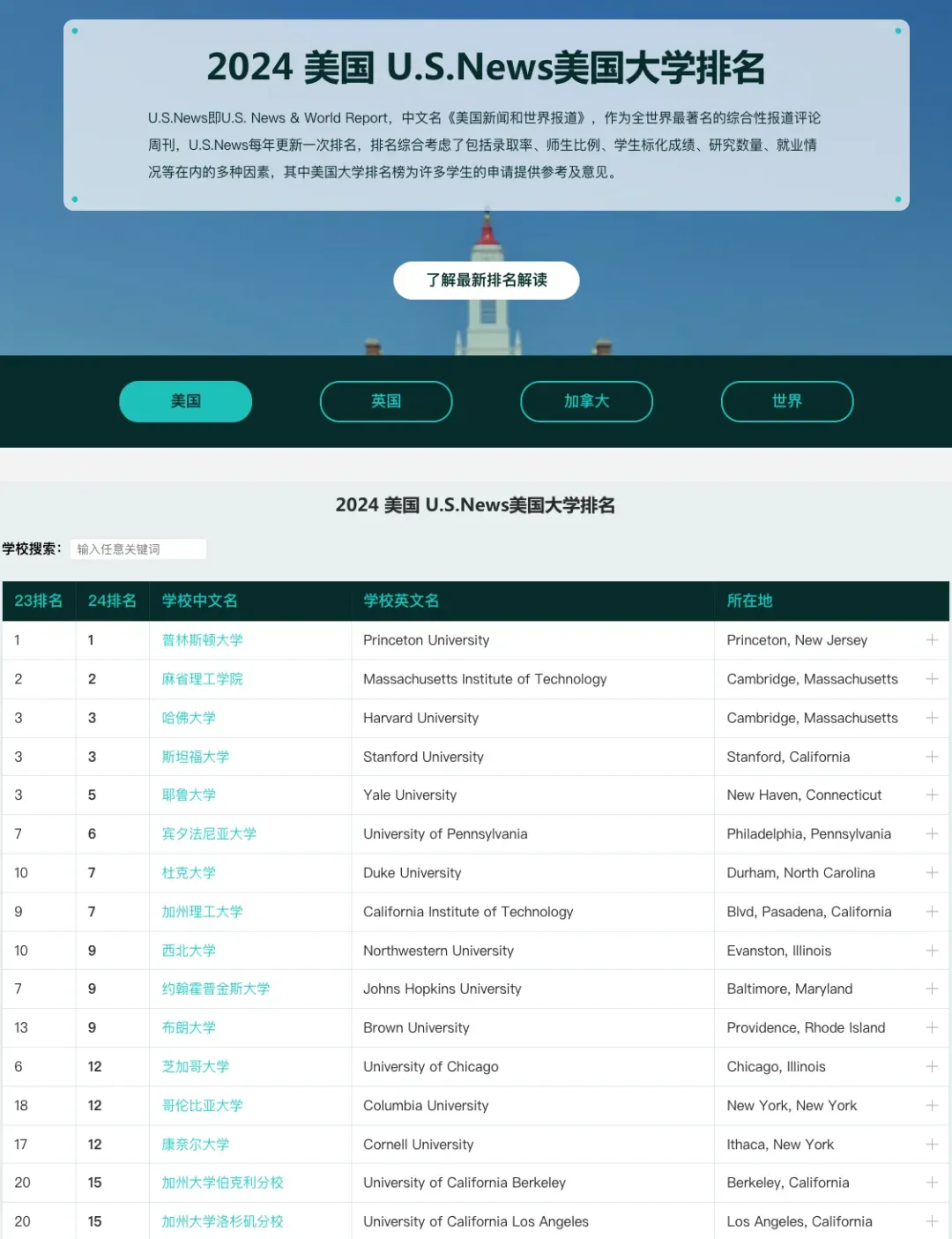
For example, U.S. News Best Colleges Rankings is specifically for American universities, and they also rank graduate schools by discipline each year. Business schools, law schools, medical schools, engineering schools, education schools, etc., all have separate graduate ranking lists.
Click to view the 2024 U.S. News Best Colleges rankings
Geographic Location
The geographic location of the school has a certain impact on the learning experience and employment prospects, and it's a matter of personal preference.
Some prefer the sun, beaches, and warm climate of the West Coast, while others favor the skyscrapers and convenient transportation of the East Coast. Factors like campus safety, internship and job accessibility, and the city's key industries are all closely tied to the school's location.
Generally, choosing a big city offers a larger social circle, more diverse culture, and more job opportunities, but also requires considering high living costs.
A 72 sq. ft. apartment near NYU costs $1,200/month Source: YouTube / Erik Conover

Choosing a small town, on the other hand, offers a stronger academic atmosphere more conducive to focused research, with relatively cheaper living costs, but also requires considering practical issues like social isolation and higher local crime rates.
Cities with highest increases in violent crimes in the U.S. Source: LARMS

Career Development
For many students, the ultimate goal of pursuing a graduate degree is to achieve better job prospects, so a program's employment outcomes become a key factor.
For example, business graduate students often consider whether their university is a target school for major companies.
Reference Data on Target Schools for U.S. Consulting Source: peakframeworks
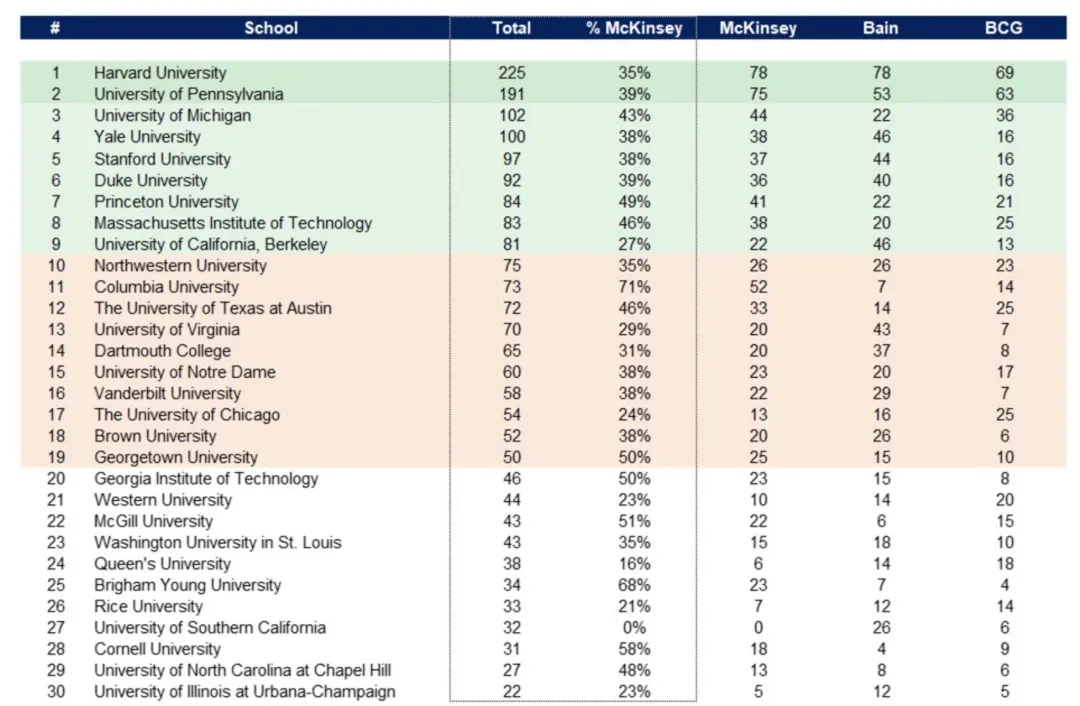
Information such as the program's graduate employment rate, the types of jobs they land, and average starting salary can all be used as references. Many programs also publish this data on their official websites.
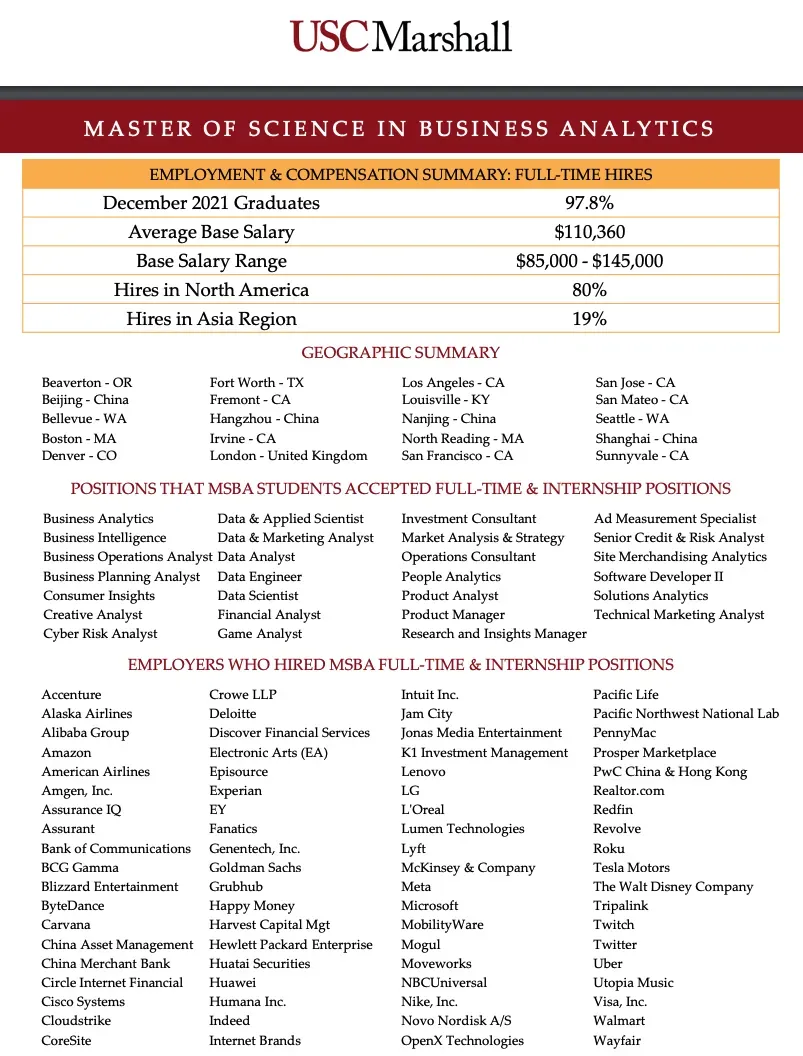
Take USC's Marshall School of Business, for example. Their website provides a detailed employment report for graduates, including starting salaries by specialization, city of employment, and corresponding job titles.
USC SBA Program Employment Report Source: USC official website
Specifically, factors like the school's alumni network and career services center can have a crucial impact on graduates' career development.
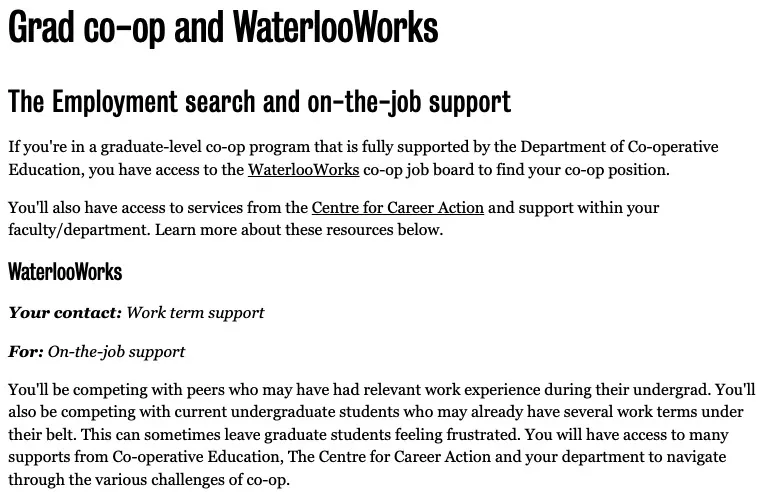
For instance, the University of Waterloo in Canada is famous for its co-op program, which provides students with greater job security.
Curriculum Design
Even for programs in the same field, different schools may have different curricula. Some programs lean more towards practice, while others are more theory-oriented.
After receiving offers, you can carefully review the curricula of different programs and choose based on your interests and future career plans.
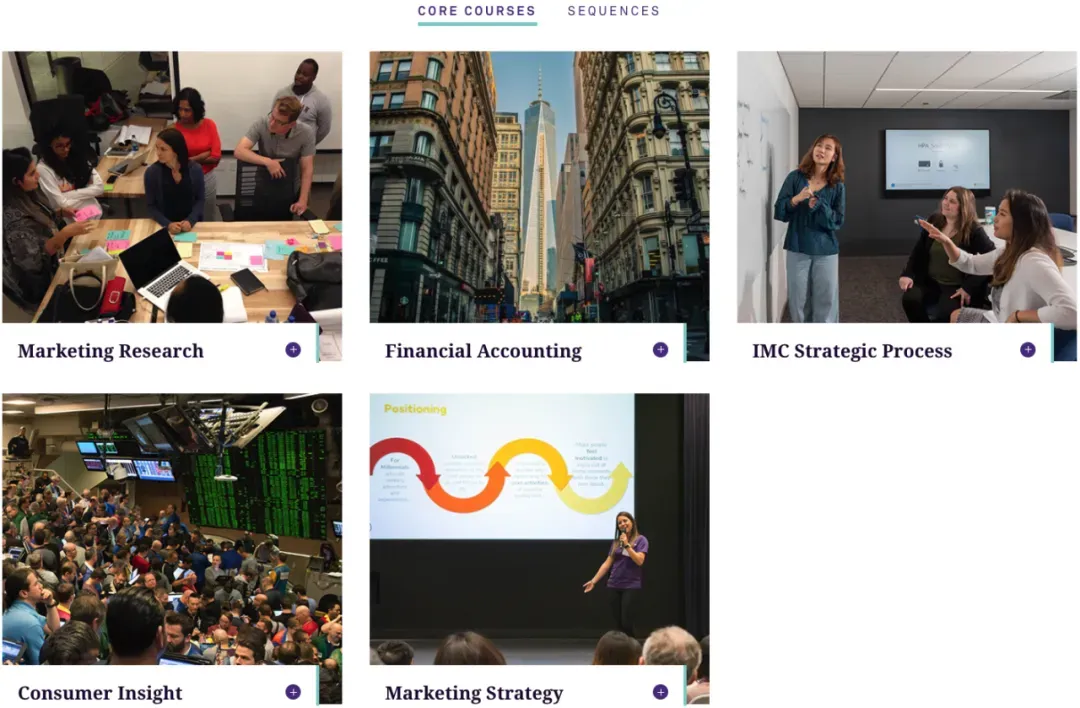
Taking media and marketing as an example, Northwestern University's Intergrated Marketing Communication program has a comprehensive core curriculum covering consumer insight, financial accounting, strategic process, market research, and marketing strategy development.
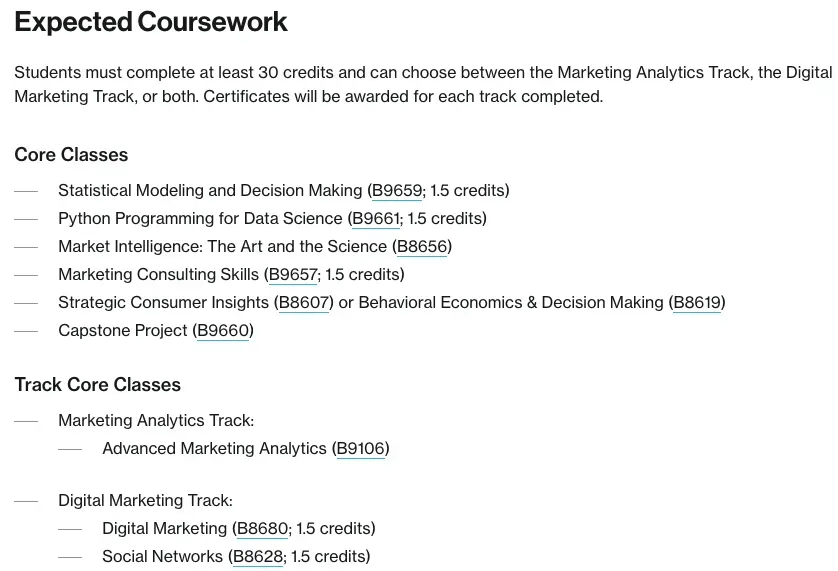
Meanwhile, Columbia's Marketing Science program leans more heavily toward data analysis and statistical skills in its core curriculum, making it more 'hardcore' and often PhD-oriented.
Program Length
Graduate programs vary in length: some as short as one year, others mostly two years. Program length actually impacts many aspects.
Fresh graduates usually need to plan their job search early based on the program end date and company recruitment schedules. Students in one-year programs need to be especially mindful because the curriculum is tight and leaves limited time for job hunting.

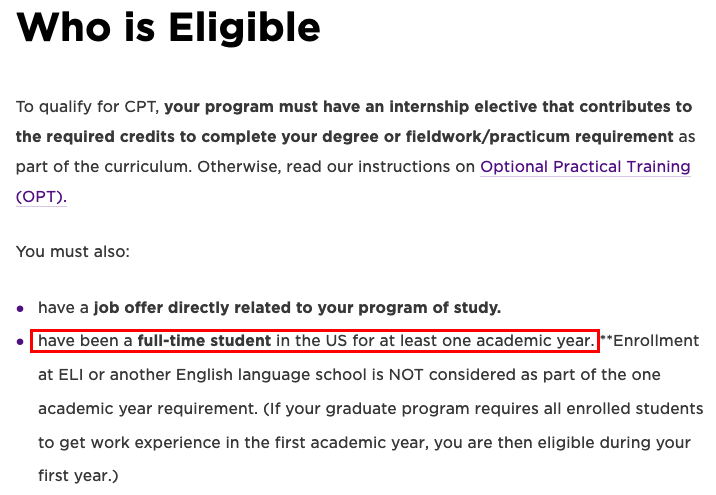
Differences in program length also have different implications for visas and status. For example, NYU requires that CPT applicants have completed at least one academic year of study, meaning students in one-year programs cannot apply for NYU's CPT.
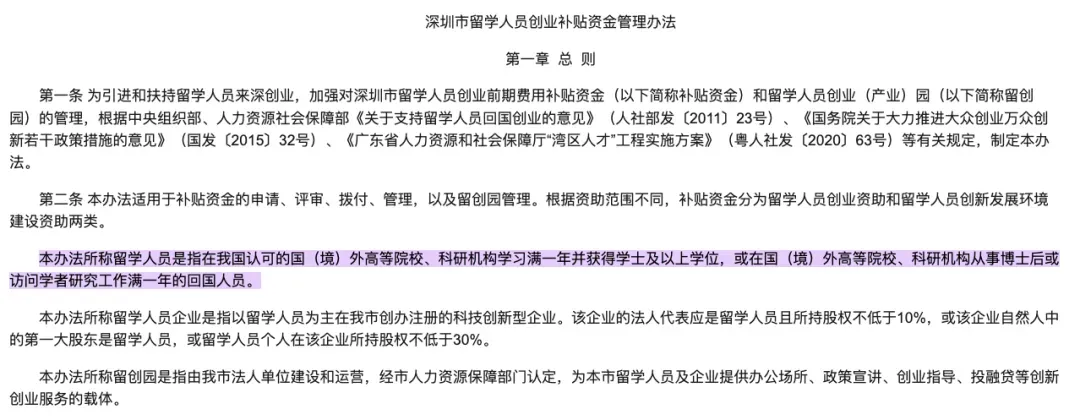
Moreover, some cities in China have policies for overseas returnees regarding household registration and subsidies that specify minimum periods of study abroad.
Taking Shenzhen as an example, the policy requires overseas students to have studied abroad for at least one year to be eligible for entrepreneurial subsidies. In this case, programs under a year may not meet the requirement.
A new application season has begun. For students who want to avoid the peak of the rat race and get offers early, early planning is the right approach.
Opportunity favors the prepared~
.png)