As the weather warms up and the pandemic eases, many international students are sighing with relief—after more than two years of waiting, is the miserable life finally coming to an end?
However, along with spring come skyrocketing housing prices and other living expenses...
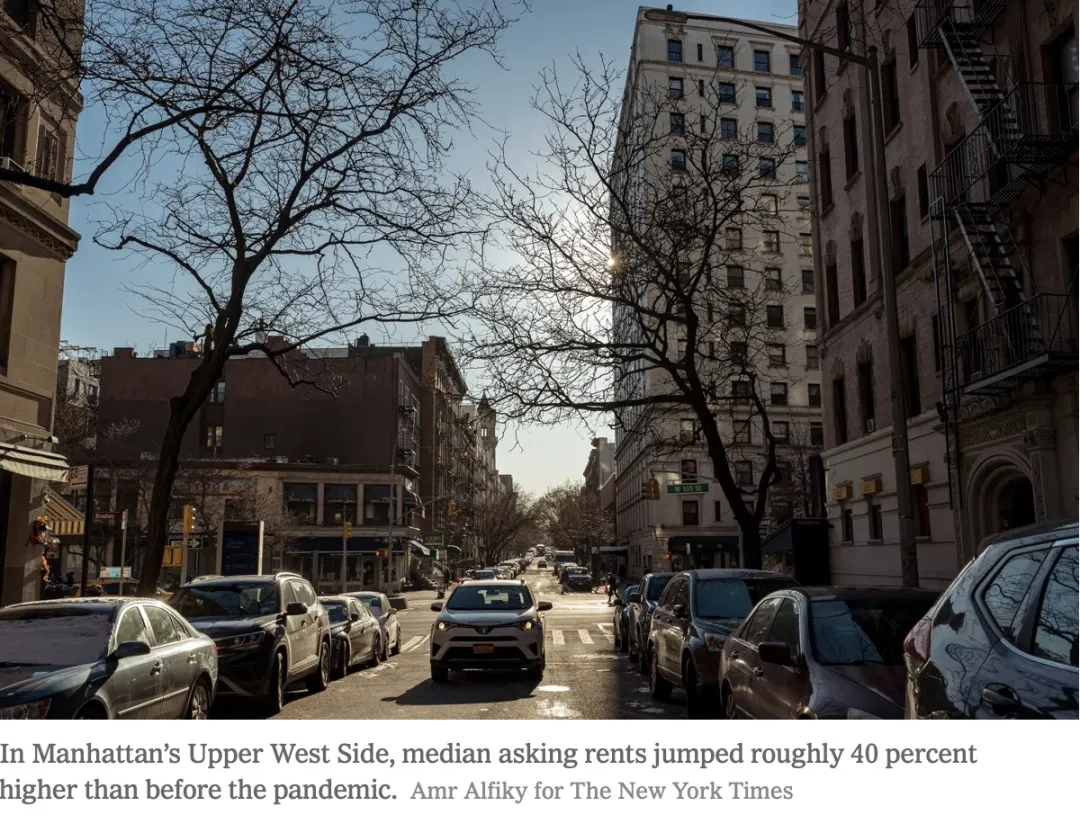
The New York Times recently reported that the median housing price on Manhattan's Upper West Side has risen 40% compared to pre-pandemic levels.
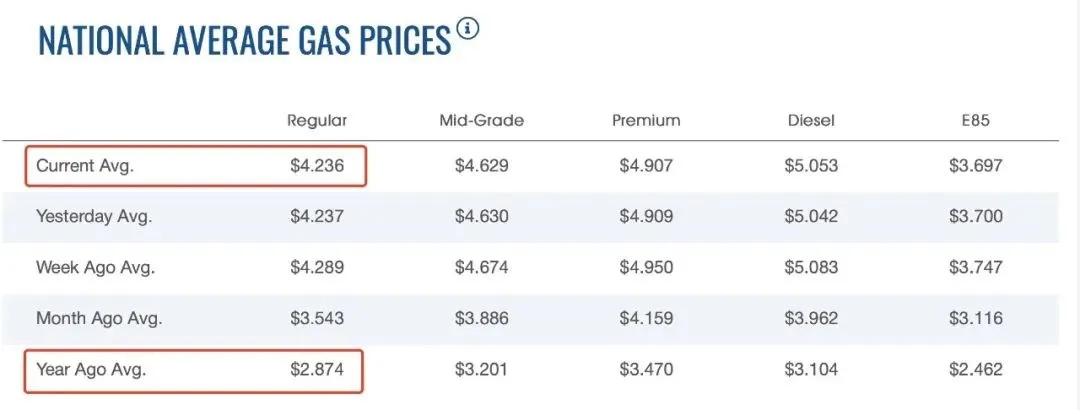
Misfortunes never come singly. Along with housing, US gas prices are also soaring. Due to international events, gas prices have been climbing steeply and continuously hitting new highs.
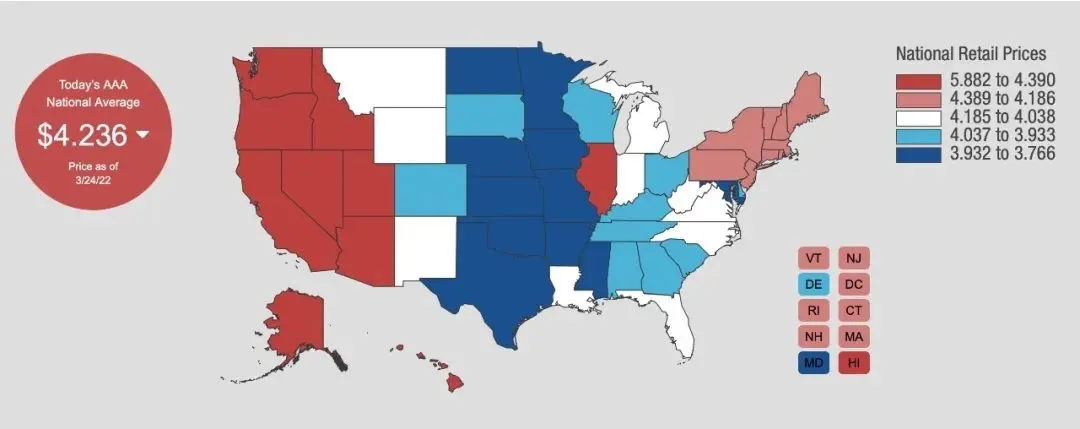
As of noon on March 24, the national average gas price had reached $4.236, a nearly 50% increase from last year!
Not to mention food prices, which rose 13.7% compared to the same period last month, making the already frugal student life even harder.

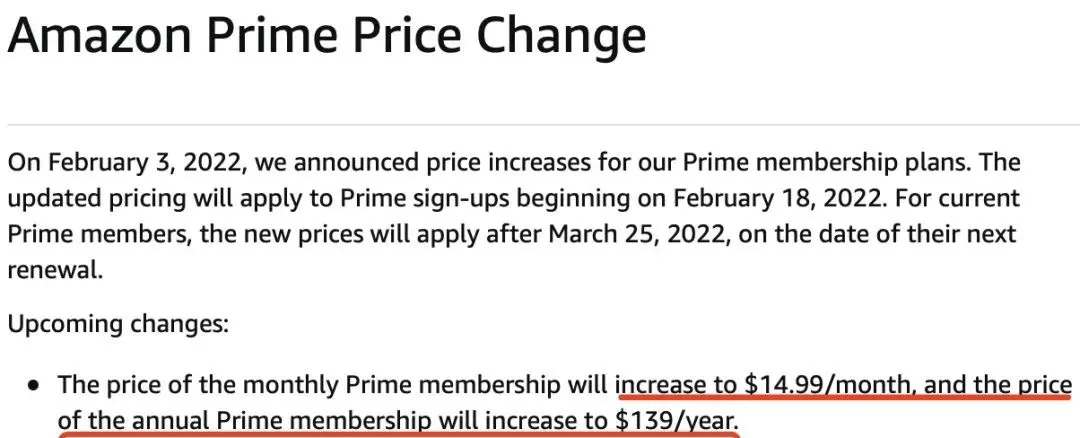
Even the annual Amazon Prime membership fee increased from $119/year to $139/year at the end of March.
Fortunately, many savvy international students already have money-saving habits. No matter how fast prices rise, they can't outpace our saving speed.
Today, we're sharing some essential money-saving tips compiled by international students!
Max Out Your Student ID Discounts
1. Education Discounts
As an international student, education expenses are undoubtedly one of your top concerns.
The high cost of textbooks, often hundreds of dollars each, is a pain for every international student. But many educational resources offer student discounts—make sure to take advantage of them during school.
First, many university textbooks can be borrowed or downloaded for free from the school library, eliminating the need to buy expensive new print copies.
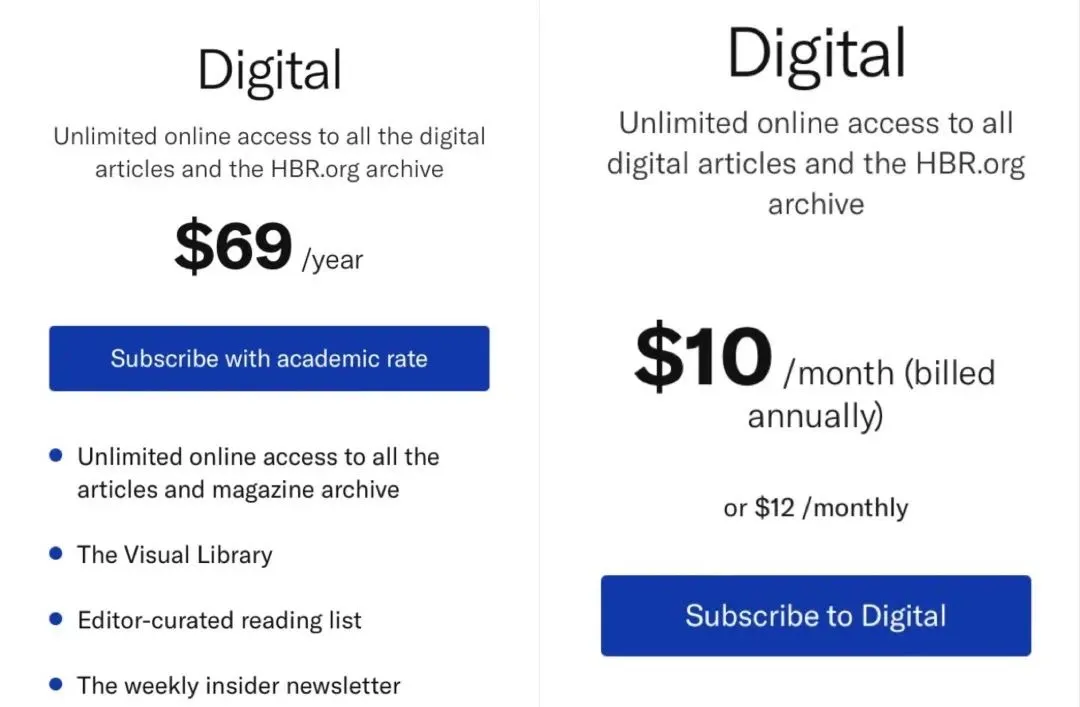
Many well-known periodical websites and data platforms also offer special student discounts or partner with universities to provide access. For example, Harvard Business Review offers 40% off for student subscriptions.
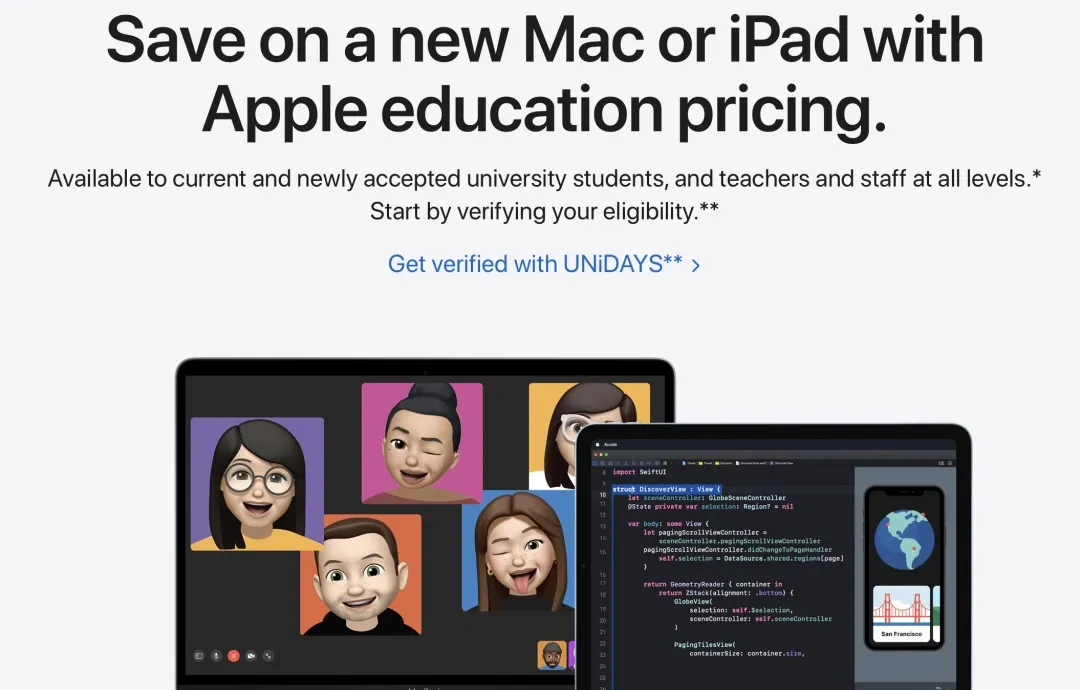
In addition, commonly used software (like Adobe) and electronics (like Apple) often provide exclusive student discounts.

2. Transportation Savings
Almost all enrolled students receive some form of transportation subsidy from their school.
Discounts on campus parking, free shuttle buses, reduced public transport fares... the list goes on, but many students overlook these great perks.
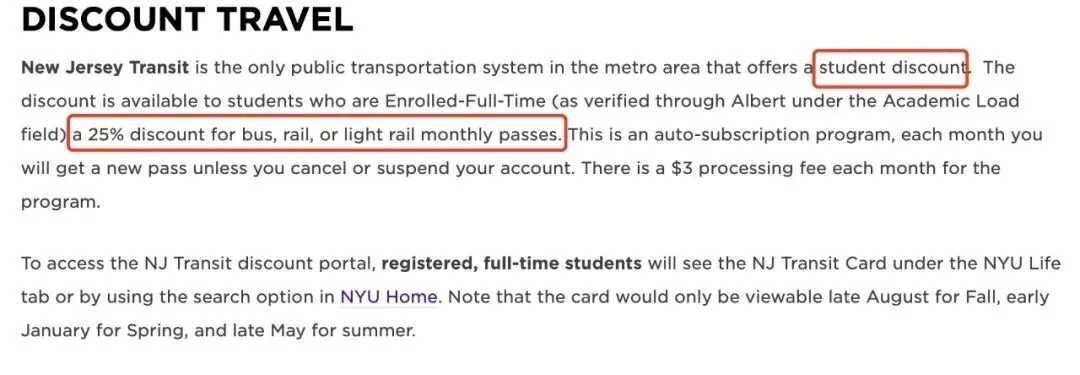
Daily transportation costs may seem small, but they add up. Save on travel and put the money toward more meals!

3. Venue Discounts
Students at many schools can simply use their student ID to enter local museums, galleries, etc., without needing reservations or tickets.

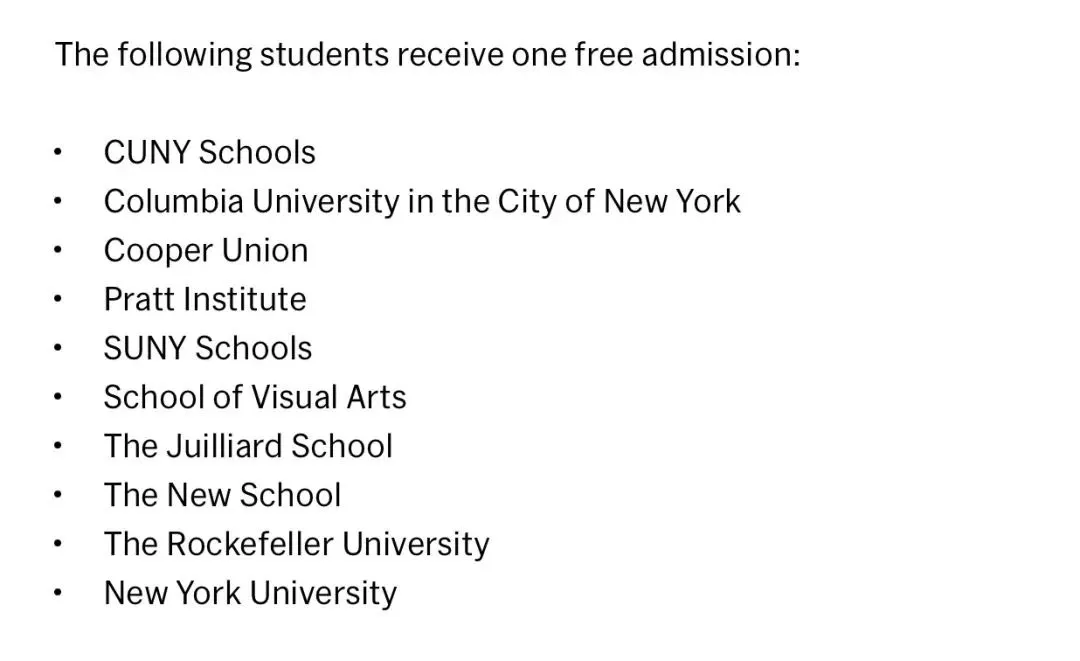
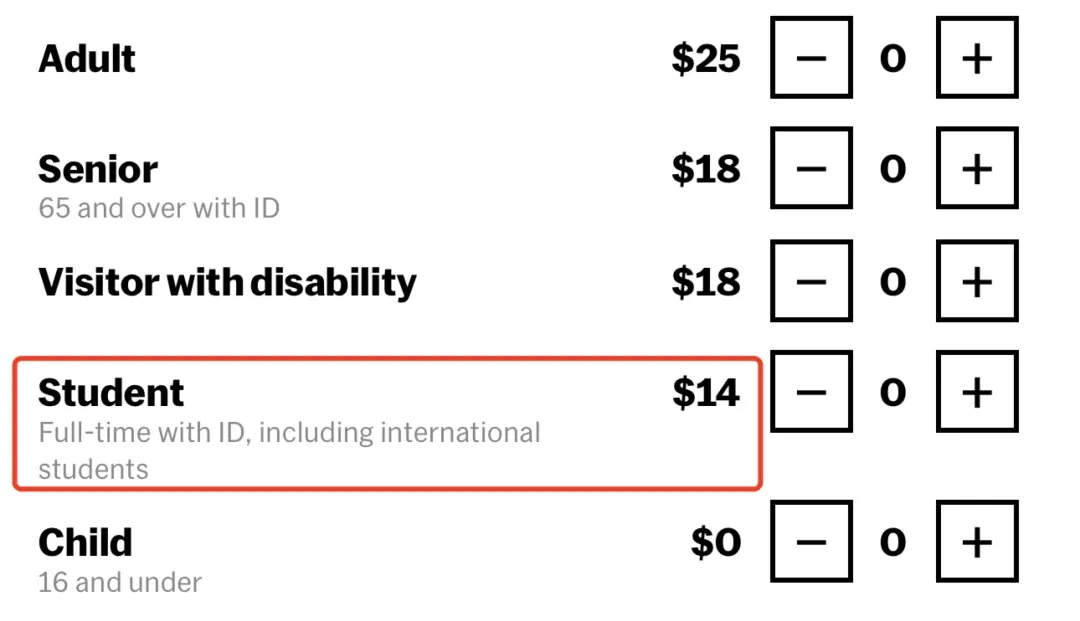
For students traveling away from campus, many places also offer student discounts. Be sure to carry your student ID or buy student tickets online in advance!
Many universities also offer exclusive event discounts—if you're interested in a particular event, don't miss out.
Take NYU as an example: the university regularly offers students discount tickets to various NYC performances such as Broadway shows, Metropolitan Museum concerts, sports events, etc. Check the school's website often for pleasant surprises.

4. Online Shopping Discounts
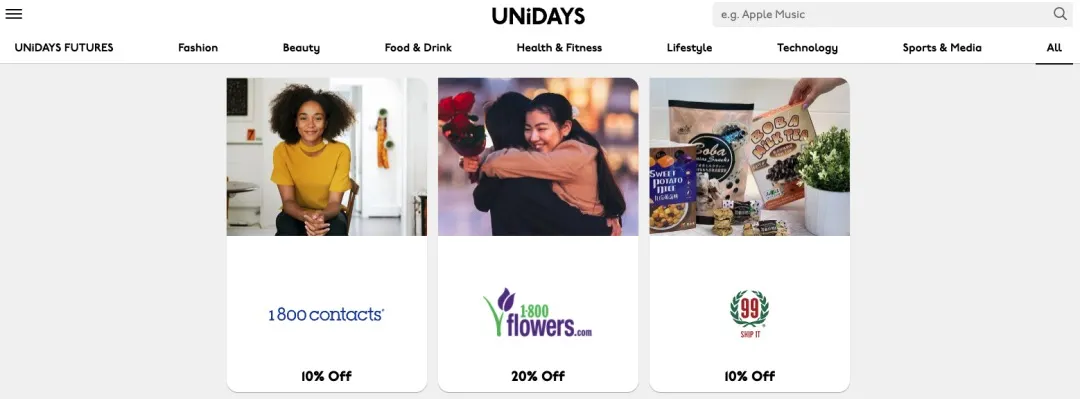
Smart spending starts with online shopping. Official student discount sites like Unidays and Student Beans partner with major e-commerce platforms to offer various perks.
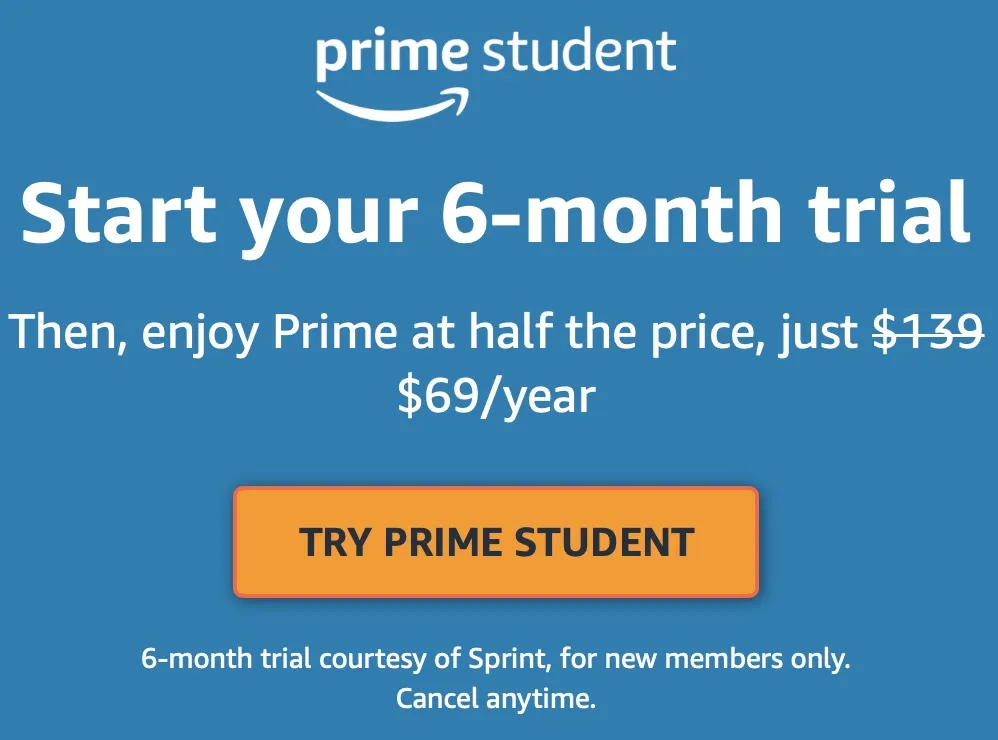
Amazon Prime's Student Plan, from the e-commerce giant, is also a must-have for international students.
Not only does it cost half the regular annual fee, but you also get the fastest shipping, free TV/music/games, and other education-related discounts on the platform: such as discounted textbooks and two free months of Kindle reading.
5. Special Perks
Due to the pandemic, many US universities also provided students with COVID-19 relief funds.

Some schools notified students via email, while others didn't advertise them publicly, only quietly opening an application window requiring you to fill in details and even write an essay explaining your need.
Students who only now realize they missed out might feel like they lost a fortune...
Subsidies, Group Plans, Credit Cards, Cashback—Don't Miss a Thing
1. Government Subsidies
The US government has offered various forms of financial aid in the past couple of years.
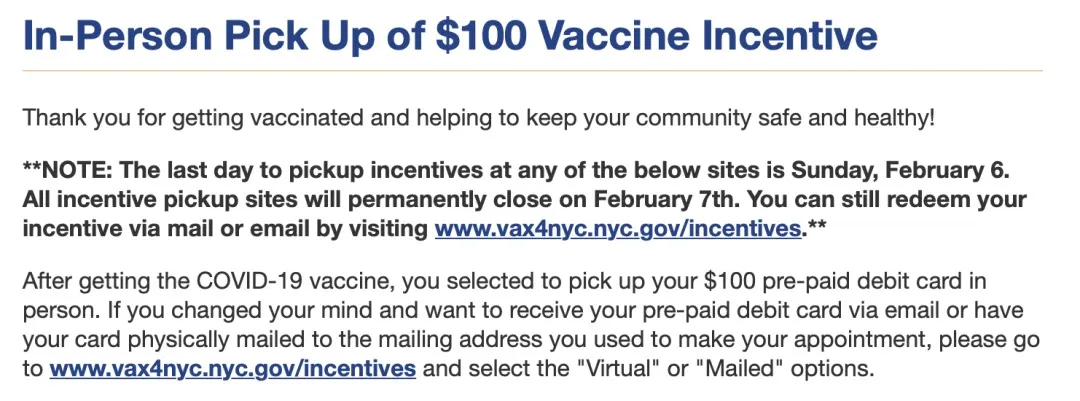
One of the easiest perks for international students was getting a cash incentive for receiving the COVID-19 vaccine.
Earlier, anyone vaccinated at designated government sites, regardless of citizenship, could receive a $100 cash incentive.
2. Family Plan Group Rate
US phone bills are much higher than back home, so joining a telecom family plan with friends is a good option.
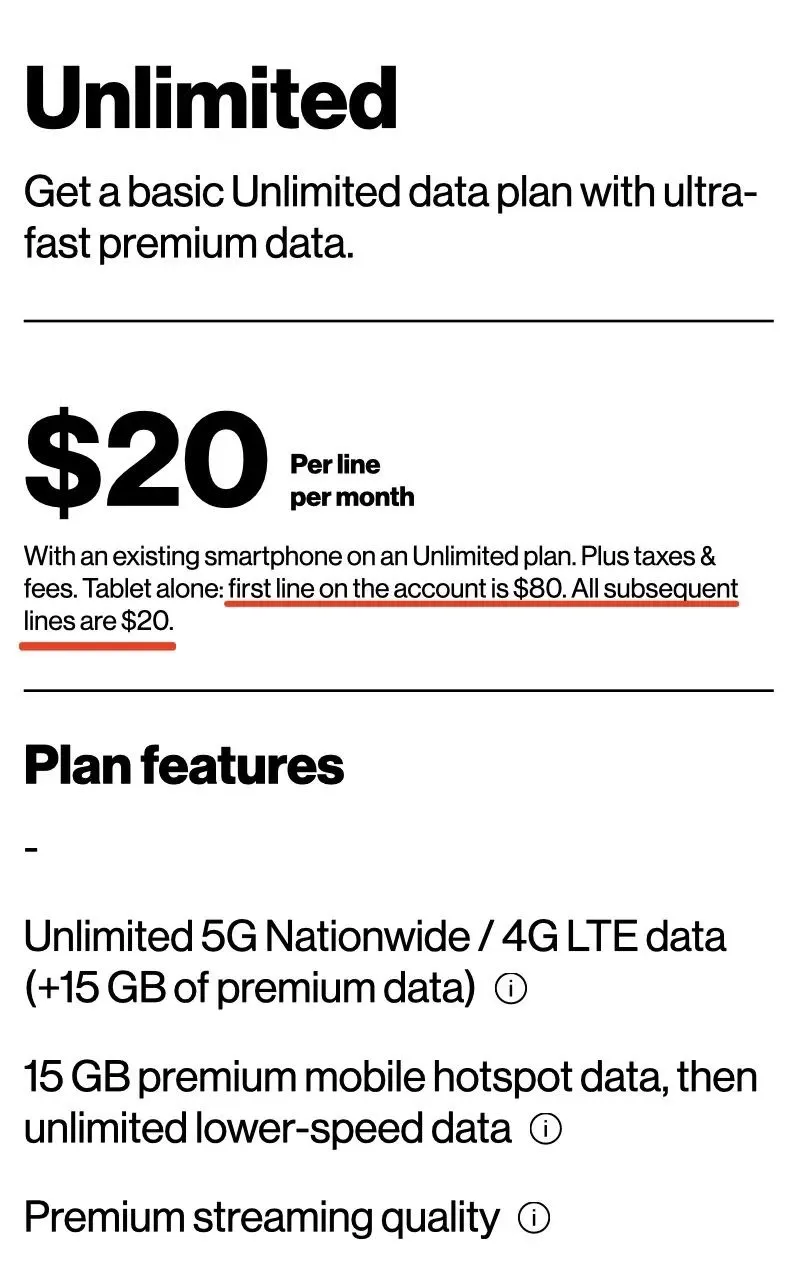
Take Verizon, one of the largest US carriers, for example. Its most basic plan costs about $35 per person per month. But with a group, after the base fee of $80, each additional line costs only $20.
The same logic applies to streaming services. Major music and video platforms also offer family plans, and splitting the cost among several people is both high-quality and affordable.
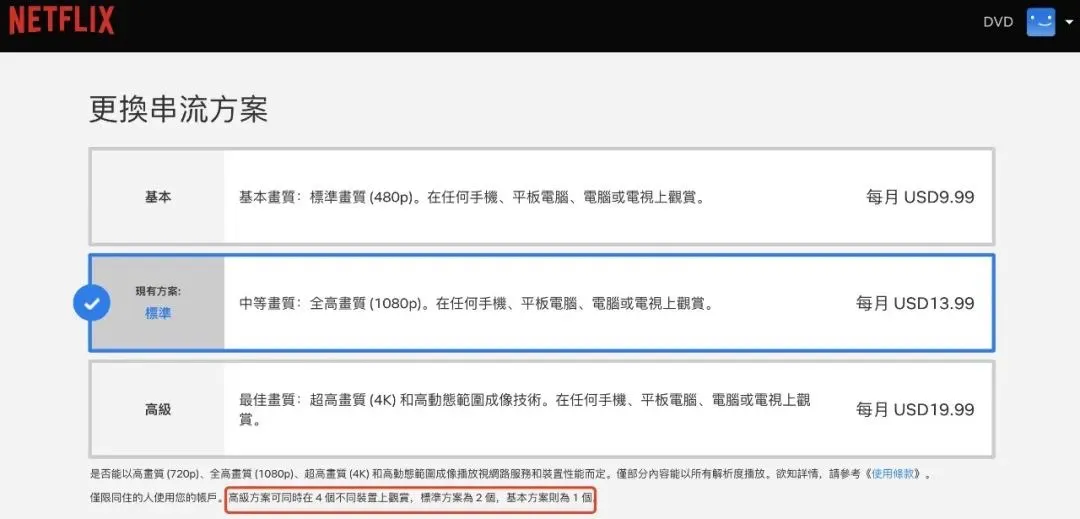
Take Netflix: the Standard plan costs $13.99/month and allows two simultaneous streams. Upgrade to Premium for just $6 more per month, and you can stream on four devices at once.
However, though these perks are tempting, finding reliable "family members" isn't always easy. Don't let a small gain lead to a big loss.
3. Credit Card Cashback
For students with an SSN in the US, getting a credit card is a great choice. Different cards offer various sign-up bonuses and cashback deals.
Take Chase credit cards, for example:
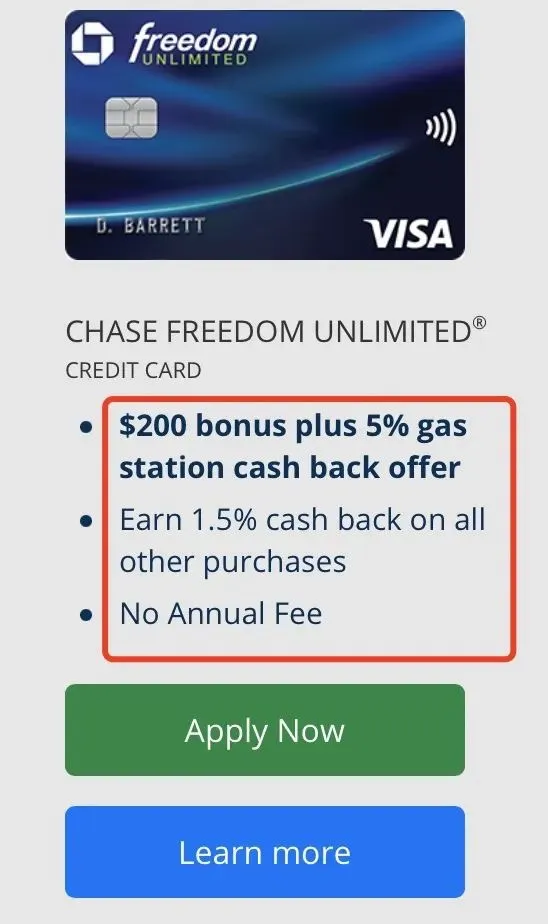
Cardholders can not only receive a $200 gas credit and 5% cashback on gas, but also earn 1.5% cashback on every purchase. For students who love to shop, this is a great way to earn while spending!
4. Cashback Platforms
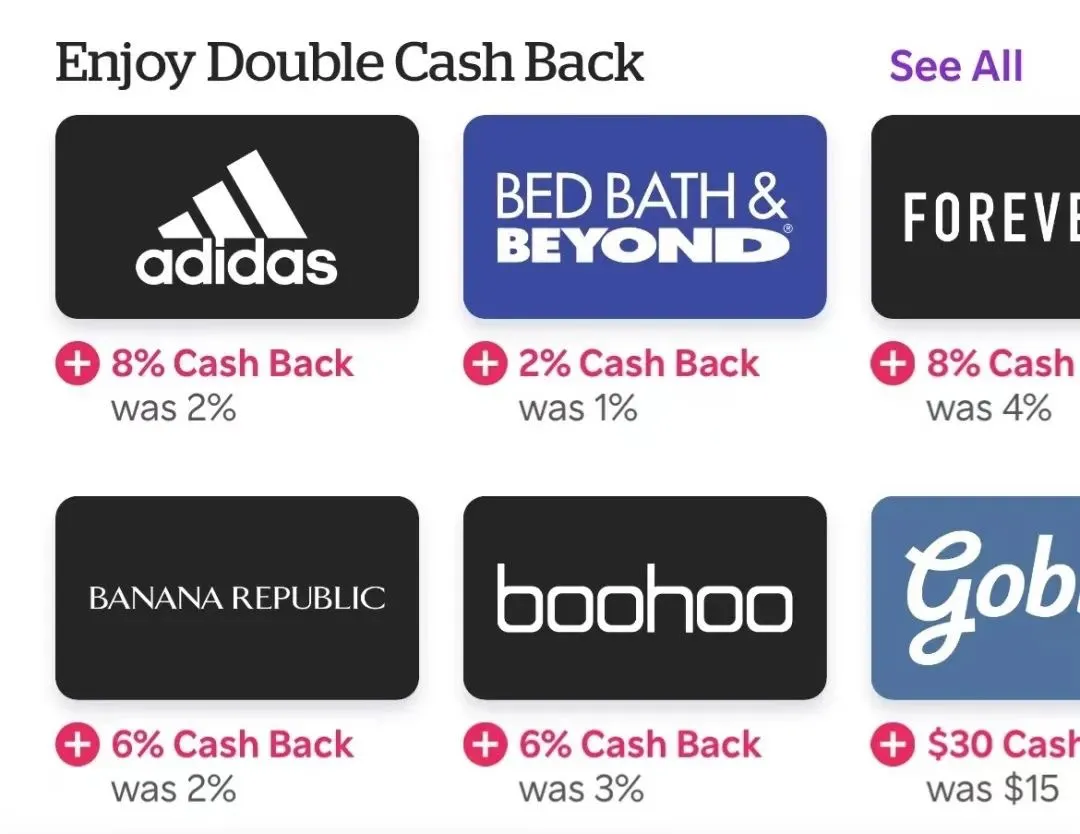
There are also various cashback platforms in the US. By clicking through from the platform or using a browser extension/app when shopping online, you can accumulate cashback. Different merchants offer different rates.
Though it's not instant, getting a payout later feels great, and the cashback doesn't need to be reported as taxable income!
Final Words
The pain of constantly calculating expenses and living frugally is something every international student has experienced.
However, saving at the cost of your quality of life isn't advisable. The key is to learn to wisely use the resources available.
We hope you can effectively increase income and reduce expenses, and become smart consumers~