Every finals season, many international students feel overwhelmed by stress.
There are many ways to cope with academic pressure. Some choose to take a day off and just relax; others go out for a nice meal with friends to reset their mood.
But some students take a much darker, more negative path...
Last month, a Cornell senior named Daniela Lee passed away on a Tuesday evening.

Lee was a senior in Cornell's College of Agriculture and Life Sciences, majoring in communication, and she also had a keen interest in American Indian and Indigenous Studies.
Both of Lee's parents are Cornell graduates, and her biological sisters are currently studying at Cornell as well. Yet, in the prime of her life, just one month before graduation, she passed away quietly, leaving behind heartbreak and disbelief.

The university did not disclose the cause of Lee's death, but according to close friends, she had long battled depression, making it highly likely that her death was triggered by poor mental health.
Frequent Suicides Among Elite University Students
Since the start of 2022, including Lee, four Cornell students have tragically passed away.
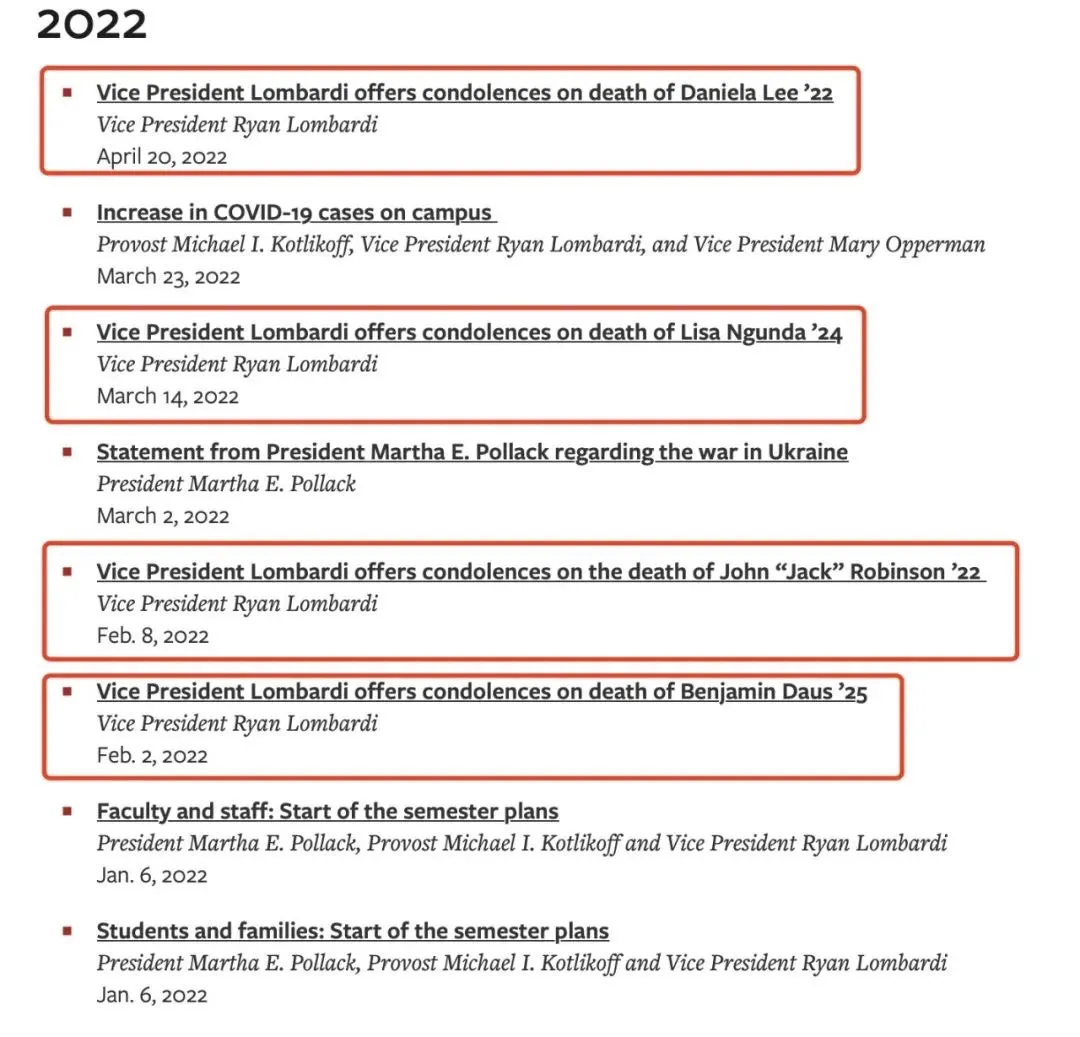
In March of this year, another Cornell student, sophomore Lisa Ngunda, an international student, died suddenly from physical exhaustion after staying up late to study for midterms.

Also in early March, Stanford University women's soccer star captain Katie Meyer died by suicide after struggling with mental health issues.

This marked the fourth Stanford student to die by suicide due to mental health reasons in the last three academic quarters. In response to the alarming rise in student mental health crises, the university has been surveying students about their satisfaction with campus counseling services and gathering suggestions.
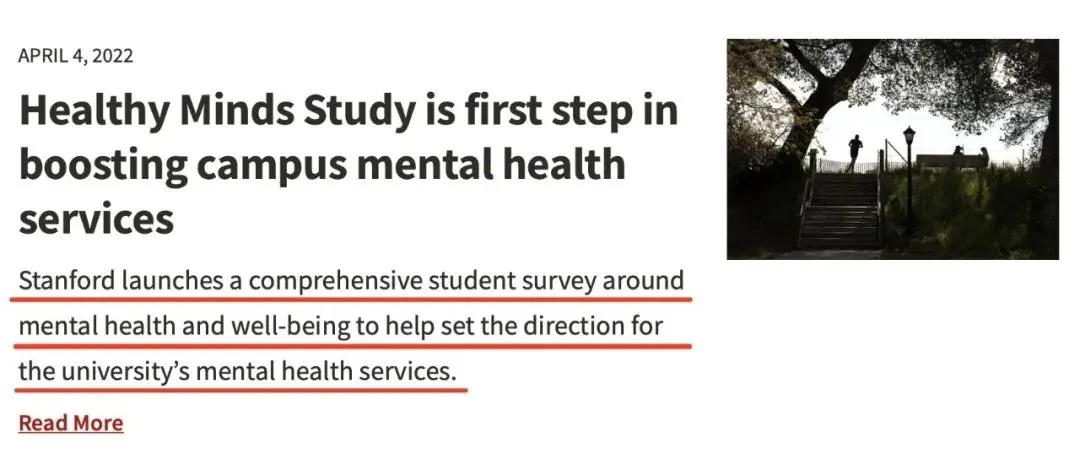
Stanford also stated that to support student well-being, they would recruit more experienced physicians and mental health therapists.

The Unimaginable Pressure at Top Schools
At American universities, academic pressure is generally high, and at elite institutions, it is even more intense.
How do you find your equilibrium among exceptionally talented peers? How do you balance a heavy academic load with a social life? How do you stand out in internships and campus recruiting as a top candidate?
These pressures and rivalries place enormous psychological burdens on students at top universities.
Rates of Mental Illness Among U.S. College Students Have Doubled
According to a Boston University study, from 2013 to 2021, the number of U.S. college students suffering from depression rose by 135%, the number with anxiety disorders increased by 110%, and the number diagnosed with at least one mental health condition doubled.

According to the 2021 Healthy Minds Study report, depression was the most common mental health condition among U.S. college students in 2021, with nearly 41% of those with a mental health diagnosis suffering from depression.
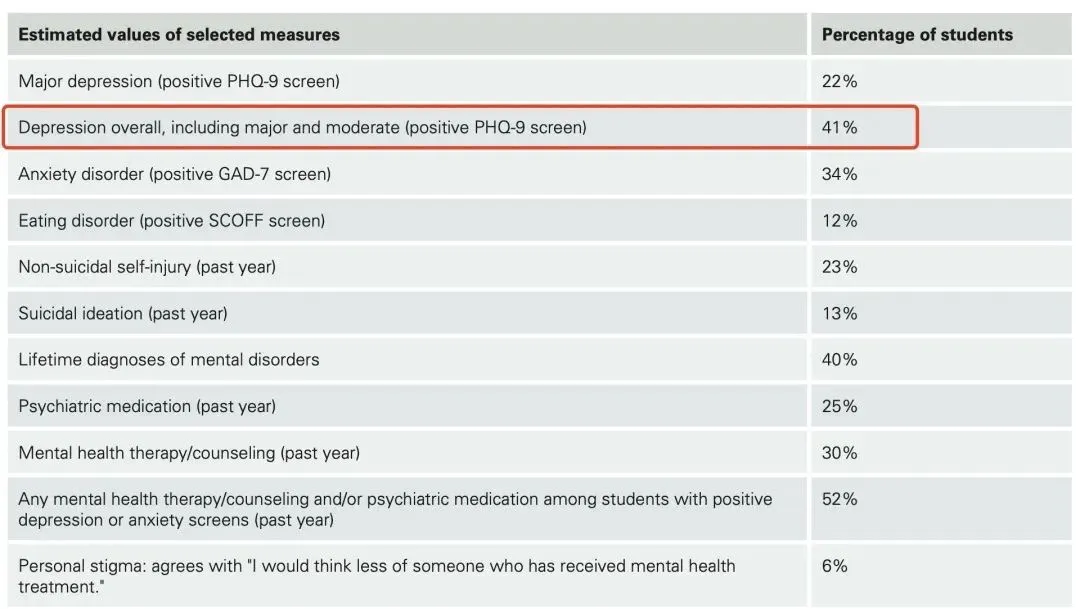
Severe depression can lead to suicidal tendencies. However, because common warning signs of suicide (changes in sleep duration, mood swings, social withdrawal) often resemble typical young adult behavior, these red flags are frequently overlooked, meaning those around them may not realize the person's mental state has reached a breaking point. This is a deeply disheartening fact.

Better School, Less Sleep?
Research data shows that the higher a school's ranking, the more likely students are to suffer from sleep deprivation, and pulling all-nighters is routine at top universities.
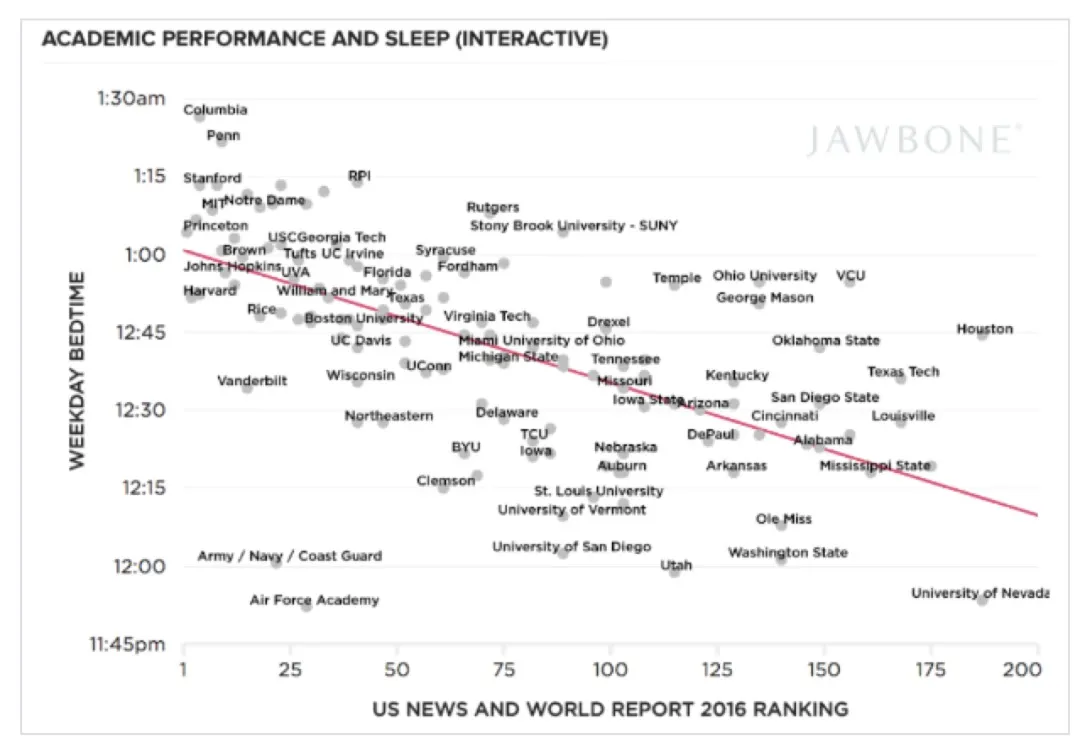
Columbia University (#2) tops the list for sleep-deprived students, with an average bedtime of 1:26 a.m. The University of Pennsylvania (#8), Stanford (#6), and Duke (#9) follow closely, with bedtimes also past 1 a.m. Looking across the board, students at top-30 schools generally go to bed after 12:30 a.m.
Poor sleep or insufficient sleep increases the risk of depression and anxiety disorders and makes it harder to cope with stress.
Mental Health Challenges Among Chinese International Students
Among the hundreds of thousands of Chinese students studying abroad, many also grapple with mental health issues.
A 2022 PLOS JOURNALS survey on the mental health of Chinese international students in the U.S. found that among 1,881 respondents, 24.5% had depression and 20.7% had anxiety disorders.

Language and Cultural Barriers
As an international student, you need to readjust in every way when you arrive in a completely new environment. Language itself is a major challenge, and many international students have worried about language barriers.
Not understanding lectures in English, struggling in group discussions, even a small word error during a class presentation, or a misstep in an email to a professor—sometimes these can become a trigger that undermines an international student's confidence and makes them doubt their own abilities.
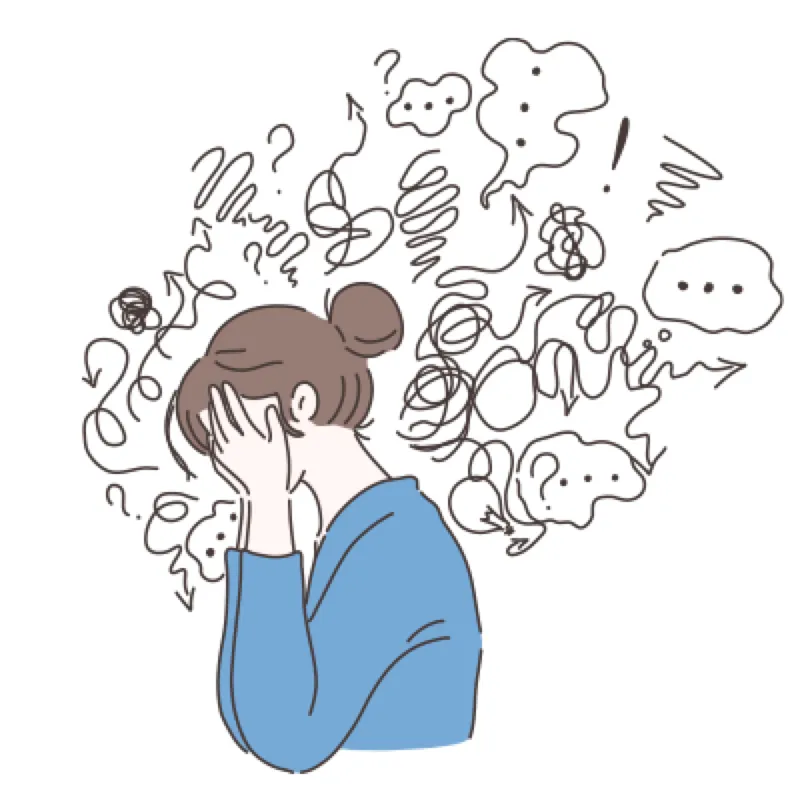
At the same time, international students must work through cultural differences and conflicts, and manage feelings of loneliness and homesickness.
Financial Pressure
A significant number of international students also bear financial strain. Most have to pay high tuition and living costs, and many parents have made financial sacrifices to send their children abroad for education.
This means some students already feel a psychological weight related to finances even before they start school. When they struggle academically, this can lead to an even heavier emotional burden or guilt.
A body of research also shows that minority students experience more severe depression than white students, yet use mental health services at lower rates.
Minority students, as well as most international students—especially those from Asia—may express or perceive psychological symptoms differently, or may be reluctant to seek help.
Impact of the Pandemic
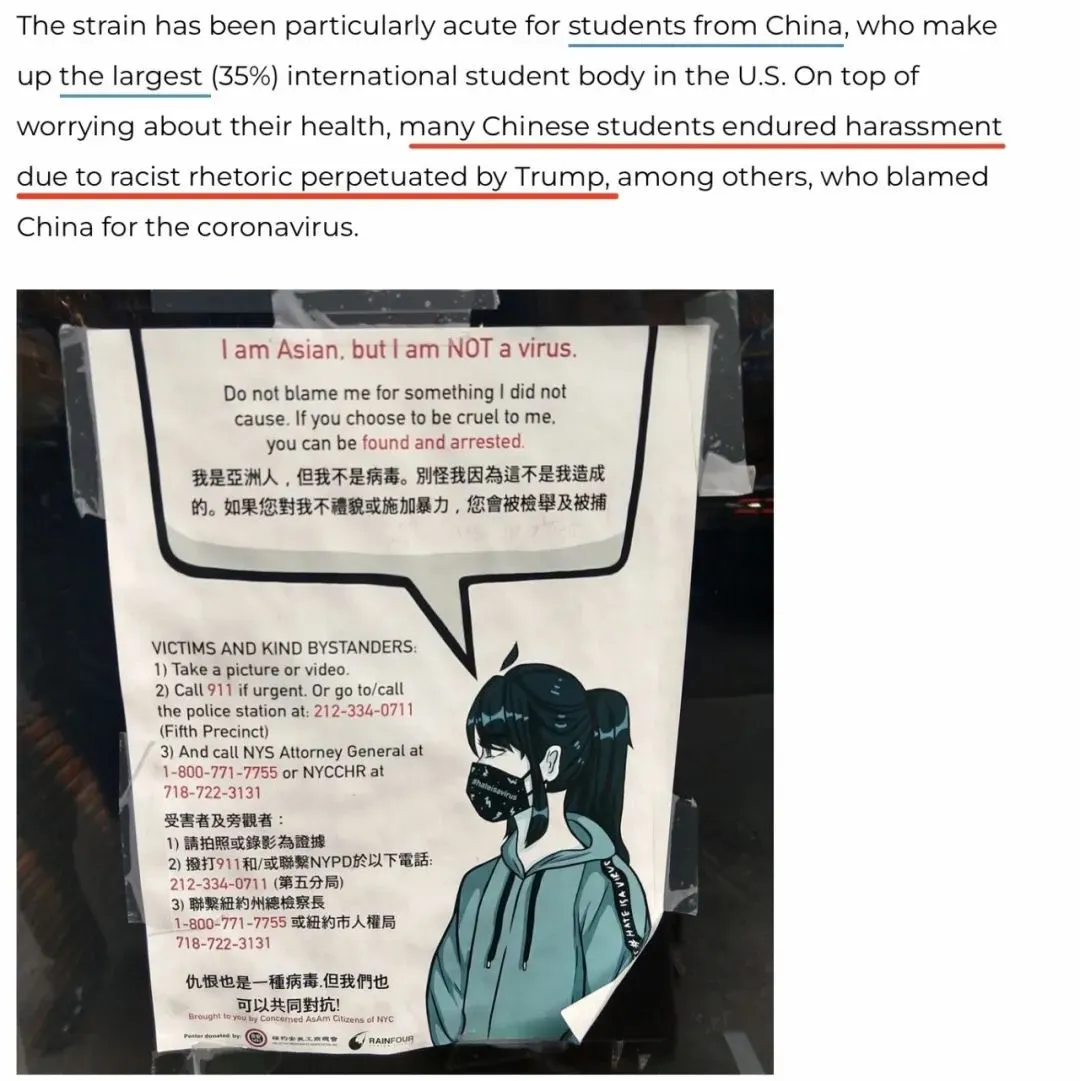
Since the outbreak of COVID-19 in 2019, discrimination against Asians, particularly Chinese people, has surfaced repeatedly abroad. Some Chinese international students have even experienced unprovoked verbal attacks or violence during this period.
Data indicates that during the pandemic, international students physically present in the U.S. were nearly twice as likely to experience depression compared to those taking online classes from China.
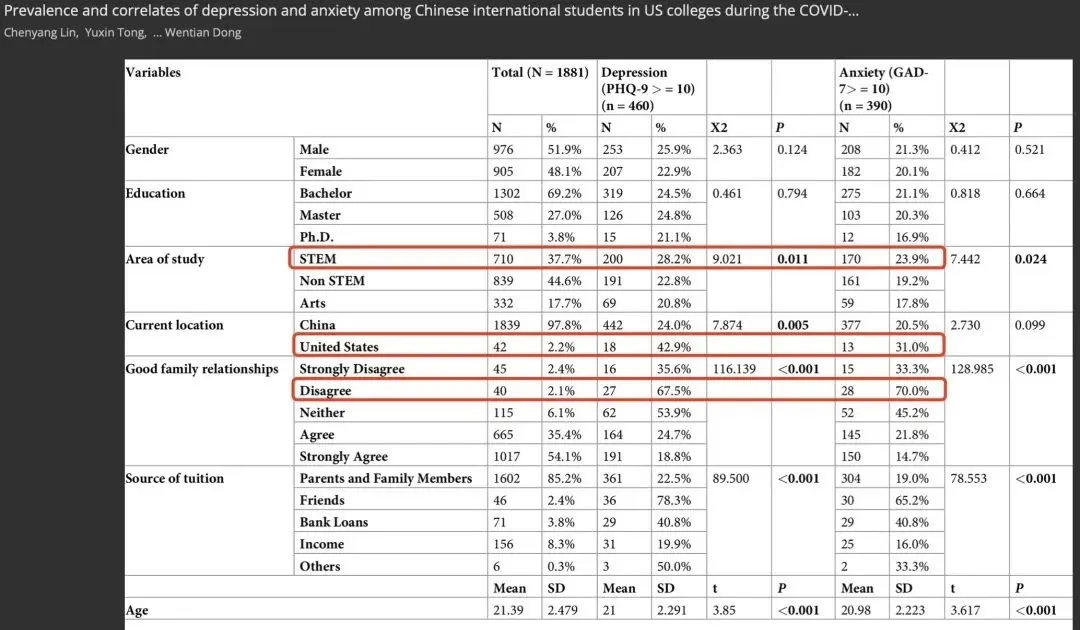
Additionally, international students in STEM fields during this period were more prone to psychological pressure than those in other majors. Unstable relationships with family members also significantly increased the risk of mental health problems.
Start Paying Attention to Your Mental Health Now
International students studying abroad should pay more attention to their mental health and never treat it as a minor issue.
NYC Health has listed some common symptoms of depression for your reference.
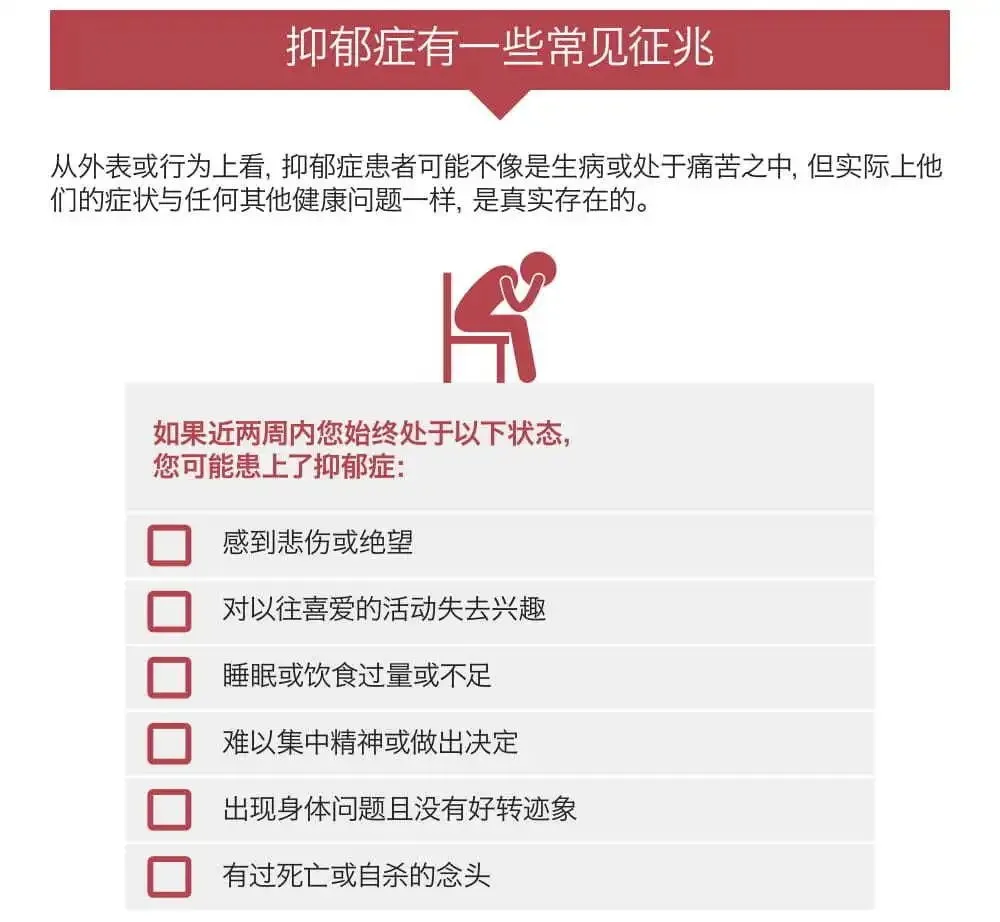
If you notice emotional fluctuations or anything unusual with your mental state while studying abroad, please make sure to address it promptly and effectively.
Universities abroad have long valued student mental health and typically have well-equipped mental health centers. Some schools are now also attempting to offer tailored counseling services for Chinese international students.
When necessary, we highly recommend visiting your school's mental health center or a nearby clinic for consultation and treatment. Do not let concerns about "losing face" hold you back.
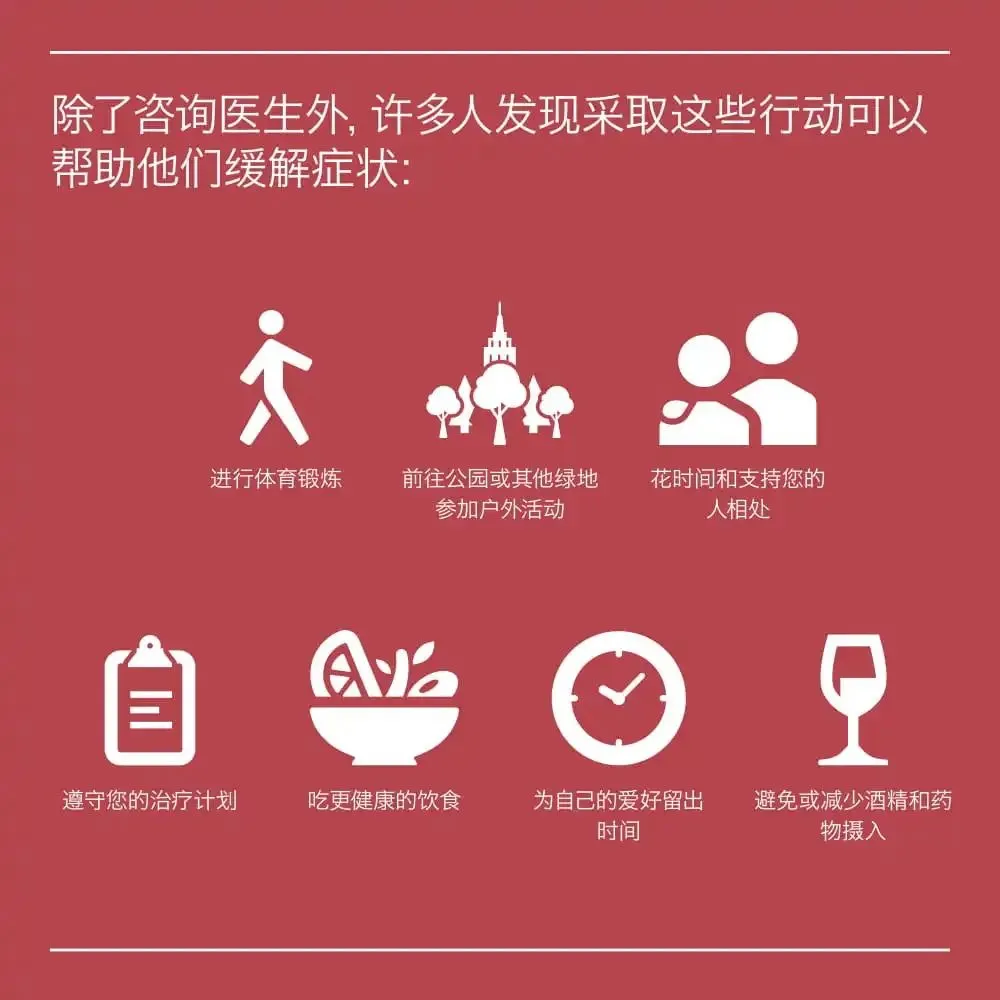
Beyond seeing a doctor, there are many ways to relieve mental stress. For example, exercise regularly, drink less alcohol, eat healthily, communicate openly with supportive friends or your parents, and make time for the things you enjoy.
Most schools also have Chinese student organizations, and there are online communities and nonprofits that support international students. Reach out to senior students for help with your challenges.
All students studying abroad are the greatest concern of their families back home.
As you work hard at your studies, please don’t forget to care for your mental health. If you notice warning signs of poor mental health, seek help without delay!
Your body is your foundation, and health is everything. Only with a healthy body and mind can you have infinite possibilities.