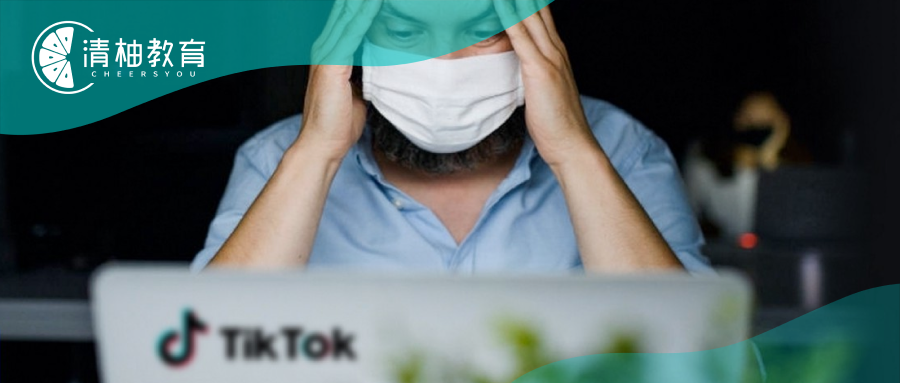
The explosive popularity of TikTok in recent years needs no further explanation. With a steady customer growth rate, the company has rapidly expanded to offices all over the world.
Many students who prefer to work in the U.S. after graduation would choose to submit their resumes to TikTok rather than going back to ByteDance in China. Because "At ByteDance, only one can beat: the company or your heart."
The 996 work culture in China has scared off countless international students.

TikTok North America Also Practices 996?
However, recently, a former senior employee of TikTok North America, Pabel Martinez, publicly reported that his manager forced him to work more than 12 hours a day, six days a week.
Not only that, the company also required him to work after hours and frequently asked employees to attend meetings on weekends.
Martinez said he had previously worked at Meta, the parent company of Facebook, for three years. After only one year at TikTok, he left due to the unbearable 996 work environment.

TikTok's response shifted the blame onto "time differences," claiming it is a global company with teams across the U.S., Europe, and Asia that need to coordinate across time zones.
Well, those who don't know the full context might once again be tempted by the allure of an international giant...

Lack of Work-Life Balance, Employees Speak Out
The global trend of extreme work culture has surged, whether forced or voluntary. More and more tech giants are being exposed for offering no work-life balance whatsoever.
After the 2022 Glassdoor Best Places to Work ranking was released, many U.S. tech giants saw their rankings plummet. Google is the only one left in the top ten. Meta (formerly Facebook) fell to 47th place, while Apple dropped to 56th. Amazon, used by almost everyone, fell out of the top 100 with a 3.8 rating.
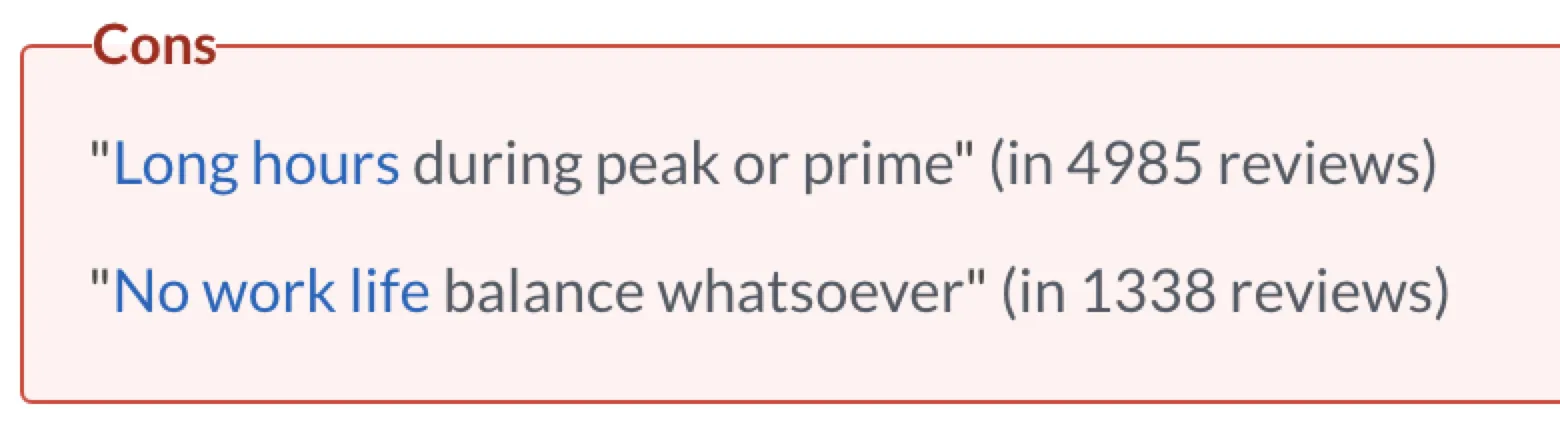
Looking at the negative reviews for these four companies on Glassdoor, all received the same criticism: "excessively long working hours."
During the pandemic, more and more companies adopted work-from-home to cope with COVID-19 recurrences. How to balance work and life has become a pressing issue for these busy "big company employees."
Under high-pressure work environments and the impact of the pandemic, more and more people can no longer tolerate unfair treatment and have started to speak out on social media.
As a result, in recent years, the four U.S. tech giants—Meta, Amazon, Google, Apple—have each had many "family scandals" exposed by employees. Even the turnover rates at the Big Four accounting firms, which many international students aspire to, have hit new highs.
Recent Scandals at Tech Giants
Meta's Underhanded Operations, Hiring Freezes and Layoff Rumors
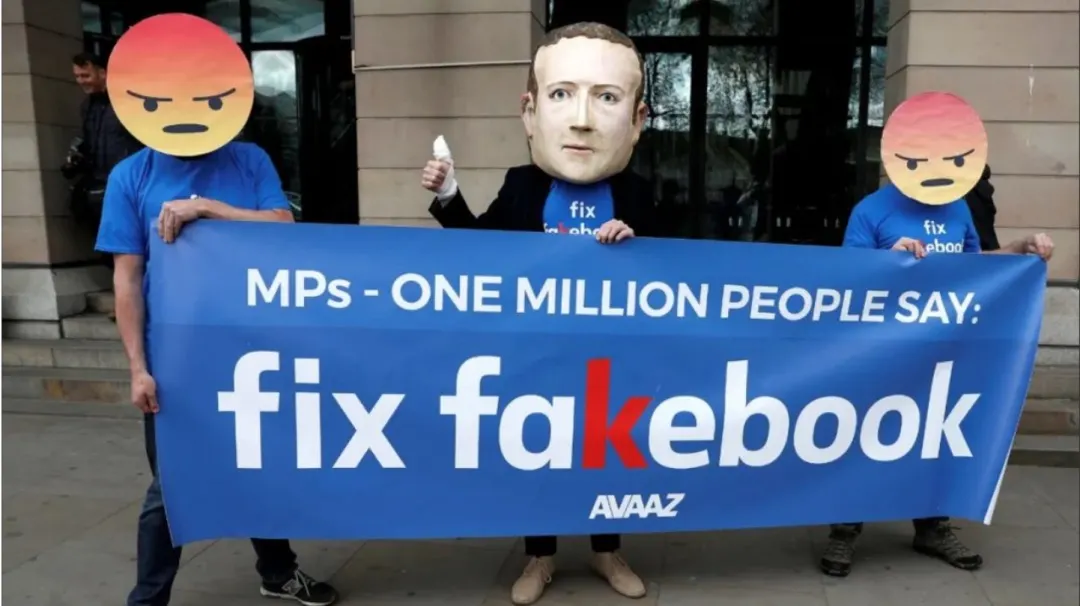
Meta was previously exposed by former employees for manipulating operations behind the scenes and guiding public opinion.
After the violent siege of the Capitol last year, Facebook not only failed to restrict online speech but also did not delete related fake news, leading to numerous erroneous political debates on the platform.
Under public pressure, Instagram had to restrict teenagers under 13 from using the social networking site.
Recently, rumors of Meta halting hiring have been spreading online, and many have confirmed on social media that their interviews were canceled. As of now, the hiring freeze seems to be at the E4-E6 level.
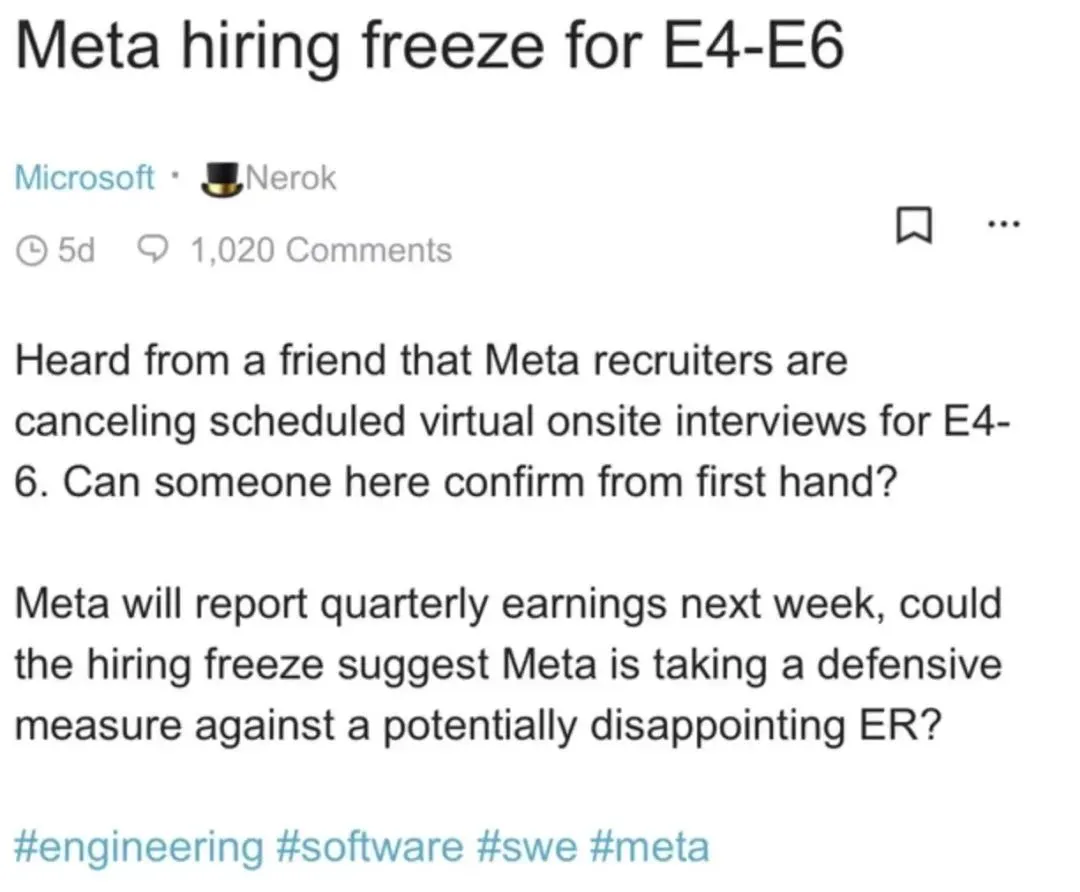

Moreover, there are rumors that Meta is about to lay off employees in mid-June. We can't verify the specifics yet, but it's clear Meta is now facing "internal and external troubles."
Dismal performance reports and ongoing scandals are not good news for current employees or prospective hires.
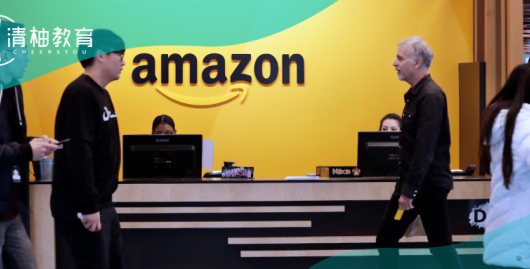
Amazon Expanded Warehouse Hiring Without Providing Adequate Pandemic Measures
During the pandemic, Amazon did not conduct mass layoffs. Instead, it expanded its warehouse workforce due to increased demand for online shopping.
However, Amazon failed to provide comprehensive pandemic prevention measures for its employees, leading most workers to go on strike and protest out of fear of contracting COVID-19.

The company later did not actively revise its pandemic policies. Instead, it fired the employees who organized the strike, citing violation of company policy as the reason.
Google Installed Web Trackers to Monitor Employees
Google was exposed for installing web tracking tools on employees' computers in an attempt to identify who was "damaging" the company's reputation.
Most egregiously, management also tried to infiltrate employees' internal discussions. Google also prevented employees from attending unions that advocated for workers' rights.

Apple Supplier Altered Contracts, Forcing Employees to Accept Home Surveillance
Apple outsourced its call center services to a company called Teleperformance, which was revealed to have forced employees to sign new contracts that required them to agree to home surveillance during severe pandemic conditions.
Many employees expressed unwillingness to be monitored via video while working from home. Yet Apple claimed it found no illegal actions by the supplier.

Big Four Accounting Firms' Turnover Rates Hit New Highs
In PwC's 2021 financial report, the turnover rate reached as high as 20.9%.
Browsing Xiaohongshu and 1Point3Acres, many shared their departure experiences, with reasons mostly being high work intensity, poor team atmosphere, and strict hierarchy.


The companies that international students once scrambled to get into have now become stepping stones for careers. Even with expanded hiring, the turnover scandals at the Big Four reflect their inability to retain employees.
Top Companies = Besieged City?
I'm sure every international student has come across social media posts where someone flaunts their big company offer, showing off tech company welcome packages or Big Four work badges. The comments are usually congratulations and envy.
Big Companies Are Not Flawless
But are these prestigious companies really flawless? There are plenty of heartbreaking stories you don't see posted on WeChat Moments.

The study-abroad environment is like a besieged city, and working at a prestigious overseas company is even more so. Those inside want to get out, those outside want to get in.
Endless on-call shifts, inability to fit into the team, even emotional manipulation by managers, racial discrimination...

From the moment they go abroad to study, many students ask themselves, "What kind of destination is worthy of all this displacement?"
As scandals at North American tech giants are exposed one after another, many international students are wavering in their determination to work abroad.
Unfair Treatment and Negative Company Environment
The United States, as a nation of immigrants, blends cultures and ethnicities from around the world. That is both its charm and its problem.
In the U.S., reasons for unfair treatment include race, religion, skin color, nationality, and gender.
Here are examples of workplace inequality:
Blocking employee promotions due to race/skin color/gender, etc.
Forcing employees to perform tasks outside their labor contract
Reducing pay, demoting, or firing employees without following company disciplinary policies

In addition to unfair treatment, a negative work environment also greatly impacts employees. I believe every new graduate entering the workforce is full of passion and boundless aspirations for the future.
However, a negative environment can cause workplace newbies to give up, and the phenomenon of quitting without a backup plan is becoming increasingly serious.
These negative environments include, but are not limited to:
- Lack of communication and poor internal communication within teams
- Internal cliques, taking sides, exclusion, and gossip
- Bad leadership
- Colleagues lacking ambition
- No promotion opportunities
- High employee turnover rate
- Inability to achieve work-life balance
- Work environment leading to burnout
- Too slow or stagnant company growth
- Work environment causing a gut feeling of being negatively impacted
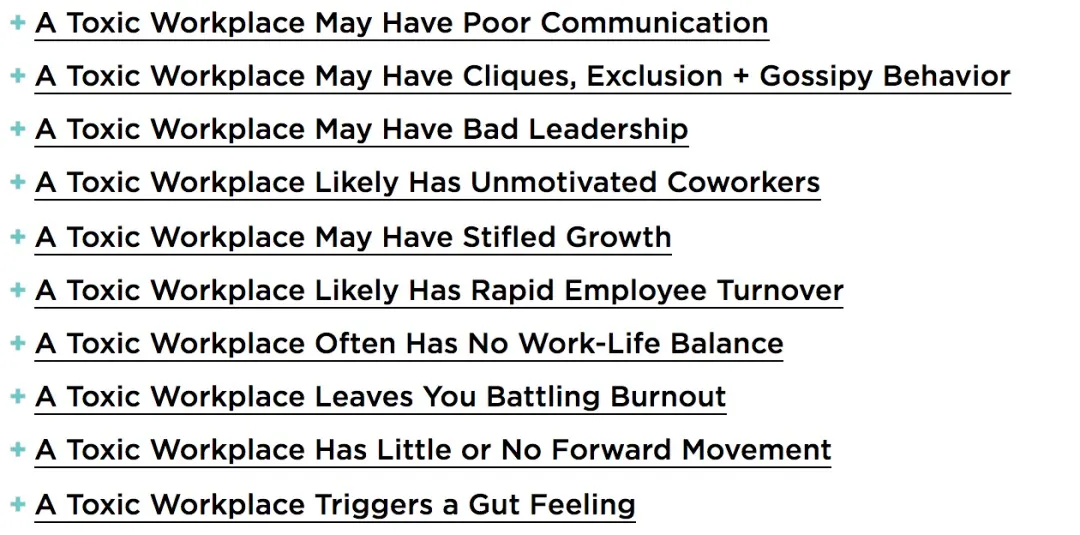
For seemingly glamorous big companies, due to large employee numbers, the likelihood of a negative environment might actually be higher.
How International Students Can Effectively Handle Workplace Issues
Freshly graduated international students, as non-citizens/non-permanent residents, may encounter more unfairness when developing their careers abroad.
How to Avoid Falling into an Unfair Company Environment
Research basic company information before joining:
Checking the company's racial and gender ratios helps us understand the company better.
Document any unfair treatment:
If you experience any form of discrimination or unfairness at work, keep evidence (voice messages, texts, emails).

Report unfair treatment:
Contact a lawyer and file a complaint with the company's HR department. It is worth noting that "whistleblowers" cannot be fired for any reason.
Seek psychological help promptly:
Unfair treatment can cause psychological trauma and varying degrees of stress. Talking to friends or seeking professional counseling can help release that stress.
What to Do If You Face Discrimination?
When working in the U.S., any form of discrimination can be filed with the U.S. Equal Employment Opportunity Commission (EEOC).
Different states have different statutes of limitations. Most state laws require that the discriminated individual file a lawsuit within 180 days of the discriminatory act. After submitting a complaint on the EEOC website, an investigator will ask some questions and open a case.
In addition to filing online, the EEOC has 53 offices across states. You can visit in person or call 1-800-669-4000.
There's No Best Job, Only a Better Fit
Finally, we hope every international student understands not to turn "joining a big company" into meaningless showing off and comparisons, nor to feel disheartened just because you didn't get into a top-tier enterprise.
Glassdoor rankings are always changing. Blindly chasing after big-name companies will only add unnecessary burden to yourself.
Finding a company that suits you best, and doing professional work you love—that is the "satisfactory answer" you give yourself.
For many undergraduate international students observing the job market, they might consider pursuing a graduate degree as a transition. More specialized graduate programs and courses benefit career development, and more practical opportunities help you better understand the current job market and development trends.
In the post-pandemic era, many companies are still undergoing reforms. When it's hard to effectively assess the current work situation, improving yourself through learning is never a wrong move.