
Recently, Dyson announced a cutting-edge product: the Dyson Zone™ air-purifying headphones.
According to Dyson’s official website, the headphones perfectly combine "noise canceling" and "air purification," allowing users to enjoy "purer music."

Dyson’s New Headphones: Innovation or Overhyped Gimmick?
Some say Dyson came up with this idea because of the pandemic, but little do they know Dyson has been working on this technology for over six years.
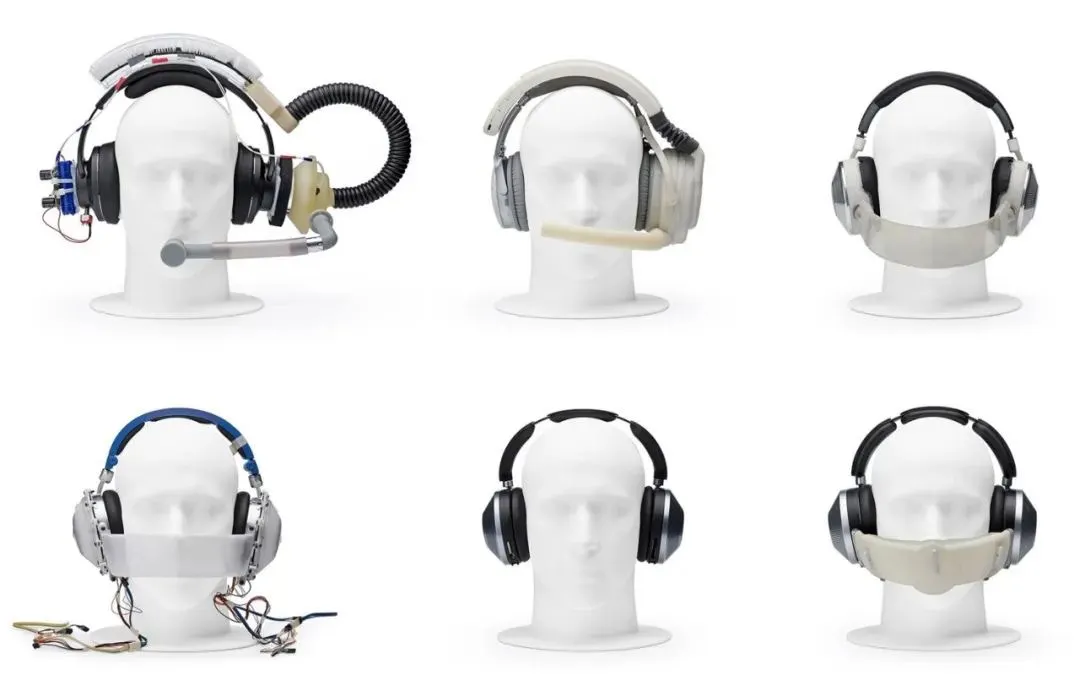
“Six years to sharpen a sword,” yet as soon as the product was unveiled, it sparked heated debate (and backlash) online.
For instance, some imaginative netizens immediately made wild associations upon seeing the product...
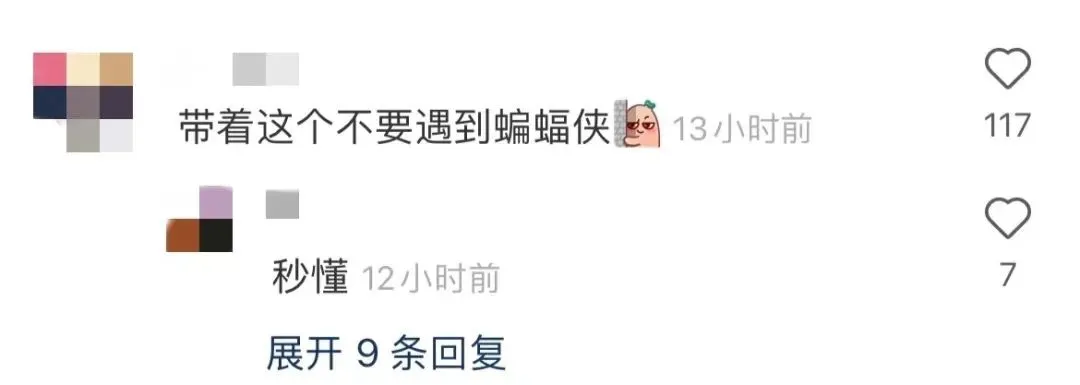
Gotta admit, it does look pretty similar...

Meanwhile, more pragmatic netizens are seriously considering the experience of wearing these headphones outside...

Another netizen commented, "I might buy an air purifier to survive the apocalypse, but why would I need headphones???"

Dyson’s air-purifying headphones have become another innovative entry in the wearable device market. In fact, wearable devices are already widely used in daily life.
Wearable Devices Are All the Rage
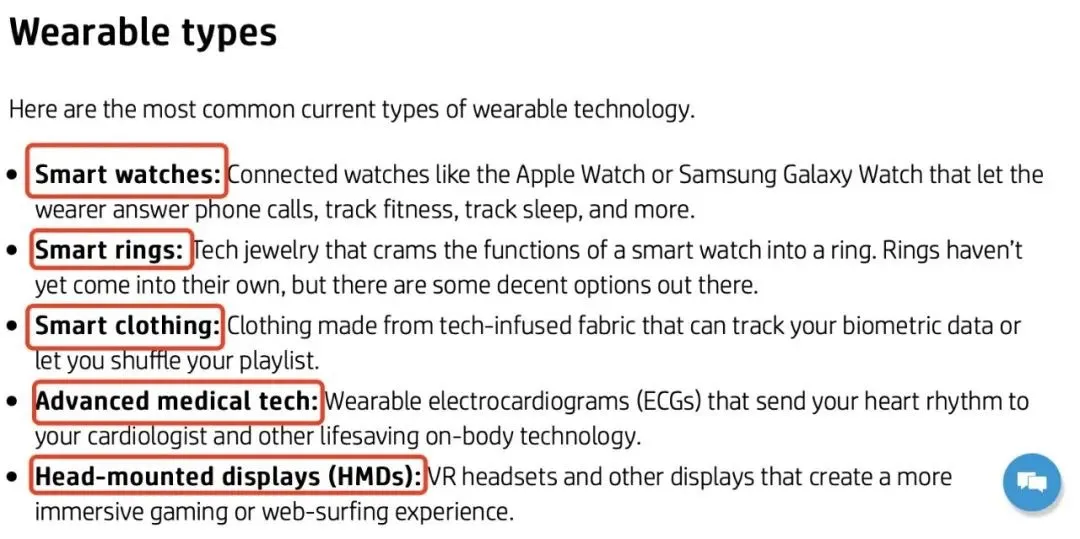
According to HP, the most commonly used wearable devices currently include the following:
smartwatches, smart rings, smart clothing, heart rate monitors, and head-mounted devices (VR, smart glasses, etc.).
As wearable devices have become increasingly popular in recent years, many tech companies have jumped into developing such products.
For example, Meta’s vision for the use of VR glasses in the metaverse has heightened consumer anticipation for the future of wearables.

Wearable Fitness Devices Are the Hottest
Among all wearable devices, those related to health and fitness still dominate. Why is that?
The reason is simple: wearable devices can provide users with scientific and accurate health data tailored to their personal conditions.
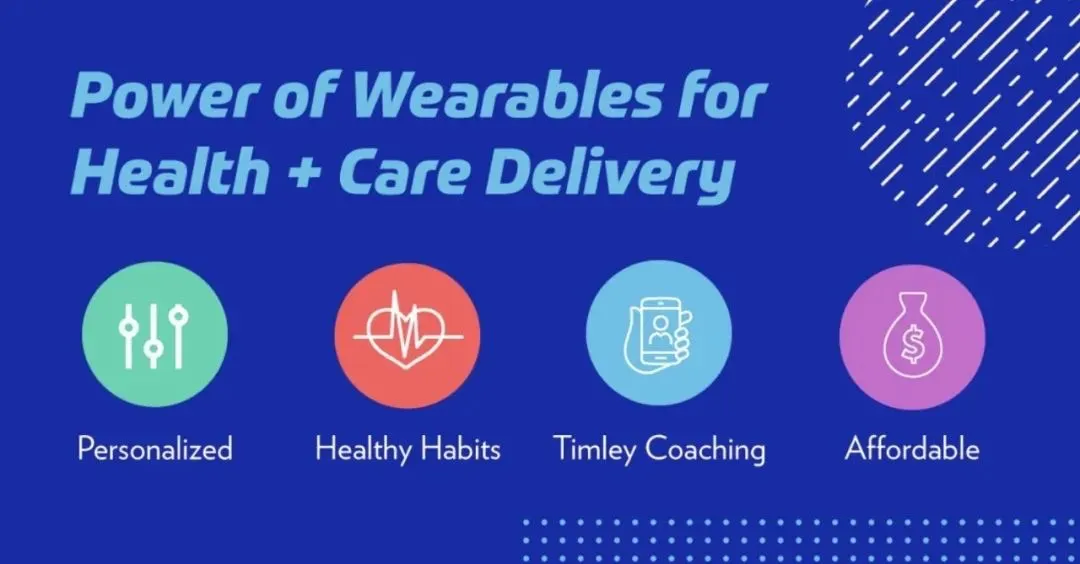
For instance, users can track metrics like blood pressure, blood sugar, and heart rate using their chosen smart health devices, without the need for professional medical equipment.

First, we have to mention the home fitness devices that gained popularity during the pandemic. Among them, "Ring Fit Adventure" is arguably the most representative. Released by Nintendo in 2019, it's a fitness adventure game that uses the Switch platform.

Players can attach the Ring-Con accessory to different parts of their body to sense movement, completing various exercises and tasks while playing the game to achieve a fitness workout.
This gamified approach to fitness reduces people’s fear and stress associated with working out, while also helping those unable to go to the gym or exercise outdoors due to the pandemic achieve their home fitness goals.

Smartwatches are another highly popular wearable health device.
The market is flooded with various brands and types of smartwatches. Of course, even though different users have different needs, health data and physical fitness tracking remain the features most users care about the most.
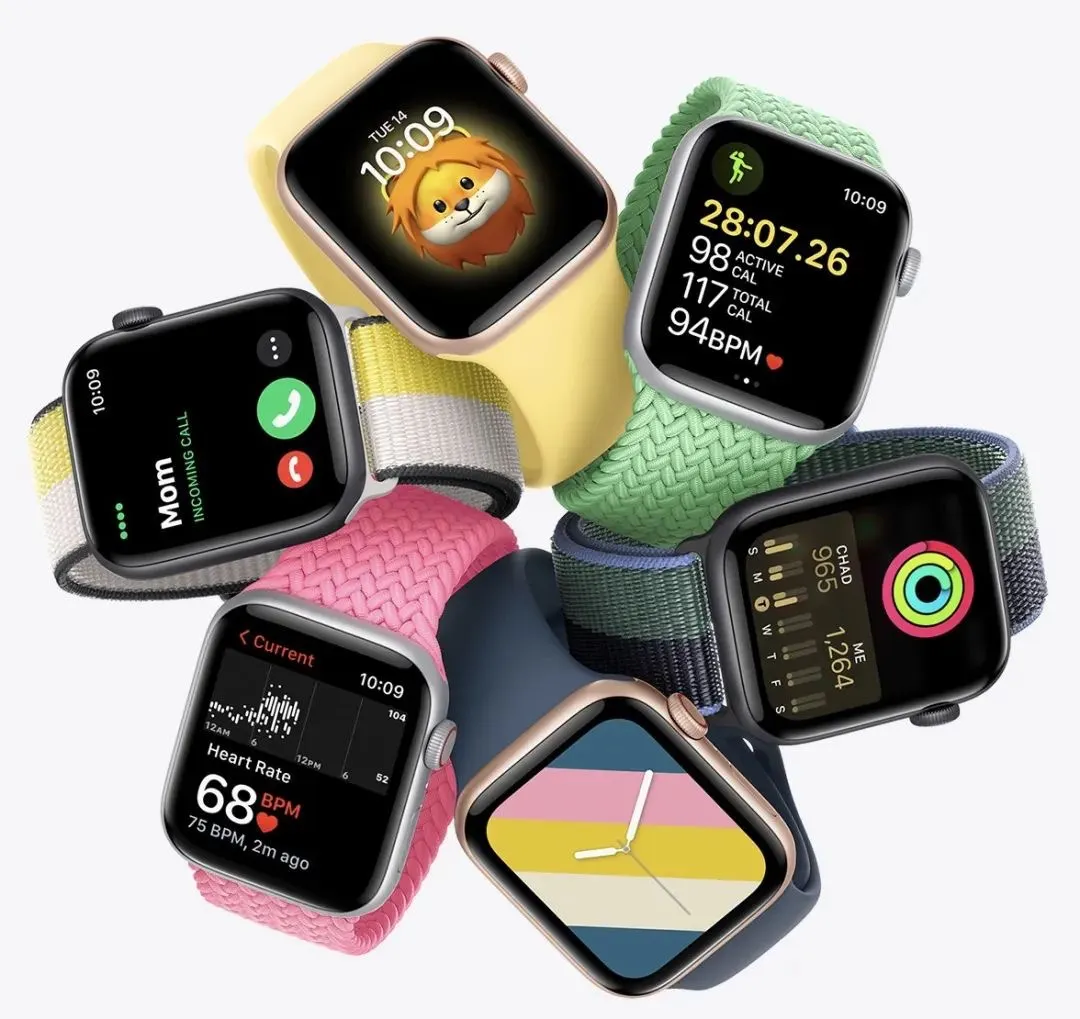
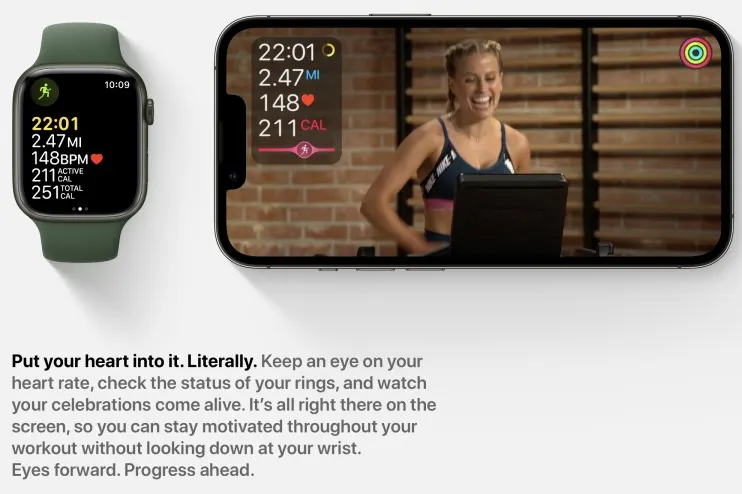
Take Apple’s Apple Watch as an example. It uses built-in sensors to track the user’s workout and exercise routines, enabling more scientific monitoring of the user’s health status.
Rapid Growth of the Wearable Electronic Device Market
Digital Journal reports that the global market for wearable electronic devices is expanding rapidly and is projected to reach $118.05 billion by the end of 2027.

Among all wearable devices, research indicates that smartwatches and head-mounted devices have the broadest future growth potential.

So, for an industry with such strong market potential and development background, how can international students seize the opportunity to get rich?
The best way might be to enroll in relevant academic programs and become the talent this market needs.
Talent Needed in the Wearable Device Market
Computer Science
Using Meta as an example, let’s first look at what kind of academic background is required if you want to join Meta and work on wearable devices:
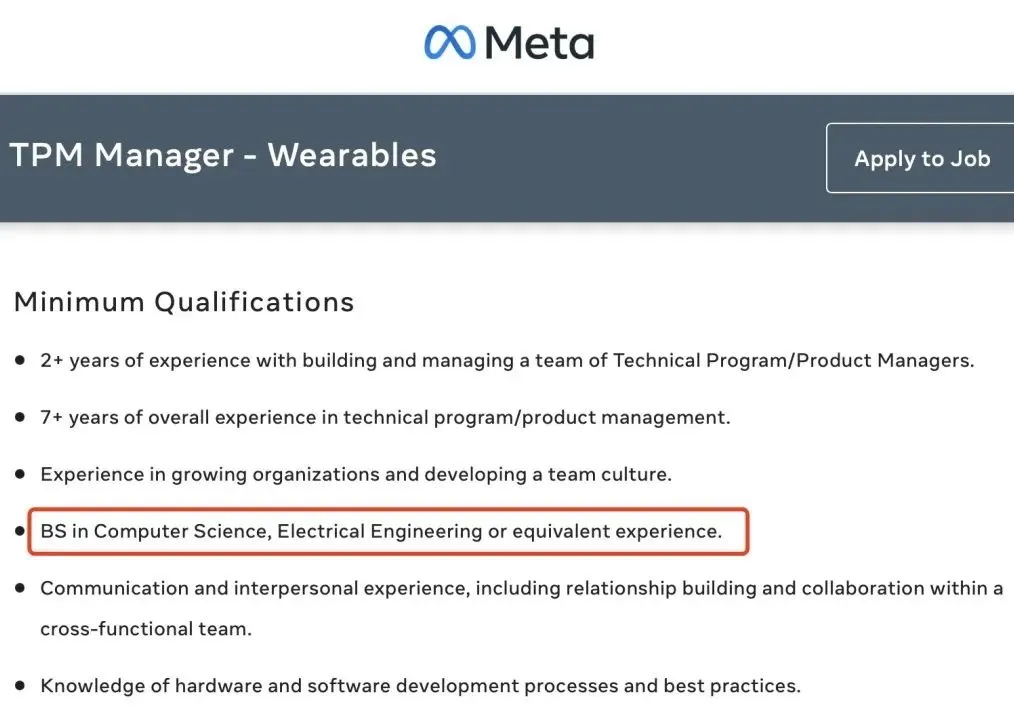
Take the TPM Manager - Wearables position as an example. This role requires candidates to have a background in CS or EE.
In terms of skills, apart from management knowledge related to interpersonal communication, the position also requires candidates to have experience in hardware/software development.
For CS, Machine Learning is a specific branch closely related to wearable devices.
According to CS Rankings, the top 10 schools for Machine Learning are:
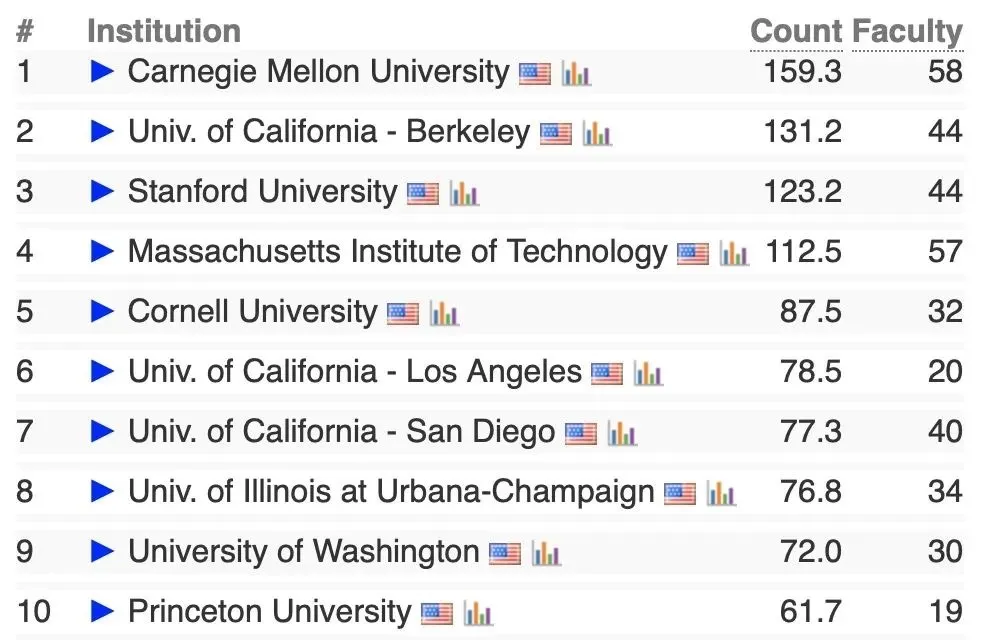
Carnegie Mellon University, ranked first, explains machine learning as follows:
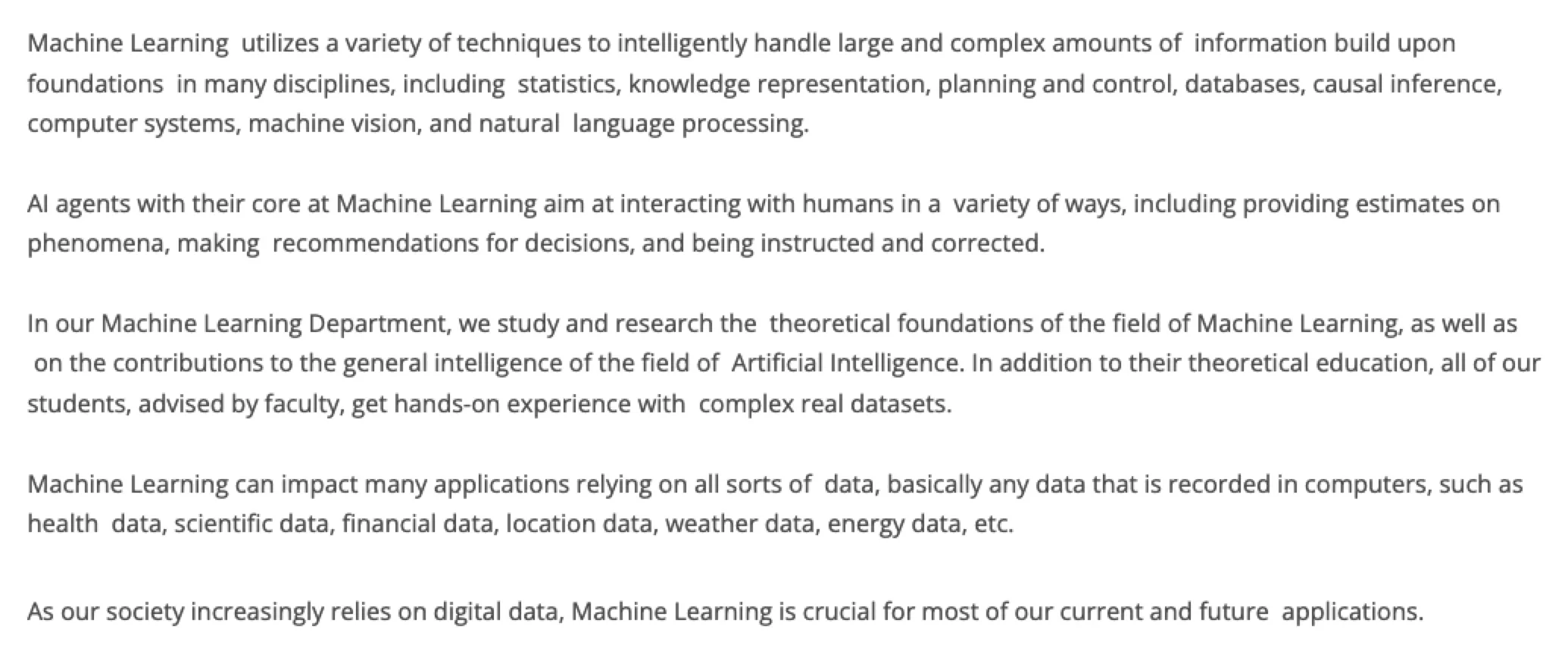
In essence, Machine Learning is a multidisciplinary field that refines machines through data research, enabling them to better serve human needs.
Electrical Engineering
Apart from CS, the other academic background required by Meta’s wearable device positions is Electrical Engineering, a representative field in the "strong current" direction.
According to U.S. News, the top-ranked schools for EE are MIT, Stanford, and UC Berkeley, tied for first place.
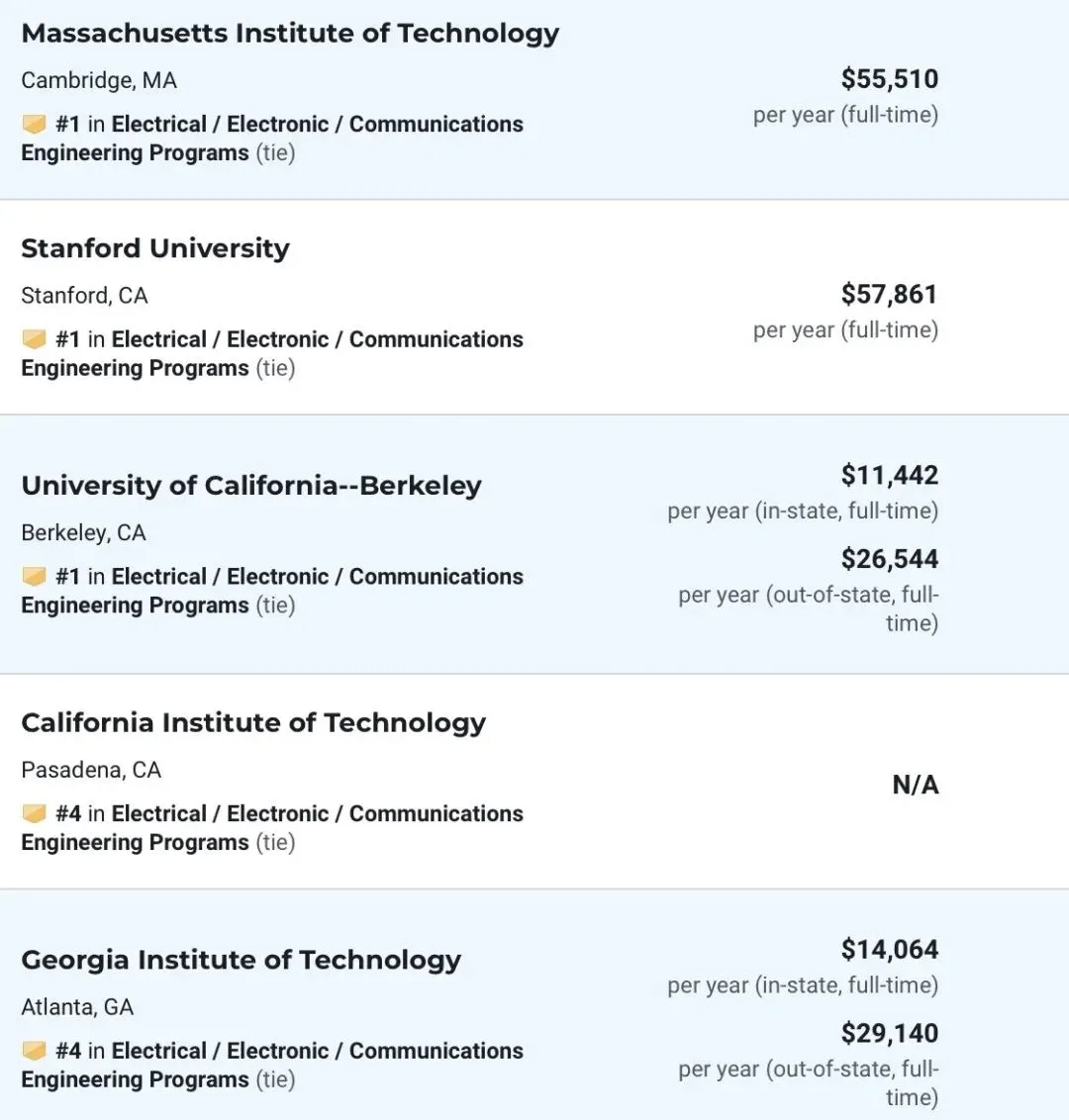
Regarding the EE program, MIT, the top-ranked institution, describes it on its official website as follows:

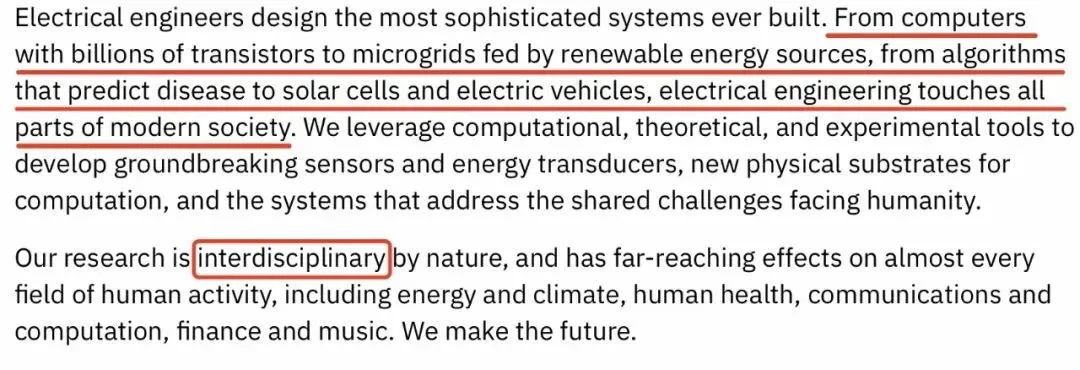
To sum up, modern EE is more complex than the traditional understanding of electrical engineering, as it involves not just the transmission of electricity but also the application of the latest technologies.
It is also an interdisciplinary field that studies how to apply electrical technologies to all aspects of future life.
In fact, you may have noticed that the distinction between "strong current" and "weak current" is no longer so clear-cut. For example, MIT’s EE program has many concentrations involving CS-related areas.


Software Engineering
Naturally, wearable devices also require software development work.
Taking Bose as an example, while they don’t explicitly require a specific academic background, it’s easy to see that graduates from Software Engineering programs are more likely to meet the recruitment requirements.


As for the specific differences between SE and CS, Carnegie Mellon, top-ranked for SE, also provides an explanation:
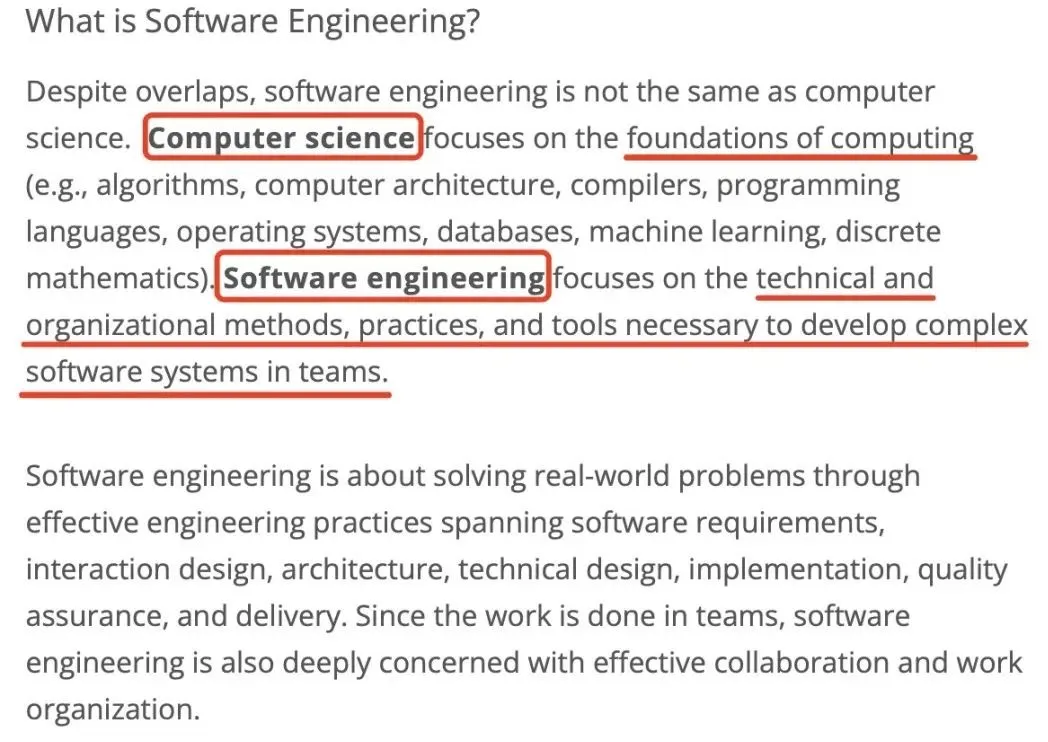
In summary, although there is significant overlap in skills, CS is more focused on traditional computing foundations like programming and data processing, while SE leans more toward software development and technical design.
Marketing
After reading about all these computer and engineering fields, you might wonder: don’t students with business or social science backgrounds deserve a piece of the pie? Of course they do!
The current wearable device industry also has a high demand for talent in marketing and media.
For example, Luxottica, a world-leading manufacturer of fashion, sports, and luxury eyewear, has the following requirements for their marketing department talent:
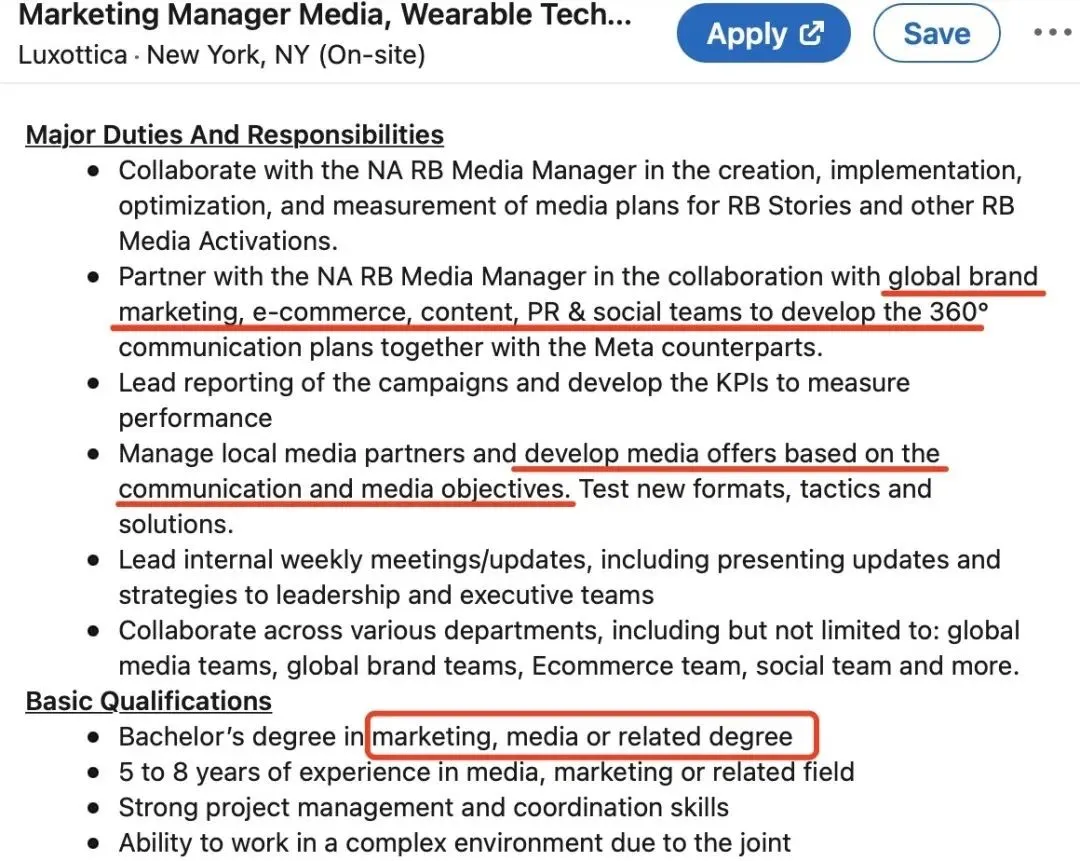
Many marketing and media professionals are also upgrading their skills to enhance their technical or analytical knowledge. Such interdisciplinary talent will find it easier to adapt to the future smart device market.
Closing Thoughts
In the post-pandemic era, people are more interested in health, technology, and how technology can bring people closer together. As a result, wearable devices have a bright future ahead.
Compared to the already saturated traditional IT/engineering industries, emerging tech sectors may offer more job opportunities.
We recommend that everyone explore different tracks, keep an eye on the future, and make educational and career choices with a long-term perspective.