
The countdown to the 24Fall application season has begun. Are you fully prepared for your graduate school applications?
The application season is like an unyielding forge, and international students are the ever-flowing stream. There are so many cautionary tales, yet every application season, countless applicants still jump headfirst into the "fiery pit" of further studies!
Today, CheersYou(清柚教育) has once again compiled for students the 10 essential preparations before applying to graduate school. It covers various materials and steps such as transcripts, recommendation letters, GRE, background enhancement, essays, resumes, and online applications.
We hope this helps everyone be meticulous in the new application season and avoid becoming next year's cautionary tale!
10 Must-Do Things Before Applying for 24Fall
1. Check Whether You Meet Program Requirements
Graduate applications vary by university, college, and even specific programs, each with its own requirements that may be updated annually.
Especially for students planning to change majors, it's crucial to do your homework in advance and confirm whether you meet prerequisite course requirements.
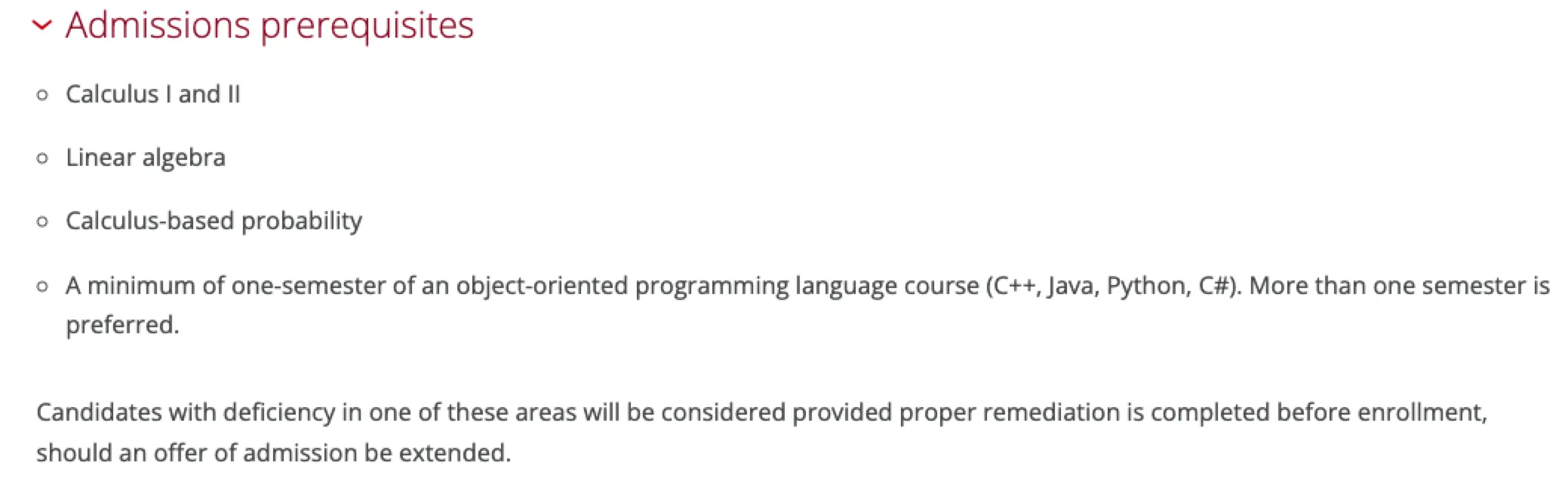
For instance, CMU's Computational Finance (MSCF) has the following prerequisite course requirements before applying:
- Calculus I and Calculus II
- Linear Algebra
- Calculus-based Probability
- At least one semester of an object-oriented programming language course (C++, Java, Python, C#). Preferably more than one semester.
2. WES/CHESICC Transcript Evaluation
Non-U.S. undergraduate students are often required to have their transcripts evaluated when applying to U.S. schools.
Taking Chinese undergraduate students as an example, the entire transcript evaluation process typically takes more than one month. Depending on individual circumstances and external factors, it can take anywhere from one to three months.
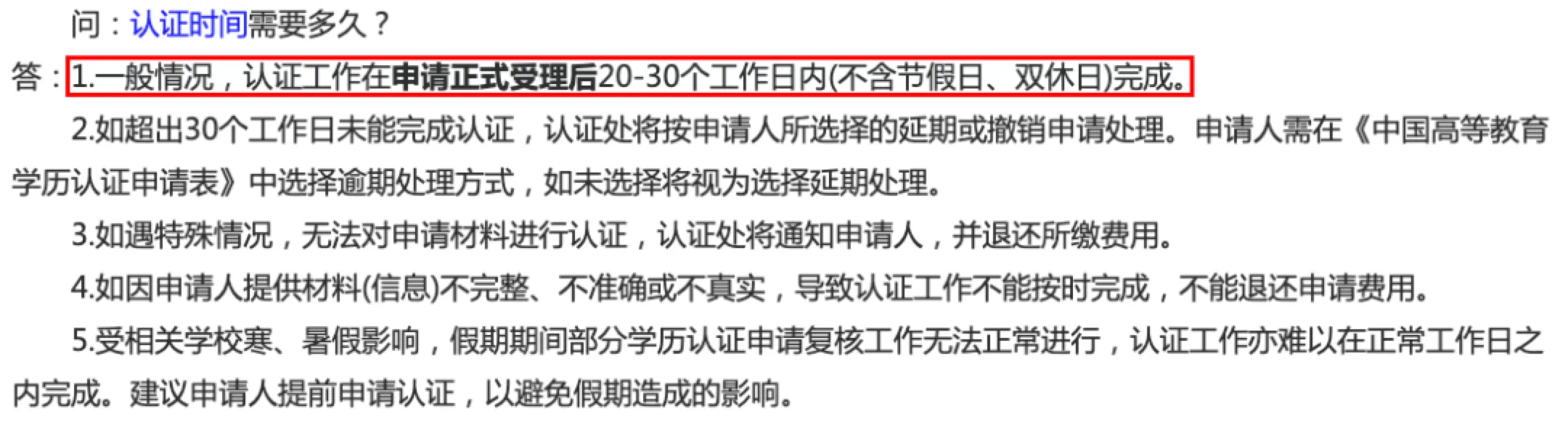
CHESICC evaluation generally requires 20-30 working days
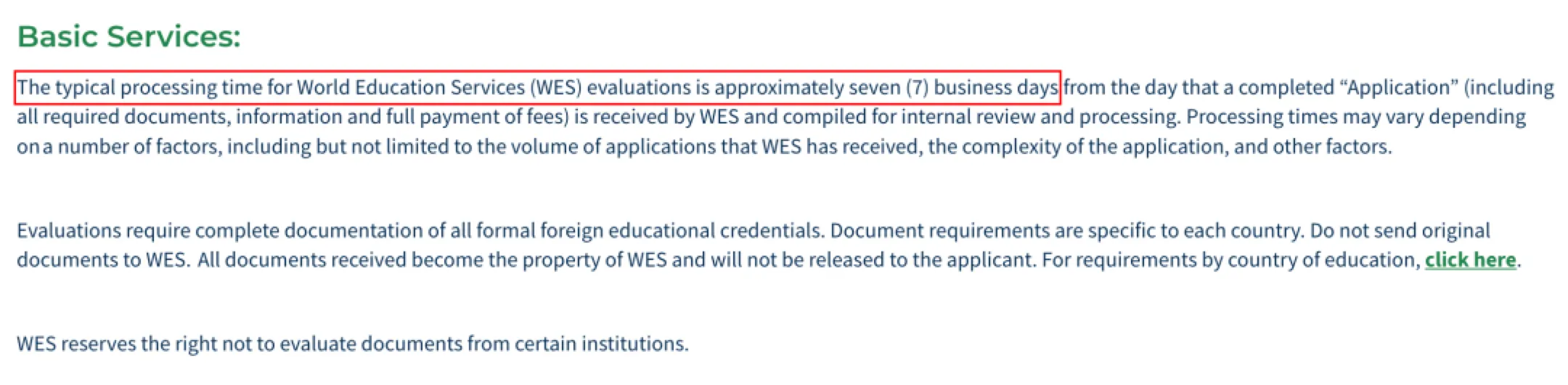
WES evaluation generally requires 7 working days
Transcripts are a critical component of the application process. Please be sure: Do not let the evaluation process delay your entire application timeline.
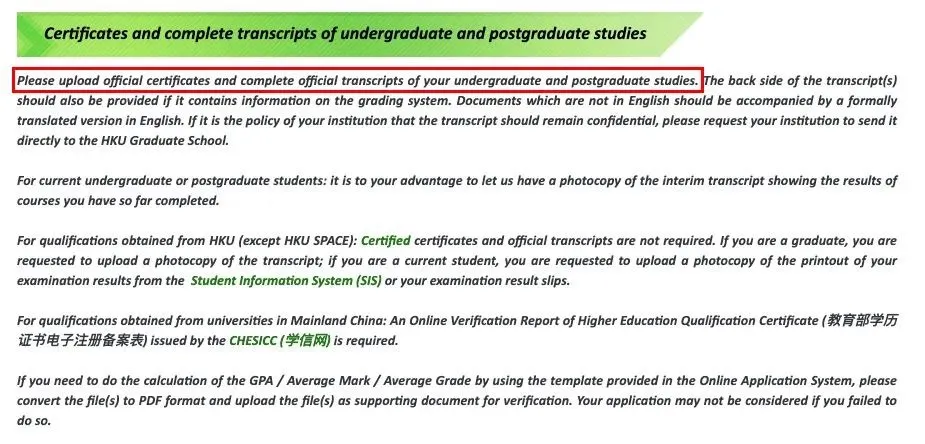
3. Obtain Proof of Enrollment or Graduation Certificate
Some universities/programs in certain countries/regions may require students to provide proof of enrollment or graduation certificates during the online application process.
Whether you are a current student or a graduate, if the target program requires this documentation, please apply for it or download the electronic version in advance.
4. GRE/GMAT/TOEFL/IELTS Standardized Tests
Chinese undergraduate students generally must submit language test scores, while students from overseas universities may have a waiver option.
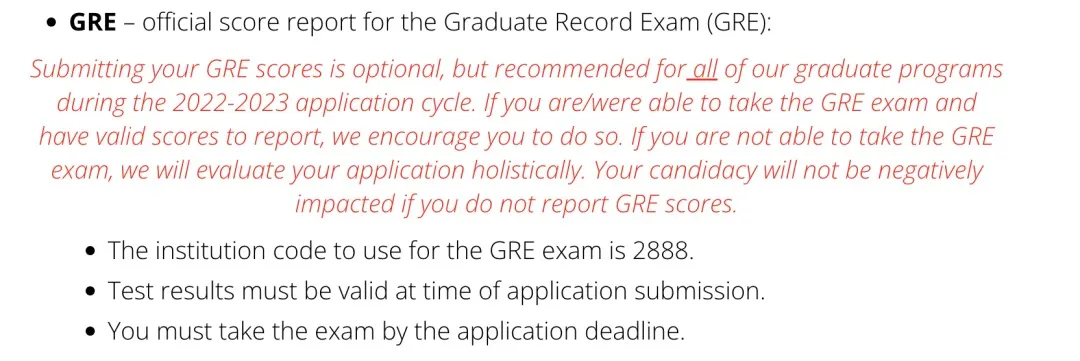
For GRE/GMAT exams, even if optional, most programs still accept them. A good score can still add value to your application.
For example, Penn's School of Engineering and Applied Science strongly recommends that all 2022-23 application cycle students submit GRE scores and provide a valid score report. They also give priority consideration to applicants who submit GRE scores.
5. Recommendation Letter Invitations and Confirmation
Graduate school applications generally require 2-3 recommendation letters, including academic and professional references.
Don't wait until peak invitation periods like September to start approaching professors. Before the online application period opens, you can also provide your CV and personal statement to recommenders you've already contacted, so they can tailor their letters more effectively.

6. Supplementing Background Experience: Internships/Research
Seeking highly relevant internships or participating in high-impact research projects will significantly benefit your application to some extent.
Different graduate programs have different preferences for experience. For instance, Northwestern University's IMC master's program requires applicants to detail their undergraduate internship experiences and deeply describe their career plans in the application essay.
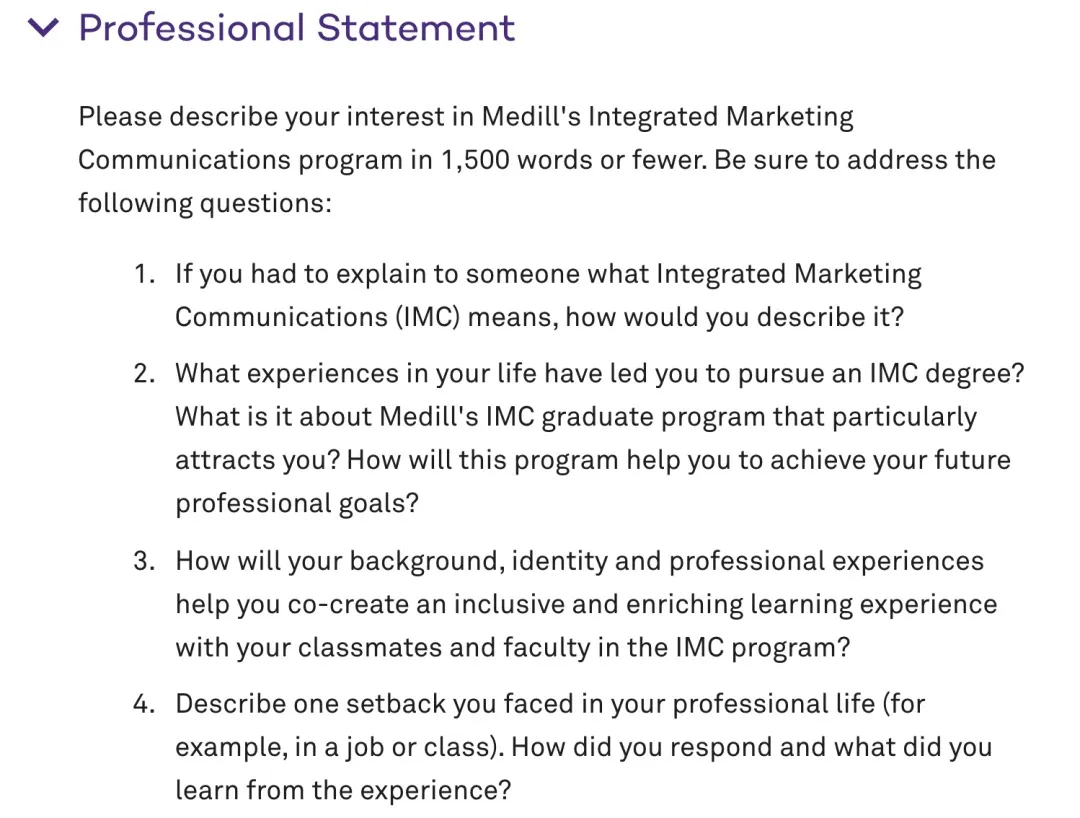
Confirm the requirements of your target programs. If there are still relevant practical opportunities before the application deadline, go for it during this period.
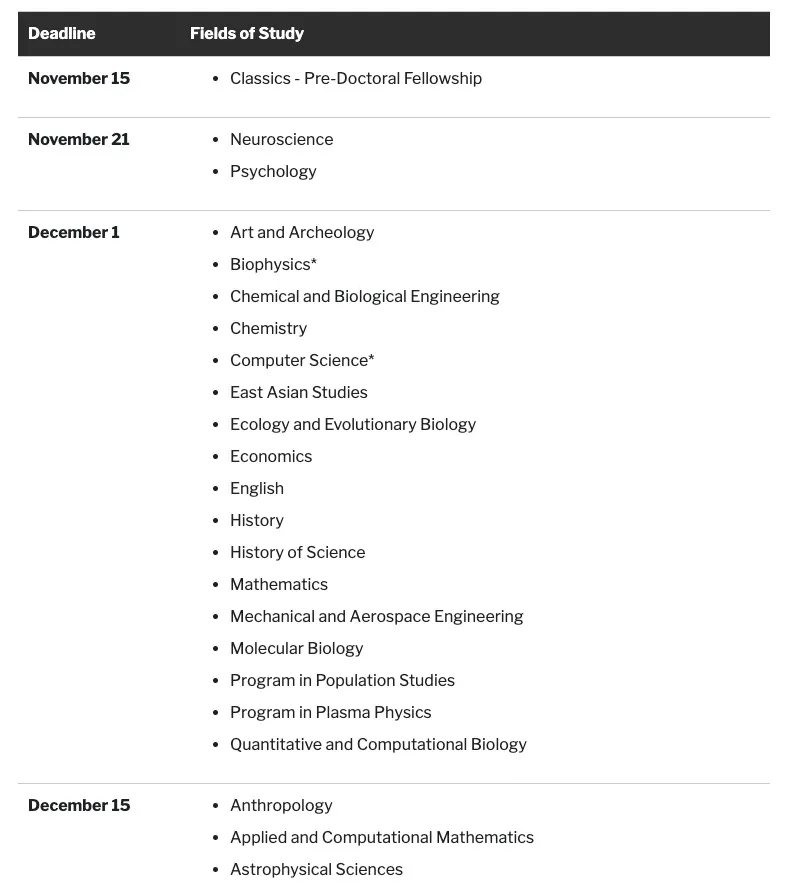
7. Confirm Program Deadlines (DDL)
Deadlines generally vary by country/region, university/school/program.
Graduate programs have different types of deadlines, such as priority, rolling, and multiple rounds.
Before the online application opens, manage your time well.
8. Review Essay Requirements and Outline Your Essays
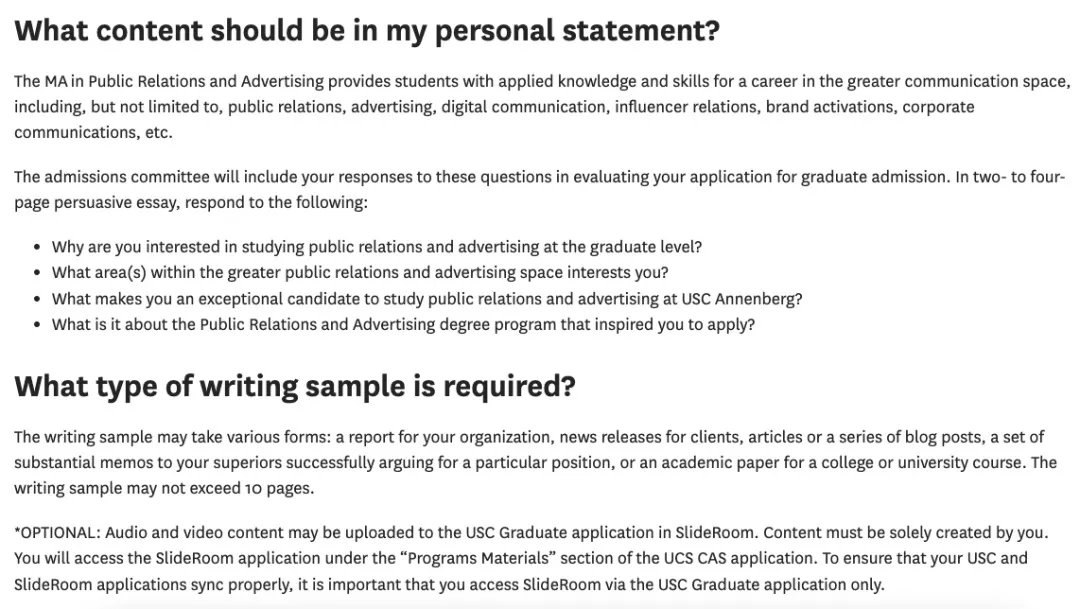
Essays can sometimes directly determine whether an applicant is admitted or rejected.
Start researching school programs now to gain a good understanding, and begin brainstorming and outlining your essays.
If time allows, you can already start drafting your initial essays.
9. Establish the Framework and Emphasis of Your Graduate School Resume
Different majors emphasize different aspects of a resume.
Some schools explicitly state what they look for in a resume; you just need to follow their guidance.
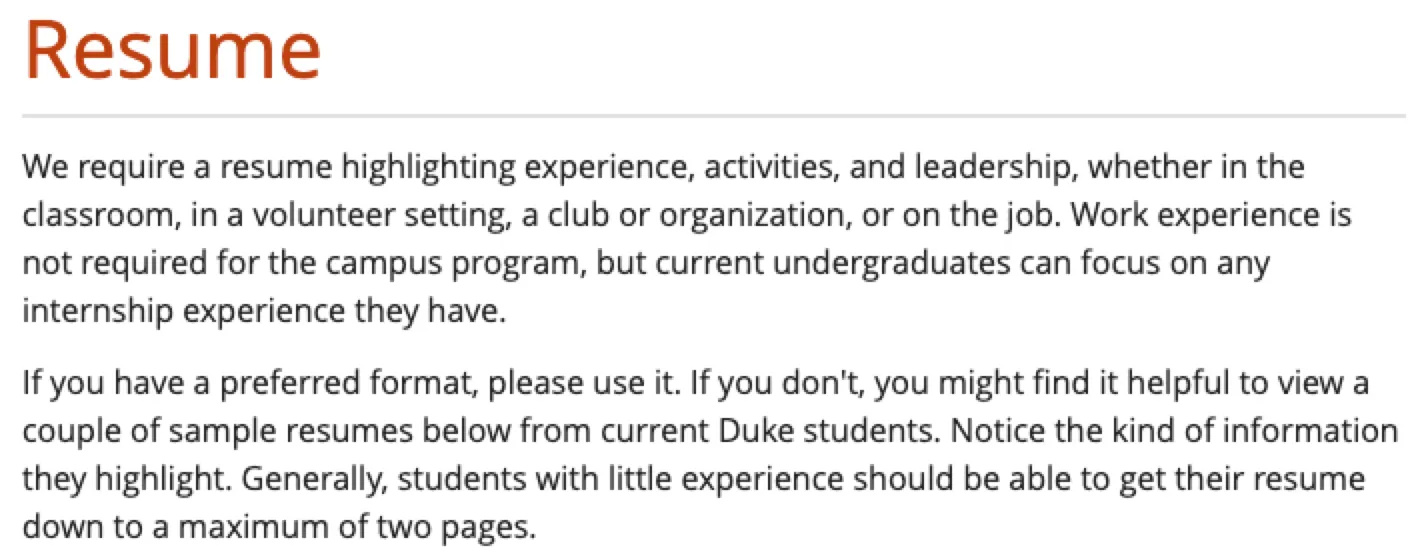
For programs without explicit instructions, thoroughly research and try to discern the admissions committee's preferences.
10. Keep an Eye on Online Application System Opening Dates
Different university programs have varying application systems, material requirements, and opening dates for online applications.
Stay updated on application opening information. Create an account, enter the official application system, select your target programs, understand the application steps and required fields, and confirm detailed material requirements in advance.
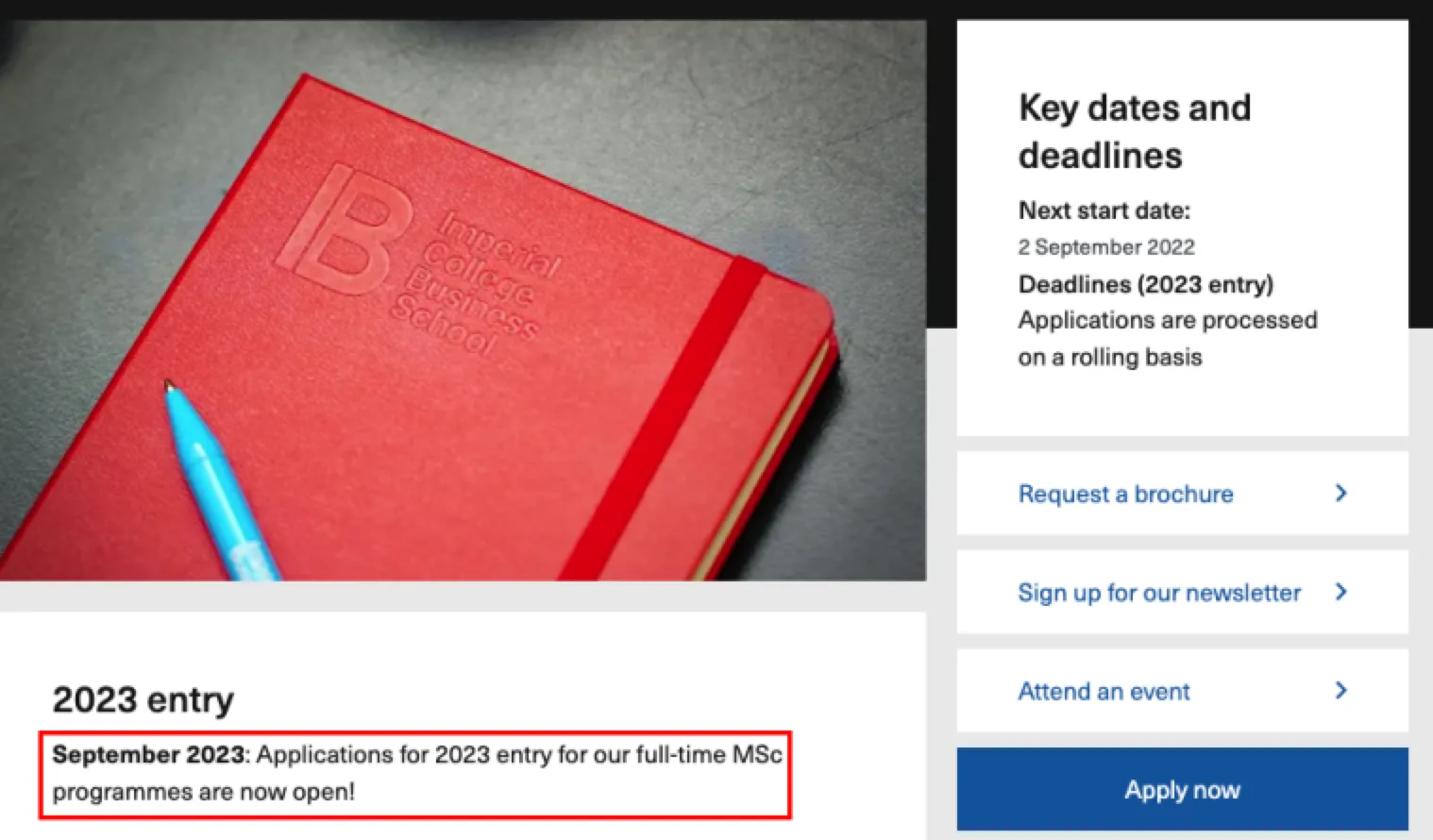
No matter the university's review process, it's always best to be prepared early!
Early planning, early application, early offer—these are the timeless "winning secrets" of every application season.
We wish all students the best in their preparations and in receiving offers from their dream schools!
Precise positioning, conquer top schools!