Spreading anxiety is a common clickbait tactic on social media these days, and study abroad applications are no exception.
A domestic student with a GPA of only 3.6 worries there's no hope for a Top 30 admission; meanwhile, a U.S. undergraduate with a 3.7+ calls it a low GPA and is perplexed about school choices...

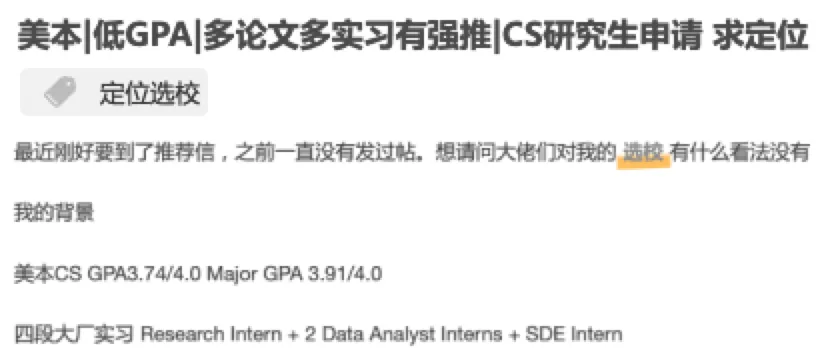
Are those online 'gurus' misunderstanding what 'low GPA' really means?
Many might see such posts as humblebragging, but for students who take grades seriously, a 3.6 versus a 3.9 could mean the difference between a Top 15 and a Top 5 school.
Is GPA Really That Important?
GPA Is the First Stepping Stone for Graduate Applications
Although for graduate school applications, GPA is not the only criterion—factors such as GRE/GMAT, internships/research, TOEFL/IELTS, essays, recommendation letters, interviews, etc., collectively influence your application outcome.
But GPA is definitely the foremost stepping stone in the entire application process.
Even at U.S. universities that value students' holistic backgrounds, top schools have strict grade requirements. A too-low GPA will make applying to Top 100 schools a struggle.
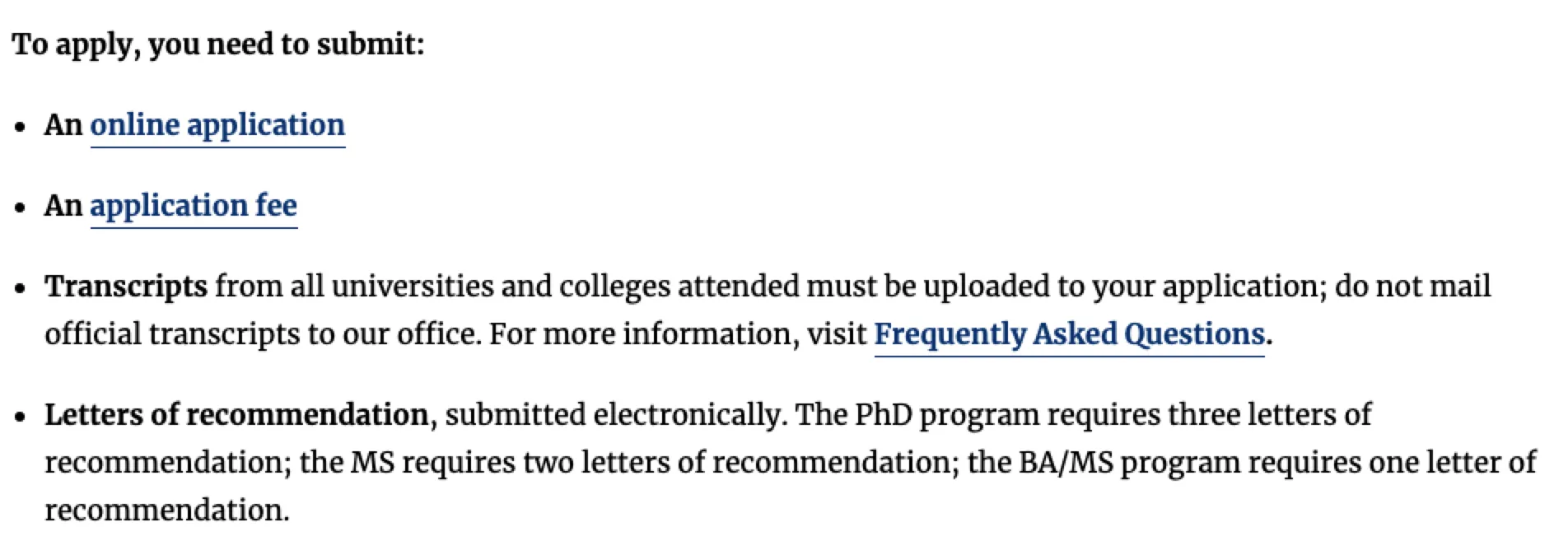
Don’t wait until senior year to realize the importance of GPA—especially students planning to apply to graduate school should pay early attention to their undergraduate grades. If you fail to meet the school's basic grade requirements, your application materials may be filtered out in the first round of digital screening!
Not Everyone Can Pull Off a Low-GPA Comeback
In this era of fast-food information, the internet is flooded with comeback stories that people love to read.

"Low GPA comeback at an Ivy League," "Low GPA career switch into a top CS program," "Ultra-low GPA working professional successfully gets in"—these survivorship bias examples are blown way out of proportion, giving viewers a false sense of hope, making them think they can casually pick prestigious schools with a low GPA, even believing they can get into Harvard with a 2.5.
Although most school websites typically list a GPA of 3.0+ or don't specify a minimum GPA requirement, if you actually apply with a low GPA, you're very likely to be rejected. You might merely meet the minimum GPA requirement, but not the admission standard.
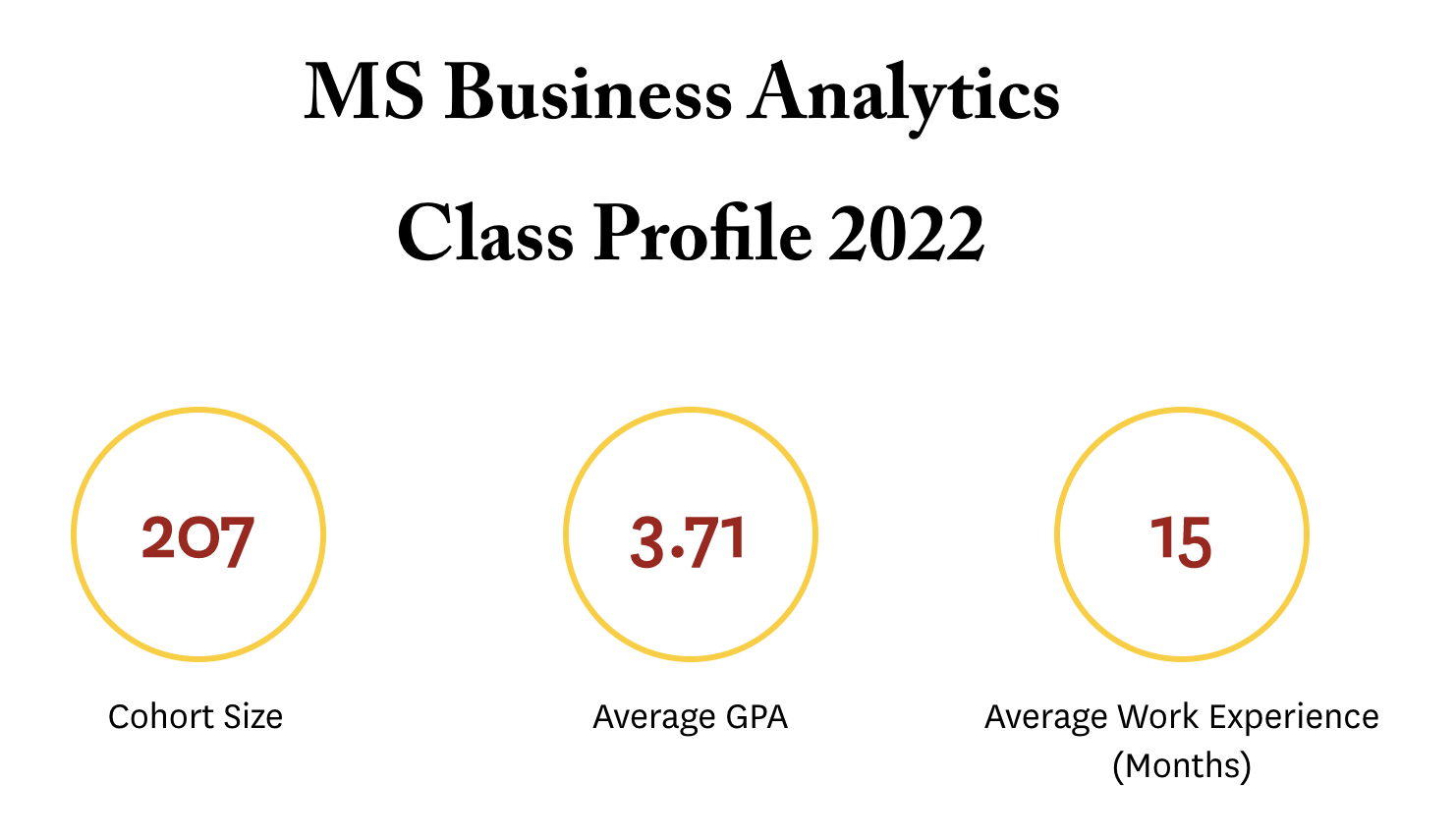
For highly competitive programs with a huge applicant pool, they may explicitly set a higher GPA threshold. If you apply to USC's BA program with a 3.0 when the average GPA is 3.7+, the chance of admission is indeed very slim.
Even for programs that aren't particularly strict about GPA, it often means they'll scrutinize other application materials more heavily.
Without strong experience, high-value recommendation letters, excellent essays, and resumes, achieving the low-GPA comeback myth becomes even harder.
GPA Is Equally Important for Job Hunting
Some students might say, "Well, I won't go to grad school; I'll just work, and nobody will care about your GPA at work."
That notion is also completely wrong.
Even when looking for internships during college, most companies likely won't hire you with a too-low GPA.
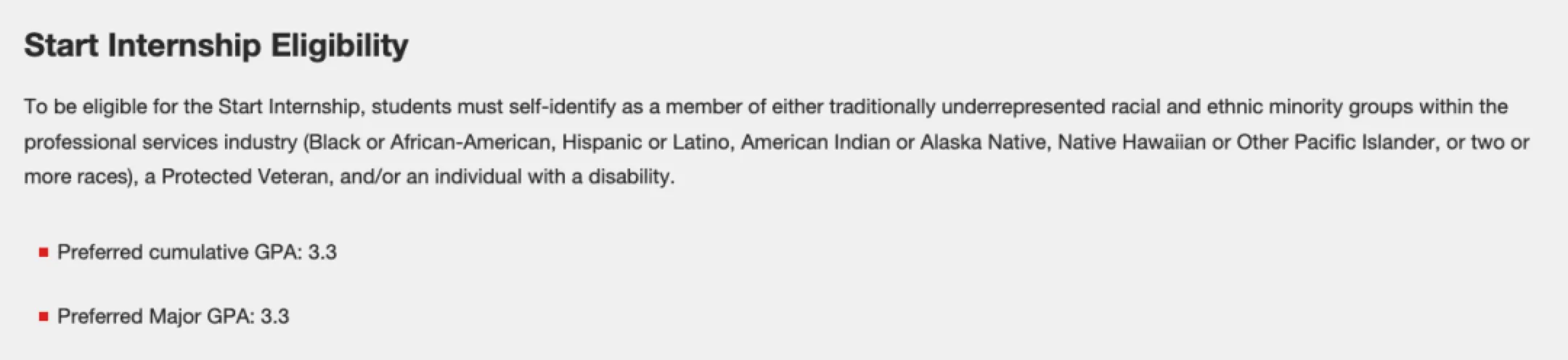
Many employers believe that maintaining a high GPA during school is a basic reflection of a candidate's ability and attitude toward learning and work. For certain industries such as accounting, consulting, and law, GPA can also reflect whether you have the ability to complete tasks assigned by superiors in a timely and efficient manner.
Many well-known companies, when you submit your job application, ask you to fill in your graduation GPA on the application portal, which can be considered the first step of employer assessment. For recent graduates with little internship or work experience, GPA may even directly determine the first impression.
How to Maintain a Good GPA in College
Now that we understand the importance of GPA, let's look at how to effectively maintain your academic performance!
Make Good Use of Resources Around You
As the saying goes, to get good grades, choose professors early and wisely. A common way to maintain your GPA is to avoid "landmine professors."
Websites like Rate My Professors or getting feedback from seniors who have taken the course are great ways to choose courses/professors.
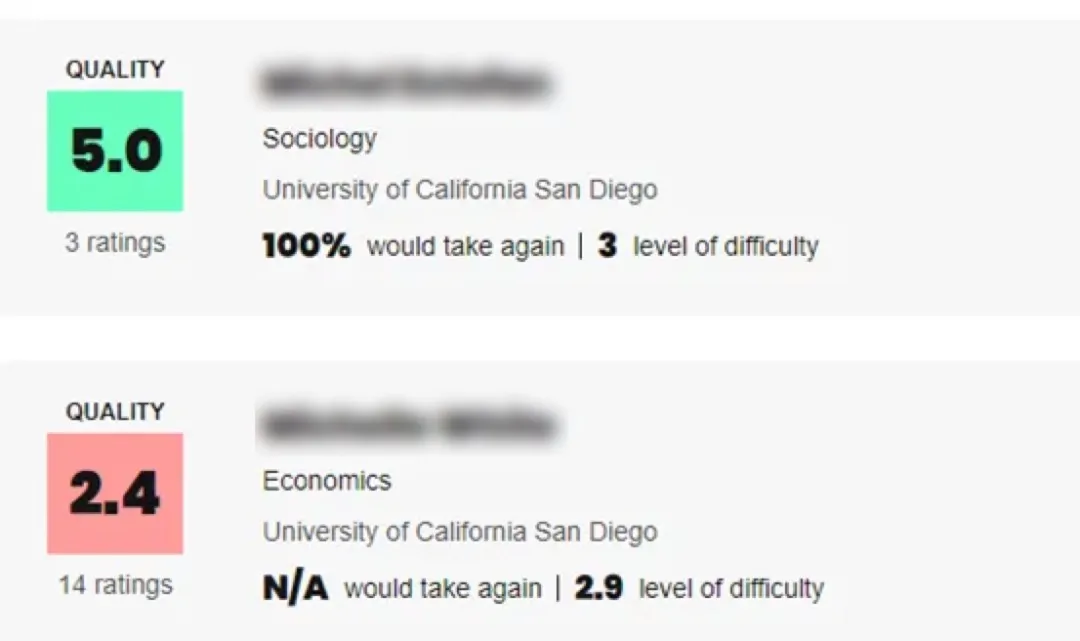
Try to avoid professors with very low ratings. Low grades may not be due to difficult courses or your own ability; it could be the professor's issue as well...
For professors with perfect scores, also check the reviews to see if it's because too few people reviewed them or if the professor is genuinely approachable and easy-going with grading.
Besides seizing the opportunity to sign up for classes with good professors early, if you unfortunately end up with a tougher professor, I suggest making good use of office hours to ask questions and communicate, or spending more time working with your study group members—these are also good ways to boost and maintain your GPA.
Use Pass/No Pass Judiciously
Pass/No Pass, or Pass/Fail (CR/NC), is a fairly common grading option in North American universities.
Universities usually allow students to change some non-major courses (mainly general education courses) to P/NP, while major courses cannot be changed to P/NP. Typically, the number of credits that can be converted to P/NP is limited, and the specific restrictions vary by university.
University administrators also state that to ensure academic success, students are advised to carefully consider the P/NP option.
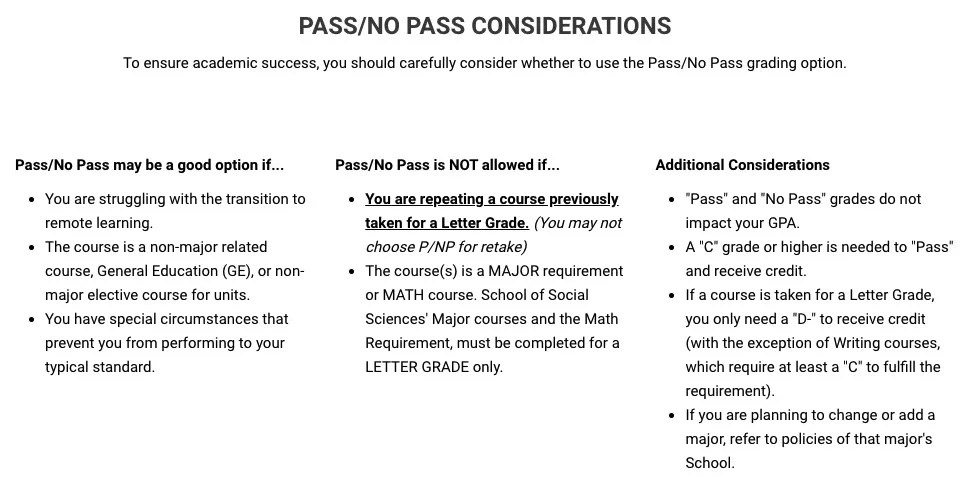
Although P/NP is convenient, here are a few key points to note:
1. Consult your professor and academic advisor, and decide whether to go with P/F based on school policies, your individual situation, and course difficulty.
2. Don't convert too many courses to P/NP in a single semester; it's recommended to keep letter grades for major courses.
3. Don't get too carried away; even if it's a non-major course under P/NP, you'd have to retake it if you get a No Pass.
Optimize Your Course Scheduling
Course selection in college is generally quite flexible. When enrolling each semester, I suggest fully considering whether your time and energy can keep up with your plan.
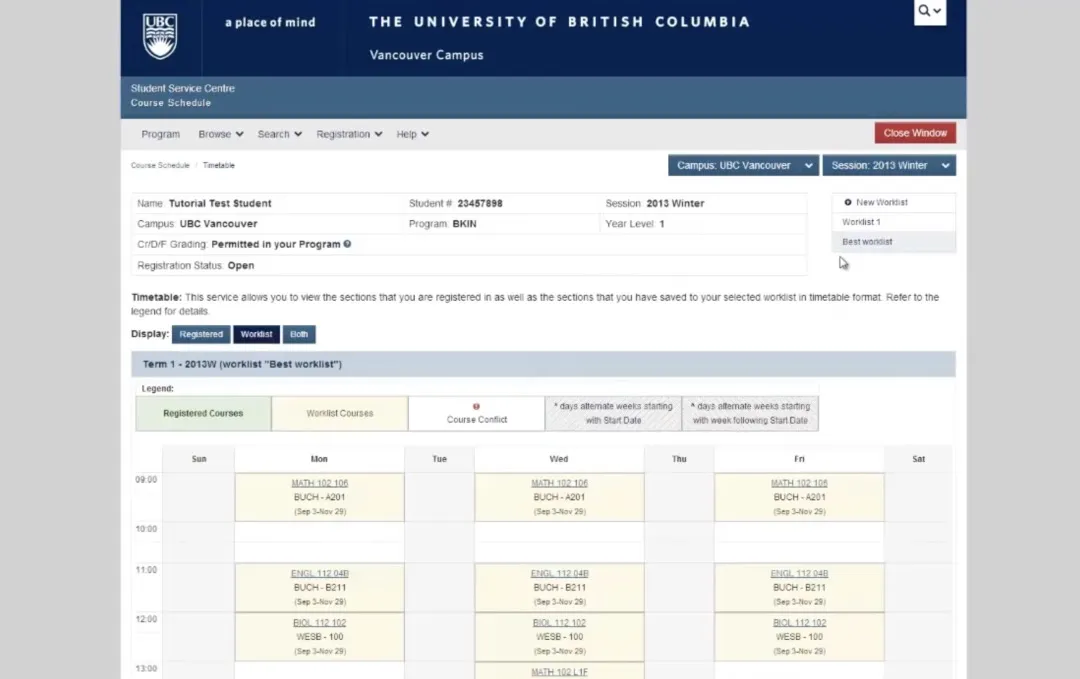
Taking too many courses at once, piling all the tough courses into one semester, or overloading on project-based courses... can easily lead to half the results with twice the effort, low efficiency, and low GPA in return.
Not everyone can withstand the pressure of graduating early in three years. Raising your GPA is the top priority; don't put the cart before the horse.
GPA remains a very important assessment criterion for both graduate school applications and job hunting, and we advise all students not to slack off.
From now on, pay attention to your grades. We wish you all academic success and the realization of your dreams!