At the end of each application season, when most students finally transform from "humble applicants" into those with the power to choose, a small number of students unexpectedly receive a blow from their admitted schools: Your program's professor has left, your major has been suspended, or maybe...
How I wish the above was just a joke, but it is a real and sad story. Last application season, the school in this story was none other than the famous University of Glasgow in the UK.
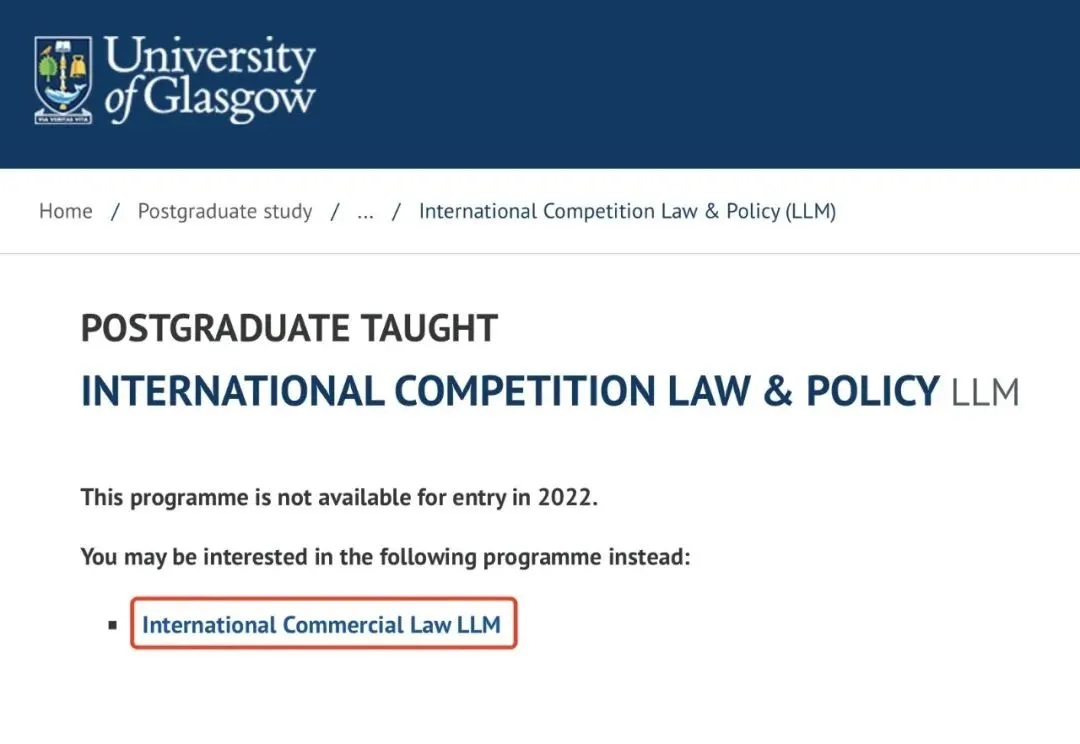
The university officially stated that the International Competition Law & Policy program lacked sufficient teaching staff, so it canceled its opening for the 2022 intake.
For students who applied to this program at the time, this was undoubtedly a confusing and frustrating situation. Fortunately, the school provided them with an alternative: all students who received offers could transfer to other LLM specializations.
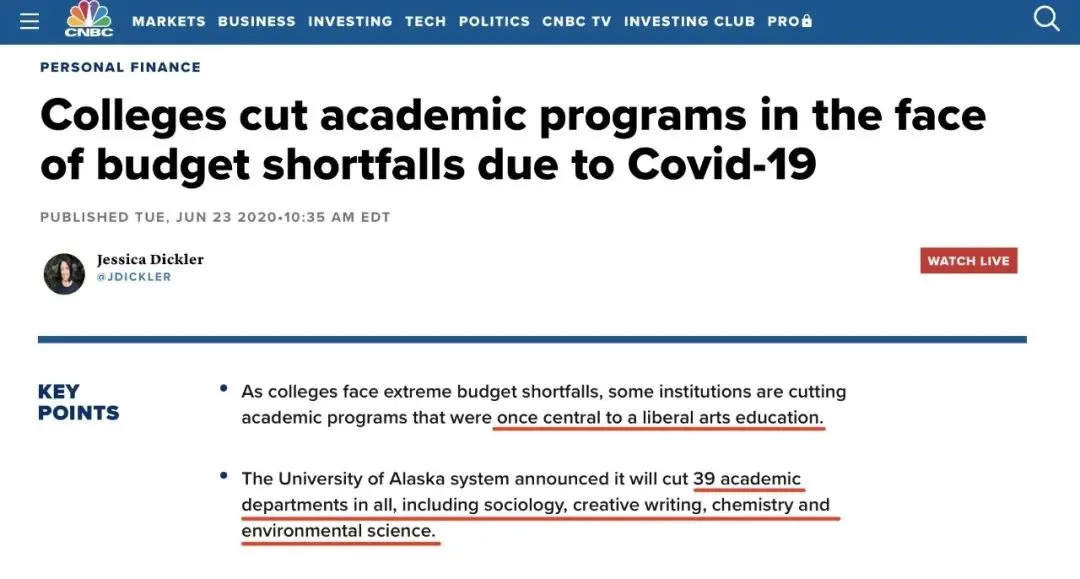
In fact, this is not the first time a foreign university has canceled a program. Especially under the ongoing impact of the pandemic, many schools have been forced to close some programs due to funding shortages.
So, besides funding, what are the other reasons for the suspension of foreign university programs? Which programs are most likely to be canceled? And as applicants, how can we prepare to avoid having our chosen programs canceled?
Reasons for Program Suspension/Cancellation
Unpopular, Niche Majors: Cancellation or Merger
First and foremost, the programs most likely to be canceled are those that are niche and have low enrollment.
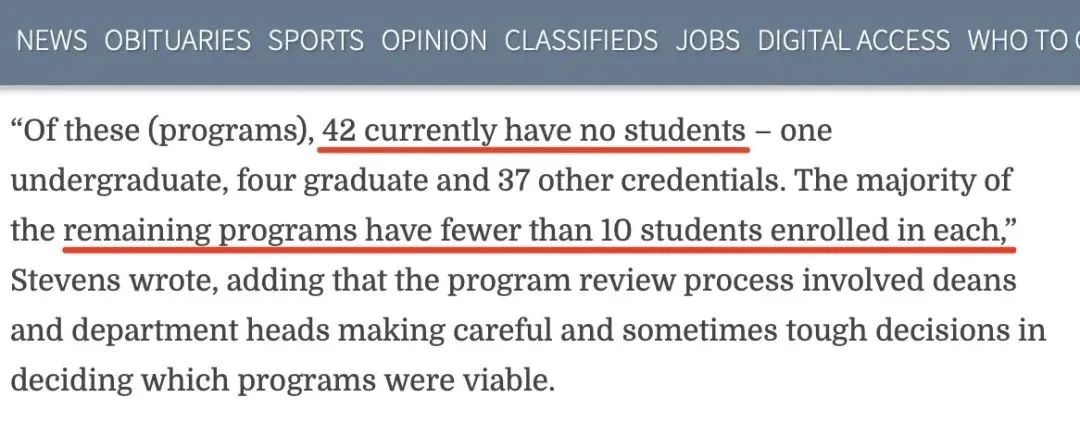
According to WKU (Western Kentucky University), out of the 101 programs they planned to cancel, 42 had been chronically unpopular for years, with not a single student enrolled. Most of the remaining programs to be canceled were also niche programs with only a handful of students.
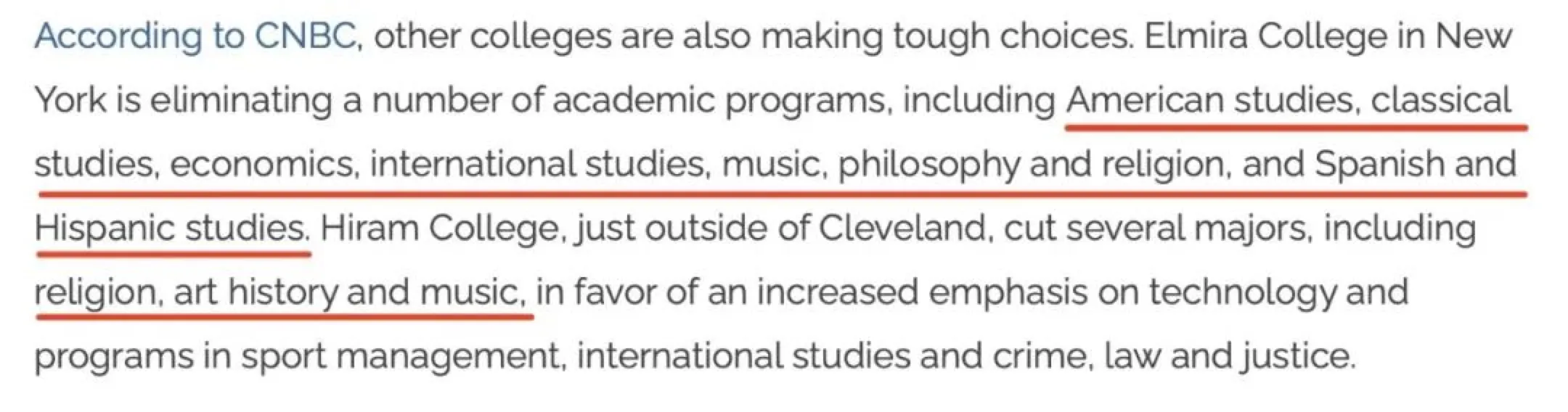
Take a look at some of the specific programs that were canceled: American Studies, Classical Studies, Economics, International Studies, Music, Philosophy and Religion, Latin American Studies, Art History, and more.
Some schools, while not canceling specific programs outright, have merged several sub-specializations into one new program. For example, the president of Ohio Wesleyan University announced that the Religion and Philosophy departments would be combined into one, and the "Black Identity Studies" and "Women's Identity Studies" programs would be merged into an overall "Identity Studies" program.

Low Program Returns, Evolving with Industry Updates
In the post-pandemic era, economic development has increasingly gained attention.
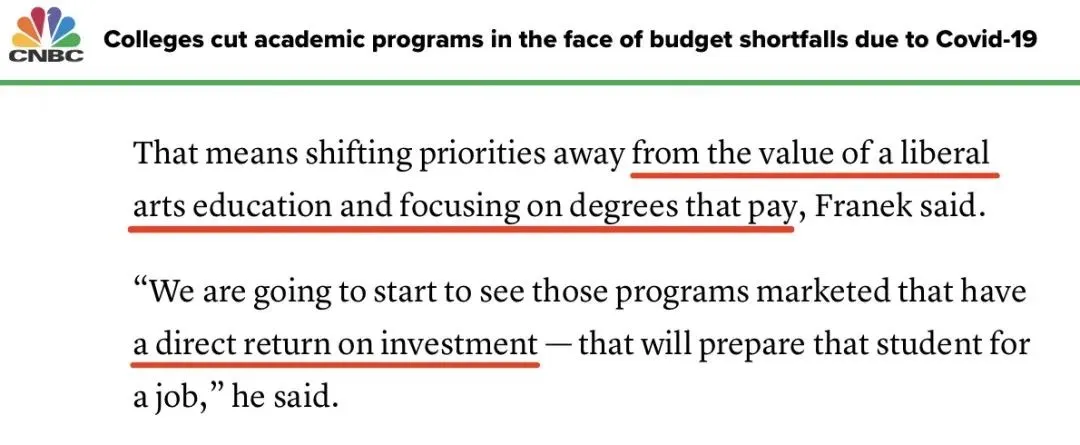
To adapt to changing times, many universities have announced the cancellation of programs with poor employment prospects and low returns.

Meanwhile, as STEM fields continue to surge in popularity, many traditional humanities programs are also heading in this new direction. For example, Columbia University's Teachers College, one of the largest and most diverse education schools in the US, has recently launched several interdisciplinary programs that blend traditional education with other STEM disciplines.
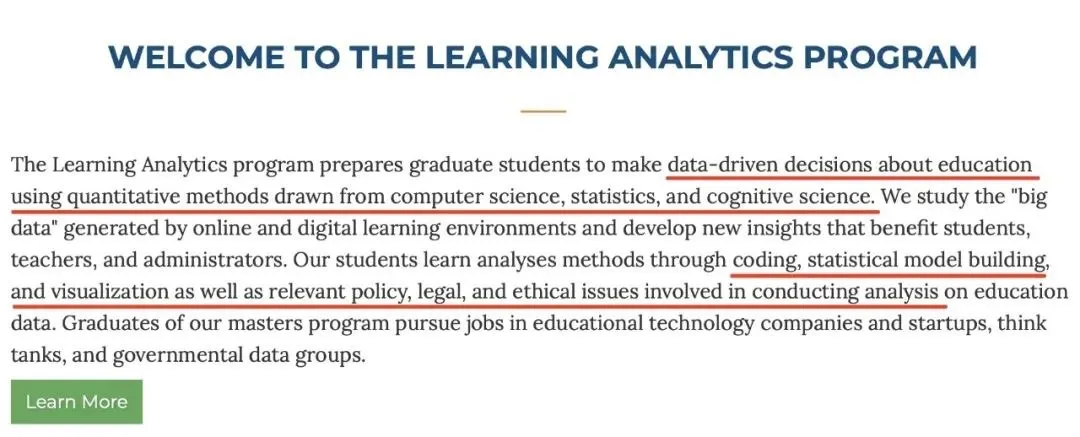
Programs like Learning Analytics are education programs based on data analysis and quantitative research, also incorporating CS, statistics, and scientific knowledge, aiming to cultivate education professionals with strong analytical skills.
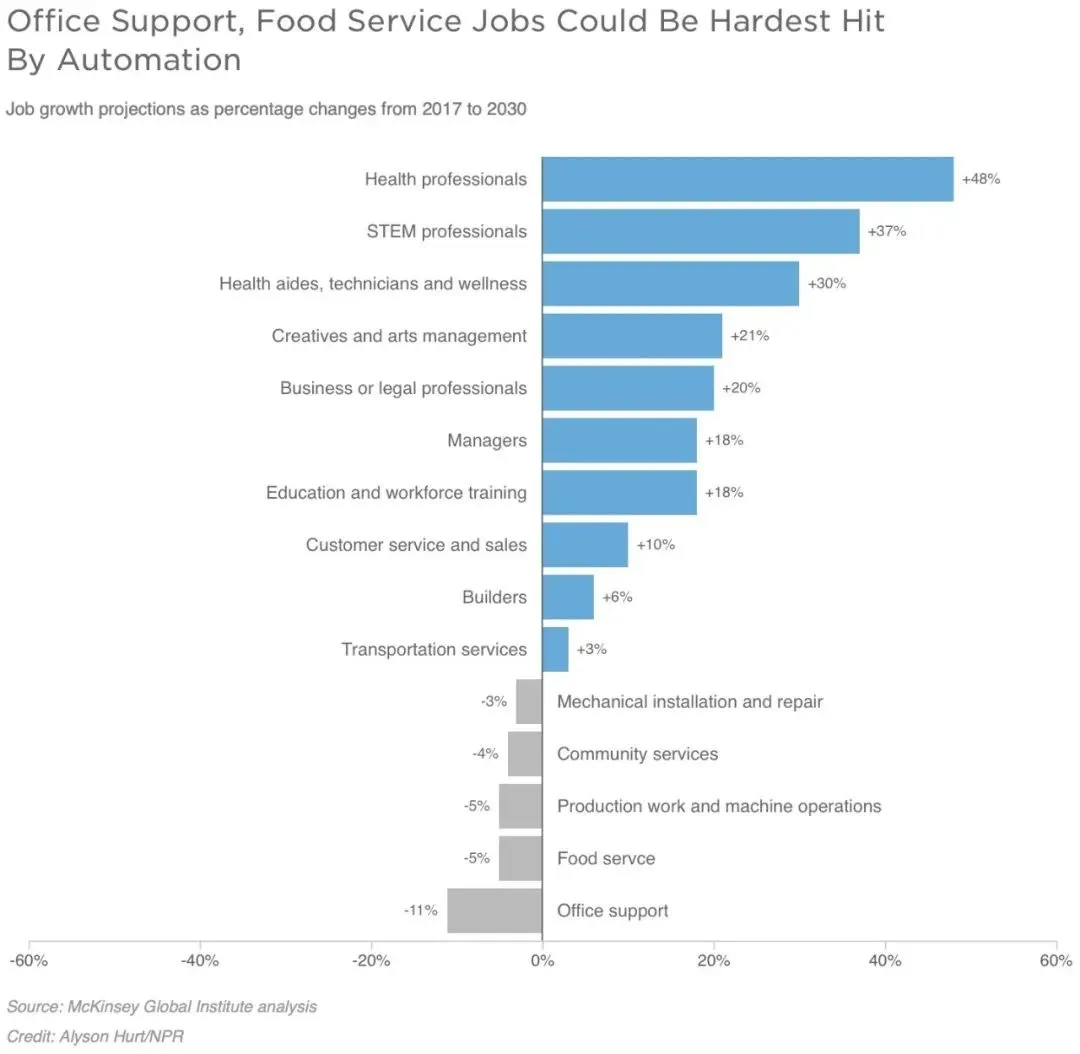
Such program updates and iterations are an inevitable trend in adapting to societal and industrial development. According to McKinsey's 2017-2030 industry trends, health-related jobs and STEM careers will surge significantly in the coming years.
While universities are educational institutions, their ultimate goal is to attract students and increase cash flow. Many students, however, focus primarily on employment prospects.
So it's not hard to predict that interdisciplinary programs will continue to be popular in the future, while those with low returns and little interest may face ruthless elimination.
Different or Unstable Program Opening Times
In the US, most schools offer both spring and fall enrollment options.
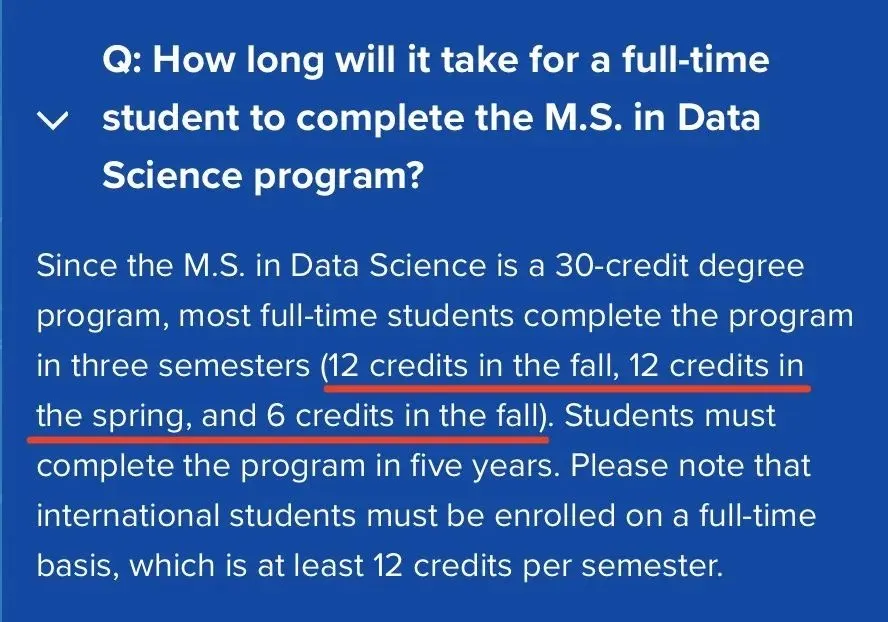
Generally, some programs are only offered in specific semesters. For instance, business schools rarely open spring programs, so students aiming for spring enrollment will find these programs unavailable.
JHU's Carey Business School and USC's BA program explicitly state they do not accept spring students. Other programs like Columbia and NYU's Data Science programs also only accept fall applications.
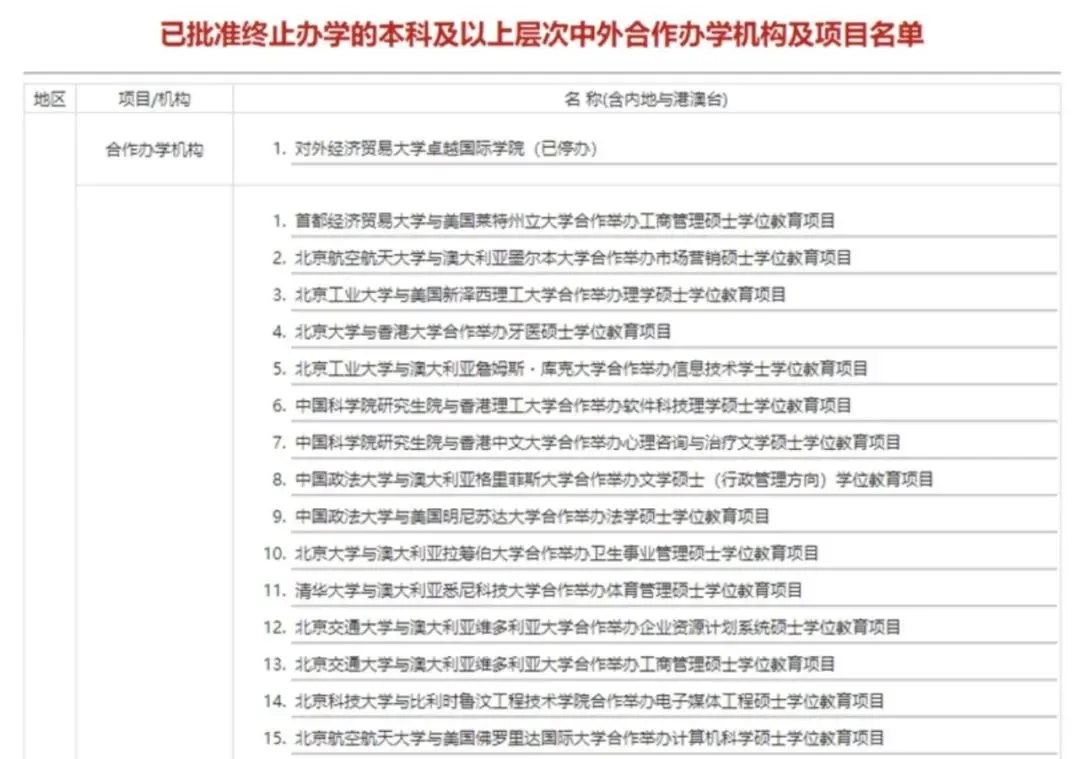
Unstable openings are more common in Sino-foreign cooperative exchange programs. In recent years, there has been a proliferation of such programs. While they appear attractive, they also face risks of instability and potential sudden cancellation.
In 2021, China's Ministry of Education issued a notice canceling 286 Sino-foreign cooperative education institutions and programs, including those involving prestigious universities like London Metropolitan University and New York University.
Students interested in Sino-foreign cooperative programs must keep their eyes open and stay updated on the latest developments of these programs.
How Applicants Can Avoid High-Risk Programs
Early Application Stage: Do Thorough Research
First and foremost, the most crucial step is conducting thorough research when selecting programs during the early application stage. Focus on checking the school's official website for details about your desired program, relevant news, and graduate profiles to gauge whether the school gives sufficient attention to the program.
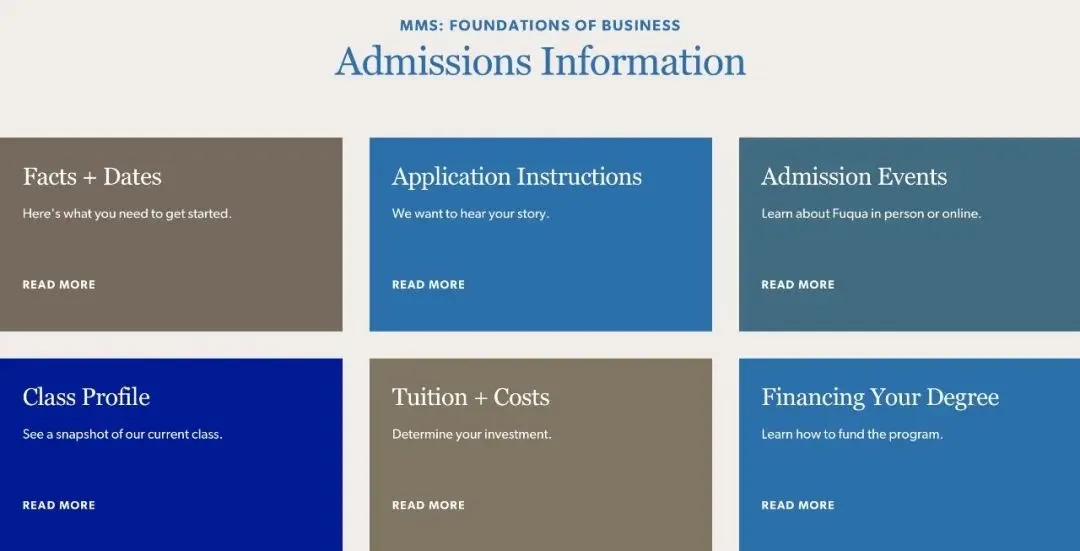
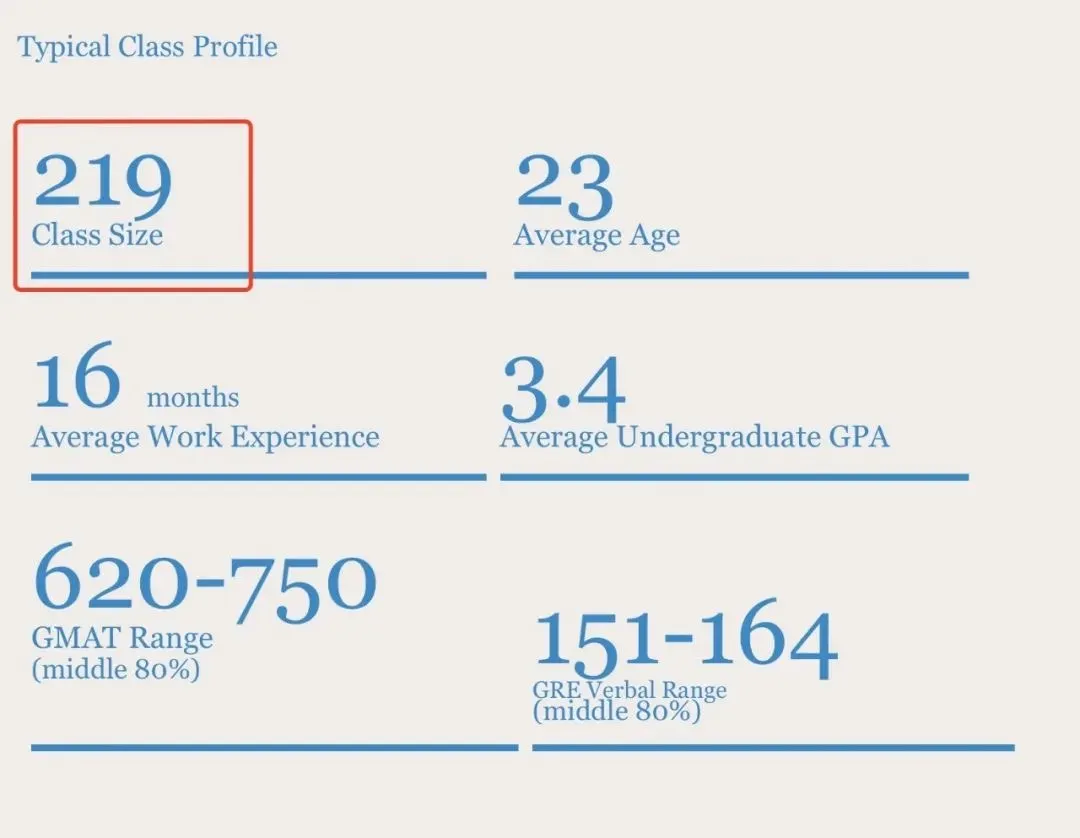
Take Duke's MMS program as an example: entering the official website reveals not only rich information but also substantial enrollment numbers for each cohort. This indicates the program is both popular and valued by the school. Generally, such popular programs are unlikely to be suspended or canceled.
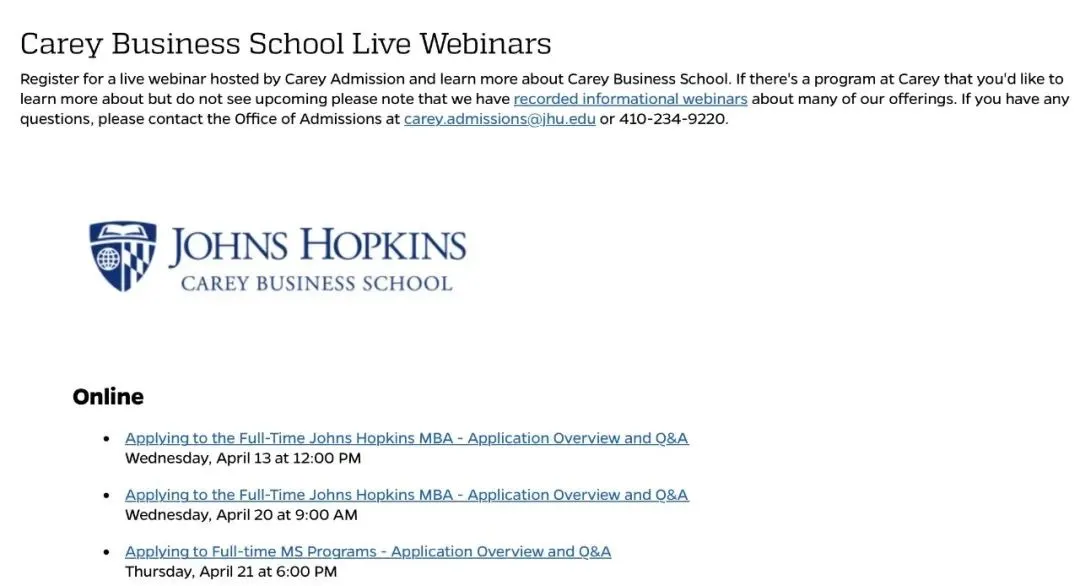
At the same time, during the early application stage, proactively reach out to seniors in the program or actively participate in information sessions to gather first-hand information about the program.
Mid-Application Stage: Diversify Your Program and Location Mix
After confirming the general application direction, adopt a strategy of applying to multiple programs or fields. Don't put all your eggs in one basket; this maximizes protection against losses from a specific program being temporarily canceled due to special circumstances.
Moreover, for highly desired dream schools, check their application policies. Some allow applying to multiple programs, which also effectively diversifies risk and increases admission chances.

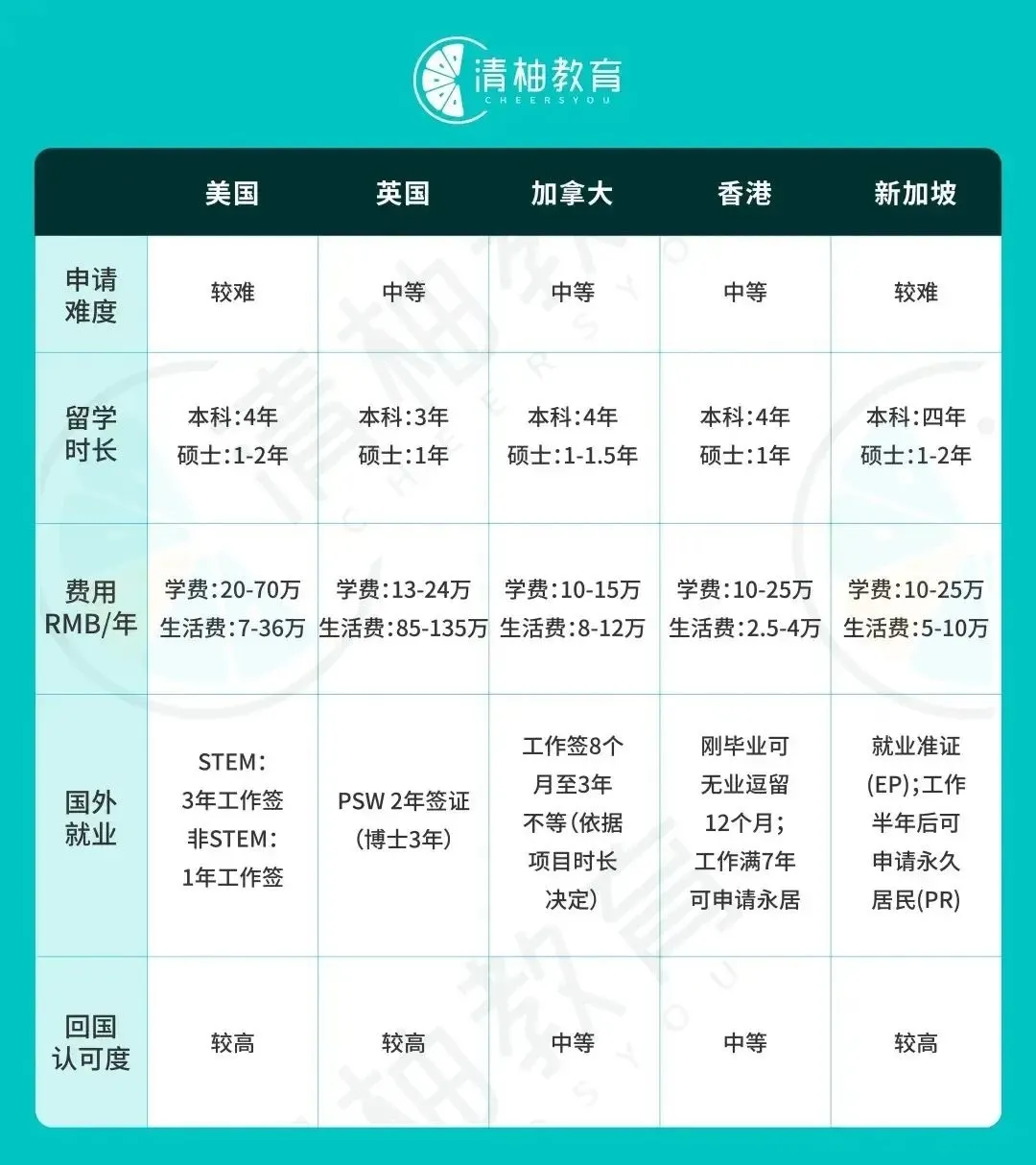
Second, applying across multiple countries is also a smart approach. Especially in popular study-abroad destinations like Canada, the US, the UK, and Singapore, there are more options and a broader range of programs. Students considering less common countries can also mix applications to these regions.
Late Application Stage: Keep Track of Program Developments
After submitting your application, programs will gradually start communicating with applicants, notifying them of progress or updates. At this point, you need to promptly check your email and stay aware of the latest developments regarding your chosen programs.
If you're still concerned, you can also find the admissions office contact information on the program's official website and reach out directly to confirm that all information you've received is accurate.
Having an admitted program suddenly canceled is truly a frustrating and helpless situation. We can't predict the future, but what we can do is prepare thoroughly in advance to ensure we avoid "high-risk programs" as much as possible.
If a program is indeed suspended, the school will likely provide corresponding solutions. Students should also maintain active communication with the university.
A new application season has begun. Wishing everyone success in receiving their dream school offers!